
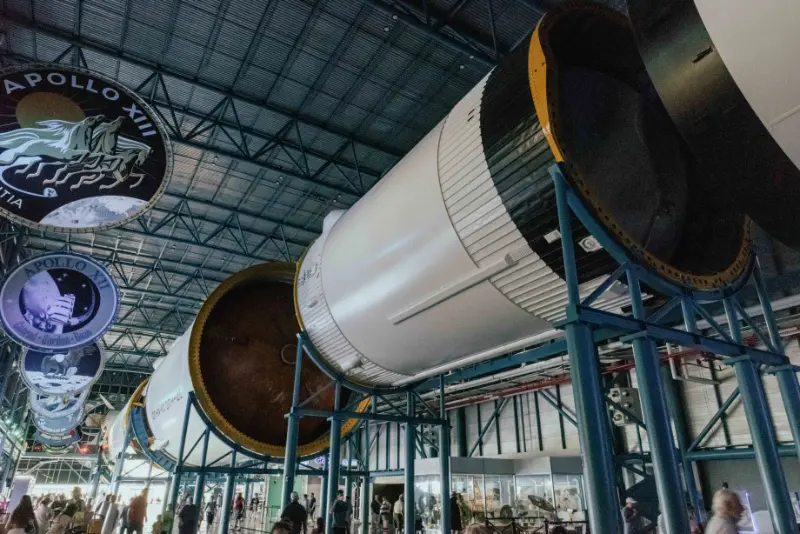
A Florida vacation with teenagers can be memorable without a single day at Disney or Universal. The Space Coast, east of Orlando, combines rockets, ocean beaches, wildlife, surfing culture and small-town places to eat. It is a particularly good match for teens who want to do something, not just look at landmarks, but who also enjoy having unstructured afternoons. This seven-day plan uses Cocoa Beach or Cape Canaveral as a practical base and keeps most driving in Brevard County rather than attempting to tour half the state.
Not every teenager likes the same things. The itinerary deliberately alternates indoor and outdoor days, expensive and inexpensive experiences, and independent-feeling activities that still permit safe adult supervision. The major activity is Kennedy Space Center Visitor Complex; the other days let your group choose whether to prioritize the ocean, animals, history or simple time together.
Where to stay for a teen-friendly Space Coast week
Cocoa Beach makes sense if walking to sand, a café or a surf shop is a central priority. A property close to an actual beach access point reduces daily loading and parking. The town extends farther than visitors sometimes expect, so check the route from your hotel rather than assuming that the words Cocoa Beach guarantee a short walk. Cape Canaveral can be convenient for some port-area accommodations and beach access, though local restaurant and transport options vary by address.
Merritt Island or inland areas may be less expensive in some periods and convenient for driving to Kennedy Space Center or nature outings, but the trade-off is fewer spontaneous evenings on foot. For teens, that matters: the ability to get a snack nearby or take a short family sunset walk can be more valuable than a larger room far from activity. Compare total nightly cost including parking, resort charges and taxes. Ask whether two teenagers can have separate beds and enough charging outlets. A small apartment with laundry may be more useful than a luxury room with an impressive view.
| Base | Best reason to choose it | What to double-check |
|---|---|---|
| Cocoa Beach near beach access | Walkable ocean mornings | Traffic, noise, public-access route |
| Cape Canaveral | Port and northern beach convenience | Transport to restaurants and attractions |
| Merritt Island | Flexible driving around the county | You may drive for most evening activities |
Day 1: arrive and let the coast set the pace
Reach the accommodation, buy snacks and check beach conditions. After travel, give teenagers control over something small: choosing the dinner spot, selecting a morning activity or deciding whether to take a short walk. It is tempting to fit in a surf lesson immediately, but fatigue and unfamiliar ocean conditions are a poor combination. Instead, walk to a beach access point, enjoy the view from dry sand and identify where lifeguards or official safety information are available.
Take time to explain local beach rules without lecturing. The Atlantic can have strong rip currents even under blue skies. Check warnings, avoid swimming after dark and never assume that a strong pool swimmer understands ocean conditions. If the group wants the water tomorrow, identify a reputable surf instructor and ask about instruction for beginners, weather cancellation and the equipment supplied. Dinner and sleep finish day one.
Day 2: devote a full day to Kennedy Space Center
The Kennedy Space Center Visitor Complex is the trip’s anchor. Space Shuttle Atlantis, the Rocket Garden, the Apollo/Saturn V Center and various interactive exhibits can easily fill a substantial visit. The official itinerary planner distinguishes between half-day and full-day approaches; with teenagers, allowing most of a day is sensible. Arrival time, bus tour availability and ticket options should be checked before the visit, not guessed at the entrance.
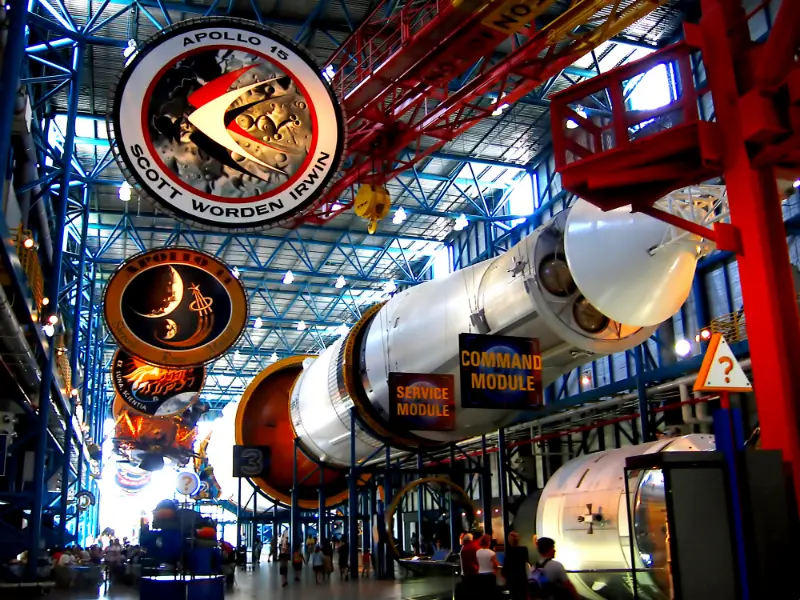
Have each teen pick an interest before arriving. One may love engineering, another the human stories behind missions, and another the scale of a Saturn V rocket. Group activities around those interests instead of insisting everybody spend an equal amount of time at every exhibit. For visitors who dislike motion simulators, there are still plenty of compelling exhibits; check age, height and health advisories for rides or immersive experiences. Buy meals or carry approved snacks according to current venue rules and plan rest breaks rather than rushing through the complex.
Rocket launches are a wonderful possibility but never a guarantee. Schedules change with weather, technical requirements, safety and mission decisions. Even if the forecast looks good, a planned launch may be delayed or moved. Treat a launch as a bonus, consult official mission and visitor guidance, and avoid committing a nonrefundable hotel change solely around an expected launch time.
Day 3: a real ocean day with a beginner-friendly challenge
A surf lesson can give teenagers a satisfying sense of progress. Choose a licensed or established local school with instructors experienced in beginners, and confirm whether the lesson covers beach hazards, board handling, safe falls and rip currents. Some teens will prefer bodyboarding or simply walking the shoreline and taking photographs. Do not force everyone into the same water activity. A person who is nervous around waves can enjoy the beach safely from the sand while others take a properly supervised lesson.
Build the day around the conditions. Early starts may bring gentler heat, but surf, tides and wind determine whether a lesson should proceed. If the instructor advises cancellation, listen and choose an alternative. After the session, keep the afternoon open for food, rest and perhaps a stroll through an accessible public beach area. This is a good time for a family conversation about what everyone enjoyed, not another long-distance drive.
Families with younger siblings can split into two supervised groups: one taking the lesson, one having a calmer sand-and-snack morning. Agree on a reunion time and beach landmark that is safe and unambiguous. Never make lifeguards responsible for keeping track of your children; they are watching the water, not acting as babysitters.
Day 4: wildlife and a slower morning on Merritt Island
Merritt Island National Wildlife Refuge offers a change from hotels and beach shops, with marshes, birds and wildlife-viewing possibilities. Before going, check the U.S. Fish and Wildlife Service for current refuge routes, seasonal closures, fees and vehicle restrictions. Some areas can close for NASA operations, wildlife management or other reasons. A wildlife drive is not a zoo: sightings change with the season, time of day and weather.
Give teenagers a photo or observation challenge instead of just telling them to “look outside.” They could identify three bird shapes, note how different habitats change along the route or take photos that show landscapes rather than close-ups of animals. Binoculars and a simple identification app can be useful if downloaded ahead of time. Keep windows and doors closed where advised, follow speed limits and never approach, feed or harass alligators or other wildlife. Use designated pull-offs rather than stopping unpredictably on narrow routes.
A calm afternoon at your accommodation balances the morning’s wildlife outing. If weather is oppressive, shorten the outdoor time. Taking care of your group’s comfort is part of choosing sustainable, respectful nature activities.
Day 5: pick your own active or creative experience
Make this a choice day. An outdoors-focused teen might prefer a guided kayak excursion on suitable calm waters, with a responsible outfitter who explains tides, weather, life jackets and wildlife etiquette. Another may prefer learning about conservation at a zoo or nature center. Brevard Zoo in Melbourne is an option worth checking for current animal exhibits and approved experiences; travel time from Cocoa Beach makes it a substantial half-day rather than a ten-minute detour. Explore what is included in general admission before purchasing extras.
For a teenager who likes history or photography, Cape Canaveral’s port surroundings and the wider Space Coast’s space-related heritage can be more engaging than another swimming day. Look for public viewing areas and established museums rather than trying to enter restricted launch or port facilities. Ask your teen to choose one stop and explain why they want to go. That small sense of ownership can transform a family trip from passive sightseeing into something they genuinely remember.
If the group has different energy levels, split the afternoon responsibly. Some can rest while others take a supervised activity close to the hotel. This is also the right moment for a no-bookings evening: pizza, a simple board game or a beach sunset if weather and access are safe.
Day 6: a free-form beach and town day
By day six, adults sometimes feel the need to fill the schedule because the vacation is nearing its end. Resist that impulse. Give teenagers a realistic budget for a snack or souvenir, agree on boundaries and spend time near your chosen Cocoa Beach district. Browse shops, revisit a favorite spot or rent beach equipment only if conditions and operator requirements permit it. If everyone wants another surf lesson, that may be a better use of money than a completely new attraction.
This day can also absorb a Kennedy Space Center visit moved for weather or ticket availability. Keep any extra paid activities within budget by checking the full price after fees. A teen interested in space may value a second, more focused museum visit if a suitable ticket product exists, while another may prefer sleeping in and enjoying the pool. The itinerary is supposed to make those different preferences possible, not dictate one “correct” teenage experience.
Day 7: easy checkout and a realistic journey home
Prepare bags the night before and confirm airport departure timing. Orlando International Airport may be the arrival point for many visitors, but driving times change with traffic and where you are staying. Leave a generous margin for rental car return, refueling under the rental agreement and security lines. A stop at a new attraction on departure day can create unnecessary stress; breakfast and a short final ocean view are enough if time allows.
If your family is continuing to Orlando, consider an overnight there rather than combining a long KSC day with a late-night hotel transfer. If you are returning from an international flight, build in contingency for connections. The last day should preserve the trip’s good memories, not end with everyone racing across the airport.
Budget, safety and choices that matter for teenagers
Estimate costs in layers: accommodation for six or seven nights; rental car or other realistic transportation; groceries and restaurants; one premium attraction; and one optional paid activity such as a surf lesson. A week with one major ticketed day can cost substantially less than a week of theme parks, but hotels on the beach and lessons still add up. Compare prices across school vacations, holidays and major launch windows. Use refundable bookings where sensible if travel dates are flexible.
Choose activities based on ability and interest, not age alone. Someone who is 14 may be an experienced swimmer; someone who is 17 may not be comfortable in open water. Instructors should explain the conditions, and teens should feel free to opt out. For those needing sensory adjustments or accessible routes, contact operators about the exact activity, not just the general venue. Check beach wheelchairs or mats through local beach services where relevant, and never promise that all attractions are fully accessible without checking.
Summer means heat and a higher chance of afternoon thunderstorms. Seek shelter at the first sound of thunder. The Atlantic hurricane season affects travel planning from June through November; review National Hurricane Center forecasts and cancellation rules when applicable. Follow the public beach safety information supplied locally. Respect wildlife, nesting zones, marked paths and property boundaries, including near space facilities.
Frequently asked questions
Are there enough activities near Cocoa Beach for teens who dislike rides?
Yes, especially for teenagers interested in space, surfing, wildlife, photography and beach time. The seven-day plan mixes one major attraction with several low-key choices. Teens who need constant nightlife or large-city shopping may prefer a different base.
Can we watch a rocket launch during our trip?
Possibly, but launches are subject to change and may be canceled or delayed. Check authoritative launch and access information close to the date, and treat the experience as a bonus rather than a guaranteed part of a paid itinerary.
Do we need a car?
A rental car is usually the most practical way to combine Cocoa Beach, Kennedy Space Center and Merritt Island. Staying directly on the beach can reduce daily driving, but outlying attractions and airport transfers still need planning.