
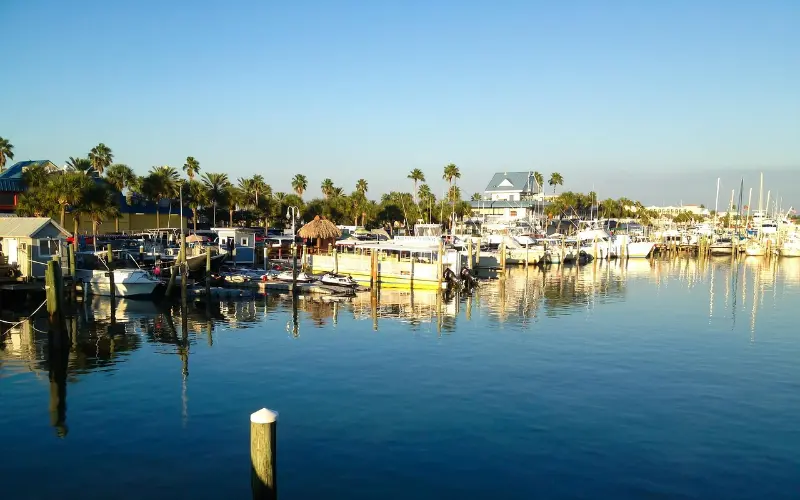
A Florida maritime vacation can be much more than boarding a cruise. Working fishing harbors, lighthouse keepers’ buildings, wreck archaeology, and port museums reveal how people lived from the sea long before modern resort development. This seven-day itinerary samples northeast Florida, the central Gulf Coast, and Key West. Those places are far apart: it is an educational road trip for travelers with a car and enough flexibility to spread the journey over a week, not a promise of leisurely daily driving. It also includes a particularly important 2026 caveat: the Florida Maritime Museum in Cortez reports its main building temporarily closed for rehabilitation, so this stop currently means exploring a historic working waterfront rather than assuming indoor exhibits are available.
Day 1: Start with St. Augustine’s relationship with the sea
In St. Augustine, use the harbor and St. Augustine Lighthouse & Maritime Museum to connect navigation, coastal defense, shipwrecks, and the everyday work of maritime families. The lighthouse grounds and exhibits provide alternatives for people who cannot climb the tower, and the site’s maritime archaeology interpretation is particularly valuable for teenagers. Do not assume that everyone in a multigenerational group can ascend the tower’s stairs. Ask about elevator-free areas, audio or visual interpretive materials, and access to the keeper’s house before purchasing tickets. Allow time for the harborfront itself: watching vessels move through the water is an easy way to link historical navigation methods with today’s channels, currents, and bridge operations.
Day 2: Look beyond shipwreck treasure stories
A second northeast Florida day gives room for the unglamorous but essential maritime themes: pilotage, navigation hazards, food supply, coastal storms, and the people whose jobs kept ports functioning. In the lighthouse museum, distinguish maritime archaeology from commercial treasure hunting: professionals document sites, conserve fragile objects, and study the context in which artifacts were deposited. This is also a useful place to discuss why visitors must not remove objects from protected historical sites or coastal waters. Children can compare a modern electronic chart with older navigation equipment. Families who need a gentler day can explore a small portion of the historic district rather than adding another long drive or a boat ride.
Day 3: Move toward the Gulf and choose an overnight base
Transfer toward Tampa Bay or the Bradenton area with a substantial break along the way. This is not a day to schedule timed museums at both ends: roadworks, storms, and parking can add unpredictability. Before leaving, check whether your next heritage stop is fully open and whether the building, grounds, or special programs operate under different schedules. If the group includes a baby or a traveler who finds transfers tiring, consider splitting the journey with an additional night. Choose accommodation based on total driving and parking cost rather than beach proximity alone. A practical base near Bradenton or Sarasota lets you visit a historic fishing community without committing to a premium barrier-island hotel.
Day 4: Cortez and Florida’s working-fishing heritage
Cortez, on the mainland side of Anna Maria Island, is one of the state’s memorable working waterfront communities. Its traditional fisheries are part of the living economy, not a themed exhibit constructed for tourists. The Florida Maritime Museum occupies a former schoolhouse and preserves stories of Gulf fisheries, boatbuilding, and local families, but as of October 2026 its interior is closed for building rehabilitation. The museum says grounds and some programming continue; check the official notice before traveling. Do not walk into active docks, private boatyards, or business workspaces for photographs. A worthwhile day can still include lawful public waterfront viewpoints, a meal from a local establishment, and careful observation of a fishing harbor at work.
Day 5: Coastal communities, weather, and fishing culture
Spend another Gulf Coast day exploring the contrast between recreational marinas and working waterfronts. Ask local history centers about oral histories and exhibits rather than expecting every fishing vessel to welcome visitors. Seafood menus often use familiar names for fish whose actual availability changes seasonally; restaurants may source products from beyond the immediate port. If understanding local food is a priority, ask what is locally landed instead of assuming that every entrée reflects that day’s catch. With children, explain why commercial unloading areas require high-visibility safety habits and physical distance. A safer alternative is a dedicated harbor walk or licensed sightseeing cruise that does not interfere with commercial operations.
Day 6: Drive toward the Keys without pretending it is nearby
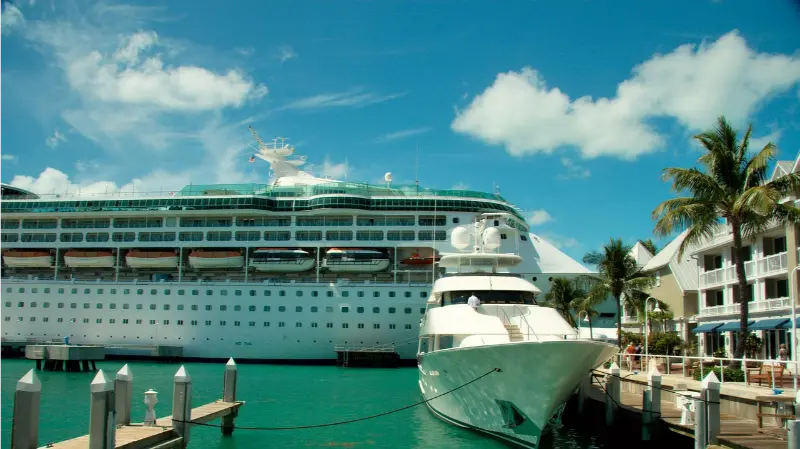
The transition from the central Gulf Coast to Key West takes a full day for many travelers. Plan fuel and restrooms before the long stretches of the Overseas Highway, respect changing speed limits, and never stop in an unauthorized shoulder just for a water photograph. Travelers who dislike long drives should fly or restructure the trip as a separate Keys vacation. On arrival, leave the car at legal parking and walk only as much of the historic center as suits your group. Accessible taxis or another appropriate local transfer can help, but check vehicle availability ahead. Keep the first evening simple, particularly after a late arrival or when traveling with children.
Day 7: Key West’s wrecks, research, and maritime interpretation
The Mel Fisher Maritime Museum at 200 Greene Street is a serious maritime-history institution, not merely a gallery of gold. Its exhibitions connect Florida and Caribbean shipwrecks, archaeological research, maritime trade, and difficult histories including the transatlantic slave trade. The museum advertises conservation lab experiences; those may require a separate ticket, reservation, or schedule check. Pair a museum visit with the historic seaport or a waterfront walk, allowing time for shade and seating. The goal is to understand how dangerous navigation, commerce, and human choices shaped coastal Florida. Avoid presenting artifacts as souvenirs to be collected; legal and ethical protections for cultural heritage matter.
How to read a fishing harbor respectfully
Harbors are workplaces with moving machinery, slippery surfaces, fuel systems, and heavy lines under tension. A waterfront that looks picturesque at sunset can be hazardous during landing or unloading. Keep children away from the water’s edge, do not obstruct ice trucks or seafood-processing access, and avoid photographing workers at close range without consent. Prefer designated public paths and legitimate visitor businesses. Accessible viewing areas differ from town to town, so call ahead rather than assuming a raised dock has a safe ramp. If a tour operator promises a behind-the-scenes visit, verify that it is authorized and does not interrupt normal fishing activity.
Budget and visit strategy
The itinerary includes free public viewpoints, ticketed museums, and optional boat experiences. The most expensive component is likely to be moving between distant regions, not admissions. Compare a three-day northeast Florida trip, a two-day Cortez and Tampa Bay visit, or a two-day Key West museum break before committing to the full seven days. This modular approach is particularly helpful for travelers aged 70 or older, groups with preschoolers, and anyone with limited vacation leave. Check parking fees and hotel deposits in waterfront areas. Photographing a harbor from a lawful sidewalk costs nothing; renting a private boat to reach the same harbor is usually unnecessary.
Choose a boat excursion wisely
Maritime history sometimes becomes clearer on the water, but a boat is optional. If you book one, ask whether the vessel has boarding steps, handrails, shade, a toilet, flotation devices in children’s sizes, and a weather cancellation policy. A non-swimmer can enjoy a properly managed passenger cruise without entering the sea, but should wear or have access to suitable safety equipment as directed. Anyone prone to motion sickness might prefer a harbor cruise in sheltered water rather than an offshore voyage. Check whether the operator is licensed and whether a history-focused guide is actually provided. Never substitute a private fishing charter for an accessible sightseeing tour without confirming the details.
A maritime learning activity that works across generations
At each waterfront, ask three questions: what was transported, who did the labor, and what made a voyage dangerous? In St. Augustine, the discussion may involve navigational aids, storms, and the heritage of lighthouse keepers. Cortez suggests a conversation about fishing boats, commercial catch, nets, processing, and the struggle to keep working harbors alive as tourism and real-estate values change. Key West offers a powerful opportunity to think about shipping lanes, Caribbean connections, archaeology, and the human cost of transatlantic trade. Children can draw a boat and label the tasks required before it can leave a harbor, while adults can pursue the more complex historical context.
Not all ‘shipwreck museums’ present the same kind of scholarship. Look for information about artifact provenance, conservation laboratories, professional archaeological methods, and whether exhibitions distinguish a documented site from a dramatic legend. A treasure story can generate interest, but every object was part of a larger historical relationship involving people, goods, and sometimes violence. The Mel Fisher Maritime Museum’s conservation interpretation is a useful place to make that distinction. Avoid buying supposed ‘authentic salvaged artifacts’ whose legal origin or documentation is unclear; souvenirs should never encourage the destruction of underwater heritage.
Coastal traffic and weather also shape the experience. A working harbor can be exposed to wind, salt spray, uneven pavement, and trucks. Families with strollers should ask where the safest continuous sidewalk is rather than assuming a pier connects to a public promenade. Persons with hearing differences may need written museum materials rather than a boat tour conducted entirely over loudspeakers. Older visitors who tire easily can focus on one interpreted building and one comfortable waterfront viewpoint. A successful maritime day ends with a clear story understood by everyone, not an exhaustive list of piers crossed.
Practical planning table
| Region | Best educational focus | Key restriction |
|---|---|---|
| St. Augustine | Lighthouse keeping and shipwreck archaeology | Tower climb is optional and not universally accessible |
| Cortez | Working fisheries and traditional boatbuilding | Maritime museum building is temporarily closed |
| Key West | Conservation, wreck archaeology, Caribbean trade | Lab tours have separate arrangements |
Frequently asked questions
Is the Florida Maritime Museum in Cortez open now? Its official site currently reports the building closed for rehabilitation. Check for programs and grounds access before arriving.
Can children visit maritime museums? Yes, although exhibits about wreck disasters, slavery, or other serious history may require parental context.
Do I have to take a boat? No. All three regions provide meaningful shore-based cultural experiences.
Can I climb the St. Augustine Lighthouse with limited mobility? The tower involves stairs; ask about accessible exhibits and alternatives on the grounds.
Is this route practical without a car? Not as a seven-day multi-region circuit. Choose a single region or plan separate flights and transfers.