
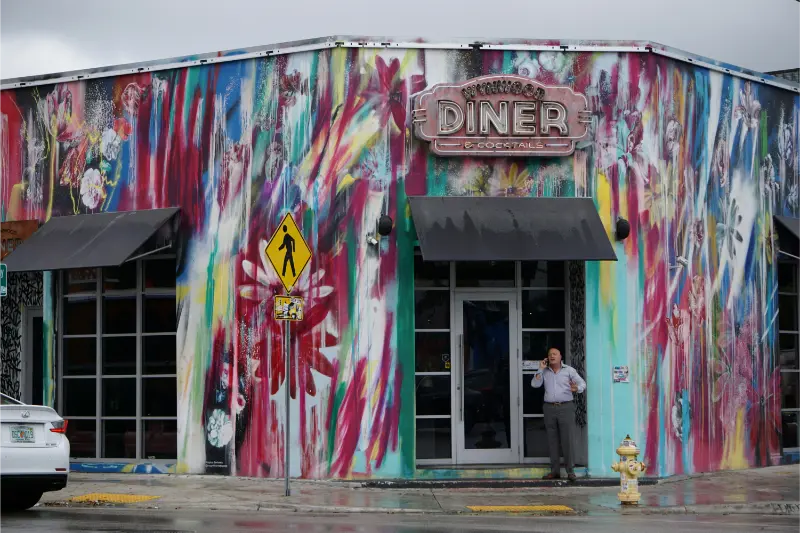
Florida's city streets can become open-air galleries. From a carefully planned mural walk in Miami to an independent gallery district in St. Petersburg or a downtown arts evening elsewhere, street art adds color and local stories to a trip that might otherwise revolve around beaches and admission tickets. It is also a flexible activity for mixed-age groups because you can choose the distance, time of day and number of stops. The key is to treat art districts as living neighborhoods, not as guaranteed Instagram backdrops where every wall and business is open for visitors at all times.
At a glance
| Consideration | What to check |
|---|---|
| Timing | Opening, operating or activity hours for your actual date |
| Access | Parking, step-free routes, toilets and age suitability |
| Conditions | Weather, local restrictions and operator notices |
| Budget | Full costs including transfers, extras and cancellations |
Street art is different from a museum collection
Murals are painted on walls, shutters, parking structures and other surfaces, often with permission from owners or through public-art programs. Some are commissioned pieces with plaques identifying the artist and theme; others are temporary and may be replaced or painted over. A city guide published last year may show artwork that no longer exists today. Approach a mural walk with curiosity rather than a rigid checklist of specific walls. Learn about the artist when information is available and resist the temptation to treat privately owned courtyards as public passageways. Viewing a public-facing artwork from a sidewalk is different from walking into a business solely for a photograph. If a venue charges admission, decide whether the curated experience fits your interests rather than assuming all street art must be free.
Miami's Wynwood: a famous starting point
Wynwood has become closely associated with large murals, creative businesses and contemporary urban design. Its popularity also means busy streets, organized tours and variable parking charges. Wynwood Walls is a specific curated attraction with its own admission arrangements; the surrounding neighborhood includes other public-facing artworks and galleries. Check operating hours and current ticket requirements before combining the two. Choose a few blocks to explore on foot instead of trying to photograph every wall. Take a daytime walk if it is your first visit, keep personal belongings secure, and consider heat and shade. People with mobility limitations should examine sidewalk conditions and crossing distances, because an area described as 'walkable' is not automatically evenly paved or step-free at every corner.
St. Petersburg: colorful downtown and the arts scene
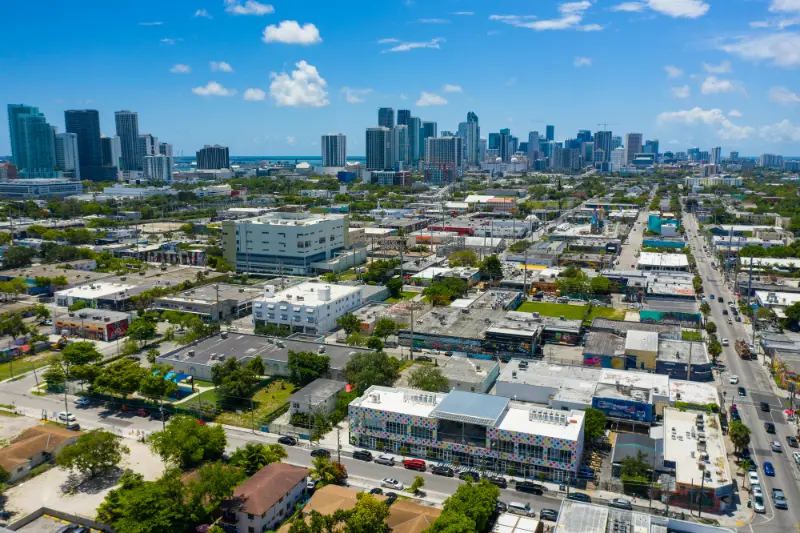
St. Petersburg has a well-established creative identity, including murals, museums, studios and a waterfront that lends itself to a mixed cultural day. Visitors can pair a manageable art walk with a museum or an indoor lunch during the hottest hours. Search city and local arts organizations for a current mural map rather than relying on a single tour-company itinerary. A guided tour may add historical and artistic context and can be worthwhile if the price and walking pace suit your group. Check whether a scheduled arts event changes road access or parking. If you are visiting with children, invite them to look for different painting styles or hidden details rather than expecting them to understand every piece's message. Allow time to read plaques when available and support a local café, bookshop or gallery if you enjoy the neighborhood.
Other art-oriented districts across the state
Beyond the best-known destinations, downtowns such as DeLand, Gainesville and the Eau Gallie Arts District around Melbourne can offer small-scale mural walks alongside local restaurants and galleries. Some towns have first-Friday or monthly art events; the schedule may change seasonally. In college towns, exhibitions may follow a university calendar rather than peak tourist demand. The appeal of these places is not necessarily the number of murals but the opportunity to experience a neighborhood beyond the traditional attraction list. Choose a destination close to your existing itinerary to avoid driving across the state for a single photograph. Look for publicly accessible art programs, cultural centers and historic streets. Ask locally whether any new commissions have appeared or older work has been restored. Always confirm the current presence of specific artworks before promising them to a traveling companion.
How to plan an enjoyable self-guided walk
Start with the official arts map or a small cluster of verified locations. Choose a parking garage or public transit stop and walk one compact loop, ideally no more than your least mobile companion can comfortably manage. Mark an indoor break, accessible restroom and shaded area before you begin. In summer, morning or late afternoon is often more pleasant than midday, though thunderstorms can affect plans. Photograph the starting point and parking level so returning is easy. Keep the itinerary loose because a café may be closed, a street may be under construction or a mural may be temporarily obscured. If traveling with teenagers, let each person select a favorite piece and explain why rather than making the day a continuous march from wall to wall. This turns a visual outing into a shared conversation.
Accessible art walks and sensory needs
Many street-art experiences do not require entry tickets, but accessibility still needs planning. Pavement cracks, construction barriers, steep curbs, crowded sidewalks and long distances between artworks can limit participation. Ask a local visitor center for the most accessible segment and identify nearby curb ramps and step-free restrooms. People who use mobility scooters should consider battery range and weather protection. Visitors with low vision may appreciate an audio-guided tour or an accompanying description of scale, style and color. Anyone sensitive to crowds may prefer quieter weekday mornings over a festival night with amplified music. Outdoor art is flexible, but the flexibility becomes useful only when the group has permission to shorten the route or choose a less crowded district without feeling that something has been missed.
Photography etiquette and artists' rights
Most public-facing murals may be photographed for personal memories, subject to property rules and any restrictions on commercial filming or drone use. Avoid blocking sidewalks, entrances or accessible ramps while posing, and do not climb on artwork or touch surfaces that may be fragile or newly painted. Respect residents and businesses; a wall can be publicly visible while the doorway beside it remains private. If posting a photograph online, credit the artist when their name is known and avoid implying that you created or commissioned the work. Commercial reuse is a more complicated legal matter than ordinary vacation photography, so obtain permission when needed. Never remove signs or props from an artwork for a cleaner picture. Good etiquette helps keep these neighborhoods welcoming to future visitors.
Pairing murals with local culture
An art walk works especially well when it is part of a broader cultural afternoon rather than the sole reason for a long journey. In Miami, combine a short Wynwood visit with a nearby food stop or art exhibition. In St. Petersburg, consider an additional museum or waterfront stroll. In a smaller downtown, a farmers market or community event may provide context about the people who live there. Set a modest budget for parking, coffee and any paid galleries. Some travelers will prefer a structured guided walk, while others enjoy discovering a few pieces independently. Both approaches are worthwhile if they respect local rules and provide something beyond a quick social-media checklist. Seek artists' voices where available, especially when artworks address history, community identity or social issues.
Building a rainy-day backup
A mural walk is exposed to weather, and Florida thunderstorms can make sidewalks unpleasant or unsafe. Check forecasts and be ready to swap the walk for an indoor gallery, museum or public library. Do not shelter next to metal structures during lightning or race between murals in a storm. On extremely hot days, shorten the loop and take more indoor breaks. A good contingency is to research two nearby indoor venues with verified hours and admission policies. That way an unexpected shower becomes an opportunity to discover a different aspect of the neighborhood rather than a ruined day. Take comfortable shoes, an umbrella for ordinary rain and drinking water; in storm conditions, prioritize a safe indoor location over keeping an itinerary on schedule.
How to turn a mural walk into a learning activity
Before arriving, choose three pieces or artists from a current cultural directory and invite everyone to notice something different: color, shape, a local historical reference or the way the image changes the surrounding streetscape. During the walk, read plaques or artist statements where available. Discuss how a public-art commission differs from an advertisement and why some communities use murals to celebrate their own stories. If a mural has been replaced, use that discovery to talk about temporary art rather than treating it as a ruined stop. Children can make a sketch later without touching the walls; teenagers can compare their interpretations with official descriptions. This simple approach makes the outing more than a sequence of photographs and encourages respect for the neighborhood.
Questions visitors frequently ask
Is Wynwood Walls free? It is a curated attraction with its own admission policy. Many surrounding murals can be viewed from public streets, but always verify current arrangements.
Can I see Florida murals with children? Yes. Choose a short daytime route, explain street-crossing rules and plan rest stops.
Are murals permanent? Not necessarily. Walls can be repainted, removed, covered or changed as neighborhoods evolve.
Can wheelchair users enjoy a street-art walk? Often, but sidewalk conditions and restroom access vary. Plan a verified step-free route rather than assuming the whole district is accessible.
Should I hire a guide? A guided tour can add artistic and neighborhood context; a self-guided walk works well for travelers who prefer flexibility.
Official information
For city culture and public-art details, check official local tourism and arts organizations before departure. The curated Wynwood Walls attraction maintains information at https://thewynwoodwalls.com/. For St. Petersburg cultural events use https://www.stpete.org/ and current local arts directories rather than outdated mural lists.