

A Florida vacation can be built around state parks rather than theme parks, shopping centers or an endless series of beach days. State parks protect springs, scrub habitat, river landscapes and coastal environments, so a week on the road can reveal how varied the state really is. This seven-day route starts around Orlando, explores freshwater landscapes north of the city, then heads toward Sarasota for woodland walks and Gulf Coast wildlife. It suits curious adults, families, and older travelers who prefer to pick short walks over strenuous hikes.
The route is deliberately not a race to collect park stamps. Most days feature one park as the focus and a comfortable afternoon nearby. Some state parks reach capacity, require reservations or close features for maintenance; the conditions matter more than the outline below. Before paying for a rental car or accommodation, check each park’s current operating page and identify a usable alternative in the same area.
Understand the state park pass before buying one
Florida’s state park system sells individual and family annual entrance passes. According to the official state park FAQ, the standard individual pass is $60 and the family pass $120, but rates and rules can change. The family pass generally covers a group of up to eight people entering together, subject to exceptions at certain parks. An individual pass is not a blanket ticket for everyone in the car. These passes cover eligible day-use entry, not paid tram rides, boat tours, rentals, guided activities, campsites or private concessions. National Park Service passes are separate and do not replace a Florida state park pass.
For a one-week visitor, a pass may or may not save money. Many parks charge a modest entry fee per vehicle, sometimes less than a day of paid parking in a city. Write down the actual fees at the parks you intend to visit, account for which members of your group are covered, and compare the total with the annual pass cost. If you are visiting only four inexpensive parks, paying individually can be sensible. If you will return later in the year, the calculation changes. Check whether particular parks use reservations, since a pass does not necessarily secure capacity-limited entry.
Day one: arrive in Orlando and take a gentle local walk
After your flight or drive, choose a hotel with easy parking and convenient access to your first park rather than a resort full of extra amenities you will not use. Arriving in the afternoon? Spend the remaining daylight in a local public garden or shaded city park if energy allows. Do not turn the arrival day into a complicated excursion, particularly if children have traveled for many hours. Stock up on refillable water containers, snacks, hats and comfortable shoes suitable for wet ground or sandy trails.
If you rent a car, remember to compare toll policies and parking charges before accepting an apparent bargain. Save offline maps and check your route through Orlando suburbs, where large highways and complicated junctions can be stressful after a flight. A basic picnic set—a soft cooler, reusable cutlery and a bag for trash—will serve you throughout the week. Ask each person what they hope to see: an alligator at a safe distance, flowering plants, manatees or a clear spring. Give the group a few achievable nature goals rather than promising any particular wildlife sighting.
Day two: Blue Spring State Park near Orange City
Blue Spring is a natural choice for learning about Florida’s freshwater world. In cooler months, manatees may gather in the protected spring run, although their arrival depends on water temperature and conditions. The park is not a guarantee of sightings, and viewing rules and water activities change seasonally for the animals’ protection. The visitor boardwalk and river landscape reward a slow visit even when wildlife is scarce. If someone cannot walk far, investigate accessible routes and available resting places before arrival rather than assuming every boardwalk has benches at convenient intervals.
Important for current planning: Florida State Parks announced a reservation requirement for day-use visitors beginning July 15, 2026. Check and make the required reservation before traveling, including if you hold an entrance pass. Arriving at the gate without the right booking may ruin the day’s plan. Start in the morning, bring binoculars, and keep your voice low near wildlife. Do not touch, feed or approach manatees. If the park is full, a relaxed lunch in a nearby town and another public nature area are preferable to queuing for hours in the heat.
Day three: De Leon Springs and a lesson in local history
De Leon Springs State Park adds a different perspective. Its history includes Indigenous communities, water-powered industry and modern recreation. Rather than treating the spring only as a swimming hole, read the interpretive information and consider the eco/heritage boat tour if operating, appropriate for your group and within budget. The operator describes a roughly fifty-minute excursion through the park and neighboring wetlands, subject to weather and service availability. Ask directly about wheelchair boarding, space for mobility aids and boarding conditions. The spring swimming area has safety rules and no lifeguard; a child who cannot swim needs direct supervision at all times.
Allow plenty of time for the well-known pancake restaurant if you plan to dine there; meal availability and waits can change. Visitors who dislike crowds can make the boat tour or a nature walk their main activity and eat elsewhere. As of October 2026, the park also posted a temporary closure notice for its fishing pier due to flooding. Do not design your visit around a single pier or amenity without checking updates. If rain arrives, a short historical visit can still be worthwhile, but avoid trails during lightning and storms.
Day four: drive toward Sarasota without filling every hour
The drive toward the Gulf Coast is a transition day. Start late enough to enjoy breakfast and build in a proper break en route. Florida roads can be busy near major cities, and holiday traffic is not reliably predicted by distance alone. Avoid the temptation to stop at three distant attractions just because they appear on the route. Your destination should be a Sarasota-area base for the remaining nights, ideally with a comfortable room, practical dining and a place to rest after driving.
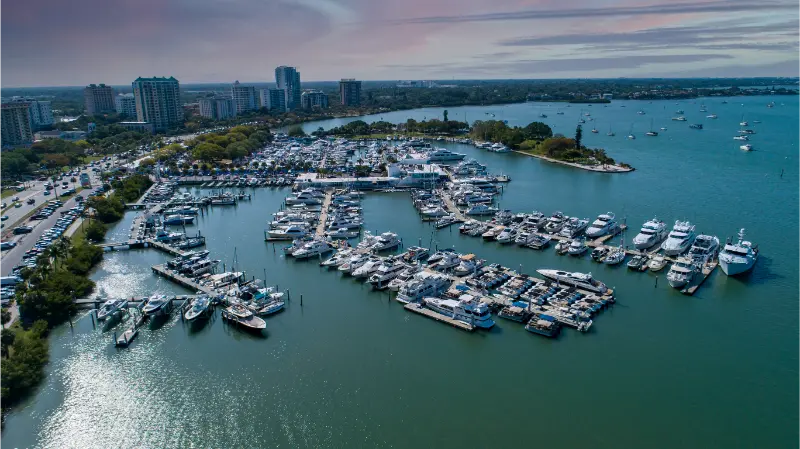
Depending on your arrival time, enjoy a sunset walk in a local waterfront park or a quiet dinner. The best observation is often an ordinary one: pelicans moving over the water, mangroves at a distance or families using a public green space. Keep away from nesting birds, do not collect protected plants, and stay on marked paths. If a traveler has limited mobility, this afternoon is a good moment to check accessible parking and route surfaces before the next day’s park rather than arriving with unanswered questions.
Day five: Oscar Scherer State Park, not a marathon hike
Oscar Scherer State Park near Osprey protects important scrub habitat and offers trails, picnic areas and nature-watching opportunities. The park is especially associated with Florida scrub-jays, a bird whose habitat protection matters far more than the chance of getting a close-up photograph. Stay on designated routes and never feed wildlife. Ask rangers about current trail conditions and accessible options. Official park information identifies the Lester Finley Barrier Free Trail and other amenities, while some longer trails have limited shade or facilities.
Visitors comfortable on bicycles may enjoy the Legacy Trail connection, but cycling is optional. Choose a short trail or an easy picnic and allow the group to set the pace. In summer, early arrival reduces heat exposure, while winter mornings may be cooler than travelers expect. Carry water into the park and bring insect repellent as appropriate. If a family member cannot walk on soft or uneven ground, make the nature center, picnic location and accessible path the main experience rather than presenting the trip as a failed hike.
Day six: coastal wildlife and a comfortable beach pause
After freshwater springs and woodland, a coastal day makes the diversity of Florida obvious. From Sarasota, consider a public beach or a managed conservation area whose official visitor information confirms current access. Choose based on parking, restrooms, lifeguards and your group’s mobility, not on a ranking of the ‘prettiest’ beach. A nature-focused day can consist of photographing shorebirds from a respectful distance, reading dune signs and watching changing light. Swimming is not mandatory.
Protected beaches often have seasonal nesting rules and restrictions on dogs, lights or beach equipment. Do not disturb marked turtle nests and keep clear of birds resting at the waterline. In warm weather, plan for storms and move indoors when thunder is heard. A sand visit that ends before lunchtime can be more comfortable than a six-hour stay. If the beach conditions are poor, Sarasota’s museums and indoor cultural attractions offer a logical alternative without adding a long drive.

Day seven: finish with an easy morning and safe departure
Use the last morning for a park you enjoyed or a short neighborhood stroll. Avoid driving long distances in pursuit of an extra state park if it will make you late for a flight. For a Tampa or Sarasota-area departure, verify actual travel times and rental-car returns the night before. If flying from Orlando, allow a much larger road journey and consider whether your final night would be better spent closer to the airport. Return any borrowed binoculars or rented outdoor equipment and leave time for packing wet footwear separately.
Review the week’s spending: entrance fees, fuel, tolls, parking, lunches, boat rides and accommodation. This helps determine whether the annual park pass would make sense for a future visit. More importantly, review what each traveler liked. Some will remember the manatee overlook; others the scrub landscape or a peaceful afternoon beside the Gulf. Florida’s parks make an especially satisfying vacation when you leave space to notice rather than rush.
A practical week at a glance
| Day | Base | Main focus | Low-energy alternative |
|---|---|---|---|
| 1 | Orlando | Arrival and gentle city green space | Settle into hotel |
| 2 | Orlando area | Blue Spring State Park | Nearby shaded park if reservations unavailable |
| 3 | Orlando area | De Leon Springs nature and history | Interpretive visit without swimming |
| 4 | Sarasota | Transfer with a long break | Direct drive and hotel rest |
| 5 | Sarasota | Oscar Scherer State Park | Accessible nature center and picnic |
| 6 | Sarasota | Beach or coastal conservation | Indoor museum on stormy day |
| 7 | Departure | Easy walk and packing | Direct airport transfer |
Practical advice for children, older visitors and accessibility
State parks are not uniformly accessible simply because they are public. A park might offer a paved nature path alongside sandy hiking routes, or an accessible picnic area but limited access to the water. Look for details on individual park pages and call when you need a specific feature such as step-free restrooms, a wheelchair-compatible boat, listening assistance or a bench within a short distance. For children, educational value is strongest when the outing is small enough for questions and observation. Ask them to describe differences between spring water, scrub trees and a tidal shoreline. For seniors, rest and shade can turn a nominally short day into a comfortable one.
Bring sun protection even in winter, wear shoes with good grip and keep food sealed away from wildlife. Never assume that clear water is automatically safe for swimming or drinking. Use designated swimming areas and follow current health and park notices. In an evacuation or severe-weather warning, postpone the park outing and follow local emergency instructions. A flexible park trip is not about maximizing days outdoors regardless of conditions.
Frequently asked questions
Do I need a Florida State Parks annual pass for one week?
Not necessarily. Compare your planned park admission costs with the official pass prices and check eligibility and exceptions. Tours and rentals are generally separate charges.
Is a state park pass also valid at Everglades National Park?
No. Florida state parks and federal national parks use different entry systems. Check the relevant agency’s passes and fees.
Can we visit Blue Spring without a reservation?
The park announced a day-use reservation requirement beginning July 15, 2026. Verify the current reservation process before arrival, including if you have an annual pass.
Official sources and current conditions
Plan with Florida State Parks annual-pass FAQ, the Blue Spring State Park hours and reservation notice, De Leon Springs State Park and Oscar Scherer State Park. Always check notices close to your travel date.
Leave a Reply