
A Florida vacation does not need a roller coaster to feel exciting. For children who ask how rockets fly, teenagers fascinated by the ocean and adults who enjoy hands-on museums, a science-focused road trip can be as memorable as a theme park holiday. This seven-day route connects Orlando, the Space Coast, West Palm Beach and Miami, mixing genuine learning experiences with easy outdoor breaks. It is designed for families, but the itinerary works for curious couples and multigenerational groups too.
The most important trick is to avoid treating every museum as a two-hour stop. A planetarium show may have a fixed starting time, a Kennedy Space Center experience may occupy most of the day, and a child who has been exploring exhibits since breakfast will appreciate a swimming pool or quiet dinner more than another ticket. Plan one major attraction each day and use additional stops as bonuses, not obligations.
Route overview and where to stay
Use three bases rather than changing hotels daily. Spend two nights around Orlando, two near Cocoa Beach or Titusville, and two in West Palm Beach or Miami, depending on your return flight and favorite museum. A rental car is the most practical way to connect these areas; major-city transit is possible for selected local trips but is not a convenient substitute for the entire route. If you need fewer hotel changes, stay in Orlando for the first four nights and accept longer Space Coast driving days.
The route is a one-way journey from Central Florida toward South Florida. Check whether a one-way car rental fee applies and compare flights into Orlando and out of Miami or Fort Lauderdale. If the fees are excessive, reverse part of the itinerary or add a return drive day. Rain and wind can affect launch-viewing plans, and some museums have timed tickets or specific opening days. Reserve the activities that matter most before making your schedule inflexible.
Day 1: arrive in Orlando and start with a short science experience
Orlando is a sensible arrival point because it has substantial airport services, varied family hotels and the Orlando Science Center. On your first day, resist the instinct to rush directly from an overnight flight into a long attraction visit. Check in, collect snacks and decide whether there is enough energy for a limited museum session or simply an exploratory walk around a nearby lake. If you have flown internationally, leaving the afternoon mostly free is often worth more than a discounted ticket.
If your arrival is early and everyone is rested, the Orlando Science Center offers exhibits that can work for different ages. Families should review current exhibit ages, special-event schedules and parking before visiting. A preschooler may be happiest with interactive, low-level displays; a teenager might prefer a science demonstration or a more technical exhibit. Divide into pairs for an hour if interests differ, then meet at an agreed point. Do not assume all exhibits are open every day or included in basic admission.
For dinner, choose somewhere near your hotel and keep the evening calm. Science travel is surprisingly tiring because visitors spend the day standing, reading, concentrating and changing rooms. Comfortable shoes, a lightweight stroller where needed, and a simple bedtime routine will help the next day’s visit feel enjoyable rather than rushed.
Day 2: Orlando Science Center in depth, with a relaxed evening
Give the Orlando Science Center a proper half-day or longer instead of squeezing it between unrelated stops. Check Orlando Science Center’s official website for tickets, parking, exhibit hours and any additional ticketed experiences. Its mix of demonstrations and hands-on galleries makes the visit adaptable: younger children may repeat favorite activities while adults and older children explore more detailed explanations. Many visitors benefit from beginning with the exhibit that has the strongest interest for their group rather than following a strict floor-by-floor route.
An easy learning challenge can make the day more engaging without turning it into schoolwork. Invite each traveler to photograph or note one surprising thing, such as the way sound behaves or how an ecosystem responds to a change. Compare discoveries over lunch. This gives an eight-year-old and a grandparent equally meaningful ways to participate. Avoid taking flash photographs or recording where museum rules prohibit it, and remind children that displays are not all meant to be touched.
Spend the late afternoon at a hotel pool, a shaded park or a leisurely local meal. Orlando has many paid attractions, but adding one more admission does not automatically improve the trip. If thunderstorms arrive, you have already chosen an indoor-focused day; if the skies stay clear, the rest of the afternoon can be genuinely restful.
Day 3: head to the Space Coast and learn the story behind launches
Travel east toward Titusville, Merritt Island or Cocoa Beach and allow enough time to settle in. Depending on your interests, use this day for the American Space Museum in Titusville, a visitor stop at the Merritt Island area where permitted, or time along the Indian River Lagoon. A smaller museum can be especially rewarding before Kennedy Space Center because it introduces the people, equipment and local history behind the more famous launch imagery.
The space program is a working operation, not a stage show. Visitors should never expect access to active launch facilities beyond what their authorized tickets or tours expressly include. Roads and nature refuge areas can close for launch operations, and viewing areas may have different rules on different dates. Keep a realistic plan for where to park and be prepared to change course. A launch seen from a public location can be thrilling, but seeing one should be considered a bonus, not something the itinerary promises.
Families staying in Cocoa Beach can end the day with a shoreline walk, observing local beach flags and conditions. Staying around Titusville reduces certain driving distances and may make an early start to the visitor complex easier. Choose the base by your priorities rather than assuming the beach town is always the best option.
Day 4: give Kennedy Space Center Visitor Complex a full day
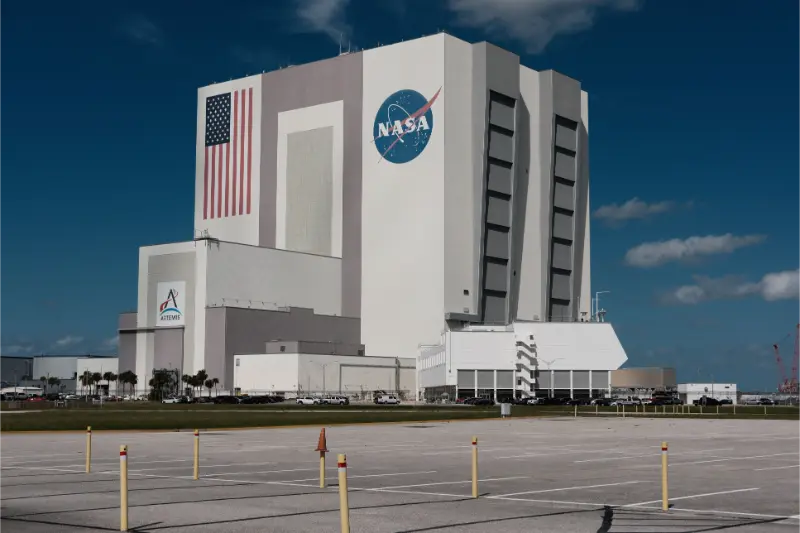
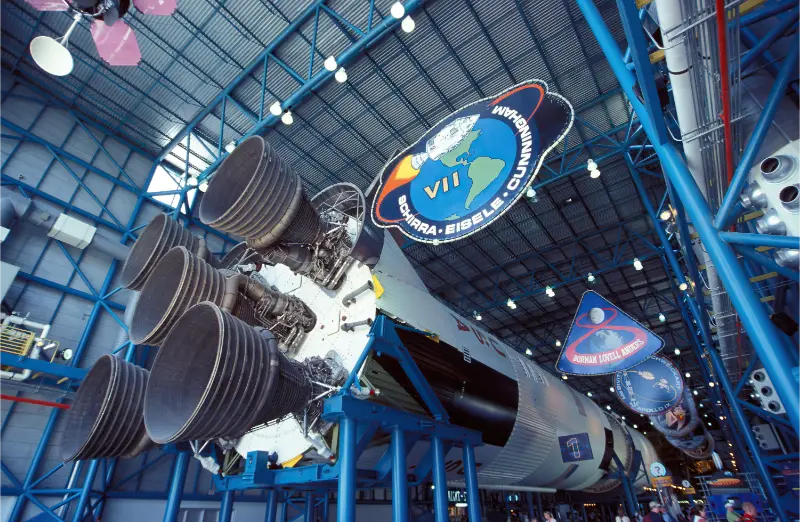
Kennedy Space Center Visitor Complex is the central attraction of this journey. Its displays, vehicles, exhibits and experiences are spread across a large site, and some activities involve shuttle buses or timed entry. Check the official Kennedy Space Center Visitor Complex before traveling, including current operating hours, available bus tours, special experiences, launch-day procedures and accessibility services. Purchasing tickets through the official provider is safer than relying on unusually cheap, unverified resale offers.

Pick your top three priorities. For one group, they might be spaceflight history, actual spacecraft and a bus-based behind-the-gates experience. For another, the highlight may be engineering exhibits and a simulated launch. Children who dislike dark theaters, motion simulators or loud effects should not be pressured to join every experience; the complex has enough variety for flexible alternatives. Check height and accessibility requirements rather than assuming that everything is suitable for toddlers or visitors with motion sensitivity.
Bring refillable water, sun protection and patience with queues. Lunch and transport between sections consume more time than many first-timers expect. If an actual rocket launch is scheduled nearby, review the day’s special procedures because normal visitor schedules may change. A scrubbed launch is a normal possibility. The best mindset is to enjoy the visitor complex in its own right and celebrate a launch only if conditions allow.
Day 5: coastal ecology on the way to the Palm Beaches
Southbound travel offers a chance to shift from rockets to marine science. The Indian River Lagoon region has a rich ecological story, though specific boat tours and wildlife programs should be booked with legitimate operators and respect local conditions. A good morning option is a coastal nature walk at an authorized public site or a short visit to a conservation-oriented education center. Dolphins, manatees and sea turtles are wild animals; keep your distance and do not promise a sighting to children.
Continue toward West Palm Beach with a planned lunch stop. Driving times depend on traffic and your chosen route. If you arrive early, take an easy waterfront stroll or spend time resting at the hotel. Families sometimes add multiple small attractions because the day looks empty on paper, but the combination of packing, driving, lunch and checking in can use most of the daylight. Keep the afternoon loose enough for delays.
For an educational conversation, ask what distinguishes a coastal lagoon from the open ocean and why freshwater runoff matters. You do not need to lecture anyone; a few observations from the water’s edge may be enough to make the following day’s museum visit more interesting. Avoid entering closed mangrove habitats or disturbing nesting areas to improve a photograph.
Day 6: Cox Science Center and Aquarium or onward to Miami
Near West Palm Beach, the Cox Science Center and Aquarium is a strong choice for a day that combines demonstrations, exhibits and aquarium viewing. Verify current visitor information and any planetarium or special program schedules. If you are traveling with someone who uses a wheelchair, needs a quiet space or tires easily, contact the venue for practical information on routes, rest areas and program access. A museum being advertised as family-friendly does not mean every activity meets every family’s needs.
An alternative is to drive south toward Miami and visit the Phillip and Patricia Frost Museum of Science on day seven. This option is sensible if your international flight departs from Miami and you would rather sleep close to the airport on the final night. Avoid attempting both major museums on one day, as tickets, parking and fatigue can make the result expensive and unsatisfying.
If staying in the Palm Beaches, leave the evening for dinner and a gentle walk. An interesting vacation often benefits from conversation time after an attraction, especially with teenagers who need time to process what they saw. Let different family members choose one small part of the evening, from the restaurant to the dessert stop, to balance the itinerary across ages.
Day 7: Miami science finale or a practical departure day
If your departure time permits, the Frost Science museum brings the theme full circle with aquarium environments, interactive science and planetarium programming. Its waterfront Miami location makes the visit distinctive, but downtown traffic and parking require planning. Check the Frost Science official website for daily hours and admission options, then decide honestly whether the schedule works with baggage storage and the trip to the airport.
A morning flight is a reason to skip the museum, not to squeeze it into an impossible day. Use a final afternoon only when you have a late departure or another night in Miami. Families with young children may prefer a casual breakfast, a short waterfront stroll and a comfortable airport buffer. Travelers carrying medication, medical equipment or fragile purchases should keep essentials accessible rather than packing everything into checked bags.
If you have more time, Miami also offers cultural and environmental learning beyond science museums. That is an excellent reason to extend the stay, but this seven-day route is already full. The priority should be leaving with good memories and energy, not a final exhausted rush through a gallery.
Budget and booking choices that matter
The largest cost decisions are whether to buy premium Kennedy Space Center experiences, whether to add planetarium or theater tickets, and where to stay. Calculate the total including parking, taxes, service fees, meals and one-way car charges. Comparing total spending for one science-centered week with a major theme park itinerary can be enlightening, but the route is not automatically inexpensive. Several museums plus hotels and a rental car still add up.
Look for legitimate museum memberships or reciprocal admission arrangements only after checking the exact program and restrictions. Some science centers have reciprocity rules based on distance or home institutions; a generic membership card does not guarantee free entry everywhere. Educational discounts may require identification. For children under school age, pay attention to admission age brackets and whether the most interesting exhibits are actually suitable for them.
Accessibility, sensory needs and weather backups
Museums are often convenient in Florida’s heat, yet they can also be crowded, noisy or visually intense. Ask about elevators, accessible seating, captioned programs, sensory kits, quiet areas and stroller parking where these matter. For a child who becomes overwhelmed, establish a meeting place and an easy exit plan. The same planning helps older adults who simply want a place to sit without missing the group all day.
Space Coast activities involve outdoor walking and exposed areas, so carry water and monitor thunderstorms. Florida lightning is dangerous even when rain has not started near you. Follow venue closures and never shelter under an isolated tree during a storm. A rocket launch may be postponed, and the museum day remains worthwhile without it.
Frequently asked questions
Is this trip suitable for a five-year-old? Yes, if you choose a few age-appropriate exhibits, allow breaks and do not expect a young child to enjoy a full day of technical displays without rest.
Do we need to book Kennedy Space Center ahead? Booking in advance is generally wise, particularly for special experiences or busy dates. Always use the current official admission information.
Can we see a rocket launch on demand? No. Launch times change and may be canceled for operational or weather reasons.
Can we do this without a car? Individual museums can be reached using selected local transport options, but the complete multi-city itinerary is far easier with a rental car or arranged transfers.
Could we replace Miami with more beach time? Absolutely. Two beaches and three good science days may be better for some families than attempting every museum listed here.
Official links
For accurate operating information use Orlando Science Center, Kennedy Space Center Visitor Complex, Cox Science Center and Aquarium and Frost Science. Check every venue’s current calendar before purchasing travel arrangements.
Leave a Reply