
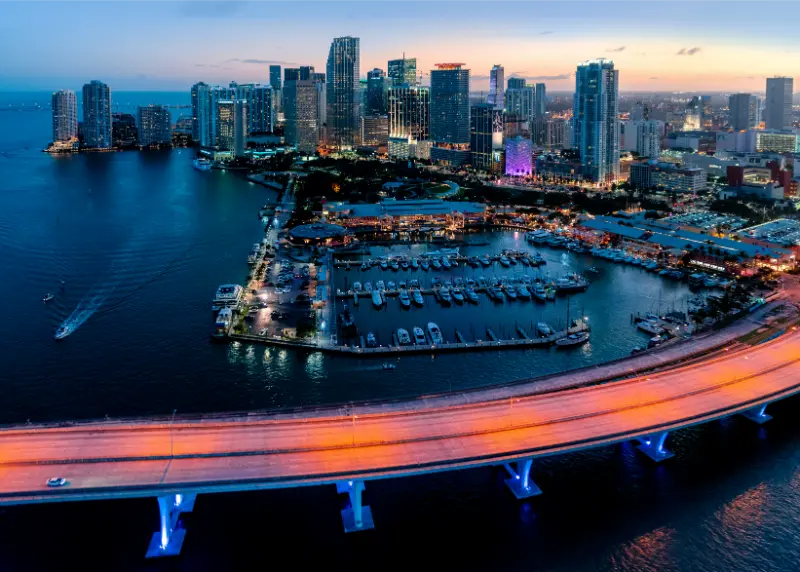
You can enjoy Miami without renting a car, especially if you choose accommodation carefully and resist the temptation to cross the city several times each day. Miami is not one compact, fully walkable beach town: Miami Beach occupies a barrier island, Downtown and Brickell are on the mainland, and many scenic neighborhoods lie beyond the rapid-transit network. Yet three well-planned days can combine the sand, architecture, food, art and waterfront with far less parking stress. This itinerary uses walking, Miami Beach’s free trolley, the free Downtown Metromover, buses and occasional ride shares where they make a measurable difference.
Quick comparison
| Day | Suggested base | Main experience |
|---|---|---|
| One | Miami Beach | South Beach architecture and shoreline |
| Two | Downtown or Brickell | Metromover, waterfront and museums |
| Three | One chosen neighborhood | Wynwood, Little Havana or Coconut Grove |
Where to stay for a car-free city break
South Beach is convenient for travelers whose dream is an early beach walk, Ocean Drive architecture and restaurants within a few blocks. Lodging in Downtown or Brickell is often better for rail and Metromover connections, but a daily beach visit then requires a bus or paid road transfer across Biscayne Bay. Mid-Beach can be calm and resort-oriented, but its distance from some nightlife and museums should be factored in. Look for hotels close to actual stops, not just vague descriptions such as “minutes from everything.” A quiet block with a grocery store, café and good pedestrian crossings can be more valuable than a luxury lobby. Confirm resort fees and parking charges even if you do not plan to park.
Arriving at Miami International Airport without a rental car
MIA has an airport people-mover connection to the Miami Intermodal Center, where travelers can access Metrorail, buses and other ground transportation. Miami-Dade’s Route 150 Miami Beach Airport Express serves Miami Beach via the airport transit station, while the Metrorail network connects the airport with central Miami destinations through relevant services. The best route depends on luggage, arrival hour, station access and any service changes. A couple with one wheeled suitcase might find transit straightforward; a group with a baby, car seat, multiple suitcases or mobility device may prefer a prearranged accessible transfer. Check the latest official Miami-Dade route map before flying because bus stop patterns and timetables change.
Day one: South Beach at a human pace
Spend the morning walking a manageable section of South Beach, enjoying the shoreline and architecture rather than racing from one photo location to the next. Ocean Drive is famous, but the adjoining streets, Art Deco buildings and small cafés make a more rewarding walk when you slow down. In the hottest season, start early and leave the middle of the day for shade or an indoor museum. For lunch, move away from the busiest beachfront tables if budget matters; inspect displayed menus and service charges. In the afternoon, choose the pedestrian atmosphere near Lincoln Road or a relaxed time by the water, then finish with an early dinner. Families with young children may appreciate stopping before nightlife dominates the streets.
Moving around Miami Beach on the free trolley
The City of Miami Beach currently operates a free trolley system with South Beach, Middle Beach, Collins Express and North Beach routes. It is especially useful when the sun makes repeated long walks unpleasant or when your accommodation is several blocks from restaurants. The service is not a private hotel shuttle and may be slowed by traffic or route diversions. Check the current route map and live tracker, then keep a flexible timetable. At busy times, space for strollers or mobility devices may require patience; follow boarding rules and never block accessible areas. The trolley makes Miami Beach easier to explore without a car, but it does not replace every journey to the mainland.
Day two: Downtown Miami and Brickell
Use a bus or a paid ride share to reach Downtown from Miami Beach, then explore with the free elevated Metromover where operating. This small automated network runs around Downtown, Omni and Brickell, making it useful for reaching waterfront areas and connecting several central districts. Choose two major stops rather than zigzagging between every museum and shopping mall. A sensible day might combine Bayfront Park or Bayside Marketplace with a museum, followed by a meal in Brickell. Be aware that some Metromover loops or elevators can be affected by maintenance; consult Miami-Dade’s live service notices, particularly if step-free access is essential. When the humidity is high, an indoor attraction can preserve energy for a sunset walk.
Day three: one neighborhood, not five
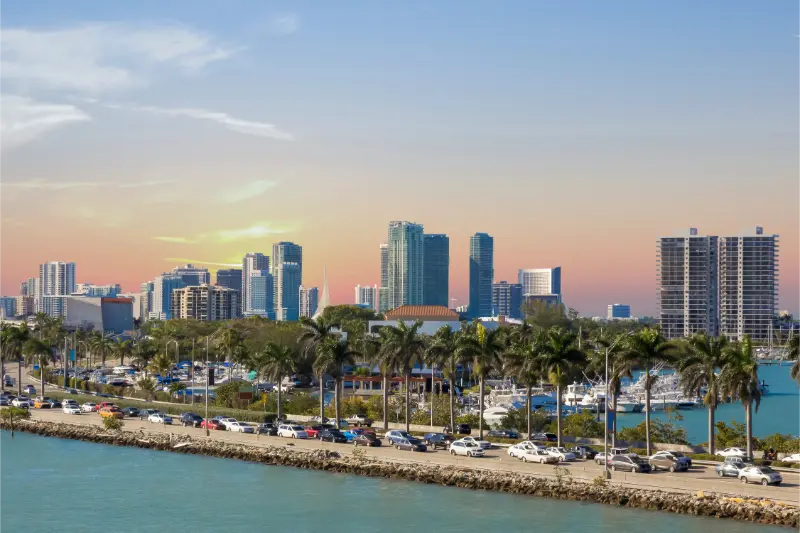
For the final day, choose an interest. Wynwood offers murals, galleries and a creative dining scene, but it is spread across active streets that require attention at crossings. Little Havana provides Cuban-influenced food and neighborhood history; it deserves respectful exploration beyond a quick photo stop. Coconut Grove is another possibility for a more relaxed, leafy outing, while a second South Beach day suits visitors who simply want beach time. Do not attempt Wynwood, Little Havana, Coconut Grove and Key Biscayne together without a car and still expect to feel rested. Choose one destination, verify the return route and allow time for spontaneous stops. A thoughtful single-neighborhood experience is better than a long series of hurried transport connections.
How to pay, navigate and travel safely
Check whether the bus or rail service uses contactless payment, a transit card or a current ticketing app, and understand any transfer rules before boarding. Save a screenshot of your route for use when mobile reception is poor. Carry small necessities—water, sun protection, a charger and a lightweight rain layer—without bringing your entire suitcase into the day’s sightseeing. Use well-lit main streets after dark, verify ride-share license plates and do not leave valuables unattended at the beach. Miami is an active, busy city, so the same sensible precautions used in other major destinations apply. If you are returning late from dinner, a direct licensed ride service may be more comfortable than a circuitous bus journey.
Beaches, children and travelers with limited mobility
Miami’s beaches are beautiful but exposed to sun, weather and surf conditions; check lifeguard flags and local advisories before swimming. Parents should establish a simple rule about meeting points and keep young children within arm’s reach near water. For an older relative, choose fewer transfers, hotels with lifts and venues where seating and air conditioning are easy to find. Wheelchair users should check the exact trolley stop, bus ramp, Metromover elevator availability and accessible beach entry ahead of time. Stroller users should allow extra room at crowded crossings and never assume a pedestrian shortcut is step-free. The goal of going car-free is comfort and independence, not insisting that every person must make every journey on public transport.
Daily budget and the value of occasional taxis
Car-free does not mean cost-free. A free trolley or Metromover can reduce expenses, but longer transfers, hotel location and restaurant choices still determine your budget. Compare the total of airport transport, local buses, two or three ride-share journeys and accommodation with the cost of a rental car, fuel, tolls, insurance and daily hotel parking. For a short city break, not owning a parking problem may be worth more than the freedom to drive. A larger family might find that a direct group transfer is competitive with several individual fares. Allow a contingency for rainstorms, fatigue or transit disruptions so that a surprise journey does not spoil the day.
Common mistakes and a flexible alternative
Avoid staying far from the places you most want because an accommodation map shows “Miami” in the address. Do not assume a beach-side hotel is near the Metrorail, or that the Metromover crosses to South Beach; it does not. Resist planning an Everglades or Key West day trip by ordinary local transit without checking the realistic duration and return arrangements. Finally, expect afternoon thunderstorms, high humidity and variable bus frequency. A good fallback is simple: swap an outdoor mural walk for an indoor museum, or spend another afternoon near your hotel. With three days, thoughtful geography delivers much more than trying to see every landmark.
Keep the three-day plan flexible for different travel styles
A car-free visitor who loves museums can exchange an afternoon on South Beach for an extra Downtown gallery without changing hotels. A couple visiting mainly for the waterfront may do the reverse and use ride shares only for airport journeys. Families with small children should plan a regular lunchtime rest, while older travelers can schedule sightseeing in shorter blocks and avoid standing at a crowded bus stop in the midday heat. People needing step-free access should check live elevator notices before boarding the Metromover and maintain an alternative direct transfer. Do not prepay for a distant tour until you know how the return journey works. Also compare supermarket locations and breakfast options near the accommodation, because repeated small taxi journeys for ordinary supplies undermine the savings of traveling without a car. The best version is not the busiest itinerary but the one that makes Miami feel manageable.
Frequently asked questions
Can I reach South Beach from MIA without renting a car?
Yes. The official airport transit hub offers buses, including Route 150, serving Miami Beach; confirm current stops and schedules.
Is Metromover free?
Yes, Miami-Dade operates the Downtown and Brickell Metromover network without a fare, subject to current service conditions.
Does Miami Beach have a free trolley?
Yes. The city operates free trolley routes connecting sections of South, Mid- and North Beach. Check operating hours and maps.
Is a no-car Miami vacation suitable for older travelers?
It can be, particularly with a central hotel, manageable walking distances and occasional direct transfers. Verify accessibility on every planned route.