
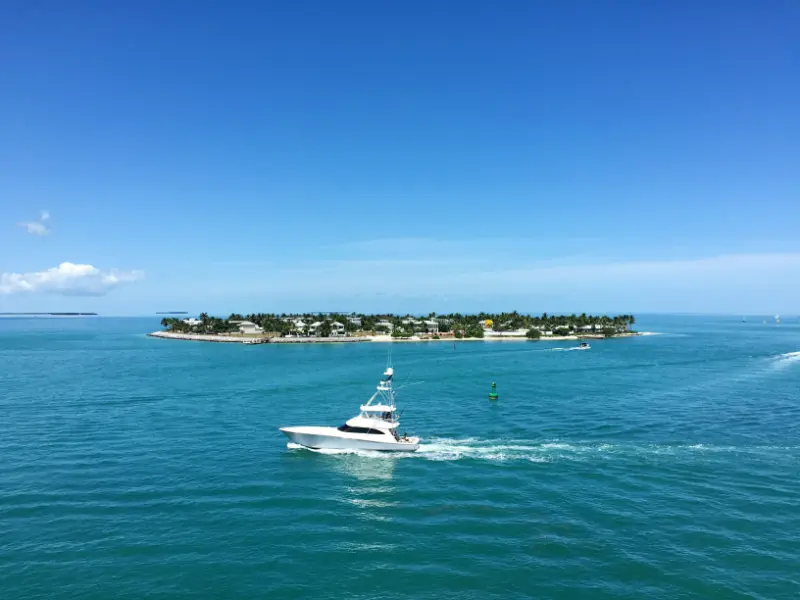
The drive from Miami to Key West is one of Florida’s iconic journeys, but it is easy to ruin it by treating the Keys as a single highway you must finish before sunset. The Overseas Highway crosses islands, turquoise channels and long bridges, with fishing towns, reefs, wildlife and small museums along the way. Spending three days allows a much better rhythm than driving to the end and immediately back. The practical information applies to couples, families with children, older travelers and visitors who want to enjoy the route safely, rather than collect photographs from the car window.
Quick comparison
| Day | Suggested focus | Overnight |
|---|---|---|
| One | Key Largo and Islamorada | Islamorada or Marathon |
| Two | Marathon, bridges, Lower Keys | Key West |
| Three | Key West at walking pace | Key West or return with caution |
Understanding mile markers and the route
The Keys’ main road is U.S. Highway 1. Green mile markers generally count down toward Mile Marker 0 in Key West and offer a practical navigation reference. Key Largo lies in the upper Keys, Islamorada farther south, Marathon in the middle, and the Lower Keys lead toward Key West. The road crosses dozens of bridges, including the celebrated Seven Mile Bridge near Marathon. Conditions differ dramatically from a normal divided highway; many sections have limited passing opportunities and traffic can build behind turning vehicles or weekend arrivals. Download an offline map before departing, but also watch road signs and mile markers. Never stop on a bridge shoulder simply because the water looks perfect in a photograph.
Before leaving Miami: car, tolls and timing
Pick up your vehicle at a location that allows an easy departure south, and check what toll plan your rental company applies to Florida’s Turnpike or other roads before you drive. You can generally reach the Keys via Florida City and U.S. 1, but the first hour or more may involve ordinary metropolitan traffic rather than scenic island views. Avoid beginning after a late overnight flight if the driver is exhausted. Check tire condition, fuel, phone charging and your rental agreement’s coverage; take water and snacks, because bridge traffic can slow unexpectedly. Start early enough to make stops in daylight and leave your final arrival flexible. The more interesting trip often needs five or six hours between Miami and a mid-Keys overnight, even though a nonstop map estimate looks shorter.
Day one: Key Largo and Islamorada
Aim to reach Key Largo while the day is young. This is a strong introduction to mangroves, reef ecology and Florida Keys marine environments; John Pennekamp Coral Reef State Park is a useful starting point for understanding protected waters and possible snorkeling or boat activities. Water excursions depend on conditions and advance booking, and they are not suitable for every age or ability. Continue south toward Islamorada, pausing for a relaxed lunch and a look at its fishing and arts character. Rather than squeezing in three boat trips, select one quality experience. Stay in Key Largo or Islamorada if you value an early water activity the next day; choose Marathon instead if the following day’s long drive is more important.
Day two: Marathon, Seven Mile Bridge and the Lower Keys
Marathon offers a convenient place to break the journey. The Turtle Hospital has educational tours about sea turtle rehabilitation, but advance arrangements and operating details should be confirmed directly. Coastal viewpoints and beaches make a pleasant alternative for visitors who prefer a quieter day. Drive the modern Seven Mile Bridge with attention on the road; a passenger can appreciate the views while the driver concentrates on traffic. The historic Old Seven Mile Bridge area has its own access rules and can be an interesting stop where public access is available. Continue into the Lower Keys, where Bahia Honda State Park offers an especially scenic environment when beach access and weather permit. Allow more time than a navigation app suggests for each unhurried stop.
Key deer, nature and respectful wildlife viewing
Big Pine Key and neighboring Lower Keys are associated with the small endangered Key deer. They are not roadside attractions to be fed or approached. Drive carefully in signed wildlife zones, especially around dawn and dusk, and keep your distance when taking photographs. Wildlife can move unpredictably near residential roads and parking areas. If you visit a refuge or nature trail, follow posted access rules and stay on designated routes. The same applies to marine animals: choose responsible operators, avoid touching corals or sea turtles and do not leave food scraps behind. Families can turn this into a useful lesson in protecting Florida’s unusual island ecosystems rather than treating every animal as a photo opportunity.
Day three: Key West without unnecessary driving
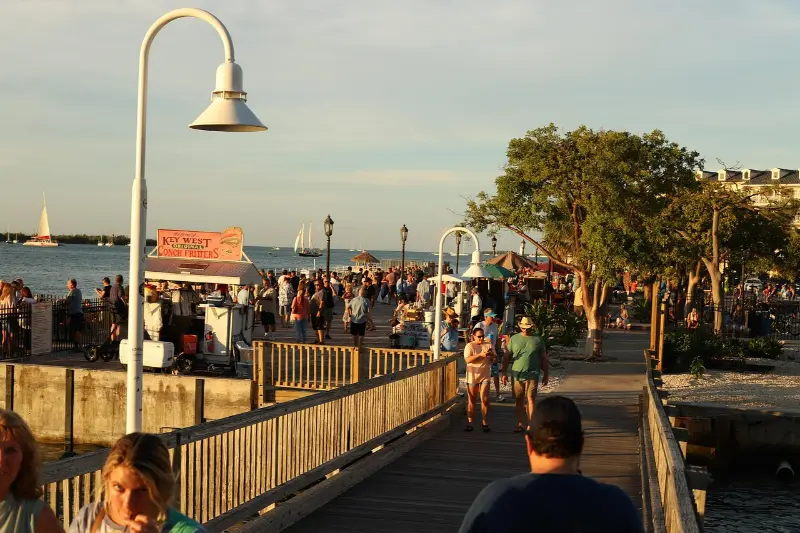
Key West deserves time outside the car. Once you have reached your accommodation or a legal parking location, explore the walkable historic center at a manageable pace. Depending on your interests, you might prioritize architecture, a museum, the waterfront, a shaded garden or an evening sunset. Do not schedule every attraction: heat and popular streets can make a short distance tiring. A family with a stroller may prefer morning exploration and an afternoon rest, while older visitors may choose lodging near restaurants to minimize transport. Many visitors find that keeping the vehicle parked is easier than repeatedly searching for a new space. Confirm overnight parking charges before booking because downtown rates can significantly change the value of a hotel.
Where to sleep during a three-day route
For a genuine three-day journey from Miami, a sensible pattern is one night in Islamorada or Marathon and another in Key West. If your trip includes a return drive to Miami, three days become tight; consider a third night or reduce activities rather than driving the entire highway twice in a hurry. Key Largo works well for snorkeling interests, Islamorada for a quieter waterfront base, Marathon for central positioning, and Key West for evening atmosphere. Compare location with actual cancellation terms and resort fees. A hotel with a pool can rescue a hot afternoon for a mixed-age group. Not every attractive waterfront room has a swimming beach, so verify the difference between ocean view, water access and a genuine sandy public beach.
Beaches, swimming and boating: manage expectations
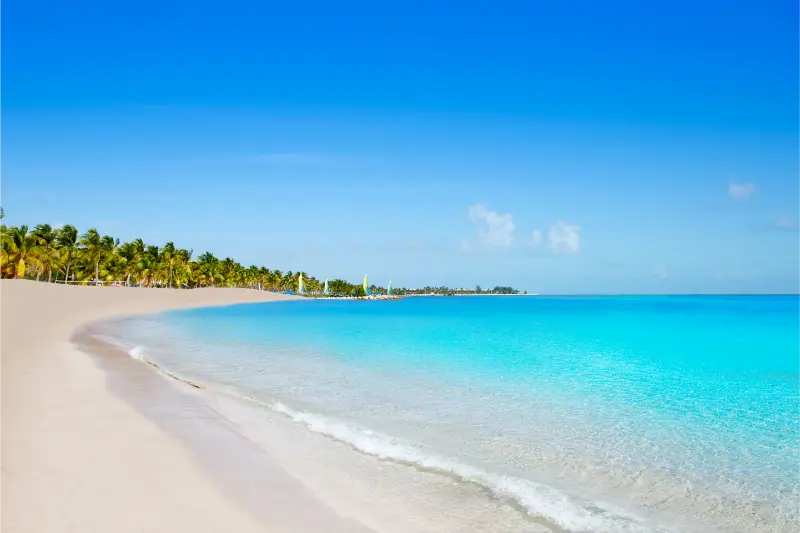
The Keys are famous for their water but do not have endless wide sandy beaches like parts of Florida’s Gulf Coast. Some shorelines are mangrove, limestone or marina-oriented; a resort photograph may show a private pool rather than safe open-water access. Check park water conditions, boat forecasts and swimming advisories before taking children into the sea. Snorkeling trips can be affected by wind and visibility, and motion sickness can surprise even experienced travelers. Choose a qualified operator, follow flotation requirements and protect the reef by not standing on coral. If a boat excursion is canceled, an aquarium, museum or easy coastal walk can still make the day rewarding without pressuring anyone into unsafe conditions.
Time of year and hurricane-season choices
The Keys can be warm and humid for much of the year, with rain and tropical-weather risk varying by season. Hurricane season deserves special attention because U.S. 1 is the main road in and out for many communities; evacuation orders or major storms can transform travel plans. Buy appropriate coverage where available, read cancellation terms and monitor official local alerts rather than relying on a distant general Florida forecast. High-demand holiday periods can bring expensive hotel rates and long drives, while quieter periods may offer more flexibility but variable marine conditions. Keep one indoor or land-based backup for each boat-focused day. Even a perfect forecast is not a guarantee of safe snorkeling or uncrowded roads.
Budget, safety and an easier return
Add rental costs, tolls, fuel, parking, lodging taxes, attractions and at least one paid activity to your budget. A “budget room” outside Key West can lose its appeal if every evening requires a long drive. On narrow roads, stay patient, respect speed limits and never make abrupt turns to reach a photo spot. Look for designated parking before getting out, avoid driving tired after late dinners and carry enough water for any traffic delay. If possible, continue your holiday by spending an extra night in the Keys rather than rushing back to Miami for a flight. The real value of this road trip lies in the places where you stop and the people with whom you enjoy them.
What three days cannot reasonably include
A Keys road trip becomes exhausting when visitors try to add a full-day snorkeling charter, an Everglades tour, a museum in every town, a sunset cruise and the entire drive back to Miami. Choose no more than one major timed excursion on each full day. Weather and marine conditions can postpone trips, and highway congestion can consume a generous-looking gap between reservations. If a member of the group experiences motion sickness or cannot spend long on boats, prepare a land-based alternative rather than creating pressure to participate. Before making a hotel booking, count how many hours you will actually have at each destination after check-in, driving, food and sleep. Visitors who most want a quiet beach holiday may do better with two nights in one Keys base; those who love varied scenery may enjoy changing accommodation once. Neither approach is a failure to see everything.
Frequently asked questions
Can I drive from Miami to Key West in one day?
Yes, but doing so with meaningful sightseeing and a same-day return can be tiring. Three days offers a more enjoyable pace.
What do mile markers mean?
They are roadside U.S. 1 references that generally count down toward Mile Marker 0 in Key West.
Is the Seven Mile Bridge safe for visitors?
It is an active highway bridge. Drive normally, obey speed limits and never stop in unsafe places for photographs.
Does every Keys hotel have a sandy beach?
No. Many waterfront properties face mangroves, docks or rocky shorelines. Check the exact swimming facilities before booking.