
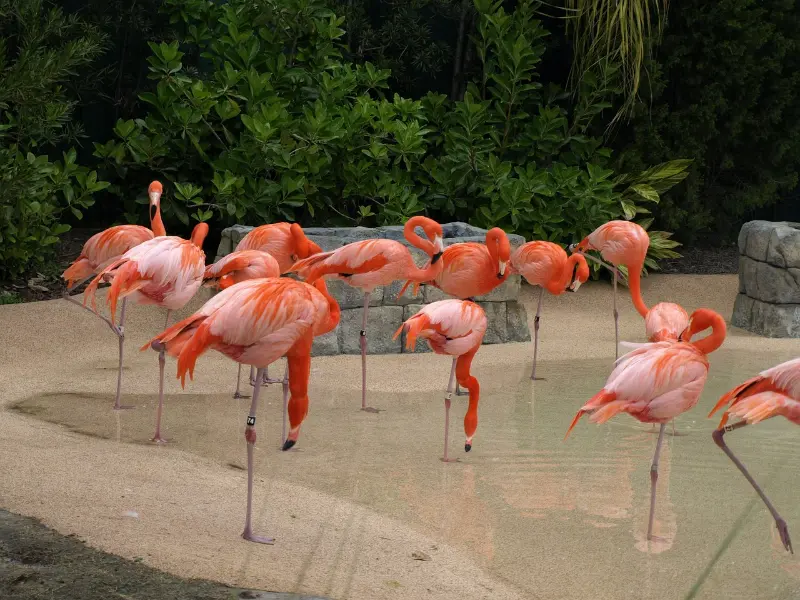
An airboat crossing shallow water and open grassland is a memorable Florida experience, but not every advertised "Everglades airboat tour" operates in Everglades National Park. Some boats travel in permitted zones of the national park, some operate elsewhere in the greater Everglades ecosystem and others offer very different wetland scenery in Central Florida. The distinction affects travel time, landscapes, wildlife and conservation rules. Before booking a tour, choose the experience that interests your party and confirm exactly where the operator goes, how it manages safety and what happens if thunderstorms disrupt the trip. An airboat should be treated as a guided wildlife outing, not just a high-speed ride.
Quick comparison
| Choice | Typical setting | Important check |
|---|---|---|
| NPS-authorized airboat | Designated Everglades National Park zone | Current operator authorization |
| Other Everglades-area airboat | Nearby managed wetland outside park | Exact launch address |
| Central Florida airboat | Lake or marsh close to Orlando | Travel time and habitat |
| Tram or quiet boat | Interpretive slower experience | Accessibility and schedule |
What an airboat tour is like
An airboat uses a large rear-mounted propeller to move across shallow waterways where ordinary propeller boats may struggle. Passengers sit on fitted seats while the operator navigates through channels or open wetland, usually stopping to explain vegetation, water patterns and animals. Most tours are exposed to weather and can be noisy. Even when the boat pauses, the environment may offer little shade, and insects can be present at launch sites. You should expect to receive operational instructions, including where to sit, when to hold on and how to use hearing protection if provided. The view is often best appreciated when you are looking for broad habitats and bird movement rather than demanding a guaranteed close-up of an alligator. Wildlife sightings are never certain.
Inside Everglades National Park or just nearby?
The National Park Service says that three authorized airboat operators offer tours within designated portions of Everglades National Park along the Tamiami Trail: Coopertown, Everglades Safari Park and Gator Park. These names and authorizations should be checked against the current NPS page before booking. Many other legitimate operators run tours outside park boundaries, which can still be enjoyable but should be described accurately. Some tours are marketed from Miami or Fort Lauderdale with hotel pickup, although the launch itself may be farther away. Ask for the launch address, approximate ride duration and whether the ticket includes transport and any park fee. A company using the word "Everglades" in its name is not proof that the ride takes place in the national park. A knowledgeable guide should be able to explain that distinction clearly.
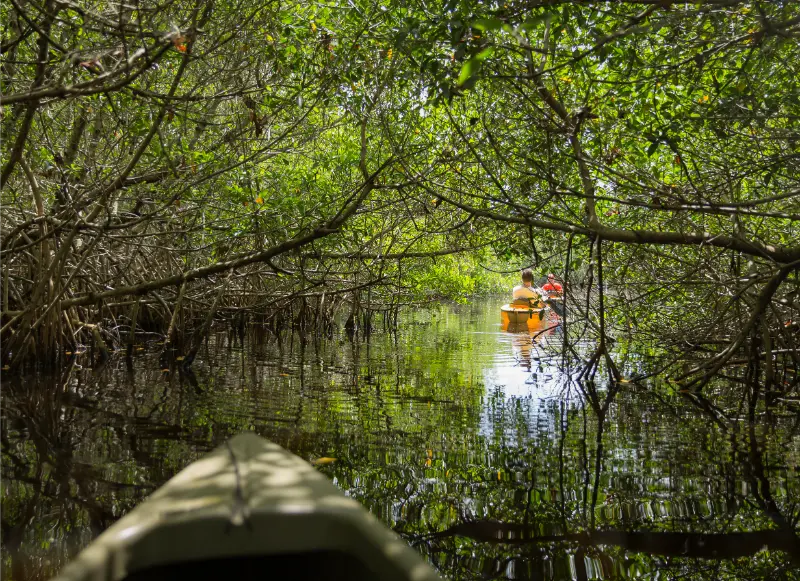
The Everglades landscape versus Central Florida wetlands
The southern Everglades is shaped by slow-moving water, sawgrass, tree islands, mangroves in coastal areas and complex seasonal changes. A Central Florida airboat outing might explore marshes or lake systems near Kissimmee or other inland wetlands. Both can provide birdwatching and broad skies, but they are not interchangeable. If your Miami vacation already includes Shark Valley or the Homestead entrance, an airboat can be one part of a varied Everglades plan. If you are staying near Orlando and want a manageable half-day excursion, a local wetland operator may reduce road time. Check whether the operator offers genuine ecological interpretation or simply emphasizes speed and staged animal encounters. Choosing a closer, well-run tour is often better than enduring hours of driving for a misleading label.
Pick an operator with safety and conservation in mind
Look for a clear operating business name, launch address, legitimate permits where required, passenger limits and sensible communication about cancellations. Staff should explain boarding, seating, emergency procedures and required flotation equipment. Ask about life jackets for children, hearing protection, mobility limitations, pregnancy and any health condition that could be affected by noise or motion. A responsible wildlife operator should not feed wild alligators, crowd nesting birds or promise to touch animals. The National Park Service authorizes specific commercial services within its boundaries, but an authorization is not an endorsement of every claim in a tour’s advertising. Read current reviews for safety practices, not just enthusiasm about fast turns. When in doubt, choose a quieter guided nature walk or boat tour rather than a ride outside your comfort level.
Going with toddlers or school-age children
An airboat ride is not automatically a suitable activity for infants. Exposure to engine noise, wind, spray, weather and sudden movement can be stressful for little children. Operators may have age, size, life-jacket or child-restraint rules that differ by vessel; ask directly and obtain an answer before paying. Even when an operator accepts a child, consider whether the child tolerates loud environments and can follow seating instructions. Do not assume that a child can sit freely in an adult’s lap or that adult earplugs fit a small child safely. School-age children often enjoy looking for alligators and birds, but tell them that seeing animals is a privilege rather than a promise. Bring drinking water for before and after the tour and allow time for a restroom stop at the launch.
Airboats for older visitors and those with mobility needs
Boarding can involve steps, raised seats or narrow platforms, and the boat may travel with vibration and sound. A wheelchair-accessible parking area at the launch does not mean every boat is accessible. Ask the operator for photographs or specifications of the boarding route, transfer requirements and how a wheelchair or mobility aid is managed. Some visitors may prefer a tram at Shark Valley, a paved observation loop or a slower interpretive boat excursion with easier boarding. The right experience is the one that allows a guest to remain safe and comfortable, not the loudest option. If a party includes several generations, a half-hour ride plus an accessible visitor center may be preferable to a long remote excursion with few facilities.
When to go and what weather can change
Season and rainfall influence water levels, bird movement and where wildlife is visible. A dry-season visit may offer different scenery from a wet-season tour; neither guarantees a particular animal sighting. Summer brings intense heat, insects and afternoon thunderstorms, so early departures can be appealing if the operator runs them. Lightning is a reason to postpone a boat activity, not something to admire from the water. Ask for written cancellation, postponement and refund rules before booking. If you are arranging a road trip from Miami, allow a realistic buffer for traffic along the Tamiami Trail. Do not book a nonrefundable dinner immediately after a ride whose weather timing is uncertain.
Photography without disturbing wildlife
A zoom lens or binoculars can help you appreciate distant animals without encouraging the driver to approach them too closely. On the boat, secure phones and cameras against wind and vibration so nothing falls into the water. Keep hands inside designated safe areas, particularly when the craft is moving. Do not request that the guide chase wildlife for a dramatic video. Photograph birds, marsh patterns and changing light as well as alligators; the ecosystem is much richer than one famous species. Respect instructions about flash, approaching animals and boat positioning. If you use a phone, prioritize holding on and listening to safety guidance over capturing every second. Watching quietly can reveal more than continuous recording.
Compare total cost, not just the ticket
A short airboat ticket near Miami may look inexpensive until you add transport for four people, parking, taxes, optional animal exhibits, photographs or tips. A package including a city pickup may cost more but reduce planning for a visitor without a car. Verify whether the excursion is a shared ride or a private charter and whether the total price includes children. Ask about toilets, water, shaded waiting areas and how much time passes between arrival and actual boarding. For an international family, a one-hour ride can become a full-day event if the launch is distant and stops are added. Compare the experience with other Everglades options, such as Shark Valley’s tram or a ranger-led walk, which may align better with a slower holiday.
A simple half-day plan
Leave accommodation with the booking confirmation and exact launch address, arrive at the operator’s requested time, follow check-in instructions and put loose items away before boarding. Bring sun protection and a weather-appropriate layer, but avoid items that can blow off in the propeller’s wind. Confirm any personal medication and water needs before the ride. Afterward, give yourself time to explore nearby viewpoints or a visitor center rather than racing straight back to a city attraction. If the tour is cancelled, maintain a Plan B that does not require entering restricted wetland habitat. A comfortable half day can include one well-guided activity, a picnic or local lunch and a short easy trail.
Frequently asked questions
Do all airboats advertised as Everglades tours go inside the national park?
No. Only authorized operators may run commercial services within designated national-park areas. Other tours can operate in nearby wetlands. Ask for the location and verify current NPS permissions.

Will we definitely see alligators?
No wildlife encounter is guaranteed. Animal behavior varies with weather, water levels and time of day. A responsible guide will not feed or harass animals to manufacture a sighting.
Are airboats suitable for babies or pregnant travelers?
Suitability depends on the person, the specific boat and operator restrictions. Engine noise, vibration and motion can be significant. Discuss medical concerns with a clinician and check the operator’s written policies before booking.
Do I need ear protection?
Airboats can be loud. Ask whether the operator supplies suitable hearing protection and whether it can accommodate children’s sizes and individual sensory needs. Follow instructions about when protection should be worn.
A better way to think about the experience
Choose an airboat because you want to understand Florida wetlands from a different vantage point, not because a travel advertisement promises speed and a guaranteed alligator photo. The best operators explain why the landscape works as it does, keep passengers comfortable and maintain respectful distances from wildlife. That approach makes the excursion valuable to visitors of different ages and interests.