
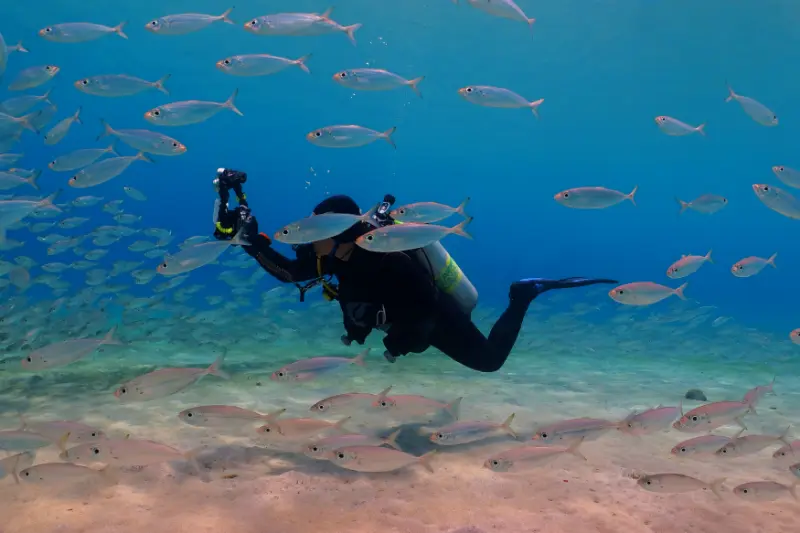
Florida Coastal Wildlife Etiquette can be one of the most rewarding ways to explore Florida when the day is planned around the people traveling, not an unrealistic checklist. This practical guide explains which choices matter before a reservation is made, how conditions can change on the ground, and ways to adapt the experience for children, first-time visitors, older travelers and people with different energy levels. It combines specific destination ideas with the questions worth asking parks, guides and accommodation providers. The aim is to help you plan a satisfying visit without implying that every attraction is always open, every activity is suitable for every person, or a wildlife sighting is ever guaranteed.
On this page
- Wildlife sightings are not guaranteed
- Give dolphins space
- Respect nesting sea turtles
- Manatees choose their own distance
- Shorebirds need quiet feeding space
- Boating, paddling and propellers
- Avoid feeding all wildlife
- Choose wildlife experiences carefully
- Family beach day
- Wildlife photography outing
- Boat tour selection
- An animal appears nearby
- Frequently asked questions
Wildlife sightings are not guaranteed
Florida’s coast is full of opportunities to see animals, but a beach visit is not a scheduled wildlife show. Dolphins may pass offshore, seabirds feed along the strand and sea turtles use suitable beaches for nesting at certain times of year. The type of animal, viewing distance and local protections change by place and season. Build the day around a beautiful beach or educational visitor center, then treat a wildlife sighting as a bonus. A responsible trip starts with the assumption that animals can leave, hide or rest without having to perform for tourists.

Give dolphins space
Wild dolphins need to move, feed, socialize and rest without boats or swimmers cutting off their paths. Do not chase a dolphin pod, surround animals with several vessels or throw food into the water. Follow applicable federal and local viewing guidance and instructions from licensed operators. A tour that promises guaranteed close physical contact with wild dolphins deserves skepticism. Binoculars and a zoom lens are better tools than moving a boat closer whenever an animal dives. When choosing a cruise, ask how the operator handles unexpected sightings, vessel speed and situations where dolphins approach of their own accord.
Respect nesting sea turtles
On some Florida beaches, sea turtles nest and hatchlings later move toward the water. Never approach a nesting turtle, stand over a nest, handle hatchlings or disturb markers and protective tape. Artificial lights, flash photography and beach obstacles can disorient turtles. Local ordinances may require special lighting or restrict nighttime beach behavior during nesting season; check the municipality where you are staying. Remove chairs and toys when required and fill holes before leaving the sand. Families can support conservation by attending an authorized educational program rather than seeking out an unmonitored nest at night.
Manatees choose their own distance
Manatees sometimes gather in warm-water locations, spring runs and coastal waterways. They are protected animals, not attractions to touch or swim after. Never block access to a travel corridor, offer food or water, or separate a calf from its mother. Whether you are kayaking or snorkeling, stop and give a manatee room to move if it approaches; local rules may impose more specific restrictions. A lawful viewing platform can be a better option for a mixed-age family than pursuing a swimming encounter. Teach children that a calm animal is not automatically an animal that wants human contact.
Shorebirds need quiet feeding space
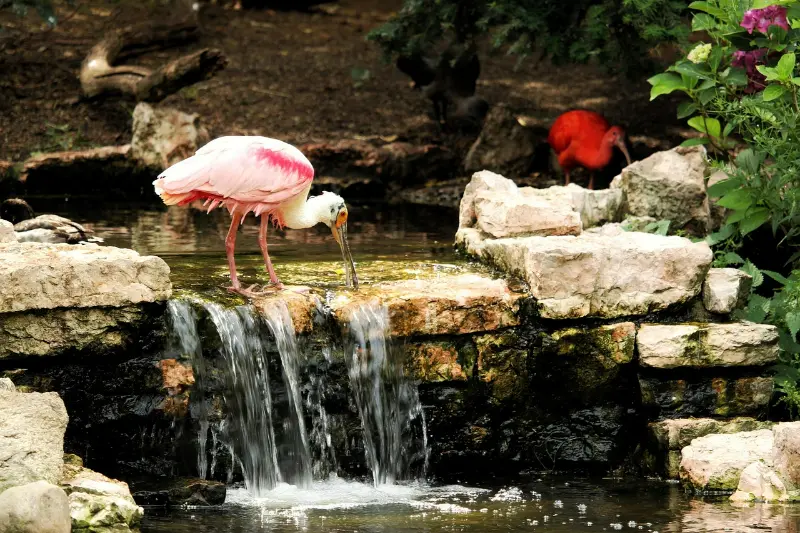
Small shorebirds feeding at the edge of the surf can be easy to overlook. Repeatedly making them fly uses energy, especially during migration and nesting periods. Walk around feeding flocks rather than directly through them and keep dogs out of areas where pets are restricted. Posted nesting areas and dune fences protect eggs, chicks and fragile vegetation. A beach can feel almost empty while still being important habitat. Use designated walkways and avoid leaving fishing line, plastic or food waste behind. If a bird calls, circles or moves away in response to you, increase your distance rather than trying for a closer image.
Boating, paddling and propellers
Shallow water, seagrass beds and manatee habitat require extra care from boaters. Follow posted speed zones and navigation markers and never cut across seagrass to shorten a route. Renters should ask for a safety briefing and understand where the vessel may travel. Paddlers need to avoid blocking narrow wildlife corridors and be prepared for changes in wind or tide. Tour operators should not promise access to protected areas where entry is restricted. Read destination-specific rules before departure; the fact that an online photograph shows someone on a sandbar does not mean landing is currently permitted there.
Avoid feeding all wildlife
Feeding seabirds can encourage crowding around picnics and make animals associate people with food. Feeding or harassing alligators is dangerous, and wild mammal feeding can create conflict and dependency. Store snacks securely, dispose of litter properly and avoid leaving bait or fish scraps where birds and other wildlife gather. At fishing piers, manage hooks and monofilament carefully and use designated recycling points when available. If you encounter an injured animal, keep your distance and contact an authorized local wildlife rescue organization or park staff; improvising a rescue can harm the animal and people.
Choose wildlife experiences carefully
Read a company’s description for the difference between observing animals in the wild and interacting with captive animals. Ask how many passengers join each excursion, how the operator limits disturbance, what happens when conditions are unsuitable and whether cancellation rules are transparent. A smaller group does not guarantee responsible practices, but a guide willing to stay back and explain habitat often provides the better experience. Keep a flexible afternoon for a nature center, aquarium or museum if offshore conditions prevent a boat excursion. Protecting wildlife does not mean enjoying Florida less; it means leaving its natural places healthier.
Four real-world ways to adapt this trip
Family beach day
Explain simple wildlife rules before children see an animal: look, do not touch; give it a path to move away; never offer snacks. Bring a small trash bag so wrappers are not left in the sand. Avoid setting up beside posted nesting areas, and teach children that temporary closures protect something living even if the animal itself is not visible.
Wildlife photography outing
Choose a longer focal length when possible and wait for natural behavior rather than chasing a close frame. Keep flash and bright lights away from nesting or resting wildlife. Avoid geotagging a sensitive nesting location in real time if crowds could create disturbance. Do not pressure tour guides to approach protected species more closely than their guidance allows. Strong photographs often show habitat and context, not just the animal.
Boat tour selection
Read the details for duration, passenger count, departure location and weather policy. Ask how operators maintain distance from dolphins or manatees and whether they ever feed wildlife. A captain’s willingness to turn away from an unsafe situation is a good sign, not evidence the tour is poor value. Bring binoculars and be prepared for a rewarding coastal outing even if no charismatic animal appears.
An animal appears nearby
Reduce activity and allow room for the animal to choose its route. Do not encourage other visitors to crowd around or reach into the water. If an animal looks injured or distressed, contact park staff or an appropriate wildlife authority rather than attempting to move it yourself. Do not assume that a resting animal needs rescuing; authorized responders can assess the situation more safely.
Before you leave: a practical decision checklist
- Confirm the exact site address and current operating hours directly with the operator or government agency.
- Check admissions, reservations, seasonal restrictions and refund rules rather than relying on an old search snippet.
- Review the weather and choose an indoor or shorter backup activity for the same region.
- Verify restrooms, shade, walking surfaces, parking and transport for the least mobile member of the group.
- Carry water, appropriate sun protection, medication or personal items you normally need, and an offline copy of essential details.
- Leave space in the itinerary for an unplanned rest, a delayed arrival or a wonderful discovery that deserves more time.
Frequently asked questions
Can I swim toward wild dolphins?
Do not chase or attempt to surround wild dolphins. Choose a reputable observation operator and let the animals determine their distance.
Can children pick up sea turtle hatchlings?
No. Do not handle hatchlings or disturb nesting areas. Follow local beach-lighting and nesting-season restrictions.
Are manatees safe to pet?
Manatees are protected wildlife. Leave them alone, give them room to move and do not feed or touch them.
Can I fly a drone over nesting birds?
Protected areas often restrict drone operations, and disturbance can harm wildlife. Check specific rules and avoid approaching nesting colonies.
What do I do if wildlife appears injured?
Contact qualified wildlife responders, park staff or the relevant authority; do not improvise handling or transport.
Continue planning your Florida trip
- Mangrove Kayaking in Florida for Beginners: Calm Routes, Guided Trips and Wildlife Safety
- Florida Vacations After 80: Comfortable Sightseeing, Family Planning and Flexible Days
- A Gentle Florida Nature Day: Boardwalks, Tram Tours and Wildlife Viewing Without Long Hikes
- Birdwatching in Florida for Beginners: Where to Go, What to Bring and How to Spot Wildlife
Official reference and current-access starting point: https://myfwc.com/. Always confirm any booking, trail closure, route or site-specific activity rule with the responsible venue before visiting.