
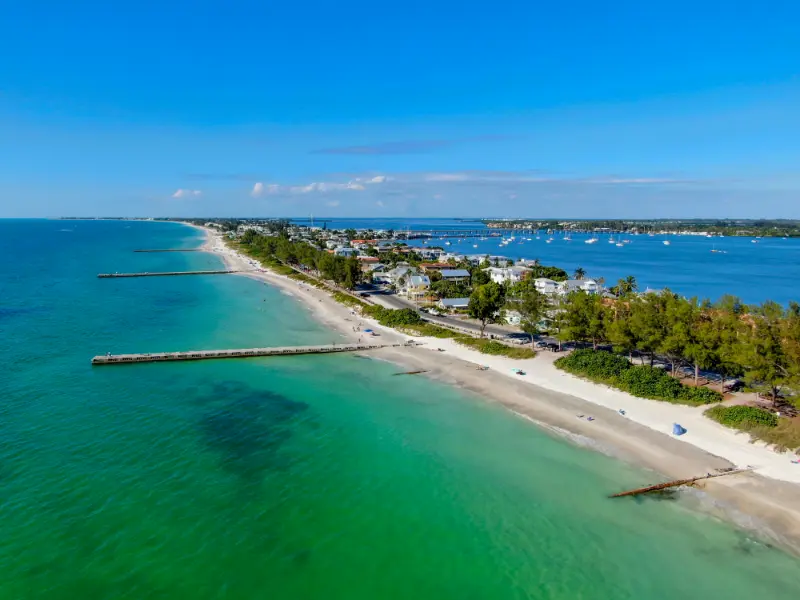
Sarasota and Anna Maria Island give you a slower kind of Florida Gulf Coast trip, with a pleasing balance of museums, gardens, small waterfront communities and beaches. They are close enough to combine, but not so close that you should plan to bounce between them several times each day. One morning could revolve around circus history and an art museum; another might be spent watching the Gulf from a sandy shoreline; a third could be a low-key island drive with café stops. Four days is long enough to sample these different experiences without filling every hour with bookings.
The suggested route uses Sarasota for the first two nights and the Bradenton or Anna Maria Island area for the following two. Staying all four nights in one location is also sensible if changing hotels is stressful or expensive. A rental car is useful, particularly when visiting more than one beach or traveling from an airport; however, choosing a good neighborhood base reduces the number of short, frustrating drives. Parking is a real consideration in busy coastal districts, not a minor detail to solve only after arriving.
Four days, four different experiences
| Day | Main area | Anchor experience | Flexible addition |
|---|---|---|---|
| 1 | Sarasota | Downtown waterfront and cultural orientation | Quiet dinner or short bayfront walk |
| 2 | Sarasota | The Ringling and a garden or gallery | Relaxed beach visit |
| 3 | Siesta Key and nearby coast | Gulf shoreline and beach facilities | Café, shaded stroll or rest |
| 4 | Anna Maria Island and Bradenton area | Island communities and a scenic coast day | Nature preserve or local heritage stop |
This is not a promise that one hotel is walking distance from all four days. Sarasota, Siesta Key and Anna Maria Island have different access routes and traffic patterns. Check a map against the places you actually plan to visit before committing to a room. If you arrive from Tampa, Orlando or Fort Myers, build the arrival drive into day one’s schedule rather than treating it as free time.
Day 1: Get to know Sarasota beyond the sand
Start with a relaxed visit to central Sarasota and its bayfront. A short waterfront walk gives you an orientation without the exertion of a full beach day. Look at the local arts calendar, independent shops or small galleries if you enjoy city life, then stop for lunch. Choose a route with clear crossings, shade and convenient parking; not every block is equally comfortable in intense sun. Travelers with a stroller, walker or wheelchair will benefit from identifying rest areas in advance rather than assuming the entire neighborhood offers the same surface and access.
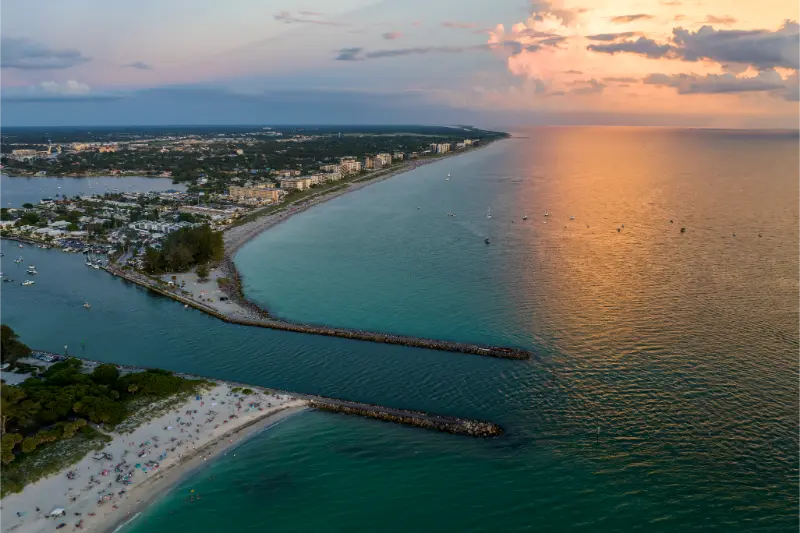
If you’ve just arrived after a flight, do not book a timed museum visit immediately. Hotel check-in, traffic and luggage may consume the best part of the afternoon. Instead, make day one a modest waterfront introduction and settle into the accommodation. Dinner can be a chance to try Gulf Coast seafood, but ask restaurants about sourcing and current menus instead of assuming every advertised fish is locally caught. Keep the evening early if you want to start the museum day before the heaviest heat.
Day 2: The Ringling is more than a single museum
The Ringling brings together art, circus history, architecture and grounds in a way few other Sarasota attractions do. Depending on your interests, you might focus on the Museum of Art, the Circus Museum, the Ca’ d’Zan historic mansion or time outdoors. Check the institution’s current admission categories and which individual spaces are open; restoration and special-event rules can affect access. Some visitors will happily spend most of a day here, while others prefer one main collection and an unhurried lunch. Giving the attraction sufficient time is much better than rushing through every building for the sake of a list.
For children, circus heritage provides a particularly engaging subject, but allow them to decide how much museum time feels enjoyable. Adults with reduced mobility should investigate the route between buildings and available transport or seating. In warm weather, plan indoor sections around midday. If you want a second cultural stop, make it optional; combining several large museums in one day can turn a holiday into a test of endurance.
A garden-focused alternative at Marie Selby
Marie Selby Botanical Gardens offers a different Sarasota experience, with botanical collections and a bayfront setting. Confirm which campus and exhibition you intend to visit, since the organization operates multiple sites and programs. Plant lovers may prefer to dedicate much of day two to Selby rather than split attention with the Ringling. The attraction’s paths and outdoor spaces can feel very different in January and August. Bring water, check the forecast and use shaded or indoor areas when the sun is strong.
Families can turn a garden visit into a gentle discovery activity: look for leaf shapes, unusual flowers and changes between the shade and exposed lawns. Photography enthusiasts should respect restricted garden areas rather than stepping into planting beds for a shot. If a member of the party uses a mobility device, review specific routes, surfaces and restroom locations with the gardens. A comfortable garden morning followed by an extended lunch may be more memorable than two more paid admissions.
Day 3: A Siesta Key beach day that actually feels restful
Siesta Key is famous for its pale sand and beach atmosphere, but its popularity also brings practical challenges. Start with a designated public access location and identify parking, restrooms and any available accessibility features. Arriving early is often worthwhile during busy periods, but local arrangements can change. Before entering the water, consult current surf conditions, warning flags and lifeguard information. A visually calm day does not eliminate the possibility of rip currents or sudden thunderstorms.
Plan your beach duration around your group. Small children benefit from frequent shade, hydration and a predictable lunch, not endless direct sun. School-age children may be content building sand structures and walking at the waterline under close supervision. Older travelers may prefer a shady seat, a short walk and a good restaurant. If someone uses a beach wheelchair, contact the relevant public beach service to confirm availability and whether advance arrangements are needed. Beach access should never be assumed from a photograph of a broad sandy path.
After the beach: keep the afternoon light
An afternoon on sand often uses more energy than expected, especially for anyone carrying bags or helping children change clothes. Return to the hotel for a shower, rest and fresh water. If everyone feels well, spend the evening at a small restaurant or explore a limited section of the coast. Avoid a sunset-chasing drive across multiple barrier islands when the traffic is heavy. One comfortable place to watch the light change can be enough.
A rainy day doesn’t require canceling the vacation. Swap this beach day with a museum or garden if the forecast makes that practical, but recognize that gardens and outdoor grounds may also close during severe weather. During lightning, leave the water and exposed beach. Public libraries, galleries and suitable indoor attractions can help recover the day without costly last-minute tickets. Travel insurance and hotel cancellation terms matter during tropical-weather season.
Day 4: Anna Maria Island and the Bradenton coast
Spend the final full day exploring Anna Maria Island at a deliberately slow pace. Its low-rise streets, small shopping districts and Gulf-facing shoreline feel different from a major urban beachfront. Choose one island area for a walk, café and coastal view, then consider a second authorized public beach access point only if parking and conditions make it easy. Bridges and narrow roads can become congested, so a multi-stop parking scavenger hunt is rarely worthwhile. Respect residential streets and keep to marked public access paths.

You could also use part of the day for Bradenton’s nearby riverfront or a local cultural stop, depending on your interests. Families who want a more active outing can look into guided paddling in suitable conditions; non-swimmers and travelers who dislike small boats may prefer a nature preserve or historical site on land. A pleasant day here is about community scale and proximity to nature, not about collecting the highest number of attractions.
Which Gulf beach belongs in your itinerary?
Siesta Key offers a well-known, active beach setting; Anna Maria Island can feel more small-town and residential in character; other Sarasota-area coastal spots provide additional options. Instead of ranking them universally, compare the details that matter: accessible public entrances, available parking, beach facilities, water conditions and where your hotel is located. A family with a sleeping infant may value a short drive and an easy restroom over a theoretically more beautiful stretch of sand.
For anyone planning to swim, prioritize lifeguarded zones when available and obey posted instructions. Wildlife-sensitive areas may have restrictions protecting nesting birds or sea turtles. Do not walk through dune vegetation or collect protected natural materials. If you photograph birds, use a long lens rather than moving close enough to disturb them. Even a busy tourist beach is part of a living ecosystem.
Eating, budgeting and accommodation choices
Sarasota offers an urban dining scene, while the islands and coastal communities vary from casual waterfront cafés to higher-priced resort restaurants. Keep lunches flexible and consider an accommodation with a refrigerator so that snacks and chilled drinks are easy. Review the full hotel rate including parking, mandatory resort charges and any extra costs for beach equipment. A room near the water is helpful only if the walking route is comfortable and legally accessible.
If you enjoy art, budget for one or two museum tickets and save the other days for public waterfronts and beaches. A family might choose one central hotel with a pool to avoid paying for a separate activity on tired afternoons. Travelers who require accessible transport should check whether the rental vehicle, parking location and chosen attractions are compatible with their equipment. An inexpensive room without appropriate access will not be a saving in practice.
Planning around weather, traffic and special needs
Spring and fall may offer pleasant touring days, but they can also bring seasonal crowds or uncertain weather. Summer’s heat, humidity and storms require a lighter midday schedule. In the colder months, the beaches may be pleasant for walking without being warm enough for everyone’s idea of swimming. Always check local beach advisories and weather forecasts close to the day of travel rather than planning based on monthly averages alone.
For a traveler in their eighties or nineties, a good Sarasota day might be one museum gallery, a scenic seated waterfront stop and a favorite meal. For a school-age child, a sand-and-garden day may be more engaging than long gallery visits. Couples may choose a slower morning and a longer dinner. None of these groups needs a separate destination: the same four-day outline becomes welcoming when you adjust the length and demands of each stop.
Frequently asked questions
Is Sarasota or Anna Maria Island a better place to stay?
Sarasota is convenient for museums and city dining; Anna Maria Island puts a slower coastal setting first. Compare total hotel cost and transport time for your chosen activities.
Can we see the Ringling and Selby Gardens in one day?
It is possible to sample both, but art and plant enthusiasts will enjoy more depth by prioritizing one and treating the other as optional.
Do we need a rental car?
A car makes this multi-area itinerary easier. A single-base beach or city stay can be organized with fewer drives and targeted transfers.
Is the area appropriate for a family with a baby?
Yes, with realistic heat, shade and nap planning. Choose beach access with nearby facilities rather than traveling far for a famous view.
Can we swim year-round?
Water temperatures, individual comfort and surf conditions vary. Check the conditions of the particular beach on the day you plan to visit.