
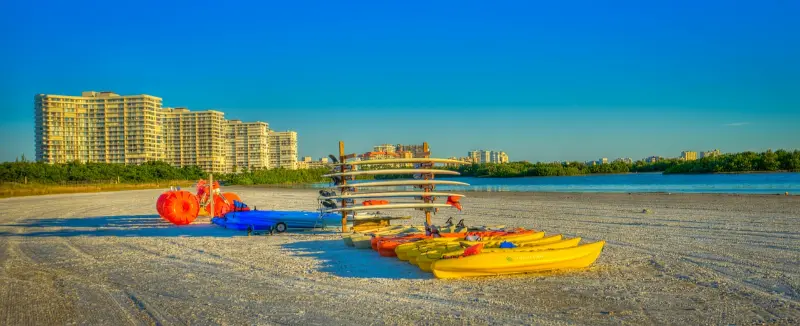
Southwest Florida is much more than a collection of beach resorts. Just beyond Naples and Marco Island, the landscape opens into cypress swamps, mangrove waterways and small communities with close ties to the Everglades. A five-day trip can combine coastal comfort with real ecological discovery, provided you understand how to visit the protected areas. Big Cypress National Preserve and Everglades National Park are neighboring but different units; neither is a drive-through theme park where animals appear on demand. This itinerary makes room for visitor centers, guided experiences, safe wildlife observation and beach time without demanding long hikes or multiple hotel changes.
Use Naples or the Marco Island area as one base if minimizing hotel changes matters most. Alternatively, spend two or three nights in Naples, then move closer to Everglades City for a quieter nature-oriented end to the trip. A rental car is the most practical way to link these areas. Expect South Florida heat and insects to influence outdoor plans, and note that the Everglades’ Homestead and Shark Valley entrances are not connected to the Everglades City entrance by internal park roads. This route concentrates on the Gulf Coast side rather than promising to cover every entrance.
A balanced five-day outline
| Day | Location | Priority |
|---|---|---|
| 1 | Naples | Arrival, historic streets and an easy Gulf sunset |
| 2 | Naples | Botanical garden, local culture or beach |
| 3 | Big Cypress | Visitor centers, wildlife observation and ecological context |
| 4 | Everglades City | Ten Thousand Islands gateway and guided water excursion |
| 5 | Marco Island or departure route | Beach, shoreline nature or a restful final morning |
The sequence can be reversed if weather improves later in the week or you fly from an airport that makes Marco Island a better first stop. Avoid booking a boat tour too close to a departure flight. Conditions on the water can delay or cancel a trip, and last-minute changes are easier to accommodate when you have one flexible day left.
Day 1: Naples at a slower pace
Settle in around Naples rather than heading directly from an airport toward the swamp. Fifth Avenue South and nearby parts of town offer restaurants, galleries and an urban introduction to the region. Choose a short walk and one restaurant instead of attempting a full sightseeing circuit after travel. If you have daylight and the weather cooperates, spend a little time on the Gulf shoreline from an authorized public access point. Beach access, pier structures and local amenities can change after coastal storms, so verify current municipal notices before counting on a specific facility.
A comfortable first afternoon makes the nature days more rewarding. Buy water, suitable sun protection and any food you’ll want during a long stretch on the Tamiami Trail. Travelers with small children or limited mobility should identify the easiest restroom and meal options for the coming days. Naples is a convenient place to gather supplies because later nature routes may have fewer services. Keep valuables out of sight in vehicles and plan where to park at your next day’s attractions.
Day 2: Naples culture and a restful coastal afternoon
Naples Botanical Garden is one possible anchor for day two, offering a plant-focused visit that contrasts with the later cypress and mangrove landscapes. Confirm its opening schedule, current exhibitions and accessibility information directly. A botanical visit is especially pleasant when you allow time to enjoy the distinct gardens instead of treating every corner as a checklist. If gardens are not your interest, choose a local art or history venue and a neighborhood walk instead. A late lunch gives you a comfortable break during the hottest hours.
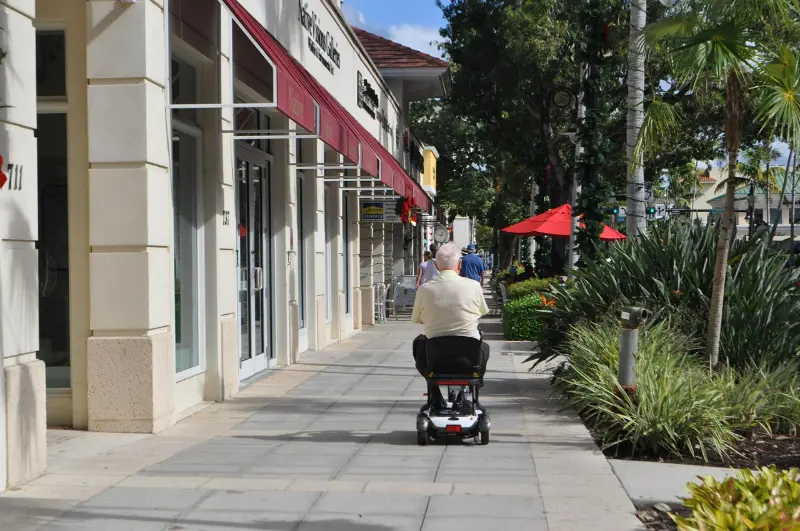
Spend the remainder of the day at a suitable Gulf beach or exploring another small part of town. For swimmers, check posted beach conditions, water-quality advisories and lifeguard arrangements where available. For families, a short beach session with reliable shade may be better than hours of exposure. For travelers over eighty or anyone who prefers gentle activities, a garden bench and a scenic lunch can be the highlight, with no need for an ambitious beach walk. The trip should meet travelers where they are, not where a generic itinerary expects them to be.
Day 3: The Tamiami Trail and Big Cypress National Preserve
Drive east along U.S. 41 into Big Cypress National Preserve. The National Park Service identifies the Nathaniel P. Reed Visitor Center and Oasis Visitor Center as important orientation stops; check which facilities are currently open and their hours before leaving. Exhibits and ranger information help visitors distinguish a wetland ecosystem from the simplified image of a swamp full of alligators. Some locations provide observation opportunities without a long hike. Stay at designated areas, keep wildlife at a respectful distance and never lean over protective railings for a closer photograph.
This is not a day to race past the visitor centers in search of one animal sighting. Take time to learn about the habitats, seasonal water levels and the many creatures other than alligators. If you choose an organized wildlife tour, review whether it operates inside the preserve, on neighboring land or elsewhere along the corridor. These are not interchangeable descriptions. The Loop Road is sometimes discussed as a scenic drive, but conditions and closures can change; verify official access and whether your rental agreement allows the road before setting out.
What Big Cypress requires from visitors
The landscape may look inviting from a boardwalk or roadside stop, but stepping into wild wetland without a suitable route and preparation is not a casual family activity. Roads and trails can be wet or rough, wildlife deserves space, and insects vary with season and rainfall. Wear appropriate clothing, bring drinking water and carry an offline route. Cell reception can be limited in parts of the region. If anyone in your group needs an accessible surface, contact the visitor center for current facilities instead of assuming all marked nature sites are equally manageable.
Never feed alligators, pull over dangerously to photograph animals, or block traffic for a wildlife sighting. Respect speed limits and be alert for other people stopping unexpectedly. A patient fifteen-minute watch from a lawful observation area can reveal birds, turtles and changing light that hurried drivers miss. If weather conditions are unsafe, return to an indoor cultural stop near Naples. There is no reason to take a storm-related risk to complete a nature checklist.
Day 4: Everglades City and the Ten Thousand Islands
Everglades City is a gateway to the Gulf Coast side of Everglades National Park and the maze of waters called the Ten Thousand Islands. It is a distinct park access area from Shark Valley and Homestead. The National Park Service explains that its entrances do not connect through the interior of the park, so a visitor planning the Gulf Coast should not accidentally navigate to a Miami-side address. Begin with current National Park Service visitor information and choose a water experience that matches the group’s comfort and abilities.
Guided boat tours and paddling outings can interpret mangrove ecology, coastal birds and the history of people who have lived with these waterways. Ask exactly where a tour operates, whether it is authorized for the particular area, how long passengers remain on the vessel, and what happens in bad weather. Some boat experiences are seated and relatively gentle, while others involve small, exposed craft and physical boarding requirements. Choose deliberately, and keep a shore-based fallback such as a visitor-center program if the excursion is canceled.
How to enjoy wildlife without disturbing it
A sighting is a privilege, not something a guide can guarantee. Dolphins, manatees, alligators, turtles and wading birds are wild animals with their own behavior. Stay at the distance required by law and by the guide’s instructions. Never throw food, attempt to touch wildlife, or encourage a boat captain to chase animals for a photograph. In areas where shorebirds nest, obey closures and do not enter posted habitats. A longer camera lens is much better than walking closer to a resting animal.
If children are interested in wildlife, give them a notebook to record habitats, calls or species seen rather than rewarding only dramatic encounters. Older adults and travelers using mobility aids may prefer a viewing spot or boat with secure seating; check actual boarding specifications and bathroom access beforehand. People who do not swim can still enjoy many guided observation trips if the operator’s requirements are met, but sea conditions must be taken seriously. The goal is to enjoy the ecosystems while leaving them undisturbed.
Day 5: Marco Island, a beach morning or one more nature stop
Finish with a gentler coastal day around Marco Island or the Naples area, depending on where you are sleeping and your departure airport. Marco Island offers a different view of the Gulf Coast from the wilder waters around Everglades City, with resort settings and public beach access to research in advance. Beach access points, parking rules and facilities are not identical; choose the right one for your group before leaving the hotel. A short shoreline walk and café lunch can be a more satisfying final day than a rushed excursion with an uncertain return time.
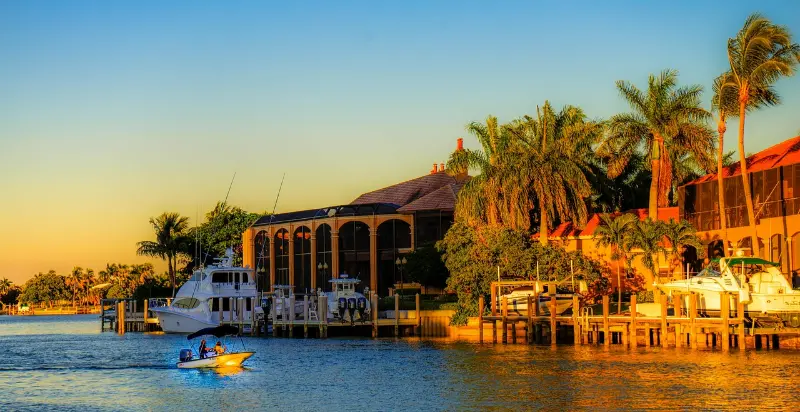
If you particularly enjoy nature, use the last day for a missed visitor center or a guided outing postponed by weather. For a traveler with limited stamina, keep it entirely as a rest day and pack slowly. If an early flight is planned, don’t assume a remote beach or boat dock lies on the most efficient airport route. The last day deserves the same practical planning as the first, especially when returning a rental car.
Can you include Shark Valley or the Homestead entrance?
You can, but not casually as an extra hour in this five-day Gulf Coast route. Shark Valley is accessed from the Miami side of the Tamiami Trail, and the Homestead entrance leads toward Royal Palm and Flamingo. The Everglades National Park road system does not connect these entrances internally. Driving between them requires leaving the park and using public roads, and each serves different landscapes and activities. If you want to bike the Shark Valley loop or explore the Anhinga Trail near Royal Palm, consider an additional day and a separate hotel base.
For a first Southwest Florida visit, I would prioritize Big Cypress and the Everglades City area rather than attempt all three entrances. That offers an intelligible sequence from cypress swamps to mangrove-dominated coastal waterways. You will have a better chance of learning how the region works, and you can return for the Miami-side Everglades on another trip.
Accommodation, budgeting and travel seasons
Naples accommodation ranges from urban hotels to upscale coastal properties. Marco Island may appeal to those who prioritize resort facilities, while Everglades City provides a smaller-town base for nature outings. Compare full rates, parking, mandatory fees, food availability and the hours of any hotel restaurant. A cheaper room in an inconvenient location may create long drives on the days you most want to relax. For a family, a refrigerator and easy breakfast arrangements can simplify early starts.
Southwest Florida’s drier months are often attractive for wildlife tours and cooler outdoor days, but also popular with visitors. Rainy-season travel can mean greater heat, insects, showers and the potential for tropical weather. Conditions affect wildlife visibility and water-based itineraries. Check official National Park Service alerts, marine forecasts and refund rules rather than counting on a fixed schedule. One organized boat trip, a garden admission and several low-cost nature stops can provide a varied budget, especially when meals and hotel extras are planned in advance.
Families, solo travelers and visitors with access needs
For children, the best activity may be a short interpreted walk or junior-ranger-style learning opportunity rather than the longest boat tour. Never allow children to approach wildlife or wander alone near waterways. Solo travelers should tell a trusted contact their route for remote nature outings and use reputable operators. Travelers with mobility limitations can still enjoy protected landscapes, but must confirm actual surfaces, boarding ramps, restroom access and rest locations for each chosen site. “Nature accessible” is too general to make a booking decision.
This itinerary is especially adaptable for multigenerational groups. One traveler can enjoy a garden, another a wildlife boardwalk, and everyone can share an evening meal. If someone is sensitive to heat or insects, reduce outdoor exposure rather than forcing the entire day to follow a predefined schedule. A successful Southwest Florida trip gives visitors a clearer understanding of the coastal ecosystems and time to appreciate them safely.
Frequently asked questions
Is Big Cypress the same as Everglades National Park?
No. They are different federal protected areas with different facilities and activities, though their ecosystems are connected.
Can we drive from Everglades City to Shark Valley through the park?
No. The park entrances do not connect by internal roads. You must travel on external public roads to change entrances.
Do we need a boat tour?
Not necessarily. Visitor centers, approved observation areas and local history can make an excellent trip, especially when conditions are unsuitable for boating.
Can young children come along?
Yes, with careful supervision, appropriate excursions, heat planning and respect for wildlife and water safety.
When is the best time for wildlife watching?
It depends on species, water levels, weather and your chosen location. Ask park rangers about current conditions rather than expecting guaranteed sightings.