

Traveling alone in Florida can be liberating. You can spend longer in a museum, change your plans after a rainstorm and eat whenever you please. But a thoughtful solo itinerary is not merely a list of places where someone claims you will feel safe. It should make practical decisions about transport, lodging, arrival times, social activities and the difference between a relaxed day and a complicated one. This eight-day journey connects Miami, Fort Lauderdale and Palm Beach County with a focus on daytime activities, straightforward transfers and enough flexibility to accommodate different budgets and energy levels.
The guide is written especially for women traveling independently for the first time, but its planning principles are useful to anyone going solo. Florida is a large state, and distances within South Florida can be deceptive. You can use trains for significant portions of the corridor, but local transport to every beach or museum still needs research. Do not treat an online neighborhood stereotype as a security guarantee or a personal experience from someone else as proof that a location is safe at every hour. Make decisions using current local information and the actual location of your accommodation.
Start with the right arrival city and a simple first day
Arriving after a long flight is not the moment to improvise multiple transit changes with luggage. Miami International Airport and Fort Lauderdale-Hollywood International Airport serve different neighborhoods and may have very different onward transport options depending on your chosen hotel. Decide where the first two nights will be spent before booking flights. Check the public transport connection from that specific airport terminal, and compare it with the cost of an authorized taxi or rideshare. A hotel advertised as ‘near Miami’ can still be an inconvenient journey from the places you want to visit.
Plan your arrival for daylight if you can. If the flight is late, prearrange your airport transfer or use official ground-transport pickup instructions. Share your confirmed hotel name and travel plan with a trusted contact, but avoid broadcasting a room number or precise solo location publicly. Have enough battery power and a working data plan or offline map. A quiet dinner near the hotel is often the ideal first evening. There is no need to prove independence by navigating an unfamiliar entertainment district when exhausted.
Days 1–2: Miami by neighborhood, not by checklist
Use the first full day for one or two connected Miami experiences, such as a museum district and a waterfront walk. Choose activities that feel rewarding alone: gallery visits, guided architecture walks or a neighborhood food tour with a reputable provider. A formal small-group tour can offer conversation without the logistical dependence of traveling with strangers. Read recent reviews for the exact tour and check its actual meeting point. Avoid pretending that Miami Beach, Little Havana and Wynwood are all next-door neighborhoods that fit comfortably into one afternoon.
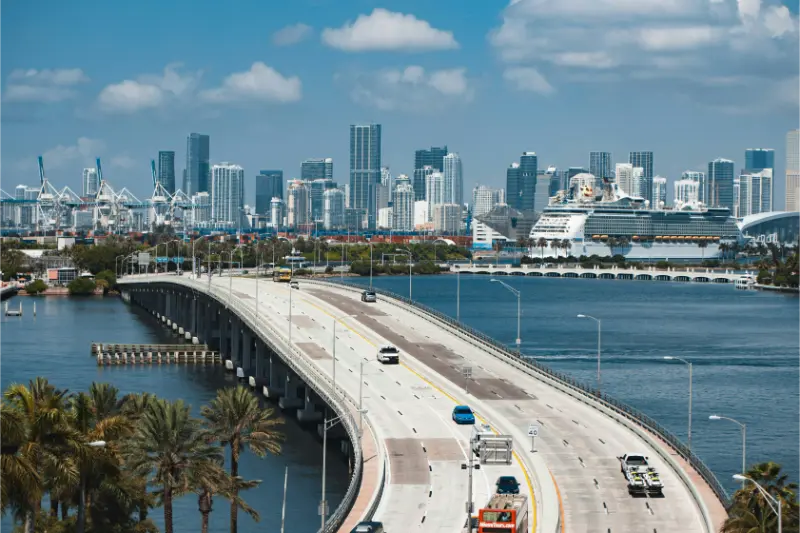
On the second day, explore Miami Beach in a deliberate way. An early walk in the Art Deco district, a museum or a beach visit at a guarded location may suit someone who wants daylight and flexibility. Follow beach warning flags and lifeguard instructions, and never leave valuables unattended while swimming. If you plan to go into the water alone, keep the outing conservative and consider whether someone nearby can keep an eye on your belongings; do not ask an unknown person to hold your passport. An afternoon café, public park or indoor cultural venue can replace the beach if heat or thunderstorms become uncomfortable.
Day 3: A smooth transfer to Fort Lauderdale
Choose a transfer that fits your accommodation rather than automatically renting a car. Rail services in the Miami–Fort Lauderdale corridor can be useful, but they do not stop at every beachfront hotel. Compare station locations, luggage arrangements, onward transport and the full door-to-door journey. A train that takes less time than a road journey may still need a short taxi ride at both ends. Book or validate tickets through the actual operator and check current schedules, especially around holidays and special events.
Arrive in Fort Lauderdale with enough daylight to settle into the hotel and walk a manageable section of Riverwalk or the surrounding area. Do not assume that staying near a station also places you near the oceanfront; look at the geography before booking. A solo traveler can make an enjoyable evening from a restaurant with indoor seating and an early waterfront stroll. If you want nightlife, plan your return transport before entering a venue. Drinks should remain in your possession, and your phone should have enough battery for the trip home.
Day 4: Fort Lauderdale’s waterways and art
Fort Lauderdale is especially rewarding when you split the day between its canals and cultural spaces. Choose a reputable daytime sightseeing vessel, an art museum or a public riverside walk according to your interests. Sightseeing boat tours have different boarding arrangements, shade and weather policies, so check the operator’s details. A visitor with motion sensitivity may prefer the Riverwalk and galleries to spending hours afloat. Walking along a public waterway can be pleasant, but avoid turning onto private docks or through residential compounds in pursuit of a photograph.
The city also offers local buses, trolleys and other services with different routes and operating hours. Do not assume that every free shuttle runs on the same schedule or reaches the beach from your hotel. Plan one or two corridors rather than exhausting yourself with transfers. If you feel uneasy after dark, leaving an event early is a sensible choice; independence means controlling your plans, not pushing through an uncomfortable situation. A meal and a gallery visit can make a full day without any high-intensity activity.
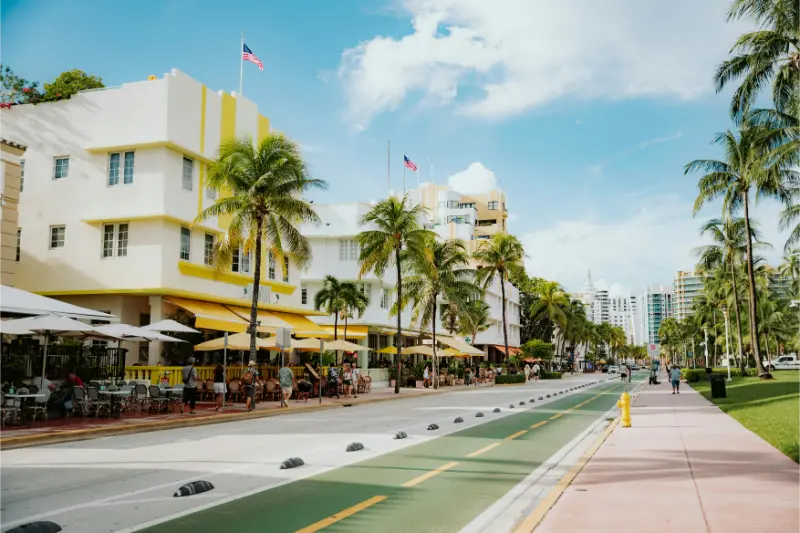
Days 5–6: Palm Beaches and a gentler rhythm
Continue north toward West Palm Beach or a suitable Palm Beach County base. The area’s museums, public gardens, waterfront spaces and small downtown districts can work well for a solo traveler who enjoys slower cultural exploration. Choose one area per day and verify museum hours and ticket policies directly. Keep coastal activities close to safe access points and return transportation. A quiet ocean view or a short walk through a well-maintained garden can be the highlight of the day; not every successful solo vacation requires socializing continuously.
Consider a bookshop, a daytime guided tour or a museum event if you would like structured opportunities to meet people. If you prefer solitude, use that freedom without embarrassment. For dinner, select a place near your hotel or a location with straightforward transport rather than making multiple late-night connections. Travelers over sixty may appreciate predictable seating, elevator access and earlier meals, but age does not define interests or independence. A visitor with a mobility aid should confirm the exact route from the station or pickup point to the hotel entrance.
Day 7: Choose a personal-interest day
Keep the penultimate day open for something you genuinely care about. Nature lovers can select a protected birdwatching site with easy access and current visitor information. Art enthusiasts can return to a museum they enjoyed; beach lovers might choose a supervised stretch of shoreline early in the morning. The plan is better for being selective. A solo traveler has no obligation to follow a fixed group itinerary, but it helps to set a return time and let someone know if you plan to visit a remote natural area.
If you join a group activity, use a recognized operator with a published meeting location, customer service contact and clearly described safety procedures. Be wary of requests for private transfers to unknown addresses or pressure to pay outside the booking system. For a self-guided outing, carry enough water, sun protection and a backup power source. Weather changes quickly in Florida. If lightning begins, seek a substantial building or appropriate enclosed vehicle rather than remaining at an exposed shoreline viewpoint.
Day 8: Departure with realistic transfer time
Book the last night in a location that makes the departure airport practical. If your return flight is from Miami while you are staying in Palm Beach County, allow substantial time for the regional journey, station transfers and unexpected delays. Do not assume a short distance on the map means a short travel time through several urban areas. Consider returning south the evening before a very early international flight. An extra hotel night near the correct airport can be worth the cost if it reduces the risk of missing a long-haul journey.
Check out with all documents accounted for, save tickets offline and confirm the pickup point for your airport transport. If you booked attractions through third parties, retain receipts and cancellation confirmations. A brief travel journal is a helpful final ritual: which neighborhood made you feel comfortable, which transport worked and what would you change on another visit? This information supports a more confident second solo holiday without making your experience into a universal promise about safety.
Choosing solo-friendly lodging thoughtfully
A suitable hotel is not necessarily the most expensive one. Look for recent reviews mentioning noise, entry access, lighting, front-desk availability, cleanliness and the reliability of advertised facilities. Map the walk from transit and check whether you need to cross a highway or an isolated area. Hotels with an occupied reception desk can be reassuring, but no building is a substitute for sensible awareness. If staying in a vacation rental, verify licensing where applicable, access procedures and the host’s legitimate contact details before arriving.
For women traveling alone, privacy is important. Do not post room or live location details on social media, and avoid telling strangers how long you will be alone in the city. Use the room’s available locks, report concerns to management and trust your judgment about changing accommodation if a situation does not feel secure. Request a room near the elevator or main area if that is your preference, but remember that different people value different levels of privacy and quiet. The best room is one that supports your rest.
Budget, wellbeing and transportation alternatives
Break the budget into lodging, intercity travel, local transfers, food and attractions. A car-free itinerary avoids rental and parking costs but may add taxis and rideshares, particularly for beaches away from stations. Do not advertise a single daily price without the dates, hotel standard and travel style. A museum-heavy trip can be cheaper than a resort-and-tour trip, while guided small-group excursions add convenience at a cost. Booking refundable lodging can be sensible during uncertain weather or when your schedule may change.
Keep water, medication, identity documents and emergency contacts organized. If you are traveling internationally, check insurance coverage and how to access medical help. Florida’s heat can affect anyone, and a long day outdoors may be draining even when your plan looks easy on paper. Give yourself permission to rest. Solo travel is most enjoyable when the itinerary protects your time and comfort instead of creating another set of obligations.
Eight-day route overview
| Day | Focus | Overnight area |
|---|---|---|
| 1–2 | Miami neighborhoods and Miami Beach | Miami or Miami Beach |
| 3–4 | Fort Lauderdale Riverwalk, art and waterways | Fort Lauderdale |
| 5–6 | Museums and waterfront in Palm Beach County | West Palm Beach region |
| 7 | Personal-interest day | West Palm Beach region |
| 8 | Airport departure | As dictated by flight |
Frequently asked questions
Is Florida safe for a woman traveling alone?
No place has uniform safety conditions. Choose verified accommodations, plan transport, follow current local guidance and adapt activities to your comfort and abilities.
Can I follow this route without a car?
Yes, with advance planning. Regional trains help between cities, while local transfers still need to be arranged for specific hotels and attractions.
Is it possible to have a social trip without nightlife?
Absolutely. Daytime guided tours, museums, group walks and classes can be engaging ways to connect with others.
Is this itinerary suitable for a traveler over eighty?
Potentially, with suitable accommodation, shorter walks and realistic transport. Evaluate personal mobility and stamina rather than relying on age alone.
Where should I sleep before an early flight from Miami?
Choose a location with a verified timely connection to the correct airport. Returning south the evening before may be wiser than a long same-day transfer.