

A fourteen-day Florida vacation does not need eleven hotel changes. A slower route can give visitors more time to enjoy destinations instead of packing bags each morning, especially when the group includes children, grandparents or anyone who finds long travel days tiring. The trick is to organize the trip into regions, choose three sensible bases and use day trips only when distances are comfortable. This itinerary combines Central Florida, the Tampa Bay Gulf Coast and Southwest Florida. It is one possible route, not a universal ‘best’ holiday. Travelers who need Miami, the Keys or the Panhandle as their central experience should choose another regional plan instead of forcing them into the same two weeks.
On this page
- The three-base idea and who it suits
- Days 1–2: arrive, recover and explore Central Florida gently
- Days 3–4: one headline attraction and one recovery day
- Day 5: Central Florida water and nature without a swimming requirement
- Day 6: transfer to Tampa Bay without racing
- Days 7–8: art, heritage and an optional beach
- Day 9: a genuine free day in Tampa Bay
- Day 10: move to Sarasota or Southwest Florida
- Days 11–12: choose art, gardens, coast or wildlife
- Day 13: use the extra day wisely
- Day 14: departure without a final sprint
- Adjustments for different ages and travel styles
- Budget and booking priorities
- Quick comparison
- Frequently asked questions
- Official sources
The three-base idea and who it suits
The route uses approximately five nights around Orlando, four nights around St. Petersburg or Tampa Bay and four nights around Sarasota or another appropriate Southwest Florida base, making thirteen hotel nights for a fourteen-day holiday. If the return flight requires an additional night, shorten another base or extend the overall trip to fifteen days. That reduces hotel changes to two, or three only when an airport overnight is deliberately added. The itinerary suits people who want a balance of recognizable attractions, museums, springs, coastal scenery and rest days. It also gives children time to settle and adults the ability to unpack rather than live out of a suitcase.

A car is helpful for many of the regional outings, but it need not be used every day. Choose lodging that lets at least one day’s attractions be reached without a long drive. The route is flexible enough to shorten a theme-park portion or replace it with additional nature time. If a traveler dislikes swimming or rides, the same bases can support different experiences. The vacation should adapt to the people going, not the other way around.
Days 1–2: arrive, recover and explore Central Florida gently
Aim to arrive in Orlando with no ambitious attractions scheduled for the same evening. Collect baggage, complete immigration if required, reach the lodging and eat near the hotel. Check any rental car carefully before leaving the pickup area and confirm the toll-payment arrangement. Families with children should not plan a demanding theme-park morning after a late overnight flight. An easy arrival day can prevent tiredness from spoiling the next few days.
On the following day, choose a comfortable local activity. Winter Park’s town center, a museum or a garden can offer a first look at Central Florida without requiring an all-day ticket. Guests who enjoy resort pools may simply take a swim under appropriate supervision or spend time outside when weather permits. Keep the schedule short enough to visit a grocery store, learn the area and confirm details of the next day’s headline experience. Visitors without a car should verify the availability of hotel shuttles or suitable rideshare connections before committing to an outing.
Days 3–4: one headline attraction and one recovery day
If theme parks are important, give one full day to a park that genuinely interests the group. Book the correct admission type, check date restrictions and understand transportation. Avoid trying to visit multiple major parks in one day unless the group has both the experience and the ticket conditions that support it. Some travelers enjoy headline rides; others prefer exhibitions and shows. Agree on shared activities and rest points so that non-riders are not left waiting outside attractions for hours.
Make the next day lighter. A resort morning, a quiet garden, a museum or a meal in an interesting neighborhood will often be more pleasant than scheduling another exhausting day. If you have a family member who walks slowly or needs a midday rest, build that into the plan in advance. Florida’s heat and humidity can intensify fatigue, and afternoon thunderstorms may close outdoor areas. A rest day is part of the itinerary, not an opportunity to cram in missed attractions.
Day 5: Central Florida water and nature without a swimming requirement
Use the fifth day for a selected spring or nature outing. Silver Springs near Ocala offers glass-bottom boats and gardens, while some parks closer to Orlando have spring landscapes and short land-based options. Research the individual park’s rules and booking system. Several popular Florida state parks require day-use reservations as of 2026, including Blue Spring and Wekiwa Springs. A family that drives to the gate without checking can lose most of a day.
If someone is unable or unwilling to swim, choose a viewing platform, guided boat or short path and allow time to observe the environment. Keep safe distance from wildlife and never feed animals. A day trip can still include a long drive, so it is fine to skip a spring and stay nearer Orlando. The right choice depends on the group rather than a requirement to fit every Florida attraction into one vacation.
Day 6: transfer to Tampa Bay without racing
The move west toward Tampa Bay is one of the route’s key travel days. Check actual traffic and consider a leisurely departure rather than rushing into morning congestion. Plan one stop for lunch or a break, and aim to reach the new accommodation well before bedtime. Do not commit to a complicated museum schedule on the same day as checkout, luggage packing and car travel. If staying in St. Petersburg, crossing Tampa Bay may add travel time compared with a hotel in central Tampa.
Spend the evening learning the area. Find the nearest food options, check tomorrow’s parking and take a short waterfront walk if weather and energy allow. Travelers staying near the Gulf beaches should be aware that a coastal resort may involve additional bridge or causeway driving to Tampa museums. Choosing lodging close to your preferred activities saves time over four nights. Compare all accommodation fees and not merely the nightly room charge.
Days 7–8: art, heritage and an optional beach
One day can center on St. Petersburg’s arts district and waterfront, perhaps with the Dalí Museum or another venue whose exhibition calendar appeals to you. Another can focus on Tampa’s Ybor City history or a family attraction. These are genuinely different experiences, so do not combine both with a long beach outing on the same afternoon. Check museum openings and parking, and let the group choose between a cultural tour and a slower waterfront meal.
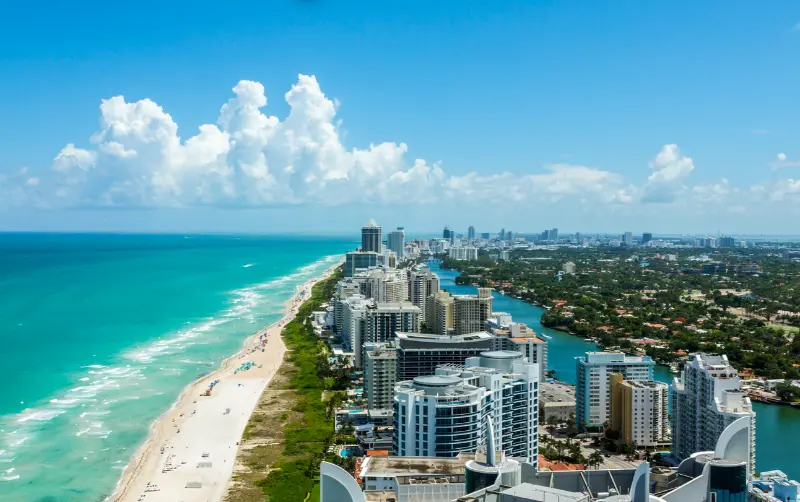
If everyone wants a beach day, select a Gulf Coast location with suitable access and current safety conditions. Non-swimmers can still enjoy a promenade, meal or scenic stop. Look up beach flags, lifeguard coverage and restrictions for the specific site. Travelers with mobility needs should check the distance from parking to sand and whether appropriate access aids are available. If the weather is poor, replace the beach with indoor culture rather than driving for hours in search of a patch of sunshine.
Day 9: a genuine free day in Tampa Bay
Do not fill every blank on the itinerary. A free day can be used for sleep, laundry, a hotel pool, a short local outing or a special lunch. Small children benefit from predictable routines; older adults may appreciate a full afternoon with no transport. Friends traveling together can split up and reunite for dinner. If a major attraction was canceled earlier in the week, this day becomes a reasonable backup without disrupting all subsequent lodging and transfers.
Keep spending flexible as well. Perhaps the group chooses a museum it discovered while walking, or decides to enjoy a quiet restaurant. A day with few tickets can balance the overall travel budget. Use the evening to confirm the next accommodation and check for traffic, roadworks or weather issues on the Gulf Coast. Do not introduce another overnight stop simply because the group feels it should cover more ground.
Day 10: move to Sarasota or Southwest Florida
Sarasota works for travelers who enjoy museums, gardens and coastal scenery. It also keeps the final stage relatively close to Tampa Bay compared with a journey all the way to the Florida Keys. Depending on the group’s interests, a base around Sarasota, Venice or farther south may fit. If choosing the Fort Myers or Naples area, check drive times and the location of the airport intended for departure. The region is not one continuous pedestrian-friendly resort; attractions can be separated by substantial distances.
Make the transfer day light. Arrive, unpack and enjoy a nearby meal. If the accommodation is a vacation rental, inspect the pool gate and safety arrangements when traveling with children. If a beach is the reason for choosing the property, confirm current public access and parking, as local facilities can change after storms and construction. Spending a quiet afternoon near the accommodation is preferable to chasing a sunset far away after a tiring drive.
Days 11–12: choose art, gardens, coast or wildlife
One day can be spent in Sarasota at a museum such as the Ringling, paired with a comfortable lunch. Another could focus on botanical gardens, a coastal nature reserve or a short boardwalk outing. Travelers who prefer a beach can allocate a single morning to sand and sea, keeping an indoor alternative for weather. Families should choose sites according to children’s ages: an adult museum can be interesting with a guided program, but a preschooler may need a more interactive experience and a shorter visit.
If the itinerary extends into Southwest Florida, choose wildlife observation from authorized viewpoints and avoid disturbing nesting birds or other animals. Do not promise a manatee or dolphin sighting. Ask about accessibility, restrooms and path conditions before driving to a nature preserve. A site with a beautiful website may still contain rough ground, insects or very little shade. Carry water and allow time for the return journey rather than planning several remote wildlife stops back to back.
Day 13: use the extra day wisely
The thirteenth day is available for the destination the group liked most, an activity postponed by weather or simply a slower coastal morning. It can also serve as a repositioning night closer to the departure airport if that makes the return flight much easier. The objective is to reduce risk and fatigue, not to add another attraction automatically. Review flight time, car return rules and the amount of traffic expected on the morning of departure.
If you are traveling with older relatives, children or people who need mobility support, prioritize enough sleep before flying. A late dinner followed by an extremely early drive may be a poor trade. Organize baggage, refill necessary supplies and keep important documents in a carry-on bag. Travelers returning abroad should confirm their terminal and any different airline baggage rules for the return flight. A planned buffer feels unnecessary only until something is delayed.
Day 14: departure without a final sprint
Keep the final day simple. Leave time to check out, load luggage, buy fuel if required and return the rental car through the correct facility. Large airports may involve a shuttle from the car return area, and lines at security can vary. Do not schedule a distant attraction on the morning of an international flight. Check traffic before leaving, allow more time than the optimistic drive estimate and follow the airline’s official guidance on arrival at the terminal.
Preserve receipts for hotel fees, tolls and rental-car charges. A delayed toll charge may appear later on the card statement, so keep the signed agreement and understand the provider’s process. After arriving home, note which part of the trip everyone enjoyed and which drives felt too long. That information is a good foundation for a future Florida return focused on another region.
Adjustments for different ages and travel styles
For families with toddlers, reduce the theme-park section, build naps into every afternoon and verify car seat arrangements. Children aged six to twelve might enjoy one theme park, a science museum and a spring outing; teenagers may prefer more choice over their own activities. For visitors over seventy-five, central lodging, fewer transfers and flexible seated experiences can be more important than being close to a famous attraction. Solo travelers may choose guided activities for social contact and simplify lodging arrangements. A group of friends should agree in advance which parts of the schedule are shared and who is paying for what.
The route is also suitable for non-swimmers because beaches and pools are optional. Anyone with a medical or accessibility requirement should contact transport providers and attractions in advance rather than relying on generalized assurances. Two weeks provide enough time to respect individual needs when the itinerary is realistic. Make the route easier before the group is tired, not afterward.
Budget and booking priorities
The main cost groups are flights, lodging, local transport, theme-park or museum admissions, food, parking, and occasional extra fees. A three-base itinerary can reduce the expense and effort of repeated moves, but it may still require parking charges at multiple hotels. Price the complete stay, including cleaning fees for vacation rentals and one-way rental-car fees if returning to a different airport. Tickets for attractions with strict dates should be purchased only after reviewing the refund and change conditions.
Book the least flexible items first: required accommodation layout, major dated admissions, essential accessible transfers and popular tours. Keep ordinary lunches and many cultural stops flexible. Travel insurance deserves a careful read, particularly during hurricane season, because policies differ in what events and cancellations they cover. Avoid copying another family’s budget without accounting for the ages, interests and transport needs of your own group.
Quick comparison
| Option | Good for | Check before you go |
|---|---|---|
| Nights 1–5 | Orlando and Central Florida | Park day plus a nature outing |
| Nights 6–9 | Tampa Bay or St. Petersburg | Art, heritage and beach option |
| Nights 10–13 | Sarasota or Southwest Florida | Gardens, museums and rest |
| Day 14 | Depart from the sensible airport | Leave check-in and car-return buffer |
Frequently asked questions
Can I do this trip with just two hotels?
Yes. Stay around Orlando for the first section and Tampa Bay or Sarasota for the rest, then use selected day trips. Expect a little more driving.
Do I need a rental car for the full two weeks?
Often it is helpful for this regional itinerary, but some airport and city transfers can be handled differently. Compare the total costs for your dates.
Is this itinerary suitable without theme parks?
Yes. Replace park days with gardens, museums, neighborhoods and a spring visit while keeping the same three bases.
Should I fly home from Orlando or Southwest Florida?
Compare flight availability and one-way car rental fees. Returning to Orlando could involve a significant final drive, so consider a buffer night.
Official sources
Official sources and planning details reviewed in October 2026. Confirm current admission rules, accessibility, opening hours and conditions before visiting.