

A Florida vacation can be full without a single roller coaster or resort character breakfast. Historic streets, coastal wildlife, space exploration, gardens, old towns and natural springs are all compelling reasons to visit. The mistake is trying to see them all in one long drive. This one-week route uses three manageable areas: St. Augustine, the Space Coast and the northern Orlando region. It suits adults, families and curious first-timers who want variety without a park-ticket budget. A rental car is the easiest way to follow the complete route, although short sections can be adapted into separate stays.
On this page
- The route and the best airports
- Day 1: Historic St. Augustine at an easy pace
- Day 2: History, architecture and a coastal option
- Day 3: Drive south toward the Space Coast
- Day 4: Kennedy Space Center Visitor Complex
- Day 5: Coastline, wildlife and Canaveral decisions
- Day 6: Move inland to Winter Park
- Day 7: Choose springs, gardens or an easier departure
- Costs and booking priorities
- Travel with different ages and interests
- Frequently asked questions
- Official planning resources
The route and the best airports
A practical starting point is Jacksonville International Airport for St. Augustine, with an exit through Orlando International Airport after exploring Central Florida. An open-jaw flight can reduce backtracking, but sometimes costs more than a round-trip fare. Compare the complete expense, including any one-way rental-car charge, before committing. If you fly in and out of Orlando, reverse the sequence or accept extra driving at the start or finish. Do not schedule an important attraction on the same afternoon as a long international arrival.
The week can be split into two nights in St. Augustine, two on the Space Coast and two or three around Winter Park or the northern Orlando suburbs. Three bases are enough to create different experiences without changing hotels daily. Travelers with toddlers or limited stamina may prefer dropping an excursion and adding a rest day; travelers who love museums might stay longer in St. Augustine. The route is a framework that can be adjusted, not a promise that every attraction is open regardless of the date.
Day 1: Historic St. Augustine at an easy pace
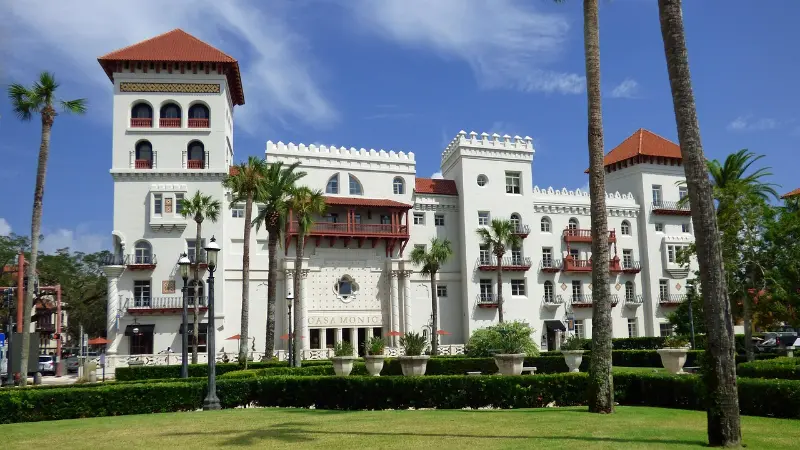
Arrive, check in and make the historic district the focus. Start around the Castillo de San Marcos waterfront, then choose a few streets to explore rather than attempting to cover the whole old town. Shops, courtyards, cafés and historic buildings are close together, but the area’s surfaces and sidewalks are not uniformly smooth. People using mobility devices should consult the National Park Service’s accessibility information for the Castillo and check the paths to any privately operated museum.
After lunch, choose one small museum or a relaxed trolley-style sightseeing tour if it serves the places you actually want to visit. These tours vary in stops and access arrangements, so compare operator details. Aim for a harbor view or an early dinner rather than another long attraction. St. Augustine is atmospheric after dark, but there is no reason to stay out late if you are recovering from travel. Keep the first day soft and give the city its proper time tomorrow.
Day 2: History, architecture and a coastal option
Visit the Castillo de San Marcos in the morning, when the sun and crowds may be easier to manage. The fort is a National Park Service property with changing admission procedures and weather-related restrictions. Its upper level requires stairs, so visitors who cannot climb them should confirm what is accessible on the lower level. Allow time to understand the site’s history instead of treating it as a photograph stop. Later, explore a second historic attraction, such as the Lightner Museum, if the exhibitions appeal to your group.
If the weather is pleasant, make the afternoon a short drive to St. Augustine Beach or Anastasia State Park. The park is not simply a beach parking lot; check entrance fees, hours and access details before arriving. At the water, obey warning flags and avoid exposing yourself to thunderstorms. Travelers who do not swim can enjoy dune scenery, a seaside walk or a relaxed meal. In rainy weather, stay in the historic district for museums and galleries. A full day is possible without rushing between unrelated parts of town.
Day 3: Drive south toward the Space Coast
Leave St. Augustine after breakfast and travel south along the Atlantic side of Florida. Choose one stopping point on the journey, not several. New Smyrna Beach can offer a coastal break, while a quieter lunch stop may be preferable for families carrying luggage. Plan the drive using current traffic conditions rather than a fixed online mileage estimate. Arrival on the Space Coast should leave time to settle in, get food and review tomorrow’s Kennedy Space Center hours.
Cocoa Beach is a familiar choice for a beach-oriented stay, while Titusville can be convenient for some space and wildlife attractions. The best hotel depends on whether sunrise at the shore or the Kennedy Space Center drive matters most. Compare accommodation parking, access to food and realistic travel times. Rocket launches are exciting, but dates and viewing restrictions can change even after tickets have been booked. Treat a launch as a possible bonus, never as an event guaranteed for your particular day.
Day 4: Kennedy Space Center Visitor Complex
Kennedy Space Center Visitor Complex is a major day on this route, even though it is not a conventional theme park. Exhibitions about human spaceflight, the Space Shuttle Atlantis and launch operations can appeal to travelers who are interested in engineering, history and exploration. Review the official visitor complex’s current attraction list, bus-tour procedures, admission prices, security requirements and opening hours. Some experiences may have separate timed entry or special rules, so choose priorities before arrival.
Spend a substantial portion of the day here rather than trying to add a distant attraction in the evening. Families may want to divide attention between interactive exhibits and quieter displays. Older visitors or anyone who tires with extended standing should plan seating and food breaks. If a launch is scheduled, understand that launch traffic, security and weather can change access to surrounding roads. When you return to your base, keep dinner simple. One excellent space-history day is enough to make the trip memorable without packing in more miles.
Day 5: Coastline, wildlife and Canaveral decisions
Use this day to see the area’s natural side. Merritt Island National Wildlife Refuge provides opportunities to appreciate coastal habitats and birdlife, but certain roads or areas can be affected by wildlife management, launches or temporary closures. Consult the U.S. Fish and Wildlife Service’s current alerts before entering. A guided outing may suit travelers unfamiliar with the environment. Keep distance from alligators and other wildlife, remain on designated routes and plan around heat and mosquito conditions.
Another possibility is Canaveral National Seashore, whose protected beaches offer a different atmosphere from a developed resort strip. Access points, parking and launch-related closures vary, and some sections have limited facilities. Do not arrive expecting showers, food stands or guaranteed parking. Bring supplies, confirm what is open and decide how long the group can comfortably remain. If the weather is poor, substitute a museum or indoor attraction near Cocoa or Titusville. The day’s purpose is to slow down and observe rather than drive from stop to stop.
Day 6: Move inland to Winter Park
Drive to the greater Orlando area, but bypass the urge to fill every hour with attractions. Winter Park’s Park Avenue, museums, lakes and historic neighborhoods offer a slower introduction to Central Florida. Browse the downtown area, choose a museum such as the Charles Hosmer Morse Museum of American Art if its current exhibitions interest you, and allow an unrushed lunch. A scenic boat tour can be lovely in suitable weather, but verify its schedule, seating and boarding access before making it essential.
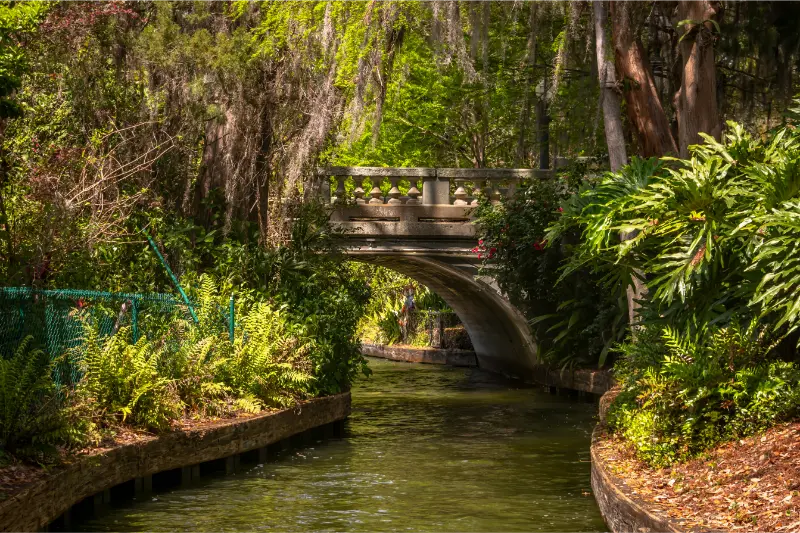
For accommodation, decide whether to sleep in Winter Park, downtown Orlando or another northern suburb depending on the next day’s plans and your airport. Not all places labeled “Orlando area” are close to one another. Restaurants, parking and hotel access are important for the last stretch of a trip. Keep the evening open for packing or a relaxed dinner. Visitors traveling with children may enjoy a lakefront park, while adults interested in design can spend more time in the local galleries.
Day 7: Choose springs, gardens or an easier departure
If departure is late enough, a Central Florida nature outing can finish the week. Silver Springs State Park offers a classic Florida landscape and glass-bottom boat experiences, with reservations and conditions to check on the official site. Wekiwa Springs State Park is another option in the region, but busy periods, parking limits and swimming rules demand advance research. Blue Spring State Park has a day-use reservation program that began in July 2026, so it should never be treated as a spontaneous guaranteed-entry substitute.
Select only an outing that fits the actual airport timing. A drive to a spring is not a quick stop when traffic, parking and walking are added. Visitors who prefer an easier end can enjoy a Winter Park café or a garden closer to the accommodation. Protect time for car return, fuel, baggage and airport security. It is better to leave one spring for a future Florida visit than to end an otherwise relaxed trip with a missed flight.
Costs and booking priorities
A no-theme-park holiday is not automatically cheap. Kennedy Space Center admission, museums, guided tours, hotel parking, rental-car insurance and state-park fees still add up. Compare the combined cost of the itinerary rather than assuming every nature stop is free. Some state parks charge per vehicle, while others have different admission or special reservation rules. Book the main space attraction and accommodation first, then build flexible nature days around weather and local conditions.
The greatest saving may come from fewer hotel changes and a sensible route. Avoid paying for expensive beach rooms on nights you expect to arrive late or spend the whole day inland. Use grocery-store picnic supplies where permitted, but do not underestimate Florida’s heat: food safety and cold storage matter. International drivers should review licensing and rental requirements, while all drivers should understand toll billing and how to check traffic alerts. Leave a modest reserve for a rainy-day museum or an unexpected transfer.
Travel with different ages and interests
For young children, Kennedy Space Center and the fort may need shorter visits than adults expect. Alternate museum days with beaches or playgrounds and preserve nap time when necessary. For teens, engineering exhibits, guided history and wildlife photography can be more engaging than a generic sightseeing bus. Older guests may appreciate the museums and scenic boat options but need confirmed seating, restroom access and short walking routes. Travelers who cannot swim are not missing the essential appeal of this itinerary.
A visitor with mobility or sensory needs should check individual attractions rather than relying on city-wide labels such as “family-friendly” or “accessible.” Some historic buildings have stairs, natural paths have uneven surfaces and boat boarding differs by operator. If an excursion cannot fit everyone, splitting for a few hours is preferable to forcing the group into discomfort. A well-paced trip leaves enough energy to enjoy dinners and conversations, not just the headline attractions.
Quick planning snapshot
| Planning point | What to know |
|---|---|
| Route | St. Augustine → Space Coast → Winter Park |
| Transport | Rental car usually the simplest option |
| Best for | History, space exploration, coast and nature |
| Booking priorities | Hotels, Kennedy Space Center and park access |
Frequently asked questions
Can I follow this route without a car? The entire seven-day combination is difficult without a vehicle. Consider booking a single region and guided outings if you prefer not to drive.
Is Kennedy Space Center a theme park? It is an educational visitor complex focused on space exploration, with exhibits and experiences; it differs from an amusement-park-centered vacation.
Is the route suitable for travelers who do not swim? Yes. Beaches are optional scenic stops, and museums, historic sites and wildlife viewing provide the main experiences.
Can I replace a Space Coast day with Disney World? You can, but that changes the focus and may introduce a large additional ticket cost. Keep the schedule realistic.
Official planning resources
Use the National Park Service’s Castillo de San Marcos visitor information, Canaveral National Seashore, Florida State Parks and the Florida 511 travel-information system for current access and road conditions. Check the Kennedy Space Center Visitor Complex directly for admission, exhibit changes and launch-related operations.
Leave a Reply