
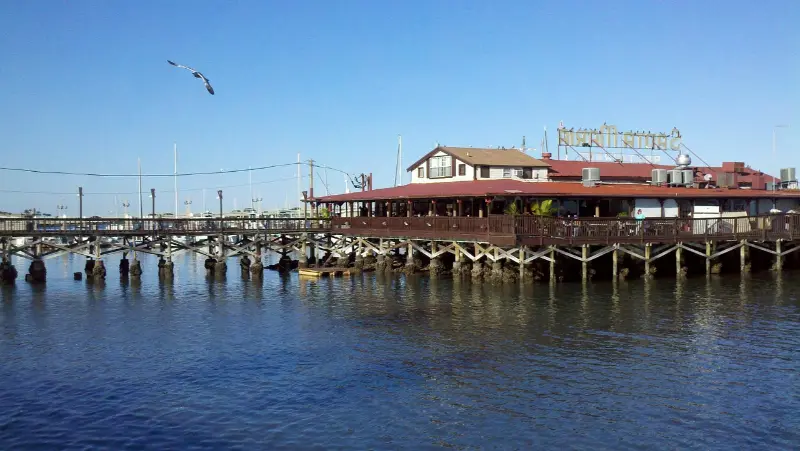
Florida’s Atlantic lighthouses are much more than scenic towers. They reveal how difficult navigation could be before modern electronics, how shifting inlets shaped coastal towns, and how communities have worked to preserve maritime history. An Atlantic lighthouse road trip offers a satisfying mix of beaches, museums, architecture and short coastal drives. You can plan it with children, as an adult history vacation or as a slower trip with grandparents who may prefer looking at a tower to climbing one.
This seven-day route starts around St. Augustine, continues past Ponce Inlet and the Space Coast, visits Jupiter and the Palm Beaches, and finishes at the southern end of Key Biscayne. Climbing is optional throughout. Tower-access policies often have age, height, footwear, medical or weather restrictions, and even an enthusiastic climber may not want to tackle several staircases on consecutive days. The smartest plan mixes one major lighthouse with a comfortable afternoon nearby.
Route overview: where to sleep and how far to drive
Stay for two nights around St. Augustine, one around Daytona Beach or New Smyrna Beach, one on the Space Coast, one around Jupiter or West Palm Beach and one or two near Miami. This creates several hotel changes, so travelers who dislike packing can consolidate some nights at the cost of longer drives. The trip is best by car. Public transportation may connect parts of individual cities, but it does not make every lighthouse easy to reach.
Check travel conditions before departure. A lighthouse on an active facility may require special entry permission or advance tours. Others are museums with a published admission schedule, while some can only be admired from outside. Do not assume a lighthouse marked on a road map is open for climbing. Keep a flexible afternoon in case a tower closes during a thunderstorm or a special event restricts parking.
Day 1: St. Augustine Lighthouse and maritime museum
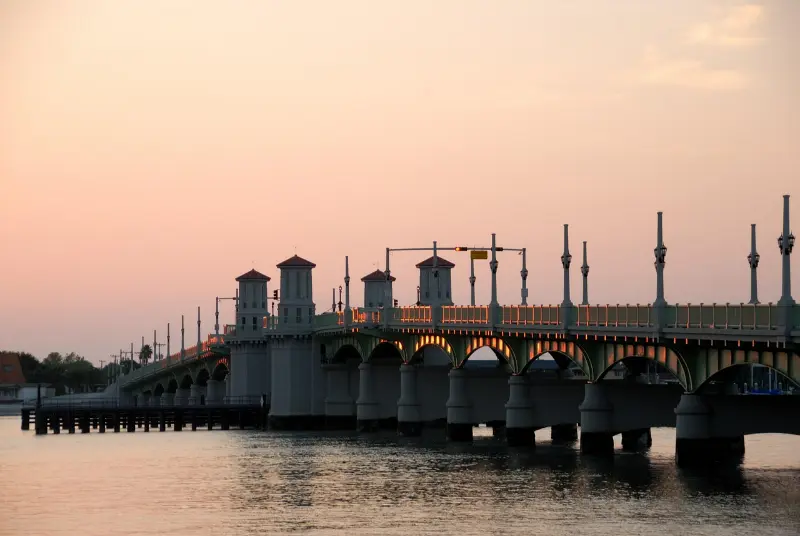
St. Augustine is a natural starting point because its coastline and long history give the lighthouse a broader setting. At the St. Augustine Lighthouse & Maritime Museum, visitors can learn about navigation, shipwrecks, maritime crafts and the area’s coastal environment. The tower’s long staircase appeals to energetic visitors, but climbing is only one possible part of the experience. Those who stay below can explore museum areas and grounds where accessible.
Read the attraction’s current climb rules, admission terms and visitor services before booking. A traveler with vertigo, knee pain or reduced stamina should never feel obligated to climb just because companions want to. Arrange a meeting point and allow each person to enjoy the site at a suitable pace. Families with small children need to check whether age or height restrictions apply; a stroller is not a substitute for supervising a child on stairs.
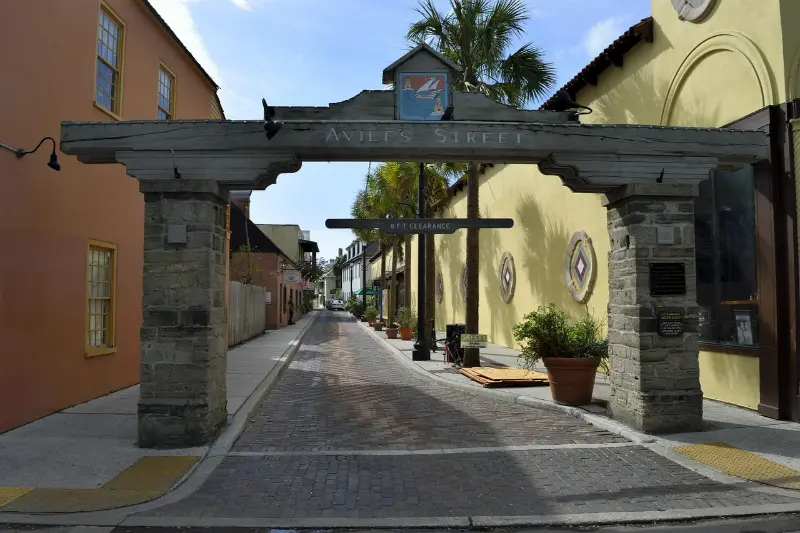
After lunch, choose a beach overlook or gentle historical stop rather than another tower. St. Augustine itself has cobbled and uneven surfaces in parts of its historic center, so accessible trip planning should be specific to the places you intend to visit. A relaxed dinner near your accommodation makes a far better start than driving south late at night.
Day 2: maritime context in St. Augustine and a flexible coast day
Use the second day to connect the lighthouse story to the old town, harbor and fortifications. St. Augustine’s waterfront is shaped by currents, shoals, storms and centuries of maritime travel. A guided historical walk can help children and adults understand why harbor approaches mattered so much; alternatively, a museum visit followed by a quiet café provides a comfortable way to explore without excessive walking.
You do not need to turn this into a checklist of every local attraction. Choose between Castillo de San Marcos, a harbor-side viewpoint or a beach morning depending on your group’s interests. The national monument has its own access conditions and hours, and historic surfaces can be uneven. If anyone in your party relies on mobility equipment, check the monument’s official accessibility details rather than assuming that every fort area can be reached.
The afternoon is ideal for photographs of the coastline in soft light. Respect private properties and protected dune vegetation. A clear photograph from a legal public viewpoint is better than stepping onto a restricted dune or dangerous jetty. Storm forecasts should guide any outdoor plan, especially in summer, when lightning can arrive quickly.
Day 3: Ponce Inlet Lighthouse and the Daytona coast
Drive south toward Ponce Inlet, close to Daytona Beach and New Smyrna Beach. Ponce Inlet Lighthouse is a major maritime museum, and its tower has a substantial climb. It rewards visitors who enjoy mechanical history and coastal views, but the stairs are not appropriate for everyone. Verify admission, tower access, footwear rules, age requirements and the day’s weather procedures directly with the museum.
The grounds and exhibits can be rewarding even if you do not climb. Look for displays that explain how lenses projected light, how keepers maintained equipment and why the inlet needed a navigational marker. Children sometimes enjoy these technical stories more than another beach photograph, particularly when an adult helps translate the engineering into simple ideas. A magnifying glass or small notebook can turn the visit into a learning activity without requiring a formal tour.
Afterward, enjoy a relaxed coastal afternoon. The inlet is a working marine environment, with currents, vessels and fishing activity. Avoid climbing barriers for a view or entering areas closed to pedestrians. If a beach is part of your plan, check lifeguard coverage, flags and safe access points. Overnight around Daytona or New Smyrna to avoid another long evening in the car.
Day 4: Space Coast, Cape Canaveral history and beaches
Continue to the Space Coast. The Cape Canaveral Lighthouse is connected to an active installation, which means it should not be treated like a walk-in public tower. Tours can involve reservations, identification and security requirements; availability is subject to current operations. Consult an authorized tour provider and read all entry conditions before placing it on your fixed itinerary. International visitors in particular should confirm eligibility rather than assuming any valid passport guarantees access.
If access is not practical, focus on the coast itself. The Cape Canaveral area, Port Canaveral and nearby beach towns offer plenty of alternative activities, from an easy waterfront meal to spaceflight-themed exhibits. These are meaningful substitutions, not second-best choices. A lighthouse trip is also about the shoreline and the people who worked along it, and a day spent learning about the modern port can create a useful comparison with older navigation methods.
Keep the afternoon flexible because Space Coast traffic can be affected by launches, events and cruise-ship movements. If you plan Kennedy Space Center as well, add a full extra day rather than attempting it in a spare hour. Travelers with young children may prefer a shorter museum stop and a hotel with a pool, while history enthusiasts may be happy spending the entire day on maritime and aerospace stories.
Day 5: Jupiter Inlet Lighthouse and the Palm Beaches
Jupiter Inlet Lighthouse is one of the most recognizable towers on Florida’s Atlantic coast. Its grounds and museum programs help explain the relationship between the inlet, the surrounding river landscape and maritime safety. Climbing access can be affected by conditions and specific visitor rules, so check directly before arriving. A traveler who cannot climb can still enjoy learning about the site through ground-level exhibits and permitted exterior viewpoints.
The Jupiter area makes a convenient overnight stop because it offers a calmer pace than immediately continuing to Miami. Look for a nearby riverside restaurant, a safe beach overlook or a short nature outing. The best choice depends on the season and everyone’s energy. In hot months, prioritize the lighthouse in the morning and save a shaded activity for the afternoon.
Consider how you will handle tickets for a group with mixed abilities. Rather than paying for experiences that part of the group cannot use, ask the museum which admission or tour option suits everyone. When traveling with older relatives, allow time for seating and restrooms. If someone has visual or hearing accessibility needs, ask what interpretive materials are available rather than assuming a standard guided talk is accessible to all.
Day 6: the Palm Beaches to Key Biscayne
This is a coastal transfer day, not a competition to find every tower along the highway. Some lights in South Florida are on restricted property or accessible only through scheduled arrangements. Do not enter private maritime land or attempt to approach a structure from unsafe rocks or a jetty. Enjoy the view from public locations where permitted, and use the drive to appreciate how rapidly Florida’s coastline changes from quieter communities to densely developed urban shorelines.
Settle near Miami, Coral Gables or Key Biscayne depending on lodging costs and your preferred final-day activities. If arriving at rush hour, build extra time into the drive. A property outside the busiest beach districts may offer easier parking, while a central location could reduce driving once you arrive. Compare the complete nightly cost, including parking, taxes and any resort charges.
Spend the evening on a simple meal or a short waterfront walk. South Florida nightlife can be lively, but the next day’s lighthouse experience will be more enjoyable with a fresh start. If you are flying home from Miami, this base also provides a convenient last night without an early cross-state transfer.
Day 7: Cape Florida Lighthouse and a gentle finale
The Cape Florida Lighthouse stands in Bill Baggs Cape Florida State Park on Key Biscayne. Park access and lighthouse tour availability should be checked separately; a park entrance fee does not automatically promise entry into the tower at any hour. The surrounding area offers coastal scenery and outdoor space that can work for visitors who would rather remain at ground level. Some facilities and tours may change after storms or maintenance, so rely on current state park notices.
Plan for a morning at the park and a relaxed lunch afterward. Bring sun protection, drinking water and footwear suitable for outdoor paths. If a child is fascinated by the difference between old lighthouses and today’s shipping technology, this is the ideal place to review what you have learned all week. Compare the height, position and setting of the towers, and think about why each one stood where it did.
Do not book an early-afternoon international flight after a full lighthouse morning. Leaving luggage in a car during a long park visit may create security risks, and traffic toward Miami International Airport can be unpredictable. Either keep a generous airport buffer or move the final excursion to the preceding day.
Should you climb every lighthouse?
No. Seven days can include several towers without seven strenuous climbs. Some have steep staircases, narrow sections and restrictions related to weather or visitor size. If someone is anxious about heights, has joint pain or becomes short of breath on stairs, choosing the museum and grounds is a sensible and satisfying alternative. Children who enjoy climbing should still follow every safety instruction and remain supervised.
Take photographs from marked public areas and follow drone rules. Lighthouse properties may include historic structures and habitats requiring protection, and professional photography permissions can differ from casual visitor rules. Do not assume that a panoramic rooftop view is available simply because a tower is open: specific tours may have separate schedules or limited capacity.
Costs, seasons and accessible planning
Budget for museum admissions, car rental, fuel, parking, hotels and a few special tours. Price alone is not enough to compare accommodations; factor in how close each property is to the next stop and whether it offers a quiet room, breakfast or accessible bathroom. Winter and spring can provide pleasant walking conditions but greater visitor demand. Summer means intense heat and the possibility of storms that restrict climbing.
Travelers who use wheelchairs or walkers should check each museum individually. Historic lighthouse towers are rarely suitable for wheelchairs, but interpretive grounds or visitor buildings may offer partial access. A group can split briefly so one visitor climbs while others enjoy the museum. Select a fixed meeting point and use mobile phones as backup rather than letting anyone wait in an exposed place for an hour.
Frequently asked questions
Are lighthouse towers always open? No. Hours, staffing, weather, age rules and security restrictions vary. Confirm before driving.
Can non-climbers enjoy this road trip? Yes. Museum exhibits, maritime history, beaches and coastal viewpoints make the route worthwhile without stair climbing.
Do we need seven hotel nights? Not necessarily. Travelers comfortable with more driving can reduce changes, while those seeking extra rest can add nights in St. Augustine or Jupiter.
Is Cape Canaveral Lighthouse open to international visitors? Eligibility depends on current authorized tour and security rules. Check directly with the tour operator.
What should we pack? Comfortable shoes, water, sunscreen, a small day bag, identification for any secured tour and a light rain layer are good basics.
Official planning starting points
Check St. Augustine Lighthouse & Maritime Museum, Ponce Inlet Lighthouse, Jupiter Inlet Lighthouse & Museum and Florida State Parks for current admission policies and site access. For any secured Cape Canaveral visit, use the currently authorized tour channel.
Leave a Reply