
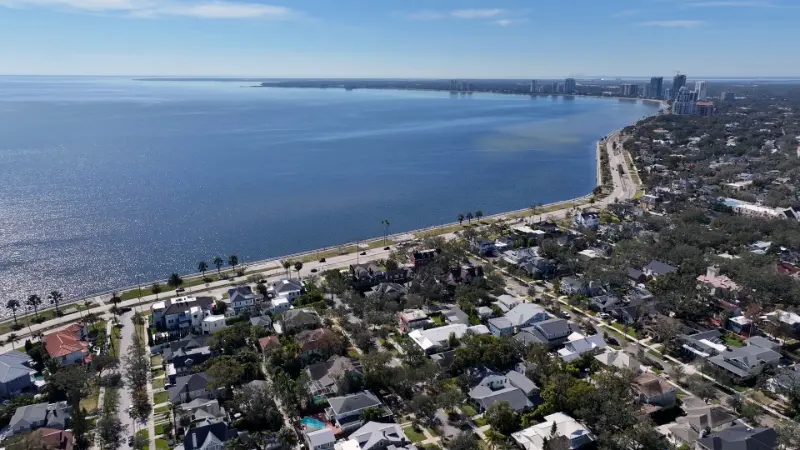
A Tampa Bay weekend built around live sports can be memorable even for travelers who do not follow American leagues closely. The region has major teams, smaller stadium experiences, spring training and an attractive mix of waterfront districts and beaches. With the right game, you can spend one day cheering in a crowd and another exploring St. Petersburg or Tampa at a slower pace. This is a particularly good option for adults and teenagers, but families with younger children and older fans can also enjoy it when the stadium, seats and schedule are chosen carefully.
The mistake is to plan a sports vacation around a team name without checking where the game is actually being played. A Tampa Bay team may have its venue in Tampa, St. Petersburg, Clearwater or another part of the region. Seasonal schedules, postseason games, stadium renovations and event changes affect the experience. Choose the exact game and ticket first, then pick your hotel and transport accordingly.
Choose the right sport for your travel dates
American football, ice hockey, baseball and soccer operate on different calendars. The Tampa Bay Buccaneers play National Football League games during the NFL season, and their home venue is Raymond James Stadium in Tampa. The Tampa Bay Lightning compete in the National Hockey League, with their home games in downtown Tampa. The Tampa Bay Rays are the region’s Major League Baseball team, but venue details should be checked at the time of booking rather than assumed from older articles or maps.
Spring training baseball gives visitors additional options, with teams using several stadiums across the area in the pre-season. Soccer and other sporting events provide alternatives when none of the major-league schedules match your dates. Not every league has a home game every weekend. Some teams may be away for consecutive weeks, and postseason schedules can change at short notice.
Start with the official team’s schedule, not a resale platform’s ‘popular events’ page. Confirm home versus away, the correct city, start time, age-related ticket policies and accessibility options before you decide where to sleep. The ideal sport is the one you can genuinely attend comfortably, not the biggest-name event on your calendar.
Where to stay for a two- or three-night sports trip
Stay in downtown Tampa if the centerpiece is hockey and you want restaurants and some attractions within a manageable urban area. A hotel near the stadium district may be more convenient for Buccaneers football, though the area around Raymond James is not equivalent to a pedestrian-friendly downtown neighborhood. For baseball or a waterfront-focused break, St. Petersburg or Clearwater may suit better depending on the current venue. Do not use a generic ‘Tampa Bay’ hotel search without checking the actual address.
Tampa International Airport is a sensible arrival point for much of the region, but the transfer to your chosen accommodation can vary. A rental car is useful for visiting beaches and multiple cities, while rideshare or an arranged transfer may be sufficient for a stay focused on one downtown event. Game-day road closures, surges in rideshare demand and expensive parking should be factored into the decision.
If you travel with an older fan who cannot stand in long queues, choose lodging that minimizes walking and ask the team or stadium about accessible entrances, drop-offs and seating. A cheaper room twenty miles away may be a poor deal once transport and fatigue are included.
Day 1: arrive in Tampa and explore the waterfront
Keep the first day simple. Check into the hotel, collect tickets on your phone or confirm the correct ticket app, and enjoy an easy walk or meal in a suitable Tampa neighborhood. The Tampa Riverwalk can be an appealing option for views and casual exploration, with activities and restaurants in its general area. Choose a realistic segment rather than expecting everyone to walk its entire length after a flight.
Families can use the afternoon to explain basic game rules before attending. Children do not need to understand every technical detail to enjoy the atmosphere, but a brief explanation of scoring, breaks and crowd noise can reduce uncertainty. Adults unfamiliar with American stadiums should be prepared for security screening and rules about bags, outside food and camera equipment. These vary by venue and must be checked on the official event page.
Avoid a late, expensive attraction if the next day includes a long stadium visit. Food, hydration and a comfortable bedtime have more impact on the quality of a sports weekend than squeezing in one additional museum. If your planned game happens on the first night, reverse the days and use this arrival afternoon as a buffer for travel delays.
Day 2 option A: a Buccaneers football game
A Buccaneers game can be an exciting introduction to the NFL, with tailgating culture, music, big-screen entertainment and a crowd that builds energy long before kickoff. Official Buccaneers schedule and ticket information is the place to verify dates and the current game venue. Some events begin in strong afternoon sunshine, so prepare for heat and sun even during months that feel cooler elsewhere in the United States.
Allow generous time for traffic, security and finding your seats. Check the official stadium parking system and whether a prebooked space is required or sensible. If using a rideshare, identify the designated pickup zone before the game, when cellular networks and crowds may make navigation more difficult. Children should know what to do if separated, and adults should identify a meeting location outside the main flow of departing spectators.
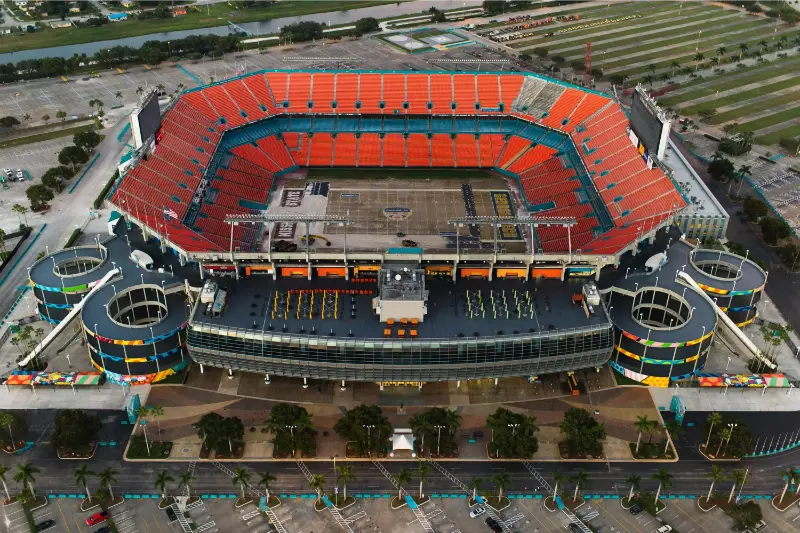
Football games include pauses, and the overall outing is longer than the time spent actively playing. For a young child, an expensive seat close to the field may be less important than easy restroom access and a comfortable row. For older fans, an accessible location and less time standing can matter more than a perfect viewing angle. Never buy seats assuming venue staff can move you into an accessible section on the day.
Day 2 option B: Tampa Bay Lightning hockey downtown
Ice hockey offers a very different experience. It takes place indoors and is often easier to pair with a downtown Tampa dinner, although crowds and security still require planning. The Lightning’s official schedule provides current home games, opponents and times. Arena naming, sponsor signage and access information can change, so follow the team’s current event directions rather than older map screenshots.
For children, explain that hockey is fast and the puck is small, and choose seats with a view that makes the full rink easy to follow. The arena may feel chilly compared with a Florida afternoon, so pack a light layer. Loud goal celebrations can surprise toddlers or people with sensory sensitivity; suitable hearing protection may help. Some fans prefer being close to the action, while others find that higher, central seats give a better overview of play.
Arrive early enough to find your section and get food without rushing. If someone in your party uses a wheelchair, ask about the exact accessible seating and companion arrangements before purchasing. After the game, allow time for pedestrian crowds to disperse rather than assuming a car will arrive at the exit immediately.
Day 2 option C: baseball, spring training or a smaller local game
Baseball can be especially enjoyable for families because the rhythm provides time to talk, snack and watch the details of the game. The Tampa Bay Rays are the area’s MLB team, while spring training brings additional clubs to nearby stadiums. But do not rely on a permanent venue description without checking the current season’s official schedule. Facilities can change, and an article written in an earlier year may point to an outdated home field.
A spring training game can be a welcoming first experience for a child or someone who is curious about the sport without wanting the atmosphere of a packed football stadium. Look at the date and venue carefully: some preseason games are at alternate sites or split-squad locations. Bring a cap and sunscreen for afternoon seats, particularly when the grandstand provides limited shade.

Baseball parks can have themed food and souvenirs, but costs add up quickly. Set a family budget for drinks and merchandise in advance. Ask about bag rules, stroller storage and child ticket policies. If your child wants to leave early, it may be better to enjoy seven innings comfortably than insist on every minute.
Day 3: St. Petersburg, Clearwater or a family-friendly museum
Choose a slower day after the game. St. Petersburg offers museums, a waterfront setting and an appealing downtown food scene. Clearwater and nearby Gulf beaches provide a different sort of outing, although parking and surf safety need attention. If the game was late, start with brunch and decide where to go according to everyone’s energy rather than driving straight to a beach for sunrise.
For families, an aquarium, museum or shaded waterfront park may be more practical than an exposed beach on a very hot day. Teenagers can help choose lunch or a neighborhood to explore. Senior fans can enjoy the weekend without needing to spend the day walking between attractions. If your group includes people with different interests, split for a couple of hours and reunite for a shared meal.
Be realistic about geography. Crossing bridges between Tampa, St. Petersburg and Clearwater can take longer than visitors expect at busy times. A relaxed day in one area is preferable to a series of hurried stops across the region.
Buying tickets safely and understanding the true cost
Whenever possible, start on official team or venue websites and follow their authorized ticket platform. A resale ticket is not automatically invalid, but the seller’s guarantees, delivery method and refund policies must be understood. Beware screenshots of QR codes, listings that conceal the actual section, and offers through social media messages without reliable purchase protection. Read the final price after fees before comparing options.
Budget for four separate elements: event admission, local transport and parking, food and the hotel. A football game with high parking demand may cost significantly more than a smaller baseball outing even if the face-value tickets appear similar. Many stadiums use cashless payments, and bag policies often limit backpacks or large purses. Always review the current rules rather than relying on advice from someone who visited a different venue.
Families should choose tickets based on comfort. A modestly priced seat with shade, an accessible route or proximity to restrooms may offer more value than a premium section that is too loud, hot or difficult to reach.
Accessible seating, sensory concerns and mixed-age groups
Professional venues typically provide information on accessible seating and visitor services, but the exact arrangements differ. Contact the stadium before purchase if a traveler needs a wheelchair position, companion seat, hearing assistance, step-free route or other accommodation. Some fans need a venue-approved mobility-device check or a particular gate. Never assume you can arrive late and have staff solve every issue on the spot.
For people who dislike crowds, consider a daytime baseball game at a smaller venue or a lower-demand matchup. Noise-reducing headphones, a predetermined quiet area and permission to leave early can make a game manageable for children with sensory sensitivities. Older adults may appreciate shaded or indoor settings, nearby toilets and the chance to sit throughout the outing.
Keep emergency contact details accessible. In crowded areas, agree on a meeting place and discuss what children should do if separated. If the weather turns severe at an outdoor stadium, follow official announcements; concourses and parking lots may have specific shelter procedures.
Seasonal planning without outdated promises
The sports calendar is not uniform throughout the year. Football is primarily a fall and winter activity, while baseball runs through warmer months and spring training precedes the MLB season. Hockey spans much of the cooler part of the year, and soccer has a separate calendar. Exact dates, playoff qualification and home games cannot be predicted in advance, so the schedule is the first item to confirm.
A three-day sports trip works best with one guaranteed core event and two flexible days. Do not reserve flights because of an unconfirmed rumor about a future match or stadium event. If your preferred team is away, consider changing the dates or choosing a different sporting experience rather than building the entire weekend around stadium photographs with no game.
Frequently asked questions
Can we see two major games in one weekend? Sometimes schedules align, but venue geography and game timing can make it tiring. Treat one game as the anchor and a second as a bonus.
Is football suitable for young children? It can be, with attention to heat, crowd noise, long event duration and restroom access.
Should we stay in Tampa or St. Petersburg? Choose according to the exact game venue and your preferred non-sports activities, not the regional team name.
Can international visitors buy game tickets? Generally yes through authorized channels, but payment methods and ticket delivery requirements vary. Check the venue’s procedures.
Will a game always be played at the venue shown on old travel articles? No. Always verify the current team’s schedule and official event address.
Official places to check
Start with the Tampa Bay Buccaneers, Tampa Bay Lightning, Tampa Bay Rays and the relevant venue’s official accessibility and security pages. Check schedules and policies again close to travel.
Leave a Reply