
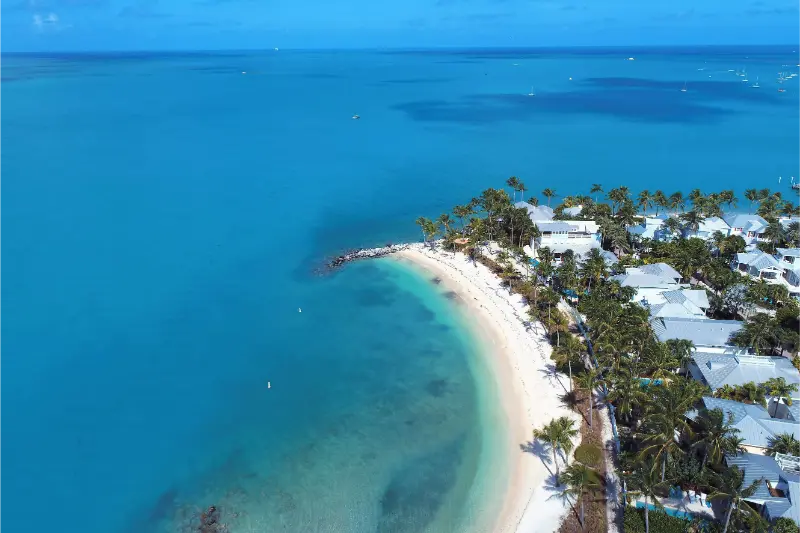
The Florida Keys are often described as a drive to Key West, but treating the islands as a destination in their own right produces a very different vacation. You can watch fishing boats leave Islamorada, learn about injured sea turtles in Marathon, take an easy waterfront walk in Key Largo, and visit the protected habitats of Big Pine Key without spending every morning packing a suitcase. This six-day Florida Keys itinerary stays north of Key West. It suits couples who enjoy quiet evenings, families who need predictable breaks, and older travelers who want coastal scenery without a nonstop round of tours.
The most useful planning decision is to select two accommodation bases, not six. Spend the first three nights around Key Largo or Islamorada and the next two or three in Marathon, depending on when you depart. The distances on US 1 look modest, but traffic across bridges, restaurant queues, boat schedules, and the temptation to pull into scenic roadside stops make travel slower than the map suggests. Book time-sensitive boats first and build the remaining days around them.
At a glance: six days in the Upper, Middle and Lower Keys
| Day | Base | Main experience | Easier alternative |
|---|---|---|---|
| 1 | Key Largo | Arrive, short waterfront visit, sunset | Early dinner close to hotel |
| 2 | Key Largo | John Pennekamp area and optional reef excursion | Shore-based park visit or sheltered boat |
| 3 | Islamorada | Marine history, galleries, harbor views | One museum and a long lunch |
| 4 | Marathon | Turtle Hospital, Old Seven Mile Bridge area | Observation stops rather than long walks |
| 5 | Marathon | Bahia Honda and Big Pine Key wildlife | Scenic drive and refuge nature center |
| 6 | Departure | Breakfast and return along US 1 | Add an overnight stop in South Florida |
A round trip through Miami is straightforward in concept, but do not schedule a tight flight connection after a full sightseeing morning. US 1 is the main artery through the islands, and a crash or storm can disrupt your journey. For an early flight, a final night near the airport is a sensible purchase, not wasted vacation time.
Day 1: enter the Keys slowly through Key Largo
After collecting your rental car in Miami or Fort Lauderdale, take time to buy water, simple breakfast supplies, and any items unavailable at a small island convenience store. This is especially valuable for parents who need diapers and familiar snacks or travelers managing a dietary restriction. Choose a room with parking included or clearly priced. A waterside location is pleasant, but it is not worth paying an enormous premium if the property’s pool, elevator or accessible room does not meet your needs.
Use your first afternoon to settle in. Look for an established waterfront restaurant or an easily accessible marina viewing area rather than committing to a boat excursion immediately after a flight. Sunset can be beautiful around the bay side, but sea walls, marinas and private waterfront property are not necessarily public access. Ask the accommodation desk which public waterfront spots are suitable for a short, legal visit. Families with jet lag can make dinner the day’s main event and return before children become overtired.
Day 2: choose your Key Largo water experience carefully
John Pennekamp Coral Reef State Park provides an introduction to the marine environment that makes the Upper Keys famous. The park is associated with snorkeling, diving and glass-bottom-boat opportunities, although actual tour operations, accessibility and conditions should be confirmed directly before booking. A reef outing is only enjoyable if the weather, seas, swimming ability and everyone’s comfort level align. Children who have never snorkeled should not be pressured to attempt a demanding open-water excursion merely because the rest of the family is excited.
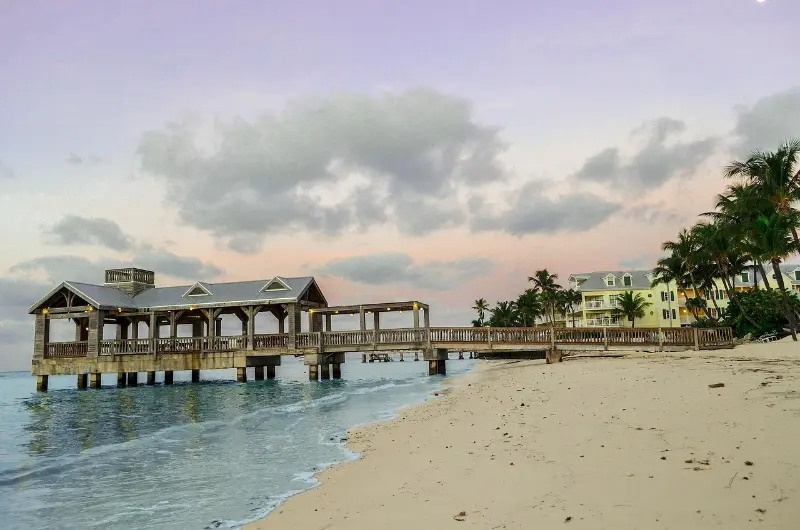
For mixed ages, split the party only when there are enough capable adults to supervise. One adult could explore a nature trail or visitor exhibits with a preschooler while others take a booked boat trip. People who experience motion sickness may prefer shore activities, a calmer itinerary or a different day. Confirm departure location and check-in requirements: arriving at the park entrance is not the same as standing at the boarding point at the required time. Leave the afternoon flexible for shade, a swim at an approved swimming area, or the hotel pool.
Day 3: Islamorada without rushing from stop to stop
Islamorada rewards a loose morning plan. Browse a small art gallery, visit a maritime or local history stop where available, and leave time to watch working harbors. Roadside attractions vary widely: some feature animals, others focus on fishing and commercial experiences. Read the full details before purchasing tickets, particularly when a wildlife encounter is marketed as suitable for everyone. A family interested in marine conservation may get more from an educational presentation than from a crowded paid photo opportunity.
Lunch by the water is a natural centerpiece here. If your group includes an older traveler who cannot stand long, ask about seating and parking when reserving. If you plan a fishing charter, inquire about boat shade, on-board toilets, sea conditions, trip length, license coverage, and what happens when weather forces cancellation. A half-day private charter may be better than an ambitious full-day outing for people trying fishing for the first time. An entirely land-based day is also a legitimate way to enjoy Islamorada.
Day 4: Marathon, sea turtles and island history
Move south after breakfast, aiming to arrive in Marathon without feeling obliged to fill every hour. The Turtle Hospital is an educational attraction centered on sea turtle rescue and rehabilitation; tours should be booked and their current age, timing, and access provisions confirmed. Discuss with children beforehand why rehabilitating an injured animal differs from a petting zoo. This makes the visit more meaningful and avoids the expectation that every turtle can be touched or photographed closely.
The Old Seven Mile Bridge and Pigeon Key area add an entirely different story: rail history and how people connected these islands before the modern highway. Walking the bridge can be hot and exposed, and the distance people want to cover differs considerably. Take a short section for a photograph rather than treating the full route as compulsory. If a guided island visit interests you, check the official Pigeon Key transport arrangements, reservations and departure points; do not assume the bridge walk is required or that every part is accessible.
Day 5: Bahia Honda and the natural Lower Keys
Bahia Honda State Park is a useful beach-and-scenery stop, but conditions can change after storms and certain facilities or beach areas may be limited. Check the park’s current information, parking and accessibility before leaving Marathon. The best family plan is a comfortable morning with drinking water, broad shade and an exit time agreed in advance. The presence of bright water is not a guarantee that swimming conditions are safe. Consider tides, wind, marine advisories, flags and each person’s abilities.
Continue toward Big Pine Key to understand the extraordinary habitats that protect Key deer. Begin with the National Key Deer Refuge nature center when open. Wildlife can be seen near roads and residential areas, so slower driving is both respectful and safer. The refuge explicitly asks visitors not to feed deer and to pull completely off the road if observing wildlife. Do not walk into vegetation for a better photograph or block traffic to watch animals. For a short walk, ask refuge staff about current surfaces and conditions: some trails are firm and short while others are uneven, exposed and affected by rain.
Day 6: return north with room for delays
Departure day is best reserved for the drive. Build in a relaxed breakfast, a fuel stop and one or two optional pauses only if traffic is cooperative. Families often underestimate how long it takes to clear a vacation rental, repack car seats and return an airport rental vehicle. For a party of five or six, all that luggage may also demand a larger vehicle than the accommodation’s advertised sleeping capacity suggests. A compact SUV may seat everyone but still fail the suitcase test.
Before joining the busiest northbound stretches, review the traffic report and weather. If you have two more days available, add one extra night in Marathon for another nature or beach day rather than attempting an excursion and a flight on the same afternoon. If you must fly out on day six, make the morning deliberately uneventful. You will remember the trip for its marine landscapes, not for squeezing in one final rushed stop.
Where to stay: choosing a base that suits your group
Key Largo has the strongest case for travelers flying into Miami who want to minimize their initial drive and book reef-related outings. Islamorada suits guests who value waterfront meals, marina activity and a quieter resort rhythm. Marathon is strategically placed for Bahia Honda, Pigeon Key and the Lower Keys; it also makes a long trip from the Upper Keys to Big Pine unnecessary. Two bases are usually enough unless you have an unusually long stay.
Compare the total stay rather than the nightly rate. Resort charges, parking, housekeeping arrangements, minimum-stay requirements, cancellation rules, and kitchen facilities can change the actual value. A waterfront room on the second floor is a poor choice for someone who needs step-free access if the lift is unreliable or the pool has no usable entry. Ask for a description of the real access route from parking to room to restaurant. Families should also verify crib availability and whether the property permits storing or heating baby food.
What the Keys cost and where not to economize
There is no honest universal daily price for a Keys vacation: winter and holiday nights can cost substantially more than less popular weekdays, and water tours add quickly to the budget. Price your accommodation first, then the car, parking, meals, excursions and fuel. Select one paid signature activity every one or two days; free views, short walks and unhurried meals can fill the spaces in between. Reserving every morning boat tour creates a fragile plan when the wind rises.
Do not economize on properly fitted child restraints, sufficient hotel sleeping space, reliable transportation, or appropriate insurance protection for your circumstances. If an excursion is nonrefundable, look at its weather policy in writing. Travelers who cannot handle an exposed, bouncy boat should not select one purely because a discounted ticket is available. Value means paying for experiences your particular group can actually enjoy.
Timing, weather and environmental responsibility
The Keys can feel warm much of the year, but a passing cold front, strong wind or heavy rainfall can make a boat day impossible. Hurricane season adds uncertainty from June through November; watch official weather alerts, respect evacuation notices, and favor flexible reservations during higher-risk periods. In any season, high UV exposure and limited shade can turn an easy walk into a tiring experience. Plan outdoor visits earlier, carry water, and retreat indoors during lightning.
Never stand on coral, touch marine organisms, feed fish or discard fishing line. In Key deer country, drive attentively and stay at a respectful distance. Beaches, mangroves and submerged habitats are the reason the Keys attract visitors; treating them as more than a backdrop keeps the trip worthwhile. The official Florida Keys tourism guide, National Key Deer Refuge and Florida State Parks provide current visitor information.
Adapt the trip for children, non-swimmers and older visitors
With babies or toddlers, make the morning your one planned outing and keep a calm place for naps. With teenagers, allow one independently chosen activity, such as a reputable supervised watersport lesson, rather than asking them to attend every museum. With older adults, favor two or three-night hotel blocks, accessible bathrooms, comfortable restaurant seating, and attractions that can be enjoyed in thirty- to sixty-minute portions. Non-swimmers can still enjoy visitor centers, dockside restaurants, shorebird watching and many scenic locations.
The essential rule is to plan according to the least flexible need, not the fastest traveler. Somebody who walks slowly or becomes exhausted in the heat should not feel responsible for spoiling anyone else’s vacation. Sometimes the best compromise is breakfast together, separate midday outings, and an early evening meal back at the same hotel. That arrangement gives the whole group a shared experience while respecting individual energy levels.
Frequently asked questions
Can you visit the Florida Keys without going to Key West?
Absolutely. Key Largo, Islamorada, Marathon and Big Pine Key can support a full six-day vacation with wildlife, water, history and dining. In fact, skipping the final drive may create more time for the parts of the Keys that interest you most.
Is this itinerary suitable for someone who cannot swim?
Yes, provided you choose shore-based activities and evaluate boat tours separately. Water-based excursions are optional, not the organizing principle of the trip. Look for museums, refuge facilities and short coastal viewpoints.
Do you need a different hotel every night?
No. Two well-chosen bases reduce packing, rental-car loading and unnecessary road time. One base may also work if you concentrate on a smaller part of the island chain and accept longer day trips.
Leave a Reply