
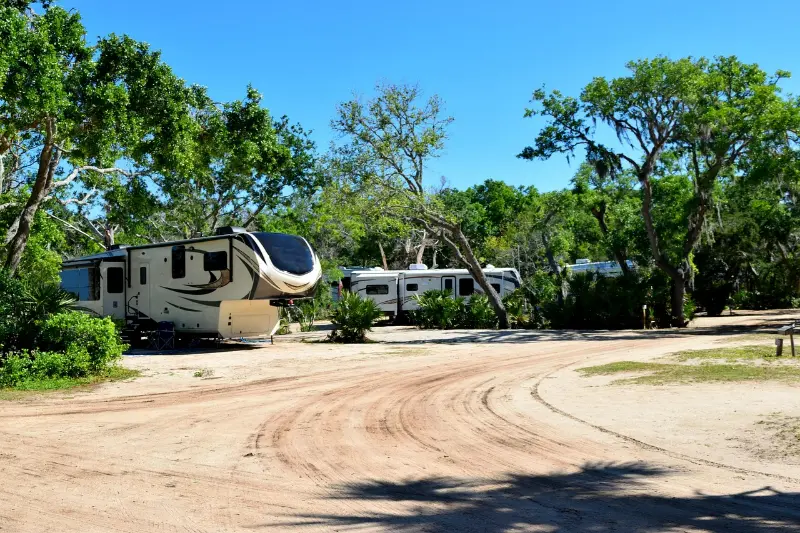
Taking twins or triplets to Florida requires different logistics from taking one preschooler. A double stroller may not fit in a small rental-car trunk, two children may nap at different times, and booking a hotel described as “family friendly” does not mean there is safe sleeping space for everyone. The most useful approach is to reduce the number of transfers and choose one region where the adults can get food, shade, bathrooms and entertainment without turning every outing into a major operation. This guide focuses on planning for multiples under age five, including babies, toddlers and preschoolers, with practical destination choices and a five-day example.
The aim is not to suggest that parents of twins or triplets should avoid theme parks or travel only to quiet places. Families differ. Some have children who are comfortable with busy environments and two adults who can handle stroller changes easily. Others need a more protected daily rhythm or an additional adult helper. The best Florida vacation is the one that fits the number of caregivers, the children’s ages and any individual medical or developmental needs, not the vacation that looks most impressive on social media.
Choose a base before choosing attractions
| Base | Strongest advantage for multiples | Important trade-off |
|---|---|---|
| St. Petersburg area | Museums, waterfront and manageable Gulf beach outings | Some beach access still involves driving |
| Sarasota | Gardens, Lido Key, indoor activities and easy meals | Attractions are spread across several districts |
| Orlando resort area | Established family facilities and theme park transport | Crowds, long walking distances and higher ticket costs |
| Cocoa Beach area | Coastal walks and Space Coast visitor attractions | Outdoor plans depend heavily on weather |
For a first trip with twins or triplets, staying in one hotel or rental for at least four nights usually saves more energy than choosing a slightly cheaper room in two different cities. Check the distance from the room to parking, the number of elevators, the width of doors and the availability of a usable refrigerator. If the adults need to return for naps, a convenient room is part of the itinerary, not a minor comfort.
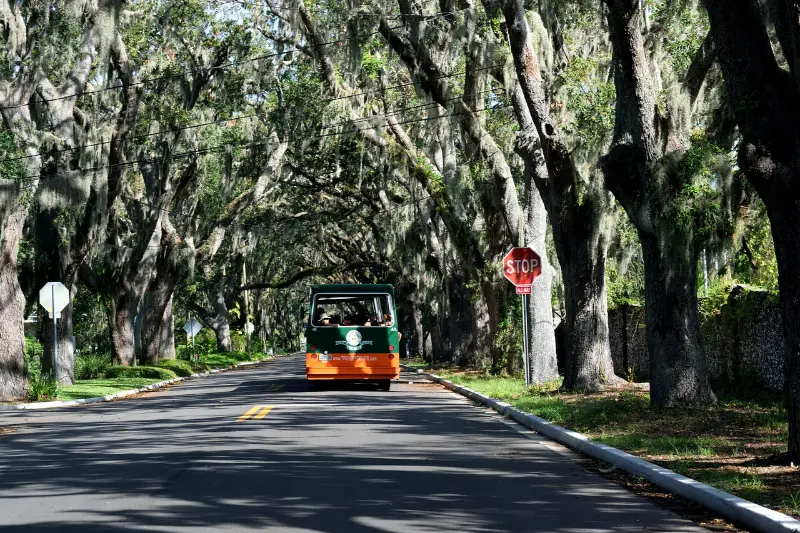
First question: how many child seats fit in the vehicle?
The car is the place where the planning should start. Florida’s child restraint requirements apply to each child; multiple children do not create an exception. Children age five and younger require appropriate restraints under state law, with rules that depend on age, and the safe choice also depends on the seat manufacturer’s height and weight guidance. Three child seats may not fit side by side in a vehicle advertised as having five seats. Even when they physically fit, installation can conflict with the vehicle manual or block access to buckles.
Reserve a vehicle after confirming the actual car-seat arrangement. If you will bring your own restraints, check airline policies, transportation cases and whether they can be safely installed in the expected vehicle class. If renting seats, ask the supplier how substitutions, seat condition and correct sizes are handled. Do a real luggage calculation: a double stroller, travel cribs, bags and diaper supplies can fill a trunk before the adults’ suitcases go in. A vehicle upgrade may be necessary for safe transport rather than luxury.
Sleeping arrangements for two or three little children
A listing that says “sleeps six” may still offer only one crib, or may count sofa beds that are not suitable for infants. Confirm how many safe, age-appropriate sleep spaces are provided, their size and whether the property permits you to bring additional travel cribs. Ask about a quiet location away from a loud elevator or pool. If one child wakes early, a small separate sitting area can protect the sleep of siblings and caregivers.
Avoid assuming that every supplied crib, playpen or mattress meets your family’s needs. Inspect equipment on arrival, follow current safe sleep guidance and do not improvise sleeping areas from cushions or loose bedding. For multiple toddlers, check that balconies, exterior doors, staircases and the pool area cannot be reached unsupervised. A beach rental with a lovely view may be inconvenient if the only entrance has a long staircase and adults must repeatedly carry both children and gear.
A five-day sample plan around St. Petersburg
Day one is only for traveling and settling in. Buy breakfast supplies, confirm the children’s sleeping arrangements and locate the nearest pharmacy and appropriate medical facility. Day two is a short waterfront or museum outing, followed by lunch and a protected afternoon rest. Day three is a Gulf beach morning, with each child assigned to a specific responsible adult in the sand and near water. Day four offers an aquarium or another indoor venue chosen for the children’s interests and sensory comfort. Day five is packing and departure, without scheduling one more distant attraction.
This can sound modest compared with a seven-attraction package, but it creates a much more realistic vacation with three preschoolers. You can add a playground, a short evening walk or an early restaurant meal when things are going well. If two children wake after a poor night, cancel the optional activities without losing expensive admission tickets. The flexible plan also allows grandparents to join one outing and rest during another rather than being drafted into continuous childcare.
One adult per child: what that really means
There is no universal rule that each young child must always have a separate adult, but an intentional supervision plan matters enormously around pools, open water, traffic and crowds. For trips with triplets, two adults may find a third competent adult helper useful, especially during transport and swimming outings. Assign responsibilities clearly. “Everyone is watching” often results in nobody being certain who is supervising a specific child.
Agree on what happens when one child needs a diaper change while another is hungry and a third wants to run toward a fountain. In an aquarium or museum, one adult can manage the stroller and bags while another handles tickets and the children. On the beach, keep the entire group away from deeper water until an adult is free to supervise each child who is approaching the shoreline. Older siblings should never be made the only responsible supervisors of toddlers in the water.
Double strollers, stroller wagons and door widths
A side-by-side stroller may feel convenient for two babies but be difficult through narrow hotel corridors or certain attraction queues. A tandem stroller can be narrower but longer, awkward in elevators and harder to maneuver on tight turns. Stroller wagons have separate policies at many attractions and may be prohibited even when ordinary strollers are allowed. Research the exact rules of theme parks, museums, buses and boats before choosing which equipment to bring.
If you rent a stroller locally, verify delivery, pickup, cleanliness, weight limits, age suitability and what happens if equipment arrives damaged. A rental company calling a stroller “Disney approved” does not mean every park or transportation system will accept it unchanged. For beach outings, an ordinary stroller is often difficult on soft sand; plan around accessible paths and a short carry from a legal access point rather than expecting wheels to roll easily to the shoreline.
Beach days with multiples: lower the ambition
Choose a supervised beach area with restrooms, a shaded place for a break and parking as close as practical. Before leaving, read surf and rip-current conditions and check whether lifeguards are present. Wind and waves may make the water inappropriate for toddlers even when other people are swimming. Build sandcastles, collect observations of shells without disturbing living animals and enjoy a picnic rather than viewing ocean swimming as the definition of success.
Pack several small water bottles, sun protection, hats, a simple first-aid kit, diaper supplies and extra clothes in clearly labeled bags. If you have twins or triplets who tend to scatter in different directions, agree on a boundary such as the shade tent area and rotate active supervision. Never place an infant under a loosely secured shade device in high wind. Leave the beach when the children are still content; waiting until all three are exhausted can turn the transfer back to the hotel into the worst part of the day.
Feeding schedules and food logistics
With multiple young children, a kitchenette or dependable refrigerator can save a surprising amount of stress. Prepare breakfast and snacks before leaving, identify a realistic lunch stop and have a simple backup meal available for the evening. Do not assume a museum restaurant sells every type of infant food or accommodates every allergy. If formula or expressed milk requires particular storage conditions, review the relevant pediatric and transportation guidance before departure and confirm what refrigeration is available.
Restaurant seating is another consideration. Two or three high chairs may not be available together in a small waterfront restaurant, especially at peak hours. Call ahead when dining out is a significant part of the plan, or choose an early mealtime when tables are easier to obtain. Parents may find a takeout dinner after a short afternoon outing far more pleasant than trying to keep three tired toddlers seated through a lengthy meal.
Theme parks can work, but choose carefully
If a theme park is the main reason for visiting Florida, build the holiday around one park and at least one rest day rather than buying a ticket for every day. Check whether the children can use the attractions you expect them to enjoy, how rider-switch programs work and where baby care centers are located. A family with multiple infants might benefit more from shaded playgrounds, gentle experiences and shows than from a long list of rides with height requirements.
Strollers can be useful in large parks but introduce parking and transport challenges. If you are using resort buses or other shared transport, find out whether strollers must be folded. Consider whether carrying three children and a stroller onto a crowded vehicle is manageable for the adults traveling. A hotel near the chosen park may justify a higher nightly rate if it allows a midday return and predictable bedtime.
Health, sensory differences and individual needs
Twins and triplets are not interchangeable travelers. One child may tolerate noise well while another has significant sensory sensitivity; one may love pools while another finds sand uncomfortable. Do not expect them to enjoy precisely the same schedule merely because they are the same age. Carry familiar comfort items and give each child a small individual choice. A quiet aquarium exhibit may feel enjoyable to one child and overwhelming to another, making brief visits and easy exits especially useful.
For children with complex health needs, seek personalized advice from the child’s clinician before travel. Know where needed medications are stored and who is responsible for them. Florida heat and humidity can intensify fatigue, particularly on exposed sidewalks and beach walks. Keep the vehicle cool, take frequent indoor breaks and never leave children unattended in a parked car. If a child is unwell, avoid forcing the day’s plan to go ahead simply because admission tickets have already been purchased.
Budgeting for more children under five
Multiples increase some costs but not all. One hotel room may still be enough for two adults and two young children if occupancy rules and sleeping equipment permit it, while triplets may require a larger suite or rental. A bigger vehicle may be the most significant added cost. Theme park age-based ticket rules differ by attraction and may save money for some very young visitors, but they should be checked at the official seller before booking.
Make a budget with separate lines for child restraints, stroller rental or airline carriage, cribs, larger vehicle, hotel, snacks, admissions, parking and a contingency. Do not assume that buying a package with “kids free” automatically makes it cheaper; it may restrict dates or room types. A more spacious apartment can be a good value if its actual safety features and location are better than a smaller hotel, but cleaning fees and mobility access still matter.
Grandparents and other helpers on the trip
Grandparents can make a trip easier when they enjoy a defined role and have space for their own rest. Ask whether they want to help during the morning beach visit, stay with a sleeping child or join a museum outing. Do not assume that every older relative wants to be responsible for childcare from breakfast through bedtime. Book accommodation with enough privacy and accessible facilities for all adults, and include activities that they genuinely enjoy.
A practical arrangement is to spend the morning together, divide for afternoon rest and reunite for an early meal. If there are several adults, assign one as the transport lead and another as the essentials-bag lead. This avoids the frustrating moment when everyone thought someone else packed the medication, swim diaper or hotel key. The purpose of the vacation is family time, not perfect execution of a busy schedule.
Last checks before departure
Review the Florida child restraint statute, Florida DOT guidance and National Weather Service advisories relevant to your destination. Verify stroller policies directly with each attraction and confirm room sleeping arrangements in writing. Make a packing list around individual children instead of a vague group list: each child may have different clothing, medicine, food and comfort needs.
For a first holiday with multiples, keep the route short and stay flexible. The most satisfying memories may come from a calm breakfast, a first view of pelicans or an hour of play on the sand. Those moments need time and space, not an itinerary designed for people traveling with far less equipment and responsibility.
Frequently asked questions
Is Orlando or the Gulf Coast better with twins or triplets?
Orlando suits a park-focused trip when you plan transport and rest carefully. The Gulf Coast may be simpler for families who want beaches, shorter outings and fewer ticketed activities. The best choice depends on children’s ages and caregiver capacity.
Will a standard rental car fit three child seats?
Not necessarily. Even five-seat vehicles can have seat-width or installation limitations. Confirm the specific vehicle layout and car-seat fit with the supplier and manufacturers before reserving.
How many activities should we plan each day?
One main outing plus optional extras is a realistic starting point. With multiples under five, time for food, naps and transfers is part of the vacation schedule.
Leave a Reply