
Florida’s Nature Coast is an excellent choice when the point of a vacation is to see springs, fishing villages, coastal forests and wildlife instead of spending every morning in a line. This six-day itinerary links Crystal River, Homosassa, Yankeetown, Inglis and Cedar Key, with room for a manatee-viewing boardwalk, a museum afternoon and a peaceful sunset. It suits couples, families and travelers who prefer short outings. It is not a promise of seeing manatees on command, and it does not require getting into the water.
The route is best done with a car. Public transportation between these communities is limited, especially for wildlife areas, and rideshares may not be easy to find for the return trip. Treat the six days as five full days plus arrival or departure time, rather than trying to add Tampa, Orlando and Gainesville to the same week. Local access may change after storms, so confirm a particular island, pier or state park is open before building an entire day around it.
Where to stay and when to go
For the first three nights, Crystal River or Homosassa provides a practical base with groceries, restaurants and routes to Kings Bay. For the last two nights, Cedar Key offers a more intimate coastal setting, although vacation rentals and small inns may have limited reception hours. If frequent hotel changes are difficult, stay near Crystal River and make Cedar Key a day trip, allowing enough time for the return drive before dark. Check stairs, elevator availability and bathroom layout before booking historic lodging.
Cooler months are especially attractive for walking and for viewing manatees gathered around warm-water refuges, but winter sightings still depend on weather and animal movement. Summer brings longer daylight, mosquitoes, humidity and afternoon thunderstorms. The coast has a different appeal each season. A shaded morning in August may be more enjoyable than a sunny midday outing; a January boat ride may feel cold even when a nearby spring remains at a fairly constant temperature.
Day one: Arrive in Crystal River and explore Kings Bay
Avoid booking a complicated boat tour for the first afternoon, particularly after an international flight or long drive. Check into your hotel, find a nearby grocery store and take a first look at the public waterfront. Kings Bay supports manatees, fish and birdlife, but many attractive views are on private property. Use designated public viewpoints, and do not assume that any waterfront parking lot permits public shoreline access. A simple dinner near the center of Crystal River is a comfortable start.
Use the evening to check tomorrow’s access at Three Sisters Springs. The land-based refuge entrance, shuttle arrangements, parking and ticketing can differ from kayak or swimming access. Importantly, the land entrance does not provide a route into the water. This is a major advantage for grandparents, cautious children and anyone who would rather observe wildlife while dry, but it is not a suitable starting point for an independent snorkel trip.
Day two: Three Sisters Springs without a swimming tour
Plan your morning around the Three Sisters Springs boardwalk and its viewing platforms. In the cold season, the water may hold resting manatees, while warmer periods may offer clear-water views and other wildlife instead. Move slowly between observation points and use binoculars if animals are distant. The boardwalk has railings and places to stop, but the wider site includes grass and gravel paths, so check exact route surfaces for mobility devices. Bring water even in winter.
The U.S. Fish and Wildlife Service describes passive observation as the appropriate way to enjoy manatees. Do not call, chase, touch or obstruct animals. A wildlife encounter becomes more meaningful when children learn that the animal controls the distance. Families can compare the clear spring run with the darker waters of Kings Bay and discuss why warm-water refuges matter to manatees during cold weather. After lunch, leave the afternoon flexible for a visitor-center stop, a bookshop or hotel rest.
Day three: Homosassa and the stories behind the water
Homosassa provides a useful contrast to Crystal River. Depending on current opening conditions, choose a wildlife-oriented park visit, a riverside walk or a local heritage attraction. Ellie Schiller Homosassa Springs Wildlife State Park is known for its interpretation of native wildlife and its setting near the springs, but visitors should check which exhibits and transportation features are operating. Do not plan on any single animal being visible at a particular time.
A small group with children can spend the morning on interpretation and leave after lunch; a couple interested in wildlife photography may want more time. If a person in the group uses a wheelchair, ask staff about the complete route, including arrival, boat or tram transfers if offered, and restrooms. Do not mistake the word ‘accessible’ on a listing for a guarantee that every exhibit, path and transfer is identical. Finish with a relaxed meal instead of adding a rushed trip north.
Day four: Follow the coast through Inglis and Yankeetown
Travel toward the Withlacoochee River and Yankeetown at a leisurely pace. These communities reward curiosity about rivers, marshes and working waterfronts rather than a checklist of admission-ticket attractions. Choose one scenic riverside stop, look for waterbirds from public areas and have lunch where hours are confirmed. Do not venture down a private dock or across an unmarked landing to improve a photograph. Tides and weather can affect views and boating activity.
The drive also illustrates an important distinction in Florida geography: a Gulf Coast shoreline does not always mean a broad swimming beach. Much of the Nature Coast consists of estuaries, salt marshes and shallow waters. For families who imagine a white-sand resort beach, explain that this trip is built around different habitats. If swimming is essential, identify a permitted beach or spring swimming area separately and check water-quality notices, weather, lifeguards and closure conditions first.
Day five: Cedar Key at the speed of a small town
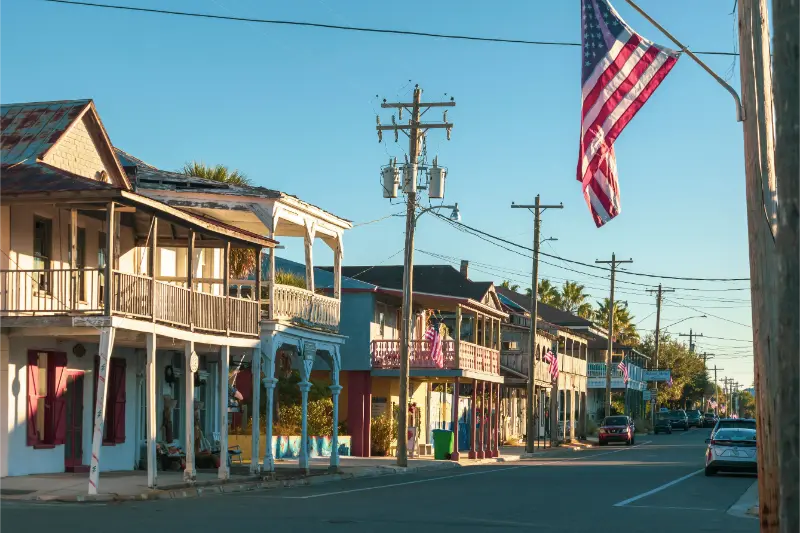
Cedar Key is compact enough to enjoy without filling every hour. Start with the historic district, pause by the waterfront and learn about the community’s fishing and railroad past. Cedar Key Historical Society Museum and Cedar Key Museum State Park are two possible stops, depending on their schedules. Museums may offer a stronger understanding of local life than a quick stroll past shops. Check post-storm reopening notices before assuming an old photograph reflects today’s waterfront.
For lunch, choose an open restaurant and ask about seasonal seafood availability rather than treating a printed menu as a guarantee. Afterward, pick just one activity: a museum, a quiet drive to a public nature area or a seated view of the Gulf. Boat trips to offshore keys depend on operators, conditions and wildlife restrictions; never presume that an island is open to landing. The most enjoyable evening may simply be the changing light over the water, followed by an early dinner.
Day six: One final nature stop and the journey home
Use the last morning for a place you missed rather than adding a distant detour. Lower Suwannee National Wildlife Refuge offers natural landscapes north of Cedar Key, but the refuge has multiple access points and road conditions can change. Identify a specific public road, trail or viewing area on an official map beforehand. A short nature drive may be more suitable than a long trail for a mixed-age group. Leave enough daylight for the drive to your departure airport or next Florida destination.
Before setting off, check the forecast and decide whether the final stop is worth the time. Visitors who have a flight that evening should prioritize returning the rental car and reaching the airport rather than trying to complete another full excursion. If the forecast brings lightning or heavy rain, a museum or café can be a better last memory than a muddy trail. A successful road trip is one that ends without unnecessary pressure.
Practical itinerary at a glance
| Day | Area | Main plan | Simpler alternative |
|---|---|---|---|
| 1 | Crystal River | Settle in, Kings Bay views | Early dinner and rest |
| 2 | Three Sisters Springs | Land-based boardwalk | Visitor-center exhibits |
| 3 | Homosassa | Wildlife interpretation | Short riverfront outing |
| 4 | Inglis and Yankeetown | River and marsh scenery | Scenic drive with one stop |
| 5 | Cedar Key | History, museums, sunset | Waterfront lunch and rest |
| 6 | Cedar Key / Lower Suwannee | Short nature stop, depart | Direct departure |
What the vacation really costs
Accommodation is the largest variable. Cedar Key inns may be small and popular on weekends, while Crystal River offers a broader range of hotel styles. Budget for a rental car, fuel, insurance, groceries, meals, parking and admissions where applicable. A wildlife boat tour adds expense, and there is no need to buy one to enjoy the region. Compare total costs, including resort or cleaning fees, before choosing a rental. The cheapest nightly rate is not always the best value if it requires driving far for every meal.
Families may save by using one base and taking day trips. Visitors with limited stamina might spend more on a conveniently placed room and less on paid excursions. Keep a little flexibility for changes caused by rain or spring-area access restrictions. It is sensible to reserve lodging in advance during peak winter manatee-viewing season, but do not prepay every activity unless its refund terms are acceptable.
Planning for babies, children and older travelers
For toddlers, keep the first outdoor stop short and plan around naps and feeding. Spring water can look inviting but currents, drop-offs and rules make unsupervised splashing unsafe. Carry sun protection, insect repellent suitable for the traveler’s age and a change of clothes. School-age children may enjoy a simple wildlife checklist, while teenagers can research conservation questions or photograph different coastal habitats from marked areas.
For older adults, choose one main outing a day and confirm shade, benches and toilets. Travelers using a walker should ask whether the full route is paved or includes gravel, boardwalk transitions and vehicle transfers. A small portable seat may be restricted at some facilities, so check before bringing one. Do not pressure anybody to enter cold water for a wildlife experience that can be appreciated from land.
Wildlife, weather and water safety
Alligators can occur in Florida freshwater and brackish habitats. Never feed wildlife, approach the water’s edge to provoke a photograph or allow pets to roam near banks. Manatees need space, particularly around resting and warm-water areas. Salt marshes can produce biting insects; evenings may require long sleeves. After a storm, roads, docks, boardwalks and businesses may be closed even if general tourism promotion remains online.
Thunderstorms can appear quickly in warm weather. Return to a substantial building or enclosed vehicle when thunder is heard, and never assume a wooden pavilion or open boat provides lightning protection. Check official weather alerts and avoid boating when small-craft advisories or other warnings are in effect. Avoid making swimming or kayaking mandatory activities for the entire group, especially when some travelers are uncomfortable in open water.
Frequently asked questions
Can I see manatees without swimming?
Yes, the Three Sisters Springs land-based boardwalk is one option, especially in colder months. Sightings depend on conditions, and access arrangements should be checked before arrival.
Is Cedar Key a good destination for a traditional beach vacation?
It is better known for coastal scenery, fishing heritage and the islands and marshes around it. Travelers seeking resort-style swimming beaches should choose a different base or plan a separate beach day.
Do we need two hotels for six days?
Not necessarily. Two bases reduce driving on later days, but a single base in the Crystal River area can make packing and mobility logistics easier.