
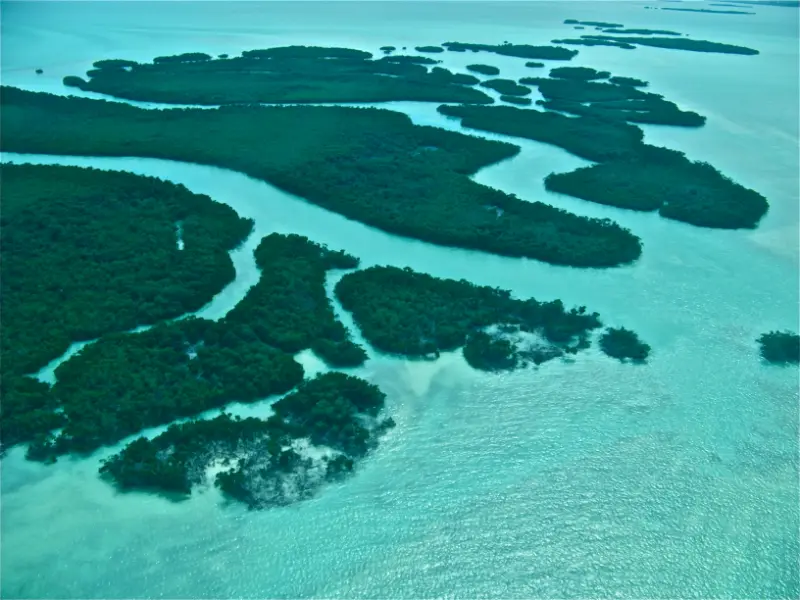
The Florida Keys and Florida’s Gulf Coast offer two very different interpretations of a waterside vacation. One centers on a chain of islands reached by the scenic Overseas Highway, marine ecosystems, bridges, reef excursions, and distinctive small communities. The other includes long sandy beaches and varied coastal cities from Tampa Bay through Sarasota and southwest Florida. Both have sunset views, seafood restaurants, and beautiful places to stay, but those similarities can mislead travelers choosing their first Florida beach holiday. What matters is not whether the destination looks blue in photographs; it is whether the activities available on an ordinary weekday match what your group wants to do.
In this guide
- Start with the biggest misunderstanding: beaches
- The Keys reward a road trip mindset
- Gulf Coast beaches are a collection, not one destination
- Snorkeling and marine experiences: the Keys advantage
- How swimming conditions should influence the choice
- Which coast is easier with a baby or toddler?
- Teenagers: activity matters more than scenery
- Couples and older travelers: two kinds of relaxation
- What you really spend on transportation
- Four-night Keys example
- Four-night Gulf Coast example
- A week's vacation: when it makes sense to move bases
- Food, shopping, and indoor options
- Environmental care and storm-season planning
- The simplest way to make the right decision
Quick decision table
| Compare | Option A | Option B / planning note |
|---|---|---|
| Main appeal | Keys: reef, boating and island driving | Gulf: different beach towns and broad sand |
| Best for | Marine-focused travelers | Traditional beach days for families |
| Budget issue | Longer transfers and specialized excursions | Choose specific town and accommodation |
Start with the biggest misunderstanding: beaches
Most people picture a beach holiday as an effortless walk onto broad sand with space to play, a gradual path to the water, and nearby restrooms. Sections of the Gulf Coast are well suited to this idea, although every beach has its own facilities and conditions. The Florida Keys are better known for water views, mangroves, boating, reefs, and small shorelines that may feature rocks, docks, or limited sandy entry. Bahia Honda provides notable beach experiences in the Keys, but it should not be assumed that every island hotel offers a similar shoreline. If your family expects to build sandcastles for five consecutive days, examine Gulf Coast beach towns first. If the trip revolves around snorkeling and exploring islands, look at the Keys.
The Keys reward a road trip mindset
The Overseas Highway links an extraordinary set of communities with different characters. Key Largo offers easy access from Miami and marine tours; Islamorada has fishing and waterfront experiences; the Middle Keys invite slower stops; and Key West adds museums, architecture, and walkable town life. The journey itself is a significant part of the attraction. It also means there can be limited alternative routes when traffic, crashes, or storms interrupt the road. Travel between islands should be planned as real driving time, with fuel, food, and rest stops. Visitors who dislike long car journeys or need frequent bathroom breaks may prefer using one Keys base rather than trying to see the whole chain in four days.

Gulf Coast beaches are a collection, not one destination
Clearwater Beach, St. Pete Beach, Anna Maria Island, Siesta Key, Fort Myers Beach, and Naples are not interchangeable. Some have busy promenades and hotel towers, others residential neighborhoods or nature preserves, and some emphasize arts and dining as much as sand. The Gulf Coast‘s strength is the ability to choose a town matching the group’s preferred pace. Families may value an easy public beach with facilities, while couples might prioritize boutique accommodation near restaurants. Older visitors may want a downtown with shaded seating, elevators, and short walks. Rather than buying a flight to ‘the Gulf Coast’ and assuming everything is nearby, decide which section you want before calculating the airport transfer.
Snorkeling and marine experiences: the Keys advantage
The Keys have a renowned reef environment and established marine excursions. For confident swimmers and divers, that can justify the long journey and specialist equipment. However, a reef experience is not a guaranteed daily attraction: wind, waves, age restrictions, and operator policies affect departures. A glass-bottom boat or a land-based marine exhibition may suit non-swimmers better. Some Gulf Coast destinations also offer snorkeling, wildlife excursions, and calm-water paddling, but the overall trip often focuses more on beach life. For groups with mixed confidence in the water, identify which members will actually participate in boat activities before dedicating the entire budget to a marine-focused resort.
How swimming conditions should influence the choice
The Gulf may look calm on many days, but neither coast guarantees safe swimming. Rip currents, lightning, red tide, harmful algal conditions, and changing weather can affect specific places. In the Keys, rocky entry points, boat channels, seagrass, and currents can be important even where the water appears transparent. Choose guarded beaches where available and follow the latest official advisories. Families with small children should never rely on general claims that the Gulf is ‘always safe’ or that Keys water is ‘always clear.’ Ask about shallow access, the presence of lifeguards, and the distances from restroom to shoreline. On either coast, keeping a non-swimming alternative for poor-condition days improves the trip substantially.
Which coast is easier with a baby or toddler?
Many families with babies prefer a Gulf Coast hotel where the sand, pool, room, and changing facilities are close together, simply because repeated short beach visits are less tiring. This advantage is not universal: a Keys resort with a good pool, shade, and convenient family facilities can be easier than a Gulf rental miles from the nearest beach access. Parents should examine the precise property layout, laundry and kitchen availability, shade, parking, and whether a stroller can negotiate the path. Young children generally cannot enjoy full-day snorkeling trips, and not every boat company accepts infants. Build the holiday around what adults and children can comfortably share rather than expecting a toddler to adapt to an intense marine itinerary.
Teenagers: activity matters more than scenery
Adventure-oriented teenagers may love the Keys for kayaking, responsible wildlife trips, beginner diving experiences where eligible, and road-trip stops. Others prefer the social atmosphere of a Gulf Coast beach town, sports rentals, and easy access to nearby city attractions. A teenager who dislikes boats could find a remote Keys resort surprisingly limiting, while one who enjoys wildlife and underwater ecosystems might be bored by an entire week of sand and pool. Discuss the activity menu before booking. Do not assume everyone in a multigenerational group must participate in the same water activity; instead plan shared meals and selected experiences that bring the party together again after independent afternoons.
Couples and older travelers: two kinds of relaxation
The Keys can be a romantic choice for a scenic driving holiday, peaceful waterfront accommodation, and distinctive evening environments in Key West or other communities. The Gulf Coast offers many options for longer strolls on sand, gardens, museums, and a comfortable town-based routine. Couples may value a property with sunset views but should confirm whether it has a beach or simply faces open water. Older travelers who tire easily should prioritize the location of restaurants, step-free routes, and available seating. A Keys resort far from services may require driving each evening; a Gulf hotel in the right district could allow short pedestrian trips. Either can be excellent with the correct accommodation and appropriate daily pacing.
What you really spend on transportation
A Keys trip may involve a flight into Miami or another airport, a rental car, fuel, and the drive down the island chain, unless you choose a different arrival arrangement. A Gulf Coast trip might use airports near Tampa Bay or southwest Florida, with shorter transfers if you stay near the chosen airport but longer journeys if you select a distant coastal town. Neither option is always cheaper. Compare the complete door-to-door cost, including car rental days, tolls, parking, and any one-way return fee. If you do not drive, find out whether your chosen Keys or Gulf location actually supports a comfortable car-free holiday before paying for accommodation. A waterfront address is not a public-transport plan.
Four-night Keys example
For a short visit, pick either the Upper Keys or Key West as the main base instead of moving twice. In the Upper Keys, dedicate one day to a confirmed marine activity, keep another day flexible for weather, and use the remaining time for easy island exploration and relaxing by the water. In Key West, focus on historic streets, selected museums, a waterfront experience, and a gentle evening. An ambitious itinerary crossing the entire chain on arrival day and returning north for every outing can create unnecessary exhaustion. If you want to sample several islands, travel slowly and accept that the journey will occupy part of the holiday. Consult the Florida Keys tourism authority when planning the route.

Four-night Gulf Coast example
Choose one town and stay there. On arrival, check into a hotel or rental within realistic reach of the beach and identify the nearest supermarket or restaurant. Spend the first full day enjoying that shoreline rather than chasing famous beaches elsewhere. Use another day for a city museum, nature preserve, or garden within a reasonable drive, and keep the third day flexible for weather and family energy. This works well for visitors who need regular rests or cannot tolerate long car journeys. The Gulf Coast has enough variation that switching between Tampa Bay, Sarasota, and Naples every day is rarely a good idea on a four-night holiday.
A week's vacation: when it makes sense to move bases
With seven or more nights, a two-base holiday may help if the intended activities genuinely differ. In the Keys, you might combine Upper Keys marine interests with several nights in Key West. On the Gulf Coast, a split could provide city attractions near Tampa Bay and quieter beach time farther south. However, packing, checkout, and travel take time, and short stays can trigger higher rates or cleaning fees. Families with infants or travelers who use mobility equipment may be happier in one suitable property, even when that means accepting one longer excursion. Choose the split only after calculating how many mornings will be sacrificed to luggage, keys, and parking.
Food, shopping, and indoor options
Gulf Coast cities often offer a broad choice of supermarkets, museums, shopping areas, and indoor attractions within reach of the beaches. The Keys have their own food culture, galleries, small museums, and local services, but some sections are spread along a single main route, with fewer alternatives close to a particular hotel. That difference matters in a rainy week or when a person in the family becomes ill. For travelers with dietary restrictions, identify suitable restaurants and grocery supplies before arrival. A resort with a kitchenette can be valuable in either region, but do not assume every tourist-focused location offers abundant late-night food or pharmacy access.
Environmental care and storm-season planning
Both regions are sensitive coastal environments where dunes, mangroves, seagrass, coral, and nesting animals require protection. Use designated paths, follow boating rules, and never disturb live shells or marine wildlife. Heat, thunderstorms, and tropical storms require flexible itineraries, especially during the June–November Atlantic hurricane season. A storm can affect water quality, access roads, or property facilities even after skies clear. Read cancellation clauses and storm coverage before making large deposits, particularly when marine excursions are central to the plan. Look for official beach and marine forecasts near your travel dates rather than relying on an attractive average-weather chart or a photograph taken years earlier.
The simplest way to make the right decision
Choose the Florida Keys for a scenic island journey with a strong marine and waterfront identity, provided you are comfortable with the longer travel logistics and more limited conventional beaches. Choose a Gulf Coast beach town when time on broad sand, convenient family beach facilities, and easy trips into nearby communities matter most. The perfect hotel in one region may still beat a poor choice in the other. Before paying, compare current beach access, transport time from your arrival airport, total fees, and the three experiences you most want. If your top priority is not available in the destination’s ordinary daily routine, change the destination rather than hoping it will resemble the promotional photo.
For a specific Keys shoreline example, the official Bahia Honda State Park page explains the variety of swimming, boating, and nature experiences available at that park.
Frequently asked questions
Are the Florida Keys a good choice for a traditional sandy beach week?
Some beaches are attractive, but much of the region is better known for marine activities and waterfront scenery than continuous broad sand.
Is the Gulf Coast always safe for swimming?
No. Check conditions, lifeguard instructions, rip current warnings, and water-quality advisories on the actual day.
Can you see the Keys and the Gulf Coast in one week?
It is possible, but the extra travel is substantial; most short vacations benefit from selecting one region.