
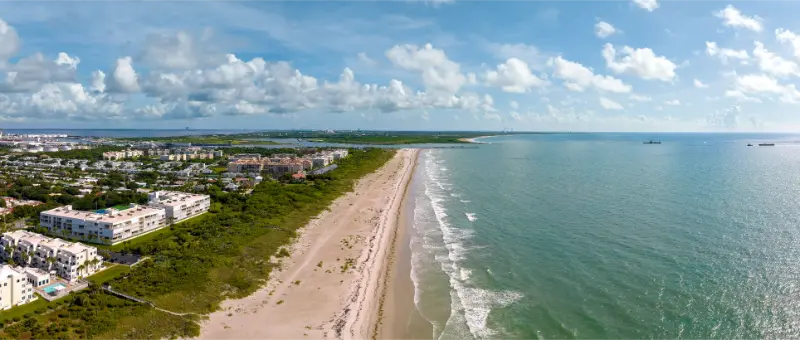
Cocoa Beach and Melbourne Beach both sit on Florida’s Space Coast, but a stay in one does not feel exactly like a stay in the other. Cocoa Beach has a familiar surf-town identity, a prominent pier area and convenient links to Cape Canaveral and Kennedy Space Center. Melbourne Beach has a quieter residential character in many areas, a different pattern of beach entrances and easy access to the Melbourne area across the lagoon. Both can provide memorable Atlantic sunrises and simple shoreline days. The best base depends on whether you want nearby attractions, restaurants you can reach easily, a particular beach atmosphere or a slower routine. This comparison helps families, couples, solo travelers and seniors assess what actually happens between breakfast and bedtime, including beach safety, lodging and parking.
In this guide
- Where they are on the Space Coast
- The Cocoa Beach atmosphere
- The Melbourne Beach atmosphere
- Beach safety on the Atlantic coast
- Parking and facilities vary by beach approach
- Kennedy Space Center and rocket launches
- The nature opportunities near Melbourne Beach
- Food, evenings and nearby cultural options
- Traveling with younger children
- Teenagers and active travelers
- Accessibility, shade and shorter walks
- Where to stay in Cocoa Beach
- Where to stay in Melbourne Beach
- A simple four-day plan
- Compare complete costs, not only room rates
- When to go and the final choice
Quick comparison
| Question | Option A | Option B |
|---|---|---|
| Town feeling | Busier visitor surf-town corridors | Quieter residential seaside areas |
| Northern Space Coast | Convenient for many Cape Canaveral trips | Longer drive to northern attractions |
| Nature emphasis | Surf and nearby lagoon outings | Southern lagoon and turtle habitat |
| Hotel caution | Check noise and pier-area access | Check island vs mainland address |
Where they are on the Space Coast
Cocoa Beach lies on the Atlantic barrier-island side of the Space Coast north of Satellite Beach, with Merritt Island and the mainland to the west. Melbourne Beach is farther south across the Indian River Lagoon from the Melbourne area, connected through causeways and nearby communities. Because barrier-island roads and bridges shape travel, an apparent short distance on a map may involve more driving than expected. Cocoa Beach is usually the more convenient choice if your itinerary focuses heavily on Port Canaveral or the northern Space Coast. Melbourne Beach may be more convenient for activities around Melbourne, the southern lagoon and nearby nature areas. Check hotel-to-attraction routes during realistic travel periods rather than guessing from a regional tourism map. A one-day trip is different from repeatedly crossing bridges over a full week.
The Cocoa Beach atmosphere
Cocoa Beach is associated with surfing, casual beach shops and a visitor-oriented corridor. There are places to watch the waves, dine informally and explore the area’s space connection, even if no rocket launch occurs. The well-known pier is a landmark for travelers, but the availability of individual businesses and access rules should always be checked. A family that enjoys having several dining and shopping options may appreciate Cocoa Beach’s more developed visitor setting. That also brings traffic, parking competition and busier periods near popular approaches. If your group prefers a very quiet evening, avoid choosing a room next to a bustling entrance simply because it is close to the sand. There are calmer pockets, but a property’s exact location makes a larger difference than the town name alone.
The Melbourne Beach atmosphere
Melbourne Beach often appeals to people seeking a more residential coastal feeling rather than a concentration of large visitor attractions. The surrounding area has public beach access points, local restaurants and nature-oriented stops that reward a measured itinerary. A beach house or small lodging property may provide a pleasant sense of space, but it can also mean fewer services within a convenient walk. Some accommodations with a “Melbourne” address are on the mainland and require a causeway crossing to reach the Atlantic. Read the complete property address and check the actual nearest legal beach access. For visitors who enjoy starting the day with a short sand walk and spending afternoons visiting a museum or garden in the wider region, Melbourne Beach can work well. Travelers expecting a busy entertainment strip may find it too quiet.
Beach safety on the Atlantic coast
Both destinations face the Atlantic, where breaking waves and rip currents demand attention. A beach that looks gentle in a promotional video can have strong currents on a windy day or after an offshore weather system. Look for lifeguard information and flags at the exact beach you visit, and follow posted directions. Young children and inexperienced swimmers should stay within the ability and comfort of the least confident group member. Neither beach is a substitute for a supervised shallow swimming pool. Tides can change the width of the usable beach, while storms and erosion can alter access paths. If you are visiting primarily to see the ocean, enjoy a shoreline walk and take photographs, you can have an excellent day without entering the water. Put safety ahead of any planned swimming schedule.
Parking and facilities vary by beach approach
Do not treat the Space Coast as having one universal parking policy. Cocoa Beach has city-managed facilities and beach approaches with rules that may differ from those in neighboring communities. Melbourne Beach and nearby Brevard County accesses have their own arrangements. Before setting out with beach chairs or a mobility aid, identify a specific legal lot, restroom and ramp. Some small accesses offer limited parking or few amenities, which matters much more when several generations are traveling together. A property with private, legal access might be valuable if beach visits are daily, but check whether chairs, umbrellas or a changing area are included. If someone needs accessible parking or a beach wheelchair, verify the service directly for the selected location. A three-minute walk through deep sand can be difficult even when a beach entrance looks close on a map.
Kennedy Space Center and rocket launches
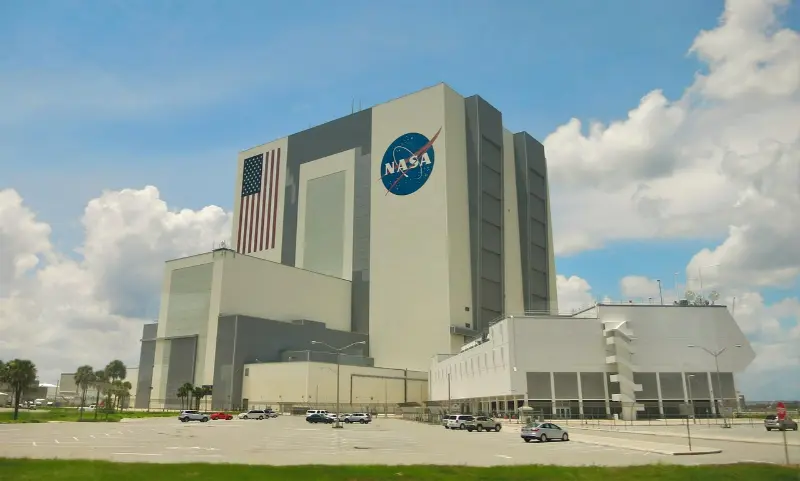
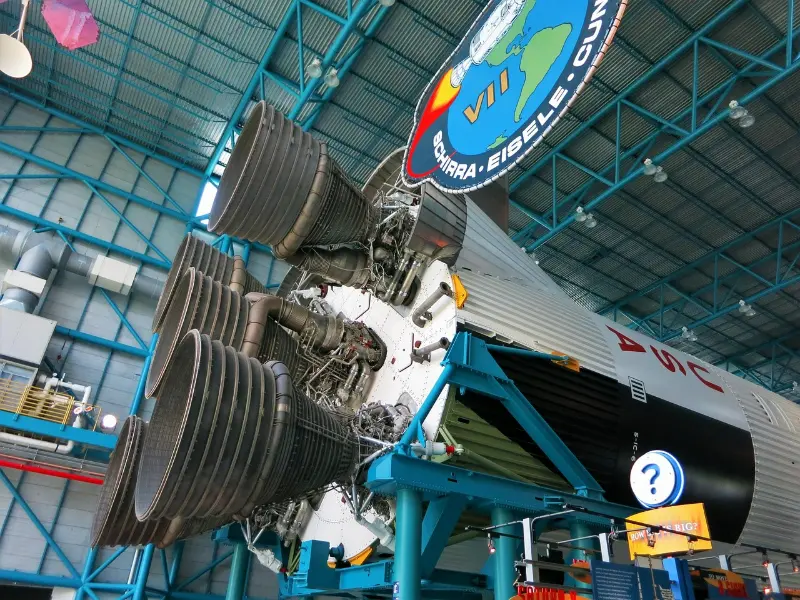
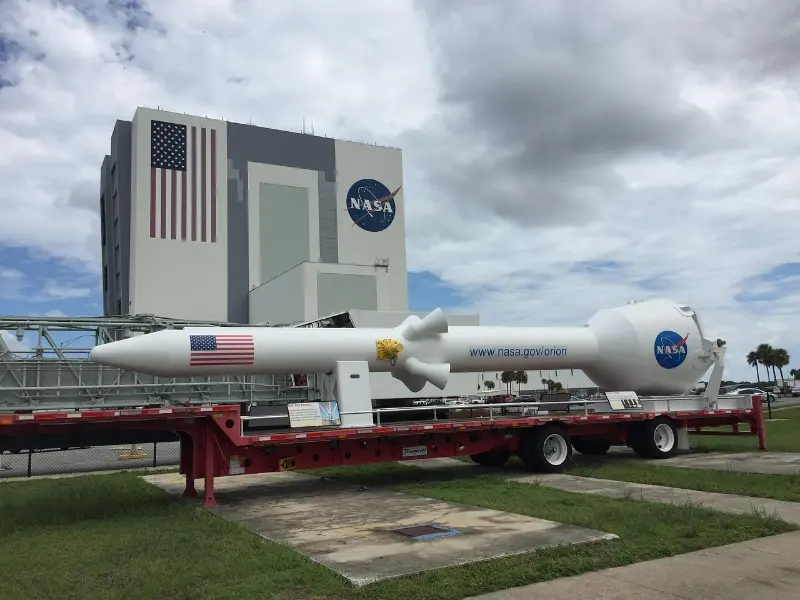
A northern Space Coast base generally makes Kennedy Space Center Visitor Complex easier to reach than a southern one, although actual times depend on traffic and the route. The complex is a major attraction in its own right, with exhibitions and programs that do not depend on an imminent launch. Do not schedule a whole vacation on the assumption that a rocket will launch at a fixed minute; launch dates can change or be postponed for technical and weather reasons. If launch viewing is a priority, use current official sources and understand road restrictions or park closures that might accompany operations. A Cocoa Beach stay can help reduce the drive for certain launch-focused activities, but visitors in Melbourne Beach can also take a planned day trip. The better choice depends on how central spaceflight is to your vacation.
The nature opportunities near Melbourne Beach
The southern Space Coast and Indian River Lagoon offer different natural settings from the pier area, including conservation lands, estuarine habitats and important sea turtle nesting stretches. Archie Carr National Wildlife Refuge and related protected shoreline areas remind visitors that beach access also comes with responsibilities. Follow turtle-season lighting guidance, keep away from nests and do not disturb wildlife for photographs. Selected boardwalks and nature trails can add variety to a beach-focused stay, but they may have uneven surfaces, exposed sun and limited facilities. Visitors hoping to see dolphins, manatees or turtles should keep expectations realistic: wild animals move freely and sightings are not guaranteed. A quiet nature outing is most rewarding when you learn about the habitat without trying to force an encounter.
Food, evenings and nearby cultural options
Cocoa Beach typically provides more obvious visitor dining choices in its popular corridors, with casual seafood, cafes and shops that suit an easy evening. Melbourne Beach offers local dining, while the wider Melbourne area has additional restaurant and cultural districts reached across the causeway. Families traveling without a car should pay special attention to which places are actually walkable from their accommodation. A restaurant described as “near Melbourne Beach” may be across a bridge rather than down the street. For a couple interested in a quiet dinner and early sunrise, either location can be excellent with the right hotel. A teenager who wants more after-dark choices might prefer a central Cocoa Beach location or a Melbourne-area base with an agreed transport plan. Do not let nightlife assumptions drive a decision that is really about proximity to meals.
Traveling with younger children
A practical family beach base offers easy access to food, shade, laundry and a place to retreat during storms. Cocoa Beach can work well when parents want a straightforward list of restaurants and visitor services, along with the option of a space-themed outing on another day. Melbourne Beach may be attractive for a family that wants a quieter home routine, perhaps with a kitchen and separate bedrooms. Yet fewer nearby services can become a problem if a child needs supplies or a rainy-day activity. Ask whether the beach path requires crossing a busy road and whether the rental has stairs. Bring the day back to the hotel before everyone is tired, especially after strong sun. Children often remember a relaxed morning building sandcastles more fondly than a packed itinerary of three separate attractions.
Teenagers and active travelers
Cocoa Beach has an appealing identity for surfing and ocean-oriented activities, though first-timers should use qualified instructors and choose conditions appropriate to their skills. Melbourne Beach also offers an Atlantic setting but may involve more planning to identify an outfitter or activity nearby. Teenagers interested in space exploration might particularly value the northern Space Coast base, while those who enjoy coastal ecology might appreciate habitat-focused visits around the southern lagoon. In either location, adults should discuss swimming boundaries, storm alerts and road crossings clearly. A group of mixed interests can plan one shared beach morning and allow a different afternoon choice: a museum or visitor complex for some, a quiet cafe or shaded park for others. The most enjoyable vacation does not require everyone to choose the same activity all day.
Accessibility, shade and shorter walks
A beach location described as family friendly or peaceful is not automatically accessible. Confirm the presence of a step-free hotel entrance, the bathroom configuration, elevator service and a feasible path to the shoreline. Brevard County and municipal facilities may provide accessible beach approaches at selected sites, but services and equipment can be location-specific. Ask directly about accessible parking, restroom facilities and whether sand mats or beach wheelchairs are currently offered. For a visitor who uses a walker, a short route on firm pavement may be much easier than an even shorter stretch through loose sand. Both Cocoa and Melbourne Beach include places to enjoy the coast without swimming; comfortable seating and nearby indoor rest areas are particularly valuable on hot days. Plan around the person’s actual stamina rather than an age assumption.
Where to stay in Cocoa Beach
A hotel within walking distance of a legal beach entrance or a familiar visitor corridor can simplify a short stay. However, beach proximity alone may come with parking fees, noise or mandatory resort charges. Check the building’s actual position relative to major roads and its precise route to the ocean. Some condo rentals offer kitchens and larger layouts, but cleaning fees and key collection can complicate a three-night trip. For a Kennedy Space Center-focused holiday, estimate the morning drive rather than assuming any Cocoa Beach address is equally convenient. If you are embarking on a cruise at Port Canaveral, confirm that the accommodation’s shuttle arrangement actually serves your terminal and dates. The right hotel is the one that allows you to enjoy your main attraction without daily transport surprises.
Where to stay in Melbourne Beach
A house or condo near the ocean can suit a family staying a week, particularly when laundry and a shared dining space reduce daily costs. For shorter trips, a hotel with clear check-in procedures may be easier. Review whether the property is located on the barrier island or farther inland in the Melbourne area. A mainland room may still be a good value when museums, restaurants and other attractions are the priority, but it should not be sold to yourself as a beachfront location. Look for a safe, legal beach access route and check parking, stairs and potential storm-related restrictions. If you plan to use rideshares instead of a rental car, verify the reliability of transport for the full return journey, especially from quieter stretches of coast after dinner.
A simple four-day plan
With Cocoa Beach as your base, spend the first afternoon locating your preferred beach access and having a relaxed meal. Dedicate one full day to Kennedy Space Center Visitor Complex if it interests the group, leaving time for travel and rest. On the third day, choose a surf lesson, a nature walk or a different Space Coast attraction according to conditions. Keep day four flexible for an early beach session before departure. From Melbourne Beach, use a similar rhythm but focus more on lagoon scenery, responsible wildlife observation, local culture and one optional northern day trip. A realistic plan should have fewer fixed tickets than free blocks. This protects everyone if afternoon thunderstorms, traffic or a child’s need for rest interrupt the original schedule.
Compare complete costs, not only room rates
Add hotel taxes, resort or cleaning fees, parking, breakfast, beach equipment, airport transport and any ticketed attractions. A more expensive oceanfront room can be worthwhile if your family uses the beach twice daily, while a lower-cost mainland hotel may suit a museum-heavy trip. Consider time costs too: driving across the causeway every morning may be acceptable for a short holiday but frustrating over a week. Travelers with larger groups should assess the number of genuine beds, bathrooms and usable kitchen facilities. If the rental includes a private pool, check safety requirements and any separate heating charges. Avoid calculating a daily beach budget based on an assumed free parking space that has not been verified at the selected access point.
When to go and the final choice
Both destinations experience warm humid summers, tropical-storm season from June through November and generally milder cooler-season days, but winds and surf conditions vary. Sea turtle nesting protection can affect lighting and beach behavior, and launch schedules remain subject to change year-round. Choose Cocoa Beach if you want a busier surf-town setting, easier emphasis on the northern Space Coast and more visible visitor services. Choose Melbourne Beach if your priority is a quieter residential coastal routine, southern lagoon habitats and a more self-directed stay. For families, select the accommodation with the simplest legal beach access and adequate rest space. For seniors, prioritize easy parking and low-effort outings. Neither is the right answer for every traveler; the right answer is the place that makes your intended ordinary day work smoothly.
Frequently asked questions
Is Melbourne Beach the same as downtown Melbourne?
No. Melbourne Beach is on a barrier island; mainland Melbourne involves a causeway transfer.
Is Cocoa Beach better for Kennedy Space Center?
For many northern Space Coast itineraries it is a convenient base, but check the actual hotel route and opening schedule.
Do either beaches guarantee calm water?
No. Atlantic surf and rip-current conditions change; follow beach safety flags and lifeguard advice.