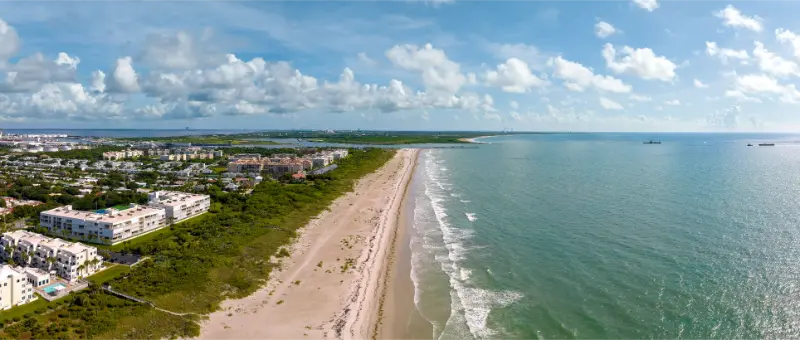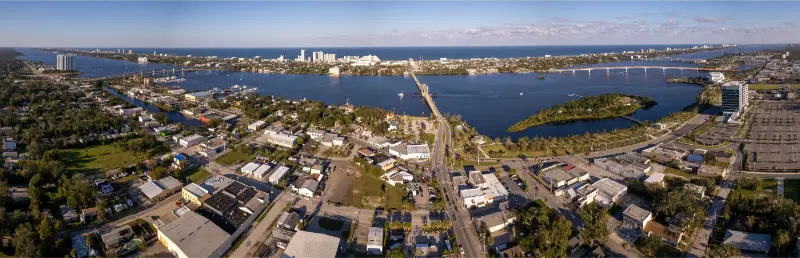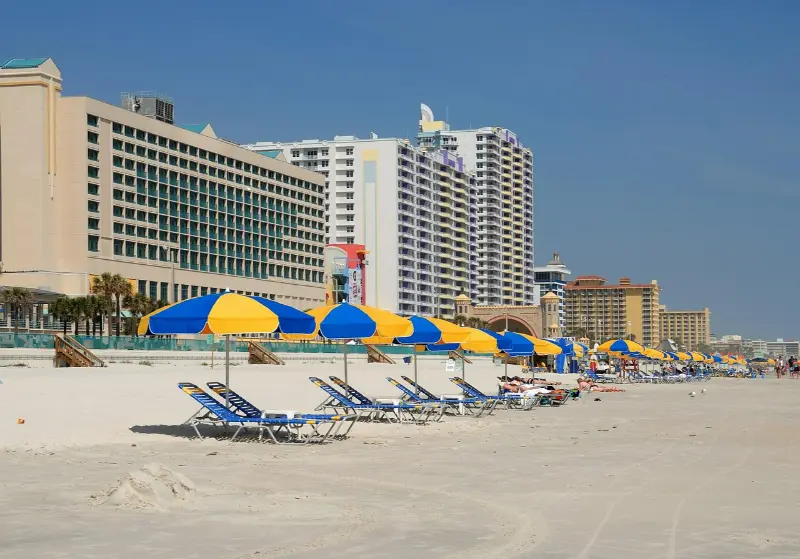
The Space Coast deserves more than being treated as a waiting room for a rocket launch. Even when no launch is scheduled—or a planned launch is delayed—the stretch around Cocoa Beach, Cape Canaveral, Titusville, and nearby natural areas can make a rewarding four-day Florida holiday. There are long Atlantic beaches, maritime history, conservation landscapes, casual waterfront meals, and the chance to understand how space activity relates to a working coastal community.
This itinerary is designed for first-time visitors who want a coastal base without betting the success of their trip on one unpredictable event. It works for couples, families with children, solo travelers, and anyone interested in the meeting point between space technology and natural Florida. It keeps daily driving manageable and offers substitutes for bad weather or unexpected closures.
Four days on the Space Coast
| Day | Main area | Main experience | Alternative |
|---|---|---|---|
| Arrival | Cocoa Beach | Settle in and enjoy a short beach walk | Café and early dinner |
| 1 | Cape Canaveral | Port area, coastal history and viewpoints | Indoor museum-style stop |
| 2 | Kennedy Space Center area | Space exploration or nearby mainland nature | Museum or riverside walk |
| 3 | Canaveral National Seashore | Protected shoreline and wildlife | Short local beach visit |
| Departure | Cocoa Beach | Breakfast and transfer | Leave the morning unscheduled |
Cocoa Beach or Cape Canaveral: where to stay?
Cocoa Beach suits travelers who want easy access to oceanfront hotels and casual dining. Cape Canaveral can feel convenient for the cruise terminal and some port-area activities, although a hotel address there does not automatically mean walking distance to the sea or restaurants. Titusville, across the water, may appeal to visitors mainly interested in Kennedy Space Center and Merritt Island’s wildlife areas. Compare the real journey to your priority destinations before choosing a base.
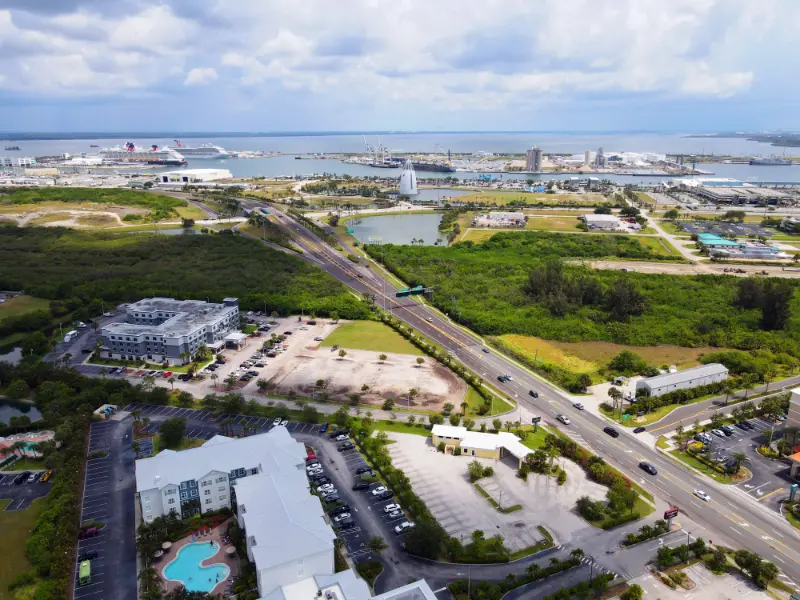
If you are not renting a car, research local shuttles, taxis, and tours carefully. The attractions are scattered over a broader area than a resort map suggests. A beachfront hotel could reduce daily transfers for swimming, but it may increase costs for inland trips. Ask about parking, resort fees, beach access, elevators, and pools. For families, a practical room and laundry access may be more valuable than an expensive ocean view.
Arrival: an easy beach evening
After check-in, take a short walk on a public section of beach and learn where the nearest restrooms and safe access paths are located. The Atlantic Ocean can have powerful surf and rip currents, so observe flags and posted instructions. Do not enter the water simply because other visitors are doing so. For children, sand play and a short shoreline look may be enough after travel.
Have an uncomplicated dinner close to the hotel. If you landed at Orlando International Airport, allow time for collecting luggage, arranging transportation, and driving east. A flight delay can make that journey feel longer than expected. Avoid scheduling a paid boat cruise or event on your arrival evening, particularly after long-distance travel.
Day one: understand Port Canaveral without taking a cruise
Port Canaveral is a busy maritime setting, with cruise terminals, working cargo and commercial areas, and waterside businesses. Visitors can enjoy the atmosphere from public dining areas or other authorized viewpoints, but the operational port is not an open pedestrian attraction. Follow security signs and do not enter restricted dock areas. A restaurant with a view of vessel traffic can be a memorable outing without boarding a ship.
Choose a short coastal or local history stop before or after lunch. Some visitors may enjoy watching the boats; children might like identifying different vessel types. If you prefer a quieter afternoon, return to Cocoa Beach rather than trying to add a distant museum. The day works particularly well for someone who has just finished a cruise and wants a relaxed extension without another packed itinerary.
Day two: Kennedy Space Center as an optional main event
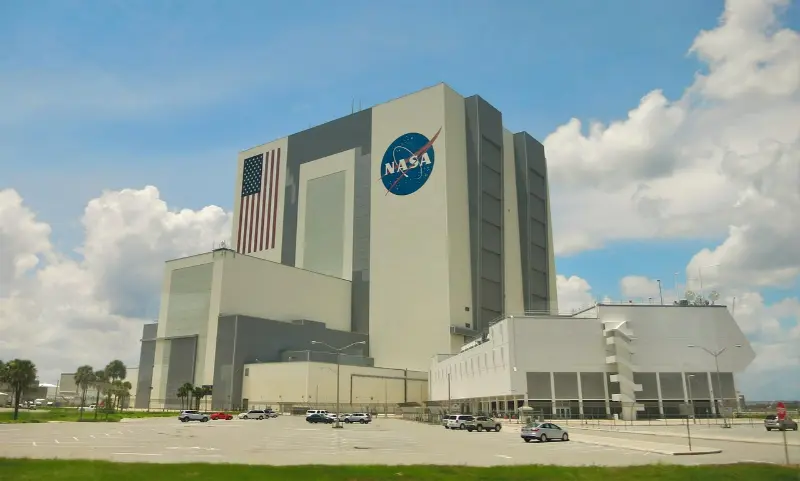
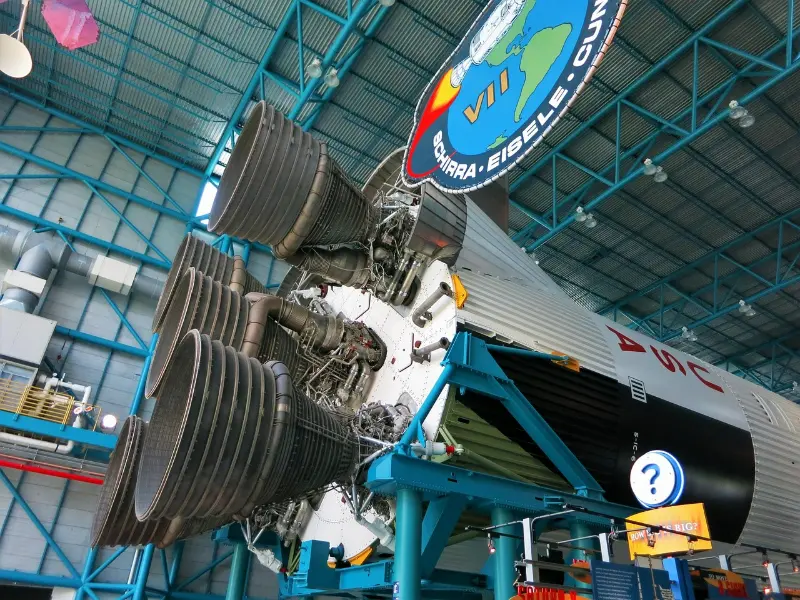
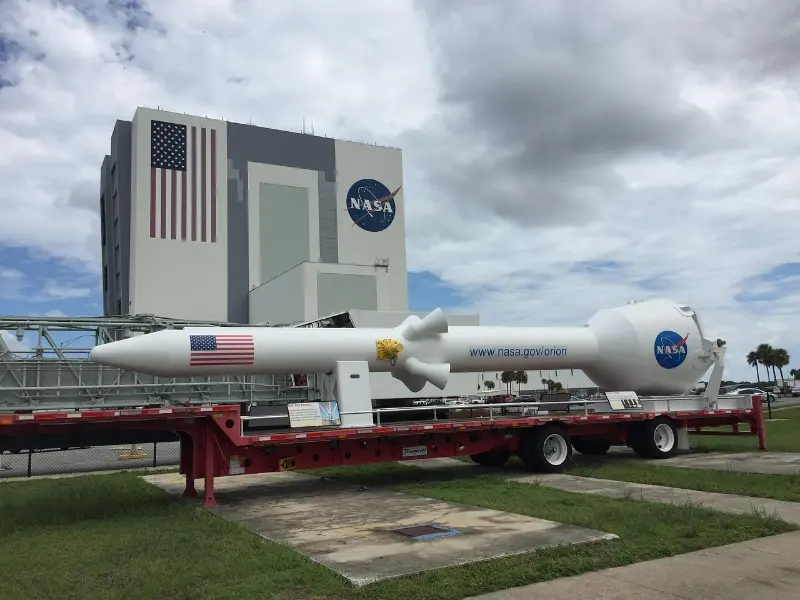
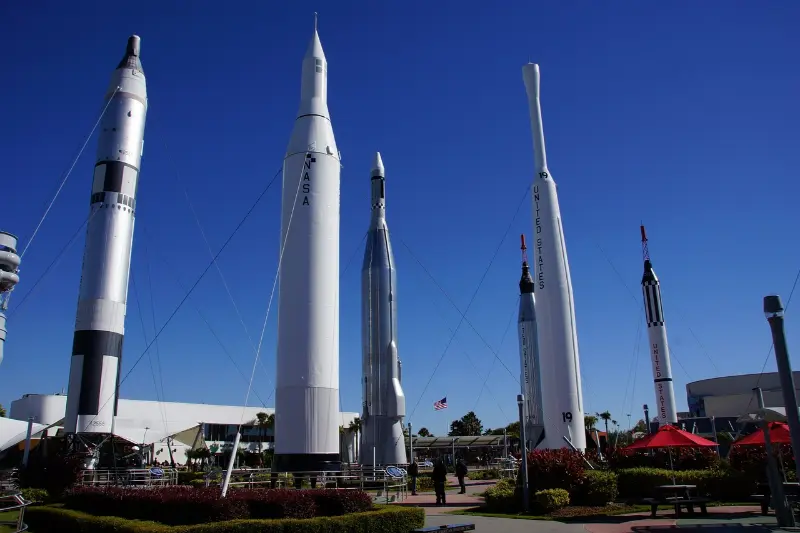
Kennedy Space Center Visitor Complex is a major draw, but it can occupy most of the day and is not necessary to enjoy the wider Space Coast. If space science is central to your interests, check the visitor complex’s official website for operating hours, tickets, exhibit availability, and transport arrangements. A day exploring launch history, astronaut experiences, and engineering may be a holiday highlight even when no rocket lifts off.
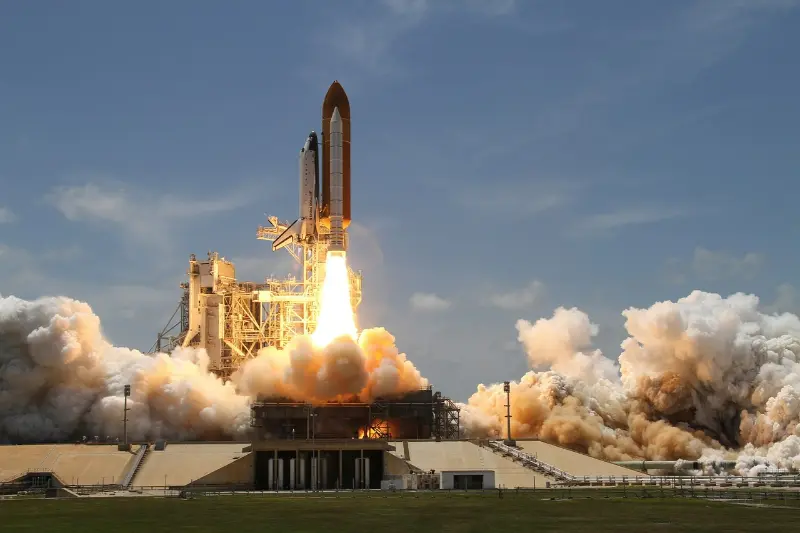
If you are skipping the ticketed visitor complex, focus on local space history, an educational stop in Titusville, or wildlife scenery nearby. Do not imply that the working NASA facilities can be entered freely. Nor should you promise visitors a close view of a rocket on a specific date: launch windows change, and weather or technical checks can postpone activity. A launch is a bonus, not the foundation of this itinerary.
An alternative: the natural side of the mainland
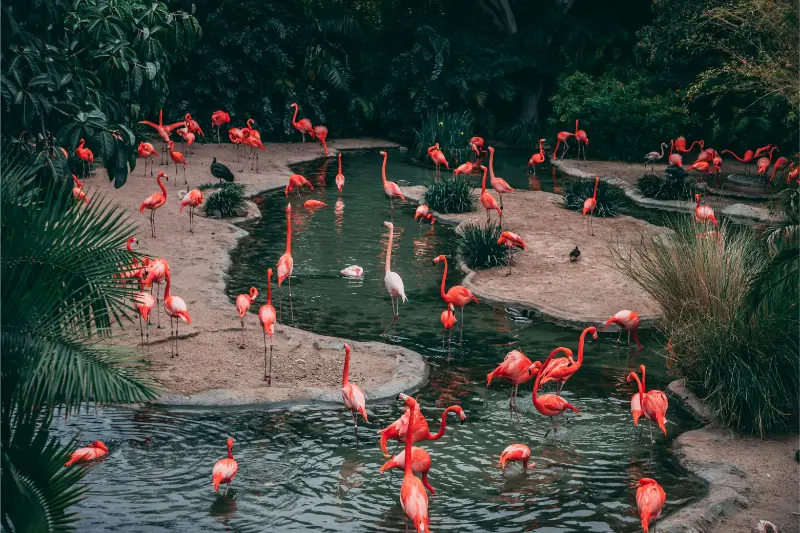
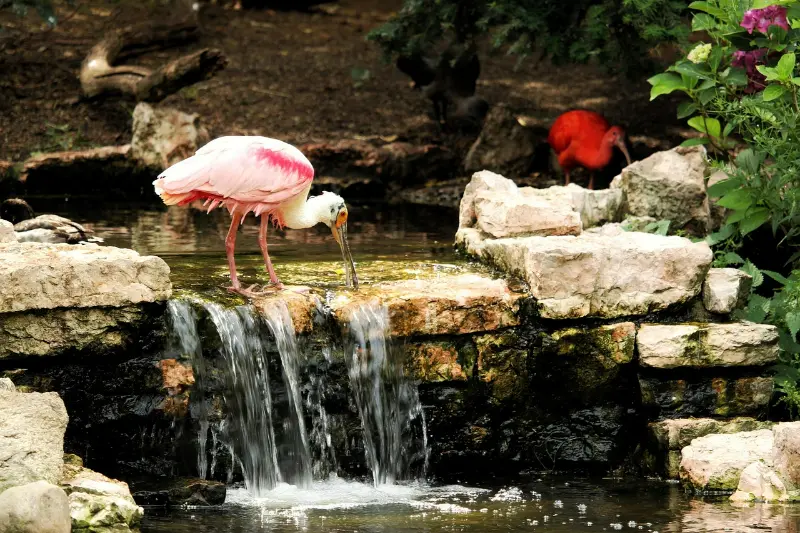
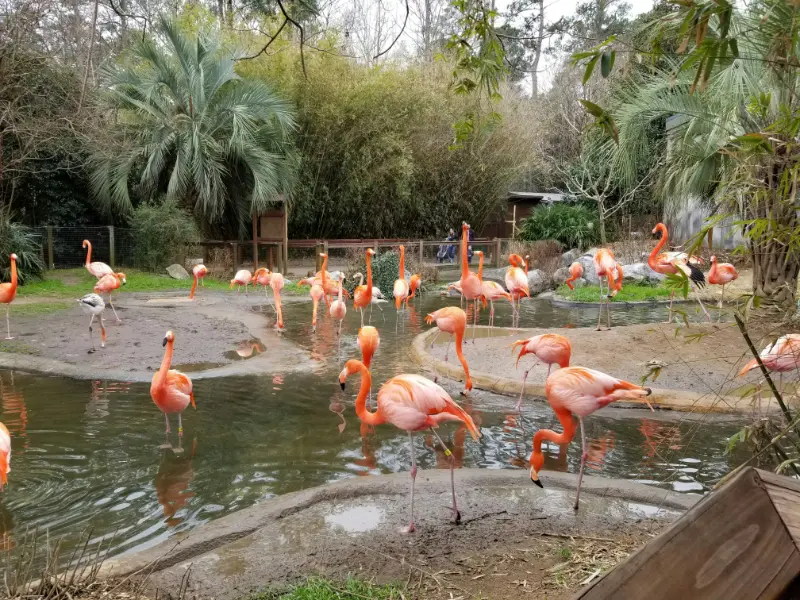
The wetlands around Merritt Island and the Indian River Lagoon can be wonderful for observing birds and understanding the coast’s ecology. Choose an established public visitor area and verify its opening conditions, road status, and access rules. Some wildlife drives or trails can close after storms or for resource management. Bring binoculars if you already own them, and look for wading birds, raptors, and other species without approaching wildlife.
Keep the outing fairly short in hot weather and avoid feeding any animals. An estuary is not a zoo: wildlife can be difficult to spot and is most rewarding when observed patiently. For travelers with limited mobility, a safe roadside viewpoint may be preferable to a trail, provided stopping is permitted. Insect protection and drinking water are practical essentials near marshy landscapes.
Day three: Canaveral National Seashore without rushing
Canaveral National Seashore protects a barrier-island environment with ocean beach, dunes, and lagoon landscapes. The National Park Service website has current visitor details and alerts. Choose the part of the park that best matches your location: northern Apollo Beach access and southern Playalinda access are not connected by a public through-road inside the seashore. This matters far more than how near they seem on a small map.
Plan your visit as a beach-and-nature outing rather than a long sightseeing loop. Bring food, water, and sun protection, and respect wildlife closures and designated access. Parts of the seashore may have limited services; check current restroom and access information. If you want to swim, observe ocean warnings and lifeguard guidance where available. A wild seashore is beautiful precisely because it is not developed like a central resort beach.
Fees and routes at the national seashore
The National Park Service lists entrance fees for the seashore and explains that the entrance stations accept cashless payment. The fee arrangement depends on whether you arrive in a vehicle or individually. Check current pass options and the precise access point before departure; an online map may direct you to an administrative address rather than a beach entrance.
When traveling with children, do not assume facilities are the same at every parking area. People needing step-free access should inspect the current accessibility information for a specific location. Beach conditions and storm damage can change access. The most comfortable family visit may be one short beach stop and a picnic rather than attempting to visit every access point.
The ocean is part of the itinerary, not a guaranteed swimming pool
Rip currents, shore breaks, and sudden storms can make Atlantic swimming hazardous. Observe beach flags and instructions, remain in suitable supervised areas, and avoid swimming alone. Strong swimmers can still get into trouble in a rip current. Children need continuous close supervision, even in shallow water. Keep away from dunes and nesting areas, and do not disturb turtle nests or wildlife.
A beach visit can be excellent without swimming: walk a small distance, watch seabirds, photograph the sky, or enjoy an accessible viewpoint if one is available. For travelers who tire in heat, early morning or late afternoon may be preferable, although those times have their own weather and service considerations. Do not schedule a long exposed beach walk simply because the forecast looks mild.
Best backup activities when the forecast turns bad
If the visitor complex is open, a space-focused indoor program may replace a day at the beach. Alternatively, choose a local café, small museum, or sheltered hotel activity. Storms and lightning should be taken seriously, particularly near open beaches, ports, and lagoon shorelines. Return to secure indoor shelter rather than lingering beneath a beach pavilion during nearby thunder.
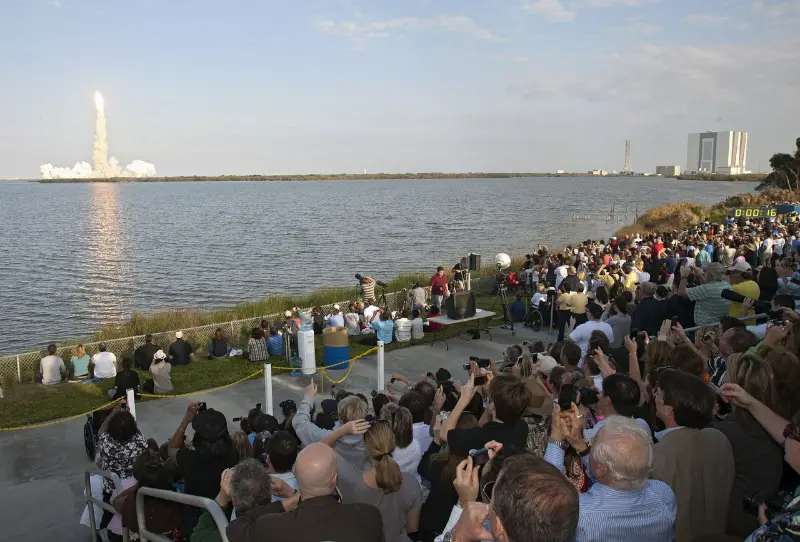
Keep one flexible day in the schedule if your trip coincides with a possible launch. Do not reserve a costly, nonrefundable viewing package without understanding what happens if the launch is postponed. If no launch occurs, it should not feel like a lost vacation: four days of beach, coastal food, historic context, and protected nature offer plenty of variety by themselves.
A sensible budget for four days
| Cost | Why it varies | How to plan |
|---|---|---|
| Accommodation | Oceanfront location and event dates | Compare full checkout price |
| Rental car and fuel | Airport location and travel radius | Choose one efficient base |
| Kennedy Space Center | Ticket types and special experiences | Visit only if it is a genuine priority |
| Canaveral Seashore | Entrance pass category | Check official current fees |
| Meals | Waterfront venues and resort dining | Mix simple and special meals |
Avoid assuming that every activity on the coast is included with hotel accommodation. Beach-chair rentals, parking, and optional excursions may add up. During launch activity, hotel rates can rise and roads may be congested, which is another reason a no-launch visit can be appealing. Do not promise low prices on specific dates; compare actual offers before reserving.
Adapt the trip for different ages and abilities
A family with babies may focus on a comfortable hotel, short beach outings, and a single educational stop. School-age children may enjoy the contrast between engineering exhibits and wild shoreline. Teenagers could appreciate local maritime photography and scientific stories; let them choose between a space-focused day and a beach day. Grandparents may prefer a seated port view, short museum visits, or one easily reached public beach access.
Accessibility varies widely between beach ramps, historic exhibits, boat tours, and nature drives. Contact each venue about the precise route, restroom access, available devices, and parking. Do not assume all visitors over 70 want slow trips, or that a young person with limited mobility can handle extensive walking. The strongest itinerary lets travelers enjoy comparable experiences at different levels of physical effort.
Useful decisions before you reserve
Decide whether Kennedy Space Center is a must-do or an optional extra, choose a hotel according to that priority, and check the driving routes to your chosen section of Canaveral National Seashore. Save a weather alternative for every outdoor day. Plan at least one uncomplicated meal and an early night after arrival. If traveling near a cruise date, confirm how baggage and transfers work rather than assuming the cruise terminal and airport are adjacent.
Most importantly, leave the launch calendar in its proper place. Watching a rocket lift off can be unforgettable, but Florida’s Space Coast has history, ocean, birds, and communities worth discovering even under a completely ordinary sky.
Frequently asked questions
Is Cocoa Beach worth visiting without a rocket launch?
Yes. The Atlantic beach, port area, nearby nature destinations, and optional space exhibits offer a varied short trip independent of the launch schedule.
Can I drive through Canaveral National Seashore from Apollo Beach to Playalinda?
No. The two major beach districts are accessed separately; there is no public through-road connecting them inside the seashore.
Do I need a Kennedy Space Center ticket to see the Space Coast?
No. The visitor complex is a ticketed attraction, but the surrounding region has public coastal and nature experiences. Active NASA facilities remain restricted.