
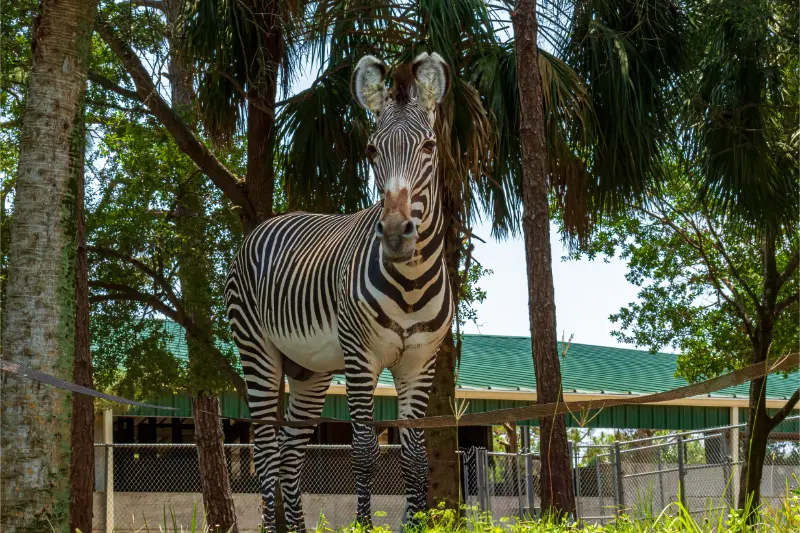
Brevard Zoo is one of the strongest family attractions on Florida’s Space Coast because it is large enough to fill a meaningful part of the day without requiring the logistical commitment of a theme park. The zoo is built around shaded loops, immersive habitats and optional experiences that can turn a straightforward animal visit into a more active outing.
The most useful planning decision is whether you want a relaxed zoo day or a zoo-plus-adventure day. General admission already gives you plenty to see, while experiences such as kayaking, animal feedings and other add-ons can increase both the time and budget. I would not book every extra simply because it is available; choose one that fits the age and interests of your group.
For families driving between the Treasure Coast and the northern Space Coast, Brevard Zoo also works well as a transition day. It gives children movement, adults shade and seating, and everyone a break from long beach exposure or museum-heavy itineraries.
Quick planning summary
- Best for: families, animal lovers, multigenerational groups, photographers and travelers who want a substantial half-day attraction away from the beach
- How much time: 3–5 hours; allow longer if you add paid animal encounters, kayaking or a slow lunch
- Current cost: Online general admission is currently listed at $34.95 for ages 12+, $28.95 for seniors 65+, $22.95 for ages 3–11 and free for children under 3; gate prices are slightly higher
- Current hours/status: Open daily 9:30 a.m.–5 p.m., with last admission at 4:15 p.m.; closed Thanksgiving and Christmas Day. Some areas can close temporarily for renovation or special events
- Location: 8225 North Wickham Road, Melbourne, FL 32940; parking is currently free
Why this stop is worth including
Brevard Zoo Melbourne works best when it solves a specific need in your Florida itinerary rather than becoming another item on a long checklist. It can add variety after beach days, break up a driving segment, give different generations something they can enjoy at the same pace, or provide a weather-resistant alternative when conditions change.
The practical question is not simply whether the place is ‘worth it.’ Ask what your group needs that day: wildlife, history, active movement, a meal, shade, photography, a child-friendly reset or a quieter experience. When the answer matches the destination, even a two-hour visit can feel more valuable than a rushed full day at a more famous attraction.
What to see and do
Start with the main animal loops
The zoo is organized into distinct regions rather than one long corridor. A first-time visitor should resist zigzagging between distant activities. Pick a loop, move through it completely, and use the central areas as natural places for restrooms, water and food before starting the next section.
Give this part of the visit enough time to be meaningful, then move on when attention drops. Florida itineraries are usually better when you preserve energy for the next stop instead of forcing every member of the group to complete every optional feature.
Africa and giraffe viewing
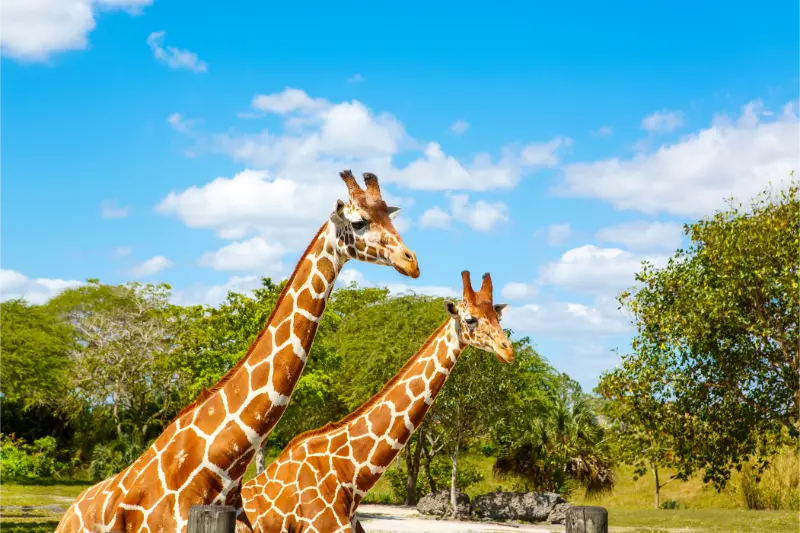
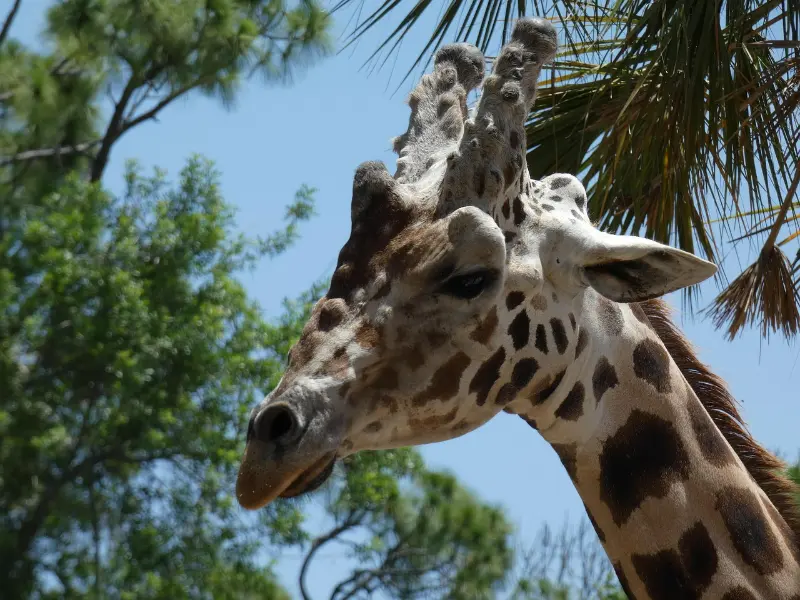
The giraffe area is one of the zoo’s most memorable spaces and is especially useful for children who need an obvious highlight early in the visit. Feeding or close-up experiences may cost extra and can have limited operating windows, so decide in advance whether that is a priority.
Give this part of the visit enough time to be meaningful, then move on when attention drops. Florida itineraries are usually better when you preserve energy for the next stop instead of forcing every member of the group to complete every optional feature.
Kayaking inside the zoo
Brevard Zoo is unusual because kayaking can be part of the visit. This is not the right add-on for every group, but it can be excellent for older children, teenagers and adults who want an active break from walking. Check age, weather and availability rules before building your schedule around it.
Give this part of the visit enough time to be meaningful, then move on when attention drops. Florida itineraries are usually better when you preserve energy for the next stop instead of forcing every member of the group to complete every optional feature.
Paws On and children’s areas
Families with younger children should reserve time for the hands-on zones rather than treating them as an afterthought. Current renovations can affect access to parts of Paws On, so check the zoo’s daily notices before promising a particular feature to a child.
Give this part of the visit enough time to be meaningful, then move on when attention drops. Florida itineraries are usually better when you preserve energy for the next stop instead of forcing every member of the group to complete every optional feature.
Keeper talks and animal programs
Daily programs can add context that static viewing cannot. When you arrive, compare the current schedule with your route and choose one or two talks that fit naturally instead of crossing the entire zoo repeatedly to chase every presentation.
Give this part of the visit enough time to be meaningful, then move on when attention drops. Florida itineraries are usually better when you preserve energy for the next stop instead of forcing every member of the group to complete every optional feature.
Shade, pace and heat management
Much of the zoo benefits from mature vegetation, but Central Florida heat and humidity still change the experience. Morning is the easiest time for animal activity and family energy. In hot months, I would plan the most walking-heavy sections before lunch and keep the afternoon flexible.
Give this part of the visit enough time to be meaningful, then move on when attention drops. Florida itineraries are usually better when you preserve energy for the next stop instead of forcing every member of the group to complete every optional feature.
Food and rest breaks
The zoo is large enough that a food break should be part of the plan, not an emergency decision after everyone gets tired. Families with young children will have a better day if they stop before hunger becomes the reason the visit ends.
Give this part of the visit enough time to be meaningful, then move on when attention drops. Florida itineraries are usually better when you preserve energy for the next stop instead of forcing every member of the group to complete every optional feature.
Photography without slowing the whole group
Long lenses are useful, but good zoo photography is often about patience and position rather than equipment. If one person wants to photograph seriously, agree on meeting points so the rest of the group is not forced to wait at every habitat.
Give this part of the visit enough time to be meaningful, then move on when attention drops. Florida itineraries are usually better when you preserve energy for the next stop instead of forcing every member of the group to complete every optional feature.
How much time do you really need?
3–5 hours; allow longer if you add paid animal encounters, kayaking or a slow lunch is a realistic starting point, but the correct duration depends on how deeply your group engages. Travelers who read every exhibit label, photograph wildlife, shop slowly or take breaks will naturally need more time than visitors who prefer highlights.
Build a decision point about halfway through. If everyone is still interested, continue into the secondary features. If children are tired, weather is changing or a meal is overdue, you can leave without feeling that the visit failed. That flexibility is especially useful on multi-stop road trips along Florida’s east coast.
Best time of day and best season
Weekday mornings are generally the easiest combination of cooler temperatures, active animals and manageable crowds. Winter and spring are especially comfortable. In summer, arrive close to opening and treat thunderstorms as part of the planning rather than a surprise.
For outdoor-focused visits, check the hourly forecast rather than only the daily icon. Wind, heat index, thunderstorms and recent rain can matter more than the headline temperature. In cooler months, a sunny midday visit may be comfortable; in summer, the same timing can be the least pleasant part of the day.
Getting there and parking
Parking is currently free. The practical advantage is not only saving money: it also makes it easier to leave when younger children are done instead of feeling pressure to stay because you paid a large parking fee. Note your parking area before entering because the lot can feel larger after several hours on foot.
If you are combining several Space Coast stops, group them geographically. Brevard County stretches a long distance north to south, and repeated crossings over causeways or backtracking on U.S. 1 can consume more of the day than a map initially suggests. It is usually better to cluster Melbourne/Palm Bay, Cocoa/Merritt Island and Titusville into separate half-days or days.
Costs and how to judge value
Use the current price or access information in the planning summary as a snapshot, not a promise for a future trip. Admission, parking, tours and event surcharges can change. Check the official page before paying for a non-refundable add-on or building a family budget around an old price.
When comparing value, include the full experience: parking, food, rentals, driving time and how long your group will realistically stay. Free places can be excellent, but a long detour for a 20-minute visit is not automatically better value than a paid attraction that holds everyone’s interest for half a day.
Food, water and restroom strategy
Do not leave food planning until the moment everyone is hungry. For districts and museums, identify a nearby meal option before arrival. For preserves and beaches, carry enough water and appropriate snacks because services can be limited or absent. Families should also use restrooms before longer trails, drives or beach segments even when no one thinks they need to.
Hydration matters in every season. Florida sun, wind and humidity can dehydrate visitors surprisingly quickly, and older travelers may feel the effects before they recognize thirst. Refillable bottles are useful when stations are available, but do not assume every natural area has potable water.
What to bring
A practical kit usually includes water, sun protection, comfortable footwear, a small rain layer in storm season and a charged phone. Outdoor nature stops also justify insect repellent and binoculars. Museums and downtown districts rarely require heavy gear, so leave beach chairs, coolers and unnecessary bags secured out of sight in the vehicle when appropriate.
Visiting with children
Excellent for children because the day can alternate between animals, movement and hands-on elements. The key is not trying to see every habitat. Let younger children spend longer at two or three favorite areas and shorten the final loop if attention drops.
A useful family strategy is to give children one simple mission: find three birds, choose a favorite aircraft, photograph a mural, identify one plant or pick the best viewpoint. A concrete task creates involvement without turning the outing into a lesson or requiring them to appreciate every adult detail.
Teenagers
Teenagers usually respond better when they have some control over pace and priorities. Give them a choice between two optional features, let a phone become a camera or navigation tool, and avoid stretching a visit long after the main experience has finished. Space, wildlife and public-art stops can be especially effective when teens are invited to engage rather than simply follow.
Senior travelers and multigenerational groups
A good multigenerational attraction when the group starts early and builds in sitting breaks. Senior travelers who dislike long continuous walks can treat each habitat loop as a separate mini-visit and skip an optional section without losing the core experience.
For multigenerational groups, protect the slowest traveler from having to rush. A bench, café or shaded viewpoint can be a planned meeting point while more active relatives complete an extra loop. The visit does not have to be identical for everyone to feel shared.
Accessibility and comfort
The zoo publishes accessibility information and is designed for a broad range of visitors. Wheelchairs and strollers fit most primary routes, but heat, distance and temporary construction can matter as much as the physical surface. If a specific accessible feature or rental is essential, confirm it directly before travel.
Accessibility can change with construction, storms, maintenance and special events. If a ramp, beach wheelchair, accessible restroom, paved route or close parking space is essential, confirm it directly before travel rather than relying on an old review or an undated photo.
Weather and backup planning
Florida weather rewards flexible itineraries. For a mostly outdoor destination, identify an indoor café, museum or shopping district that could replace part of the visit if thunderstorms arrive. For an indoor attraction, keep a nearby riverfront or short nature stop available if the weather becomes unexpectedly pleasant.
During hurricane season, conditions can remain disrupted after the storm itself has passed. Roads, boardwalks, beaches and visitor centers may reopen on different schedules, so always use current official alerts when traveling after severe weather.
Photography tips
The strongest travel photographs usually come from timing and patience rather than carrying more equipment. Early or late light is softer outdoors, while indoor museums benefit from a steady hand and attention to reflections. Never leave designated paths, block a narrow walkway or approach wildlife simply to improve an angle.
How it compares with nearby alternatives
Choose Brevard Zoo over another beach morning when your group wants guaranteed structure, shade and family-friendly facilities. Choose a free nature sanctuary instead when wildlife in natural habitat is the priority and your group is comfortable with less predictable sightings.
Nearby attractions are most useful when they contrast with one another. Two similar museums or two long outdoor walks back-to-back can create fatigue. Pairing nature with history, a beach with a downtown, or a structured paid attraction with a free flexible stop usually produces a better day.
How to combine it with other Wonderful Florida guides
For a broader east-coast itinerary, compare this stop with McKee Botanical Garden, Environmental Learning Center, Round Island Riverside Park. These links point to places scheduled earlier in Wonderful Florida, so they can be used to build a route without relying on unpublished future articles.
A realistic half-day plan
Step 1: protect the main experience
Start with the feature that depends most on good light, cool temperatures, low crowds or high energy. Do not spend the first hour on shopping, a long breakfast or a minor detour if the main reason you came could become crowded or uncomfortable later.
Step 2: schedule a real break
After the primary experience, stop for water, food, shade or seating before deciding what comes next. This is where families and multigenerational groups often discover that different people need different things. A short reset protects the rest of the day.
Step 3: keep the final stop flexible
Make the last activity optional. Florida traffic, weather and energy levels are variable enough that a flexible final hour is more realistic than a three-attraction chain with no room for delays.
Where to stay on the Space Coast
For southern Brevard attractions, Melbourne is the most practical base. Cocoa and Cocoa Beach work well for central county access, while Titusville is better for the northern wildlife refuges, museums and launch-oriented sightseeing. The best hotel is often the one that shortens the next morning’s drive rather than the one with the lowest nightly rate.
If you are staying several nights, avoid changing hotels every day. The Space Coast is long but manageable by car, and one carefully chosen base can cover multiple nearby clusters without the packing time and check-in friction of constant moves.
Who may want to skip or shorten the visit
Shorten the visit when the main experience does not match your group’s interests, when weather undermines the reason you came, or when it duplicates something you already did elsewhere. A complete Florida trip does not require seeing every attraction; it requires enough contrast that the days stay enjoyable.
Common mistakes to avoid
- Arriving without checking the official status page when one specific exhibit, trail, launch-related road or program is essential.
- Trying to combine too many Space Coast stops and spending the best morning hours repeatedly parking, driving and crossing causeways.
- Underestimating heat, glare, wind, insects or sun exposure because a route looks short on a map.
- Assuming wildlife sightings, special events or launch views are guaranteed simply because they are associated with the destination.
- Leaving the primary experience until the end and using the group’s best energy on secondary shopping, photos or optional extras.
Practical questions before you go
Is this a good first-time Space Coast stop?
Yes when the main experience matches your interests. Use the planning summary to decide whether it fills a gap in your itinerary rather than visiting only because it appears on a generic top-ten list.
Do I need to arrive early?
Early arrival is the safest choice for wildlife areas, beaches, limited parking and hot-weather visits. Downtown districts and small museums can be more forgiving, although special events change that quickly.
Can I combine it with the beach?
Usually yes, but put the experience that depends on opening hours first. Beach time is easier to shorten or move, while a museum, tour or nature center may close before late afternoon.
Is it suitable for all ages?
Most groups can adapt the visit, but ideal duration changes by age. Young children need movement, teenagers benefit from choice, and senior travelers often appreciate shorter walking loops and earlier starts.
How far ahead should I recheck conditions?
Check once when building the itinerary and again 24–48 hours before arrival. For launches, storms, turtle programs, road closures or special events, check again on the same day.
Official resource to check before you go
For current visitor information, use the official visitor page. Recheck prices, hours, closures, construction, event schedules and reservation rules shortly before travel because this article is scheduled well in advance.
Final thoughts
The best way to use this stop is to focus on what makes it distinctive, then leave enough flexibility for the rest of the day. Florida trips become tiring when every hour is treated as a reservation slot. A strong itinerary protects the main experience, gives everyone time to recover, and lets weather or interest decide whether an extra stop is still worth adding.