
Category: Melbourne Florida

  • Brevard Zoo Guide: Tickets, Animal Loops, Kayaking, Families and Current Renovation Tips

    Brevard Zoo Guide: Tickets, Animal Loops, Kayaking, Families and Current Renovation Tips

    Brevard Zoo is one of the Space Coast’s strongest family attractions because it is large enough to fill most of a day but compact enough that visitors can still make choices rather than march through endless exhibits. The zoo organizes much of the experience into themed loops, and optional activities such as kayaking or animal encounters can change the visit from a standard zoo day into something more distinctive. The key is not to buy every extra; it is to decide which one or two experiences fit your group.

    Explore this guide

    The practical goal is to leave with a plan that matches the place: know what deserves your time, what can change operationally, how the visit works for different ages and mobility levels, and which nearby stops add contrast rather than turning the day into a checklist.

    Quick planning summary

    • Best for: families, animal lovers, multigenerational groups, travelers needing a full half-day attraction and visitors who want a reliable activity away from the beach.
    • How much time: 4 to 6 hours for the main zoo loops with breaks; a full day if you add paid encounters, kayaking or a slow lunch.
    • Best strategy: protect time for one defining experience first, then add a second only if weather, energy and access still make sense.
    • Before leaving: check the official page linked near the end for same-day closures, hours, tickets, construction or weather-sensitive changes.

    Why this place is worth including

    The zoo works particularly well after several days of beaches, wildlife drives or museums because it gives children predictable facilities while still keeping the day outdoors. Current visitor information lists daily public hours of 9:30 a.m. to 5 p.m., with last admission at 4:15 p.m. The Paws On loop is undergoing renovations, so a good plan assumes that some areas may be temporarily unavailable instead of treating the published map as a fixed promise.

    The best Florida itineraries alternate environments. A refuge feels different after a museum, a garden feels different after an exposed beach, and a short interpretive center can make the next outdoor stop easier to understand. That contrast is more useful than collecting several attractions that tell the same story in slightly different ways.

    Best things to do and how to experience them

    Choose the loops that matter most

    Do not begin by trying to see every animal. Check the daily map and pick two or three priority areas. This keeps the group from spending its best energy crossing the zoo only to discover that children are tired when they reach the exhibit they cared about most.
    Giraffes at a Florida Zoo

    Consider one paid extra, not all of them

    Kayaking and animal encounters can be memorable, but they also add cost, fixed timing and transitions. One special activity often creates a stronger day than stacking several extras and rushing between reservations.

    Use keeper talks as natural pauses

    Scheduled talks or feedings can give the day structure and allow everyone to stop walking. Check the current schedule on arrival because animal programs can change with weather, staffing and welfare needs.

    Treat renovations as a reason to simplify

    The zoo notes ongoing work in the Paws On area. Instead of being frustrated by a closure, build the day around the strongest open loops and leave an hour unassigned. Flexible families usually enjoy the zoo more than those trying to reproduce an old online itinerary exactly.

    Current practical information

    Brevard Zoo currently lists general public hours of 9:30 a.m. to 5 p.m., with last admission at 4:15 p.m.; members receive earlier entry. The zoo is closed on Thanksgiving and Christmas Day. Current posted prices are lower online than at the gate, and parking is free. Some sections can open later than the main gates, and the Paws On loop is undergoing phased renovation work.

    Hours, fees, programs and access can change after storms, construction, wildlife management or special events. Use the official resource immediately before travel, especially when one specific feature is the main reason you are driving there.

    Best time of year and best time of day

    Cooler months are the easiest for long outdoor walking days, but summer visits can work if you arrive at opening, take shade and hydration seriously, and use indoor or covered areas during the hottest period. Afternoon thunderstorms can interrupt outdoor activities, so any timed extra should have a clear weather policy.

    On Florida’s Atlantic coast, the best time of day is often more important than the month. Morning usually means cooler walking, softer light and lower storm risk; late afternoon can be beautiful but requires attention to thunderstorms, closing times and summer heat stored in pavement and sand.

    How to plan the visit without wasting time

    Decide what success looks like before you park. For a wildlife site, success may be one patient observation period rather than a long species list. For a museum, it may be understanding one story well. For a family attraction, it may be one memorable activity and enough breaks that nobody is exhausted by lunch.

    Keep at least 30 minutes of buffer around timed tours, ferries, programs or long drives. Coastal bridges, launch traffic, summer storms, parking congestion and construction can make a short map distance take much longer than expected. A buffer protects the good part of the day from the next reservation.

    Families with children

    The zoo is built for families, but young children still benefit from a reduced plan. Choose an animal they are excited about, one hands-on or movement break and one optional extra. Strollers can save energy even for children who usually prefer to walk.

    A useful family rhythm is one focused activity, a movement or snack break, and then one optional second activity. Younger visitors usually remember one animal, one dramatic story or one unusual landscape better than a long sequence of rushed stops.

    Senior travelers and multigenerational groups

    Frequent seating, paved routes and the ability to skip loops make the zoo manageable for many senior travelers. The practical challenge is cumulative distance rather than one difficult feature. Plan the route so the most important area comes before fatigue.

    Multigenerational travel works best when the same place can be experienced at different intensities. Stronger walkers can add a trail or longer loop while others use benches, exhibits, scenic overlooks or a shorter path. Agree on a meeting point rather than forcing everyone to move at one pace.

    Accessibility and mobility planning

    Most primary visitor routes are designed for broad public access, but construction can temporarily alter paths. Check the zoo’s accessibility information and ask staff about the easiest route to priority exhibits if a wheelchair, mobility device or frequent seating is important.
    Close Up of Giraffe in Florida Zoo

    Accessible on a map does not always mean effortless in practice. Heat, distance from parking, sand, dock transfers, natural surfaces and historic thresholds may matter as much as stairs. If mobility will decide whether the visit works, contact the site and ask about the exact feature you plan to use.

    Parking and transportation

    Parking is currently free, which simplifies arrival. On busy weekends or school-break days, arriving near opening reduces the distance from the car and makes the first hours cooler and calmer.

    Group nearby experiences geographically instead of crossing the same bridges and causeways repeatedly. The Space Coast and Treasure Coast look compact on a statewide map, but beach traffic, lagoon crossings and construction can turn unnecessary backtracking into a large part of the day.

    What to bring

    • Refillable water; outdoor Florida stops can become hot faster than expected.
    • Sun protection, including a hat and sunscreen for exposed trails, beaches and boardwalks.
    • Insect repellent for lagoon, marsh, hammock and mangrove environments.
    • Comfortable shoes suited to the actual surface: pavement, boardwalk, sand or natural trail.
    • Binoculars when wildlife is part of the experience; they improve viewing without disturbing animals.
    • A saved screenshot of tickets, maps or closure notices in case cellular service is weak.

    Weather, storms and seasonal reality

    Summer thunderstorms can form quickly. Leave exposed beaches, piers, boardwalks, open water and tall observation structures when thunder is nearby instead of waiting under a small shelter. Hurricane-season impacts can also affect trails, docks and buildings long after a storm has passed.

    In cooler months, lower humidity makes walking easier but wind can change beach and lagoon comfort dramatically. Carry a light layer when the itinerary combines an indoor attraction with an exposed waterfront or boat ride.

    Wildlife etiquette and environmental responsibility

    Wildlife observation improves when animals control the distance. Do not feed, touch, crowd or lure wildlife for a photograph. Stay out of closed nesting areas, keep drones away where prohibited and follow lighting rules on sea-turtle beaches. These are practical conservation choices, not decorative rules.

    Stay on boardwalks and marked trails through dunes, scrub and marsh edges. A shortcut that looks harmless can damage roots, disturb nesting habitat or create erosion that thousands of later visitors repeat. Leave shells, artifacts, plants and historical material where they belong.

    Budget and value

    Zoo admission is one of the more substantial expenses in this block of the Space Coast, especially for a family. Buying online can reduce the current posted price. Decide before arrival whether you will pay for an encounter or kayaking so impulse extras do not quietly double the cost of the day.

    Do not measure value only by the number of hours. A focused 90-minute museum or nature center can improve the rest of the trip, while a free refuge walk may be more memorable than another expensive attraction. Spend on the experience your group actually cares about and use low-cost outdoor time to balance the budget.

    Where to stay and how to group the area

    Melbourne, Viera and the central Space Coast are the easiest bases. Cocoa Beach is also workable if you are already staying by the ocean, but allow extra travel time rather than treating the zoo as a quick beach-side stop.

    A two- or three-night base is usually more efficient than changing hotels to save a short drive. Use day trips to create contrast: one active coastal day, one wildlife or lagoon day and one cultural or garden day. This also gives you flexibility if weather forces a swap.

    How to combine it with other Wonderful Florida guides

    Useful already-published guides for building a contrasting nearby experience include Marine Science Center Ponce Inlet, American Space Museum Titusville. Use one as a next-day idea or secondary half-day stop rather than forcing every nearby attraction into the same schedule.

    A realistic three-day mini-itinerary

    Day 1

    Arrive at opening, complete your highest-priority animal loop first and schedule any paid extra before the hottest part of the day.

    Day 2

    Use the second day for a barrier-island nature center or beach so children experience wild habitat after the managed zoo setting.

    Day 3

    Spend day three farther north around Cape Canaveral or Merritt Island for space history and lagoon wildlife.

    Who may want to skip or shorten the visit

    Travelers focused exclusively on wild-animal observation may prefer refuges and lagoon tours. The zoo is strongest for predictable access, family facilities and educational encounters, not for reproducing a wild Florida experience.

    Selective travel is usually better travel. If this stop duplicates something you already did several times on the same trip, shorten it and use the saved time for a different landscape, story or activity level.

    Official resource to check before you go

    Small details that improve the experience

    Photograph the parking location before walking away, use restrooms when you first see them and keep a dry layer in the car even on a bright morning. If staff or volunteers are available, ask what has changed recently; they often know about wildlife activity, route changes or quieter times that are not obvious from a map.
    Florida Zoo Tiger Walking among Rocks

    For photography, think about direction of light instead of arriving automatically at noon. Coastal landscapes often look strongest early or late, while gardens and museums reward slower observation. Take fewer photographs but understand what you are photographing; the result is a more useful travel memory and less time spent looking through a screen.

    If several generations are traveling together, agree on a meeting point whenever the group splits. One person may want a longer trail, another may prefer a bench and a child may need a snack. A clear regrouping plan lets everyone use the same place at the right intensity without frustration.

    A practical decision framework for this stop

    First identify the non-negotiable feature, then identify the condition that could prevent it. For a beach that may be weather or parking; for a refuge it may be a road closure; for a museum it may be opening days; for a boat activity it may be wind. Check that single condition before spending time driving across the region.

    Second, keep one nearby fallback that uses a different environment. A museum can rescue a stormy beach day, a shaded garden can replace an exposed trail and a free waterfront walk can replace a sold-out program. A flexible plan is more useful than a minute-by-minute schedule.

    Finally, leave unscheduled time. The memorable part may be a volunteer’s story, a bird you did not expect, late light on the Indian River Lagoon or a child becoming fascinated by something that was never on the original itinerary.

    Practical questions before you go

    Do I need to reserve in advance?

    If the visit includes a timed tour, animal encounter, boat program, rental or seasonal event, advance booking can be important. For simple trail or general-admission visits, arrival strategy and same-day operating conditions may matter more. Use the official link rather than relying on an old third-party listing.

    Is this a good rainy-day choice?

    Light rain is manageable at many Florida nature sites, but lightning is different. Indoor exhibits can be useful during showers, while open water, beaches, boardwalks and tall structures should be avoided when thunder is nearby. Build the itinerary so an indoor stop can trade places with an outdoor one.

    Can I combine it with the beach?

    Usually yes, but avoid assuming that two coastal stops are automatically convenient. Check bridge traffic, parking, closing times and whether changing from wet beach clothes to a museum or garden will be practical. One good beach period plus one contrasting attraction is often enough for a full day.

    What should photographers know?

    Wildlife photographers should prioritize distance and animal behavior over a closer frame. Garden and museum photographers should check tripod and flash rules. In every setting, early or late light can add more to an image than expensive equipment.

    How do I keep the day comfortable in summer?

    Start earlier than you think you need to, carry more water than a short map distance suggests, use shade breaks before anyone feels overheated and keep an air-conditioned fallback. Florida heat becomes much harder to manage once the group is already tired.

    Final thoughts

    Brevard Zoo works best when you arrive with one clear priority and enough flexibility to adapt to the day. Confirm access, protect outdoor time from heat and storms, and let the pace of your group determine how much you add afterward.

    The goal is not to collect attractions. It is to understand each place well enough that it feels different from the stop before it—and useful enough that you would recommend it to the right traveler.
  • Brevard Zoo Melbourne Guide: Tickets, Hours, Kayaking, Families and Visit Tips

    Brevard Zoo Melbourne Guide: Tickets, Hours, Kayaking, Families and Visit Tips

    Brevard Zoo is one of the strongest family attractions on Florida’s Space Coast because it is large enough to fill a meaningful part of the day without requiring the logistical commitment of a theme park. The zoo is built around shaded loops, immersive habitats and optional experiences that can turn a straightforward animal visit into a more active outing.

    Explore this guide

    The most useful planning decision is whether you want a relaxed zoo day or a zoo-plus-adventure day. General admission already gives you plenty to see, while experiences such as kayaking, animal feedings and other add-ons can increase both the time and budget. I would not book every extra simply because it is available; choose one that fits the age and interests of your group.

    For families driving between the Treasure Coast and the northern Space Coast, Brevard Zoo also works well as a transition day. It gives children movement, adults shade and seating, and everyone a break from long beach exposure or museum-heavy itineraries.

    Quick planning summary

    • Best for: families, animal lovers, multigenerational groups, photographers and travelers who want a substantial half-day attraction away from the beach
    • How much time: 3–5 hours; allow longer if you add paid animal encounters, kayaking or a slow lunch
    • Current cost: Online general admission is currently listed at $34.95 for ages 12+, $28.95 for seniors 65+, $22.95 for ages 3–11 and free for children under 3; gate prices are slightly higher
    • Current hours/status: Open daily 9:30 a.m.–5 p.m., with last admission at 4:15 p.m.; closed Thanksgiving and Christmas Day. Some areas can close temporarily for renovation or special events
    • Location: 8225 North Wickham Road, Melbourne, FL 32940; parking is currently free

    Why this stop is worth including

    Brevard Zoo Melbourne works best when it solves a specific need in your Florida itinerary rather than becoming another item on a long checklist. It can add variety after beach days, break up a driving segment, give different generations something they can enjoy at the same pace, or provide a weather-resistant alternative when conditions change.

    The practical question is not simply whether the place is ‘worth it.’ Ask what your group needs that day: wildlife, history, active movement, a meal, shade, photography, a child-friendly reset or a quieter experience. When the answer matches the destination, even a two-hour visit can feel more valuable than a rushed full day at a more famous attraction.

    What to see and do

    Start with the main animal loops

    The zoo is organized into distinct regions rather than one long corridor. A first-time visitor should resist zigzagging between distant activities. Pick a loop, move through it completely, and use the central areas as natural places for restrooms, water and food before starting the next section.

    Give this part of the visit enough time to be meaningful, then move on when attention drops. Florida itineraries are usually better when you preserve energy for the next stop instead of forcing every member of the group to complete every optional feature.

    Africa and giraffe viewing

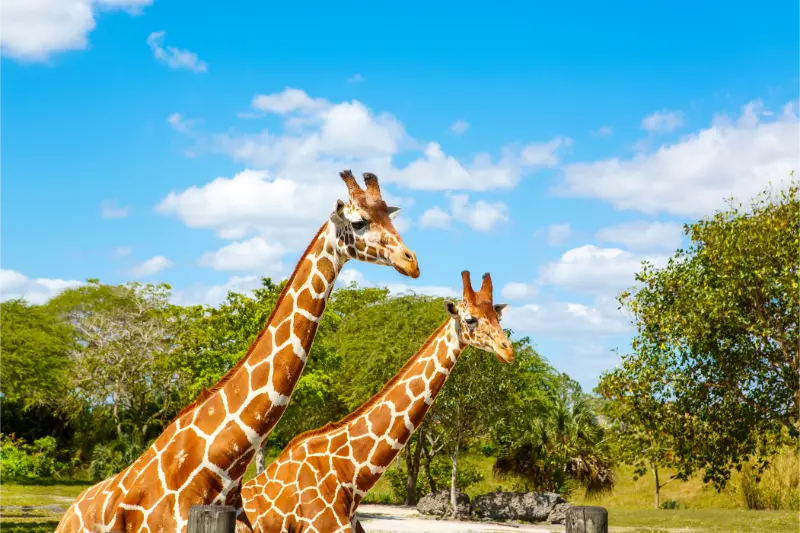
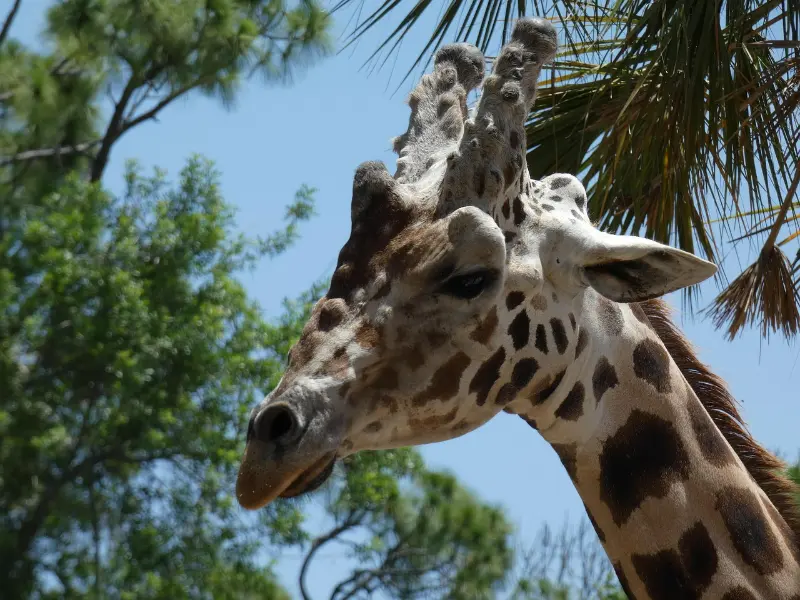
    The giraffe area is one of the zoo’s most memorable spaces and is especially useful for children who need an obvious highlight early in the visit. Feeding or close-up experiences may cost extra and can have limited operating windows, so decide in advance whether that is a priority.

    Give this part of the visit enough time to be meaningful, then move on when attention drops. Florida itineraries are usually better when you preserve energy for the next stop instead of forcing every member of the group to complete every optional feature.

    Kayaking inside the zoo

    Brevard Zoo is unusual because kayaking can be part of the visit. This is not the right add-on for every group, but it can be excellent for older children, teenagers and adults who want an active break from walking. Check age, weather and availability rules before building your schedule around it.

    Giraffes at a Florida Zoo

    Give this part of the visit enough time to be meaningful, then move on when attention drops. Florida itineraries are usually better when you preserve energy for the next stop instead of forcing every member of the group to complete every optional feature.

    Paws On and children’s areas

    Families with younger children should reserve time for the hands-on zones rather than treating them as an afterthought. Current renovations can affect access to parts of Paws On, so check the zoo’s daily notices before promising a particular feature to a child.

    Give this part of the visit enough time to be meaningful, then move on when attention drops. Florida itineraries are usually better when you preserve energy for the next stop instead of forcing every member of the group to complete every optional feature.

    Keeper talks and animal programs

    Daily programs can add context that static viewing cannot. When you arrive, compare the current schedule with your route and choose one or two talks that fit naturally instead of crossing the entire zoo repeatedly to chase every presentation.

    Give this part of the visit enough time to be meaningful, then move on when attention drops. Florida itineraries are usually better when you preserve energy for the next stop instead of forcing every member of the group to complete every optional feature.

    Shade, pace and heat management

    Much of the zoo benefits from mature vegetation, but Central Florida heat and humidity still change the experience. Morning is the easiest time for animal activity and family energy. In hot months, I would plan the most walking-heavy sections before lunch and keep the afternoon flexible.

    Give this part of the visit enough time to be meaningful, then move on when attention drops. Florida itineraries are usually better when you preserve energy for the next stop instead of forcing every member of the group to complete every optional feature.

    Food and rest breaks

    The zoo is large enough that a food break should be part of the plan, not an emergency decision after everyone gets tired. Families with young children will have a better day if they stop before hunger becomes the reason the visit ends.

    Give this part of the visit enough time to be meaningful, then move on when attention drops. Florida itineraries are usually better when you preserve energy for the next stop instead of forcing every member of the group to complete every optional feature.

    Photography without slowing the whole group

    Long lenses are useful, but good zoo photography is often about patience and position rather than equipment. If one person wants to photograph seriously, agree on meeting points so the rest of the group is not forced to wait at every habitat.

    Give this part of the visit enough time to be meaningful, then move on when attention drops. Florida itineraries are usually better when you preserve energy for the next stop instead of forcing every member of the group to complete every optional feature.

    How much time do you really need?

    3–5 hours; allow longer if you add paid animal encounters, kayaking or a slow lunch is a realistic starting point, but the correct duration depends on how deeply your group engages. Travelers who read every exhibit label, photograph wildlife, shop slowly or take breaks will naturally need more time than visitors who prefer highlights.

    Build a decision point about halfway through. If everyone is still interested, continue into the secondary features. If children are tired, weather is changing or a meal is overdue, you can leave without feeling that the visit failed. That flexibility is especially useful on multi-stop road trips along Florida’s east coast.

    Best time of day and best season

    Weekday mornings are generally the easiest combination of cooler temperatures, active animals and manageable crowds. Winter and spring are especially comfortable. In summer, arrive close to opening and treat thunderstorms as part of the planning rather than a surprise.

    Close Up of Giraffe in Florida Zoo

    For outdoor-focused visits, check the hourly forecast rather than only the daily icon. Wind, heat index, thunderstorms and recent rain can matter more than the headline temperature. In cooler months, a sunny midday visit may be comfortable; in summer, the same timing can be the least pleasant part of the day.

    Getting there and parking

    Parking is currently free. The practical advantage is not only saving money: it also makes it easier to leave when younger children are done instead of feeling pressure to stay because you paid a large parking fee. Note your parking area before entering because the lot can feel larger after several hours on foot.

    If you are combining several Space Coast stops, group them geographically. Brevard County stretches a long distance north to south, and repeated crossings over causeways or backtracking on U.S. 1 can consume more of the day than a map initially suggests. It is usually better to cluster Melbourne/Palm Bay, Cocoa/Merritt Island and Titusville into separate half-days or days.

    Costs and how to judge value

    Use the current price or access information in the planning summary as a snapshot, not a promise for a future trip. Admission, parking, tours and event surcharges can change. Check the official page before paying for a non-refundable add-on or building a family budget around an old price.

    When comparing value, include the full experience: parking, food, rentals, driving time and how long your group will realistically stay. Free places can be excellent, but a long detour for a 20-minute visit is not automatically better value than a paid attraction that holds everyone’s interest for half a day.

    Food, water and restroom strategy

    Do not leave food planning until the moment everyone is hungry. For districts and museums, identify a nearby meal option before arrival. For preserves and beaches, carry enough water and appropriate snacks because services can be limited or absent. Families should also use restrooms before longer trails, drives or beach segments even when no one thinks they need to.

    Hydration matters in every season. Florida sun, wind and humidity can dehydrate visitors surprisingly quickly, and older travelers may feel the effects before they recognize thirst. Refillable bottles are useful when stations are available, but do not assume every natural area has potable water.

    What to bring

    A practical kit usually includes water, sun protection, comfortable footwear, a small rain layer in storm season and a charged phone. Outdoor nature stops also justify insect repellent and binoculars. Museums and downtown districts rarely require heavy gear, so leave beach chairs, coolers and unnecessary bags secured out of sight in the vehicle when appropriate.

    Visiting with children

    Excellent for children because the day can alternate between animals, movement and hands-on elements. The key is not trying to see every habitat. Let younger children spend longer at two or three favorite areas and shorten the final loop if attention drops.

    A useful family strategy is to give children one simple mission: find three birds, choose a favorite aircraft, photograph a mural, identify one plant or pick the best viewpoint. A concrete task creates involvement without turning the outing into a lesson or requiring them to appreciate every adult detail.

    Teenagers

    Teenagers usually respond better when they have some control over pace and priorities. Give them a choice between two optional features, let a phone become a camera or navigation tool, and avoid stretching a visit long after the main experience has finished. Space, wildlife and public-art stops can be especially effective when teens are invited to engage rather than simply follow.

    Senior travelers and multigenerational groups

    A good multigenerational attraction when the group starts early and builds in sitting breaks. Senior travelers who dislike long continuous walks can treat each habitat loop as a separate mini-visit and skip an optional section without losing the core experience.

    For multigenerational groups, protect the slowest traveler from having to rush. A bench, café or shaded viewpoint can be a planned meeting point while more active relatives complete an extra loop. The visit does not have to be identical for everyone to feel shared.

    Accessibility and comfort

    The zoo publishes accessibility information and is designed for a broad range of visitors. Wheelchairs and strollers fit most primary routes, but heat, distance and temporary construction can matter as much as the physical surface. If a specific accessible feature or rental is essential, confirm it directly before travel.

    Accessibility can change with construction, storms, maintenance and special events. If a ramp, beach wheelchair, accessible restroom, paved route or close parking space is essential, confirm it directly before travel rather than relying on an old review or an undated photo.

    Weather and backup planning

    Florida weather rewards flexible itineraries. For a mostly outdoor destination, identify an indoor café, museum or shopping district that could replace part of the visit if thunderstorms arrive. For an indoor attraction, keep a nearby riverfront or short nature stop available if the weather becomes unexpectedly pleasant.

    During hurricane season, conditions can remain disrupted after the storm itself has passed. Roads, boardwalks, beaches and visitor centers may reopen on different schedules, so always use current official alerts when traveling after severe weather.

    Photography tips

    The strongest travel photographs usually come from timing and patience rather than carrying more equipment. Early or late light is softer outdoors, while indoor museums benefit from a steady hand and attention to reflections. Never leave designated paths, block a narrow walkway or approach wildlife simply to improve an angle.

    How it compares with nearby alternatives

    Choose Brevard Zoo over another beach morning when your group wants guaranteed structure, shade and family-friendly facilities. Choose a free nature sanctuary instead when wildlife in natural habitat is the priority and your group is comfortable with less predictable sightings.

    Zoo Rhinoceros in Shaded Habitat

    Nearby attractions are most useful when they contrast with one another. Two similar museums or two long outdoor walks back-to-back can create fatigue. Pairing nature with history, a beach with a downtown, or a structured paid attraction with a free flexible stop usually produces a better day.

    How to combine it with other Wonderful Florida guides

    For a broader east-coast itinerary, compare this stop with McKee Botanical Garden, Environmental Learning Center, Round Island Riverside Park. These links point to places scheduled earlier in Wonderful Florida, so they can be used to build a route without relying on unpublished future articles.

    A realistic half-day plan

    Step 1: protect the main experience

    Start with the feature that depends most on good light, cool temperatures, low crowds or high energy. Do not spend the first hour on shopping, a long breakfast or a minor detour if the main reason you came could become crowded or uncomfortable later.

    Step 2: schedule a real break

    After the primary experience, stop for water, food, shade or seating before deciding what comes next. This is where families and multigenerational groups often discover that different people need different things. A short reset protects the rest of the day.

    Step 3: keep the final stop flexible

    Make the last activity optional. Florida traffic, weather and energy levels are variable enough that a flexible final hour is more realistic than a three-attraction chain with no room for delays.

    Where to stay on the Space Coast

    For southern Brevard attractions, Melbourne is the most practical base. Cocoa and Cocoa Beach work well for central county access, while Titusville is better for the northern wildlife refuges, museums and launch-oriented sightseeing. The best hotel is often the one that shortens the next morning’s drive rather than the one with the lowest nightly rate.

    If you are staying several nights, avoid changing hotels every day. The Space Coast is long but manageable by car, and one carefully chosen base can cover multiple nearby clusters without the packing time and check-in friction of constant moves.

    Who may want to skip or shorten the visit

    Shorten the visit when the main experience does not match your group’s interests, when weather undermines the reason you came, or when it duplicates something you already did elsewhere. A complete Florida trip does not require seeing every attraction; it requires enough contrast that the days stay enjoyable.

    Common mistakes to avoid

    • Arriving without checking the official status page when one specific exhibit, trail, launch-related road or program is essential.
    • Trying to combine too many Space Coast stops and spending the best morning hours repeatedly parking, driving and crossing causeways.
    • Underestimating heat, glare, wind, insects or sun exposure because a route looks short on a map.
    • Assuming wildlife sightings, special events or launch views are guaranteed simply because they are associated with the destination.
    • Leaving the primary experience until the end and using the group’s best energy on secondary shopping, photos or optional extras.

    Practical questions before you go

    Is this a good first-time Space Coast stop?

    Yes when the main experience matches your interests. Use the planning summary to decide whether it fills a gap in your itinerary rather than visiting only because it appears on a generic top-ten list.

    Do I need to arrive early?

    Early arrival is the safest choice for wildlife areas, beaches, limited parking and hot-weather visits. Downtown districts and small museums can be more forgiving, although special events change that quickly.

    Can I combine it with the beach?

    Usually yes, but put the experience that depends on opening hours first. Beach time is easier to shorten or move, while a museum, tour or nature center may close before late afternoon.

    Is it suitable for all ages?

    Most groups can adapt the visit, but ideal duration changes by age. Young children need movement, teenagers benefit from choice, and senior travelers often appreciate shorter walking loops and earlier starts.

    How far ahead should I recheck conditions?

    Check once when building the itinerary and again 24–48 hours before arrival. For launches, storms, turtle programs, road closures or special events, check again on the same day.

    Official resource to check before you go

    For current visitor information, use the official visitor page. Recheck prices, hours, closures, construction, event schedules and reservation rules shortly before travel because this article is scheduled well in advance.

    Final thoughts

    The best way to use this stop is to focus on what makes it distinctive, then leave enough flexibility for the rest of the day. Florida trips become tiring when every hour is treated as a reservation slot. A strong itinerary protects the main experience, gives everyone time to recover, and lets weather or interest decide whether an extra stop is still worth adding.

  • Melbourne Florida Travel Guide: Beaches, Downtown, Brevard Zoo, Arts and Where to Stay

    Melbourne Florida Travel Guide: Beaches, Downtown, Brevard Zoo, Arts and Where to Stay

    Melbourne Florida is a Space Coast base where historic districts, Atlantic beaches, a strong zoo, lagoon nature and occasional rocket launches can all fit into the same vacation. The easiest way to enjoy it is to decide what role it should play in the wider Florida trip. It can be a self-contained two- or three-night stop, a quieter base near a larger destination, or a practical part of a longer road trip. What usually goes wrong is trying to make one hotel location serve beaches, museums, nature, nightlife and distant day trips equally well.

    I would plan Melbourne Florida around two priorities: where you want to spend the early morning and where you want to be after dinner. Those two choices determine whether you should stay by the beach, near the main downtown district or in a more spacious property farther out. The destination is particularly good for families, beach travelers, space fans who want a quieter base than Cocoa Beach, arts-focused visitors and road trippers exploring Brevard County.

    Quick planning summary

    • Historic Downtown Melbourne — Downtown combines locally owned restaurants, shops, murals and nightlife in a walkable pocket.
    • Eau Gallie Arts District — Eau Gallie brings galleries, murals, events and a distinct historic neighborhood feel.
    • Brevard Zoo — Brevard Zoo is one of the region’s strongest family attractions and works even if a rocket schedule changes.
    • Melbourne Beach and the barrier island — Crossing to the beachside communities gives access to long Atlantic shoreline and a slower residential mood.
    • Best stay strategy: choose the district that matches your first and last activity of the day, not the cheapest room on a map.
    • Best pacing: one major activity plus one flexible neighborhood, beach or park stop per day.
    • For families and seniors: protect a midday rest during hot weather and verify parking, shade and accessible routes before arrival.

    In this guide

    Why visit Melbourne Florida?

    Melbourne Florida works because it offers a clear identity without forcing every traveler into the same itinerary. A beach-first visitor can spend long mornings outdoors, while someone interested in culture can build the day around museums, local districts and dining. Families can alternate active mornings with easier afternoons, and couples can keep evenings walkable instead of driving from one isolated attraction to another.

    The destination also fits a broader Florida strategy. Rather than changing hotels every night, use it as a base and make selective day trips. This is usually more enjoyable than collecting cities. The reward comes from learning the rhythm of one place: which mornings are quiet, where parking becomes difficult, when the waterfront is comfortable and how much downtime your group actually needs.

    Where to stay in Melbourne Florida

    Downtown Melbourne is useful for restaurants and evening atmosphere, while beachside communities such as Indialantic and Melbourne Beach put the ocean first. Staying near the airport is practical for short trips but less atmospheric. Choose the side of the Indian River that matches what you plan to do most often.

    Before booking, compare the full stay cost rather than the nightly rate. Parking, resort or destination fees, breakfast, beach equipment, kitchen access and the need for rideshare can change the value dramatically. A slightly more expensive hotel in the right district can be cheaper than a low room rate that requires two paid car trips every day.

    Families should also check room layout, not just occupancy. A sofa bed that technically sleeps two children may be fine for one night but uncomfortable for a week. For senior travelers, elevator reliability, walk-in showers, short routes to the lobby and shade around the property can matter more than a rooftop pool.

    Best things to do in Melbourne Florida

    Historic Downtown Melbourne

    Downtown combines locally owned restaurants, shops, murals and nightlife in a walkable pocket. It is a good first evening because it requires little planning and gives the trip an identity beyond the beach.

    Eau Gallie Arts District

    Eau Gallie brings galleries, murals, events and a distinct historic neighborhood feel. It is especially useful for travelers who want culture between outdoor days and for families looking for a shorter activity window.

    Brevard Zoo

    Brevard Zoo is one of the region’s strongest family attractions and works even if a rocket schedule changes. Some add-on experiences may require separate reservations, so decide whether the zoo itself or a specific activity is the priority before booking.

    Zoo Rhinoceros in Shaded Habitat

    Melbourne Beach and the barrier island

    Crossing to the beachside communities gives access to long Atlantic shoreline and a slower residential mood. Sea-turtle nesting is important along this coast, so nighttime lighting, distance and local wildlife rules matter during nesting season.

    Indian River Lagoon and rocket-launch culture

    The lagoon supports paddling and wildlife experiences, while launches from farther north can sometimes be visible across the Space Coast. Never build a vacation around one launch being guaranteed; schedules and weather can change. Treat a launch as a bonus unless you have several flexible days.

    Beaches, parks and outdoor time

    Melbourne makes it easy to alternate Atlantic beach time with lagoon paddling and nature. Sebastian Inlet State Park is a strong southbound day trip for surf and coastal scenery. Heat, thunderstorms and seasonal wildlife conditions should shape the day’s timing.

    Florida outdoor days are easiest when you schedule by temperature rather than by a rigid list. Put the longest walk, beach session, bike ride or wildlife activity early. Use lunch, a museum or the hotel for the hottest part of the day, then return outside later. In summer, thunderstorms can be brief but intense; in winter, a windy cold front can make an exposed beach far less comfortable than the air temperature suggests.

    Whenever swimming is part of the plan, check local flags, lifeguard coverage and current conditions. Never assume a calm-looking ocean or Gulf is risk-free, and do not build a family beach day around a tiny access point if you know you need toilets, shade and an accessible path.

    Getting there and around

    Melbourne Orlando International Airport can be convenient for the region, while Orlando’s larger airports expand flight options. A car is useful because downtown, the zoo, barrier-island beaches and Kennedy Space Center are spread out. Keep bridge crossings in mind when choosing a hotel.

    For a rental car, include parking and tolls in the budget before pickup. For a car-free or partly car-free stay, check whether the hotel is truly within comfortable walking distance of restaurants and the activities you care about. Florida heat turns a pleasant-looking one-mile map walk into a very different experience at midday.

    Airport choice should be based on total transfer time and flight convenience, not only distance. A nonstop flight to a slightly farther airport can be easier than a connection that saves twenty minutes on the ground. If your trip combines several Florida regions, consider collecting or returning the rental car only for the road-trip segment.

    Florida Zoo Tiger behind Enclosure

    Best time to visit

    For most travelers, the cooler and drier part of the year offers the easiest outdoor conditions, but it also brings stronger seasonal demand in many Florida destinations. Spring can balance warm weather with fewer winter visitors, while summer offers long daylight and family travel availability at the cost of heat, humidity and frequent thunderstorms. Fall can be quieter, but tropical weather planning matters.

    Do not choose a month only from average temperature. Think about the activities that define your trip. Beach swimming, wildlife viewing, outdoor festivals, theme parks and restaurant-focused weekends all have different ideal conditions. Check event calendars and local school-holiday patterns before paying a non-refundable rate.

    Families, teens, seniors and accessibility

    Family tipFor families with babies or toddlers, reduce the number of transitions. One beach, one lunch area and one easy afternoon stop is enough for a good day. Teenagers usually enjoy having one activity with independence or adrenaline—surfing, cycling, shopping, paddling or an evening district—rather than being moved through adult sightseeing all day.

    Senior travelers often benefit from the same strategy: shorter walks, earlier starts, reliable seating and a hotel near dinner. If mobility is limited, verify accessible parking, ramps, beach mats, wheelchairs or boarding assistance directly with the responsible attraction or local authority. “Accessible” can mean very different things depending on whether the challenge is a museum floor, soft sand or a small boat.

    Multigenerational groups do not need to remain together every hour. Plan one shared anchor each day, then allow a split. Grandparents can return to the hotel while teenagers stay at the beach; one adult can take children to a playground while another visits a museum. Regrouping for dinner is often more successful than forcing everyone to follow the most demanding itinerary.

    A practical 3-day Melbourne Florida itinerary

    Day 1: understand the center

    Check in, explore the primary downtown or visitor district and keep the first evening easy. Choose a walkable dinner and one short attraction or waterfront stop. Arrival days are the wrong time to schedule a prepaid activity that becomes stressful if the flight, rental car or traffic is late.

    Day 2: the signature experience

    Use the morning for the destination’s main outdoor or cultural priority, then take a real break at lunch. In the afternoon, choose one secondary attraction from the list above rather than trying to complete all of them. Finish in the district you most want to experience after dark.

    Day 3: nature or a selective day trip

    Use the final full day for nature, a neighboring community or a second beach. If the weather is poor, swap in a museum, shopping district or indoor family attraction. Keep the last evening simple so packing and departure do not turn a good trip into a rushed finish.

    Food and evening planning

    Downtown Melbourne and Eau Gallie have the best visitor-friendly dining concentrations, with beachside restaurants adding a coastal option. Keep lunch flexible on zoo or beach days and reserve the dinner that matters most on weekends.

    Florida Zoo Tiger Walking among Rocks

    Florida dining times can become competitive in winter and on event weekends. Reserve only the meals that really matter; too many fixed reservations can make a beach or wildlife day feel rushed. For breakfast, a hotel room with a refrigerator or small kitchen can save both money and time, especially for families.

    Budget and booking strategy

    The biggest costs are usually lodging, transport and the activities that require a ticket or boat. Build the budget in that order. Free beaches and parks do not always mean a free day once parking, rentals and food are included. Conversely, a paid attraction with included parking and several hours of entertainment can be good value for a family.

    I would compare at least three lodging scenarios: the convenient central hotel, a beach or resort property, and a larger room or rental farther out. Add parking and local transport to each. For a short stay, location often wins. For a week with children, kitchen and laundry access can justify a little more driving.

    Keep cancellation terms visible in your planning notes. Florida weather can change, and boat tours, outdoor attractions and beach days are more enjoyable when one weather delay does not threaten the value of the whole trip.

    Day trips and how to combine the region

    Cocoa Beach and Kennedy Space Center are natural northbound additions, while Sebastian Inlet and Vero Beach work southbound. For a short trip, choose one direction per day instead of zigzagging across Brevard County.

    A useful rule is to avoid more than one substantial drive on consecutive days. If you take a long day trip, make the following morning local. Florida roads can be easy when traffic is light and exhausting when weather, crashes or weekend beach traffic intervene. A slower plan usually produces more usable vacation time.

    Common mistakes to avoid

    • Booking the cheapest hotel without checking the real driving pattern of the trip.
    • Scheduling beach, museum, wildlife and nightlife priorities into the same day.
    • Ignoring parking costs or assuming every beach access has the same facilities.
    • Planning long outdoor activities at midday in the hottest months.
    • Using drive-time estimates that do not include event, bridge, theme-park or beach traffic.
    • Forgetting that a good multigenerational itinerary needs rest, shade and easy meal options.
    • Treating a weather-sensitive activity as guaranteed instead of keeping a flexible backup.

    Official resources

    Hours, parking systems, admission prices, beach rules, event schedules and construction can change. When a particular attraction or service is essential to your trip, confirm it on the official source shortly before travel.

    Frequently asked questions

    How many days do you need in Melbourne Florida?

    Two full days is enough for a focused first visit, while three nights gives you room for a beach or nature day, the main cultural district and one nearby excursion without rushing. Longer stays make sense if the accommodation itself—such as a beach resort or vacation home—is part of the vacation.

    Do you need a car in Melbourne Florida?

    That depends on the neighborhood. A central stay can reduce driving for meals and evening walks, but a car is usually helpful once you add beaches, nature preserves, family attractions or day trips. Check the actual address before deciding.

    Is Melbourne Florida good for families?

    Yes, especially when you build the day around short activity blocks and a midday rest. The strongest family trips mix one destination-specific attraction with beach, park or pool time rather than trying to entertain children continuously.

    Is Melbourne Florida suitable for senior travelers?

    Usually yes. Choose lodging close to dinner, check walking surfaces and parking, and use the cooler morning for outdoor sightseeing. Call ahead when wheelchair, scooter or accessible beach equipment is essential.

    What is the biggest planning mistake?

    Trying to use Melbourne Florida as both a relaxed vacation base and a launch point for a long drive every day. Pick a few regional excursions and protect enough local time to enjoy the destination you actually booked.

    Final advice

    Melbourne Florida is most rewarding when you let its strongest experiences set the pace. Choose the right neighborhood, protect the morning for what matters most, leave room for Florida weather and build the trip around the people traveling with you. A thoughtful two- or three-day stay will usually feel richer than a longer checklist with too much driving.