Category: Brevard County Florida

  • Manatee Sanctuary Park Cape Canaveral Guide: Boardwalk, Playground, Wildlife and Free Visit Tips

    Manatee Sanctuary Park Cape Canaveral Guide: Boardwalk, Playground, Wildlife and Free Visit Tips

    Manatee Sanctuary Park is a calm Banana River park that makes an easy counterpoint to the busier beach and cruise-port attractions around Cape Canaveral. The main ingredients are simple: a waterfront boardwalk, open green space, a shaded playground, a paved walking/fitness trail and places to sit.

    Explore this guide

    Despite the name, manatee sightings are never guaranteed. The park should be chosen because the riverfront setting is pleasant and useful for families, not because you expect a scheduled wildlife encounter. When manatees, dolphins or birds appear, treat them as a bonus.

    The park is especially effective as a low-pressure hour between larger attractions. It can also work before dinner near Port Canaveral or as a place for children to move after time in the car.

    Quick planning summary

    • Best for: families, walkers, picnickers, senior travelers and anyone wanting a relaxed Banana River stop near Port Canaveral
    • How much time: 1–2 hours for the boardwalk and walking trail; longer if you picnic or use the playground
    • Current cost: Free park access; verify any special-event or facility-rental charges separately
    • Current hours/status: Current city recreation information lists daily park availability from 7:00 a.m. to 10:00 p.m.; confirm before travel because facility hours can change
    • Location: 701 Thurm Blvd., Cape Canaveral, FL 32920

    Why this stop is worth including

    Manatee Sanctuary Park Cape Canaveral works best when it adds a different rhythm to the rest of your Space Coast itinerary. Brevard County trips can become repetitive if every day is only beach, rockets or long drives. This stop gives you a specific reason to slow down, notice the local landscape or history, and spend time somewhere that many first-time visitors miss.
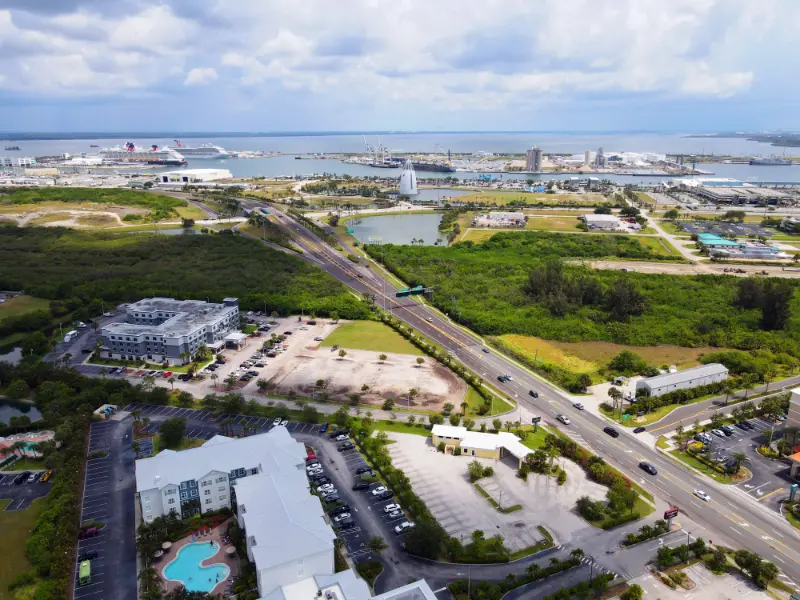
    Cape Canaveral Florida Roadways and Coastal Buildings Aerial

    The practical question is not whether every traveler should visit. It is whether the experience solves a need in your own itinerary: wildlife, local history, a low-cost family break, easy walking, photography, shade, a waterfront view or a cultural stop between larger attractions. Matching the place to the day usually creates a better trip than collecting famous names.

    I would also keep the visit flexible. Florida weather, wildlife activity, launch operations and seasonal events can change how long a stop deserves. Protect the main experience first, then decide on site whether an optional trail, exhibit or second activity is still worth your energy.

    What to see and do

    Walk the Banana River boardwalk

    Covered gazebos and benches along the river make the boardwalk the park’s most relaxing feature. Pause rather than walking continuously; wildlife is easier to notice when you watch the water for several minutes.

    Give this part of the visit enough time to be meaningful, but do not force every optional feature. A strong Florida itinerary leaves some energy for the next stop and some room for weather, traffic or an unexpected wildlife sighting to change the plan.

    Use the paved fitness trail

    The roughly half-mile walking/fitness trail is easy to understand and works well for visitors who want light exercise without committing to a nature preserve. Covered exercise stations add variety for adults and teenagers.

    Give this part of the visit enough time to be meaningful, but do not force every optional feature. A strong Florida itinerary leaves some energy for the next stop and some room for weather, traffic or an unexpected wildlife sighting to change the plan.

    Let younger children use the playground

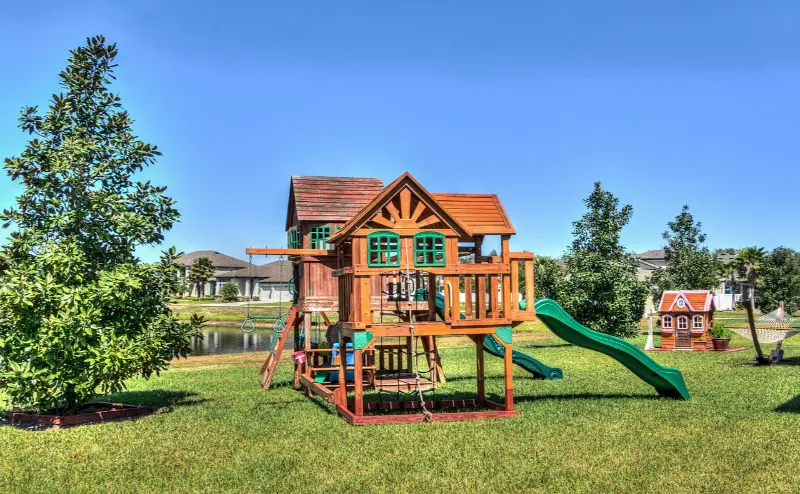
    The shaded playground gives families a reliable activity even when wildlife is quiet. It also makes the park a useful reset point between attractions that require children to sit, listen or follow a fixed tour.

    Give this part of the visit enough time to be meaningful, but do not force every optional feature. A strong Florida itinerary leaves some energy for the next stop and some room for weather, traffic or an unexpected wildlife sighting to change the plan.

    Bring a picnic

    Open space, tables and grills make the park suitable for a simple meal. A picnic can be more efficient than driving to a restaurant if you are trying to keep a Space Coast day flexible.

    Give this part of the visit enough time to be meaningful, but do not force every optional feature. A strong Florida itinerary leaves some energy for the next stop and some room for weather, traffic or an unexpected wildlife sighting to change the plan.

    Watch for manatees without expecting them

    The Banana River is part of a wider lagoon system used by manatees, but wildlife movement depends on temperature, food, tides and many other factors. Never feed, touch or attempt to attract an animal closer to the boardwalk.

    Give this part of the visit enough time to be meaningful, but do not force every optional feature. A strong Florida itinerary leaves some energy for the next stop and some room for weather, traffic or an unexpected wildlife sighting to change the plan.

    Look for birds and dolphins too

    Visitors often focus so heavily on the park’s name that they overlook other wildlife. Scan the sky, shoreline and open water; wading birds and occasional dolphins can be just as memorable as a manatee sighting.

    Give this part of the visit enough time to be meaningful, but do not force every optional feature. A strong Florida itinerary leaves some energy for the next stop and some room for weather, traffic or an unexpected wildlife sighting to change the plan.

    Use the park as a cruise-port buffer

    If you have time before a meal, hotel check-in or another Port Canaveral activity, the park provides a flexible stop with no ticketed start time. That makes it useful on days when ship traffic or launch operations create unpredictable delays.

    Give this part of the visit enough time to be meaningful, but do not force every optional feature. A strong Florida itinerary leaves some energy for the next stop and some room for weather, traffic or an unexpected wildlife sighting to change the plan.

    How much time do you really need?

    1–2 hours for the boardwalk and walking trail; longer if you picnic or use the playground is a realistic starting point. The lower end works for travelers who prefer highlights, while the upper end suits photographers, families taking breaks, people reading exhibits carefully or visitors who simply enjoy a slower pace.

    Build a clear decision point halfway through the visit. If everyone is still interested and conditions are comfortable, continue. If heat, hunger or fatigue is building, leave before the final hour becomes the part everyone remembers. On a road trip, finishing one stop with energy left is usually more valuable than completing every trail or display.

    Best time of day and best season

    Morning is the safest default for most Space Coast outdoor stops. Temperatures are usually easier, parking is simpler and wildlife can be more active. Indoor or mostly shaded attractions can be scheduled later, which lets you preserve the coolest hours for walking, paddling or beach access.

    Winter and spring are generally comfortable for outdoor exploration. Summer brings stronger heat, humidity and afternoon thunderstorms, while hurricane season requires more attention to closures and post-storm conditions. Check the hourly forecast rather than only the daily icon, especially when wind, lightning or heat index can change the experience.

    Getting there and parking

    Parking is straightforward for normal park use, but special events can alter availability. Do not confuse any electric-vehicle charging rules or fees with general assumptions about ordinary park access; check posted information on arrival.

    Brevard County is long north to south, and repeated backtracking can waste much more time than it appears to on a map. Group nearby stops into a Titusville/Merritt Island day, a Cocoa/Cape Canaveral day, or a Melbourne/Palm Bay day whenever possible. Causeway traffic and launch-day demand can make short distances feel longer.
    Cape Canaveral Rocket Launch Viewing Crowd

    Costs, reservations and value

    The current planning snapshot is: Free park access; verify any special-event or facility-rental charges separately. Treat that as a reference point, not a guarantee for a trip scheduled in 2028. Fees, pass systems, guided-tour prices and parking policies can change, and some otherwise free places charge for special programs or rentals.

    For paid experiences, judge value by what the price actually adds. A guided tour may provide access you cannot obtain independently; a parking pass may be essential rather than optional; a rental can transform a waterfront visit into a paddling experience. Spend on the feature that changes the day, not on every add-on simply because it appears during booking.

    Food, water and comfort

    Carry water even for short nature stops. Florida humidity can make a one-hour walk feel more demanding than the same distance in a cooler climate. For beaches and paddling areas, add sun protection and a change of dry clothing; for hammocks and wetlands, insect repellent can matter just as much.

    Do not assume a small sanctuary or park has a café simply because it has restrooms or an education center. If food is important for children, medication schedules or senior travelers, solve that before arrival. A simple snack and water in the car can prevent a good visit from ending early for the wrong reason.

    Families with children

    The playground, short loop and river views make this one of the easiest Cape Canaveral stops for young children. Keep children close to adults along the waterfront and do not allow them to approach wildlife at the shoreline.

    For preschool and early-elementary children, keep the goal concrete: one boardwalk, one wildlife search, one old building or one beach session. Older children can help navigate, compare habitats or photograph details. Giving children a small role usually works better than asking them to appreciate every adult explanation.

    Teenagers

    Teenagers often respond better when they can choose part of the experience. Offer two realistic options—photography versus a longer loop, beach versus boardwalk, exhibit reading versus outdoor time—and let them control one decision. A phone can become a camera, bird-identification tool or map instead of automatically becoming a distraction.

    Space Coast stops also become more relevant when connected to real interests: environmental science, aerospace, surf culture, design, local history or wildlife photography. Avoid stretching a visit long after the main reason for coming has finished.

    Senior travelers and multigenerational groups

    For multigenerational groups, plan around the slowest comfortable pace rather than the fastest walker. Identify benches, shade, restrooms or a visitor center early, and allow more active travelers to add a short optional loop while others rest. Shared travel does not require every person to complete exactly the same distance.

    Morning timing is particularly useful for older travelers who are sensitive to heat. If balance or stamina is a concern, choose the most predictable surface first and leave optional sand, rustic trail or long pier sections until you know how the group is feeling.

    Accessibility and comfort

    The paved trail, boardwalk and open park layout make this a relatively approachable outdoor stop. Visitors with specific mobility needs should still confirm current restroom, parking and boardwalk conditions before travel.

    Accessibility can change with construction, storms, maintenance, water levels and temporary closures. If an accessible restroom, paved route, beach wheelchair, close parking space or step-free entrance is essential, confirm it directly with the managing organization shortly before travel rather than relying on an old review.

    Wildlife and environmental responsibility

    Wildlife sightings should never depend on approaching, feeding or surrounding an animal. Give manatees, dolphins, alligators, tortoises and nesting birds enough space to continue normal behavior. Use marked paths and boardwalks, and avoid trampling dune or mangrove vegetation to improve a photograph.

    On the Space Coast, habitat protection is part of the travel experience. Beaches may contain sea-turtle nests, scrub supports species that occur in few other places, and lagoon shorelines are sensitive to disturbance. Small choices—staying on crossovers, packing out trash and keeping lights controlled at night—matter.
    Florida Playground with Wooden Castle Structure

    Weather and backup planning

    Florida weather rewards flexible scheduling. For a mostly outdoor stop, identify an indoor museum, café or historic district that can replace part of the day if lightning or heavy rain develops. For a small indoor attraction, keep a nearby waterfront or boardwalk available in case the weather becomes unexpectedly pleasant.

    During and after tropical storms, closures can outlast the rain itself. Trees, boardwalks, beaches and utility-managed sites may reopen on different schedules. Always use the current official status page if severe weather affected the area recently.

    Photography tips

    Early and late light is usually softer outdoors, but the best photograph is often the one that does not interfere with the experience. Carry only the equipment you will actually use, protect it from salt spray and sudden rain, and never step beyond a barrier or approach wildlife for a tighter frame.

    If one person in the group wants to photograph seriously, agree on a meeting point and a time limit. That allows patience without forcing the rest of the group to wait through every angle, bird movement or change in light.

    How it compares with nearby alternatives

    Choose Manatee Sanctuary Park when you want a free, easy riverfront break. Choose Jetty Park when beach, fishing and cruise-ship views are the main goal, or Thousand Islands when your group wants an active paddling adventure.

    Nearby attractions are most useful when they contrast with one another. Pairing a nature stop with local history, a beach with a museum, or a structured paid experience with a free flexible park generally creates a better day than stacking three similar attractions back-to-back.

    How to combine it with other Wonderful Florida guides

    For a broader Space Coast itinerary, combine this stop with Historic Cocoa Village, Merritt Island National Wildlife Refuge and Canaveral National Seashore. All of these guides are scheduled earlier on Wonderful Florida, so the internal links do not depend on unpublished future articles.

    A realistic half-day plan

    Step 1: protect the main reason you came

    Start with the element most dependent on good weather, low crowds, active wildlife or a fixed opening time. Do not use the first hour on a minor detour if the core experience could become less comfortable later.

    Step 2: take a real break

    After the primary activity, stop for water, shade, food or seating before adding anything else. This is when families often discover that children need a reset, senior travelers need rest, or the weather is changing faster than expected.

    Step 3: keep the final stop optional

    Make the last activity flexible. A nearby boardwalk, beach, downtown or museum is useful only if the group still has energy. Leaving an optional hour uncommitted is one of the easiest ways to make a Florida road trip feel less rushed.

    Where to stay on the Space Coast

    Titusville is the most practical base for northern Space Coast attractions, Merritt Island and Cocoa work well for central Brevard, and Cocoa Beach or Cape Canaveral are convenient when beach and Port Canaveral time dominate. Melbourne is better for southern Brevard attractions and often makes the next morning’s drive toward Indian River County easier.

    For several nights, avoid changing hotels every day. One carefully chosen base can cover multiple nearby clusters, while constant packing, check-in and luggage management can consume more time than the extra driving you were trying to avoid.

    Who may want to skip or shorten the visit

    Shorten the visit if the main experience duplicates something your group already did, if weather undermines the reason you came, or if one traveler is clearly finished. A complete Florida trip does not require every attraction. Variety and energy management matter more than checking boxes.

    Common mistakes to avoid

    • Arriving without checking current hours, closure notices or security rules when one specific facility is essential.
    • Trying to combine too many Space Coast stops and losing the best part of the day to parking, causeways and backtracking.
    • Underestimating heat, sun, wind or insects because the planned walking distance looks short.
    • Assuming wildlife sightings, launch views or special events are guaranteed.
    • Leaving the main experience until the end and using the group’s best energy on shopping or secondary detours.

    Practical questions before you go

    Is this worth adding to a first Space Coast trip?

    Yes when it adds something your itinerary is missing. Use the quick summary to decide whether the stop gives you nature, history, family flexibility or local culture that your larger attractions do not.

    Do I need to arrive early?

    Early arrival is the safest choice for outdoor areas, limited parking, hot-weather visits and launch-related days. Small museums can be more flexible, but special events may change that.

    Can I combine it with the beach?

    Usually yes. Put the activity with fixed hours, security or limited access first and keep beach time flexible, because the shoreline is easier to shorten or move.

    Is it suitable for all ages?

    Most groups can adapt the visit, but ideal duration changes by age and mobility. Young children need movement, teenagers benefit from choice, and senior travelers often appreciate shorter loops and earlier timing.

    When should I recheck conditions?

    Check once while building the itinerary and again 24–48 hours before arrival. For launch operations, severe weather, wildlife programs or military access, check again on the same day.

    Official resource to check before you go

    For current visitor information, use the official visitor page. Recheck prices, hours, reservations, closures, access rules and event schedules shortly before travel because this article is scheduled well in advance.

    Final thoughts

    The best way to use this stop is to focus on what makes it distinctive and then leave enough flexibility for the rest of the day. Space Coast trips are most enjoyable when the major attractions are balanced with smaller places that reveal how people, wildlife, waterways and local culture fit together.

    Protect the main experience, keep expectations realistic and let weather or interest decide whether you add one more stop. That approach usually produces a better memory than an itinerary where every hour has already been filled.

  • Jetty Park Cape Canaveral Guide: Beach, Fishing Pier, Parking Passes, Launch Views and Family Tips

    Jetty Park Cape Canaveral Guide: Beach, Fishing Pier, Parking Passes, Launch Views and Family Tips

    Jetty Park is one of the most versatile places around Port Canaveral because a single visit can include Atlantic beach time, fishing, wildlife, cruise-ship views and occasional rocket-launch viewing. It is also one of the places where planning parking correctly matters more than first-time visitors expect.

    Explore this guide

    Vehicle access requires a pass, and launch days can sell out or reach capacity. Port Canaveral specifically warns that day-pass rules, re-entry and operating arrangements may change around major launches. Buying the correct pass before a high-demand day is much safer than arriving and hoping space is available.

    For ordinary beach days, the park is much simpler. Families can spend several hours on the sand, walk the pier, watch ships move through the channel and use the campground store or picnic facilities as part of a relaxed day.

    Quick planning summary

    • Best for: families, anglers, cruise-ship watchers, beachgoers and travelers looking for a flexible Port Canaveral day
    • How much time: 3–6 hours for beach, pier and ship watching; shorter visits work well around cruise departures or sunset
    • Current cost: Vehicle entry requires a current day or annual pass; prices vary by pass type and residency, so check the Port Canaveral store before travel
    • Current hours/status: Currently open daily from 7:00 a.m. to 9:00 p.m.; launch days and capacity controls can change access
    • Location: 9035 Campground Circle, Cape Canaveral, FL 32920

    Why this stop is worth including

    Jetty Park Cape Canaveral works best when it adds a different rhythm to the rest of your Space Coast itinerary. Brevard County trips can become repetitive if every day is only beach, rockets or long drives. This stop gives you a specific reason to slow down, notice the local landscape or history, and spend time somewhere that many first-time visitors miss.

    Cape Canaveral Florida Roadways and Coastal Buildings Aerial

    The practical question is not whether every traveler should visit. It is whether the experience solves a need in your own itinerary: wildlife, local history, a low-cost family break, easy walking, photography, shade, a waterfront view or a cultural stop between larger attractions. Matching the place to the day usually creates a better trip than collecting famous names.

    I would also keep the visit flexible. Florida weather, wildlife activity, launch operations and seasonal events can change how long a stop deserves. Protect the main experience first, then decide on site whether an optional trail, exhibit or second activity is still worth your energy.

    What to see and do

    Start with the beach

    The broad beach is the easiest way to use the park. Arrive early for cooler sand and a better chance of convenient parking, especially on weekends or when a launch or major cruise schedule increases demand.

    Give this part of the visit enough time to be meaningful, but do not force every optional feature. A strong Florida itinerary leaves some energy for the next stop and some room for weather, traffic or an unexpected wildlife sighting to change the plan.

    Walk the fishing pier

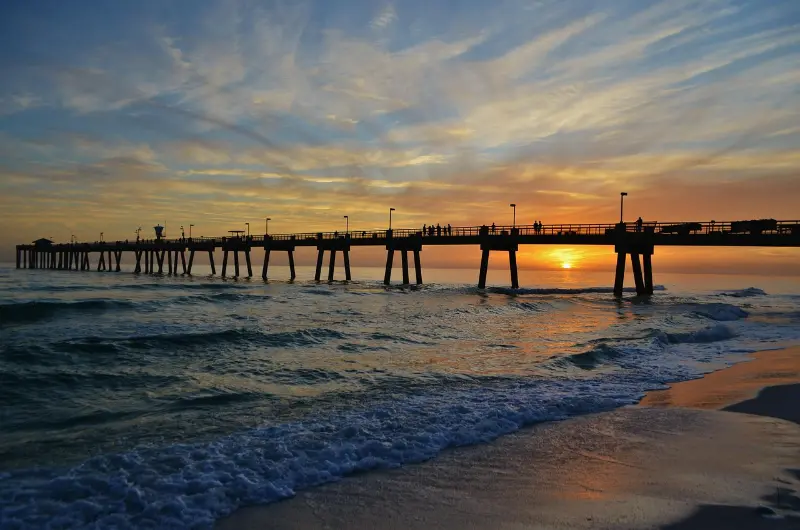
    The pier gives non-anglers a strong view of the coast and channel while offering anglers a dedicated place to fish. Even if you do not fish, it is worth walking out for a different perspective on ships and shoreline.

    Give this part of the visit enough time to be meaningful, but do not force every optional feature. A strong Florida itinerary leaves some energy for the next stop and some room for weather, traffic or an unexpected wildlife sighting to change the plan.

    Watch cruise ships carefully

    Large cruise ships passing close to the park are a signature experience. Check the Port Canaveral schedule if this is a priority, but remember that operational timing can shift and ships do not exist for a fixed sightseeing timetable.

    Give this part of the visit enough time to be meaningful, but do not force every optional feature. A strong Florida itinerary leaves some energy for the next stop and some room for weather, traffic or an unexpected wildlife sighting to change the plan.

    Use the park for some launches

    Jetty Park can be a dramatic launch-viewing area for certain trajectories, but it is also heavily affected by demand. Major launches can trigger sold-out parking and special traffic rules, so never treat normal-day access as guaranteed on launch day.

    Give this part of the visit enough time to be meaningful, but do not force every optional feature. A strong Florida itinerary leaves some energy for the next stop and some room for weather, traffic or an unexpected wildlife sighting to change the plan.

    Buy parking access before high-demand visits

    Current Port Canaveral guidance uses day and annual passes, with vehicle capacity managed at the entrance. A date-specific day pass can provide stronger entry assurance than simply turning up, though re-entry can still be restricted when the park is full.

    Give this part of the visit enough time to be meaningful, but do not force every optional feature. A strong Florida itinerary leaves some energy for the next stop and some room for weather, traffic or an unexpected wildlife sighting to change the plan.

    Know the pet rule

    Jetty Park does not provide a general pet area, and pets are not simply allowed everywhere because it is an outdoor park. Check the current rules before bringing an animal.

    Give this part of the visit enough time to be meaningful, but do not force every optional feature. A strong Florida itinerary leaves some energy for the next stop and some room for weather, traffic or an unexpected wildlife sighting to change the plan.

    Ask about beach wheelchairs if needed

    Port Canaveral states that a limited number of beach wheelchairs are available without a rental charge, subject to an authorization process and identification. Ask at the entrance rather than assuming availability later in the day.

    Give this part of the visit enough time to be meaningful, but do not force every optional feature. A strong Florida itinerary leaves some energy for the next stop and some room for weather, traffic or an unexpected wildlife sighting to change the plan.

    How much time do you really need?

    3–6 hours for beach, pier and ship watching; shorter visits work well around cruise departures or sunset is a realistic starting point. The lower end works for travelers who prefer highlights, while the upper end suits photographers, families taking breaks, people reading exhibits carefully or visitors who simply enjoy a slower pace.

    Build a clear decision point halfway through the visit. If everyone is still interested and conditions are comfortable, continue. If heat, hunger or fatigue is building, leave before the final hour becomes the part everyone remembers. On a road trip, finishing one stop with energy left is usually more valuable than completing every trail or display.

    Best time of day and best season

    Morning is the safest default for most Space Coast outdoor stops. Temperatures are usually easier, parking is simpler and wildlife can be more active. Indoor or mostly shaded attractions can be scheduled later, which lets you preserve the coolest hours for walking, paddling or beach access.

    Winter and spring are generally comfortable for outdoor exploration. Summer brings stronger heat, humidity and afternoon thunderstorms, while hurricane season requires more attention to closures and post-storm conditions. Check the hourly forecast rather than only the daily icon, especially when wind, lightning or heat index can change the experience.

    Getting there and parking

    Parking is controlled through the park’s pass system. On launch days, plan far more carefully: capacity can be reached, special traffic management may apply, and annual-pass holders are not always guaranteed entry.

    Brevard County is long north to south, and repeated backtracking can waste much more time than it appears to on a map. Group nearby stops into a Titusville/Merritt Island day, a Cocoa/Cape Canaveral day, or a Melbourne/Palm Bay day whenever possible. Causeway traffic and launch-day demand can make short distances feel longer.

    SpaceX Hangar near Cape Canaveral Florida

    Costs, reservations and value

    The current planning snapshot is: Vehicle entry requires a current day or annual pass; prices vary by pass type and residency, so check the Port Canaveral store before travel. Treat that as a reference point, not a guarantee for a trip scheduled in 2028. Fees, pass systems, guided-tour prices and parking policies can change, and some otherwise free places charge for special programs or rentals.

    For paid experiences, judge value by what the price actually adds. A guided tour may provide access you cannot obtain independently; a parking pass may be essential rather than optional; a rental can transform a waterfront visit into a paddling experience. Spend on the feature that changes the day, not on every add-on simply because it appears during booking.

    Food, water and comfort

    Carry water even for short nature stops. Florida humidity can make a one-hour walk feel more demanding than the same distance in a cooler climate. For beaches and paddling areas, add sun protection and a change of dry clothing; for hammocks and wetlands, insect repellent can matter just as much.

    Do not assume a small sanctuary or park has a café simply because it has restrooms or an education center. If food is important for children, medication schedules or senior travelers, solve that before arrival. A simple snack and water in the car can prevent a good visit from ending early for the wrong reason.

    Families with children

    Jetty Park works well for families because children can switch between sand, pier views and ship watching without a rigid schedule. Set boundaries around the fishing pier and channel, and remember that ocean conditions require the same attention as any Atlantic beach.

    For preschool and early-elementary children, keep the goal concrete: one boardwalk, one wildlife search, one old building or one beach session. Older children can help navigate, compare habitats or photograph details. Giving children a small role usually works better than asking them to appreciate every adult explanation.

    Teenagers

    Teenagers often respond better when they can choose part of the experience. Offer two realistic options—photography versus a longer loop, beach versus boardwalk, exhibit reading versus outdoor time—and let them control one decision. A phone can become a camera, bird-identification tool or map instead of automatically becoming a distraction.

    Space Coast stops also become more relevant when connected to real interests: environmental science, aerospace, surf culture, design, local history or wildlife photography. Avoid stretching a visit long after the main reason for coming has finished.

    Senior travelers and multigenerational groups

    For multigenerational groups, plan around the slowest comfortable pace rather than the fastest walker. Identify benches, shade, restrooms or a visitor center early, and allow more active travelers to add a short optional loop while others rest. Shared travel does not require every person to complete exactly the same distance.

    Morning timing is particularly useful for older travelers who are sensitive to heat. If balance or stamina is a concern, choose the most predictable surface first and leave optional sand, rustic trail or long pier sections until you know how the group is feeling.

    Accessibility and comfort

    The park offers accessible facilities and a limited beach-wheelchair program. If a beach wheelchair is essential, confirm availability and the current authorization process before travel because supply is limited.

    Accessibility can change with construction, storms, maintenance, water levels and temporary closures. If an accessible restroom, paved route, beach wheelchair, close parking space or step-free entrance is essential, confirm it directly with the managing organization shortly before travel rather than relying on an old review.

    Wildlife and environmental responsibility

    Wildlife sightings should never depend on approaching, feeding or surrounding an animal. Give manatees, dolphins, alligators, tortoises and nesting birds enough space to continue normal behavior. Use marked paths and boardwalks, and avoid trampling dune or mangrove vegetation to improve a photograph.

    On the Space Coast, habitat protection is part of the travel experience. Beaches may contain sea-turtle nests, scrub supports species that occur in few other places, and lagoon shorelines are sensitive to disturbance. Small choices—staying on crossovers, packing out trash and keeping lights controlled at night—matter.

    Weather and backup planning

    Florida weather rewards flexible scheduling. For a mostly outdoor stop, identify an indoor museum, café or historic district that can replace part of the day if lightning or heavy rain develops. For a small indoor attraction, keep a nearby waterfront or boardwalk available in case the weather becomes unexpectedly pleasant.

    During and after tropical storms, closures can outlast the rain itself. Trees, boardwalks, beaches and utility-managed sites may reopen on different schedules. Always use the current official status page if severe weather affected the area recently.

    Photography tips

    Early and late light is usually softer outdoors, but the best photograph is often the one that does not interfere with the experience. Carry only the equipment you will actually use, protect it from salt spray and sudden rain, and never step beyond a barrier or approach wildlife for a tighter frame.

    If one person in the group wants to photograph seriously, agree on a meeting point and a time limit. That allows patience without forcing the rest of the group to wait through every angle, bird movement or change in light.

    How it compares with nearby alternatives

    Choose Jetty Park over Lori Wilson Park when fishing-pier access, cruise ships or Port Canaveral views are the priority. Choose Lori Wilson when free parking and a long hammock boardwalk matter more.

    Florida Ocean Fishing Pier at Sunset

    Nearby attractions are most useful when they contrast with one another. Pairing a nature stop with local history, a beach with a museum, or a structured paid experience with a free flexible park generally creates a better day than stacking three similar attractions back-to-back.

    How to combine it with other Wonderful Florida guides

    For a broader Space Coast itinerary, combine this stop with Canaveral National Seashore and Playalinda Beach, American Space Museum and Merritt Island National Wildlife Refuge. All of these guides are scheduled earlier on Wonderful Florida, so the internal links do not depend on unpublished future articles.

    A realistic half-day plan

    Step 1: protect the main reason you came

    Start with the element most dependent on good weather, low crowds, active wildlife or a fixed opening time. Do not use the first hour on a minor detour if the core experience could become less comfortable later.

    Step 2: take a real break

    After the primary activity, stop for water, shade, food or seating before adding anything else. This is when families often discover that children need a reset, senior travelers need rest, or the weather is changing faster than expected.

    Step 3: keep the final stop optional

    Make the last activity flexible. A nearby boardwalk, beach, downtown or museum is useful only if the group still has energy. Leaving an optional hour uncommitted is one of the easiest ways to make a Florida road trip feel less rushed.

    Where to stay on the Space Coast

    Titusville is the most practical base for northern Space Coast attractions, Merritt Island and Cocoa work well for central Brevard, and Cocoa Beach or Cape Canaveral are convenient when beach and Port Canaveral time dominate. Melbourne is better for southern Brevard attractions and often makes the next morning’s drive toward Indian River County easier.

    For several nights, avoid changing hotels every day. One carefully chosen base can cover multiple nearby clusters, while constant packing, check-in and luggage management can consume more time than the extra driving you were trying to avoid.

    Who may want to skip or shorten the visit

    Shorten the visit if the main experience duplicates something your group already did, if weather undermines the reason you came, or if one traveler is clearly finished. A complete Florida trip does not require every attraction. Variety and energy management matter more than checking boxes.

    Common mistakes to avoid

    • Arriving without checking current hours, closure notices or security rules when one specific facility is essential.
    • Trying to combine too many Space Coast stops and losing the best part of the day to parking, causeways and backtracking.
    • Underestimating heat, sun, wind or insects because the planned walking distance looks short.
    • Assuming wildlife sightings, launch views or special events are guaranteed.
    • Leaving the main experience until the end and using the group’s best energy on shopping or secondary detours.

    Practical questions before you go

    Is this worth adding to a first Space Coast trip?

    Yes when it adds something your itinerary is missing. Use the quick summary to decide whether the stop gives you nature, history, family flexibility or local culture that your larger attractions do not.

    Do I need to arrive early?

    Early arrival is the safest choice for outdoor areas, limited parking, hot-weather visits and launch-related days. Small museums can be more flexible, but special events may change that.

    Can I combine it with the beach?

    Usually yes. Put the activity with fixed hours, security or limited access first and keep beach time flexible, because the shoreline is easier to shorten or move.

    Is it suitable for all ages?

    Most groups can adapt the visit, but ideal duration changes by age and mobility. Young children need movement, teenagers benefit from choice, and senior travelers often appreciate shorter loops and earlier timing.

    When should I recheck conditions?

    Check once while building the itinerary and again 24–48 hours before arrival. For launch operations, severe weather, wildlife programs or military access, check again on the same day.

    Official resource to check before you go

    For current visitor information, use the official visitor page. Recheck prices, hours, reservations, closures, access rules and event schedules shortly before travel because this article is scheduled well in advance.

    Final thoughts

    The best way to use this stop is to focus on what makes it distinctive and then leave enough flexibility for the rest of the day. Space Coast trips are most enjoyable when the major attractions are balanced with smaller places that reveal how people, wildlife, waterways and local culture fit together.

    Protect the main experience, keep expectations realistic and let weather or interest decide whether you add one more stop. That approach usually produces a better memory than an itinerary where every hour has already been filled.

  • Brevard Zoo Melbourne Guide: Tickets, Hours, Kayaking, Families and Visit Tips

    Brevard Zoo Melbourne Guide: Tickets, Hours, Kayaking, Families and Visit Tips

    Brevard Zoo is one of the strongest family attractions on Florida’s Space Coast because it is large enough to fill a meaningful part of the day without requiring the logistical commitment of a theme park. The zoo is built around shaded loops, immersive habitats and optional experiences that can turn a straightforward animal visit into a more active outing.

    Explore this guide

    The most useful planning decision is whether you want a relaxed zoo day or a zoo-plus-adventure day. General admission already gives you plenty to see, while experiences such as kayaking, animal feedings and other add-ons can increase both the time and budget. I would not book every extra simply because it is available; choose one that fits the age and interests of your group.

    For families driving between the Treasure Coast and the northern Space Coast, Brevard Zoo also works well as a transition day. It gives children movement, adults shade and seating, and everyone a break from long beach exposure or museum-heavy itineraries.

    Quick planning summary

    • Best for: families, animal lovers, multigenerational groups, photographers and travelers who want a substantial half-day attraction away from the beach
    • How much time: 3–5 hours; allow longer if you add paid animal encounters, kayaking or a slow lunch
    • Current cost: Online general admission is currently listed at $34.95 for ages 12+, $28.95 for seniors 65+, $22.95 for ages 3–11 and free for children under 3; gate prices are slightly higher
    • Current hours/status: Open daily 9:30 a.m.–5 p.m., with last admission at 4:15 p.m.; closed Thanksgiving and Christmas Day. Some areas can close temporarily for renovation or special events
    • Location: 8225 North Wickham Road, Melbourne, FL 32940; parking is currently free

    Why this stop is worth including

    Brevard Zoo Melbourne works best when it solves a specific need in your Florida itinerary rather than becoming another item on a long checklist. It can add variety after beach days, break up a driving segment, give different generations something they can enjoy at the same pace, or provide a weather-resistant alternative when conditions change.

    The practical question is not simply whether the place is ‘worth it.’ Ask what your group needs that day: wildlife, history, active movement, a meal, shade, photography, a child-friendly reset or a quieter experience. When the answer matches the destination, even a two-hour visit can feel more valuable than a rushed full day at a more famous attraction.

    What to see and do

    Start with the main animal loops

    The zoo is organized into distinct regions rather than one long corridor. A first-time visitor should resist zigzagging between distant activities. Pick a loop, move through it completely, and use the central areas as natural places for restrooms, water and food before starting the next section.

    Give this part of the visit enough time to be meaningful, then move on when attention drops. Florida itineraries are usually better when you preserve energy for the next stop instead of forcing every member of the group to complete every optional feature.

    Africa and giraffe viewing

    The giraffe area is one of the zoo’s most memorable spaces and is especially useful for children who need an obvious highlight early in the visit. Feeding or close-up experiences may cost extra and can have limited operating windows, so decide in advance whether that is a priority.

    Give this part of the visit enough time to be meaningful, then move on when attention drops. Florida itineraries are usually better when you preserve energy for the next stop instead of forcing every member of the group to complete every optional feature.

    Kayaking inside the zoo

    Brevard Zoo is unusual because kayaking can be part of the visit. This is not the right add-on for every group, but it can be excellent for older children, teenagers and adults who want an active break from walking. Check age, weather and availability rules before building your schedule around it.

    Giraffes at a Florida Zoo

    Give this part of the visit enough time to be meaningful, then move on when attention drops. Florida itineraries are usually better when you preserve energy for the next stop instead of forcing every member of the group to complete every optional feature.

    Paws On and children’s areas

    Families with younger children should reserve time for the hands-on zones rather than treating them as an afterthought. Current renovations can affect access to parts of Paws On, so check the zoo’s daily notices before promising a particular feature to a child.

    Give this part of the visit enough time to be meaningful, then move on when attention drops. Florida itineraries are usually better when you preserve energy for the next stop instead of forcing every member of the group to complete every optional feature.

    Keeper talks and animal programs

    Daily programs can add context that static viewing cannot. When you arrive, compare the current schedule with your route and choose one or two talks that fit naturally instead of crossing the entire zoo repeatedly to chase every presentation.

    Give this part of the visit enough time to be meaningful, then move on when attention drops. Florida itineraries are usually better when you preserve energy for the next stop instead of forcing every member of the group to complete every optional feature.

    Shade, pace and heat management

    Much of the zoo benefits from mature vegetation, but Central Florida heat and humidity still change the experience. Morning is the easiest time for animal activity and family energy. In hot months, I would plan the most walking-heavy sections before lunch and keep the afternoon flexible.

    Give this part of the visit enough time to be meaningful, then move on when attention drops. Florida itineraries are usually better when you preserve energy for the next stop instead of forcing every member of the group to complete every optional feature.

    Food and rest breaks

    The zoo is large enough that a food break should be part of the plan, not an emergency decision after everyone gets tired. Families with young children will have a better day if they stop before hunger becomes the reason the visit ends.

    Give this part of the visit enough time to be meaningful, then move on when attention drops. Florida itineraries are usually better when you preserve energy for the next stop instead of forcing every member of the group to complete every optional feature.

    Photography without slowing the whole group

    Long lenses are useful, but good zoo photography is often about patience and position rather than equipment. If one person wants to photograph seriously, agree on meeting points so the rest of the group is not forced to wait at every habitat.

    Give this part of the visit enough time to be meaningful, then move on when attention drops. Florida itineraries are usually better when you preserve energy for the next stop instead of forcing every member of the group to complete every optional feature.

    How much time do you really need?

    3–5 hours; allow longer if you add paid animal encounters, kayaking or a slow lunch is a realistic starting point, but the correct duration depends on how deeply your group engages. Travelers who read every exhibit label, photograph wildlife, shop slowly or take breaks will naturally need more time than visitors who prefer highlights.

    Build a decision point about halfway through. If everyone is still interested, continue into the secondary features. If children are tired, weather is changing or a meal is overdue, you can leave without feeling that the visit failed. That flexibility is especially useful on multi-stop road trips along Florida’s east coast.

    Best time of day and best season

    Weekday mornings are generally the easiest combination of cooler temperatures, active animals and manageable crowds. Winter and spring are especially comfortable. In summer, arrive close to opening and treat thunderstorms as part of the planning rather than a surprise.

    Close Up of Giraffe in Florida Zoo

    For outdoor-focused visits, check the hourly forecast rather than only the daily icon. Wind, heat index, thunderstorms and recent rain can matter more than the headline temperature. In cooler months, a sunny midday visit may be comfortable; in summer, the same timing can be the least pleasant part of the day.

    Getting there and parking

    Parking is currently free. The practical advantage is not only saving money: it also makes it easier to leave when younger children are done instead of feeling pressure to stay because you paid a large parking fee. Note your parking area before entering because the lot can feel larger after several hours on foot.

    If you are combining several Space Coast stops, group them geographically. Brevard County stretches a long distance north to south, and repeated crossings over causeways or backtracking on U.S. 1 can consume more of the day than a map initially suggests. It is usually better to cluster Melbourne/Palm Bay, Cocoa/Merritt Island and Titusville into separate half-days or days.

    Costs and how to judge value

    Use the current price or access information in the planning summary as a snapshot, not a promise for a future trip. Admission, parking, tours and event surcharges can change. Check the official page before paying for a non-refundable add-on or building a family budget around an old price.

    When comparing value, include the full experience: parking, food, rentals, driving time and how long your group will realistically stay. Free places can be excellent, but a long detour for a 20-minute visit is not automatically better value than a paid attraction that holds everyone’s interest for half a day.

    Food, water and restroom strategy

    Do not leave food planning until the moment everyone is hungry. For districts and museums, identify a nearby meal option before arrival. For preserves and beaches, carry enough water and appropriate snacks because services can be limited or absent. Families should also use restrooms before longer trails, drives or beach segments even when no one thinks they need to.

    Hydration matters in every season. Florida sun, wind and humidity can dehydrate visitors surprisingly quickly, and older travelers may feel the effects before they recognize thirst. Refillable bottles are useful when stations are available, but do not assume every natural area has potable water.

    What to bring

    A practical kit usually includes water, sun protection, comfortable footwear, a small rain layer in storm season and a charged phone. Outdoor nature stops also justify insect repellent and binoculars. Museums and downtown districts rarely require heavy gear, so leave beach chairs, coolers and unnecessary bags secured out of sight in the vehicle when appropriate.

    Visiting with children

    Excellent for children because the day can alternate between animals, movement and hands-on elements. The key is not trying to see every habitat. Let younger children spend longer at two or three favorite areas and shorten the final loop if attention drops.

    A useful family strategy is to give children one simple mission: find three birds, choose a favorite aircraft, photograph a mural, identify one plant or pick the best viewpoint. A concrete task creates involvement without turning the outing into a lesson or requiring them to appreciate every adult detail.

    Teenagers

    Teenagers usually respond better when they have some control over pace and priorities. Give them a choice between two optional features, let a phone become a camera or navigation tool, and avoid stretching a visit long after the main experience has finished. Space, wildlife and public-art stops can be especially effective when teens are invited to engage rather than simply follow.

    Senior travelers and multigenerational groups

    A good multigenerational attraction when the group starts early and builds in sitting breaks. Senior travelers who dislike long continuous walks can treat each habitat loop as a separate mini-visit and skip an optional section without losing the core experience.

    For multigenerational groups, protect the slowest traveler from having to rush. A bench, café or shaded viewpoint can be a planned meeting point while more active relatives complete an extra loop. The visit does not have to be identical for everyone to feel shared.

    Accessibility and comfort

    The zoo publishes accessibility information and is designed for a broad range of visitors. Wheelchairs and strollers fit most primary routes, but heat, distance and temporary construction can matter as much as the physical surface. If a specific accessible feature or rental is essential, confirm it directly before travel.

    Accessibility can change with construction, storms, maintenance and special events. If a ramp, beach wheelchair, accessible restroom, paved route or close parking space is essential, confirm it directly before travel rather than relying on an old review or an undated photo.

    Weather and backup planning

    Florida weather rewards flexible itineraries. For a mostly outdoor destination, identify an indoor café, museum or shopping district that could replace part of the visit if thunderstorms arrive. For an indoor attraction, keep a nearby riverfront or short nature stop available if the weather becomes unexpectedly pleasant.

    During hurricane season, conditions can remain disrupted after the storm itself has passed. Roads, boardwalks, beaches and visitor centers may reopen on different schedules, so always use current official alerts when traveling after severe weather.

    Photography tips

    The strongest travel photographs usually come from timing and patience rather than carrying more equipment. Early or late light is softer outdoors, while indoor museums benefit from a steady hand and attention to reflections. Never leave designated paths, block a narrow walkway or approach wildlife simply to improve an angle.

    How it compares with nearby alternatives

    Choose Brevard Zoo over another beach morning when your group wants guaranteed structure, shade and family-friendly facilities. Choose a free nature sanctuary instead when wildlife in natural habitat is the priority and your group is comfortable with less predictable sightings.

    Zoo Rhinoceros in Shaded Habitat

    Nearby attractions are most useful when they contrast with one another. Two similar museums or two long outdoor walks back-to-back can create fatigue. Pairing nature with history, a beach with a downtown, or a structured paid attraction with a free flexible stop usually produces a better day.

    How to combine it with other Wonderful Florida guides

    For a broader east-coast itinerary, compare this stop with McKee Botanical Garden, Environmental Learning Center, Round Island Riverside Park. These links point to places scheduled earlier in Wonderful Florida, so they can be used to build a route without relying on unpublished future articles.

    A realistic half-day plan

    Step 1: protect the main experience

    Start with the feature that depends most on good light, cool temperatures, low crowds or high energy. Do not spend the first hour on shopping, a long breakfast or a minor detour if the main reason you came could become crowded or uncomfortable later.

    Step 2: schedule a real break

    After the primary experience, stop for water, food, shade or seating before deciding what comes next. This is where families and multigenerational groups often discover that different people need different things. A short reset protects the rest of the day.

    Step 3: keep the final stop flexible

    Make the last activity optional. Florida traffic, weather and energy levels are variable enough that a flexible final hour is more realistic than a three-attraction chain with no room for delays.

    Where to stay on the Space Coast

    For southern Brevard attractions, Melbourne is the most practical base. Cocoa and Cocoa Beach work well for central county access, while Titusville is better for the northern wildlife refuges, museums and launch-oriented sightseeing. The best hotel is often the one that shortens the next morning’s drive rather than the one with the lowest nightly rate.

    If you are staying several nights, avoid changing hotels every day. The Space Coast is long but manageable by car, and one carefully chosen base can cover multiple nearby clusters without the packing time and check-in friction of constant moves.

    Who may want to skip or shorten the visit

    Shorten the visit when the main experience does not match your group’s interests, when weather undermines the reason you came, or when it duplicates something you already did elsewhere. A complete Florida trip does not require seeing every attraction; it requires enough contrast that the days stay enjoyable.

    Common mistakes to avoid

    • Arriving without checking the official status page when one specific exhibit, trail, launch-related road or program is essential.
    • Trying to combine too many Space Coast stops and spending the best morning hours repeatedly parking, driving and crossing causeways.
    • Underestimating heat, glare, wind, insects or sun exposure because a route looks short on a map.
    • Assuming wildlife sightings, special events or launch views are guaranteed simply because they are associated with the destination.
    • Leaving the primary experience until the end and using the group’s best energy on secondary shopping, photos or optional extras.

    Practical questions before you go

    Is this a good first-time Space Coast stop?

    Yes when the main experience matches your interests. Use the planning summary to decide whether it fills a gap in your itinerary rather than visiting only because it appears on a generic top-ten list.

    Do I need to arrive early?

    Early arrival is the safest choice for wildlife areas, beaches, limited parking and hot-weather visits. Downtown districts and small museums can be more forgiving, although special events change that quickly.

    Can I combine it with the beach?

    Usually yes, but put the experience that depends on opening hours first. Beach time is easier to shorten or move, while a museum, tour or nature center may close before late afternoon.

    Is it suitable for all ages?

    Most groups can adapt the visit, but ideal duration changes by age. Young children need movement, teenagers benefit from choice, and senior travelers often appreciate shorter walking loops and earlier starts.

    How far ahead should I recheck conditions?

    Check once when building the itinerary and again 24–48 hours before arrival. For launches, storms, turtle programs, road closures or special events, check again on the same day.

    Official resource to check before you go

    For current visitor information, use the official visitor page. Recheck prices, hours, closures, construction, event schedules and reservation rules shortly before travel because this article is scheduled well in advance.

    Final thoughts

    The best way to use this stop is to focus on what makes it distinctive, then leave enough flexibility for the rest of the day. Florida trips become tiring when every hour is treated as a reservation slot. A strong itinerary protects the main experience, gives everyone time to recover, and lets weather or interest decide whether an extra stop is still worth adding.

  • Cape Canaveral Lighthouse Tour Guide: Security Rules, Reservations, History and Space Coast Tips

    Cape Canaveral Lighthouse Tour Guide: Security Rules, Reservations, History and Space Coast Tips

    Cape Canaveral Lighthouse is one of the most distinctive historic sites on the Space Coast because visiting it is inseparable from the modern space and military landscape around it. The lighthouse stands on Cape Canaveral Space Force Station, so this is not a roadside attraction where you can arrive, park and buy a ticket at the door.

    Explore this guide

    The current public-access system requires an authorized tour, advance reservation and security screening. The lighthouse foundation states that reservations should be made at least four days ahead, while eligibility rules presently limit station access to U.S. citizens and U.S. legal permanent residents. Those requirements can change, so they must be rechecked before booking.

    The restrictions may sound inconvenient, but they are part of what makes the experience unusual. You are visiting an active military installation with historic launch infrastructure nearby, not simply a tower on an open beach. Travelers who enjoy layered history often find the logistics worthwhile.

    Quick planning summary

    • Best for: space-history fans, lighthouse enthusiasts, photographers and travelers comfortable with advance security procedures
    • How much time: Allow roughly half a day for the complete authorized tour experience, transportation, security and interpretation
    • Current cost: Access requires a paid or otherwise authorized tour; pricing depends on the tour provider and should be checked when booking
    • Current hours/status: There is no independent walk-up access. Public visits are by pre-scheduled authorized tour and can be delayed or canceled for launch or military operations
    • Location: Cape Canaveral Space Force Station; visitors cannot drive independently to the lighthouse

    Why this stop is worth including

    Cape Canaveral Lighthouse Tour works best when it adds a different rhythm to the rest of your Space Coast itinerary. Brevard County trips can become repetitive if every day is only beach, rockets or long drives. This stop gives you a specific reason to slow down, notice the local landscape or history, and spend time somewhere that many first-time visitors miss.

    The practical question is not whether every traveler should visit. It is whether the experience solves a need in your own itinerary: wildlife, local history, a low-cost family break, easy walking, photography, shade, a waterfront view or a cultural stop between larger attractions. Matching the place to the day usually creates a better trip than collecting famous names.

    I would also keep the visit flexible. Florida weather, wildlife activity, launch operations and seasonal events can change how long a stop deserves. Protect the main experience first, then decide on site whether an optional trail, exhibit or second activity is still worth your energy.

    What to see and do

    Book through an authorized tour provider

    The lighthouse cannot be visited independently. Start with the foundation’s current visit page, then use an authorized tour option. Do not purchase from an unofficial reseller that cannot explain station-access requirements.

    Give this part of the visit enough time to be meaningful, but do not force every optional feature. A strong Florida itinerary leaves some energy for the next stop and some room for weather, traffic or an unexpected wildlife sighting to change the plan.

    Understand security eligibility before paying

    At present, public access to the Space Force Station is limited to U.S. citizens and U.S. legal permanent residents. Work visas are specifically excluded on the foundation’s current guidance. Confirm the latest rule for every person in your party before booking.

    Give this part of the visit enough time to be meaningful, but do not force every optional feature. A strong Florida itinerary leaves some energy for the next stop and some room for weather, traffic or an unexpected wildlife sighting to change the plan.

    Submit information on time

    Advance security processing is the reason last-minute visits generally do not work. Provide required identification information exactly as instructed and respect provider deadlines; a typo or late submission can create problems that cannot be fixed at the gate.

    Give this part of the visit enough time to be meaningful, but do not force every optional feature. A strong Florida itinerary leaves some energy for the next stop and some room for weather, traffic or an unexpected wildlife sighting to change the plan.

    Learn the lighthouse’s role in navigation

    The lighthouse predates the modern space program and remains an active aid to navigation. That continuity gives the site a different historical perspective from museums focused solely on rockets and astronauts.

    Give this part of the visit enough time to be meaningful, but do not force every optional feature. A strong Florida itinerary leaves some energy for the next stop and some room for weather, traffic or an unexpected wildlife sighting to change the plan.

    Notice the spaceflight setting

    The tour environment may include views or interpretation connected to historic launch areas, depending on provider, route and operational restrictions. Treat anything beyond the lighthouse as variable because active-station requirements can alter itineraries.

    Give this part of the visit enough time to be meaningful, but do not force every optional feature. A strong Florida itinerary leaves some energy for the next stop and some room for weather, traffic or an unexpected wildlife sighting to change the plan.

    Expect launch-related changes

    Rocket operations can delay or cancel tours. If the lighthouse is a major reason for your trip, avoid scheduling it in the final few hours before a flight or cruise departure and keep another Space Coast activity available as backup.

    Cape Canaveral Rocket Launch Viewing Crowd

    Give this part of the visit enough time to be meaningful, but do not force every optional feature. A strong Florida itinerary leaves some energy for the next stop and some room for weather, traffic or an unexpected wildlife sighting to change the plan.

    Use the museum and interpretation

    The lighthouse museum and interpretation help connect nineteenth-century coastal navigation with the Cape’s later transformation. Give yourself time to listen rather than treating the visit purely as a photo stop.

    Give this part of the visit enough time to be meaningful, but do not force every optional feature. A strong Florida itinerary leaves some energy for the next stop and some room for weather, traffic or an unexpected wildlife sighting to change the plan.

    How much time do you really need?

    Allow roughly half a day for the complete authorized tour experience, transportation, security and interpretation is a realistic starting point. The lower end works for travelers who prefer highlights, while the upper end suits photographers, families taking breaks, people reading exhibits carefully or visitors who simply enjoy a slower pace.

    Build a clear decision point halfway through the visit. If everyone is still interested and conditions are comfortable, continue. If heat, hunger or fatigue is building, leave before the final hour becomes the part everyone remembers. On a road trip, finishing one stop with energy left is usually more valuable than completing every trail or display.

    Best time of day and best season

    Morning is the safest default for most Space Coast outdoor stops. Temperatures are usually easier, parking is simpler and wildlife can be more active. Indoor or mostly shaded attractions can be scheduled later, which lets you preserve the coolest hours for walking, paddling or beach access.

    Winter and spring are generally comfortable for outdoor exploration. Summer brings stronger heat, humidity and afternoon thunderstorms, while hurricane season requires more attention to closures and post-storm conditions. Check the hourly forecast rather than only the daily icon, especially when wind, lightning or heat index can change the experience.

    Getting there and parking

    Parking and transportation arrangements depend on the authorized tour. You cannot use your own vehicle to drive directly to the lighthouse, so follow the provider’s meeting instructions rather than navigating to the lighthouse pin itself.

    Brevard County is long north to south, and repeated backtracking can waste much more time than it appears to on a map. Group nearby stops into a Titusville/Merritt Island day, a Cocoa/Cape Canaveral day, or a Melbourne/Palm Bay day whenever possible. Causeway traffic and launch-day demand can make short distances feel longer.

    SpaceX Hangar near Cape Canaveral Florida

    Costs, reservations and value

    The current planning snapshot is: Access requires a paid or otherwise authorized tour; pricing depends on the tour provider and should be checked when booking. Treat that as a reference point, not a guarantee for a trip scheduled in 2028. Fees, pass systems, guided-tour prices and parking policies can change, and some otherwise free places charge for special programs or rentals.

    For paid experiences, judge value by what the price actually adds. A guided tour may provide access you cannot obtain independently; a parking pass may be essential rather than optional; a rental can transform a waterfront visit into a paddling experience. Spend on the feature that changes the day, not on every add-on simply because it appears during booking.

    Food, water and comfort

    Carry water even for short nature stops. Florida humidity can make a one-hour walk feel more demanding than the same distance in a cooler climate. For beaches and paddling areas, add sun protection and a change of dry clothing; for hammocks and wetlands, insect repellent can matter just as much.

    Do not assume a small sanctuary or park has a café simply because it has restrooms or an education center. If food is important for children, medication schedules or senior travelers, solve that before arrival. A simple snack and water in the car can prevent a good visit from ending early for the wrong reason.

    Families with children

    Older children interested in rockets, military history or lighthouses may enjoy the tour, but the security process and fixed schedule make it less flexible than a normal family attraction. Check provider age guidance and bring required identification documents exactly as instructed.

    For preschool and early-elementary children, keep the goal concrete: one boardwalk, one wildlife search, one old building or one beach session. Older children can help navigate, compare habitats or photograph details. Giving children a small role usually works better than asking them to appreciate every adult explanation.

    Teenagers

    Teenagers often respond better when they can choose part of the experience. Offer two realistic options—photography versus a longer loop, beach versus boardwalk, exhibit reading versus outdoor time—and let them control one decision. A phone can become a camera, bird-identification tool or map instead of automatically becoming a distraction.

    Space Coast stops also become more relevant when connected to real interests: environmental science, aerospace, surf culture, design, local history or wildlife photography. Avoid stretching a visit long after the main reason for coming has finished.

    Senior travelers and multigenerational groups

    For multigenerational groups, plan around the slowest comfortable pace rather than the fastest walker. Identify benches, shade, restrooms or a visitor center early, and allow more active travelers to add a short optional loop while others rest. Shared travel does not require every person to complete exactly the same distance.

    Morning timing is particularly useful for older travelers who are sensitive to heat. If balance or stamina is a concern, choose the most predictable surface first and leave optional sand, rustic trail or long pier sections until you know how the group is feeling.

    Accessibility and comfort

    Because the tour operates on an active military installation and may use vehicles, museums and lighthouse grounds, accessibility needs should be discussed with the tour provider before payment. Climbing a lighthouse is not necessary to appreciate the site, but specific tour components can vary.

    Red Amphibious Tour Boat on Florida Waterway

    Accessibility can change with construction, storms, maintenance, water levels and temporary closures. If an accessible restroom, paved route, beach wheelchair, close parking space or step-free entrance is essential, confirm it directly with the managing organization shortly before travel rather than relying on an old review.

    Wildlife and environmental responsibility

    Wildlife sightings should never depend on approaching, feeding or surrounding an animal. Give manatees, dolphins, alligators, tortoises and nesting birds enough space to continue normal behavior. Use marked paths and boardwalks, and avoid trampling dune or mangrove vegetation to improve a photograph.

    On the Space Coast, habitat protection is part of the travel experience. Beaches may contain sea-turtle nests, scrub supports species that occur in few other places, and lagoon shorelines are sensitive to disturbance. Small choices—staying on crossovers, packing out trash and keeping lights controlled at night—matter.

    Weather and backup planning

    Florida weather rewards flexible scheduling. For a mostly outdoor stop, identify an indoor museum, café or historic district that can replace part of the day if lightning or heavy rain develops. For a small indoor attraction, keep a nearby waterfront or boardwalk available in case the weather becomes unexpectedly pleasant.

    During and after tropical storms, closures can outlast the rain itself. Trees, boardwalks, beaches and utility-managed sites may reopen on different schedules. Always use the current official status page if severe weather affected the area recently.

    Photography tips

    Early and late light is usually softer outdoors, but the best photograph is often the one that does not interfere with the experience. Carry only the equipment you will actually use, protect it from salt spray and sudden rain, and never step beyond a barrier or approach wildlife for a tighter frame.

    If one person in the group wants to photograph seriously, agree on a meeting point and a time limit. That allows patience without forcing the rest of the group to wait through every angle, bird movement or change in light.

    How it compares with nearby alternatives

    Choose Cape Canaveral Lighthouse when you want a rare guided historical experience tied to an active Space Force installation. Choose the American Space Museum for a simpler walk-in history stop, or Canaveral National Seashore when outdoor scenery and flexible timing are more important.

    Nearby attractions are most useful when they contrast with one another. Pairing a nature stop with local history, a beach with a museum, or a structured paid experience with a free flexible park generally creates a better day than stacking three similar attractions back-to-back.

    How to combine it with other Wonderful Florida guides

    For a broader Space Coast itinerary, combine this stop with American Space Museum, Valiant Air Command Warbird Museum and Canaveral National Seashore and Playalinda Beach. All of these guides are scheduled earlier on Wonderful Florida, so the internal links do not depend on unpublished future articles.

    A realistic half-day plan

    Step 1: protect the main reason you came

    Start with the element most dependent on good weather, low crowds, active wildlife or a fixed opening time. Do not use the first hour on a minor detour if the core experience could become less comfortable later.

    Step 2: take a real break

    After the primary activity, stop for water, shade, food or seating before adding anything else. This is when families often discover that children need a reset, senior travelers need rest, or the weather is changing faster than expected.

    Step 3: keep the final stop optional

    Make the last activity flexible. A nearby boardwalk, beach, downtown or museum is useful only if the group still has energy. Leaving an optional hour uncommitted is one of the easiest ways to make a Florida road trip feel less rushed.

    Where to stay on the Space Coast

    Titusville is the most practical base for northern Space Coast attractions, Merritt Island and Cocoa work well for central Brevard, and Cocoa Beach or Cape Canaveral are convenient when beach and Port Canaveral time dominate. Melbourne is better for southern Brevard attractions and often makes the next morning’s drive toward Indian River County easier.

    For several nights, avoid changing hotels every day. One carefully chosen base can cover multiple nearby clusters, while constant packing, check-in and luggage management can consume more time than the extra driving you were trying to avoid.

    Who may want to skip or shorten the visit

    Shorten the visit if the main experience duplicates something your group already did, if weather undermines the reason you came, or if one traveler is clearly finished. A complete Florida trip does not require every attraction. Variety and energy management matter more than checking boxes.

    Common mistakes to avoid

    • Arriving without checking current hours, closure notices or security rules when one specific facility is essential.
    • Trying to combine too many Space Coast stops and losing the best part of the day to parking, causeways and backtracking.
    • Underestimating heat, sun, wind or insects because the planned walking distance looks short.
    • Assuming wildlife sightings, launch views or special events are guaranteed.
    • Leaving the main experience until the end and using the group’s best energy on shopping or secondary detours.

    Practical questions before you go

    Is this worth adding to a first Space Coast trip?

    Yes when it adds something your itinerary is missing. Use the quick summary to decide whether the stop gives you nature, history, family flexibility or local culture that your larger attractions do not.

    Do I need to arrive early?

    Early arrival is the safest choice for outdoor areas, limited parking, hot-weather visits and launch-related days. Small museums can be more flexible, but special events may change that.

    Can I combine it with the beach?

    Usually yes. Put the activity with fixed hours, security or limited access first and keep beach time flexible, because the shoreline is easier to shorten or move.

    Is it suitable for all ages?

    Most groups can adapt the visit, but ideal duration changes by age and mobility. Young children need movement, teenagers benefit from choice, and senior travelers often appreciate shorter loops and earlier timing.

    When should I recheck conditions?

    Check once while building the itinerary and again 24–48 hours before arrival. For launch operations, severe weather, wildlife programs or military access, check again on the same day.

    Official resource to check before you go

    For current visitor information, use the official visitor page. Recheck prices, hours, reservations, closures, access rules and event schedules shortly before travel because this article is scheduled well in advance.

    Final thoughts

    The best way to use this stop is to focus on what makes it distinctive and then leave enough flexibility for the rest of the day. Space Coast trips are most enjoyable when the major attractions are balanced with smaller places that reveal how people, wildlife, waterways and local culture fit together.

    Protect the main experience, keep expectations realistic and let weather or interest decide whether you add one more stop. That approach usually produces a better memory than an itinerary where every hour has already been filled.

  • Thousand Islands Conservation Area Cocoa Beach Guide: Kayaking, Mangroves, Wildlife and Access Tips

    Thousand Islands Conservation Area Cocoa Beach Guide: Kayaking, Mangroves, Wildlife and Access Tips

    The Thousand Islands Conservation Area shows a completely different side of Cocoa Beach. Instead of surf and open Atlantic shoreline, the landscape is a network of mangrove islands, shallow lagoon water and narrow channels on the Banana River/Indian River Lagoon side of the barrier island.

    Explore this guide

    Most of the conservation area is best experienced by canoe or kayak, which makes planning more important than for a normal park. Wind, heat, route familiarity, paddling ability and wildlife awareness all matter. The reward is a quiet landscape that can feel surprisingly removed from the hotels and traffic only a short distance away.

    This is not the place to improvise an ambitious paddle if your group has never been in a kayak. Beginners can still enjoy the area, but a guided outing or a shorter route is a better introduction than trying to explore every channel independently.

    Quick planning summary

    • Best for: kayakers, wildlife watchers, adventurous families with paddling experience and travelers who want to see the lagoon side of Cocoa Beach
    • How much time: 2–4 hours for a relaxed paddle; allow extra time for setup, route finding and wind or tide conditions
    • Current cost: The conservation area itself is free; paddling costs depend on whether you bring or rent equipment
    • Current hours/status: Day use only. Access and paddling conditions depend on daylight, weather and current site rules
    • Location: Primary county-managed island access is from 599 Ramp Road, Cocoa Beach, FL 32931; a short land trail is also accessible from Fourth Street South

    Why this stop is worth including

    Thousand Islands Conservation Area Cocoa Beach works best when it adds a different rhythm to the rest of your Space Coast itinerary. Brevard County trips can become repetitive if every day is only beach, rockets or long drives. This stop gives you a specific reason to slow down, notice the local landscape or history, and spend time somewhere that many first-time visitors miss.

    The practical question is not whether every traveler should visit. It is whether the experience solves a need in your own itinerary: wildlife, local history, a low-cost family break, easy walking, photography, shade, a waterfront view or a cultural stop between larger attractions. Matching the place to the day usually creates a better trip than collecting famous names.

    I would also keep the visit flexible. Florida weather, wildlife activity, launch operations and seasonal events can change how long a stop deserves. Protect the main experience first, then decide on site whether an optional trail, exhibit or second activity is still worth your energy.

    What to see and do

    Launch from Ramp Road

    Ramp Road is the primary access point for the county-managed islands. Organize boats, PFDs, water and sun protection before launching so you are not blocking the ramp while making last-minute adjustments.

    Give this part of the visit enough time to be meaningful, but do not force every optional feature. A strong Florida itinerary leaves some energy for the next stop and some room for weather, traffic or an unexpected wildlife sighting to change the plan.

    Paddle mangrove channels

    The narrow channels are the defining experience. Move slowly, watch for shallow water and avoid damaging mangrove roots. A map or GPS track is useful because multiple channels can look similar from water level.

    Give this part of the visit enough time to be meaningful, but do not force every optional feature. A strong Florida itinerary leaves some energy for the next stop and some room for weather, traffic or an unexpected wildlife sighting to change the plan.

    Look for lagoon wildlife

    Dolphins, manatees, rays, fish and many bird species may use the broader lagoon system. Sightings are never guaranteed, and the best wildlife encounters happen when paddlers give animals space rather than chasing them for photographs.

    Flock of Flamingos at Florida Wildlife Park

    Give this part of the visit enough time to be meaningful, but do not force every optional feature. A strong Florida itinerary leaves some energy for the next stop and some room for weather, traffic or an unexpected wildlife sighting to change the plan.

    Try the short land trail

    Travelers who do not want to paddle can still experience a small portion of the conservation area from the Fourth Street South trail. It is not a substitute for the island network, but it adds value for mixed groups.

    Give this part of the visit enough time to be meaningful, but do not force every optional feature. A strong Florida itinerary leaves some energy for the next stop and some room for weather, traffic or an unexpected wildlife sighting to change the plan.

    Plan for wind, not only rain

    A sunny forecast does not automatically mean easy paddling. Wind can make open lagoon crossings tiring and change the return journey. Check wind speed and direction before committing to a route.

    Give this part of the visit enough time to be meaningful, but do not force every optional feature. A strong Florida itinerary leaves some energy for the next stop and some room for weather, traffic or an unexpected wildlife sighting to change the plan.

    Protect phones and car keys

    Waterproof storage matters here more than at a boardwalk park. Use a dry bag for keys, documents and electronics, and secure items rather than placing them loosely in the kayak.

    Give this part of the visit enough time to be meaningful, but do not force every optional feature. A strong Florida itinerary leaves some energy for the next stop and some room for weather, traffic or an unexpected wildlife sighting to change the plan.

    Leave extra navigation time

    Mangrove channels can slow progress and create uncertainty for first-time visitors. Turn back before the group becomes tired; the return paddle still requires energy and may face different wind conditions.

    Give this part of the visit enough time to be meaningful, but do not force every optional feature. A strong Florida itinerary leaves some energy for the next stop and some room for weather, traffic or an unexpected wildlife sighting to change the plan.

    How much time do you really need?

    2–4 hours for a relaxed paddle; allow extra time for setup, route finding and wind or tide conditions is a realistic starting point. The lower end works for travelers who prefer highlights, while the upper end suits photographers, families taking breaks, people reading exhibits carefully or visitors who simply enjoy a slower pace.

    Build a clear decision point halfway through the visit. If everyone is still interested and conditions are comfortable, continue. If heat, hunger or fatigue is building, leave before the final hour becomes the part everyone remembers. On a road trip, finishing one stop with energy left is usually more valuable than completing every trail or display.

    Best time of day and best season

    Morning is the safest default for most Space Coast outdoor stops. Temperatures are usually easier, parking is simpler and wildlife can be more active. Indoor or mostly shaded attractions can be scheduled later, which lets you preserve the coolest hours for walking, paddling or beach access.

    Winter and spring are generally comfortable for outdoor exploration. Summer brings stronger heat, humidity and afternoon thunderstorms, while hurricane season requires more attention to closures and post-storm conditions. Check the hourly forecast rather than only the daily icon, especially when wind, lightning or heat index can change the experience.

    Getting there and parking

    Parking for island access is associated with the Ramp Road area, while the short walking trail has separate roadside access near Fourth Street. Confirm where you are actually starting before meeting rental equipment or other members of your group.

    Brevard County is long north to south, and repeated backtracking can waste much more time than it appears to on a map. Group nearby stops into a Titusville/Merritt Island day, a Cocoa/Cape Canaveral day, or a Melbourne/Palm Bay day whenever possible. Causeway traffic and launch-day demand can make short distances feel longer.

    Costs, reservations and value

    The current planning snapshot is: The conservation area itself is free; paddling costs depend on whether you bring or rent equipment. Treat that as a reference point, not a guarantee for a trip scheduled in 2028. Fees, pass systems, guided-tour prices and parking policies can change, and some otherwise free places charge for special programs or rentals.

    For paid experiences, judge value by what the price actually adds. A guided tour may provide access you cannot obtain independently; a parking pass may be essential rather than optional; a rental can transform a waterfront visit into a paddling experience. Spend on the feature that changes the day, not on every add-on simply because it appears during booking.

    Food, water and comfort

    Carry water even for short nature stops. Florida humidity can make a one-hour walk feel more demanding than the same distance in a cooler climate. For beaches and paddling areas, add sun protection and a change of dry clothing; for hammocks and wetlands, insect repellent can matter just as much.

    Do not assume a small sanctuary or park has a café simply because it has restrooms or an education center. If food is important for children, medication schedules or senior travelers, solve that before arrival. A simple snack and water in the car can prevent a good visit from ending early for the wrong reason.

    Families with children

    Older children and teenagers with paddling experience can love the mangrove channels. Younger children need properly fitted PFDs, close adult supervision and a conservative route. A guided trip can remove much of the navigation burden for families.

    For preschool and early-elementary children, keep the goal concrete: one boardwalk, one wildlife search, one old building or one beach session. Older children can help navigate, compare habitats or photograph details. Giving children a small role usually works better than asking them to appreciate every adult explanation.

    Teenagers

    Teenagers often respond better when they can choose part of the experience. Offer two realistic options—photography versus a longer loop, beach versus boardwalk, exhibit reading versus outdoor time—and let them control one decision. A phone can become a camera, bird-identification tool or map instead of automatically becoming a distraction.

    Space Coast stops also become more relevant when connected to real interests: environmental science, aerospace, surf culture, design, local history or wildlife photography. Avoid stretching a visit long after the main reason for coming has finished.

    Senior travelers and multigenerational groups

    For multigenerational groups, plan around the slowest comfortable pace rather than the fastest walker. Identify benches, shade, restrooms or a visitor center early, and allow more active travelers to add a short optional loop while others rest. Shared travel does not require every person to complete exactly the same distance.

    Morning timing is particularly useful for older travelers who are sensitive to heat. If balance or stamina is a concern, choose the most predictable surface first and leave optional sand, rustic trail or long pier sections until you know how the group is feeling.

    Accessibility and comfort

    The island experience is primarily paddling-based and therefore not universally accessible. The short land trail provides a limited non-paddling option; travelers with specific mobility needs should check current surface and access conditions.

    Accessibility can change with construction, storms, maintenance, water levels and temporary closures. If an accessible restroom, paved route, beach wheelchair, close parking space or step-free entrance is essential, confirm it directly with the managing organization shortly before travel rather than relying on an old review.

    Wildlife and environmental responsibility

    Wildlife sightings should never depend on approaching, feeding or surrounding an animal. Give manatees, dolphins, alligators, tortoises and nesting birds enough space to continue normal behavior. Use marked paths and boardwalks, and avoid trampling dune or mangrove vegetation to improve a photograph.

    Pink Flamingos at Florida Wildlife Pond

    On the Space Coast, habitat protection is part of the travel experience. Beaches may contain sea-turtle nests, scrub supports species that occur in few other places, and lagoon shorelines are sensitive to disturbance. Small choices—staying on crossovers, packing out trash and keeping lights controlled at night—matter.

    Weather and backup planning

    Florida weather rewards flexible scheduling. For a mostly outdoor stop, identify an indoor museum, café or historic district that can replace part of the day if lightning or heavy rain develops. For a small indoor attraction, keep a nearby waterfront or boardwalk available in case the weather becomes unexpectedly pleasant.

    During and after tropical storms, closures can outlast the rain itself. Trees, boardwalks, beaches and utility-managed sites may reopen on different schedules. Always use the current official status page if severe weather affected the area recently.

    Photography tips

    Early and late light is usually softer outdoors, but the best photograph is often the one that does not interfere with the experience. Carry only the equipment you will actually use, protect it from salt spray and sudden rain, and never step beyond a barrier or approach wildlife for a tighter frame.

    If one person in the group wants to photograph seriously, agree on a meeting point and a time limit. That allows patience without forcing the rest of the group to wait through every angle, bird movement or change in light.

    How it compares with nearby alternatives

    Choose Thousand Islands over the Atlantic beach when you want calm-water exploration, mangroves and wildlife. Choose Lori Wilson Park when you want easy facilities and sand, or Merritt Island National Wildlife Refuge when you prefer wildlife viewing largely from roads and trails.

    Nearby attractions are most useful when they contrast with one another. Pairing a nature stop with local history, a beach with a museum, or a structured paid experience with a free flexible park generally creates a better day than stacking three similar attractions back-to-back.

    How to combine it with other Wonderful Florida guides

    For a broader Space Coast itinerary, combine this stop with Merritt Island National Wildlife Refuge, Historic Cocoa Village and Brevard Zoo. All of these guides are scheduled earlier on Wonderful Florida, so the internal links do not depend on unpublished future articles.

    Pink Flamingos Standing in Florida Wildlife Park

    A realistic half-day plan

    Step 1: protect the main reason you came

    Start with the element most dependent on good weather, low crowds, active wildlife or a fixed opening time. Do not use the first hour on a minor detour if the core experience could become less comfortable later.

    Step 2: take a real break

    After the primary activity, stop for water, shade, food or seating before adding anything else. This is when families often discover that children need a reset, senior travelers need rest, or the weather is changing faster than expected.

    Step 3: keep the final stop optional

    Make the last activity flexible. A nearby boardwalk, beach, downtown or museum is useful only if the group still has energy. Leaving an optional hour uncommitted is one of the easiest ways to make a Florida road trip feel less rushed.

    Where to stay on the Space Coast

    Titusville is the most practical base for northern Space Coast attractions, Merritt Island and Cocoa work well for central Brevard, and Cocoa Beach or Cape Canaveral are convenient when beach and Port Canaveral time dominate. Melbourne is better for southern Brevard attractions and often makes the next morning’s drive toward Indian River County easier.

    For several nights, avoid changing hotels every day. One carefully chosen base can cover multiple nearby clusters, while constant packing, check-in and luggage management can consume more time than the extra driving you were trying to avoid.

    Who may want to skip or shorten the visit

    Shorten the visit if the main experience duplicates something your group already did, if weather undermines the reason you came, or if one traveler is clearly finished. A complete Florida trip does not require every attraction. Variety and energy management matter more than checking boxes.

    Common mistakes to avoid

    • Arriving without checking current hours, closure notices or security rules when one specific facility is essential.
    • Trying to combine too many Space Coast stops and losing the best part of the day to parking, causeways and backtracking.
    • Underestimating heat, sun, wind or insects because the planned walking distance looks short.
    • Assuming wildlife sightings, launch views or special events are guaranteed.
    • Leaving the main experience until the end and using the group’s best energy on shopping or secondary detours.

    Practical questions before you go

    Is this worth adding to a first Space Coast trip?

    Yes when it adds something your itinerary is missing. Use the quick summary to decide whether the stop gives you nature, history, family flexibility or local culture that your larger attractions do not.

    Do I need to arrive early?

    Early arrival is the safest choice for outdoor areas, limited parking, hot-weather visits and launch-related days. Small museums can be more flexible, but special events may change that.

    Can I combine it with the beach?

    Usually yes. Put the activity with fixed hours, security or limited access first and keep beach time flexible, because the shoreline is easier to shorten or move.

    Is it suitable for all ages?

    Most groups can adapt the visit, but ideal duration changes by age and mobility. Young children need movement, teenagers benefit from choice, and senior travelers often appreciate shorter loops and earlier timing.

    When should I recheck conditions?

    Check once while building the itinerary and again 24–48 hours before arrival. For launch operations, severe weather, wildlife programs or military access, check again on the same day.

    Official resource to check before you go

    For current visitor information, use the official visitor page. Recheck prices, hours, reservations, closures, access rules and event schedules shortly before travel because this article is scheduled well in advance.

    Final thoughts

    The best way to use this stop is to focus on what makes it distinctive and then leave enough flexibility for the rest of the day. Space Coast trips are most enjoyable when the major attractions are balanced with smaller places that reveal how people, wildlife, waterways and local culture fit together.

    Protect the main experience, keep expectations realistic and let weather or interest decide whether you add one more stop. That approach usually produces a better memory than an itinerary where every hour has already been filled.
  • Titusville and Cape Canaveral Florida Travel Guide: Kennedy Space Center, Launches, Wildlife and Where to Stay

    Titusville and Cape Canaveral Florida Travel Guide: Kennedy Space Center, Launches, Wildlife and Where to Stay

    Titusville and Cape Canaveral are two of the most useful bases for travelers who want to make the Space Coast the purpose of the trip rather than a one-day excursion from Orlando. Together they put Kennedy Space Center, launch culture, wildlife habitat and Atlantic beaches within a relatively compact region.

    Titusville feels closer to the natural and historic side of the space program, with Indian River Lagoon views and quick access toward Merritt Island. Cape Canaveral puts you nearer Port Canaveral, the southern approach to the space center and the beach communities around Cocoa Beach.

    The right base depends on whether your priority is Kennedy Space Center, launch viewing, beaches or a cruise connection. For families and older travelers, reducing the morning drive is usually more valuable than choosing the most famous town name.

    Quick planning summary

    • Recommended stay: 3–4 nights for a Space Coast-focused visit.
    • Best first stop: a waterfront or launch-viewing area to understand the geography.
    • Best for: space enthusiasts, families, wildlife travelers, photographers and cruise passengers adding land days.
    • Transport: a car is strongly recommended because major attractions are spread across causeways, wildlife areas and coastal towns.
    • Planning rule: separate Kennedy Space Center day from beach and wildlife days.

    In this guide

    Why visit Titusville and Cape Canaveral?

    Few Florida destinations combine technology and wilderness so closely. One part of the horizon can represent launch pads and spacecraft while nearby wetlands support alligators, manatees, birds and other wildlife.

    Titusville is useful for travelers who want a quieter base and strong access to Merritt Island National Wildlife Refuge and Canaveral National Seashore. Cape Canaveral is convenient for Port Canaveral and the beach corridor.

    The region is also one of the best places in Florida to build a trip around a specific interest without excluding the rest of the family. Space, beach, wildlife, cruises and casual dining can all fit within the same stay.

    Launches add excitement but also uncertainty. The most resilient itinerary treats a launch as a movable event and keeps other days flexible enough to swap when schedules change.

    Where to stay

    Titusville

    Best for Kennedy Space Center access, lagoon views and a quieter mainland base. It is especially practical for early starts toward the space center.

    Cape Canaveral

    Ideal for travelers combining Port Canaveral, the beach corridor and Kennedy Space Center. It can also be convenient before or after a cruise.

    Cocoa Beach as an alternative

    Choose Cocoa Beach if oceanfront atmosphere matters more than minimizing the drive to the space center.

    For an early Kennedy Space Center day, compare actual driving routes and bridge crossings rather than looking only at the straight-line distance on a map.

    Cruise travelers should separate port-day logistics from sightseeing time. One extra hotel night before a cruise can make the whole trip calmer.

    Best things to do

    Kennedy Space Center Visitor Complex

    Give it a full day. The combination of historic spacecraft, current programs, exhibits and bus-tour elements is too substantial for a rushed half-day.

    NASA Kennedy Space Center Visitor Complex

    Rocket-launch viewing

    Use official launch information and remain flexible. Different missions, trajectories and viewing restrictions can change the best location.

    Merritt Island National Wildlife Refuge

    A major nature counterpoint to the space program, with birding, wildlife drives and wetland scenery. Check current road and seasonal access.

    Canaveral National Seashore

    A protected Atlantic coastline with a far less commercial feel than nearby resort beaches. Facilities are limited in some areas, so plan accordingly.

    Cape Canaveral and Port Canaveral

    Add waterfront dining, cruise-ship atmosphere and selected attractions without turning the day into a long regional drive.

    Do not schedule Kennedy Space Center on the same day as an important cruise embarkation, airport departure or long drive. Give the experience room.

    Wildlife areas can have mosquitoes, heat and limited services. Carry water and prepare the car before entering long scenic routes.

    Nature and outdoor time

    The Indian River Lagoon, Merritt Island wetlands and Atlantic shoreline make the area much more than a technology destination.

    Birders should consider dawn or early-morning nature time before the heat builds. Wildlife activity and comfortable temperatures often align in those hours.

    Sea-turtle nesting and protected habitats require responsible behavior. Follow posted rules, avoid disturbing animals and use red or wildlife-friendly lighting where required.

    Getting there and around

    Orlando International Airport is the main gateway for many visitors. Melbourne Orlando International Airport can be convenient for some itineraries.

    A rental car is the simplest way to connect Titusville, Cape Canaveral, Kennedy Space Center, wildlife areas and beaches. Public transport does not replace that flexibility for most first-time visitors.

    Launch days can create traffic and parking pressure. Build extra time around causeways and popular viewing zones.

    If you are joining a cruise, follow the cruise line’s current check-in and terminal instructions rather than assuming every Port Canaveral terminal uses the same route.

    Best time to visit

    Late fall through spring offers comfortable weather for long outdoor days and wildlife viewing.

    Summer is hot and stormy but remains popular with families. Begin nature and beach time early.

    Launch schedules are year-round and operational. Do not pick a month solely because you assume more launches will occur.

    Wildlife and bird activity changes seasonally. If a specific species matters, research that natural cycle separately from ordinary vacation weather.

    Families, teens, seniors and accessibility

    Families should avoid overloading Kennedy Space Center day with extra stops. Children often need more time for exhibits, food and breaks than adults expect.

    Teenagers may appreciate the real-world technology, current missions, launch photography and wildlife activities, particularly if they help plan the day.

    Senior travelers benefit from choosing a base close to the main priority and using shaded or indoor time through the hottest part of the day.

    Accessibility is generally stronger at major attractions than in remote nature areas. Check the specific refuge road, beach access or viewing location before committing.

    A practical 3-day itinerary

    Day 1: Titusville and lagoon orientation

    Settle in, visit the waterfront, learn launch-viewing geography and keep the evening relaxed.

    Day 2: Kennedy Space Center

    Spend a full day at the visitor complex and avoid adding a distant evening reservation.

    Kennedy Space Center NASA Space Shuttle Display

    Day 3: Wildlife and coast

    Choose Merritt Island National Wildlife Refuge and Canaveral National Seashore, or switch to Cape Canaveral and the beach corridor if weather is better there.

    If a launch moves, use Day 1 or Day 3 as the swap day. The itinerary remains useful even without a launch.

    Food and evenings

    Titusville offers casual local dining, while the Port Canaveral area adds waterfront restaurants and cruise-port energy.

    On Kennedy Space Center day, convenience matters more than finding the region’s best restaurant. Save the destination meal for another evening.

    Early dinners are useful after long museum or wildlife days, especially with children or grandparents.

    Budget and booking

    Kennedy Space Center is the major paid attraction. Protect that budget by using low-cost wildlife drives, beaches and waterfront walks on other days.

    Launch viewing can be free from many public areas, though premium viewing and parking may have costs. Use official guidance before paying a third party.

    Cruise passengers should compare hotel packages carefully; included parking or shuttle service can change the real value of a room.

    Easy day trips and extensions

    Cocoa Beach

    Add surfing, beach time and a more classic resort-town atmosphere.

    Melbourne

    Useful for dining, arts and a slower coastal day south of the main space corridor.

    Orlando

    Possible for one day, but a separate base is better if theme parks are a major goal.

    New Smyrna Beach

    A scenic Atlantic extension with surfing and a different downtown atmosphere.

    Mistakes to avoid

    • Planning every hour: Leave room for weather, traffic, meals and an activity that takes longer than expected.
    • Choosing lodging only by nightly price: A cheaper room can cost more overall when parking, resort fees and long daily drives are added.
    • Underestimating Florida weather: Heat, humidity, thunderstorms and strong sun can change the best order for the day.
    • Ignoring beach and water conditions: Flags, currents, wind and storms deserve the same attention as attraction opening times.
    • Skipping a backup plan: An indoor museum, shaded district or flexible restaurant plan can rescue a day when outdoor conditions change.

    The defining mistake here is treating launch time as fixed. Always build a plan that remains enjoyable if a mission slips by hours or days.

    • Kennedy Space Center Visitor Complex guide
    • Central East Florida travel guide
    • Space Coast and Cocoa Beach travel guide
    • Florida wildlife guide
    • 14-day Florida road trip itinerary

    These guides help connect the Space Coast with beaches, wildlife and a broader statewide itinerary.

    Official resources

    For opening hours, closures, launch schedules, beach conditions, event calendars and other details that can change, use Florida’s Space Coast official visitor information. Check again shortly before travel, especially for weather-dependent activities, park access, parking and major events.

    Frequently asked questions

    Should I stay in Titusville or Cape Canaveral?

    Choose Titusville for the closest practical focus on Kennedy Space Center and nature; choose Cape Canaveral for Port Canaveral and easier access to the beach corridor.

    How many days are enough?

    Three nights are enough for Kennedy Space Center plus one nature-and-beach day. Four nights provide useful launch flexibility.

    Can I plan a trip around a rocket launch?

    You can try, but launches move. Book flexible lodging and make sure the trip is still worthwhile if the schedule changes.

    Is Kennedy Space Center good for young children?

    Yes, but the day can be long. Build in food, rest and exhibit time rather than pushing through a rigid checklist.

    Do I need a car?

    For most visitors, yes. The key attractions and natural areas are too spread out for a comfortable first trip without one.

    Titusville and Cape Canaveral make the Space Coast feel like a destination rather than a side trip. Give the region enough nights to combine space history, current missions, wildlife and the Atlantic without rushing.

  • Cocoa Beach Florida Travel Guide: Surfing, Rocket Launches, Beaches, Families and Where to Stay

    Cocoa Beach Florida Travel Guide: Surfing, Rocket Launches, Beaches, Families and Where to Stay

    Cocoa Beach works especially well when you want a real Atlantic beach stay without giving up easy access to the Space Coast. Surf culture, broad sand, casual restaurants and the possibility of watching a rocket climb into the sky give the city a personality that is different from both Orlando and South Florida.

    For families, couples and multigenerational groups, the biggest advantage is flexibility. A morning can start with the beach, continue with lunch and a shaded break, then shift to a launch-viewing area, a surf lesson or a short nature stop. You do not need to fill every hour for the trip to feel complete.

    The best way to plan Cocoa Beach is to treat the ocean and space program as complementary themes. Keep one day mainly local, reserve a separate day for Kennedy Space Center if it matters to you, and avoid building a schedule that depends on a rocket launch occurring at an exact time because launch windows can move.

    Quick planning summary

    • Recommended stay: 3–4 nights for a balanced beach-and-Space-Coast trip.
    • Best first stop: the beach near your hotel or Cocoa Beach Pier for orientation.
    • Best for: families, surfers, space fans, couples and travelers combining Orlando with the Atlantic coast.
    • Transport: a car is the easiest option for the wider Space Coast, while selected beach areas are walkable.
    • Planning rule: build around one major activity per half-day and keep launch plans flexible.

    In this guide

    Why visit Cocoa Beach?

    Cocoa Beach is one of the most recognizable bases on Florida’s Space Coast and is often described as one of the closest ocean-beach options to Orlando. That makes it useful both as a destination and as a two- or three-night extension after theme-park days.

    The beach itself is only part of the appeal. Surfing history, the pier, local parks, kayak opportunities and rocket-launch culture give you several ways to shape a trip without repeating the same type of activity every day.

    It is also a good destination for mixed-age groups. Children can enjoy sand and gentle beach time, teenagers may prefer surfing or water activities, and older travelers can choose shorter walks, shaded breaks and scenic stops without feeling that they are missing the entire destination.

    What makes the area memorable is the contrast between relaxed beach-town routines and the scale of the space program nearby. A quiet sunrise can be followed by a day learning about spacecraft, astronauts and launches, then dinner back near the ocean.

    Where to stay

    Near Cocoa Beach Pier

    A lively choice for first-time visitors who want a recognizable landmark, beach access, restaurants and an easy introduction to the town.

    Central Cocoa Beach

    Useful for balancing beach time with local dining, surf shops and short drives north or south. This can be the most practical all-round base.

    South Cocoa Beach

    A quieter option for travelers who prefer a more residential feel and are happy to drive for some restaurants and attractions.

    Compare the exact route from your room to the beach. Oceanfront, ocean-view and “near the beach” can mean very different daily experiences, especially for families carrying chairs, shade, toys or mobility equipment.

    If Kennedy Space Center is a priority, do not assume every oceanfront hotel is equally convenient. Map the morning drive before booking and check parking, breakfast times and whether you need to cross busy roads with children or luggage.

    Best things to do

    Cocoa Beach Pier

    Use the pier area as an orientation point for the beach, food and ocean views. It can be busy, so early morning or late afternoon often feels easier than the middle of the day.

    Surfing and surf lessons

    Cocoa Beach is closely associated with surfing. Beginners can book a lesson rather than renting equipment blindly; experienced surfers should still check local conditions and etiquette.

    Lori Wilson Park

    A useful beach-and-park stop with a more natural feel than the commercial core. It can work well for a slower morning or a family reset.

    Rocket-launch viewing

    Launches are visible from many places along the Space Coast when conditions cooperate. Treat a launch as a bonus unless you are willing to adjust your schedule around official updates.

    Kennedy Space Center Visitor Complex

    This deserves a separate full day for most first-time visitors. The drive is manageable from Cocoa Beach, but the experience is too substantial to squeeze into a beach morning.

    Do not try to combine Kennedy Space Center, a long beach session, a surf lesson and a launch watch in one day. The destination is easier when you separate “space day” from “beach day.”

    Space Shuttle Rocket Launch Kennedy Space Center

    If your group includes very young children or anyone sensitive to heat, schedule the beach early and use museums, lunch or hotel time for the hottest part of the afternoon.

    Nature and outdoor time

    The Atlantic is the main outdoor attraction, but the wider Space Coast also includes lagoons, mangrove areas and wildlife habitat. Guided kayaking can add a very different perspective from the beach.

    Sea-turtle nesting is an important seasonal feature on this coast. Follow local lighting rules and never approach nests or hatchlings. Responsible viewing protects the animals and keeps beaches enjoyable for everyone.

    For sunrise, the beach is the obvious choice. For sunset, look toward river or lagoon viewpoints rather than expecting the sun to set over the Atlantic.

    Getting there and around

    Orlando International Airport is the main gateway for many visitors, while Melbourne Orlando International Airport can be convenient for some routes. Drive times depend heavily on traffic and the exact part of Cocoa Beach.

    A car makes Kennedy Space Center, Merritt Island, Titusville and other Space Coast stops much easier. If you plan to stay almost entirely near the beach, rideshare and walking can reduce driving, but they are less flexible for regional exploration.

    Parking rules vary by beach access and attraction. Check posted signs instead of assuming hotel parking rights extend to public beach areas.

    If a launch is scheduled, expect traffic patterns and popular viewing areas to change. Build extra time into the day rather than planning a tight dinner or airport connection immediately afterward.

    Best time to visit

    Late fall through spring usually brings more comfortable temperatures for long walks and outdoor sightseeing. It is also a popular period, so lodging can rise around holidays and major events.

    Summer is hot, humid and stormier, but families tied to school calendars can still have a good trip by starting early, resting midday and keeping indoor alternatives ready.

    Launches happen throughout the year, but schedules are operational rather than seasonal. Always use current official information.

    Ocean conditions change day by day. A beautiful forecast does not replace checking surf, rip-current guidance and beach flags once you arrive.

    Families, teens, seniors and accessibility

    Families with young children benefit from staying close to the beach so naps and clothing changes do not require a car trip. A refrigerator and simple breakfast setup can also make early mornings easier.

    Teenagers may appreciate surf lessons, paddle sports and the space program more than a long list of passive sightseeing stops. Let them choose one activity that becomes the anchor of the day.

    Senior travelers often do best with a hotel that reduces daily driving and offers elevators, shade and easy food access. Plan Kennedy Space Center as a full outing with rest opportunities rather than as a rushed add-on.

    For accessibility, verify beach-mat or beach-wheelchair availability with the specific access point or provider you intend to use. Conditions and equipment can vary, so confirm rather than relying on a general destination description.

    A practical 3-day itinerary

    Day 1: Beach and town

    Arrive, settle in and keep the first day deliberately simple. Walk the beach, orient yourself around the pier or central area, have an early dinner and watch sunset colors build over the town.

    Day 2: Kennedy Space Center

    Leave enough time for a full visit. Return to Cocoa Beach for an easy dinner rather than planning another major attraction.

    Kennedy Space Center Rocket Garden

    Day 3: Surf, nature and a flexible launch window

    Book a morning surf lesson or beach session, use midday for lunch and shade, then choose a kayak outing, park, local shopping or a launch-viewing plan if one is active.

    With a fourth day, add a slower nature outing or simply protect a full beach day. That extra day is valuable when weather or launch changes disrupt the first plan.

    Food and evenings

    Cocoa Beach dining is casual and well suited to vacation rhythms. Seafood, tacos, breakfast spots and beach-town restaurants make it easy to keep meals informal.

    Family tipFor families, early dinners reduce waits and keep evenings flexible. Couples may prefer to separate one nicer dinner from the busiest beach hours.

    Do not drive across the region just for every meal. Choosing a few restaurants near the hotel can make the trip feel far less rushed.

    Budget and booking

    Beach time can be inexpensive, while Kennedy Space Center, lessons and tours raise the daily cost. Decide which paid experience matters most before adding extras.

    Compare hotels by total cost, including parking, resort charges and breakfast. A slightly higher room rate can be better value if it reduces paid parking and daily driving.

    Reserve high-priority timed experiences early, but leave beach time flexible. This balance protects both your budget and your ability to adapt to weather.

    Easy day trips and extensions

    Titusville and Merritt Island

    A strong extension for wildlife, launch viewpoints and a different perspective on the Space Coast.

    Orlando

    Possible as a day trip, but better treated as a separate base if you plan multiple theme-park days.

    Melbourne and the beaches

    Useful for a quieter coastal day, arts, dining and a change of pace south of Cocoa Beach.

    Canaveral National Seashore

    A nature-focused option where conditions, access and operating details should be checked before departure.

    Mistakes to avoid

    • Planning every hour: Leave room for weather, traffic, meals and an activity that takes longer than expected.
    • Choosing lodging only by nightly price: A cheaper room can cost more overall when parking, resort fees and long daily drives are added.
    • Underestimating Florida weather: Heat, humidity, thunderstorms and strong sun can change the best order for the day.
    • Ignoring beach and water conditions: Flags, currents, wind and storms deserve the same attention as attraction opening times.
    • Skipping a backup plan: An indoor museum, shaded district or flexible restaurant plan can rescue a day when outdoor conditions change.

    The most common Cocoa Beach mistake is trying to make a launch schedule behave like a theme-park reservation. Spaceflight changes; build the rest of the trip so it still works if the launch moves.

    • Florida Space Coast and Cocoa Beach guide
    • Kennedy Space Center Visitor Complex guide
    • Florida surfing guide
    • Florida beach safety guide
    • Florida with kids guide

    These guides help you decide whether Cocoa Beach should be a stand-alone stay, a Space Coast base or a beach extension to an Orlando itinerary.

    Official resources

    For opening hours, closures, launch schedules, beach conditions, event calendars and other details that can change, use Visit Space Coast’s Cocoa Beach visitor information. Check again shortly before travel, especially for weather-dependent activities, park access, parking and major events.

    Frequently asked questions

    How many days do you need in Cocoa Beach?

    Three nights are enough for a beach day, a Kennedy Space Center day and one flexible surf or nature day. Four nights feel better if a rocket launch matters to you.

    Is Cocoa Beach good for families?

    Yes. The combination of beach time, surfing, casual dining and nearby space attractions works especially well for mixed-age family trips.

    Do you need a car in Cocoa Beach?

    Not for every hour of a beach-centered stay, but a car is the easiest way to reach Kennedy Space Center and explore the wider Space Coast.

    Can you see rocket launches from Cocoa Beach?

    Many launches can be seen from the area when weather and trajectory cooperate, but always follow current official launch information and local viewing guidance.

    Is Cocoa Beach worth staying overnight instead of visiting from Orlando?

    Yes if the ocean, sunrise, surfing or a slower coastal pace matters. An overnight stay removes the pressure of driving back after a long beach or space day.

    Cocoa Beach is at its best when you stop treating it as only “Orlando’s beach” and give it enough time to develop its own rhythm. A few nights create space for the ocean, surfing, wildlife and the extraordinary presence of the space program nearby.