
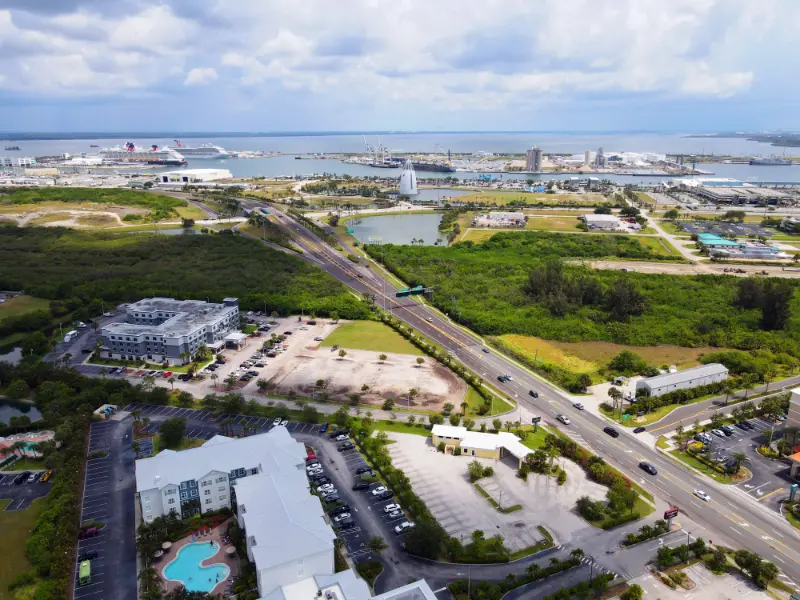
Cocoa Beach is much more than a convenient overnight stop for Kennedy Space Center. Its surf culture, long Atlantic shoreline, nearby port, and access to wildlife on the Indian River Lagoon create an unusually varied short vacation. The main planning challenge is geographic: the Kennedy Space Center Visitor Complex is not on the Cocoa Beach boardwalk, and rocket launch schedules change. This three-day itinerary gives the space program a full day without sacrificing the beach or building the entire holiday around a possible launch.
Three-day itinerary at a glance
| Day | Recommended focus | Easy alternative |
|---|---|---|
| Day 1 | Cocoa Beach and the port area | Surf safety and marina views |
| Day 2 | Kennedy Space Center Visitor Complex | Full day for exhibits |
| Day 3 | Lagoon ecology or Cocoa Village | Choose one calm nature stop |
Choose where to sleep based on your main priority
Cocoa Beach makes a convenient base if you want to walk to the sand before breakfast. The sections around the pier are livelier, while stretches farther south can feel more residential and may suit travelers who prefer quieter evenings. Cape Canaveral accommodation can be useful for Port Canaveral departures and drives toward the Kennedy visitor complex, although “near the port” does not necessarily mean a beach is outside your door. Mainland Cocoa or Merritt Island can offer a different cost and space trade-off, but usually requires a drive for the main shoreline.
Study the precise address. Some listings say “waterfront” because they face a canal or the Banana River, not the Atlantic Ocean. Ask whether parking, breakfast, elevator access, and beach equipment are included. A hotel with an easy beach approach may be worth a little extra for families with children, while visitors mainly planning a space-center day may prefer a hotel with simpler road access. Do not book a room on the assumption that a launch will occur during the stay: an advertised view cannot guarantee a liftoff.
Day one morning: get to know the Atlantic beach
Start with Cocoa Beach itself. This is an Atlantic-facing shore, so waves, wind, and currents can feel very different from the Gulf beaches many travelers imagine when they think of Florida. The Cocoa Beach Pier area is recognizable and convenient for an introductory walk, while another public access farther along the coast may be a quieter choice. Pay attention to posted flags, lifeguard information, and surf conditions. Children should never enter surf without attentive adult supervision, and even strong swimmers should respect rip-current warnings.
You do not need to surf to appreciate the setting. A morning walk, watching surfers from a safe position, and an early lunch create a pleasant first day. If you do want a lesson, book with a suitable instructor who can explain age limits, board safety, and weather cancellations. Travelers who use mobility aids should research the particular beach entrance, accessible route, and any beach-wheelchair availability. Sand conditions are not solved simply by having an accessible restroom nearby.
Day one afternoon: Cocoa Beach shops or Port Canaveral views
Use the middle of the day for a long rest, then choose a modest outing. Cocoa Beach has surf-oriented shops, cafés, and relaxed places to eat; a short browse may be enough after an active beach morning. Another option is the Port Canaveral area, where you may see large ships and the working maritime setting from approved public locations. Do not enter security-restricted areas or assume that a cruise terminal is an open sightseeing attraction.
If you are traveling before or after a cruise, the port's convenience may be the reason to stay here. Confirm terminal assignment, luggage arrangements, and ship boarding instructions from the cruise line itself. For others, a dinner with a harbor view can be the entire afternoon activity. Watch for changing weather; coastal thunderstorms can arrive quickly. An early evening is a sensible choice if tomorrow's plan includes a full day of walking through large museum and exhibit spaces.
Day two: give Kennedy Space Center the time it deserves
Kennedy Space Center Visitor Complex deserves a separate day, particularly for first-time visitors interested in spaceflight. The exhibits cover different eras of exploration, and moving between them can take more time than a short online list suggests. Check the official visitor complex for current admission, operating hours, included experiences, and any special event or bus-tour arrangements. Some experiences may have separate requirements or capacity limits. If the site opens early, it is usually wise to start before the busiest part of the day.
Agree on priorities: a family might focus on a few hands-on displays and a shuttle exhibit; adults interested in history could spend longer reading the mission stories. Do not rush a young child between every exhibition. Mobility needs also deserve advance attention, including transport within the complex and the distance between exhibit buildings. A full museum day can be physically demanding even when large areas are accessible. Eat, hydrate, and rest between sections. If heavy rain is forecast, some outdoor portions may be less comfortable, but a visit can still be rewarding.
What to know about rocket launches and viewing sites
A launch is extraordinary to witness, but it must be treated as a bonus rather than a confirmed appointment. Launch windows can change at short notice due to weather, technical reasons, and range safety. The Kennedy visitor complex explains that viewing packages, locations, and inclusion with admission depend on the specific mission. Booking a hotel or a nonrefundable activity around an anticipated time does not guarantee a launch. Review official mission updates and the visitor complex's current launch-viewing information close to your visit.
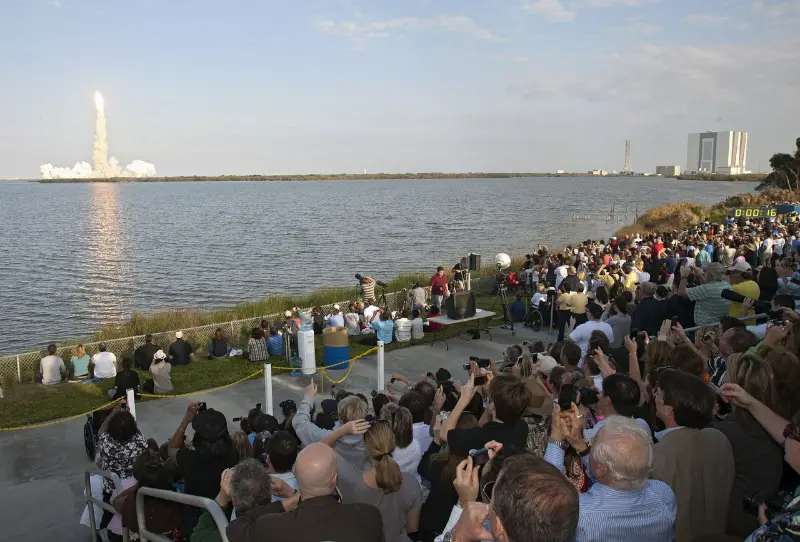
Public viewing areas along the Space Coast can include coastal beaches and selected mainland parks, but sightlines and access vary with the launch pad. Do not park on highway shoulders or stop in unsafe locations to get a photograph. A shoreline viewing spot may involve a long wait without shade or convenient restrooms. For children, bring food, water, and a realistic contingency plan if the countdown pauses. If no launch occurs, the space-center day remains worthwhile because you came for the history and science, not solely for the countdown.
Day three morning: the lagoon, mangroves, and a nature choice
On the third day, explore the landscape that made the Space Coast more than a launch corridor. The Indian River and Banana River lagoon systems support birds and other wildlife, and guided eco-cruises or kayaking activities can be interesting ways to learn about them. Select a reputable local operator, ask whether the route is suitable for beginners, and verify minimum ages, life jackets, boarding steps, and cancellations. Never treat dolphins or manatees as guaranteed attractions; ethical wildlife tours observe rather than chase animals.
If boating is not suitable, choose a land-based nature walk or a shaded local stop instead. The Space Coast has sensitive coastal environments; keep distance from wildlife, remain on marked paths, and do not disturb turtle nests. Young children may find a short boardwalk or an easy birdwatching stop more engaging than a long kayak trip. Travelers with limited mobility should check the exact surface and available seating before leaving the hotel. The point of the morning is to understand the area's lagoons and living coast, not to cover a particular number of miles.
Day three afternoon: one favorite experience, not five detours
Spend the last afternoon on the beach you enjoyed most, or take a short trip to a nearby neighborhood for a different lunch setting. A drive to historic Cocoa Village may suit visitors who want shops and a mainland riverfront atmosphere rather than another surf session. Keep the plan modest: Cocoa Village is not Cocoa Beach, and reaching it takes a bridge crossing and travel time. If you must depart that evening, stay close to your accommodation and avoid a reservation that could be disrupted by traffic.
For a family, the best ending might be buying an ice cream and watching the waves. A couple could choose a sunset-facing lagoon view, noting that the Atlantic shore is generally the sunrise side. Seniors may prefer a quiet restaurant to another outing. Anyone returning a rental car should allow time for fuel, luggage, and airport procedures. Three days are sufficient for beach, space history, and one nature encounter if you resist the temptation to add Orlando theme parks.
Babies, teens, and travelers who need a gentler route
With a baby, choose accommodation near the beach, keep outings short, and plan the space-center day around feeding and rest. Ask about stroller rules and accessible family facilities directly with the attraction. With teenagers, decide whether surfing instruction, space engineering exhibits, or a guided paddle is the standout activity. Give one person responsibility for checking launch information, but avoid refreshing speculative schedules throughout every meal.
For older travelers or people with reduced mobility, a hotel with dependable elevators and easy parking matters enormously. A full day at the visitor complex can be divided into shorter segments, with ample seats and meals. For anyone sensitive to crowds or noise, a quieter beach access and museum rest breaks can make the trip more comfortable. A group containing several generations does not need to remain together every minute; make a clear meeting plan so everyone can enjoy the activities that suit them.
Transport, costs, and scheduling in the region
A car is generally the simplest way to combine Cocoa Beach, the visitor complex, and lagoon outings, although some visitors staying near the shore may spend the first day on foot. Check the route to Kennedy Space Center before buying fixed-time add-ons. Rental cars may involve toll arrangements and hotel parking, while rideshare can become expensive for multiple separate trips. Visitors arriving by air should consider the actual airport and final ground transfer rather than assume any “Orlando” airport is equally close to the beach.
The largest paid attraction is usually the visitor complex. Balance its cost with free or low-cost beach mornings and one optional nature activity. If you add a surfing lesson or boat tour, compare the whole group price and any extra equipment charges. Food and parking costs can accumulate around popular beach access points. A simple three-day plan with one major paid day often leaves more enjoyment, and less financial pressure, than buying tickets for something every morning and afternoon.
Weather, turtle season, and last checks
Summer brings strong heat, thunderstorms, and sometimes good beach mornings that change rapidly by afternoon. The Atlantic has surf-related hazards throughout the year; follow beach safety guidance whenever you visit. During sea turtle nesting season, obey lighting and nesting restrictions and never approach hatchlings or marked nests. Tropical systems can affect beach access and flights, so monitor official forecasts and local notices, especially during hurricane season. No month guarantees a launch or clear skies.
Before leaving home, confirm your Kennedy ticket type, current launch information, public beach access, rental car arrangements, and the meeting place for any lagoon guide. Carry a backup plan for a canceled water activity. If you see a rocket lift off, it may become the trip's defining memory. If you do not, you will still have experienced something unusually Floridian: Atlantic surf, the story of space exploration, and a lagoon landscape full of life.
Frequently asked questions
Is a rocket launch guaranteed during my stay?
No. Launch timing changes for technical, weather and range-safety reasons.
Can Kennedy Space Center fit into a half day?
You may see a selection of exhibits, but a full day is more suitable for a first visit.
Is Cocoa Beach the same as mainland Cocoa?
No. Cocoa Beach is on the barrier island, while historic Cocoa Village lies on the mainland.