
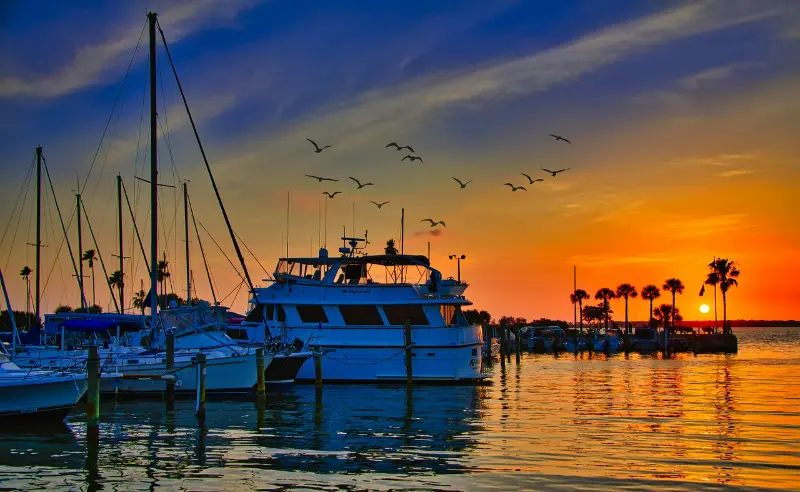
Dunedin and Tarpon Springs offer two appealing alternatives to staying in the busiest parts of Tampa Bay. Both are on the northern Pinellas coast, both have distinctive downtown areas, and both give visitors an opportunity to mix small-town life with nature. Their personalities differ. Dunedin is strongly associated with the Pinellas Trail, craft-oriented downtown dining and trips toward Honeymoon Island. Tarpon Springs is celebrated for its Greek heritage, sponge docks and an old waterfront working-town character. Neither should be judged by a single photograph. A traveler choosing a base should compare lodging, how often they need a car, nearby outdoor experiences and the number of hours they want to spend in restaurants rather than on a beach.
In this guide
- Where the two towns sit
- Why visitors enjoy Dunedin
- Why Tarpon Springs deserves a longer stay
- Is either town truly walkable?
- Beaches and shoreline expectations
- Cycling and outdoor time
- Food and local atmosphere
- Couples, teenagers and family groups
- Where to sleep in Dunedin
- Where to sleep in Tarpon Springs
- A two-day Dunedin plan
- A two-day Tarpon Springs plan
- Costs, parking and getting here
- Accessibility, weather and seasonality
- Which town is a better fit?
Where the two towns sit
The towns lie relatively close together north of Clearwater, but they are not interchangeable neighborhoods. Dunedin’s downtown is inland from the island beaches; Honeymoon Island requires a separate journey over the Dunedin Causeway. Tarpon Springs has a historic downtown and a separate sponge-dock district to the north, so even a room ‘in Tarpon Springs’ may require a drive between the two. Fred Howard Park provides a local Gulf-facing option reached along a causeway, but it is not the same as staying on an expansive resort beach. For either town, start with the accommodation’s actual street address and calculate the journey to the particular waterfront you plan to visit. Do not mistake a coastal ZIP code for doorstep beach access.
Why visitors enjoy Dunedin
Dunedin is an approachable choice for people who like independent cafes, galleries, breweries, lively but not overwhelming evenings and short rides on a multipurpose trail. Around Main Street you can plan a morning walk with a coffee stop, then return later for dinner without organizing a complicated sightseeing transfer. The Pinellas Trail passes near central areas, creating a useful outdoor activity for many cyclists and walkers. Dunedin also works as a gateway to Honeymoon Island State Park; a visit there is a separate outing with state-park entry rules and changing conditions. Dunedin’s drawback is that the downtown is not a beach resort. Hotel photographs showing a marina or sunset do not necessarily imply direct sand access.
Why Tarpon Springs deserves a longer stay
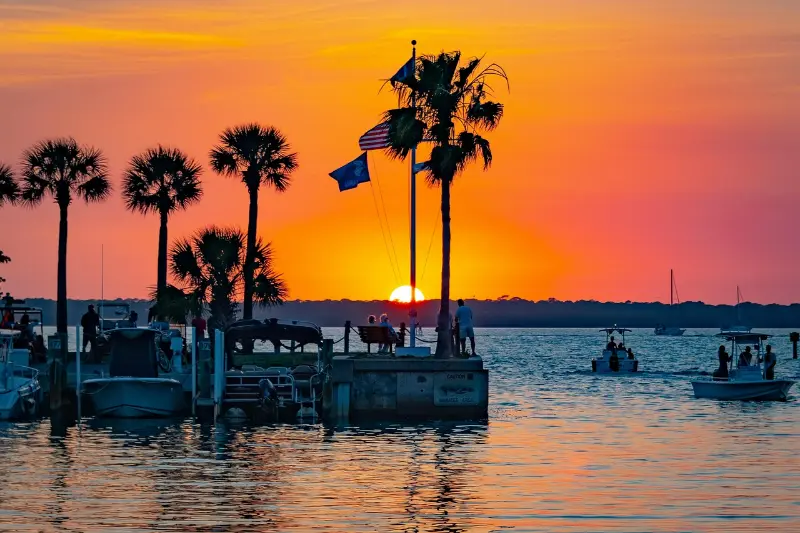
Tarpon Springs is best approached as a cultural destination, not merely a quick lunch stop at the sponge docks. Its Greek-American history is visible in restaurants, bakeries, shops and the waterfront streets where sponge harvesting shaped local life. Visitors can explore the district on foot, choose a Greek meal and look for cultural exhibits or events, verifying current openings. Downtown Tarpon Springs has a different atmosphere from the dock area and offers its own independent shops and architecture. A visit to Fred Howard Park or nearby coastal viewpoints provides an outdoor counterpoint. The most common mistake is to schedule only forty minutes at the docks, then conclude that there is nothing else to do. A relaxed stay makes room for the town’s layers of history.
Is either town truly walkable?
Walkability depends on the address and the destination. A downtown Dunedin room can make breakfast, dinner and some cultural stops accessible on foot, but reaching Honeymoon Island usually requires driving, cycling or a specifically verified transport service. In Tarpon Springs, the historic downtown and sponge docks are distinct areas; even when both have pedestrian-friendly streets, the route between them may be too long or uncomfortable for some visitors. Evaluate sidewalks, crossings and afternoon heat, especially if someone uses a stroller or walker. Pinellas transit services can be helpful on selected corridors, but route patterns and weekend service should be checked for the exact dates. Avoid building an entire week around an assumed trolley connection without confirming it.
Beaches and shoreline expectations
Honeymoon Island State Park is one of Dunedin’s best-known nearby natural escapes. Its coastal environment supports birdwatching, beach walks and time by the Gulf, but the exact beach areas available can change after storms or during park works. The causeway itself also attracts people who enjoy views and water activities. Tarpon Springs is convenient for Fred Howard Park, whose causeway leads toward Gulf views and beach facilities managed by Pinellas County. Neither setting guarantees gentle swimming. Check posted alerts, current beach conditions and where lifeguards are operating. Visitors who need a wide serviced resort beach every day might prefer staying on Clearwater Beach or another barrier island, using Dunedin or Tarpon Springs as day trips instead.
Cycling and outdoor time
Dunedin generally has an advantage for travelers who want to make cycling part of a daily routine. The Pinellas Trail provides a dedicated corridor through many urban and suburban areas, although users must still obey signals and be careful at road crossings. Rent a bike only after checking the shop’s age requirements, helmet options, return time and whether children’s sizes or adaptive bikes are available. Tarpon Springs can also be approached using the trail network, making a one-way ride between towns attractive to confident cyclists. Do not describe the entire route as isolated from traffic: intersections and surface conditions still require attention. In hot weather, morning riding with plenty of water is preferable to a long afternoon effort.
Food and local atmosphere
Dunedin encourages casual browsing and choosing a restaurant after a day of cycling or exploring. Its food scene includes many kinds of casual American and international dining, and weekend evenings may be busy. Tarpon Springs offers something more specific: Greek bakeries, seafood and traditions tied to the area’s sponge-diving heritage. Try a short menu of dishes you genuinely want to taste rather than booking every meal at the same waterfront strip. Food prices vary widely by venue, and a busy tourist-facing restaurant is not automatically the most representative. Travelers with allergies should ask staff directly about ingredients and preparation. If you need an early dinner with toddlers, verify opening hours and consider reservations on busy weekends.
At a glance: practical comparison
| Decision | Option or feature | What to check |
|---|---|---|
| Distinctive attraction | Pinellas Trail and downtown | Greek heritage and sponge docks |
| Nearby nature | Honeymoon Island | Fred Howard Park |
| Evening routine | Cafes and compact downtown | Waterfront food and cultural strolls |
| Need a car? | Useful for island access | Useful between districts |
Couples, teenagers and family groups
Couples who enjoy cycling, evening walks and a variety of cafes may lean toward Dunedin. Travelers interested in immigrant heritage, maritime history and a compact cultural outing may prefer Tarpon Springs. Teenagers may enjoy Dunedin’s trail-and-town combination or Tarpon’s distinctive waterfront shopping, depending on their interests; neither town offers the scale of central Orlando entertainment. For young children, choose one outdoor activity and one indoor or shaded stop rather than exhausting everyone with consecutive walks. Grandparents may appreciate an accessible cafe and an easy waterfront view more than a difficult beach entry. The family decision should be based on how your days work, not which town appears livelier in promotional photographs.
Where to sleep in Dunedin
For a weekend focused on restaurants and evening strolls, investigate lodging near downtown, checking whether sidewalks and crossings are manageable. A property near the waterfront may have attractive views but not necessarily a public beach. If your itinerary prioritizes Honeymoon Island, compare driving distance and park access rather than the distance from downtown. Hotels and inns sometimes have limited parking or rooms reached by stairs; ask before paying if you are traveling with several suitcases or mobility equipment. For families, a small kitchenette and laundry facilities may be more valuable than a decorative room. During popular event weekends, room noise and parking arrangements deserve special attention.
Where to sleep in Tarpon Springs
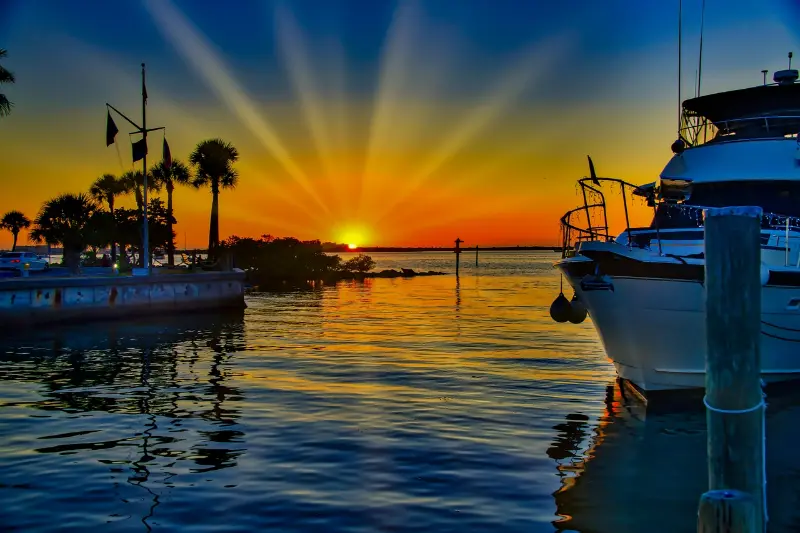
Choosing accommodation around Tarpon Springs involves deciding which district you will visit most often. A place convenient to the historic downtown may not be walkable to the sponge docks, and a waterfront-focused room may be farther from a supermarket. Hotels along main roads offer practical access for day trips but can require a car for every meal. Evaluate guest parking, room access and whether there is a comfortable alternative when summer thunderstorms interrupt a planned walk. If staying with younger children, ask about quiet rooms and swimming-pool safety; if traveling with seniors, prioritize elevators, reliable air conditioning and a short route to breakfast. The strongest booking choice is the one aligned with your primary reason to visit.
A two-day Dunedin plan
Spend your first morning exploring downtown on foot, allowing time for an unplanned cafe or gallery rather than treating the town as a checklist. In the afternoon, consider a short Pinellas Trail ride or stroll, choosing a manageable section and a safe turnaround point. Have dinner downtown and enjoy a relaxed evening. On day two, leave early for Honeymoon Island State Park if the current park conditions favor your activity. Focus on one beach section, a wildlife walk or simply the views, then return for a shaded rest. This pace works for visitors who want variety without commuting across Tampa Bay each hour. Confirm state-park fees and access updates before setting out.
A two-day Tarpon Springs plan
Begin at the sponge docks, learn why sponge harvesting became central to the community and explore local shops without treating every display as a museum. Choose a Greek meal and spend time understanding the town’s cultural history. In the afternoon, visit downtown Tarpon Springs or a cultural attraction with confirmed opening hours. Reserve day two for Fred Howard Park if weather and local access allow, or use it as a flexible morning in town when the Gulf is windy. A short outing to another nearby community may be worthwhile, but avoid squeezing Dunedin, Clearwater and several beaches into one afternoon. The goal is to leave time for the activities that make Tarpon Springs different.
Costs, parking and getting here
Tampa International Airport is often a sensible gateway for northern Pinellas County, but price flights and ground transportation together. Rental-car rates, toll roads and traffic affect the true total. Parking rules differ between downtown streets, beaches and state or county parks. Ask the hotel whether parking is included, then budget separately for the outdoor destinations. A car makes wider travel easier, while travelers hoping to rely on public transport should check the latest Pinellas Suncoast Transit Authority routes and actual stop locations. Bike rentals can be cost-effective for a short recreational ride but are not automatically a safe substitute for car journeys carrying beach chairs, luggage or small children.
Accessibility, weather and seasonality
Florida’s heat and sudden storms are relevant even on an apparently easy downtown walk. Carry water, seek indoor breaks and avoid long exposed stretches in the middle of summer. Winter and spring can be comfortable for cultural browsing and riding, although tourism and event weekends may bring more crowds. Hurricane season runs from June through November, so coastal plans require flexible booking and attention to local alerts. Accessible-travel planning should cover curbs, restaurant entrances, restroom locations and parking at the actual site. Historic districts sometimes have uneven surfaces, while beach routes can cross sand or boardwalk steps. A successful trip may involve enjoying the waterfront without going onto the beach itself.
Which town is a better fit?
Choose Dunedin for a bike-friendly, restaurant-oriented weekend with easy access to a coastal state park. Choose Tarpon Springs for Greek-American heritage, sponge-dock culture and a working-waterfront atmosphere. For a traveler who wants to stay directly on a broad sandy beach, neither downtown alone necessarily fulfills the brief. Ask which activity will occupy most of your hours and look for lodging close to that activity. Check the final room price, transport arrangements and outdoor-site conditions before booking. Both towns can be rewarding without a packed itinerary; the better base is the place that makes your preferred slow day simple.
Frequently asked questions
Can I walk from downtown Dunedin to Honeymoon Island?
Not comfortably for most visitors. Check the actual route and use suitable transport rather than treating downtown as a beachfront location.
Are the Tarpon Springs sponge docks the same as historic downtown?
No. They are distinct districts. Plan transport between them if you do not want a long walk.
Which town works better without a car?
A carefully chosen downtown Dunedin stay may suit a short town-focused visit, but access to beaches and wider outings still needs confirmation.