
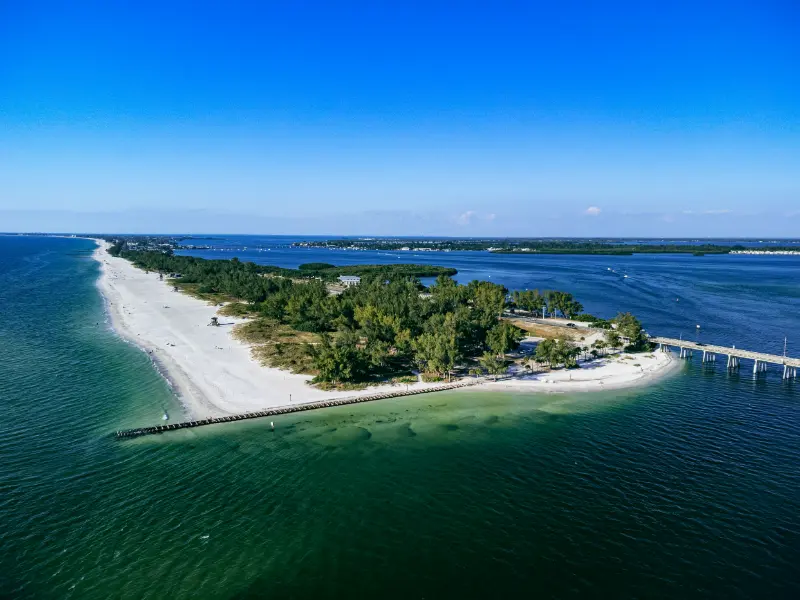
You can explore the Bradenton area without spending the whole vacation on a beach. On the mainland side of Sarasota Bay, Palmetto, Bradenton and Cortez offer a rewarding mix of riverfront paths, local history, fishing traditions and neighborhoods that remain active communities rather than open-air attractions. This four-day itinerary works well for adults who prefer culture, families seeking breaks from swimming, or grandparents traveling with children. It also helps if a beach closure, red tide advisory or poor weather changes an otherwise coastal holiday.
There is an important planning detail as of October 2026: the Florida Maritime Museum in Cortez says its main museum building is temporarily closed for rehabilitation. Do not plan an ordinary indoor museum visit there without checking for reopening. The historical village and approved public walking routes may still make the area interesting, but visitors should not assume the closure grants access to museum buildings or private working docks. A thoughtful itinerary respects that distinction.
One accommodation base is enough
Bradenton generally offers a wider choice of hotels and services than the smaller historic village of Cortez. Staying near downtown can simplify riverfront exploration, but check the actual distance to the activities you choose. A low hotel rate on the far side of a highway might require a vehicle for every meal. Visitors who value a quieter environment may prefer Palmetto or a residential rental, provided they verify parking, stairs and neighborhood rules.
This is a car-friendly itinerary, though some downtown sections can be explored on foot once you park. Do not assume ferries or water shuttles run directly between every waterfront destination. Maps may show a short distance across the water while the road route involves a bridge and traffic. If you are traveling without a car, consider selecting a more compact Bradenton base and reducing the trip to confirmed transit and taxi connections rather than trying to replicate the full plan.
Day 1: start on Bradenton’s Riverwalk
Spend the first morning along the Manatee River on Bradenton’s public Riverwalk. Rather than attempting the entire waterfront at once, choose a section that matches the group’s energy and preferred activities. Families may appreciate play areas and broad views; couples might prefer a quiet bench and time to watch activity on the river. The path can be exposed to the sun, so even a simple stroll is more comfortable early in the day. Check for event setups that might change parking or access.
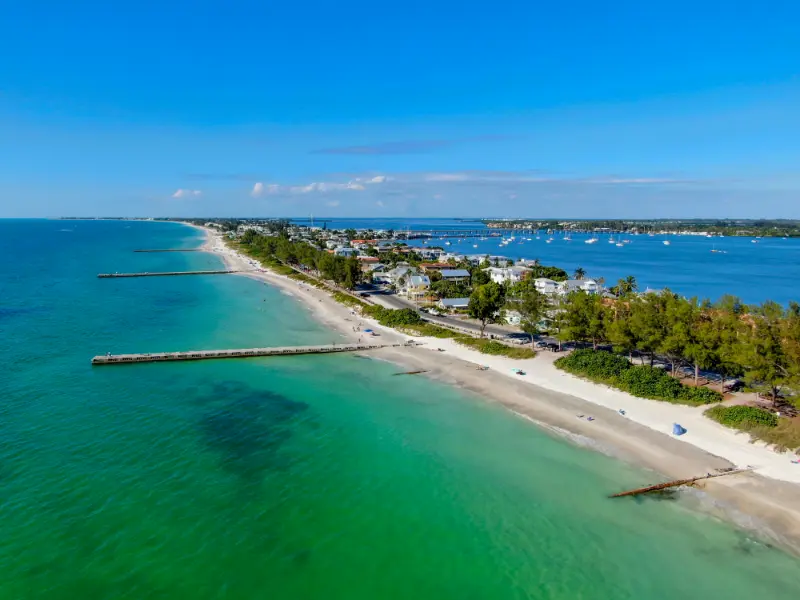
The riverfront is also a good introduction to the area’s geography. Looking west, you are reminded that this is a network of rivers, bays and working waterfronts—not simply a line of beaches. Fishing vessels, pleasure craft and changing weather are part of the scene. Explain to children why they should remain behind railings and away from boat-docking areas. A riverwalk is not an invitation to enter the water.
For lunch, choose a downtown café or casual restaurant that fits your budget and dietary needs. If a museum or art venue is important, verify its current hours and whether any exhibition requires a separate ticket. Avoid trying to combine a hot outdoor walk with several indoor visits before lunch; short, varied activities usually make a more pleasant day for people of different ages.
Day 2: Palmetto and the north bank of the Manatee River
Cross to Palmetto for a look at the area’s agricultural and settlement history. The historic district and public parks make a different kind of visit from a major theme attraction. Begin with a public historic site or park whose hours are confirmed, then continue along streets where pedestrian access is permitted. Do not enter fenced historic structures or private gardens just because an old sign or map makes them appear interesting.
The Palmetto Historical Park and related local collections can provide context for the changing economy of Manatee County. Confirm which buildings and exhibits can be visited on the exact day; volunteer-dependent opening hours often differ from commercial museum schedules. If an interior exhibit is not available, use the afternoon for a public waterfront viewpoint and a relaxed meal. For children, invite them to compare how goods and passengers moved through river towns before modern bridges and highways.
Pay attention to walking surfaces and shade. An older traveler who enjoys local history may not want a long midday circuit. Make two short stops, with a break between them. Families bringing a stroller should look for accessible entrances and restrooms rather than assuming historic properties will have smooth paths throughout. The aim is to understand the town, not complete every building on a walking-tour brochure.
Day 3: Cortez and the living fishing waterfront
Cortez is a historic fishing village with a distinct working identity. Some visitors arrive expecting a themed tourist village; in reality, you are moving through a neighborhood where businesses, boats and residents continue their daily routines. The Florida Maritime Museum offers a self-guided historic walking-tour resource that can help explain the streets and landmarks. Check public access carefully, use sidewalks and permitted paths, and do not trespass on private docks or boatyards for photographs.
Because the Florida Maritime Museum is temporarily closed for rehabilitation, build the day around the open village, local context and an appropriate meal, not a promised museum exhibition. If the museum has announced an outdoor event or a separate program on your dates, verify that independently. A closure notice can change after reopening; the official museum page is the correct source to check before you go.
A seafood lunch can be part of the experience, but do not assume that every restaurant sells the same species or sources everything locally. Ask sensible questions about dishes and prices. If someone has a seafood allergy, tell staff about it explicitly and check cross-contact procedures; a waterfront restaurant is not inherently safe for every diet. Families on a budget may find that one shared special meal is more memorable than buying snacks throughout the day.
Day 4: choose art, local markets or another riverside morning
Use the final day to follow the group’s interest rather than adding another long drive. Art enthusiasts can return toward Bradenton’s cultural areas, checking gallery openings ahead of time. Visitors who loved the river can choose a different public waterfront viewpoint. If a local market is scheduled, browse respectfully and remember that seasonal produce and vendor attendance vary. An online listing does not guarantee that a specific stall will be present.
For children, a low-pressure challenge makes a good finale: identify three examples of coastal life, such as a fishing net, bridge, mangrove or boat design. The point is to connect the previous days, not manufacture a strenuous scavenger hunt. If storms or heat are building, replace the outdoor activity with a suitable indoor attraction or return to the hotel earlier.
Departure-day planning matters here because traffic can accumulate on approaches to the beaches and bridges. Give yourself a reliable buffer to reach an airport or start a longer drive. A small final stop is never worth missing a check-in window or arriving home exhausted.
Understand the area’s history responsibly
A good heritage trip does more than photograph attractive old buildings. Bradenton and Palmetto developed through transportation, agriculture, trade and changes in land ownership. Cortez has a living maritime tradition that includes generations of fishing families. When reading exhibits or local plaques, remember that accounts of settlement must also acknowledge Indigenous history and the labor of people often omitted from celebratory narratives. Choose interpretive materials that explain these layers instead of reducing the region to nostalgic scenery.
Ask museum staff or local heritage organizations where you can learn more, especially when a building is closed. Their recommended archives or walking maps may provide better context than a random social-media itinerary. Support legitimate local businesses by purchasing something you want rather than expecting free access to areas that exist primarily for working residents.
How to handle waterfront weather and water quality
A route beside a river and bay is not automatically a swimming vacation. Fishing areas, marina docks and riverfront walks have different safety conditions than supervised beaches. Never treat an unmarked waterside stairway as a safe way to enter the water. Check local weather alerts, and move into substantial shelter if thunder approaches. The National Weather Service cautions that being outside near thunderstorms is unsafe even when rain has not reached your location.
If you add a beach day, check relevant water-quality and red-tide information close to your visit. Conditions can vary between sites. Visitors with respiratory sensitivity may prefer inland and indoor activities when coastal irritation is reported. A mainland cultural trip is valuable partly because it offers alternatives without requiring you to cancel the whole vacation.
Travel with children or someone who walks slowly
Plan each day around one core destination, an easy meal and a shorter optional stop. Children under five might enjoy the river views but tire quickly of historical interpretation. Bring coloring supplies or simple questions that make stories concrete. Teenagers may prefer to photograph architectural details or investigate how the village’s fishing industry works today. Offer choices, rather than assuming every generation finds the same activity exciting.
For someone with limited mobility, ask about parking proximity, curb ramps, museum entrances, restrooms and seating. Historic districts may have narrow or uneven sidewalks. When a particular heritage site is not accessible, a public riverfront viewpoint and interpretive information can still create a meaningful visit. Independence matters: let the traveler decide whether the shorter option feels right.
Parking, meals and the real cost of a four-day stay
Accommodation is likely to be the largest cost, followed by car use and meals. Compare final hotel rates after taxes and fees, plus the cost of parking at the property. Look up event schedules near downtown Bradenton, since a waterfront festival can affect parking and restaurant demand. A walking itinerary feels economical until visitors discover that parking for several short stops costs more than expected; group nearby attractions together.
Restaurant spending is easy to control if you plan one featured meal and simpler food at other times. Breakfast in a room with a refrigerator can save money, but use correct food-storage temperatures. Do not leave sandwiches, seafood or dairy products in a hot car between stops. If you are renting a vehicle, calculate tolls and insurance arrangements separately rather than considering only the daily rental price.
Four-day schedule at a glance
| Day | Main focus | If weather or energy changes |
|---|---|---|
| 1 | Bradenton Riverwalk | Shorter riverfront section and museum if open |
| 2 | Palmetto history and public parks | One confirmed-open heritage site |
| 3 | Cortez village and fishing traditions | Guided historical reading and lunch, no museum assumption |
| 4 | Art, market or second river viewpoint | Relaxed departure |
Useful questions before booking
Is the museum actually open, or only hosting limited events during renovations? Can the group reach a public riverfront section without walking far? Does the lodging have a lift or accessible bathroom if required? Are restaurant hours compatible with early dinners? A few direct checks prevent most disappointments and make this cultural coast trip comfortable for nearly any age group.
Frequently asked questions
Can you visit Cortez while the Maritime Museum is closed?
Yes, subject to public-access rules and the status of individual businesses. Use official historic-walk resources and respect private fishing facilities; do not expect the museum’s indoor exhibits to be open.
Is a car essential for all four days?
A car offers the greatest flexibility between Palmetto, Bradenton and Cortez. A shorter downtown-focused visit may be possible without one, but check specific transit options in advance.
Is the itinerary useful in bad beach weather?
Yes. It was designed around heritage and waterfront views, with indoor substitutions, although lightning and severe-weather warnings still require appropriate shelter.