
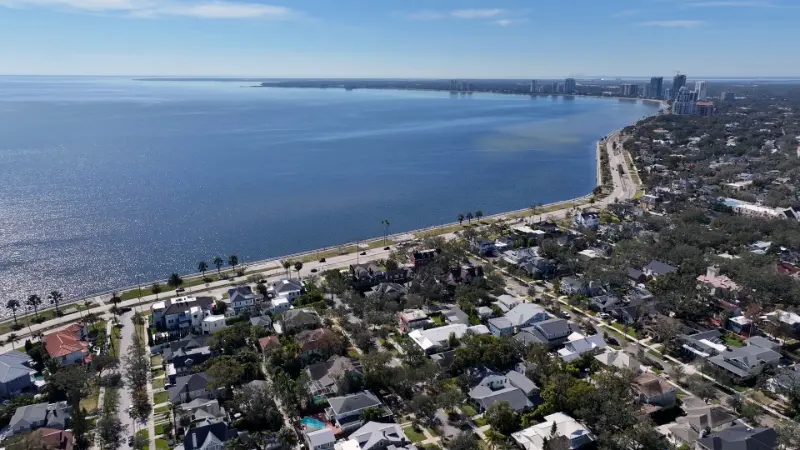
The eastern side of Tampa Bay has a different mood from the beaches of St. Pete and Clearwater. Ruskin, Apollo Beach and Wimauma are close enough for a five-day stay without constant hotel changes, yet the landscape moves from mangroves and open water to farms, quiet roads and a blackwater river. This itinerary is for people who want a few memorable nature outings, practical access to groceries and accommodation, and enough unplanned time for the youngest and oldest members of the group.
The main planning issue is seasonality. The famous Manatee Viewing Center at Apollo Beach is associated with cool-weather manatee congregations near the power station. It is not a guaranteed manatee encounter in summer, and its public operating season needs checking. Other areas, including Little Manatee River State Park, carry trail advisories that should alter your route. This guide treats wildlife encounters as possibilities rather than promises and avoids describing the whole east shore as one continuous public beach.
Choose your lodging for access, not a beach label
Ruskin and Apollo Beach are useful bases if you value short drives to local preserves, groceries and casual dining. Some accommodations have Tampa Bay views while others are inland or near industrial and residential streets. Study the precise location and access before booking; ‘waterfront’ might mean a canal, and a canal view is not the same as a walkable, swimmable beach. If a hotel advertises a pool, check whether it is open, heated in winter and suitable for small children.
Wimauma provides a more rural setting but fewer conventional lodging choices. A remote rental can be appealing, yet the advantage disappears if the nearest supermarket or restaurant is an inconvenient drive. Families with infants should ask about laundry, a safe sleeping arrangement, kitchen equipment and room darkening. If your party includes an older visitor, prioritize a ground-floor sleeping room, easy bathroom access and a predictable route from parking.
Day 1: get to know Ruskin’s quieter waterfront
Spend the first day adjusting to the area rather than driving across Tampa Bay immediately. Visit an established public county park or a clearly signed observation area around Ruskin, and learn the relationship between its shallow shoreline, mangroves and fishing activity. E. G. Simmons Conservation Park can be an appealing candidate when open, with bayside scenery and recreation facilities; check the official Hillsborough County page for entrance fees, hours, campground access and any restrictions.

A shoreline with mangroves can be surprisingly good for spotting wading birds, but stay on maintained paths and avoid disturbing roots. Don’t walk into shallow water looking for an easier photograph. The bottom may be soft and uneven, and this is habitat for wildlife. For children, a short bird-counting challenge and a picnic are better than hours under an exposed sun. If someone has mobility limitations, call the park about accessible restrooms and the distance between parking and the place you actually intend to sit.
Finish with a leisurely meal in Ruskin or at your accommodation. Restaurants can be busy on weekends and may close earlier than a city-center venue. Check the actual opening schedule. Keep the first evening light, especially after arriving by air, because there are more rewarding activities ahead when everyone is rested.
Day 2: Apollo Beach and the manatee question
The Manatee Viewing Center is a signature attraction of this part of the bay, but timing is fundamental. Manatees may gather in warm-water discharge areas in colder periods; this depends on water temperatures, not your preferred travel date. Before setting out, consult the official Tampa Electric Manatee Viewing Center page for seasonal opening details, current operating hours, parking and any temporary access rules. If it is closed, do not treat a viewing platform seen in an old photo as accessible.
When operating, a viewing area is an opportunity to learn about manatees without touching or approaching them. The center may include other educational features, and some sections or pathways may not suit every mobility device. Ask about the walking distances before promising the entire site to an older family member. On a busy winter weekend, patience and flexible arrival times matter more than racing to the platform.
If the center is closed or few animals are present, build a different day around an open public nature area, lunch and time with the bay scenery. Never follow a manatee into the water or attempt to feed it. Responsible wildlife travel accepts that wild animals choose whether to appear. The Florida Fish and Wildlife Conservation Commission publishes guidance about protecting manatees and responding to animals in distress.
Day 3: Wimauma and Little Manatee River State Park
Drive inland toward Little Manatee River State Park for a change from saltwater shoreline to a blackwater river landscape. The park protects woods and river habitat and offers options that range from camping to more demanding trails. This is where it pays to plan a specific activity instead of deciding vaguely to ‘do the state park.’ The official notice currently states that the long North Trail is temporarily closed. Check the current state park page and select an open, manageable alternative rather than crossing barriers.
A short nature visit can be enough for families and anyone who wants a gentle pace. Study the map, choose a suitable picnic area, and ask staff about trail conditions after heavy rain. Florida’s blackwater rivers are distinctive, but dark water does not mean a safe or supervised swimming area. Treat banks, boat launches and riverside slopes as places requiring active supervision of young children. Visitors considering paddling should use properly fitted life jackets and understand current river conditions.
Take insect protection and water, particularly in warm weather. A park road or an accessible viewing point may produce a satisfying wildlife encounter without a strenuous hike. If a thunderstorm develops, leave trails and water in good time. Save the afternoon for a comfortable meal, not another hour-long nature stop added simply to fill the itinerary.
Day 4: a flexible day for local food, gardens or rest
Use Day 4 to match the group’s interests. A couple might choose a relaxed restaurant lunch and a drive through rural surroundings on public roads. A family with school-age children might repeat their favorite park or look for a scheduled educational activity run by a legitimate organization. A multigenerational group may prefer a late breakfast and shaded seating rather than another walk in full sun.
If you visit a working farm, nursery or seasonal produce stand, check that it welcomes visitors and confirm current opening times. Wimauma and the surrounding area have an agricultural identity, but fields and operations are private property unless clearly opened to the public. Don’t drive into farm lanes for photographs or assume a crop festival is offered every weekend. Buy produce from authorized sellers and store perishables safely on hot days.
An indoor alternative is useful during summer storms. Instead of choosing a distant paid attraction immediately, consider the comfort of a café, local history stop or your lodging. A day with fewer scheduled activities isn’t wasted. It allows the wildlife outings to remain enjoyable rather than exhausting.
Day 5: a final park stop and sensible departure
On the last day, revisit the most convenient open shoreline area or enjoy a calm breakfast before departure. If flying from Tampa, leave a substantial buffer for traffic, rental-car return and airport procedures. The drive can become much slower at certain times, particularly near bridges, major highways and event traffic. If departing from Sarasota Bradenton instead, compare routing and rental agreement details rather than assuming the airports are interchangeable.
Keep bags in a secure location while exploring. Do not leave passports or electronics on display in the car at a park. If a child is tired, shorten the stop. If an older traveler needs a restroom, select the location accordingly. A final hour should improve the journey, not put the flight at risk.
The right season for each experience
Cooler months are particularly relevant for the Apollo Beach manatee viewing season and can make outdoor walks more pleasant. Warmer months can be good for observing other coastal wildlife but bring greater heat, humidity and afternoon thunderstorms. There is no universally ‘best’ date because access, weather and animal behavior differ. Build the trip around what you can do whether or not a manatee appears.
Hurricane-season planning matters for coastal accommodation from June through November. Review cancellation conditions, official forecasts and local evacuation information close to departure. Do not rely on a social media picture to assess a storm impact. In every season, protect yourself from sun exposure and plan shade and drinks before the group becomes uncomfortable.
Beaches, water access and what not to assume
Unlike the broad Gulf beaches to the west, much of this east-shore landscape is estuarine or lined with mangroves, seawalls and developed properties. There are excellent nature views, but swimming access is not universal. If a sandy, supervised beach is essential, plan a separate coastal outing and include the extra driving in your itinerary. Don’t tell children the day will be a ‘beach day’ when the real destination is a wildlife overlook.
Public fishing piers and launches may have rules on access, hours, gear and permits. A visitor who wants to fish should check Florida’s current license requirements, as exemptions depend on circumstances. Someone who simply wants to watch boats should use a permitted public area and keep clear of launching vehicles and lines.
Getting around and keeping costs predictable
A car is the practical way to link these stops. The area has suburban development, rural roads and parks separated by distances that are awkward without a vehicle. Compare the full cost of rental, fuel, any tolls and accommodation against choosing a single centrally located room. Ask whether the lodging charges parking separately, and budget for state-park or county-park entry where applicable.
Spend on one memorable experience rather than several unverified tours. Nature viewing is often economical, but the most expensive surprises can be a distant rental, a room without kitchen facilities and repeated restaurant meals. Travelers who need a quiet pace will benefit from a hotel with a shaded pool or a pleasant sitting area. Make sure that amenity is actually available on the date you travel.
Five-day itinerary overview
| Day | Area | Main attraction | Sensible backup |
|---|---|---|---|
| 1 | Ruskin | Public bayside park and birdwatching | Early dinner and rest |
| 2 | Apollo Beach | Seasonal manatee education | Another confirmed-open nature area |
| 3 | Wimauma | Little Manatee River State Park | Shorter approved park route |
| 4 | East shore | Local food or optional repeat outing | Indoor lunch and downtime |
| 5 | Ruskin or airport route | Breakfast and a short scenic stop | Direct departure |
Accessibility and safe wildlife habits
Before promising an accessible experience, ask about the actual path from parking, surface quality, distance and restrooms. Flat-looking boardwalks can still have steep approaches or temporary repairs. A nature outing should be adaptable for someone who uses a stroller, walker or wheelchair; that may mean choosing one viewing point instead of a whole loop.
Don’t feed wildlife, approach nesting birds or use drones where prohibited. Respect mangroves and private property. If you see a distressed marine mammal, report it through the state wildlife authority instead of attempting a rescue. A thoughtful five-day visit to the east shore is more rewarding when the landscapes and their rules are treated seriously.
Frequently asked questions
Can I see manatees in Apollo Beach all year?
Do not count on that. The viewing center has a seasonal operating period, and manatee gatherings depend on conditions; check the official site for your dates.
Is this a good base for a classic white-sand beach vacation?
It is better for estuary scenery and nature. If swimming at broad Gulf beaches is your priority, choose lodging nearer an appropriate swimming beach or plan a longer day trip.
Can older visitors enjoy the Little Manatee River park?
Yes, if the day’s activity is matched to their stamina. Check the specific open paths, parking and restroom access before going.