
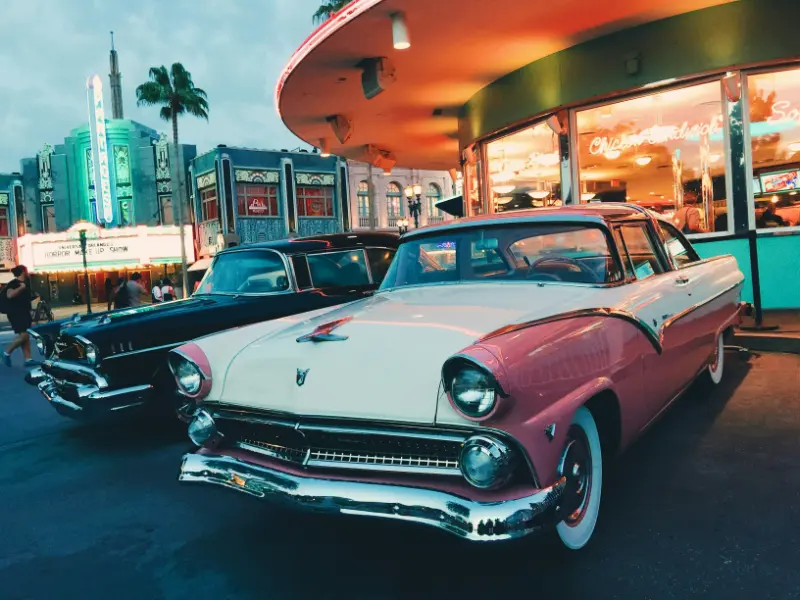
Florida's automobile museums offer a different kind of sightseeing day: instead of looking through a windshield at palm trees, visitors can see how the vehicles themselves changed. From early motoring to midcentury design and unusual engineering, car collections can appeal to dedicated enthusiasts, curious children and travelers who simply enjoy attractive objects with stories behind them. There is no need to plan a weeklong rally. One well-chosen museum near your vacation base can turn a hot or rainy afternoon into a memorable indoor experience. The key is understanding each collection's focus, admission rules and location before making a special trip.
| Option | Best fit | Check first |
|---|---|---|
| Tallahassee | Automobile museum | North Florida road trip |
| Stuart | Elliott Museum | Treasure Coast museum visit |
| St. Augustine | Classic Car Museum | Drive from historic downtown |
What makes an automobile museum worth visiting?
A good collection is about more than polished paint. Cars can reveal how families traveled, how manufacturing evolved, what safety meant in different eras and why certain designs became cultural symbols. Look for interpretive panels or guided explanations rather than assuming the most expensive vehicles are the most interesting. An early vehicle with rudimentary controls may be more educational for a child than a luxurious sports car. A museum displaying unusual steering systems, compact European cars or early engines may be fascinating for adults who think they have already seen every classic American model.
Decide which part of the story interests your group. A restored-car showroom emphasizes design and craftsmanship. A broader technology museum may cover inventions and transport alongside vehicles. A specialist historic collection can be small but rewarding if staff explain the engineering. For a family with different ages, a museum that offers seating, restrooms and a manageable route can work better than a huge collection that demands hours of walking. The best one is not necessarily the largest.
Tallahassee Automobile Museum: cars in a wider collection
The Tallahassee Automobile Museum is a recognizable stop for north Florida road travelers and offers classic vehicles within a broader collection of historical objects. It may suit visitors who enjoy eclectic displays and want something interesting to do along an Interstate 10 journey, although you should not assume every exhibit is exclusively automotive. Verify the current schedule and admission on the operator's official site before leaving. Large collections sometimes rotate displays, and a vehicle pictured in an old review may not be on view during your visit.
For families, a useful approach is to choose a few favorite cars and ask what made each one distinctive: the body shape, engine size, passenger accommodations or technology of its era. Someone traveling with a person who tires easily can plan a shorter visit and focus on accessible sections. Never count on being allowed inside the vehicles or touching displays; polished paint and historic interiors can be damaged easily. Treat these artifacts as museum objects, not a dealership where doors and hoods may be opened casually.
Stuart: the Elliott Museum and the Treasure Coast
The Elliott Museum in Stuart presents a mix of history, innovation and classic automobiles, providing a different outing from a motorsport-focused venue. Its location on Hutchinson Island makes it possible to combine a museum visit with a coastal drive or a short waterfront break, provided the weather and traffic cooperate. Check which galleries are open and whether any special exhibitions affect the main vehicle displays. A museum's name or promotional photograph does not establish that every car is displayed every day.
Visitors interested in early motoring may appreciate how a collection can reveal changing transportation habits. Children can compare seating layouts and imagine a family journey before modern climate control and navigation. Teenagers might be interested in mechanical controls, design choices and the way new inventions alter daily life. A history discussion need not become a technical lecture: asking which vehicle seems most comfortable, practical or surprising keeps the visit engaging. Build time for the rest of the museum if the collection also includes local heritage and other kinds of artifacts.
St. Augustine: classic cars beyond the historic downtown
St. Augustine is famous for Spanish colonial history, but its Classic Car Museum provides a different reason to step outside the busiest tourist streets. Visitor information describes a collection of restored vehicles and automotive memorabilia at a site on U.S. 1 south of the central historic district. This is not the kind of attraction you are likely to pass while strolling between old-town landmarks; plan transport deliberately rather than assuming it is a short walk from the main visitor garage.
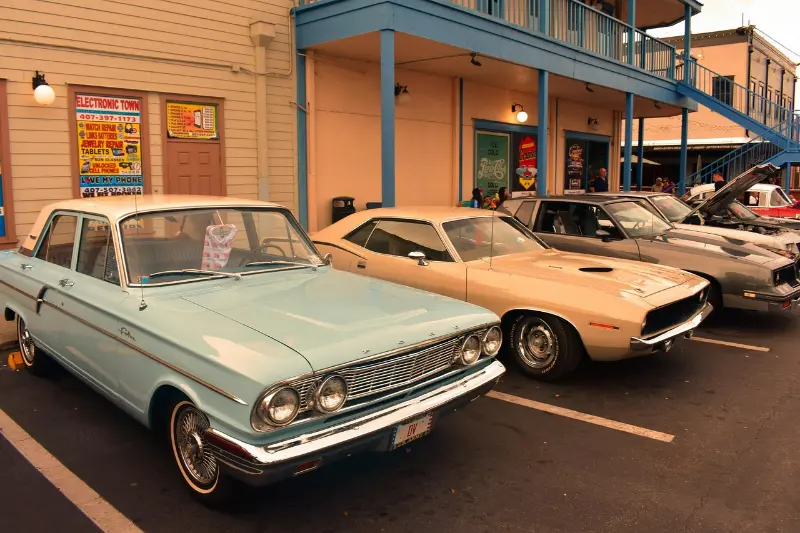
The museum has also been associated with community automotive events, which may include car gatherings or related programs on particular dates. Such events are not interchangeable with routine museum admission: start times, fees and which facilities are open can differ. If a child is fascinated by unusual vehicles, ask the staff whether any hands-on opportunities exist rather than touching exhibits without permission. After the museum, return to the historic area or plan a separate coastal stop to balance the indoor experience with a little fresh air.
A classic car show is different from a permanent museum
Florida's mild winter climate supports many informal car gatherings, cruise-ins and local shows, but events can be highly variable. At a show, vehicles may belong to private owners who enjoy answering questions, yet the lineup depends on who attends. A museum offers a more predictable display, controlled indoor conditions and interpretive information. Choose a show if you enjoy spontaneous conversations and outdoor atmosphere; choose a museum if you need reliable access, shelter and a defined experience. A family may enjoy both, but they are not substitutes when the weather is bad.
When attending a car show, respect cones, cordons and owners' preferences. Do not lean against bodywork, open doors or encourage children to sit on fenders for photographs. Some events permit participants to bring dogs, while others use private properties with restrictions. Ask before photographing people at close range, particularly children. Outdoor events may provide little shade or seating and can feature loud engines. If a member of your group is sensitive to noise, an indoor museum is likely the easier option.
How to plan a family visit without car fatigue
A typical mistake is building a packed driving itinerary for people who already spend much of their vacation inside a rental car. Select one museum within a sensible distance and pair it with lunch or a short local attraction. For younger children, a focused 60–90-minute visit may be enough. Encourage them to look for details: round headlights, wooden steering wheels, seats without modern headrests and the way luggage was carried. A simple picture scavenger hunt helps without turning the museum into a race.
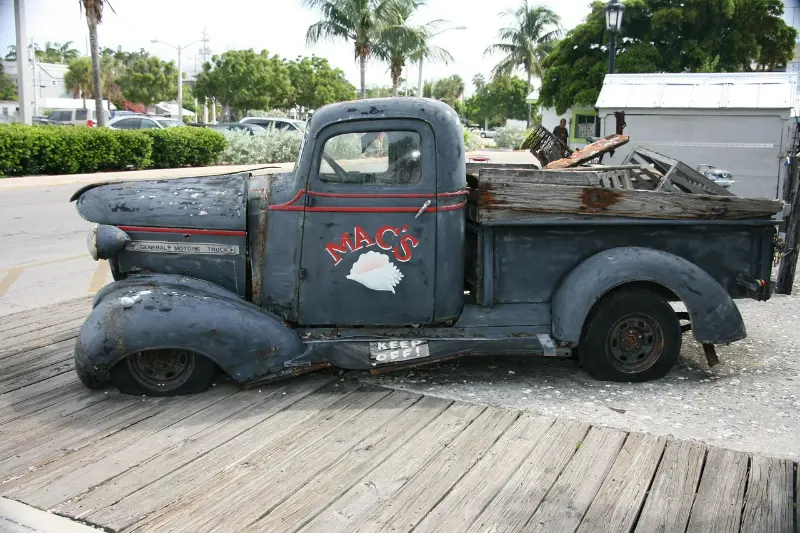
For teens interested in design or engineering, ask them to compare two generations of vehicles and discuss what changed. Grandparents may have personal memories of a model or era; invite them to share if they wish, but never imply that they must know technical facts to appreciate the collection. The same car can inspire a discussion about art, family history, road travel or fuel economy. If someone needs a seated break, confirm whether benches or a café are available; not all museums provide the same facilities.
Accessibility and comfort questions to ask
Before booking, check accessible parking, entrance thresholds, elevator availability and whether every gallery can be reached without stairs. A museum with a historic building or vehicle platform may have obstacles even if the main lobby is accessible. Photographing cars often requires stepping back to see a complete vehicle; narrow aisles or crowded events can make that harder for wheelchair users. Ask the venue about quieter hours and whether mobility devices are welcome on the exhibition floor.
Parking is another practical detail. A large building outside a downtown district may have convenient on-site spaces, while a museum near a popular waterfront can have more competition. If visiting on a special event day, ask whether normal parking remains available. A traveler with vision limitations may enjoy guided descriptions, tactile representations where permitted or an accessible audio program, but these services should be confirmed directly. Staff are often better equipped to answer specific questions than a brief online accessibility badge.
Photography, preservation and visitor etiquette
Many museums permit casual photography but restrict flash, tripods or commercial shoots. Check the posted policy. Historic paint, chrome and glass can produce reflections that make photography difficult; a slower visit, careful framing and natural light often work better than bright flash. Never reach over a barrier for a closer view of a badge or dashboard. Oils from hands and accidental scratches can harm finishes that are expensive to conserve. If you want to photograph a particular engine, ask whether the hood is normally displayed open rather than attempting to touch it.
A car show may offer more relaxed photography opportunities, but cars remain private property. Ask owners before moving an object or stepping very close to an engine bay. Keep food and drinks away from exhibits. Children should remain supervised, especially where parked vehicles may move unexpectedly. Preserving the objects is part of the experience: a vehicle that survived decades deserves respectful treatment, whether it belongs to a public museum or an individual collector.
Cost comparison and how to avoid disappointment
Admission prices vary, and some locations offer discounts for children, seniors or members. Do not quote an old price as if it were guaranteed. Compare the museum ticket with the time you realistically plan to spend, and check whether special exhibitions require an additional payment. Some privately run collections may have unusual opening patterns or be closed for an event. Confirm that the attraction is open on your exact date and that the collection you want to see is included in the ordinary ticket.
If your visit is tied to a unique vehicle, contact the museum to check whether it is on display. Collections rotate, buildings undergo maintenance and vehicles sometimes travel to events. A spontaneous stop is fine when the goal is simply exploring, but a special trip to see one model should be confirmed. For groups, ask about advance reservations and accessible transport; a museum that works for two adults may have different logistics for a busload of students or a large family party.
A sensible two-stop automotive itinerary
Rather than zigzagging across Florida in search of every museum, choose a region. In northeast Florida, pair St. Augustine's classic-car collection with historic downtown or a coastal viewpoint. On the Treasure Coast, place the Elliott Museum within a Stuart or Hutchinson Island day. In north Florida, the Tallahassee collection can fit a journey through the capital region. These regional combinations reduce driving and offer companions who do not share the car hobby something else to enjoy.
If you truly want a themed road trip, use several overnight bases instead of attempting everything in one long day. Florida is geographically large, and museum stops separated by hundreds of miles should not be described as neighboring attractions. Give yourself travel breaks and respect opening days. Cars are best appreciated when the visitors themselves are not exhausted from the road. A thoughtful itinerary balances history, comfortable pacing and a little curiosity about the people who built and used the vehicles.
FAQ
Answers to common planning questions:
Are Florida car museums only for automotive experts? No. Their displays can interest visitors who enjoy design, innovation, family history and craftsmanship.
Can children sit inside the classic cars? Generally do not assume this. Follow each exhibit's rules and ask staff about any interactive displays.
Are local car shows free? Some are, but rules and fees vary. Confirm each event directly.
Should I reserve tickets? It depends on the museum and date. Check live admission and opening information before a special trip.