

Motion sickness can quietly shape a Florida vacation long before anyone reaches a roller coaster. A child may feel ill on the road from the airport, an adult might avoid an otherwise appealing boat excursion, or a teenager may love the idea of a virtual-reality ride yet feel miserable afterward. The useful response is not to abandon Florida’s most interesting experiences. It is to plan routes, transport and activities around the person’s known triggers and to make it easy to change plans without embarrassment or extra expense.
This guide is for travelers who already know that motion can cause nausea, dizziness or discomfort. It is not a diagnosis or a recommendation to take a particular medicine. A healthcare professional is the appropriate source for individualized advice, especially for young children, pregnant travelers, older adults or anyone taking other medications. What a travel itinerary can do is reduce avoidable exposure, create rest time and favor activities that are enjoyable without unnecessary motion.
Trip at a glance
| Common triggers | Cars, boats, simulators and rides |
|---|---|
| Trip strategy | One base and shorter journeys |
| Best backup | Land-based museums and nature visits |
| Medical advice | Ask a clinician for individual guidance |
Recognize the situations that are most likely to matter
Florida has different kinds of movement. Highway driving can include long stretches of straight road followed by stop-start traffic. Boat tours may cross sheltered bays, shallow sounds or more exposed ocean water, and calm-looking water at the dock does not guarantee a smooth ride later. Theme parks can combine spinning, acceleration, dark screens and simulated motion. Even a shuttle or scenic train can be uncomfortable for some visitors if they sit in an unfavorable position.
Ask the motion-sensitive traveler what has actually caused symptoms before. Some people tolerate cars but not boats; others are fine on a ferry and feel ill when reading in a vehicle. Do not make assumptions based on age. A person who gets nauseated on a winding road may be perfectly happy at an aquarium, historic fort or waterfront museum. Building the trip around those strengths allows the visitor to participate fully rather than spending the holiday anticipating the next difficult ride.
Set the itinerary around one comfortable base
Frequent hotel changes require extra transport and repeated packing. If someone becomes ill in cars, one well-chosen base can remove hours of avoidable driving. For Orlando attractions, book a property near the activities you will actually use. For a Gulf Coast vacation, choose one coastal district and explore nearby beaches, museums and gardens rather than driving from Tampa to Naples and back. For the Florida Keys, consider the trade-off between a long overseas highway drive and staying in one island group for several days.
When reviewing accommodation, look at map distances during the time of day you expect to travel. A cheap hotel far from major attractions can create two uncomfortable journeys every day. A quieter room also matters when someone needs to recover after an outing. Request a room away from elevators or noisy common areas if rest is important; confirm that the property can reasonably accommodate the request instead of assuming it is guaranteed.
Car rides: arrange the easiest possible start
The CDC notes that strategies such as looking toward the horizon, resting the eyes, taking breaks and staying hydrated can help people prone to motion sickness. For adults, a forward-facing position with a clear view can be preferable to looking down at a phone, but passengers must always obey seat-belt rules. Children belong in an age- and size-appropriate rear seat restraint as required by law; never move a child to an unsafe front seat because of nausea. The proper car seat takes priority over a seemingly better view.
Try to begin a long drive after a suitable meal and a period of rest rather than following a hectic airport arrival with hours of backtracking. Plan a few stops with restrooms and a safe place to walk. A stop every hour or two may extend the drive but can save the day if someone is feeling unwell. Pack water, tissues, a change of clothes, sealable bags and easy-to-clean supplies. Avoid filling the car with strong scents, and allow fresh airflow when comfortable and safe.
What to do about phones, books and entertainment in the car
Reading, watching video on a small screen or playing a handheld game can worsen symptoms for some travelers. If that pattern is familiar, use audio stories, music or conversation instead. Children may be happy with a game of spotting shapes in the landscape, provided they can keep their gaze outside. On Florida highways, scenery may be repetitive, so prepare a playlist or age-appropriate podcast before leaving rather than searching on a phone while driving.
Plan separate roles for the adults. The driver should concentrate fully on the road, while another adult can help a child adjust the activity or locate supplies. If only one adult is traveling with children, stop safely before managing nausea or searching for something in a bag. Never reach into the rear seat or read phone directions while driving. The extra few minutes at a rest stop are preferable to a dangerous distraction.
Boat tours: compare the actual water rather than just the brochure
A wildlife cruise on a sheltered river is different from an ocean-facing boat excursion, but neither is guaranteed smooth. Ask the operator about the typical route, duration, vessel size, seating arrangement and cancellation policy. Request an honest description of what happens on windy days. A trip that is comfortable one morning may be rougher in the afternoon. Some passengers feel best where they can see the horizon; if that matters to your group, confirm whether such seating is possible instead of assuming the boat provides it.
Small boats, airboats and fast sightseeing craft also differ in noise, vibration and abrupt movements. A passenger who dislikes strong sensations may prefer a slower interpretive cruise or a land-based wildlife center. Don’t let an advertisement for ‘gentle nature’ substitute for questions about the actual vessel. If the operator cannot explain how they manage changing conditions, choose another activity. A good tour company should welcome reasonable questions about passenger comfort and safety.
Know when to skip the boat altogether
You do not need to take a boat to see Florida wildlife. Boardwalks, national wildlife refuges, botanical gardens and nature-center exhibits offer meaningful encounters from solid ground. In Central Florida, some spring parks have overlooks or interpretive areas. Along the coasts, managed parks may provide birdwatching from a pier or shoreline path. These alternatives can appeal to grandparents, small children and anyone who wishes to avoid the uncertainty of open water.
A full refund on a boat ticket is not always available merely because a passenger feels sick, so read the cancellation terms before booking. For a family group, consider whether a boat excursion can be optional for the keen participants while others visit a nearby museum or café. The schedule should allow a safe meeting point and realistic transfer time. No one should feel obligated to board because the tickets were expensive.
Theme park rides: understand what triggers symptoms
Florida theme parks mix many kinds of movement. A ride may be physically fast, spin while moving, place passengers in an enclosed simulator or use large screens that create a sensation of movement without corresponding body motion. The latter can be difficult for someone who tolerates ordinary roller coasters. Read the attraction’s health and accessibility information rather than using a generic thrill rating as a guide. The description of ride motion is often more relevant than height restriction alone.
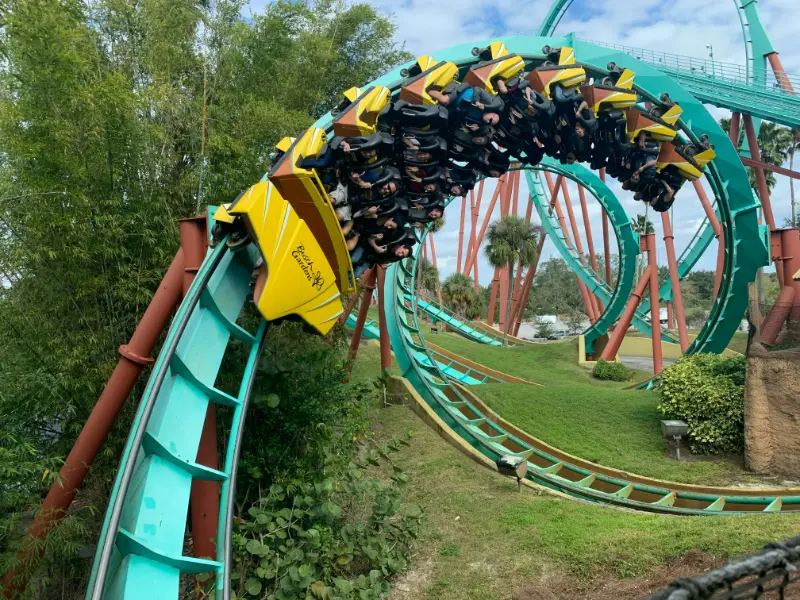
Begin with exhibits, shows or calmer attractions and see how the visitor feels. Do not schedule several intense experiences back to back. A long day in the heat, dehydration and fatigue may make discomfort harder to manage. The family can split into small groups for one ride while the motion-sensitive traveler enjoys an alternative. The aim is not to ‘cure’ sensitivity by pushing through the attraction list; it is for everyone to have a good day.
Simulators, screens and virtual experiences deserve extra thought
A simulated ride can be particularly confusing because the eyes and inner ear receive different movement information. The CDC explains this mismatch as part of why motion sickness occurs. If screens and VR experiences are a known trigger, choose a non-simulator attraction or ask staff whether there is a stationary viewing option. Do not assume closing the eyes is an adequate solution for every visitor; the whole experience might still be unpleasant.
Visitors with vestibular conditions or a complex medical history should ask a clinician about suitable activities before travel rather than relying on online symptom guides. If nausea is severe, persistent or accompanied by new concerning symptoms, seek medical evaluation. On vacation it is tempting to dismiss every dizzy spell as ordinary travel sickness, but not every illness has the same cause. Practical planning is helpful; self-diagnosis is not.
A six-day Florida plan with less motion
A sample Gulf Coast itinerary might begin with an easy arrival and local dinner; follow with a botanical garden; reserve Day 3 for a museum or aquarium reached by a short drive; make Day 4 a beach or waterfront outing; keep Day 5 flexible for a low-motion nature experience; and leave Day 6 for departure. If a boat trip is important, add it as an optional replacement for a day, not as the one non-negotiable highlight of the entire vacation.
An Orlando-area alternative could combine one full attraction day, a recovery morning, a museum or garden day, another attraction day chosen for calmer experiences and a final short excursion near the hotel. Stay realistic about traffic and parking. A shorter, enjoyable day can cost the same admission as a marathon, but it will often be remembered more positively by a visitor who otherwise spends the afternoon feeling unwell.
Food, hydration and temperature during the day
People differ in what foods are comfortable before travel, and there is no single meal that works for everyone. The CDC suggests hydration and smaller, more frequent amounts of food as potentially helpful measures. Pack familiar snacks and avoid planning the day’s most turbulent activity immediately after a very heavy meal. Heat and exhaustion can make a difficult day feel worse, so schedule shade and cooling breaks even when motion is the main concern.
Keep drinking water available at attractions and in the vehicle. Avoid alcohol when you expect to be managing nausea or driving, and be alert to the effects of any medications recommended by a clinician. Some motion-sickness products can cause sedation or interact with other medicines. Parents should not give an adult medicine to a child simply by reducing the dose. Ask a pediatrician or pharmacist for age-appropriate advice before the trip.
How to handle a bad spell without derailing the vacation
Agree in advance that anyone can ask for a stop. On the road, find a safe parking area; on a boat, follow crew instructions; at a park, move to a suitable quiet place and seek assistance if needed. Do not argue with a child or adult who says they feel ill. Allow time for symptoms to settle and avoid immediately beginning another demanding activity. Keep the group’s schedule flexible so one person does not feel responsible for spoiling everyone else’s day.
If the group has several ages, separate plans can work well. One adult may take enthusiastic teenagers to a simulator while another rests with a younger child, then everyone meets for lunch. Decide supervision and communication arrangements beforehand. A child should never be left alone because a parent has stepped away on a ride. The best itinerary is clear about what each person is doing and when they will reunite.
Booking and packing checklist
Before purchasing tickets, examine refund policies, boat-route descriptions and attraction ride advisories. Pack the necessary car restraint, hydration, a small change of clothing, disposal bags and any clinician-approved supplies. Save offline maps so the driver does not need to improvise unfamiliar detours. Confirm that the hotel is conveniently placed for short drives. Most importantly, choose at least two no-motion attractions in the area so the entire vacation does not depend on tolerating a ride or cruise.
A motion-sensitive traveler can still have an excellent Florida holiday. The secret is not to pretend the problem disappears, but to build a day around comfortable transport, appealing land-based experiences and permission to change course. A botanical garden, a well-paced museum or a quiet waterfront morning can be just as memorable as a boat or theme park ride when everyone feels well enough to enjoy it.
Frequently asked questions
Should a child sit in the front seat to avoid nausea?
No if an appropriate rear-seat child restraint is required. Car-seat safety comes first.
Are all wildlife cruises gentle?
No. Water conditions, vessel size and route differ; ask operators before booking.
Should I give children motion-sickness medicine?
Seek age-specific guidance from a healthcare professional rather than adapting an adult product yourself.