
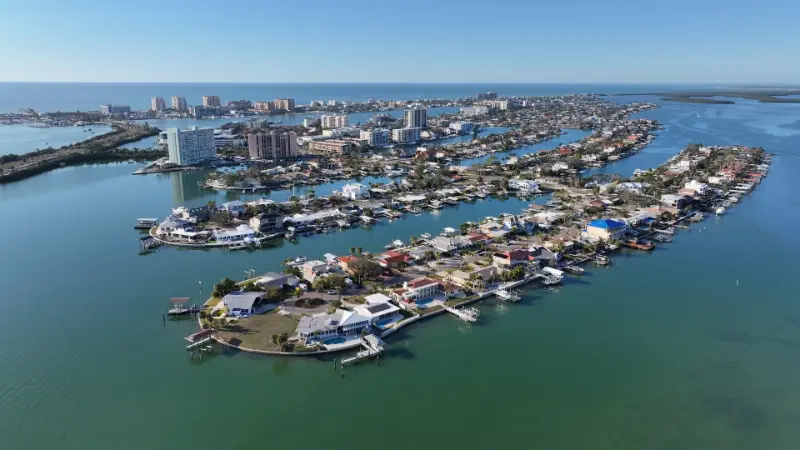
The St. Petersburg–Clearwater area blends Gulf Coast beaches, city museums, marinas, walkable town centers and nature preserves. First-time visitors often treat the region as one place, but the accommodation choice changes how much time you will spend crossing bridges or searching for beach parking. Downtown St. Petersburg is excellent for art and dining; Clearwater Beach and St. Pete Beach are coastal bases with easy access to sand; Dunedin has a smaller-town atmosphere and nearby nature areas. Treasure Island and Pass-a-Grille offer other versions of the Gulf Coast. A single holiday cannot be centered on every one of these places without extra travel. This guide compares the main bases honestly so couples, families, solo travelers and older visitors can decide where to sleep and how to build days that do not feel rushed.
At a glance: compare the areas
| Where to stay | Best for | Check before booking |
|---|---|---|
| Downtown St. Pete | Art and dining | Not Gulf-facing sand |
| Clearwater Beach | Classic beach resort | Crowds and bridge traffic |
| St. Pete Beach | Gulf beach stays | Long coastal corridor |
| Dunedin | Small town and nature | Beach requires transfer |
Downtown St. Petersburg: art, restaurants and a waterfront city break
Downtown St. Petersburg is an attractive base for travelers who like museums, independent cafés, parks and evenings spent wandering near the waterfront. The Dalí Museum, the Museum of Fine Arts and the St. Pete Pier are among the attractions that give the city a cultural identity distinct from the beach resorts. Staying nearby can reduce the need to drive to dinner or a scheduled museum visit. However, downtown St. Pete does not put you beside the Gulf’s wide sandy beaches; the city faces Tampa Bay, and beach outings require a deliberate journey west. Hotels differ substantially in location, parking and event noise. Someone attending a festival or concert may love the energy, while a family hoping for early bedtimes should check quieter room options. If your plans include several cultural days and just one beach visit, downtown can be the best choice even without an ocean view.
Clearwater Beach: a classic sand-and-sunset base
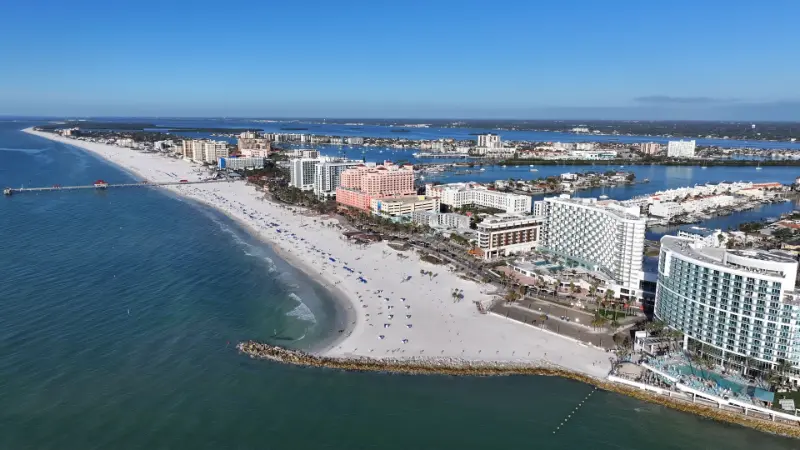
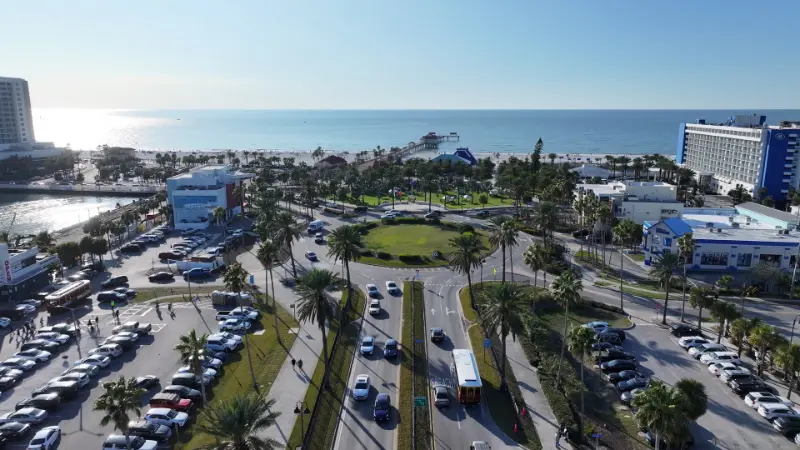
Clearwater Beach appeals to travelers who want a recognizable resort-style beach vacation, with restaurants and services close to the shore. Hotels near the sand let families retreat for lunch or an afternoon rest without repeatedly searching for parking. The area around Pier 60 can be lively, particularly in busy periods, and a room on a central street may experience more noise than a visitor expects. Investigate whether the property has direct beach access or sits across a road, and check the distance from your particular room to restrooms or shaded seating. Clearwater Beach’s bridge access can become congested when many visitors arrive at once, which makes a well-positioned hotel especially valuable for a sand-focused stay. Travelers who want daily visits to downtown St. Petersburg should calculate that drive realistically; the region’s well-known attractions are not all next door. If you chiefly want museums and neighborhoods, a mainland location may serve you better.
St. Pete Beach and Pass-a-Grille: a different Gulf Coast mood
St. Pete Beach offers a broad range of coastal accommodation, from larger resorts to smaller properties, and can suit families who want several days of beach time. Pass-a-Grille at the southern end has a different atmosphere, with a historic, lower-key beach community and opportunities for simple waterfront meals. The best choice depends on whether you value a full-service resort, a manageable walking area or quieter surroundings. Do not assume the entire beach corridor is comfortably walkable from a single property. Gulf Boulevard extends along a long chain of communities, and a few miles in afternoon heat can feel considerable. Ask whether the property provides beach access, shade, chairs or a shuttle, and check any additional charges. For multigenerational travelers, a hotel with reliable elevators and an easy route to the beach can be worth more than a property farther inland with a glamorous photograph.
Treasure Island and the smaller beach towns: consider the exact block
Treasure Island can be a good fit for visitors who want a Gulf-front vacation without basing themselves directly at Clearwater Beach or central St. Pete Beach. Nearby coastal communities such as Madeira Beach and the Redington beaches each have different patterns of restaurants, accommodation and public access. Some stretches feel busy and commercial, others more residential. This is where a specific hotel address matters far more than a broad regional label. A property may be close to a marina or bayfront but not immediately on the Gulf sand. Ask about crossing the road, access paths and parking before booking. For guests hoping to visit John's Pass for shopping or boat trips, find out where an operator actually departs and how you will travel there. A relaxing beach stay may involve very little driving, but only if the property is near your daily needs. Otherwise, every outing can become a short, irritating car journey.
Dunedin: a walkable small town near nature, but not on the open Gulf
Dunedin appeals to travelers who enjoy independent restaurants, a compact downtown and a relaxed Gulf Coast atmosphere without choosing a beachfront high-rise. The Pinellas Trail and nearby waterfront can support gentle outings, while Honeymoon Island State Park offers access to natural beach settings. Caladesi Island can be an option for a day trip, depending on current access and boat arrangements. Staying in Dunedin can suit a couple who prefers cafés and small-town evenings, or families who are happy to plan beach excursions instead of stepping out onto the sand every morning. Be clear about the geography: downtown Dunedin is not a resort beach, and the journey to Honeymoon Island or Clearwater Beach requires transport. A hotel near the town center may allow enjoyable walking, whereas one with a Dunedin mailing address farther out can be much less convenient. Verify the actual location before reserving.
Choosing between St. Pete and Clearwater for a first trip
A useful first question is what you would like to do on a rainy afternoon. If the answer is museum visits, galleries, a movie or an interesting restaurant, downtown St. Petersburg is an appealing home base. If you would prefer to remain at a resort, swim when safe and walk along the shore, Clearwater Beach or St. Pete Beach may be better. Neither choice means you cannot visit the other: it simply determines which experiences happen easily and which require planning. Clearwater can suit a short beach break, while St. Pete offers a concentrated arts scene and bayfront public spaces. For a longer visit, a split stay can combine two atmospheres, but a family with a great coastal rental may prefer one base with day trips. Do not move hotels simply to claim that you have stayed in every district.
Airport choices and transfers across the Tampa Bay region
Tampa International Airport is a major gateway for the region, while St. Pete–Clearwater International Airport serves some routes. The airport named on your ticket matters, especially when arranging pickup or returning a rental car. A property on a barrier island may require a longer transfer than an inland hotel, and bridge congestion can affect timing. Compare a direct airport transfer with car rental, parking charges and your planned number of excursions. If you have a stroller or substantial luggage, avoid complicated connections after a long flight. Families requiring child restraints should arrange them before arrival. Travelers with mobility equipment need to confirm an appropriate vehicle and accessible hotel entrance. Some accommodations may advertise airport shuttles, but operating hours, coverage and booking requirements differ. A comfortable arrival is worth planning as carefully as the beach day you are looking forward to.
Beaches, accessibility and the rhythm of a comfortable day
A location that sounds close to the beach may still have stairs, soft sand, uneven paths or a lengthy exposed walk. Ask hotels and local beach authorities about the precise accessible route and whether beach wheelchairs or mats are available at your chosen entry point. Facilities can vary over time. For families with young children, direct access makes it easier to leave the beach before the sun becomes intense. Seniors may appreciate shaded seating and reliable restrooms more than a long shoreline walk. Be attentive to current swimming conditions, lightning and posted warnings. Gulf waters can look calm, but conditions still change. Plan beach time earlier in the day when practical, then reserve afternoons for a break or an indoor activity. That simple pattern supports both energetic children and adults who want more time to rest.
A long weekend from a downtown hotel
Arrive and spend the first afternoon getting to know downtown St. Pete rather than immediately driving west. Take a relaxed waterfront walk and choose one museum or evening restaurant. Use the next full day for a planned beach visit, selecting St. Pete Beach or Clearwater Beach rather than trying to sample several places in one afternoon. On the third day, explore the St. Pete Pier, a museum you missed or a neighborhood café. If you enjoy nature, a later trip to Dunedin and Honeymoon Island can be worthwhile with enough time. Couples may prefer a museum and long dinner; families might choose shorter indoor attractions and more breaks. This itinerary avoids repeated bridge crossings because the city remains your anchor. If you are sleeping on the beach instead, reverse the plan and dedicate just one day to downtown cultural attractions.
Five nights beside the Gulf: when a single beach base is enough
For a longer coastal stay, build the schedule around the beach community where you are actually sleeping. Spend the first day settling in, the next exploring nearby food options and facilities, and another on a booked activity such as a boat excursion if conditions suit. Reserve a full day for downtown St. Petersburg rather than driving there for separate small appointments. A visit to Clearwater or Dunedin can occupy another day if it genuinely interests your group. Families with young children may prefer a long afternoon at the pool over an extra sightseeing stop; the schedule should allow that. A rental with cooking facilities can help control mealtimes, but verify equipment and laundry arrangements. Travelers using public transport or rideshare should concentrate activities geographically rather than designing a car-style itinerary that requires constant transfers.
Comparing the full cost of coastal accommodation
Resort fees, taxes, overnight parking, beach equipment, breakfast and cleaning charges can change which property offers the best value. Look beyond the room rate and price a realistic day: breakfast, travel to activities, a meal out and the return trip. A beachfront hotel may cost more per night but save on beach parking and fuel; a downtown hotel can make restaurant evenings and museum visits easier. Vacation rentals with several bedrooms can work for larger groups but often include separate fees and stricter occupancy rules. Ask whether pools or beach facilities are available to every guest and whether closures are anticipated. Peak holidays, major local events and winter travel demand can affect pricing. During hurricane season, cancellation terms and official emergency updates matter. Avoid booking a nonrefundable room simply because its price looks attractive without understanding the risks and conditions.
Booking checklist: get the geography right first
Identify whether the property fronts the Gulf, Tampa Bay, a marina or an inland street. Then mark your top activities and calculate the transport between them. Verify beach access, parking, extra fees, the room’s actual sleeping capacity and availability of the facilities you need. If accessibility is important, request precise features and step-free routes rather than relying on a general badge. For a beach holiday, check the community’s swimming conditions and facilities near your chosen entrance. Read recent reviews for noise, construction and maintenance. Save an indoor option for thunderstorms and leave a little room for spontaneous afternoons. St. Pete–Clearwater is best enjoyed as a collection of distinctive destinations. Choose one whose everyday atmosphere suits you, then visit the others when you have time and energy.
Frequently asked questions
Is Downtown St. Pete on Clearwater Beach?
No. Downtown St. Petersburg faces Tampa Bay, while Clearwater Beach is a separate Gulf beach community farther north and west.
Where should I stay for museums and restaurants?
Downtown St. Petersburg generally makes cultural outings and evening dining simpler. A beach-side property makes more sense for many repeated beach visits.
Is Dunedin a beachfront resort town?
Downtown Dunedin offers a walkable town setting, with nature and beach access available by planned outings to places such as Honeymoon Island.