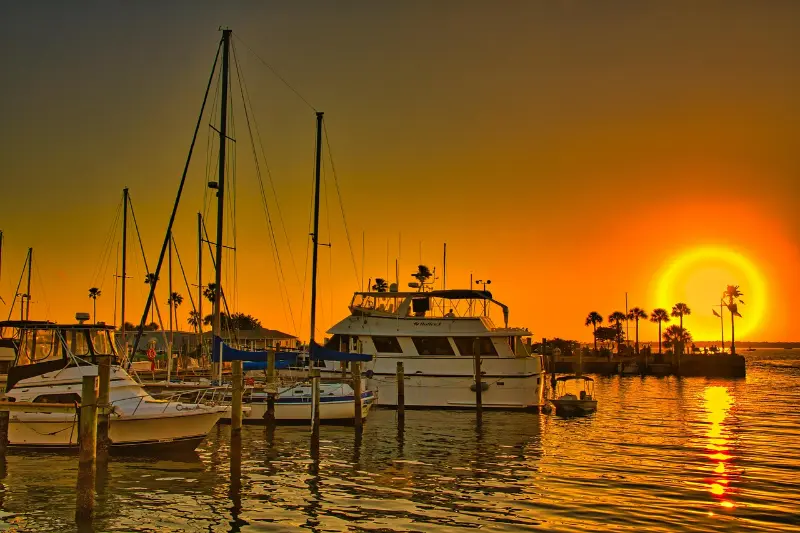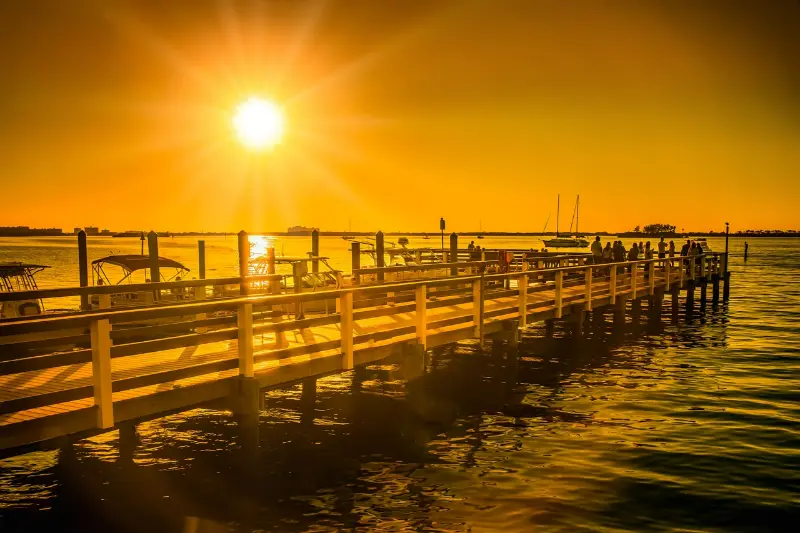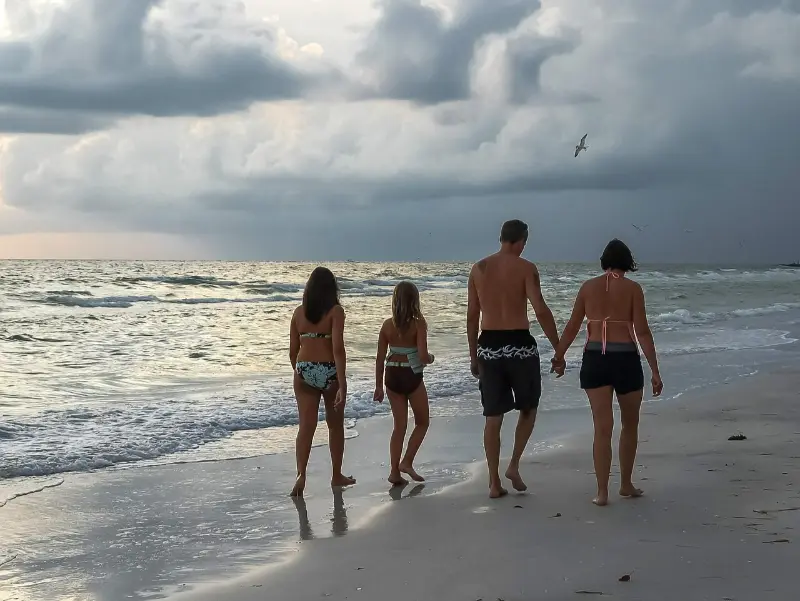
A successful family reunion in Florida is not a race to fit twelve people into the same car, restaurant or attraction. It is a vacation where a grandparent can sit comfortably, a teenager can have some independence, a preschooler can keep a nap schedule, and the people who organized the trip still get a chance to relax. The practical choices are less glamorous than a beach photograph: how many bathrooms you need, where everyone will sleep, who pays for groceries, and whether the accommodation allows all twelve guests under its occupancy rules.
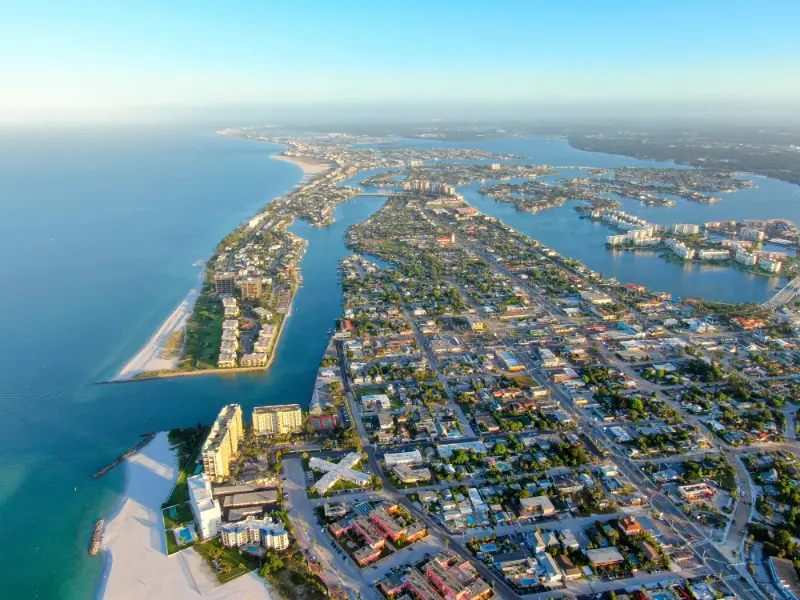
This five-day example uses the St. Petersburg–Clearwater area as a base because it offers Gulf beaches, shaded parks, museums and indoor options. The plan is designed for three generations, but the principles apply to extended families, friendship groups and milestone birthday trips. It is not a claim that any particular rental home fits twelve or guarantees step-free access. You must verify individual properties, transportation and attraction reservations for your exact travel dates.
Choose the neighborhood before choosing the house
Start with the daily experience your group wants. Staying right beside Clearwater Beach can be convenient for beach enthusiasts but brings parking, noise and higher seasonal demand. Downtown St. Petersburg places museums and restaurants close together, although its urban waterfront is not a substitute for a broad Gulf beach. Dunedin offers a smaller-town atmosphere and proximity to Honeymoon Island, but visitors still need transport to many attractions. Madeira Beach and nearby communities can work for families focused on a coastal stay; check flood-zone rules and any post-storm property repairs independently.
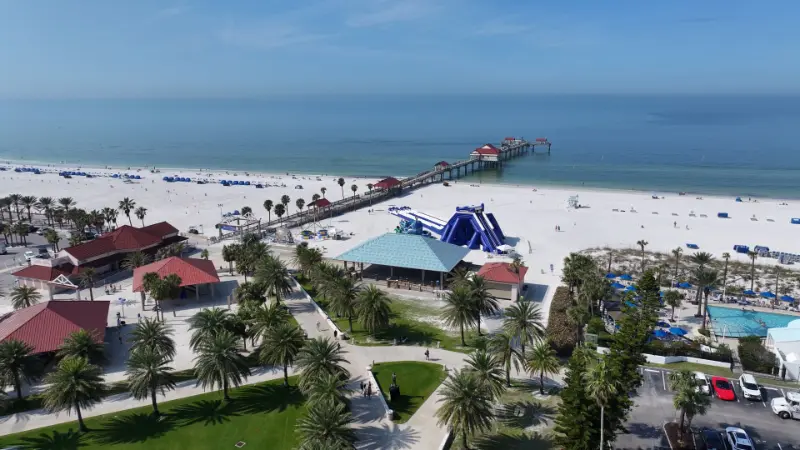
For a mixed-age group, driving distance to a pharmacy, grocery store and urgent care may be more important than a spectacular rooftop view. Study the actual neighborhood rather than relying on rental-listing labels such as ‘steps to the beach.’ Count steps, crossings, elevator access and the distance between parking and the entrance. A property a short walk from a landmark might still require climbing stairs or crossing a busy road without a convenient signal.
Decide between one large house and several nearby rooms
One vacation house simplifies shared breakfasts, games and evening conversations, but it can also create conflicts over bathrooms, noise and bedtime. A hotel with adjoining or nearby rooms may provide predictable housekeeping, elevators and accessible features while giving each household privacy. Some families prefer two apartments in the same complex: one quieter unit for older relatives and babies, and one social hub for communal meals. There is no universally cheapest choice because service charges, cleaning, parking, resort fees and minimum stays vary.
Request a written sleeping arrangement showing actual beds, not just a headline capacity. Twelve guests should not be equated with twelve comfortable sleep spaces. Verify whether the sixth bedroom is actually a den, whether sofa beds block walking routes, and whether a pack-and-play or crib can be supplied. Ask about quiet hours, exterior cameras, permitted visitors and any restrictions on parties. A reunion meal is not automatically allowed in a vacation rental marketed for families.
Make accessibility a room-by-room question
A listing marked ‘accessible’ might mean a step-free front door but not an accessible shower or bedroom. Ask for photos and measurements of entrance thresholds, bathroom doors, shower type, toilet location, elevator access and parking. If somebody uses a wheelchair or walker, check whether the dining space accommodates them when all the chairs are occupied. Travelers who avoid stairs should be assigned bedrooms before anyone else chooses; they should not arrive to discover that the only downstairs bed is a narrow sofa.
For babies, check whether pool gates, balcony railings and window locks are appropriate. A private pool can be convenient but introduces supervision responsibilities that never stop. Nominate an adult actively watching the water whenever children are nearby rather than assuming that a large group provides automatic safety. If the property has a dock or canal, inspect access and barriers as carefully as you would a swimming pool.
Day one: arrive, settle in and keep dinner easy
Different flights, car journeys and ages produce different arrival times. Do not schedule a paid attraction for the first afternoon. Instead, agree on one central grocery order and a simple shared dinner with options for dietary needs. Put water, fruit, breakfast basics and any essential child supplies somewhere obvious. Anyone arriving late can make a sandwich without waking the entire house. It is worth setting aside shelf or refrigerator space for medication and allergy-sensitive foods that should not be mixed with other items.
Hold a ten-minute group meeting only after everyone has rested. Confirm who holds the accommodation contact information, where the nearest safe gathering point is, and what to do if a child gets separated from the group. Share tomorrow’s start time without turning the vacation into a military schedule. A reunion works best when attendance at every excursion is optional.
Day two: pick a beach with practical facilities
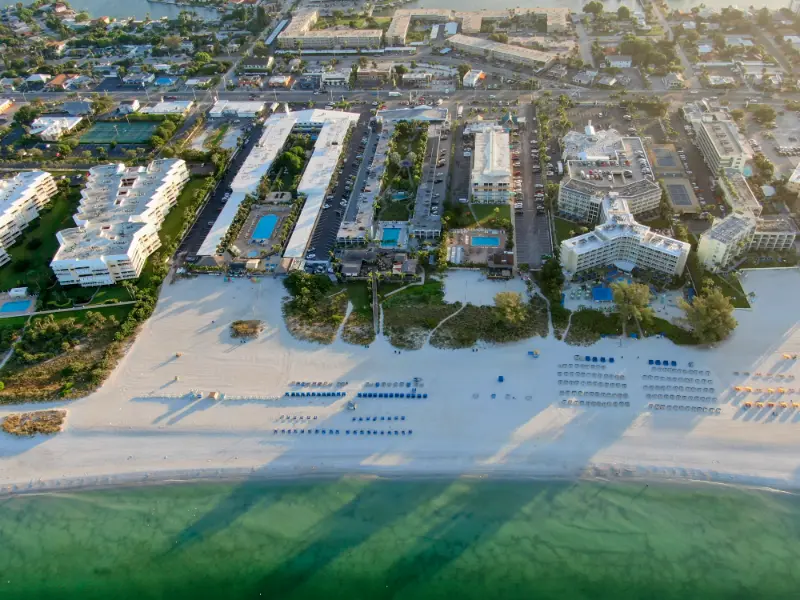
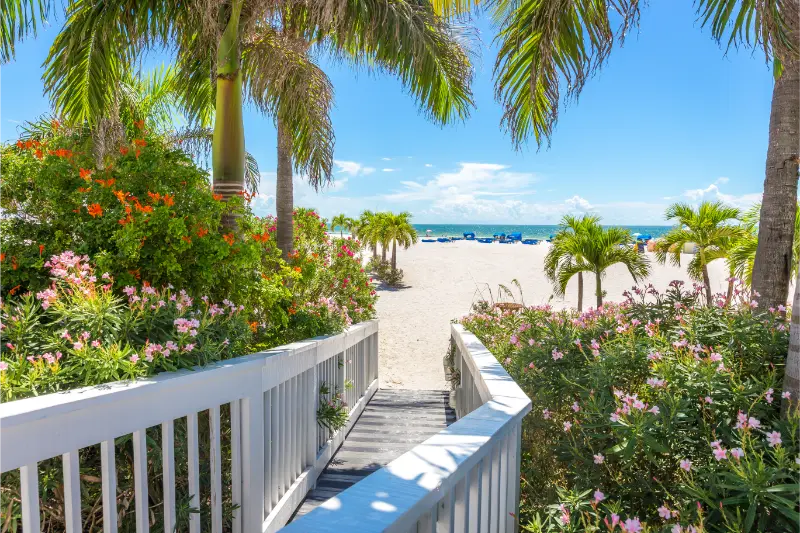
Choose a beach after considering parking, restrooms, shade, walking distance and the forecast. Clearwater Beach, Indian Rocks Beach and Madeira Beach all offer different experiences, but individual access points differ. Confirm current flag conditions, lifeguard coverage where available and any water-quality advisories before heading out. A broad shoreline is not a guarantee of shallow water or harmless currents. Ask about beach wheelchairs, accessible mats or suitable drop-off points directly from local authorities if somebody in your party needs them.
Arrange two beach sessions rather than one exhausting marathon. Early morning is usually easier for children and heat-sensitive visitors. Let a second group return to the rental for lunch and naps while teenagers and adults remain only if everyone has clear transport plans. Keep children within arm’s reach near water when appropriate; do not rely on flotation toys as safety equipment. Pack a simple beach picnic with food kept at safe temperatures, plenty of drinking water and a way to remove all trash.
Day three: separate interests, reunite for dinner
One of the biggest mistakes in large-group travel is demanding that all twelve people visit the same museum. This day works better as two or three parallel choices. An art-loving group may visit downtown St. Petersburg museums; families with younger children might prefer a hands-on activity or a shaded playground; others may stay at the rental and enjoy a genuinely slow morning. The value comes from everyone returning with a story, not from matching photographs.
Choose a public meeting place for a late-afternoon reunion, and set a clear backup plan if severe weather arrives. Reserve a group dinner if the restaurant accepts advance bookings for your party size; many places cannot seat twelve walk-ins together. Ask whether tables will be split, whether gratuity is automatic and how bills can be divided. If the restaurant cannot handle allergies confidently, prepare an alternative rather than pressuring a relative to take a risk.
Day four: a gentle nature outing with an indoor backup
Honeymoon Island State Park is one possible nature-focused outing, but check current park notices and parking availability, especially after coastal flooding or storms. Another option is a waterfront park with shorter paved routes and benches. Decide whether your family really wants a ferry; a boat trip can be memorable, but fixed departures, sun exposure and boarding limitations may make it unsuitable for the oldest or youngest members. Plan one primary activity rather than combining three distant destinations.
Prepare an indoor alternative such as a museum, aquarium-style attraction or local history center with a current program schedule. Florida lightning is not merely a reason to put on a raincoat and continue on a pier. Move to a proper building or enclosed vehicle when thunder is heard. A small group can explore a different attraction while anyone who needs to rest returns early. Keeping the rental as a comfortable base is part of the design, not a waste of money.
Day five: breakfast photographs and departures
Reserve the final morning for breakfast, a family photograph, packing and checkout. If the property has strict checkout requirements, divide the tasks among adults ahead of time. Assign one person to inspect bathrooms and drawers, another to check the refrigerator and one to gather charging cables and borrowed equipment. Count car seats before the cars leave; a forgotten booster can create a major problem at the airport or rental-car return.
People with late flights can plan a short independent waterfront stroll, but avoid scheduling a shared paid activity that forces early departures to rush. Agree on a straightforward way to exchange photographs afterward without posting images of children publicly without parents’ permission. A short reunion often feels longer when people leave with good memories rather than everyone racing from one stop to the next.
Sample five-day schedule
| Day | Shared anchor | Flexible option | Main logistics |
|---|---|---|---|
| 1 | Arrival and easy dinner | Optional neighborhood walk | Food delivery, beds, safety briefing |
| 2 | Morning beach visit | Early return for naps | Parking, shade, water conditions |
| 3 | Group dinner | Split museum/playground/rest day | Restaurant reservations, transport |
| 4 | Park or nature outing | Indoor museum if stormy | Accessibility, weather, ferry rules |
| 5 | Breakfast and family photo | Independent short walk | Checkout, airport timing |
The schedule is deliberately light. A group with teenagers who want sports can add one independent afternoon, while a family with a very young baby may need more flexible feeding and sleep breaks. Write the plan in a shared note or on paper inside the accommodation so people do not have to chase messages in multiple chat groups.
Divide costs fairly without awkward arguments
Set up three categories before booking: shared housing, shared groceries and optional experiences. Housing is often easiest to split by household or room type, depending on what the group agrees. A family with four children may reasonably expect a different arrangement from a couple using one bedroom. Be explicit before anyone pays a deposit. Ask who can cancel, whether a person dropping out owes their share and when remaining balances are due. Those conversations are much harder after airline tickets are purchased.
For groceries, use a common breakfast and snack budget, with separate arrangements for special dietary requirements or premium foods. Keep receipts and settle costs once rather than running a daily calculation contest. No family member should become an unpaid full-time cook. Either rotate simple meal duties or budget for prepared meals. Remember parking, rental-car taxes, pool heating, cleaning, service charges and restaurant gratuity when comparing properties. A low nightly price can conceal significant mandatory extras.
Use two or three vehicles, not one giant assumption
Transport is usually the hardest part of twelve-person travel. Rental vans can have limited cargo space once every seat is occupied. If several travelers need infant or booster seats, verify that the particular vehicle can accommodate them with proper restraints. Luggage space should be measured realistically; twelve suitcases and beach gear may not fit just because twelve seats exist. With two vehicles, assign independent drivers and keep the vehicles together only when the route requires it.
A single outing can be spoiled by someone waiting an hour for the driver who wants to stay longer. Give each household an option to return early, provided the transportation and supervision arrangements are clear. Consider rideshare availability for short adult excursions, but do not assume a vehicle with an appropriate child restraint or wheelchair lift will appear on demand. Book specialized transport in advance when needed.
Help teenagers and small children enjoy the same trip
Give teenagers genuine input: a food stop, museum choice or one activity they organize. A teen may prefer a morning paddleboard lesson with a qualified operator, while younger siblings choose a shaded playground with another adult. Encourage shared experiences during meals, games or sunset walks rather than requiring every hour to be spent together. For a preschooler, bring familiar bedtime items and keep at least one predictable daily routine.
Grandparents are not automatically babysitters. Ask what they want from the trip and whether they wish to supervise children for any period. Older family members may enjoy a longer museum visit or a quiet conversation just as much as a beach day. If someone has a hearing, visual or mobility need, let that person help choose the pace rather than making assumptions based on age.
Reserve only what must be reserved
Book accommodation and essential vehicle requirements first, then any activity with strict capacity or advance booking. Leave space for weather changes and spontaneous decisions. Large groups should check attraction policies for group tickets, stroller parking, outside food, accessible restrooms and refunds. Some locations offer reduced rates for organized groups; others require formal reservations that are not worthwhile for a private family party. Do not promise a discount until the venue confirms eligibility.
For public parks, rely on the official local authority for current beach access, restroom closures and parking rules. Print a short sheet listing the accommodation address, emergency contacts, agreed meeting point and two nearby indoor alternatives. If one phone dies or cell service fails, the reunion can continue calmly.
Frequently asked questions
Is a large vacation rental always cheaper than hotel rooms?
No. Compare final checkout totals including cleaning, parking, taxes, deposits and the real number of beds. Privacy and accessibility can make adjacent hotel rooms better value.
Should everyone share every activity?
Usually not. One daily shared meal or anchor activity creates togetherness while leaving people the flexibility needed across ages and interests.
How far in advance should we organize a reunion?
Book high-demand accommodations and flights early for holidays, but reserve weather-dependent outdoor activities closer to travel when the provider permits flexible cancellation.
Official planning resources
For beach conditions and facilities consult the Visit St. Pete-Clearwater destination information, the Florida State Parks website and the National Weather Service for forecasts and warnings. Confirm lodging rules directly with the property rather than relying on listing headlines.