
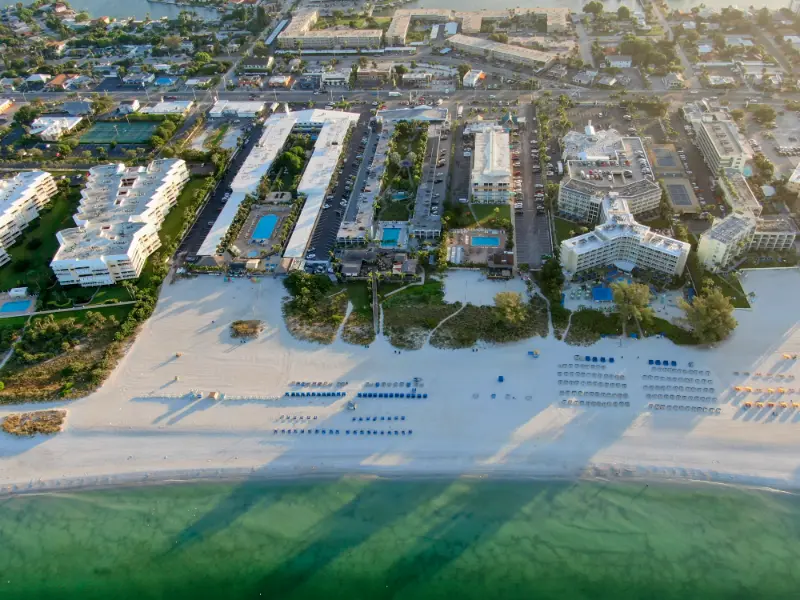
Tampa Bay is not just Tampa, and it is not only a beach destination. Across the region you can explore a historic cigar-making district, walk beside a working waterfront, spend time among modern art and Salvador Dalí’s paintings, or end a day looking over the Gulf. Four days works well if you accept the geography: Tampa, St. Petersburg and Clearwater each deserve attention, and crossing between them can take longer than a map suggests at rush hour. Instead of putting all three names on every day’s checklist, this trip moves through the region in deliberate stages.
I would use Tampa as a base for the first two nights and St. Petersburg or Clearwater for the next two. Travelers who dislike changing hotels can stay in one location, but should anticipate extra bridge crossings. Tampa International Airport is a convenient gateway; the best airport for the return depends on your flight and your final hotel. The trip suits couples, friends, families and older travelers because each day has a main activity and easy alternatives. The beach is not compulsory, and the city sights are not a consolation prize if it rains.
The four-day route in brief
| Day | Area | Priority | Less-demanding alternative |
|---|---|---|---|
| 1 | Downtown Tampa | Riverwalk and one museum | A seated waterfront lunch and short promenade |
| 2 | Ybor City and Tampa | Historic neighborhood and culture | Guided historic tour with a brief stop |
| 3 | Downtown St. Petersburg | Dalí or another museum, waterfront | Gallery plus café and shaded walk |
| 4 | Gulf beaches | Clearwater Beach or Fort De Soto area | Coastal lunch, park overlook and a short walk |
If you have just three nights rather than four, move to St. Pete at the end of day two and depart on day four. Check the day of the week: museums, neighborhood businesses and smaller attractions may operate different hours. In summer, place waterfront walking in the cooler part of the day rather than planning outdoor sightseeing from noon to four.
Day 1: Meet Tampa along the Riverwalk
Begin around the Tampa Riverwalk, a waterfront corridor that makes it easier to understand the city’s layout than driving from attraction to attraction. Choose a short section instead of insisting on walking its entire length in one go. The Tampa Museum of Art, nearby cultural venues and riverside parks allow you to mix an indoor highlight with brief outdoor intervals. Families may opt for a child-oriented museum rather than a gallery, while travelers interested in architecture can focus on civic buildings and river views.
A midday meal near the waterfront saves a parking move. Read menus for service charges and note whether venues have shaded outdoor tables or a comfortable indoor dining room. In the afternoon, you could visit the Florida Aquarium if marine science is the main draw, but fitting both a substantial museum and the aquarium into a short day is rarely necessary. Ask the group what they most want to remember and let that determine the booking. Return for an evening river view if everyone still has energy.
Day 2: Ybor City's history and food
Ybor City has a story that deserves more than a photograph of brick streets. Its development around cigar manufacturing brought together Cuban, Spanish, Italian and other communities whose legacies are part of Tampa’s identity. Seek out a historical museum or interpreted walking tour, observe the remaining architecture, and approach the neighborhood’s working businesses respectfully. A guided visit can make industrial and migration history visible in ways that a quick souvenir stop cannot.
Spend the morning here, when walking is usually more comfortable and the atmosphere differs from the late-night entertainment district. Some sidewalks may be uneven; check accessibility if someone uses a wheelchair or walker. Choose lunch in the area and enjoy the neighborhood’s culinary traditions without treating one restaurant as compulsory. If you are traveling with children, an afternoon museum or hotel pool may make more sense than returning at night. Adults interested in live music can revisit later using a planned taxi or rideshare.
Getting across the bay without wasting an afternoon
Tampa and St. Petersburg are connected by major road routes, but bridge approaches and I-275 traffic can be unpredictable. Check a live traffic map before leaving and allow additional time around commuting periods and large events. If moving hotels, plan one transfer and then park; repeatedly driving back and forth can destroy the relaxed pace that makes the region attractive. A rental car usually makes regional exploration easier, although car-light visits are possible if you select one centrally located hotel and pay for targeted transfers.
Do not plan a timed museum ticket immediately after checking out of a hotel across the bay. Leave enough room for parking, luggage and traffic. A useful tactic is to reserve the new hotel for luggage drop-off, eat lunch nearby, and then begin sightseeing. That also keeps bags out of view in unattended vehicles. When accommodation charges differ, include daily parking and resort fees in your comparison, not just the nightly rate shown at the beginning of the booking process.
Day 3: St. Petersburg and the art-filled waterfront
Downtown St. Petersburg feels distinct from Tampa. Its waterfront, galleries and walkable cultural blocks lend themselves to an enjoyable day without needing a long list of admissions. The Dalí Museum is an excellent anchor if surrealist art appeals to your group; confirm current exhibition admission, timed entry if applicable and any special installations before booking. Alternatively, explore another museum or gallery and spend more time on the waterfront. Even a short shaded promenade can convey the character of the city.
Avoid scheduling two major museums plus a beach trip. Museum fatigue is real for children and adults alike, and a late beach drive adds a separate parking search. After lunch, browse a small selection of local shops or choose a quiet waterfront seat. Travelers who prefer art to sand may want the whole day here. If your interest lies in contemporary murals, plan a compact route rather than searching for artwork with random car stops. Respect private property and avoid stopping in traffic for photos.
Day 4: Choosing a Gulf beach that fits your group
Clearwater Beach offers a high-energy resort setting, restaurants and the appeal of an established visitor district. It may also bring busy traffic and paid parking. Fort De Soto, operated through Pinellas County, offers a more park-oriented coastal outing with natural areas and room to spread out; access, facilities and beach conditions should be checked with the county before traveling. St. Pete Beach is another option, with its own parking arrangements and public access points. These beaches are alternatives, not three stops to squeeze into one afternoon.
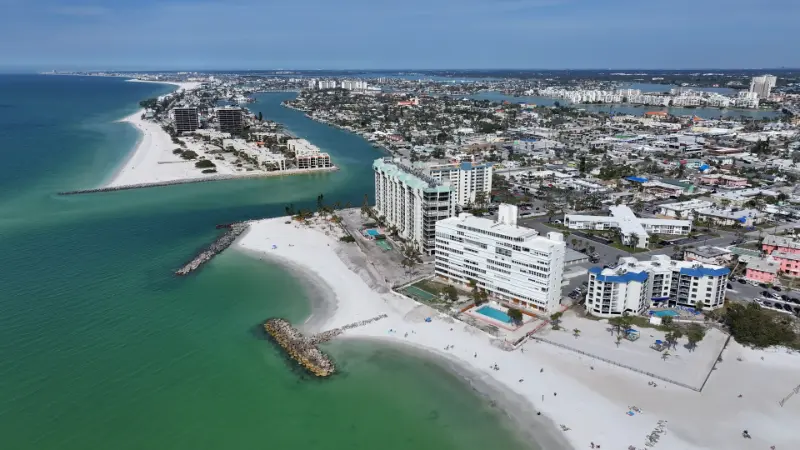
Choose based on the least flexible traveler. For a child who wants safe shallow play, identify lifeguarded areas and current beach warnings where available; shallow-looking Gulf water is still open water. For someone using a mobility aid, verify parking, paths, accessible mats or equipment at the exact entry point. For a traveler who avoids direct sun, plan a short shoreline stroll and a meal rather than six hours on the sand. Check surf and rip-current guidance before entering the water, and leave the beach if lightning threatens.
A useful alternative: nature and wildlife around the bay
If museums and city blocks are not your preference, replace one with a nature-focused outing. Tampa Bay has coastal and wetland landscapes that can be explored at varying levels of effort, from birdwatching points and boardwalks to kayaking where guided trips and conditions make it appropriate. Nature preserves are not petting zoos: give wildlife space, do not feed birds, and watch for protected nesting areas. In warmer weather, start early and keep drinking water available.
Some water trips require a willingness to board small vessels or paddle in open conditions. Before paying, ask about the actual length, bathroom access, shade, weather policy and whether the operator can accommodate a non-swimmer or someone with mobility limitations. If you are touring with a baby, a land-based wildlife walk is often the simplest choice. Responsible wildlife viewing can be just as memorable from a quiet observation area as from a boat.
Where to stay: city convenience versus beach proximity
Tampa accommodations are useful for the Riverwalk, Ybor City, Tampa airport and downtown entertainment. Downtown St. Pete is a stronger base for galleries and a walkable urban waterfront, while Clearwater Beach hotels put the beach close to your room at the cost of tourist traffic and potentially higher extras. A gulf-front property may charge parking, resort or umbrella fees. Compare total stay cost and whether you can safely reach your chosen attractions without driving each time.
For families, check sleeping arrangements and whether a balcony or pool meets your needs. Travelers with reduced mobility should ask specifically about accessible bathroom configuration and the length of the route from parking or entrance to the room. If a hotel describes itself as beach-adjacent, look closely at whether you must cross a road, climb stairs or use an unpaved path. Good lodging is not only about views; it removes daily friction.
What to do when weather changes
Afternoon thunderstorms are common in warmer seasons, but it is dangerous to assume every storm will arrive at exactly the same hour. Put outdoor walks and beaches in a flexible window, hold museums as plausible backups, and follow official alerts. A storm at the Gulf coast can be different from conditions in Tampa on the same day. Beach closures or water-quality notices can also be site-specific. Check municipal and county sources before swimming, especially after severe weather.
Hurricane season calls for a separate layer of planning. Check cancellation terms, travel insurance details and the route from your hotel to a safe location if official instructions require it. Never stay on a beach to watch a tropical storm. The attraction list can wait; an evacuation or weather alert should change the entire itinerary. Save accommodation and car-rental contacts offline so a dead phone signal is less disruptive during a stressful change of plans.
A manageable food and activity budget
Separate the day’s expenses into one paid anchor, meals and transport. You may enjoy an inexpensive waterfront walk on the same day as a museum ticket without buying another attraction pass. A rental car is useful across the region, but parking charges in downtown garages and beach areas add up. For two adults, compare rideshare costs for a city day; for a group, a car and shared parking may be more practical. Neither assumption is universal, so calculate with your actual hotel.
Restaurants with Gulf views are part of the appeal, yet there is no reason to pay a premium for every meal. Choose one special dinner and find less formal places for lunch. Read gratuity and service-charge policies on the bill. Keep an emergency reserve for a taxi back to the hotel or indoor activity if weather changes. The four-day trip works best when you let the region’s contrasting moods—urban history, art and seaside relaxation—do the work instead of paying to fill every hour.
Frequently asked questions
Can we visit Tampa, St. Petersburg and Clearwater without a car?
Yes with careful hotel selection and paid transfers, but regional connections are less convenient than exploring each individual downtown. A car helps for beaches and nature stops.
How many days should we allow for Tampa Bay?
Four days provides a good introduction. Add time if you want several museums, longer beach stays or trips outside the urban area.
Is Clearwater Beach better than St. Pete Beach?
Neither is universally better. Compare atmosphere, parking, your lodging location and specific access facilities for your group.
Is Ybor City suitable for a daytime family outing?
Yes, when planned around its history, food and daytime attractions. Evening entertainment has a different character.
What happens if rain ruins our beach day?
Use museums or city activities as alternatives, checking live alerts and hours. Never wait out lightning on an exposed beach.