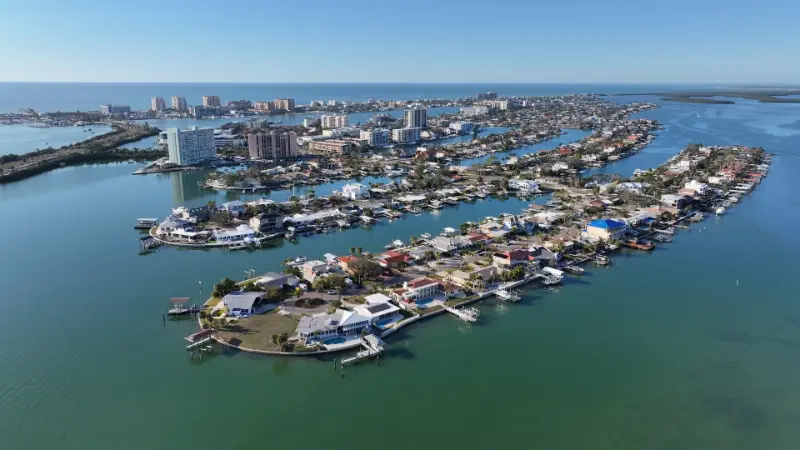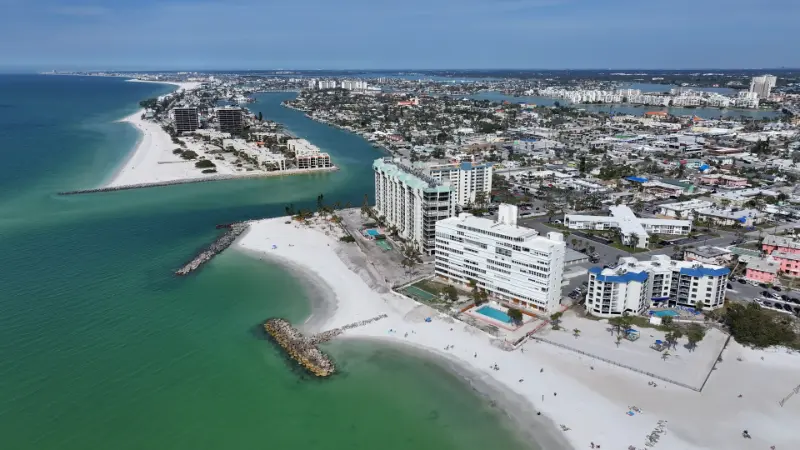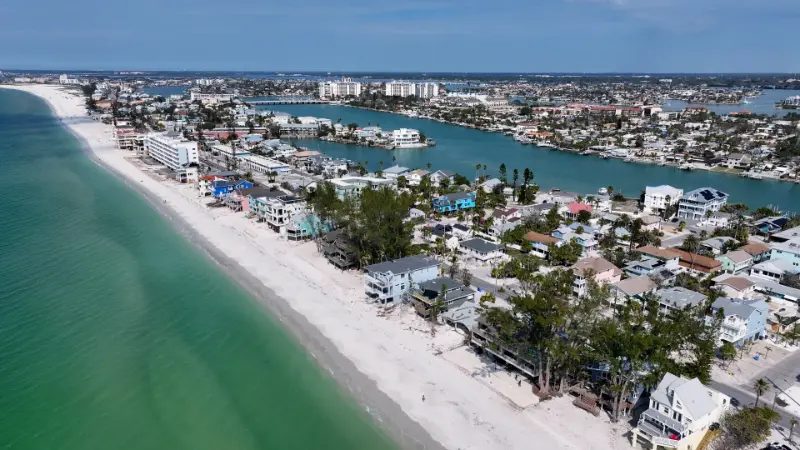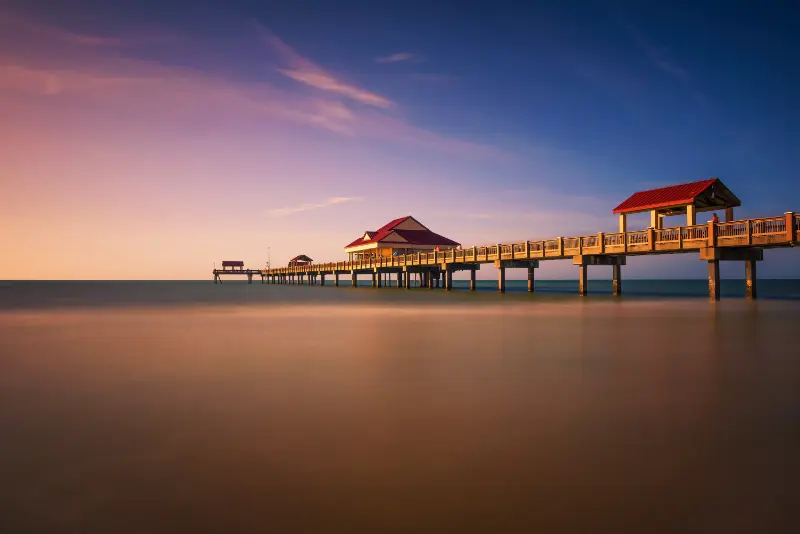
Category: St. Pete Clearwater

  • Safety Harbor Florida Travel Guide: Main Street, Philippe Park, Waterfront and Where to Stay

    Safety Harbor Florida Travel Guide: Main Street, Philippe Park, Waterfront and Where to Stay

    Safety Harbor is a strong choice when you want a compact waterfront town on Old Tampa Bay with a walkable center, mature trees, parks and a slower pace than the major beach resorts. It is not a destination that requires a packed checklist to feel worthwhile. The better approach is to identify the one or two experiences that matter most to your group, choose a convenient base, and leave enough open time to enjoy the local pace.

    For a first visit, I would plan around 2–3 nights. That gives you enough time to understand the area without turning the trip into a sequence of parking lots and short photo stops. Safety Harbor is especially well suited to couples, senior travelers, multigenerational groups, spa weekends and visitors who want a quiet Tampa Bay base.

    This guide focuses on practical trip design: where to stay, what deserves priority, how much driving to expect, how to adapt the trip for children or older travelers, and how to connect Safety Harbor with the rest of Tampa Bay. Hours, admission policies, road conditions and event schedules can change, so always confirm time-sensitive details on official sites before the day of your visit.

    Quick planning summary

    • Recommended stay: 2–3 nights for a balanced first visit.
    • Best for: couples, senior travelers, multigenerational groups, spa weekends and visitors who want a quiet Tampa Bay base.
    • Main strength: a compact waterfront town on Old Tampa Bay with a walkable center, mature trees, parks and a slower pace than the major beach resorts.
    • Transport: a car is usually the easiest way to combine the destination with surrounding attractions, even when the central district itself is walkable.
    • Best planning rule: organize each day by area instead of zig-zagging across the region.

    In this guide

    Why visit Safety Harbor?

    Safety Harbor works because it gives a Florida trip a different rhythm from the state’s biggest resort corridors. You can still build full sightseeing days, but you do not need to. The destination rewards slower mornings, one substantial activity, a relaxed lunch and enough time for the setting itself.

    That makes it particularly useful in a longer Florida itinerary. After several intense theme-park, city or driving days, a stop in Safety Harbor can reset the pace without feeling like a “nothing day.” The experience is still specific to Tampa Bay, but the pressure to maximize every hour is lower.

    Dunedin Harbor with Boats at Golden Sunset

    It is also a good place for travelers with different energy levels. A teenager can choose a more active experience, younger children can focus on parks or simple outdoor time, and grandparents can stay involved through scenic stops, short walks, museums, waterfront areas or meals that do not require a major physical commitment.

    My preferred way to approach the destination is to identify one anchor experience for each day, then add secondary stops only if the group still has time and energy. That simple rule prevents the most common Florida planning problem: trying to force too much into a hot, spread-out destination.

    Where to stay in Safety Harbor

    The best area is not automatically the most luxurious one. For most visitors, convenience matters more than a small difference in room quality. Look at parking fees, breakfast, pool hours, room size, elevator access, cancellation policy and the real door-to-door drive to your priority attractions.

    Downtown / Main Street

    Best for: best for restaurants, local shops, events and walking to the waterfront. Before booking, compare the exact route to the places you expect to visit most often. A hotel that looks close on a regional map can still create repeated driving, parking or bridge time.

    Waterfront / marina area

    Best for: good for bay views, morning walks and a calm residential feel. Before booking, compare the exact route to the places you expect to visit most often. A hotel that looks close on a regional map can still create repeated driving, parking or bridge time.

    McMullen Booth / airport side

    Best for: practical for drivers prioritizing regional access over village atmosphere. Before booking, compare the exact route to the places you expect to visit most often. A hotel that looks close on a regional map can still create repeated driving, parking or bridge time.

    Family tipFor families, a refrigerator, laundry access and a pool can be more valuable than an elaborate lobby. Couples may prefer walkability and evening atmosphere. Senior travelers should check elevator availability, shower design, the distance from parking to the room and whether restaurants are reachable without crossing wide roads.

    If you are using a vacation rental, compare the full price after cleaning and service fees, read parking and occupancy rules carefully, and confirm whether beach equipment, bicycles or other advertised extras are actually included.

    Best things to do in Safety Harbor

    1. Main Street

    The compact downtown is the social center of Safety Harbor, with independent restaurants, shops and an easy evening rhythm. Give this stop enough time to enjoy it without immediately rushing to the next item. For mixed-age groups, it is usually better to shorten the list and leave room for breaks than to plan a full day of tightly timed stops.
    2. Philippe Park

    One of Pinellas County’s most distinctive parks, with large shade trees, bayfront views, picnic space and archaeological history. Give this stop enough time to enjoy it without immediately rushing to the next item. For mixed-age groups, it is usually better to shorten the list and leave room for breaks than to plan a full day of tightly timed stops.

    3. Safety Harbor waterfront and pier area

    A simple place for sunrise, walking and watching the bay rather than a high-intensity attraction. Give this stop enough time to enjoy it without immediately rushing to the next item. For mixed-age groups, it is usually better to shorten the list and leave room for breaks than to plan a full day of tightly timed stops.

    4. Safety Harbor Resort and Spa

    The town’s spa identity is part of its tourism history, making wellness-focused stays especially natural here. Give this stop enough time to enjoy it without immediately rushing to the next item. For mixed-age groups, it is usually better to shorten the list and leave room for breaks than to plan a full day of tightly timed stops.

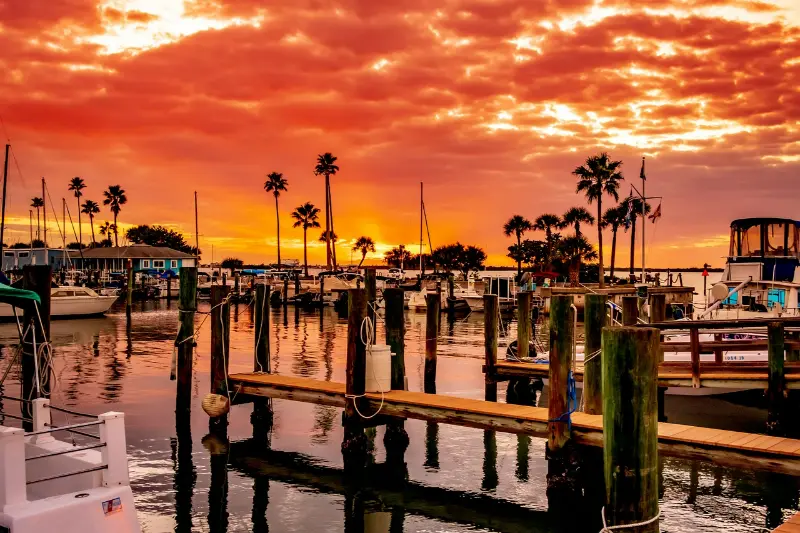
    Dunedin Florida Boat Harbor at Sunset

    5. Folly Farm and local parks

    Smaller green spaces make Safety Harbor appealing for travelers who enjoy short walks and low-key outdoor time between larger Tampa Bay outings. Give this stop enough time to enjoy it without immediately rushing to the next item. For mixed-age groups, it is usually better to shorten the list and leave room for breaks than to plan a full day of tightly timed stops.

    Nature and outdoor time

    This is not a Gulf beach destination, but the bayfront setting and parks give it a strong outdoor identity. Use Safety Harbor as a calm base, then drive to Clearwater, Dunedin or barrier-island beaches when you want sand and surf.

    Florida weather changes how an outdoor day feels. In warm months, the same trail or beach that is comfortable at 8:00 a.m. can feel completely different at 1:00 p.m. Use shade, water, sun protection and realistic walking distances, and check radar rather than assuming a forecast icon means an entire day will be lost.

    If wildlife is part of the experience, treat observation distance as part of the attraction rather than an inconvenience. Do not feed animals, block nesting areas or approach wildlife for a photograph. For beaches and waterways, follow posted flags, closures and local safety advice.

    Getting there and around

    A car is useful for regional exploration, though downtown itself is pleasantly walkable. Tampa International Airport is a convenient gateway for many visitors.

    When planning a Florida road trip, think in terms of actual travel time rather than map distance. Bridges, beach traffic, event crowds and parking searches can add significant time. Build at least one buffer period into each day, especially if you have a timed tour or reservation.

    For air travel, compare the total trip from the airport to your hotel rather than the flight price alone. A cheaper airport can lose its advantage once rental-car rates, tolls and a longer drive are included. If anyone in the group uses a mobility aid, confirm vehicle size before pickup.

    Best time to visit

    Late fall through spring is excellent for walking and dining outside. Summer is quieter and hotter, so plan mornings and evenings outdoors and use midday for spa, lunch or indoor attractions.

    Florida’s peak travel periods can also include school holidays, major events and winter escapes from colder states. If your dates are fixed, book the hardest-to-replace item first: a special hotel, event ticket, campground or vacation rental. Flexible travelers can often find better value by avoiding Friday and Saturday arrivals.

    During hurricane season, keep reservations and insurance terms clear. A tropical system does not mean every Florida trip will be disrupted, but refundable or changeable bookings are valuable when uncertainty increases.

    Families, teenagers, seniors and accessibility

    With babies and toddlers

    Keep the first day simple. Choose one outdoor stop, return to the room for a nap or pool break, and avoid scheduling a long dinner after a full afternoon in the sun. Shade and access to restrooms matter more than adding another attraction.

    With school-age children

    Alternate “look and learn” attractions with something active. A museum followed by a park, a historic district followed by swimming, or a nature center followed by ice cream usually works better than three educational stops in a row.

    With teenagers

    Give teenagers a role in choosing one activity, restaurant or photo stop. Destinations feel more engaging when they have some control over the day rather than simply following an adult itinerary.

    For seniors and multigenerational groups

    Plan shorter walking loops, more seated breaks and easy meal access. Avoid treating every group member as if they have the same heat tolerance. One traveler can do a longer walk while another enjoys a shaded viewpoint, museum or cafe.

    Accessibility

    Accessible facilities can vary between beaches, historic buildings, parks and private attractions. Check current accessibility pages directly, especially for beach mats, wheelchairs, ramps, elevators, companion restrooms, sensory resources and accessible parking. Historic properties may have unavoidable stairs even when part of the visit is accessible.

    A practical 3-day Safety Harbor itinerary

    Day 1: orientation and local character

    Start with the most walkable central area and give yourself time to understand the street layout, parking and restaurant options. Choose one signature attraction for late morning or early afternoon, then keep the evening close to the hotel. The first day should establish the rhythm of the trip rather than exhaust the group.

    Day 2: the major experience

    Use the second day for the attraction or outdoor area you would be most disappointed to miss. Start early if parking or heat could become an issue. After lunch, choose a flexible secondary activity that can be shortened if weather or energy levels change.

    Day 3: nature, beach or regional extension

    Finish with a contrasting experience: if the first two days were history and dining, choose nature; if they were beach-focused, add culture or a nearby town. Keep the final afternoon light if you are driving onward, because Florida traffic often makes late-day transfers more tiring than expected.

    If you have a fourth day, use it for a larger regional day trip rather than adding more small local stops. That gives the trip a clearer structure and reduces repeated packing and hotel changes.

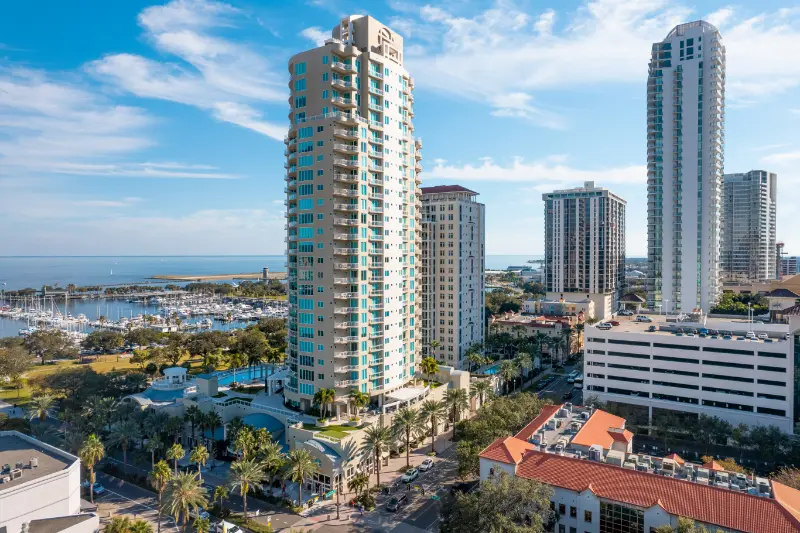
    Florida Waterfront Condominium Towers

    Food and evenings

    Main Street is the center of the dining experience. Staying close enough to walk can make a short weekend feel more relaxed and avoids repeated parking decisions.

    For families, an early dinner often solves several problems at once: shorter waits, easier parking and a calmer bedtime. For couples, sunset or a post-dinner walk can be more memorable than adding another paid attraction.

    Do not build the entire trip around famous restaurants seen on social media. Keep one or two priority meals, then leave space for a cafe, bakery, seafood counter or casual local place you discover while walking.

    Budget and booking strategy

    Separate your budget into lodging, transport, food and paid attractions. Beach and park time may be inexpensive, but parking, rental-car costs and resort fees can change the total quickly. Always compare the final hotel price, not only the advertised nightly rate.

    For a value-focused trip, spend on location rather than on constant upgrades. A slightly more expensive room in the right area can save fuel, parking and time. Use free outdoor attractions to balance one or two paid experiences that genuinely matter to the group.

    Book time-sensitive attractions through official sellers whenever possible. If the schedule is uncertain, prioritize flexible tickets or refundable reservations. For outdoor plans, avoid paying for multiple weather-dependent activities on consecutive afternoons.

    Best day trips from Safety Harbor

    Dunedin, Clearwater, Tarpon Springs, St. Petersburg and Tampa are all straightforward regional day trips.

    Keep a day trip to one main destination. A two-hour drive followed by four separate attractions and another long return is rarely a good use of vacation time. Choose one anchor experience and one meal stop, then treat anything else as optional.

    If you are moving hotels after the day trip, pack the car once in the morning and avoid returning to the old base. That turns a transfer day into a useful sightseeing day without adding another long drive.

    Mistakes to avoid

    • Booking by map distance only: bridges, parking and traffic matter as much as mileage.
    • Overloading the hottest hours: schedule outdoor priorities early and keep midday flexible.
    • Ignoring event calendars: festivals, races, holidays and school breaks can change prices and parking.
    • Assuming every beach, park or historic site has the same accessibility: verify individual facilities.
    • Planning every meal in advance: reserve only the truly important ones and leave room for discovery.
    • Forgetting weather flexibility: one indoor backup activity can rescue a stormy afternoon.

    Official resources

    Use official sources for current hours, closures, event schedules, access rules and safety information before you travel:

    Frequently asked questions

    How many days do you need in Safety Harbor?

    2–3 nights is a good first-trip target. A shorter stay works if you focus on one neighborhood or attraction, while a longer stay makes sense if you want several regional day trips.

    Do you need a car in Safety Harbor?

    For most visitors, yes. Some central areas can be explored on foot, but a car makes it much easier to connect parks, beaches, nature areas and neighboring towns.

    Is Safety Harbor good for families?

    Yes, especially when the itinerary is paced around the age of the youngest traveler. The strongest family days usually combine one structured attraction with simple outdoor time and a pool or rest break.

    Is Safety Harbor suitable for senior travelers?

    Yes. Choose lodging with easy parking and elevators, prioritize shaded or seated attractions, and keep midday heat exposure under control. Confirm accessibility directly for historic buildings and outdoor sites.

    What should first-time visitors avoid?

    Avoid trying to turn the destination into a checklist. The trip is better when you choose a convenient base, group activities geographically and leave enough time to enjoy the setting instead of driving constantly.

    Travel information can change. Always verify current hours, admission, road conditions, weather alerts, beach flags and accessibility details on official websites before departure.

  • Gulfport Florida Travel Guide: Arts District, Waterfront, Beach, Dining and Where to Stay

    Gulfport Florida Travel Guide: Arts District, Waterfront, Beach, Dining and Where to Stay

    Gulfport is a strong choice when you want a colorful small waterfront city with an independent arts scene, locally owned businesses and a community-first atmosphere. It is not a destination that requires a packed checklist to feel worthwhile. The better approach is to identify the one or two experiences that matter most to your group, choose a convenient base, and leave enough open time to enjoy the local pace.

    For a first visit, I would plan around 2–3 nights. That gives you enough time to understand the area without turning the trip into a sequence of parking lots and short photo stops. Gulfport is especially well suited to couples, art lovers, LGBTQ+ travelers, slow-travel visitors and anyone who prefers local character over resort polish.

    This guide focuses on practical trip design: where to stay, what deserves priority, how much driving to expect, how to adapt the trip for children or older travelers, and how to connect Gulfport with the rest of Tampa Bay. Hours, admission policies, road conditions and event schedules can change, so always confirm time-sensitive details on official sites before the day of your visit.

    Quick planning summary

    • Recommended stay: 2–3 nights for a balanced first visit.
    • Best for: couples, art lovers, LGBTQ+ travelers, slow-travel visitors and anyone who prefers local character over resort polish.
    • Main strength: a colorful small waterfront city with an independent arts scene, locally owned businesses and a community-first atmosphere.
    • Transport: a car is usually the easiest way to combine the destination with surrounding attractions, even when the central district itself is walkable.
    • Best planning rule: organize each day by area instead of zig-zagging across the region.

    In this guide

    Why visit Gulfport?

    Gulfport works because it gives a Florida trip a different rhythm from the state’s biggest resort corridors. You can still build full sightseeing days, but you do not need to. The destination rewards slower mornings, one substantial activity, a relaxed lunch and enough time for the setting itself.

    That makes it particularly useful in a longer Florida itinerary. After several intense theme-park, city or driving days, a stop in Gulfport can reset the pace without feeling like a “nothing day.” The experience is still specific to Tampa Bay, but the pressure to maximize every hour is lower.

    It is also a good place for travelers with different energy levels. A teenager can choose a more active experience, younger children can focus on parks or simple outdoor time, and grandparents can stay involved through scenic stops, short walks, museums, waterfront areas or meals that do not require a major physical commitment.

    My preferred way to approach the destination is to identify one anchor experience for each day, then add secondary stops only if the group still has time and energy. That simple rule prevents the most common Florida planning problem: trying to force too much into a hot, spread-out destination.

    Where to stay in Gulfport

    The best area is not automatically the most luxurious one. For most visitors, convenience matters more than a small difference in room quality. Look at parking fees, breakfast, pool hours, room size, elevator access, cancellation policy and the real door-to-door drive to your priority attractions.

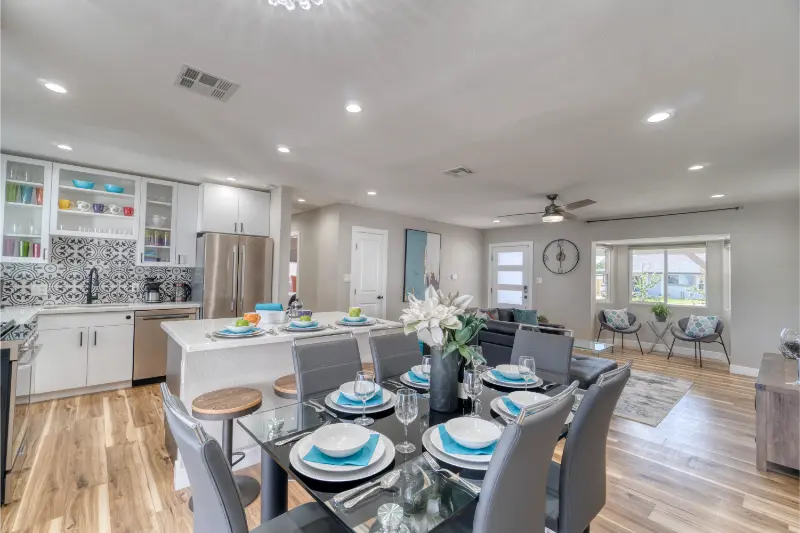
    Modern Florida Vacation Home Dining Room

    Waterfront Arts District

    Best for: best for walking to restaurants, galleries, events and the bayfront. Before booking, compare the exact route to the places you expect to visit most often. A hotel that looks close on a regional map can still create repeated driving, parking or bridge time.

    Beach Boulevard area

    Best for: useful for the most compact village experience and evening activity. Before booking, compare the exact route to the places you expect to visit most often. A hotel that looks close on a regional map can still create repeated driving, parking or bridge time.

    Residential Gulfport / nearby St. Petersburg

    Best for: good when you want more lodging choice while keeping Gulfport as a daily neighborhood stop. Before booking, compare the exact route to the places you expect to visit most often. A hotel that looks close on a regional map can still create repeated driving, parking or bridge time.

    Family tipFor families, a refrigerator, laundry access and a pool can be more valuable than an elaborate lobby. Couples may prefer walkability and evening atmosphere. Senior travelers should check elevator availability, shower design, the distance from parking to the room and whether restaurants are reachable without crossing wide roads.

    If you are using a vacation rental, compare the full price after cleaning and service fees, read parking and occupancy rules carefully, and confirm whether beach equipment, bicycles or other advertised extras are actually included.

    Best things to do in Gulfport

    1. Waterfront Arts District

    The heart of Gulfport is its small, colorful business district, where local restaurants, galleries and community spaces create an experience that feels very different from larger Tampa Bay cities. Give this stop enough time to enjoy it without immediately rushing to the next item. For mixed-age groups, it is usually better to shorten the list and leave room for breaks than to plan a full day of tightly timed stops.

    2. Gulfport Beach and waterfront

    The bayfront beach is better thought of as a relaxed community waterfront than a substitute for the Gulf barrier-island beaches. Give this stop enough time to enjoy it without immediately rushing to the next item. For mixed-age groups, it is usually better to shorten the list and leave room for breaks than to plan a full day of tightly timed stops.

    3. Clam Bayou Nature Park

    A useful nature counterpoint to the arts district, with mangrove habitat, birding and paddling opportunities in the broader preserve area. Give this stop enough time to enjoy it without immediately rushing to the next item. For mixed-age groups, it is usually better to shorten the list and leave room for breaks than to plan a full day of tightly timed stops.

    4. Local markets and art events

    Gulfport’s identity is closely tied to markets, art walks and community events. Schedules change, so use the city’s current calendar instead of planning around an old list. Give this stop enough time to enjoy it without immediately rushing to the next item. For mixed-age groups, it is usually better to shorten the list and leave room for breaks than to plan a full day of tightly timed stops.

    5. Nearby St. Petersburg culture

    Gulfport is close enough to downtown St. Petersburg to combine small-town evenings with major museums and waterfront attractions. Give this stop enough time to enjoy it without immediately rushing to the next item. For mixed-age groups, it is usually better to shorten the list and leave room for breaks than to plan a full day of tightly timed stops.

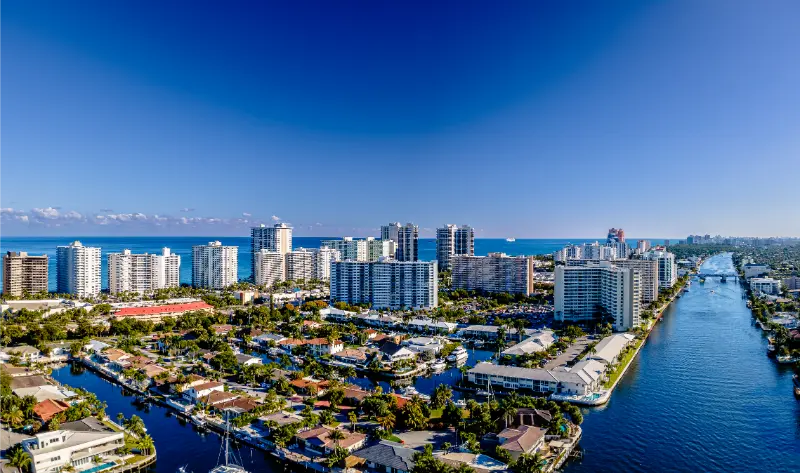
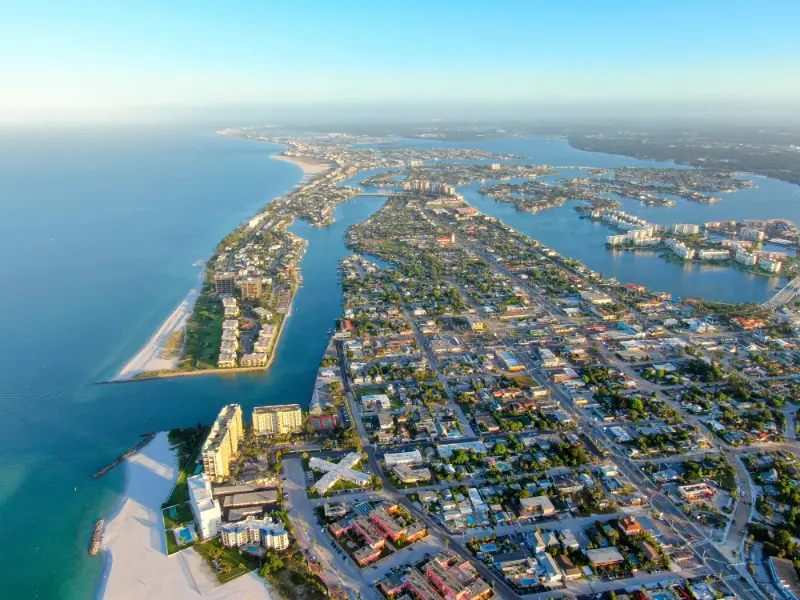
    Saint Petersburg Florida Waterfront District Aerial

    Nature and outdoor time

    The best outdoor strategy is to mix bayfront walking and Clam Bayou with a separate beach day at St. Pete Beach or another barrier-island community.

    Florida weather changes how an outdoor day feels. In warm months, the same trail or beach that is comfortable at 8:00 a.m. can feel completely different at 1:00 p.m. Use shade, water, sun protection and realistic walking distances, and check radar rather than assuming a forecast icon means an entire day will be lost.

    If wildlife is part of the experience, treat observation distance as part of the attraction rather than an inconvenience. Do not feed animals, block nesting areas or approach wildlife for a photograph. For beaches and waterways, follow posted flags, closures and local safety advice.

    Getting there and around

    Having a car makes beach and St. Petersburg day trips easier. Within the arts district, walking is the better choice once you have parked.

    When planning a Florida road trip, think in terms of actual travel time rather than map distance. Bridges, beach traffic, event crowds and parking searches can add significant time. Build at least one buffer period into each day, especially if you have a timed tour or reservation.

    For air travel, compare the total trip from the airport to your hotel rather than the flight price alone. A cheaper airport can lose its advantage once rental-car rates, tolls and a longer drive are included. If anyone in the group uses a mobility aid, confirm vehicle size before pickup.

    Best time to visit

    Winter and spring are ideal for walking, markets and outdoor dining. Summer works with a slower pace, shade and flexibility around afternoon rain.

    Florida’s peak travel periods can also include school holidays, major events and winter escapes from colder states. If your dates are fixed, book the hardest-to-replace item first: a special hotel, event ticket, campground or vacation rental. Flexible travelers can often find better value by avoiding Friday and Saturday arrivals.

    During hurricane season, keep reservations and insurance terms clear. A tropical system does not mean every Florida trip will be disrupted, but refundable or changeable bookings are valuable when uncertainty increases.

    Families, teenagers, seniors and accessibility

    With babies and toddlers

    Keep the first day simple. Choose one outdoor stop, return to the room for a nap or pool break, and avoid scheduling a long dinner after a full afternoon in the sun. Shade and access to restrooms matter more than adding another attraction.

    With school-age children

    Alternate “look and learn” attractions with something active. A museum followed by a park, a historic district followed by swimming, or a nature center followed by ice cream usually works better than three educational stops in a row.

    With teenagers

    Give teenagers a role in choosing one activity, restaurant or photo stop. Destinations feel more engaging when they have some control over the day rather than simply following an adult itinerary.

    For seniors and multigenerational groups

    Plan shorter walking loops, more seated breaks and easy meal access. Avoid treating every group member as if they have the same heat tolerance. One traveler can do a longer walk while another enjoys a shaded viewpoint, museum or cafe.

    Accessibility

    Accessible facilities can vary between beaches, historic buildings, parks and private attractions. Check current accessibility pages directly, especially for beach mats, wheelchairs, ramps, elevators, companion restrooms, sensory resources and accessible parking. Historic properties may have unavoidable stairs even when part of the visit is accessible.

    A practical 3-day Gulfport itinerary

    Day 1: orientation and local character

    Start with the most walkable central area and give yourself time to understand the street layout, parking and restaurant options. Choose one signature attraction for late morning or early afternoon, then keep the evening close to the hotel. The first day should establish the rhythm of the trip rather than exhaust the group.

    Day 2: the major experience

    Use the second day for the attraction or outdoor area you would be most disappointed to miss. Start early if parking or heat could become an issue. After lunch, choose a flexible secondary activity that can be shortened if weather or energy levels change.

    Day 3: nature, beach or regional extension

    Finish with a contrasting experience: if the first two days were history and dining, choose nature; if they were beach-focused, add culture or a nearby town. Keep the final afternoon light if you are driving onward, because Florida traffic often makes late-day transfers more tiring than expected.

    If you have a fourth day, use it for a larger regional day trip rather than adding more small local stops. That gives the trip a clearer structure and reduces repeated packing and hotel changes.

    Food and evenings

    Locally owned restaurants are one of Gulfport’s strengths. Rather than driving elsewhere for every meal, leave at least one evening entirely within the waterfront district.

    Florida Business District and Round Tower Aerial

    For families, an early dinner often solves several problems at once: shorter waits, easier parking and a calmer bedtime. For couples, sunset or a post-dinner walk can be more memorable than adding another paid attraction.

    Do not build the entire trip around famous restaurants seen on social media. Keep one or two priority meals, then leave space for a cafe, bakery, seafood counter or casual local place you discover while walking.

    Budget and booking strategy

    Separate your budget into lodging, transport, food and paid attractions. Beach and park time may be inexpensive, but parking, rental-car costs and resort fees can change the total quickly. Always compare the final hotel price, not only the advertised nightly rate.

    For a value-focused trip, spend on location rather than on constant upgrades. A slightly more expensive room in the right area can save fuel, parking and time. Use free outdoor attractions to balance one or two paid experiences that genuinely matter to the group.

    Book time-sensitive attractions through official sellers whenever possible. If the schedule is uncertain, prioritize flexible tickets or refundable reservations. For outdoor plans, avoid paying for multiple weather-dependent activities on consecutive afternoons.

    Best day trips from Gulfport

    Downtown St. Petersburg, St. Pete Beach, Fort De Soto, Dunedin and Tampa all fit easily into a Gulfport-based trip.

    Keep a day trip to one main destination. A two-hour drive followed by four separate attractions and another long return is rarely a good use of vacation time. Choose one anchor experience and one meal stop, then treat anything else as optional.

    If you are moving hotels after the day trip, pack the car once in the morning and avoid returning to the old base. That turns a transfer day into a useful sightseeing day without adding another long drive.

    Mistakes to avoid

    • Booking by map distance only: bridges, parking and traffic matter as much as mileage.
    • Overloading the hottest hours: schedule outdoor priorities early and keep midday flexible.
    • Ignoring event calendars: festivals, races, holidays and school breaks can change prices and parking.
    • Assuming every beach, park or historic site has the same accessibility: verify individual facilities.
    • Planning every meal in advance: reserve only the truly important ones and leave room for discovery.
    • Forgetting weather flexibility: one indoor backup activity can rescue a stormy afternoon.

    Official resources

    Use official sources for current hours, closures, event schedules, access rules and safety information before you travel:

    Frequently asked questions

    How many days do you need in Gulfport?

    2–3 nights is a good first-trip target. A shorter stay works if you focus on one neighborhood or attraction, while a longer stay makes sense if you want several regional day trips.

    Do you need a car in Gulfport?

    For most visitors, yes. Some central areas can be explored on foot, but a car makes it much easier to connect parks, beaches, nature areas and neighboring towns.

    Is Gulfport good for families?

    Yes, especially when the itinerary is paced around the age of the youngest traveler. The strongest family days usually combine one structured attraction with simple outdoor time and a pool or rest break.

    Is Gulfport suitable for senior travelers?

    Yes. Choose lodging with easy parking and elevators, prioritize shaded or seated attractions, and keep midday heat exposure under control. Confirm accessibility directly for historic buildings and outdoor sites.

    What should first-time visitors avoid?

    Avoid trying to turn the destination into a checklist. The trip is better when you choose a convenient base, group activities geographically and leave enough time to enjoy the setting instead of driving constantly.

    Travel information can change. Always verify current hours, admission, road conditions, weather alerts, beach flags and accessibility details on official websites before departure.
  • Where to Stay in St. Pete and Clearwater: Downtown, Gulf Beaches or Dunedin?

    Where to Stay in St. Pete and Clearwater: Downtown, Gulf Beaches or Dunedin?

    The St. Petersburg–Clearwater area blends Gulf Coast beaches, city museums, marinas, walkable town centers and nature preserves. First-time visitors often treat the region as one place, but the accommodation choice changes how much time you will spend crossing bridges or searching for beach parking. Downtown St. Petersburg is excellent for art and dining; Clearwater Beach and St. Pete Beach are coastal bases with easy access to sand; Dunedin has a smaller-town atmosphere and nearby nature areas. Treasure Island and Pass-a-Grille offer other versions of the Gulf Coast. A single holiday cannot be centered on every one of these places without extra travel. This guide compares the main bases honestly so couples, families, solo travelers and older visitors can decide where to sleep and how to build days that do not feel rushed.

    At a glance: compare the areas

    Where to stayBest forCheck before booking
    Downtown St. PeteArt and diningNot Gulf-facing sand
    Clearwater BeachClassic beach resortCrowds and bridge traffic
    St. Pete BeachGulf beach staysLong coastal corridor
    DunedinSmall town and natureBeach requires transfer

    Downtown St. Petersburg: art, restaurants and a waterfront city break

    Downtown St. Petersburg is an attractive base for travelers who like museums, independent cafés, parks and evenings spent wandering near the waterfront. The Dalí Museum, the Museum of Fine Arts and the St. Pete Pier are among the attractions that give the city a cultural identity distinct from the beach resorts. Staying nearby can reduce the need to drive to dinner or a scheduled museum visit. However, downtown St. Pete does not put you beside the Gulf’s wide sandy beaches; the city faces Tampa Bay, and beach outings require a deliberate journey west. Hotels differ substantially in location, parking and event noise. Someone attending a festival or concert may love the energy, while a family hoping for early bedtimes should check quieter room options. If your plans include several cultural days and just one beach visit, downtown can be the best choice even without an ocean view.

    Clearwater Beach: a classic sand-and-sunset base

    Clearwater Beach appeals to travelers who want a recognizable resort-style beach vacation, with restaurants and services close to the shore. Hotels near the sand let families retreat for lunch or an afternoon rest without repeatedly searching for parking. The area around Pier 60 can be lively, particularly in busy periods, and a room on a central street may experience more noise than a visitor expects. Investigate whether the property has direct beach access or sits across a road, and check the distance from your particular room to restrooms or shaded seating. Clearwater Beach’s bridge access can become congested when many visitors arrive at once, which makes a well-positioned hotel especially valuable for a sand-focused stay. Travelers who want daily visits to downtown St. Petersburg should calculate that drive realistically; the region’s well-known attractions are not all next door. If you chiefly want museums and neighborhoods, a mainland location may serve you better.

    Clearwater Florida Downtown and Water Aerial

    St. Pete Beach and Pass-a-Grille: a different Gulf Coast mood

    St. Pete Beach offers a broad range of coastal accommodation, from larger resorts to smaller properties, and can suit families who want several days of beach time. Pass-a-Grille at the southern end has a different atmosphere, with a historic, lower-key beach community and opportunities for simple waterfront meals. The best choice depends on whether you value a full-service resort, a manageable walking area or quieter surroundings. Do not assume the entire beach corridor is comfortably walkable from a single property. Gulf Boulevard extends along a long chain of communities, and a few miles in afternoon heat can feel considerable. Ask whether the property provides beach access, shade, chairs or a shuttle, and check any additional charges. For multigenerational travelers, a hotel with reliable elevators and an easy route to the beach can be worth more than a property farther inland with a glamorous photograph.

    Treasure Island and the smaller beach towns: consider the exact block

    Treasure Island can be a good fit for visitors who want a Gulf-front vacation without basing themselves directly at Clearwater Beach or central St. Pete Beach. Nearby coastal communities such as Madeira Beach and the Redington beaches each have different patterns of restaurants, accommodation and public access. Some stretches feel busy and commercial, others more residential. This is where a specific hotel address matters far more than a broad regional label. A property may be close to a marina or bayfront but not immediately on the Gulf sand. Ask about crossing the road, access paths and parking before booking. For guests hoping to visit John's Pass for shopping or boat trips, find out where an operator actually departs and how you will travel there. A relaxing beach stay may involve very little driving, but only if the property is near your daily needs. Otherwise, every outing can become a short, irritating car journey.

    Dunedin: a walkable small town near nature, but not on the open Gulf

    Dunedin appeals to travelers who enjoy independent restaurants, a compact downtown and a relaxed Gulf Coast atmosphere without choosing a beachfront high-rise. The Pinellas Trail and nearby waterfront can support gentle outings, while Honeymoon Island State Park offers access to natural beach settings. Caladesi Island can be an option for a day trip, depending on current access and boat arrangements. Staying in Dunedin can suit a couple who prefers cafés and small-town evenings, or families who are happy to plan beach excursions instead of stepping out onto the sand every morning. Be clear about the geography: downtown Dunedin is not a resort beach, and the journey to Honeymoon Island or Clearwater Beach requires transport. A hotel near the town center may allow enjoyable walking, whereas one with a Dunedin mailing address farther out can be much less convenient. Verify the actual location before reserving.

    Choosing between St. Pete and Clearwater for a first trip

    A useful first question is what you would like to do on a rainy afternoon. If the answer is museum visits, galleries, a movie or an interesting restaurant, downtown St. Petersburg is an appealing home base. If you would prefer to remain at a resort, swim when safe and walk along the shore, Clearwater Beach or St. Pete Beach may be better. Neither choice means you cannot visit the other: it simply determines which experiences happen easily and which require planning. Clearwater can suit a short beach break, while St. Pete offers a concentrated arts scene and bayfront public spaces. For a longer visit, a split stay can combine two atmospheres, but a family with a great coastal rental may prefer one base with day trips. Do not move hotels simply to claim that you have stayed in every district.

    Clearwater Florida Marina City District Aerial

    Airport choices and transfers across the Tampa Bay region

    Tampa International Airport is a major gateway for the region, while St. Pete–Clearwater International Airport serves some routes. The airport named on your ticket matters, especially when arranging pickup or returning a rental car. A property on a barrier island may require a longer transfer than an inland hotel, and bridge congestion can affect timing. Compare a direct airport transfer with car rental, parking charges and your planned number of excursions. If you have a stroller or substantial luggage, avoid complicated connections after a long flight. Families requiring child restraints should arrange them before arrival. Travelers with mobility equipment need to confirm an appropriate vehicle and accessible hotel entrance. Some accommodations may advertise airport shuttles, but operating hours, coverage and booking requirements differ. A comfortable arrival is worth planning as carefully as the beach day you are looking forward to.

    Beaches, accessibility and the rhythm of a comfortable day

    A location that sounds close to the beach may still have stairs, soft sand, uneven paths or a lengthy exposed walk. Ask hotels and local beach authorities about the precise accessible route and whether beach wheelchairs or mats are available at your chosen entry point. Facilities can vary over time. For families with young children, direct access makes it easier to leave the beach before the sun becomes intense. Seniors may appreciate shaded seating and reliable restrooms more than a long shoreline walk. Be attentive to current swimming conditions, lightning and posted warnings. Gulf waters can look calm, but conditions still change. Plan beach time earlier in the day when practical, then reserve afternoons for a break or an indoor activity. That simple pattern supports both energetic children and adults who want more time to rest.

    A long weekend from a downtown hotel

    Arrive and spend the first afternoon getting to know downtown St. Pete rather than immediately driving west. Take a relaxed waterfront walk and choose one museum or evening restaurant. Use the next full day for a planned beach visit, selecting St. Pete Beach or Clearwater Beach rather than trying to sample several places in one afternoon. On the third day, explore the St. Pete Pier, a museum you missed or a neighborhood café. If you enjoy nature, a later trip to Dunedin and Honeymoon Island can be worthwhile with enough time. Couples may prefer a museum and long dinner; families might choose shorter indoor attractions and more breaks. This itinerary avoids repeated bridge crossings because the city remains your anchor. If you are sleeping on the beach instead, reverse the plan and dedicate just one day to downtown cultural attractions.

    Five nights beside the Gulf: when a single beach base is enough

    For a longer coastal stay, build the schedule around the beach community where you are actually sleeping. Spend the first day settling in, the next exploring nearby food options and facilities, and another on a booked activity such as a boat excursion if conditions suit. Reserve a full day for downtown St. Petersburg rather than driving there for separate small appointments. A visit to Clearwater or Dunedin can occupy another day if it genuinely interests your group. Families with young children may prefer a long afternoon at the pool over an extra sightseeing stop; the schedule should allow that. A rental with cooking facilities can help control mealtimes, but verify equipment and laundry arrangements. Travelers using public transport or rideshare should concentrate activities geographically rather than designing a car-style itinerary that requires constant transfers.

    Comparing the full cost of coastal accommodation

    Resort fees, taxes, overnight parking, beach equipment, breakfast and cleaning charges can change which property offers the best value. Look beyond the room rate and price a realistic day: breakfast, travel to activities, a meal out and the return trip. A beachfront hotel may cost more per night but save on beach parking and fuel; a downtown hotel can make restaurant evenings and museum visits easier. Vacation rentals with several bedrooms can work for larger groups but often include separate fees and stricter occupancy rules. Ask whether pools or beach facilities are available to every guest and whether closures are anticipated. Peak holidays, major local events and winter travel demand can affect pricing. During hurricane season, cancellation terms and official emergency updates matter. Avoid booking a nonrefundable room simply because its price looks attractive without understanding the risks and conditions.

    Booking checklist: get the geography right first

    Identify whether the property fronts the Gulf, Tampa Bay, a marina or an inland street. Then mark your top activities and calculate the transport between them. Verify beach access, parking, extra fees, the room’s actual sleeping capacity and availability of the facilities you need. If accessibility is important, request precise features and step-free routes rather than relying on a general badge. For a beach holiday, check the community’s swimming conditions and facilities near your chosen entrance. Read recent reviews for noise, construction and maintenance. Save an indoor option for thunderstorms and leave a little room for spontaneous afternoons. St. Pete–Clearwater is best enjoyed as a collection of distinctive destinations. Choose one whose everyday atmosphere suits you, then visit the others when you have time and energy.

    Frequently asked questions

    Is Downtown St. Pete on Clearwater Beach?

    No. Downtown St. Petersburg faces Tampa Bay, while Clearwater Beach is a separate Gulf beach community farther north and west.

    Where should I stay for museums and restaurants?

    Downtown St. Petersburg generally makes cultural outings and evening dining simpler. A beach-side property makes more sense for many repeated beach visits.

    Is Dunedin a beachfront resort town?

    Downtown Dunedin offers a walkable town setting, with nature and beach access available by planned outings to places such as Honeymoon Island.

    Official resources for checking local details

  • St. Pete Beach Florida Travel Guide: Pass-a-Grille, Gulf Beaches, Families and Where to Stay

    St. Pete Beach Florida Travel Guide: Pass-a-Grille, Gulf Beaches, Families and Where to Stay

    St. Pete Beach is a strong choice when you want a classic Gulf beach city with wide sand, resort choices and easy access to both historic Pass-a-Grille and downtown St. Petersburg. It is not a destination that requires a packed checklist to feel worthwhile. The better approach is to identify the one or two experiences that matter most to your group, choose a convenient base, and leave enough open time to enjoy the local pace.

    For a first visit, I would plan around 3–5 nights. That gives you enough time to understand the area without turning the trip into a sequence of parking lots and short photo stops. St. Pete Beach is especially well suited to families, couples, beach-first vacations, multigenerational groups and visitors pairing Gulf sunsets with St. Petersburg culture.

    This guide focuses on practical trip design: where to stay, what deserves priority, how much driving to expect, how to adapt the trip for children or older travelers, and how to connect St. Pete Beach with the rest of Tampa Bay Gulf Coast. Hours, admission policies, road conditions and event schedules can change, so always confirm time-sensitive details on official sites before the day of your visit.

    Quick planning summary

    • Recommended stay: 3–5 nights for a balanced first visit.
    • Best for: families, couples, beach-first vacations, multigenerational groups and visitors pairing Gulf sunsets with St. Petersburg culture.
    • Main strength: a classic Gulf beach city with wide sand, resort choices and easy access to both historic Pass-a-Grille and downtown St. Petersburg.
    • Transport: a car is usually the easiest way to combine the destination with surrounding attractions, even when the central district itself is walkable.
    • Best planning rule: organize each day by area instead of zig-zagging across the region.

    In this guide

    Why visit St. Pete Beach?

    St. Pete Beach works because it gives a Florida trip a different rhythm from the state’s biggest resort corridors. You can still build full sightseeing days, but you do not need to. The destination rewards slower mornings, one substantial activity, a relaxed lunch and enough time for the setting itself.

    Saint Pete Beach Florida Waterfront Resort Neighborhood

    That makes it particularly useful in a longer Florida itinerary. After several intense theme-park, city or driving days, a stop in St. Pete Beach can reset the pace without feeling like a “nothing day.” The experience is still specific to Tampa Bay Gulf Coast, but the pressure to maximize every hour is lower.

    It is also a good place for travelers with different energy levels. A teenager can choose a more active experience, younger children can focus on parks or simple outdoor time, and grandparents can stay involved through scenic stops, short walks, museums, waterfront areas or meals that do not require a major physical commitment.

    My preferred way to approach the destination is to identify one anchor experience for each day, then add secondary stops only if the group still has time and energy. That simple rule prevents the most common Florida planning problem: trying to force too much into a hot, spread-out destination.

    Where to stay in St. Pete Beach

    The best area is not automatically the most luxurious one. For most visitors, convenience matters more than a small difference in room quality. Look at parking fees, breakfast, pool hours, room size, elevator access, cancellation policy and the real door-to-door drive to your priority attractions.

    Pass-a-Grille

    Best for: best for old-Florida atmosphere, a smaller-scale beach village feel and walkable sunsets. Before booking, compare the exact route to the places you expect to visit most often. A hotel that looks close on a regional map can still create repeated driving, parking or bridge time.

    Central St. Pete Beach

    Best for: best for resort choice, restaurants and a convenient all-round beach base. Before booking, compare the exact route to the places you expect to visit most often. A hotel that looks close on a regional map can still create repeated driving, parking or bridge time.

    North St. Pete Beach / Upham Beach

    Best for: useful for travelers who want beach access with quick drives toward Treasure Island and St. Petersburg. Before booking, compare the exact route to the places you expect to visit most often. A hotel that looks close on a regional map can still create repeated driving, parking or bridge time.

    Family tipFor families, a refrigerator, laundry access and a pool can be more valuable than an elaborate lobby. Couples may prefer walkability and evening atmosphere. Senior travelers should check elevator availability, shower design, the distance from parking to the room and whether restaurants are reachable without crossing wide roads.

    If you are using a vacation rental, compare the full price after cleaning and service fees, read parking and occupancy rules carefully, and confirm whether beach equipment, bicycles or other advertised extras are actually included.

    Best things to do in St. Pete Beach

    1. St. Pete Beach shoreline

    The beach is the main attraction: broad sand, warm Gulf water and sunsets make this a destination where doing less can be the right plan. Give this stop enough time to enjoy it without immediately rushing to the next item. For mixed-age groups, it is usually better to shorten the list and leave room for breaks than to plan a full day of tightly timed stops.

    Saint Pete Beach Florida Hotels and Shoreline Aerial

    2. Pass-a-Grille

    At the southern end of the city, Pass-a-Grille adds historic cottages, a compact street grid, small businesses and a more old-fashioned beach-town feel. Give this stop enough time to enjoy it without immediately rushing to the next item. For mixed-age groups, it is usually better to shorten the list and leave room for breaks than to plan a full day of tightly timed stops.

    3. Upham Beach

    A popular public beach option in the northern part of the city and a useful alternative when you are not staying at a beachfront resort. Give this stop enough time to enjoy it without immediately rushing to the next item. For mixed-age groups, it is usually better to shorten the list and leave room for breaks than to plan a full day of tightly timed stops.

    4. Water activities

    Dolphin cruises, paddle sports and boat trips are widely available in the region, but conditions and operators vary, so compare departure points before booking. Give this stop enough time to enjoy it without immediately rushing to the next item. For mixed-age groups, it is usually better to shorten the list and leave room for breaks than to plan a full day of tightly timed stops.

    5. Downtown St. Petersburg day

    Museums, the waterfront and dining in St. Petersburg create an easy non-beach contrast without changing hotels. Give this stop enough time to enjoy it without immediately rushing to the next item. For mixed-age groups, it is usually better to shorten the list and leave room for breaks than to plan a full day of tightly timed stops.

    Nature and outdoor time

    Beach time should be planned around sun exposure, tides, weather and the needs of your group. Families benefit from shade and shorter sessions; active travelers can add paddling, cycling and boat trips.

    Florida weather changes how an outdoor day feels. In warm months, the same trail or beach that is comfortable at 8:00 a.m. can feel completely different at 1:00 p.m. Use shade, water, sun protection and realistic walking distances, and check radar rather than assuming a forecast icon means an entire day will be lost.

    If wildlife is part of the experience, treat observation distance as part of the attraction rather than an inconvenience. Do not feed animals, block nesting areas or approach wildlife for a photograph. For beaches and waterways, follow posted flags, closures and local safety advice.

    Getting there and around

    A car gives the most flexibility, but parking can be the least relaxing part of peak-season beach days. If you stay near the beach, walk for meals when possible and use regional transit or rideshare selectively.

    When planning a Florida road trip, think in terms of actual travel time rather than map distance. Bridges, beach traffic, event crowds and parking searches can add significant time. Build at least one buffer period into each day, especially if you have a timed tour or reservation.

    For air travel, compare the total trip from the airport to your hotel rather than the flight price alone. A cheaper airport can lose its advantage once rental-car rates, tolls and a longer drive are included. If anyone in the group uses a mobility aid, confirm vehicle size before pickup.

    Best time to visit

    Winter and spring bring mild weather and strong demand. Summer is hot, humid and storm-prone but works well for travelers who start early and take a long afternoon break.

    Florida’s peak travel periods can also include school holidays, major events and winter escapes from colder states. If your dates are fixed, book the hardest-to-replace item first: a special hotel, event ticket, campground or vacation rental. Flexible travelers can often find better value by avoiding Friday and Saturday arrivals.

    During hurricane season, keep reservations and insurance terms clear. A tropical system does not mean every Florida trip will be disrupted, but refundable or changeable bookings are valuable when uncertainty increases.

    Families, teenagers, seniors and accessibility

    With babies and toddlers

    Keep the first day simple. Choose one outdoor stop, return to the room for a nap or pool break, and avoid scheduling a long dinner after a full afternoon in the sun. Shade and access to restrooms matter more than adding another attraction.

    With school-age children

    Alternate “look and learn” attractions with something active. A museum followed by a park, a historic district followed by swimming, or a nature center followed by ice cream usually works better than three educational stops in a row.

    With teenagers

    Give teenagers a role in choosing one activity, restaurant or photo stop. Destinations feel more engaging when they have some control over the day rather than simply following an adult itinerary.

    For seniors and multigenerational groups

    Plan shorter walking loops, more seated breaks and easy meal access. Avoid treating every group member as if they have the same heat tolerance. One traveler can do a longer walk while another enjoys a shaded viewpoint, museum or cafe.

    Accessibility

    Accessible facilities can vary between beaches, historic buildings, parks and private attractions. Check current accessibility pages directly, especially for beach mats, wheelchairs, ramps, elevators, companion restrooms, sensory resources and accessible parking. Historic properties may have unavoidable stairs even when part of the visit is accessible.

    A practical 3-day St. Pete Beach itinerary

    Day 1: orientation and local character

    Start with the most walkable central area and give yourself time to understand the street layout, parking and restaurant options. Choose one signature attraction for late morning or early afternoon, then keep the evening close to the hotel. The first day should establish the rhythm of the trip rather than exhaust the group.

    Day 2: the major experience

    Use the second day for the attraction or outdoor area you would be most disappointed to miss. Start early if parking or heat could become an issue. After lunch, choose a flexible secondary activity that can be shortened if weather or energy levels change.

    Day 3: nature, beach or regional extension

    Finish with a contrasting experience: if the first two days were history and dining, choose nature; if they were beach-focused, add culture or a nearby town. Keep the final afternoon light if you are driving onward, because Florida traffic often makes late-day transfers more tiring than expected.

    If you have a fourth day, use it for a larger regional day trip rather than adding more small local stops. That gives the trip a clearer structure and reduces repeated packing and hotel changes.

    Food and evenings

    Beachfront and Gulf Boulevard restaurants are convenient, while Pass-a-Grille offers a smaller village feel. For sunset dining, reserve ahead during busy periods rather than assuming a walk-in table.

    For families, an early dinner often solves several problems at once: shorter waits, easier parking and a calmer bedtime. For couples, sunset or a post-dinner walk can be more memorable than adding another paid attraction.

    Do not build the entire trip around famous restaurants seen on social media. Keep one or two priority meals, then leave space for a cafe, bakery, seafood counter or casual local place you discover while walking.

    Budget and booking strategy

    Separate your budget into lodging, transport, food and paid attractions. Beach and park time may be inexpensive, but parking, rental-car costs and resort fees can change the total quickly. Always compare the final hotel price, not only the advertised nightly rate.

    For a value-focused trip, spend on location rather than on constant upgrades. A slightly more expensive room in the right area can save fuel, parking and time. Use free outdoor attractions to balance one or two paid experiences that genuinely matter to the group.

    Book time-sensitive attractions through official sellers whenever possible. If the schedule is uncertain, prioritize flexible tickets or refundable reservations. For outdoor plans, avoid paying for multiple weather-dependent activities on consecutive afternoons.

    Best day trips from St. Pete Beach

    Downtown St. Petersburg, Fort De Soto, Gulfport, Dunedin and Clearwater Beach all fit naturally into a longer stay.

    Keep a day trip to one main destination. A two-hour drive followed by four separate attractions and another long return is rarely a good use of vacation time. Choose one anchor experience and one meal stop, then treat anything else as optional.

    If you are moving hotels after the day trip, pack the car once in the morning and avoid returning to the old base. That turns a transfer day into a useful sightseeing day without adding another long drive.

    Mistakes to avoid

    • Booking by map distance only: bridges, parking and traffic matter as much as mileage.
    • Overloading the hottest hours: schedule outdoor priorities early and keep midday flexible.
    • Ignoring event calendars: festivals, races, holidays and school breaks can change prices and parking.
    • Assuming every beach, park or historic site has the same accessibility: verify individual facilities.
    • Planning every meal in advance: reserve only the truly important ones and leave room for discovery.
    • Forgetting weather flexibility: one indoor backup activity can rescue a stormy afternoon.

    Official resources

    Use official sources for current hours, closures, event schedules, access rules and safety information before you travel:

    Frequently asked questions

    How many days do you need in St. Pete Beach?

    3–5 nights is a good first-trip target. A shorter stay works if you focus on one neighborhood or attraction, while a longer stay makes sense if you want several regional day trips.

    Do you need a car in St. Pete Beach?

    For most visitors, yes. Some central areas can be explored on foot, but a car makes it much easier to connect parks, beaches, nature areas and neighboring towns.

    Is St. Pete Beach good for families?

    Yes, especially when the itinerary is paced around the age of the youngest traveler. The strongest family days usually combine one structured attraction with simple outdoor time and a pool or rest break.

    Is St. Pete Beach suitable for senior travelers?

    Yes. Choose lodging with easy parking and elevators, prioritize shaded or seated attractions, and keep midday heat exposure under control. Confirm accessibility directly for historic buildings and outdoor sites.

    What should first-time visitors avoid?

    Avoid trying to turn the destination into a checklist. The trip is better when you choose a convenient base, group activities geographically and leave enough time to enjoy the setting instead of driving constantly.

    Travel information can change. Always verify current hours, admission, road conditions, weather alerts, beach flags and accessibility details on official websites before departure.

  • Clearwater Beach Florida Travel Guide: Pier 60, Sand Key, Families, Sunsets and Where to Stay

    Clearwater Beach Florida Travel Guide: Pier 60, Sand Key, Families, Sunsets and Where to Stay

    Clearwater Beach is one of Florida’s easiest Gulf Coast destinations to understand: soft sand, calm-looking water, a compact resort strip and a strong sunset culture all sit within a relatively small area. The simplicity is part of the appeal, but the trip is better when you choose the right end of the beach for your travel style.

    Families often appreciate the walkability and shallow-looking shoreline, couples like the sunsets and waterfront restaurants, while older travelers can build a low-driving vacation if they select a hotel close to the places they will actually use.

    The key is to avoid confusing “easy” with “effortless.” Parking, bridge traffic, busy weekends and summer storms still shape the day. A good Clearwater Beach plan uses early mornings, one main activity at a time and a hotel location that reduces unnecessary car trips.

    Quick planning summary

    • Recommended stay: 3–4 nights for a beach-centered stay, longer if you want St. Petersburg and island day trips.
    • Best first stop: Pier 60 and the central beachfront for orientation.
    • Best for: families, couples, first-time Gulf Coast visitors and travelers who want a walkable beach base.
    • Transport: walk locally when possible; use a car, trolley or rideshare for the wider St. Pete-Clearwater area.
    • Planning rule: stay near your priority beach zone and avoid moving the car for every meal.

    In this guide

    Why visit Clearwater Beach?

    Clearwater Beach combines a classic resort-beach atmosphere with enough restaurants, rentals and entertainment to support a trip without constant driving. That is one reason it works well for short vacations.

    The area around Pier 60 is lively and convenient, while the beach becomes calmer as you move away from the busiest center. South toward Sand Key, the atmosphere changes again, giving you a useful range of choices within a short distance.

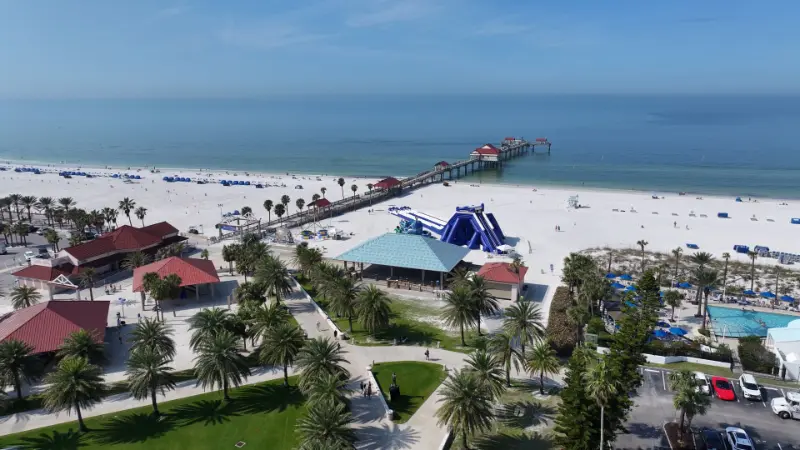
    Clearwater Beach Pier and White Sand

    The destination also makes a strong base for a broader Pinellas County trip. St. Petersburg, Dunedin, Honeymoon Island and other Gulf communities are close enough to add variety without changing hotels every night.

    A Clearwater Beach vacation does not need an aggressive sightseeing list. Its strength is the combination of beach time, sunset, one or two water activities and easy access to nearby coastal towns.

    Where to stay

    Near Pier 60

    Best for first-time visitors who want restaurants, activity and a central position. Expect the liveliest atmosphere and potentially more noise.

    North Clearwater Beach

    A good compromise for travelers who want a quieter feel while staying within walking distance of much of the central strip.

    South end and Sand Key area

    Useful for a calmer base, resort-style stays and travelers who are comfortable using a car or trolley for some meals and activities.

    Look beyond “beachfront.” Compare room-to-sand distance, elevator access, parking, breakfast, pool shade and whether you can walk safely to dinner after dark.

    For multigenerational trips, a central hotel can reduce daily logistics dramatically. The savings in time and energy may be worth more than a cheaper property farther inland.

    Best things to do

    Pier 60

    Use the pier area for views, fishing atmosphere and the well-known sunset scene. It is an easy first stop but not the only part of the beach worth seeing.

    A full beach morning

    Give the beach a real block of time instead of squeezing it between attractions. Early hours are usually easier for families, photography and long walks.

    Sand Key Park

    A useful change of pace just south of Clearwater Beach, with a more spacious park setting and a different feel from the main resort strip.

    Clearwater Marine Aquarium

    A strong indoor or mixed-weather option, especially for families interested in marine-life rescue and rehabilitation.

    Dolphin, sailing or sunset cruises

    Choose one water-based experience rather than stacking several. Conditions and departure points vary, so confirm the specific operator and weather policy.

    If you are staying only three nights, one cruise, one beach day and one broader-area day are usually enough. Too many reservations can make a simple beach trip feel like a checklist.

    Sunset is a daily anchor here. Plan dinner around it rather than discovering at the last minute that your reservation conflicts with the best light of the day.

    Nature and outdoor time

    The Gulf is the center of the outdoor experience, but conditions still require respect. Calm-looking water can change, and thunderstorms can develop quickly in warm months.

    Northward, Dunedin and the barrier islands add trails, parks and quieter beach settings. Southward, Sand Key and the St. Pete Beach corridor offer more options for coastal exploration.

    Birding, dolphin watching and paddling can all fit a slower itinerary. Choose experiences that match the least mobile or least confident traveler in the group rather than the most adventurous person.

    Getting there and around

    Tampa International Airport is the main gateway for many travelers, with St. Pete-Clearwater International Airport useful for some routes. Ground time varies with bridge traffic and arrival hour.

    Once settled near the central beach, walking can handle many meals and short outings. For St. Petersburg, Dunedin and other regional stops, a car or rideshare is more practical.

    Parking can be one of the most frustrating parts of a busy beach day. If your hotel includes parking, think carefully before moving the car just to save a short walk.

    Local trolley and transit options can help on selected routes. Check current service rather than assuming a seasonal schedule will match your travel dates.

    Best time to visit

    Winter and spring are popular because temperatures are comfortable and many visitors are escaping colder climates. That popularity can push up rates.

    Late spring can offer warm beach weather before the deepest summer humidity, though no period is guaranteed.

    Summer brings heat, humidity and frequent afternoon storms. Start beach time early, hydrate and use the hotel or an indoor attraction during the hottest hours.

    Fall can be quieter, but tropical-weather risk remains part of planning. Flexible reservations are valuable during hurricane season.

    Families, teens, seniors and accessibility

    Families benefit from the compact layout, especially when lodging is close to the sand. Build in pool or room breaks rather than trying to keep small children outdoors through midday heat.

    Teenagers may prefer paddle sports, cruises and a more independent walkable environment, while younger children often need simpler beach-and-pool days.

    Senior travelers should prioritize elevators, shade, short walking routes and a hotel with food nearby. A beautiful beachfront property can still be inconvenient if the route from room to sand is long or complicated.

    For accessibility, confirm beach access mats, wheelchairs, parking and restroom conditions at the specific access point you plan to use. Do not rely only on broad destination claims.

    A practical 3-day itinerary

    Day 1: Pier 60 and sunset

    Check in, walk the central beach, learn the layout and keep the evening for sunset and a nearby dinner.

    Day 2: Beach and water experience

    Use the morning for the beach, rest midday and choose a dolphin, sailing or sunset cruise later in the day.

    Day 3: Sand Key and a nearby town

    Spend time at Sand Key, then add Dunedin, St. Petersburg or another nearby stop depending on your interests and energy.

    Clearwater Beach Florida Gulf Coast White Sand Resorts

    With an extra day, protect it as an unstructured beach or pool day. That is often more valuable than adding a fourth distant attraction.

    Food and evenings

    Seafood and casual Gulf Coast dining dominate the vacation mood, but the broader St. Pete-Clearwater area adds a much wider restaurant scene if you want variety.

    Families can reduce waits by eating earlier than the main dinner rush. Couples may prefer one sunset-view meal and more casual choices on other nights.

    If you have a kitchenette, use it for breakfast and simple snacks rather than trying to cook every meal. The point is to remove friction, not recreate home routines.

    Budget and booking

    The beach itself can keep daily entertainment costs low. Cruises, aquarium tickets and resort parking are the main extras to decide on in advance.

    Compare resort fees, parking and umbrella or cabana costs when evaluating hotels. The nightly rate rarely tells the full story.

    If the trip is built around one premium hotel, balance it with free beach mornings and low-cost local exploration instead of buying an attraction every day.

    Easy day trips and extensions

    Dunedin and Honeymoon Island

    A good combination of small-town atmosphere and nature.

    St. Petersburg

    Add museums, waterfront parks, murals and a more urban evening.

    Tarpon Springs

    Useful for Greek heritage, the Sponge Docks and a different Gulf Coast experience.

    Fort De Soto area

    A nature-focused option for beaches, trails and historic interest, subject to current access conditions.

    Mistakes to avoid

    • Planning every hour: Leave room for weather, traffic, meals and an activity that takes longer than expected.
    • Choosing lodging only by nightly price: A cheaper room can cost more overall when parking, resort fees and long daily drives are added.
    • Underestimating Florida weather: Heat, humidity, thunderstorms and strong sun can change the best order for the day.
    • Ignoring beach and water conditions: Flags, currents, wind and storms deserve the same attention as attraction opening times.
    • Skipping a backup plan: An indoor museum, shaded district or flexible restaurant plan can rescue a day when outdoor conditions change.

    At Clearwater Beach, moving the car too often is a surprisingly common way to waste vacation time. Once you have a good parking position, use your feet or local transport when practical.

    • St. Petersburg and Clearwater travel guide
    • Best Florida beaches for families
    • Florida Gulf Coast road trip
    • Florida beach vacation guide
    • Florida with kids

    These guides help you compare Clearwater Beach with other Gulf Coast bases and decide how much of the wider Tampa Bay region to include.

    Official resources

    For opening hours, closures, launch schedules, beach conditions, event calendars and other details that can change, use Visit St. Pete-Clearwater’s Clearwater Beach information. Check again shortly before travel, especially for weather-dependent activities, park access, parking and major events.

    Frequently asked questions

    How many days are enough for Clearwater Beach?

    Three nights work for a focused beach break; four or five are better if you also want St. Petersburg, Dunedin or island parks.

    Is Clearwater Beach walkable?

    The central beach area is walkable for many visitors, especially if your hotel is near Pier 60. Regional exploration still benefits from a car or rideshare.

    Is Clearwater Beach good for families?

    Yes. The combination of sand, relatively compact services and family-oriented activities makes it one of the easier Gulf Coast bases.

    Should I stay in Clearwater Beach or St. Petersburg?

    Choose Clearwater Beach for a sand-first vacation and St. Petersburg for museums, neighborhoods and a more urban waterfront. Many travelers combine both.

    Do I need to reserve beach activities in advance?

    Reserve only the experiences that matter most, especially during busy periods. Keep ordinary beach time flexible so weather can guide the day.

    Clearwater Beach is most rewarding when you use its compact layout to simplify the vacation. Stay in the right zone, protect morning beach time, enjoy sunset and use only a few regional outings to add variety.

  • St. Petersburg and Clearwater Travel Guide: Beaches, Art, Transport and Best Areas to Stay

    St. Petersburg and Clearwater Travel Guide: Beaches, Art, Transport and Best Areas to Stay

    St. Petersburg and Clearwater are close enough to share one vacation but different enough that choosing the right base changes the entire trip. Downtown St. Pete is an arts-and-food city on Tampa Bay, while Clearwater Beach is a classic Gulf beach resort. Between them sit St. Pete Beach, Treasure Island, Madeira Beach, Indian Rocks Beach, Dunedin and other communities with their own pace. A first trip works best when you decide whether you want to wake up beside the Gulf or walk to museums and restaurants.

    Explore this guide

    The area is particularly good for couples and multigenerational families because beach time can be balanced with culture, parks and short urban outings. It is also one of the easier Gulf Coast destinations to navigate without driving every minute: the SunRunner, beach trolleys, Jolley Trolley and ferry options can reduce parking stress on selected routes. A car is still useful for a broader itinerary, but it does not need to dominate every day.

    Quick planning summary

    • Best for: Beach vacations, couples, families, art lovers, food travelers and multigenerational groups.
    • Ideal stay: Four to seven nights for a beach-and-city trip; two to three nights for a shorter Tampa Bay stop.
    • Do not miss: A Gulf beach day, downtown St. Pete, The Dalí Museum or another major museum, and a sunset.
    • Getting around: Car, rideshare, SunRunner, beach trolleys, Jolley Trolley and selected ferry services.
    • Key planning rule: Choose your hotel based on whether beach mornings or downtown evenings matter more.

    How to plan this trip without overloading the itinerary

    The most useful way to plan St. Pete Clearwater is to decide what the trip is really about before booking every hour. Choose two or three experiences that would make the visit feel successful even if weather, traffic or fatigue changes the rest of the schedule. Then place those anchors on different days and leave breathing room around them. Florida trips often look easy on a map, but parking, bridge traffic, security lines, heat, thunderstorms and long walks can turn a neat spreadsheet into a tiring holiday.

    For mixed-age groups, plan by energy rather than by attraction count. Put the most important outdoor or high-demand experience in the cooler morning, use lunch as a real rest period, and keep at least one afternoon flexible. A toddler, a teenager and a grandparent do not need to enjoy the same activity at the same intensity. The strongest itineraries make it normal to split up for a few hours and meet again for a meal, sunset or evening activity.

    The experiences worth building the trip around

    Clearwater Beach

    Clearwater Beach is the most recognizable resort beach in the area, with broad sand, hotels, restaurants and a busy visitor atmosphere. It is convenient for families who want services close at hand, but parking can be difficult at peak times. Staying on the beach or using trolley and ferry options can be more relaxing than driving in and out repeatedly.

    Downtown St. Petersburg

    Downtown St. Pete combines waterfront parks, restaurants, murals, independent businesses and museums in a compact area. The St. Pete Pier adds a long waterfront promenade and family-friendly spaces, while Central Avenue and surrounding districts provide food and nightlife. This is the better base for travelers who want evenings on foot rather than a resort-only experience.

    Downtown Saint Petersburg Florida High Rise Towers

    The Dalí Museum and arts scene

    The Dalí Museum is the headline cultural attraction, but it is only part of St. Pete’s arts identity. Murals, galleries and other museums make it possible to dedicate a full day to culture without feeling that you are taking time away from Florida. On very hot or rainy days, this becomes an especially valuable alternative to an all-day beach plan.

    St. Pete Beach and the central Gulf communities

    St. Pete Beach, Treasure Island and Madeira Beach offer a different feel from Clearwater Beach. Some stretches are quieter, some are more resort-oriented, and others emphasize casual waterfront restaurants and boating. Do not choose only from hotel photos; look at the immediate beach access, Gulf Boulevard traffic and the distance to the activities you expect to use every day.

    Dunedin and Tarpon Springs

    Dunedin is a walkable small city with restaurants, breweries and access to Honeymoon Island, while Tarpon Springs offers Greek heritage and the historic Sponge Docks. Both make good half-day or full-day alternatives when the group wants something beyond the sand. Trolley connections can make these outings possible without moving the car constantly.

    Fort De Soto and nature

    Fort De Soto Park adds beaches, history, paddling and more open natural space to a trip dominated by developed beach towns. It is useful for families who want room to spread out and for repeat visitors looking for a less commercial day. Check current park, bridge and beach conditions before setting out, especially after major weather events.

    Where to stay: choose the base before the hotel

    Stay on Clearwater Beach if you want a classic resort environment, easy access to restaurants and a beach-first schedule. St. Pete Beach works well for travelers who want Gulf sand with a somewhat different resort atmosphere and easier access toward downtown St. Pete. Downtown St. Pete is best for museums, restaurants, nightlife and walkability. Dunedin suits visitors who prefer a smaller-town rhythm and plan to explore the northern part of Pinellas County.

    A split stay can make sense on trips of a week or more: several nights directly on the Gulf followed by two or three downtown nights, or the reverse. For shorter visits, changing hotels usually wastes more time than it saves. Pick the area that supports most of your mornings and use transit or day trips for the rest.

    Before paying, check the full price rather than the headline room rate. Resort fees, parking, destination fees and breakfast can change the comparison between two hotels. Families should also look for a refrigerator, laundry access and a pool that is genuinely useful rather than decorative. Travelers with mobility limitations should verify elevator access, step-free routes, bathroom layout and the real distance from the room to parking, transit or the beach.

    Getting there and getting around

    Two airports commonly serve the area: Tampa International Airport and St. Pete-Clearwater International Airport. Which is better depends on flight price, schedule and final hotel location. Once you arrive, the SunRunner connects downtown St. Pete with St. Pete Beach, while beach trolleys and the Jolley Trolley cover other coastal routes. Clearwater also has ferry services that can help avoid beach parking on selected trips.

    A rental car remains useful for Fort De Soto, Tarpon Springs, scattered parks and a wider Tampa Bay itinerary. If you stay downtown and plan only one or two beach days, rideshare plus transit may be simpler. Summer storms and peak-season traffic can affect travel times, so avoid stacking fixed reservations on opposite sides of the county.

    Getting aroundIf you are driving, save the hotel, airport, parking garage and first major attraction in your phone before departure. Florida weather can create sudden detours or poor visibility, and a simple offline plan reduces stress. Do not build a schedule that depends on crossing a large metro area or barrier-island bridge at exactly the time you expect; add a buffer whenever a tour, meal or ticket has a fixed start.

    Families, teenagers, seniors and accessibility

    Families can alternate beach mornings with the St. Pete Pier, museums, aquariums or shaded parks. Teenagers often enjoy water sports, murals and the freedom of walkable districts, while grandparents may prefer shorter waterfront strolls and seated museum time. Many transit vehicles and major attractions offer accessibility features, but beach access varies by location. If a traveler needs mobility mats, beach wheelchairs or step-free transport, confirm the exact service with the beach municipality or operator before travel.

    For multigenerational travel, one of the best strategies is to separate the group for one high-energy block rather than forcing everyone through the same day. People who want rides, paddling or long beach time can do that while others choose a museum, garden, café or hotel break. Reunite for the activity with the broadest appeal. When accessibility is essential, confirm details directly with the attraction, hotel, park or transport provider shortly before travel because equipment, procedures and construction can change.

    Best time to visit

    Winter and spring bring some of the most comfortable weather for combining beaches with long urban walks, but they are also high-demand periods. Summer has warm Gulf water and long evenings but strong heat, humidity and thunderstorms. Autumn can be attractive outside major weather events. Whatever the month, check current Gulf conditions, beach flags and local advisories; water conditions can vary from one part of the coast to another.

    Florida’s Atlantic hurricane season runs from June through November, but that does not mean a trip during those months is automatically a bad idea. The practical response is flexible booking: understand cancellation rules, monitor official forecasts close to departure and avoid making expensive nonrefundable plans that leave no room to adapt. Ordinary afternoon thunderstorms are far more common than a direct tropical-system impact and can often be handled with a long lunch or indoor backup.

    A realistic first-time itinerary

    Day 1

    Settle into your beach base, keep the afternoon easy and plan sunset on the Gulf.

    Day 2

    Full beach morning, lunch nearby and a low-effort afternoon by the pool or on a short boat outing.

    Day 3

    Downtown St. Pete, The Dalí Museum, waterfront parks, the Pier and dinner on or near Central Avenue.

    Day 4

    Dunedin and Honeymoon Island, or Tarpon Springs for food and heritage.

    Day 5

    Fort De Soto or another nature day, leaving the evening open for a second sunset.

    Day 6

    Flexible repeat day for the beach or city area your group enjoyed most.

    This itinerary is intentionally not packed from breakfast to bedtime. If a beach, museum, park or neighborhood is working for your group, stay longer. A successful Florida trip is not measured by the number of pins cleared from a map. The open space is what allows you to react to weather, tired children, a restaurant recommendation, a wildlife sighting or simply the desire to spend another hour by the water.

    Food, breaks and evening strategy

    Do not let restaurant logistics control the entire vacation. For breakfast, convenience often matters more than novelty, especially before a park, tour or beach morning. At lunch, prioritize shade, air-conditioning and enough time to recover. Save the meal you are genuinely excited about for an evening when the group is not arriving exhausted from a distant attraction. Reservations are useful for one or two special meals, but keeping other evenings flexible prevents a delayed boat trip, storm or traffic jam from becoming a crisis.

    Families can save money and time with simple groceries for breakfast, fruit, water and snacks. Couples may prefer a slower dinner and one less daytime stop. Senior travelers often benefit from eating slightly earlier, before the busiest restaurant period, while teenagers may appreciate one evening with a more casual walkable district rather than another formal plan. Wherever you eat, avoid leaving food or trash around wildlife and follow local beach and park rules.

    Budget: where the money actually goes

    Beachfront accommodation is usually the largest cost. A hotel one or two blocks inland can save money, but only if the walk works for your group and beach gear. Parking fees also matter. Using transit for selected days can reduce both cost and frustration. Balance paid museums and boat trips with free beach time, murals and waterfront walks. For families, a room with a refrigerator or kitchenette can materially reduce breakfast and snack spending.

    When comparing two versions of the trip, calculate the whole day rather than one price. A cheaper hotel far away may add parking, fuel and rideshare costs. A discounted ticket can be poor value if it forces an itinerary that is too intense. Conversely, one strategically located hotel, one well-chosen tour and several free beaches or neighborhoods can produce a better trip than buying a long list of attractions. Keep a small weather buffer in the budget so changing one activity does not feel like losing money twice.

    Practical packing and comfort

    Bring sun protection every season: broad-spectrum sunscreen, a hat, sunglasses and refillable water bottles. Add a compact rain layer in the warmer months and a light sweater in winter, when air-conditioned interiors or cold fronts can surprise visitors. Comfortable shoes matter even on beach trips because boardwalks, museums, parking lots and downtown walks add up. If you are spending time on the water, keep a dry bag or waterproof phone pouch and a change of clothes in the car.

    For young children, pack more snacks and spare clothing than you expect to need. For older adults, keep medication, water and a simple rest plan accessible rather than buried in luggage. If the day depends on a phone for tickets, maps and rideshare, carry a small power bank. Download confirmation emails and key addresses before leaving reliable Wi-Fi.

    Common mistakes to avoid

    • Assuming Clearwater Beach and downtown St. Pete are the same destination.
    • Driving to the most popular beach at midday and expecting easy parking.
    • Changing hotels on a short trip just to sample multiple communities.
    • Planning every day around the beach without a rain or heat alternative.
    • Ignoring transit options that could remove a stressful parking day.

    Another common mistake is treating travel time as empty space. The journey between a hotel and an attraction may include parking, security, a shuttle, a long walk and a queue before the experience even begins. Build the day from door to door, not from map pin to map pin. This single change usually creates a calmer itinerary and makes it easier to travel with children, older adults or anyone who needs regular breaks.

    Useful Wonderful Florida guides to read next

    Continue planning with Best Beaches in Florida, Florida with Kids, Florida Travel Guide.

    Official resources to check before you go

    Opening hours, admission systems, road access, parking, seasonal services and accessibility procedures can change. Use official sources for the final check shortly before travel, especially when a particular attraction, beach access, tour, transport service or event is essential to your itinerary.

    Final thoughts

    The best St. Petersburg-Clearwater trip is not a competition between city and beach. Use the Gulf for slow mornings and sunsets, then let St. Pete’s museums, food and waterfront provide contrast. Choose one base that matches your priorities, use transit when it makes sense and avoid turning a relaxed coast into a daily parking exercise.