
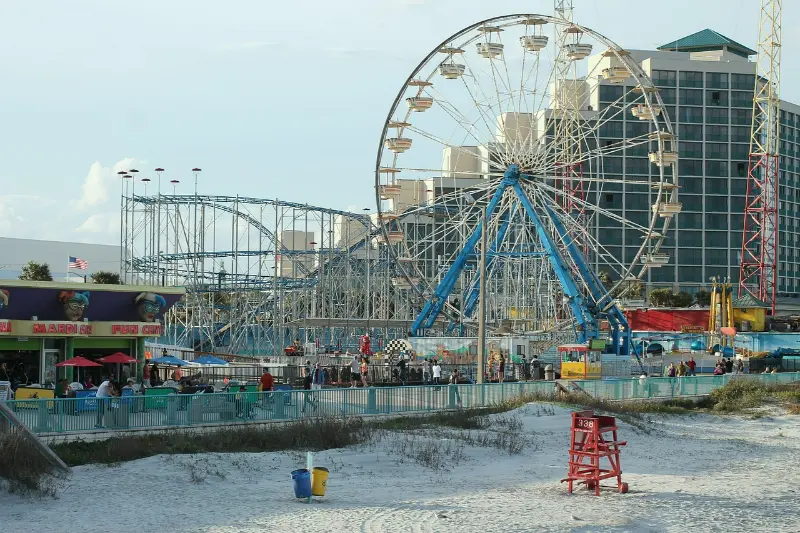
A week on this stretch of Florida’s Atlantic coast offers more variety than a beach-and-racetrack postcard suggests. Daytona Beach has a major racing identity, a busy oceanfront and broad public beaches. Ormond Beach to the north brings parks and a calmer coastal feel, while New Smyrna Beach to the south combines galleries, independent restaurants and access to the Indian River Lagoon. Ponce Inlet has lighthouse history and fishing-boat scenery. Because attractions sit along a long coastal corridor, a single well-chosen base matters more than squeezing every sight into a day. This itinerary is suitable for couples, families with children and multigenerational travelers who like the option of rest between outings.
Where should you stay?
Daytona Beach works for travelers who want a lively oceanfront, the Speedway and a broad selection of visitor accommodation. Choose your block carefully, because nightlife, traffic and event congestion vary widely. Ormond Beach may be a better fit for a gentler atmosphere and proximity to some scenic parks. New Smyrna Beach suits people who value its walkable commercial streets and a more independent seaside mood; its beachside and mainland areas have different access to sand and restaurants. Ponce Inlet is quieter but has fewer convenient lodging and dining choices. If you want the Speedway and two museum days, a Daytona base is sensible. If quiet mornings, galleries and beach access are your main priorities, New Smyrna may be worth the drive north once or twice. Confirm whether your property is actually oceanfront or across a busy road, and check any parking, resort and beach-access fees.
Day 1: Daytona’s oceanfront without a strict agenda
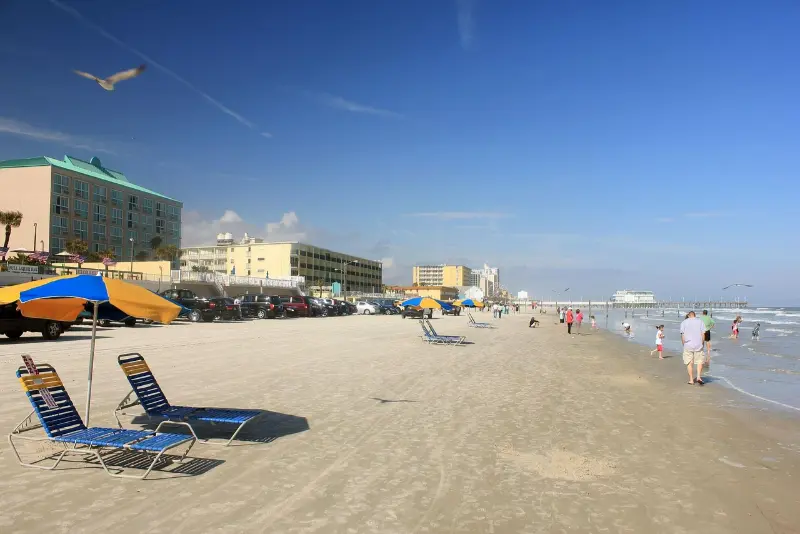
Begin with a manageable beach session near your lodging. Daytona is known for a broad sandy shore, but conditions vary and regulated vehicle access may be permitted on some sections; never assume every part of the beach is traffic-free. Check current Volusia County beach driving rules, tide-related access closures, local flags and lifeguard guidance. Families should choose a section with suitable facilities and watch children closely wherever vehicles or bicycles share access areas. Travelers who do not swim can enjoy the sea views and a nearby café. A short walk around the boardwalk or main beachfront district can introduce the destination without filling the entire first afternoon. Events may make the central area busy or noisy, so adapt your evening. After a long journey, a casual dinner near your hotel and an early night often beat a rushed attraction. Save the famous Speedway for a day when you can appreciate it properly.
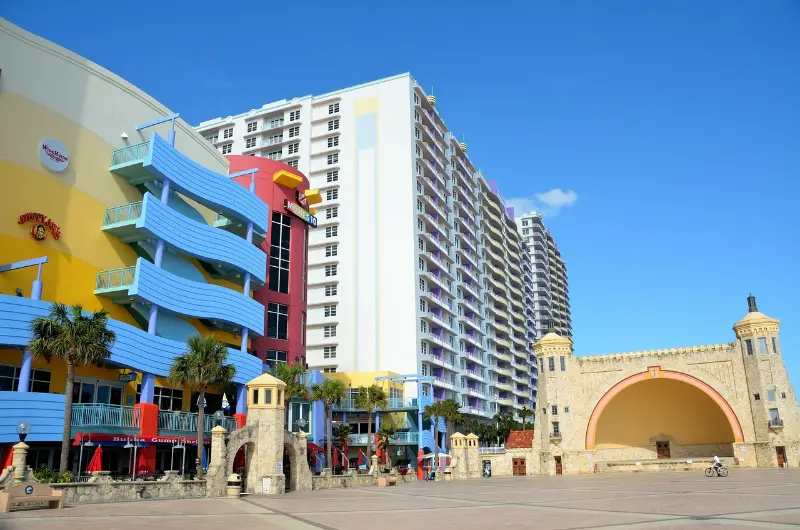
Day 2: Daytona International Speedway and motorsports history
The Daytona International Speedway gives the area its international sporting reputation, but the right experience depends on the event calendar. A track tour and a major race weekend are very different outings, both in price and crowd size. Check whether tours are available on your selected date, where they depart and how long the experience takes; special events can change access. Motorsports fans may enjoy several hours, while children who are not interested in racing might prefer a shorter visit followed by a family-friendly activity elsewhere. Pair the Speedway with one nearby museum or restaurant rather than a long cross-region detour. If attending a race, make that the day’s main plan and allow substantial time for parking, security and post-event traffic. For travelers with mobility limitations, ask about accessible tour vehicles, grandstand seating and routes before booking. A day at the Speedway can be memorable without making the rest of the week’s schedule revolve around it.
Day 3: Ormond Beach and the northern coastal parks
Head north for a change of atmosphere. Ormond Beach has attractive coastal scenery and access to parks where the focus shifts toward dunes, shoreline landscapes and quieter walks. Choose a short visit suited to the day’s heat and tides rather than attempting multiple lengthy hikes. Some natural beaches have limited facilities, exposed sand and changing conditions; take water, sunscreen and suitable footwear. A scenic drive along the coast can be enjoyable, but always use legal pullouts instead of stopping on narrow roads. Families may be happy with a picnic and a play stop. Older adults can spend more time at a viewpoint and a comfortable lunch venue. Check whether a nearby state park has temporary closures or storm-related repairs before departure. Returning to the accommodation by midafternoon allows time for a swim or a rest. The value of this day is its quieter rhythm, not the number of separate locations visited.
Day 4: New Smyrna Beach and its galleries
Make New Smyrna Beach the center of the day. Explore the local downtown or beachside shopping areas according to your interests, stopping at independent galleries and cafés if they are open. Art walks and community events occur on selected dates, so consult current schedules rather than building the itinerary around an assumed festival. From the commercial blocks, head toward a public beach access for an afternoon by the ocean. The area’s surf reputation is part of its character, but strong waves and rip currents mean not everyone should go into the water. Families with younger children can enjoy the sand and a playground or shaded meal without swimming. Couples may appreciate a slower gallery visit and dinner. If your accommodation is in Daytona, allow time for the return journey rather than committing to a late event after a full day. This is a good contrast to the more commercial central Daytona oceanfront.
Day 5: Ponce Inlet lighthouse and river scenery
Ponce Inlet provides a bridge between maritime heritage and coastal nature. The Ponce de Leon Inlet Lighthouse is a notable landmark, but climbing it involves a substantial staircase and is not appropriate for everyone. Check the official site’s current opening times, tickets and access guidance before promising a climb. Visitors who prefer to remain on the ground can still enjoy other historical exhibits and the surrounding waterfront, depending on venue conditions. A meal overlooking the water can make this a comfortable day for older travelers or anyone taking a break from the beach. Boat tours and fishing excursions operate nearby, but availability depends on marine weather and the operator. Children may find the lighthouse story and boats more interesting than another afternoon at the hotel pool. Avoid combining a strenuous climb with a long hot beach walk; choose one main activity and allow a scenic stop afterwards.
Day 6: Lagoon wildlife, paddling or an easy nature walk
Give the week a quieter nature day around the Indian River Lagoon and nearby preserves. The best excursion may be a guided eco-cruise, a beginner-friendly paddle or a short walking route, depending on your party’s abilities and the day’s conditions. Ask operators about minimum ages, equipment, distances and what happens in thunderstorms. Do not assume that a sheltered lagoon has no currents or boat traffic. Wildlife sightings are uncertain; keep a respectful distance from dolphins, manatees and shorebirds. For non-paddlers, a public boardwalk or birdwatching stop can reveal the same landscape at a gentler pace. Families should bring drinking water, sun protection and insect repellent as appropriate. Check which public access points are actually open instead of relying on an old social-media pin. If the forecast is poor, swap the nature outing for a museum or a calm local lunch. This day is a reminder that the coast is also an estuary ecosystem, not only an ocean beach.
Day 7: Repeat a favorite beach or enjoy one last town walk
The seventh day is a buffer for the trip’s best experiences and any weather disruption earlier in the week. If the family loved Ormond’s quiet sand, return there for an early morning. If galleries and restaurants were the highlight, revisit New Smyrna Beach with enough time to browse. Motorsports fans who missed a tour may be able to reschedule, but do not count on availability until confirmed. On departure day, leave enough time for accommodation checkout, traffic and the airport transfer. Daytona Beach International Airport is convenient for some itineraries, while Orlando airports require more driving and very different travel planning. Do not attempt a faraway nature cruise immediately before a flight. If you are staying longer, the region can connect with St. Augustine or the Space Coast, but a one-week coastal trip does not need to absorb both. A final quiet breakfast overlooking the Atlantic can be a worthwhile last memory.
Beach driving and safety: know before arriving
Volusia County has specific rules governing vehicle use on authorized beach sections. These rules can change with tides, wildlife protection, storms and seasonal operating hours. Never enter the beach with a vehicle simply because a road or ramp appears open in a navigation app. Follow official signage, speed rules and instructions from beach safety staff. If walking with children, pick an area where vehicle traffic will not complicate play, or move away from drive-on sections where possible. Ocean conditions are separate from vehicle rules: check rip-current warnings, flags and lifeguard coverage. Fishing piers and jetties are not substitutes for supervised swimming. Nature preserves protect sensitive dunes and nesting habitats; stay on designated paths. Visitors with wheelchairs should confirm beach access mats, chair programs and parking with the actual local authority. The safest plan is the one built around current conditions, not a memory of last year’s beach.
Transport, parking and the event calendar
A car is generally helpful for a week spanning Daytona, Ormond, New Smyrna and Ponce Inlet. Visitors staying entirely in one oceanfront district may manage with walking and some rideshares, but the more varied itinerary is harder without reliable road transport. Major racing events transform traffic, parking availability and accommodation prices; check the Speedway calendar before you reserve a hotel. Beach parking and drive-on charges can be separate from state park admission. Some hotel lots charge fees even when the room seems inexpensive. The most efficient approach is to group each day’s activities by town and avoid repeated drives north and south. For families needing car seats, verify the rental arrangement before arrival. Older travelers and people with limited mobility should choose short drop-off-to-attraction routes rather than large parking lots without shade. Do not rely on advertised ‘walking distance’ without checking intersections and actual sidewalks.
Budget for a week of varied activities
The week can be modestly priced if it balances beach time with one or two major ticketed activities. Speedway tours, lighthouse admission, charter boats and equipment rental all add costs, but none needs to be purchased simply because it is available. A hotel with breakfast and a refrigerator can help reduce food spending, especially for families with different meal schedules. Eating lunch during an outing and making dinner simple may work better than searching for a waterfront restaurant twice a day. Event weekends often raise rates sharply; flexibility with travel dates can save more than choosing a cheaper attraction. Build separate estimates for accommodation, car and parking, food, admission, and a weather reserve. Check rates directly before paying deposits. A couple may prioritize a memorable restaurant; a family may gain more from extra pool time and an apartment-style room. Both can enjoy a full week without buying a ticket every day.
Families, seniors and visitors with mobility needs
This region works well for mixed ages if you plan shorter walking loops and use the beach as an option, not an obligation. Toddlers need shade and protected play spaces, while school-age children may enjoy the Speedway or lighthouse exhibits. Teenagers can choose an art stop, an appropriate surf lesson or a bike ride if conditions and abilities allow. Older adults may enjoy waterfront cafés and a driving tour with scenic stops. The lighthouse climb is an optional challenge rather than a required achievement. Confirm accessible museum spaces, restrooms and parking at each location. Do not assume a nature trail is paved or a dune crossing is step-free. Weather and waves determine whether swimming is suitable for any age. By protecting free time in the afternoon, you leave space for family members who enjoy different things to feel they have had a genuine vacation.
The best season and rainy-day swaps
Cooler months often make outdoor walks more comfortable, while summer can mean hot pavement, strong sun and frequent afternoon storms. Ocean water and surf conditions vary, and the hurricane season from June through November calls for flexible reservations. Race dates, local festivals and school vacations can create unexpected crowds. If a day turns stormy, visit a suitable indoor museum or shift the Speedway tour if scheduling permits; do not drive into severe weather to preserve a printed itinerary. Check official park and beach notices before each natural-area outing. A strong week here has different options for different conditions: racing history for enthusiasts, galleries for curious visitors, broad shorelines for beach lovers and sheltered places to rest for everyone. The region’s variety is why a full week makes sense, provided the group does not try to see it all on the same day.
Frequently asked questions
Can cars drive on Daytona Beach?
Vehicle access is permitted only in designated areas and is affected by tides, safety restrictions and operating rules. Check Volusia County information.
Is New Smyrna Beach worth a whole day?
Yes. Its beach areas, galleries and restaurants offer a different atmosphere from central Daytona.
Can children visit the Daytona Speedway?
Many families enjoy the site, but tours and race events have different rules and schedules. Check the operator before planning your day.