

Choose between a simple visitor-center stop and a boat-based national park experience. Visitors often assume Biscayne National Park will work like the Everglades: arrive by car, walk to viewpoints and spend the day on marked trails. Biscayne turns that expectation upside down. The protected landscape is overwhelmingly water, including a broad bay, island keys and coral-reef environments. The road takes you to the Dante Fascell Visitor Center at Convoy Point, not to the most interesting offshore scenery. A good first visit therefore begins with one clear question: do you want a pleasant mainland introduction or enough time and budget for a legitimate boat excursion?
At a glance: is this visit right for you?
- Where: Homestead and the southern Miami area.
- Main attraction: Biscayne National Park.
- Why it is worth considering: Choose between a simple visitor-center stop and a boat-based national park experience.
- Other places to consider nearby: Homestead; Coral Castle; Everglades National Park.
- Booking rule: Check the official attraction or national-park page on the date you plan to visit; some activities require a separate reservation..
- Travel style: Works best as one clearly chosen experience, with flexibility for children, adults, older travelers and people who need breaks..
What makes Biscayne National Park different?
There is no single best Florida attraction for every visitor. Biscayne National Park deserves its own decision rather than being grouped uncritically with big resort theme parks. Consider the pace, environment, transportation and experience that actually matters to your party. Families with babies, groups with older relatives and travelers who want an educational or nature-focused visit may have different priorities from thrill seekers. The following sections explain how to evaluate those trade-offs without promising that every scheduled activity or animal encounter will always be available.
Begin at Dante Fascell Visitor Center
Convoy Point near Homestead is the straightforward entrance for travelers with a car. It offers park interpretation, waterfront views and an easy chance to understand the relationship between mangroves, seagrass, islands and reefs. The short jetty-side walk is pleasant for people who prefer to stay on land, although it cannot replace a boat trip to the islands. Ask about current ranger programs, exhibits, weather information and scheduled departures before committing to activities. This is also a useful stop for families who need bathrooms and a comfortable introduction rather than an immediate boat ride. Set expectations carefully: you will not see the entire park simply by standing at the visitor center.
Boat tours: how to choose a meaningful route
The Biscayne National Park Institute and authorized operators provide different ways to get on the water. An island-history cruise, a sheltered-bay exploration and a snorkeling trip do not deliver the same experience. Look at the departure point, duration, boating conditions, walking expectations at any landing and any minimum ages. A tour of Boca Chita Key can emphasize island scenery and heritage, while a reef-oriented outing depends much more on visibility and sea state. Choose the experience for the least adventurous person in your group, not simply the most dramatic marketing image. Reserve in advance when dates matter, particularly during school holidays and high-demand weekends.

Snorkeling reefs and the Maritime Heritage Trail
Biscayne protects coral habitats and shipwreck resources, and some guided outings explore reefs or portions of the maritime heritage landscape. These are guided water activities that require comfortable swimming skills and attention to operator guidance. Check whether equipment is provided, whether wetsuits are advisable, how deep the water may be and what happens if weather makes the planned site unsuitable. Never stand on coral or touch marine life. Sunscreen and litter can affect a fragile ecosystem, so choose water-friendly behavior and keep belongings secure. A tourist who prefers not to snorkel should book a sightseeing cruise instead of assuming every family member must enter the ocean to appreciate the park.
Boca Chita, Elliott Key and what is actually reachable
The islands seen on maps can appear close together but are separated by navigable water and changing conditions. Boca Chita is known for its waterfront setting and lighthouse-shaped landmark; Elliott Key offers a different wooded-island atmosphere. Neither is connected to the mainland by a road. The NPS explicitly notes that there is no regular ferry network carrying casual visitors to every island. If camping or visiting an island independently is your priority, research authorized boat access, facilities, mooring, insects and the return plan in detail. Treat an island landing as an organized expedition, not a walk-on destination comparable to a city waterfront park.
Wildlife, seasons and weather-related changes
Expect natural variability rather than guaranteed sightings. Wading birds, fish, mangroves and seagrass habitats can be present in very different abundance from one outing to the next. A calm, clear day may be excellent for viewing the water; stronger winds can reduce the comfort and safety of boat or snorkeling trips even if the mainland sky looks sunny. Summer brings heat, humidity and frequent storms, while cooler months can offer more comfortable shore temperatures but still have breezy passages. Early starts can help with sun exposure. If a boat departure is weather-canceled, have a mainland backup such as a museum or a relaxed outing in Homestead, rather than scrambling to book an unsafe substitute.
Combining Biscayne with Everglades without overplanning
The park sits in South Florida, but proximity on a map does not mean two full national-park experiences comfortably fit into one day. A proper Biscayne boat outing consumes booking, check-in and travel time. Everglades visits also involve long access roads, wildlife observation and weather. If you have two days, devote one to Biscayne's waters and one to a selected Everglades entrance. With only a few hours, consider the Dante Fascell Visitor Center and a short Homestead-area stop. The payoff from slower travel is having time to understand how the ecosystems connect: freshwater flowing south ultimately shapes coastal waters, mangroves and marine habitat.
Accessibility and low-stress options
The mainland visitor-center experience is the most predictable choice for travelers who need a controlled pace. Boat accessibility varies by vessel, dock conditions and sea state; ask the actual operator about boarding transfers, wheelchair storage, accessible toilets and seating rather than assuming every cruise is equivalent. Parents with toddlers should consider life-jacket fit, hot decks and the difficulty of comforting a child during a long exposed crossing. People susceptible to motion sickness can opt for onshore interpretation or a short sheltered-water excursion, if offered. Do not mistake a shorter trip for an inferior one: the best national park visit is one that everyone can enjoy safely.
Boats, shade and the realities of open-water comfort
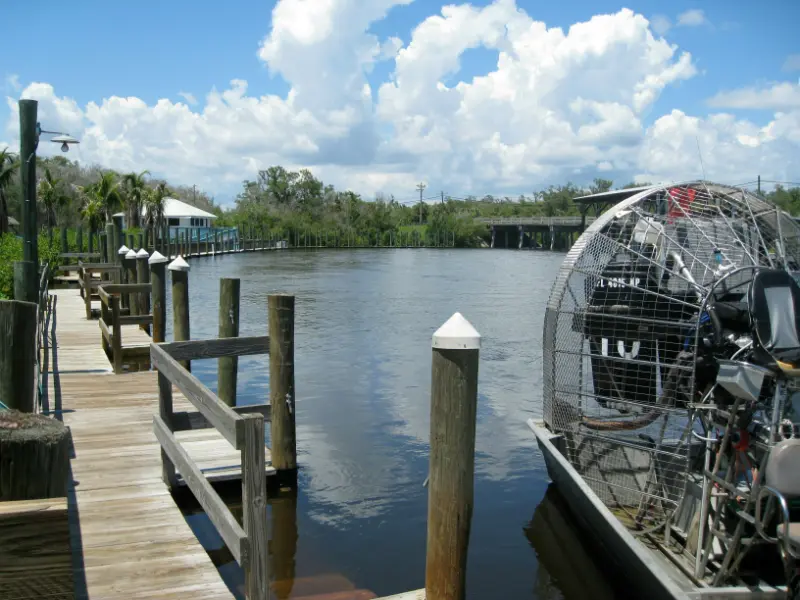
A boat tour may sound relaxing until someone discovers that shade is limited or the passage is rough. Check whether the vessel has a covered area, an accessible restroom, freshwater rinse facilities and enough seating for older travelers. For a snorkeling itinerary, find out whether guests remain in the water continuously or can return to the boat for a break. Parents should discuss personal flotation devices for all children and what happens if a child refuses to enter the water. If you take regular medication or need food at predictable times, confirm what you can bring onboard. Small details make more difference to comfort than the total length advertised in a tour brochure.
The right tour for your travel style
A wildlife observer may prefer a quieter interpretive cruise rather than a trip marketed around snorkeling. History lovers might enjoy an island stop where a guide explains coastal navigation, while experienced swimmers could prioritize a reef-focused excursion. If your group contains both adventure enthusiasts and cautious travelers, consider splitting into two booked activities with an agreed meeting point back on shore. It is rarely efficient to book the longest tour and expect every person to share identical enthusiasm. The park offers enough different ecosystems to reward repeat visits, so focus your first trip on a clear purpose. Ask the operator exactly where a tour departs, because not all companies leave from the visitor center.
Why this park deserves more than a photo stop
Biscayne illustrates how mangroves, water depth and human activity connect. Shallow seagrass meadows can support juvenile marine life; mangrove roots provide shelter; coral reefs offshore face changes in temperature, water quality and boating pressure. Visitors who learn these relationships often appreciate the landscape more than those who simply photograph turquoise water. Follow marine-life protection rules, use designated moorings where available and never discard fishing lines or wrappers. Your tour can become a way to discuss why national parks protect ocean space as well as mountains or forests. Even a visit limited to the mainland interpretation area can introduce these ideas when a boat journey is not possible.
An honest family budget before booking
Calculate transport to Homestead, parking, a guided trip for each person, any snorkel equipment not supplied, meals and tips where appropriate. Boat excursions can become a substantial expense for four people. Compare the experience against another day of your Florida holiday rather than against a nominal park-entry figure. Buying a combination of multiple water experiences can also be unnecessary; one well-chosen trip may deliver the main memories. If a reservation can be canceled only within a limited window, keep those details with your travel documents. For travelers without a rental car, check whether the departure dock is reachable by a realistic rideshare or private transfer and confirm the return arrangements.
A manageable visit: morning, main activity and departure
- Start at the park visitor center with time to read current notices and ask which conditions apply to your chosen tour.
- Join one booked excursion and give it your attention: islands or reefs, rather than trying to sample every option in a single morning.
- Return via Homestead, leaving time for food and traffic. If your trip also includes the Everglades, place that visit on a separate day whenever practical.
Planning choices for different ages and travel styles
| Visitor | Practical approach |
|---|---|
| Families with babies or toddlers | Pick one short priority and plan meals, naps, sun protection and restroom access before entering. Ask about stroller rules and do not schedule every hour. |
| School-age children | Let them choose one exhibit, trail, animal question or attraction they are genuinely curious about. Set a clear spending and snack plan. |
| Teenagers and adults | Check whether the venue matches an interest in history, nature, science, creative play or thrills. An independent activity can be a better use of time than a forced group itinerary. |
| Seniors and reduced-mobility visitors | Investigate the actual boarding, walking surfaces, wheelchair routes, seating and bathrooms rather than relying on a broad accessibility label. |
| Travelers on a limited budget | Compare the full cost: admission or tour, ground transport, parking, food, extras and the opportunity cost of a second activity. |
The goal is not to make every person complete the same checklist. If one member wants a demanding experience while another prefers a gentle one, identify a suitable supervised activity or a comfortable place to regroup. Check the operator’s latest rules if any participant needs a companion, transfer support, medication or a particular dietary arrangement. Never treat a general travel article as medical advice or a substitute for the accessibility details of the actual service provider.
Useful questions before you book
Can you explore Biscayne National Park by car?
Only the mainland access area; boats are required to reach most of the park.
Is a snorkeling tour suitable for young children?
Age and swimming policies vary. Check each operator before buying.
Do I need to book a boat tour?
Advance booking is strongly advisable for popular departures and fixed vacation dates.
Is the park worthwhile without going on a boat?
Yes for a short waterfront and educational stop, but the offshore park experience is very different.
Official information and final verification
Verify the official visitor information for Biscayne National Park and consult the relevant official planning or visitor-assistance page for details that may change, including prices, hours, tour availability and accessibility. These are informational links, not affiliate booking links.
Updated 9 October 2026. Research-based travel information; no first-hand visit or personal experience is claimed. Always recheck operating rules and availability before purchasing tickets or traveling.