Manatee Sanctuary Park is a useful reminder that not every memorable Space Coast stop needs a full admission day or a major itinerary commitment. The waterfront park sits along the Banana River in Cape Canaveral and combines a paved walking route, shaded playground, pavilion, exercise stations and a boardwalk with broad lagoon views. It works especially well as a low-pressure hour between larger attractions or as an evening walk after beach or cruise-port activities.
The practical goal is to leave with a plan that matches the place: know what deserves your time, what can change operationally, how the visit works for different ages and mobility levels, and which nearby stops add contrast rather than turning the day into a checklist.
Quick planning summary
- Best for: families with children, walkers, senior travelers, sunset watchers, cruise visitors with spare time and anyone who wants a free waterfront break in Cape Canaveral.
- How much time: 45 minutes to 2 hours for a walk, playground time and the boardwalk; longer if you picnic or use the fitness trail.
- Best strategy: protect time for one defining experience first, then add a second only if weather, energy and access still make sense.
- Before leaving: check the official page linked near the end for same-day closures, hours, tickets, construction or weather-sensitive changes.
Why this place is worth including
The park is valuable because it gives families and multigenerational groups a simple place to reset. Children can move, adults can walk or sit by the water, and everyone can watch the Banana River without committing to a tour. The name creates expectations of manatee sightings, but those should be treated as a possibility rather than a promise. The real attraction is the accessible waterfront setting and the chance to watch whatever wildlife happens to be using the lagoon.
The best Florida itineraries alternate environments. A refuge feels different after a museum, a garden feels different after an exposed beach, and a short interpretive center can make the next outdoor stop easier to understand. That contrast is more useful than collecting several attractions that tell the same story in slightly different ways.
Best things to do and how to experience them
Walk the Banana River boardwalk slowly
The boardwalk and covered gazebos are the most distinctive part of the park. Look for ripples, mullet, rays, dolphins, birds and—occasionally—manatees. Wildlife is easier to notice when you stop moving for several minutes rather than treating the boardwalk as a quick photo stop.
Use the paved fitness loop
The park includes roughly a half-mile paved walking and fitness trail with exercise stations. It is short enough for a pre-dinner walk but long enough to give children or adults some movement after time in the car.
Let the playground do useful itinerary work
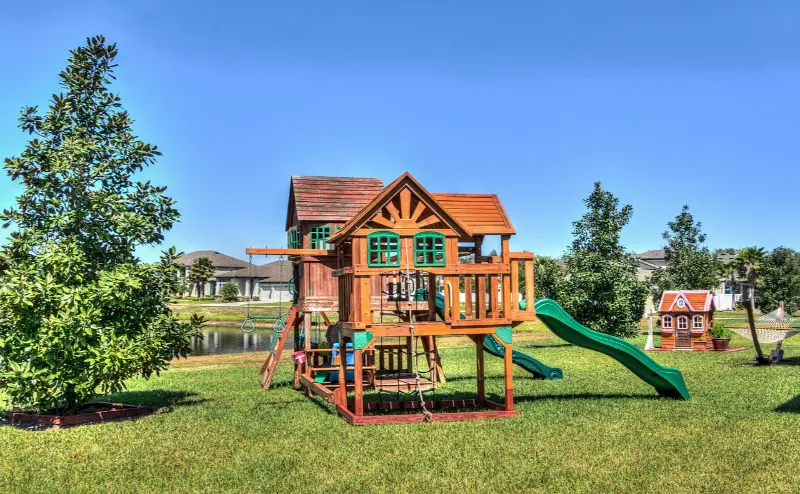
A shaded playground is not a minor detail on a family road trip. After museums, tours or a cruise terminal, giving children unstructured movement can improve the rest of the day more than adding another ticketed attraction.
Come for evening light rather than a guaranteed animal
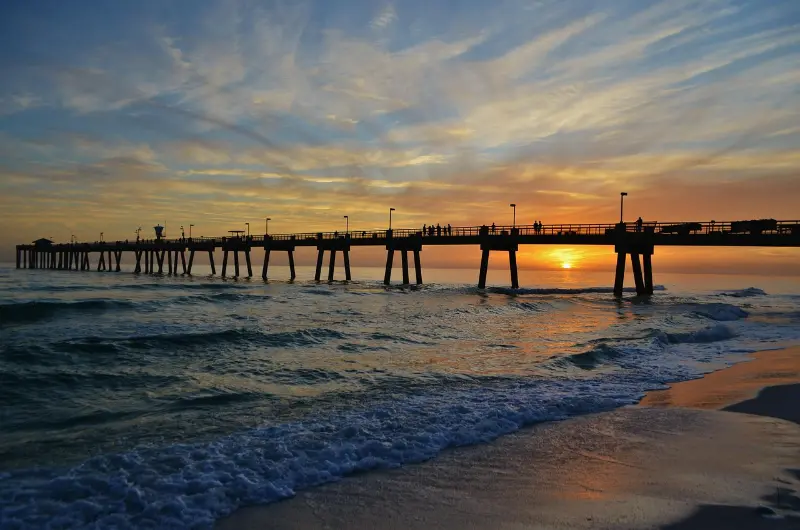
The west-facing river views can be attractive late in the day. Treat any manatee or dolphin sighting as a bonus. A calm sunset walk is a successful visit even if the animals stay elsewhere.
Current practical information
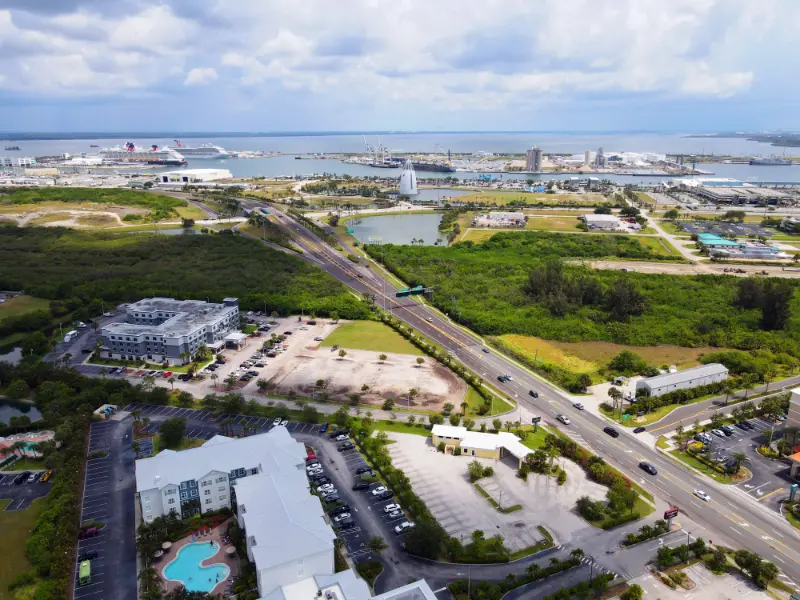
The City of Cape Canaveral facility listing places Manatee Sanctuary Park at 701 Thurm Boulevard and lists daily access beginning at 7 a.m. The park includes a riverside boardwalk, playground, pavilion, grills, fitness trail, open lawn and Little Free Libraries. Hours can vary between city publications and seasonal operations, so check the official facility page before a late-evening visit.
Hours, fees, programs and access can change after storms, construction, wildlife management or special events. Use the official resource immediately before travel, especially when one specific feature is the main reason you are driving there.
Best time of year and best time of day
Cooler months make the paved loop more comfortable, while summer evenings can still work after the strongest heat has passed. Manatee presence varies with water temperature and food availability; never plan a child’s day around a guaranteed sighting. Morning and late afternoon generally provide better walking conditions than midday.
On Florida’s Atlantic coast, the best time of day is often more important than the month. Morning usually means cooler walking, softer light and lower storm risk; late afternoon can be beautiful but requires attention to thunderstorms, closing times and summer heat stored in pavement and sand.
How to plan the visit without wasting time
Decide what success looks like before you park. For a wildlife site, success may be one patient observation period rather than a long species list. For a museum, it may be understanding one story well. For a family attraction, it may be one memorable activity and enough breaks that nobody is exhausted by lunch.
Keep at least 30 minutes of buffer around timed tours, ferries, programs or long drives. Coastal bridges, launch traffic, summer storms, parking congestion and construction can make a short map distance take much longer than expected. A buffer protects the good part of the day from the next reservation.
Families with children
This is one of the easiest free family stops in Cape Canaveral because the playground, grass and short loop reduce the need for constant entertainment. Bring a snack and let the park be a break, not another attraction to complete.
A useful family rhythm is one focused activity, a movement or snack break, and then one optional second activity. Younger visitors usually remember one animal, one dramatic story or one unusual landscape better than a long sequence of rushed stops.
Senior travelers and multigenerational groups
Benches, gazebos, paved routes and short distances make the park friendly for slower-paced travelers. The waterfront can also be enjoyed without walking the entire loop, which helps when several generations have different energy levels.
Multigenerational travel works best when the same place can be experienced at different intensities. Stronger walkers can add a trail or longer loop while others use benches, exhibits, scenic overlooks or a shorter path. Agree on a meeting point rather than forcing everyone to move at one pace.
Accessibility and mobility planning
The paved paths and boardwalk-style waterfront route are generally easier than beach sand or natural trails. Conditions can still change after storms or maintenance. If a wheelchair user needs a specific pavilion or restroom route, confirm the current facility layout before arrival.
Accessible on a map does not always mean effortless in practice. Heat, distance from parking, sand, dock transfers, natural surfaces and historic thresholds may matter as much as stairs. If mobility will decide whether the visit works, contact the site and ask about the exact feature you plan to use.
Parking and transportation
The park has on-site parking, but special events can change availability. Because the park is most useful as a short local stop, combine it with other Cape Canaveral activities rather than driving a long distance solely for the possibility of seeing a manatee.
Group nearby experiences geographically instead of crossing the same bridges and causeways repeatedly. The Space Coast and Treasure Coast look compact on a statewide map, but beach traffic, lagoon crossings and construction can turn unnecessary backtracking into a large part of the day.
What to bring
- Refillable water; outdoor Florida stops can become hot faster than expected.
- Sun protection, including a hat and sunscreen for exposed trails, beaches and boardwalks.
- Insect repellent for lagoon, marsh, hammock and mangrove environments.
- Comfortable shoes suited to the actual surface: pavement, boardwalk, sand or natural trail.
- Binoculars when wildlife is part of the experience; they improve viewing without disturbing animals.
- A saved screenshot of tickets, maps or closure notices in case cellular service is weak.
Weather, storms and seasonal reality
Summer thunderstorms can form quickly. Leave exposed beaches, piers, boardwalks, open water and tall observation structures when thunder is nearby instead of waiting under a small shelter. Hurricane-season impacts can also affect trails, docks and buildings long after a storm has passed.
In cooler months, lower humidity makes walking easier but wind can change beach and lagoon comfort dramatically. Carry a light layer when the itinerary combines an indoor attraction with an exposed waterfront or boat ride.
Wildlife etiquette and environmental responsibility
Wildlife observation improves when animals control the distance. Do not feed, touch, crowd or lure wildlife for a photograph. Stay out of closed nesting areas, keep drones away where prohibited and follow lighting rules on sea-turtle beaches. These are practical conservation choices, not decorative rules.
Stay on boardwalks and marked trails through dunes, scrub and marsh edges. A shortcut that looks harmless can damage roots, disturb nesting habitat or create erosion that thousands of later visitors repeat. Leave shells, artifacts, plants and historical material where they belong.
Budget and value
The park itself is a low-cost or free part of a Space Coast day. It can balance more expensive experiences such as boat tours, zoo tickets or space attractions. Pack water and a picnic if you want to turn a one-hour stop into a relaxed break.
Do not measure value only by the number of hours. A focused 90-minute museum or nature center can improve the rest of the trip, while a free refuge walk may be more memorable than another expensive attraction. Spend on the experience your group actually cares about and use low-cost outdoor time to balance the budget.
Where to stay and how to group the area
Cape Canaveral or Cocoa Beach is the natural base. The park also works on a Port Canaveral arrival or departure day when you want something flexible that does not depend on a reservation.
A two- or three-night base is usually more efficient than changing hotels to save a short drive. Use day trips to create contrast: one active coastal day, one wildlife or lagoon day and one cultural or garden day. This also gives you flexibility if weather forces a swap.
How to combine it with other Wonderful Florida guides
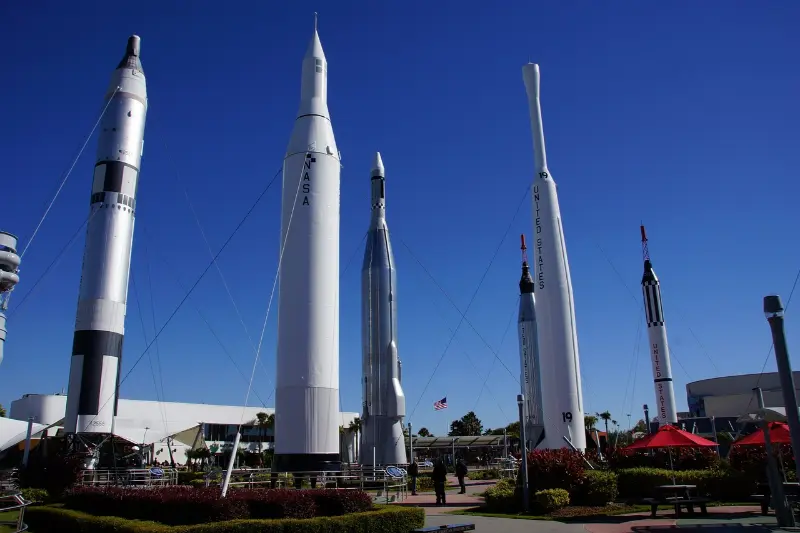
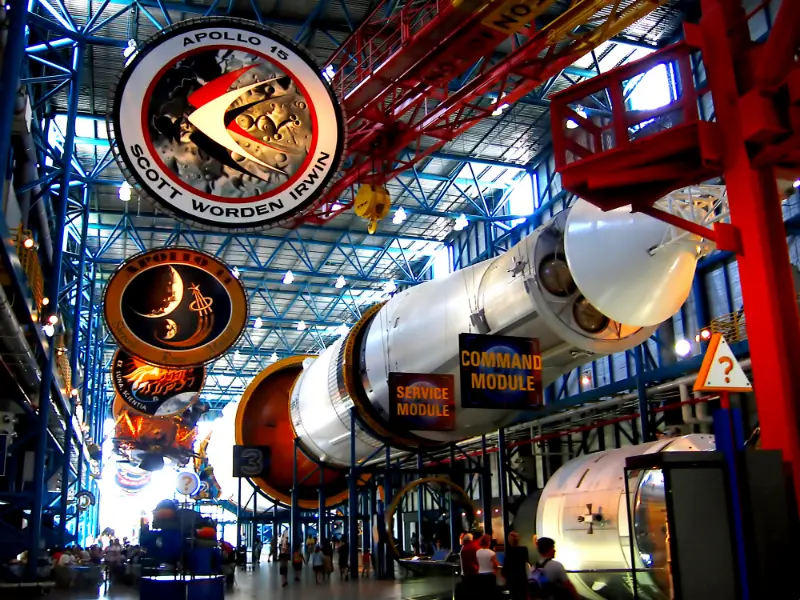
Useful already-published guides for building a contrasting nearby experience include American Space Museum Titusville, Canaveral National Seashore Apollo Beach. Use one as a next-day idea or secondary half-day stop rather than forcing every nearby attraction into the same schedule.
A realistic three-day mini-itinerary
Day 1
Use the park in the late afternoon after a museum or beach morning, giving children time on the playground before walking the riverfront.
Day 2
Spend the second day farther north around Titusville and Merritt Island for a larger wildlife and space-history experience.
Day 3
Use day three for Cocoa Beach or another Banana River activity so the trip alternates active time, wildlife and easy waterfront stops.
Who may want to skip or shorten the visit
Travelers seeking a guaranteed manatee encounter, guided wildlife experience or full-day attraction should choose another activity. This is a neighborhood-scale waterfront park whose strength is flexibility, not spectacle.
Selective travel is usually better travel. If this stop duplicates something you already did several times on the same trip, shorten it and use the saved time for a different landscape, story or activity level.
Official resource to check before you go
Small details that improve the experience
Photograph the parking location before walking away, use restrooms when you first see them and keep a dry layer in the car even on a bright morning. If staff or volunteers are available, ask what has changed recently; they often know about wildlife activity, route changes or quieter times that are not obvious from a map.
For photography, think about direction of light instead of arriving automatically at noon. Coastal landscapes often look strongest early or late, while gardens and museums reward slower observation. Take fewer photographs but understand what you are photographing; the result is a more useful travel memory and less time spent looking through a screen.
If several generations are traveling together, agree on a meeting point whenever the group splits. One person may want a longer trail, another may prefer a bench and a child may need a snack. A clear regrouping plan lets everyone use the same place at the right intensity without frustration.
A practical decision framework for this stop
First identify the non-negotiable feature, then identify the condition that could prevent it. For a beach that may be weather or parking; for a refuge it may be a road closure; for a museum it may be opening days; for a boat activity it may be wind. Check that single condition before spending time driving across the region.
Second, keep one nearby fallback that uses a different environment. A museum can rescue a stormy beach day, a shaded garden can replace an exposed trail and a free waterfront walk can replace a sold-out program. A flexible plan is more useful than a minute-by-minute schedule.
Finally, leave unscheduled time. The memorable part may be a volunteer’s story, a bird you did not expect, late light on the Indian River Lagoon or a child becoming fascinated by something that was never on the original itinerary.
Practical questions before you go
Do I need to reserve in advance?
If the visit includes a timed tour, animal encounter, boat program, rental or seasonal event, advance booking can be important. For simple trail or general-admission visits, arrival strategy and same-day operating conditions may matter more. Use the official link rather than relying on an old third-party listing.
Is this a good rainy-day choice?
Light rain is manageable at many Florida nature sites, but lightning is different. Indoor exhibits can be useful during showers, while open water, beaches, boardwalks and tall structures should be avoided when thunder is nearby. Build the itinerary so an indoor stop can trade places with an outdoor one.
Can I combine it with the beach?
Usually yes, but avoid assuming that two coastal stops are automatically convenient. Check bridge traffic, parking, closing times and whether changing from wet beach clothes to a museum or garden will be practical. One good beach period plus one contrasting attraction is often enough for a full day.
What should photographers know?
Wildlife photographers should prioritize distance and animal behavior over a closer frame. Garden and museum photographers should check tripod and flash rules. In every setting, early or late light can add more to an image than expensive equipment.
How do I keep the day comfortable in summer?
Start earlier than you think you need to, carry more water than a short map distance suggests, use shade breaks before anyone feels overheated and keep an air-conditioned fallback. Florida heat becomes much harder to manage once the group is already tired.
Final thoughts
Manatee Sanctuary Park Cape Canaveral works best when you arrive with one clear priority and enough flexibility to adapt to the day. Confirm access, protect outdoor time from heat and storms, and let the pace of your group determine how much you add afterward.
The goal is not to collect attractions. It is to understand each place well enough that it feels different from the stop before it—and useful enough that you would recommend it to the right traveler.