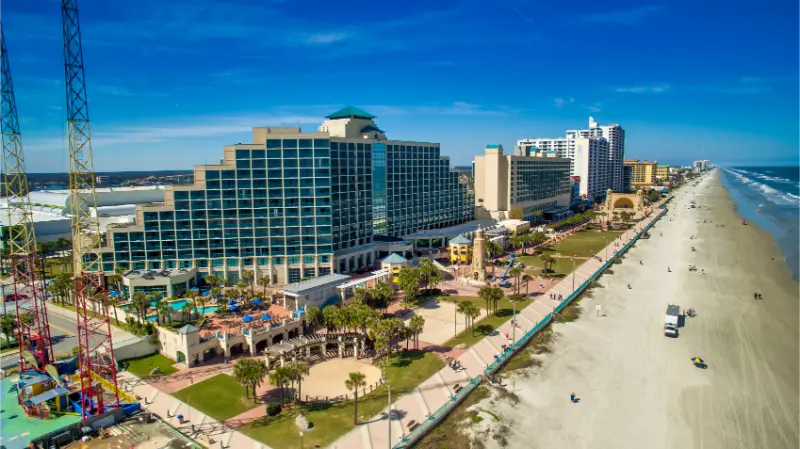
Category: Daytona Beach Florida

  • Eatonville to Daytona Beach: A Four-Day Black Heritage Journey

    Eatonville to Daytona Beach: A Four-Day Black Heritage Journey

    A four-day journey from Eatonville to Daytona Beach can tell a more meaningful story about Central Florida than a standard itinerary of shopping, swimming and theme parks. Eatonville is central to the history of Black self-government and the literary legacy of Zora Neale Hurston. Daytona Beach is associated with educator and civil rights leader Mary McLeod Bethune, whose work helped reshape educational opportunities and national public life. Between them lies a chance to explore how communities built institutions, preserved culture and challenged exclusion.

    This trip is intended for adults, families with older children and visitors who want to approach history with care. The stops are not designed as a checklist of attractions whose hours can be taken for granted. Some historic sites are on working campuses, while cultural institutions hold exhibitions and programs that change. Confirm entry rules directly, and allow enough time for reading and conversation instead of treating each destination as a quick photo opportunity.

    The historical thread connecting the route

    Eatonville incorporated in 1887 and became one of the most significant early Black incorporated municipalities in the United States. The State Archives of Florida preserves photographs and oral histories connected with its residents. Its history deserves more than a passing description as Zora Neale Hurston’s childhood community: it is also a story of political agency, local business, education, church life and residents shaping their own town.

    Daytona Beach adds a complementary story. Mary McLeod Bethune established a school that grew into Bethune-Cookman University and became a national figure in education and public service. Her legacy is not simply a monument or house; it is reflected in institutions and in the opportunities she pursued for others. The National Park Service biography provides essential historical context for the trip.

    Four days, two bases if you prefer less driving

    DayAreaApproach
    1EatonvilleTown history and local cultural interpretation
    2Eatonville and MaitlandArt, archives and time for deeper reading
    3Daytona BeachMary McLeod Bethune and the educational legacy
    4Daytona BeachOther heritage stops and a thoughtful coastal finish

    You can sleep two nights in the greater Orlando area and one or two nights around Daytona Beach, or stay in one place and drive. A two-base arrangement reduces repeated highway trips but involves moving luggage. For visitors who prefer the same hotel, choose the arrangement that keeps evening driving reasonable. Verify addresses for the places you intend to enter before booking.

    Day 1: begin with Eatonville as a living town

    Start by learning how Eatonville came to be established and incorporated. The community’s history is connected to emancipation, Reconstruction and the efforts of Black residents to exercise local government and create a stable social life. The State Archives’ Black history collections guide identifies Eatonville oral histories among its records. These accounts help remind visitors that historical towns are experienced by their residents, not just by researchers or tourists.

    A respectful town visit begins with public sites and current visitor information. Look for a cultural center or authorized museum experience rather than following an informal internet walking route that may cross private property. Houses, churches and public buildings are part of ordinary community life. Photograph buildings from appropriate public places and do not interrupt services or residents for a picture.

    Let the first day revolve around understanding where you are. After a visit, take a relaxed lunch break and review what you learned before adding a second stop. A family with teenagers may want to compare a historical map with a modern map and discuss why the right to govern a municipality mattered so much in the late nineteenth century.

    Zora Neale Hurston's significance extends beyond one address

    Hurston became a major American writer and anthropologist whose work documented language, folklore and community life, particularly in the American South and Caribbean. Eatonville shaped her writing, but it is too simplistic to make every street into a scene from a novel. Read selected biographical information and consider how her approach gave attention to voices often marginalized in formal accounts.

    The Zora Neale Hurston Museum of Fine Arts and cultural programming associated with the ZORA! Festival can be useful introductions, when open. The festival organization offers information about exhibitions and events, but do not assume the museum has continuous daily opening hours or that a festival is occurring during your stay. Contact the organization for visitor availability and any reservations.

    For children, choose a brief, age-appropriate excerpt or an illustrated introduction to Hurston before the trip. For adults, her work can deepen the experience, but do not turn a vacation into an imposed literature exam. A good guided discussion may be more rewarding than trying to cover every milestone of her career in one afternoon.

    Day 2: art and history as a conversation

    Use the second day for an exhibition or cultural program that is actually available. Eatonville and neighboring Maitland offer opportunities to explore visual art and regional history, though individual institutions run their own schedules. A combined museum day can make sense if confirmed current exhibitions connect with your interests. The ZORA! Festival has organized programs linking the Hurston museum with art institutions in Maitland, illustrating the kind of collaboration possible.

    Spend time reading labels, listening to an educator and asking how works interpret history rather than merely photographing objects. An exhibition about Black artists may provoke different questions from a town-history display; both matter. Be willing to discuss race and injustice truthfully but without asking an employee or another visitor to serve as an unpaid personal historian.

    The afternoon is a good time to rest or visit a public park, particularly with children. This itinerary values sustained attention. People often remember one powerful historical account more clearly than six rushed museums.

    Traveling toward Daytona Beach

    The drive north toward Daytona Beach moves from greater Orlando’s built environment into a different part of Central Florida. Take it as a transfer rather than another attraction-filled day if the group is tired. Check traffic, allow for highway delays and arrive early enough to find your hotel before dark if that is your preference. Those traveling with an older adult or small child may benefit from a planned restroom break.
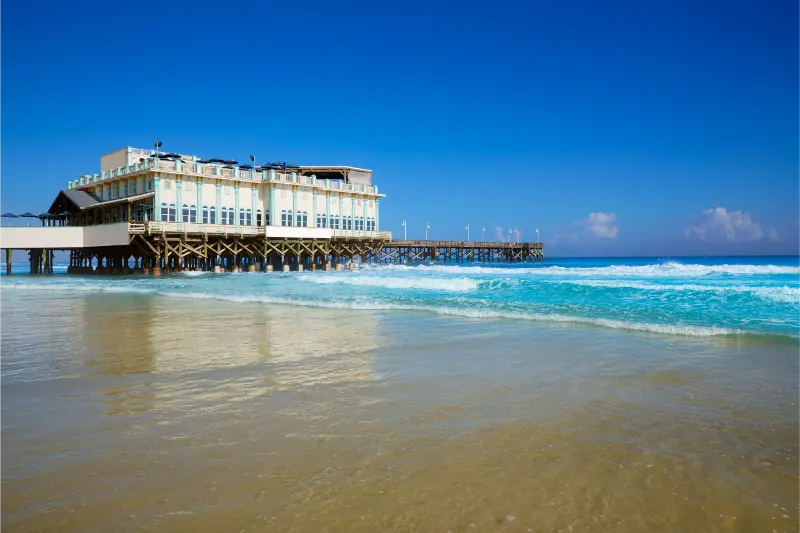
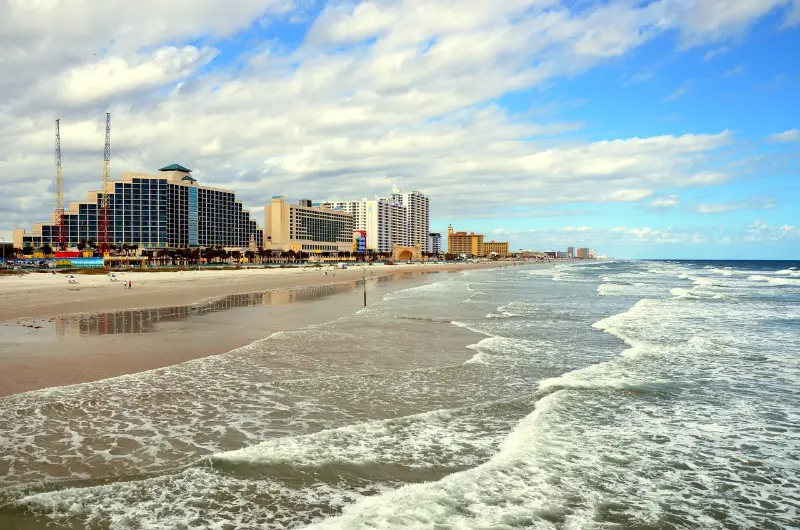
    Daytona Beach Florida Pier and Hotels

    Choose accommodation according to your heritage visits, not simply the proximity to the sand. A beachfront hotel can be enjoyable, but parking and tourist-area traffic may make access to inland historical sites less convenient. A hotel with good road connections, reliable parking and breakfast options can suit a learning-focused vacation better than a resort that encourages you to remain on-site.

    Day 3: Mary McLeod Bethune in Daytona Beach

    Mary McLeod Bethune’s achievements span education, institution-building, political advocacy and national service. Read her biography before deciding which Daytona Beach heritage locations to visit. The Bethune-Cookman University campus is a living university, not an open-air museum with unlimited tourist access. Any visit to a historic residence, archive or educational building should follow the institution’s current booking, escort and photography rules.

    The NPS biography recounts that Bethune’s home on the campus became a National Historic Landmark. That recognition does not automatically establish public opening hours today. Contact the institution or relevant museum operator before traveling. If access is unavailable, use verified public interpretation, local historical materials and a discussion of her educational accomplishments instead of attempting to enter restricted campus grounds.

    With teenagers, compare Hurston and Bethune not as competing famous figures but as people who approached change through different forms of work. Literature and folklore preserved language and culture; education and institution-building expanded opportunities. Both stories raise questions about how a community creates a lasting legacy.

    Day 4: use the wider city's heritage carefully

    Daytona Beach has additional associations with sports, coastal tourism and civil rights history. Select one or two current heritage experiences rather than promising access to a long list of historic buildings. A local history museum, an authorized guided tour or a scheduled university program may be appropriate, depending on current availability. Read official material before claiming that a particular facility has a permanent exhibit or a daily tour.

    A thoughtful final afternoon can include a public beach walk or riverfront view. This change of pace is not a distraction from history; it is a way to enjoy the city as a contemporary community. Follow beach driving and swimming rules carefully, especially with children. Avoid reducing Daytona Beach to a famous racetrack when the purpose of your trip has been to look more deeply at its educational and cultural contributions.

    How to introduce difficult history to children

    Children deserve truthful explanations adjusted to their ages. Explain slavery, segregation and unequal access to education plainly, without graphic detail that is not needed for the particular visit. Invite questions and allow quiet reflection. A child might ask why residents established a separate town or why Bethune created a school; answer using documented history rather than speculating about individual feelings.

    For older students, discuss how sources work: oral histories, newspaper articles, photographs, literature and institutional archives reveal different aspects of life. Some archives reflect what officials chose to record, while oral accounts may preserve experiences omitted from formal documents. Encouraging thoughtful questions is more important than giving a long lecture during a car ride.

    Respectful heritage tourism is not a performance

    The communities in this itinerary are places where people live, study, worship and work. Avoid filming individuals without permission, treating church services as entertainment or approaching private homes because an online biography mentions an address. Follow museum photography policies and do not use an emotionally significant historical site as a humorous backdrop.

    Whenever possible, support local cultural institutions and businesses. Paying a modest admission or buying a book directly from a museum shop can help sustain interpretation. If an organization is closed, accept the boundary rather than asking staff to open it for a tourist. An ethical visit is about learning from a community, not claiming access to every part of it.

    Accessibility and practical comfort

    Confirm step-free access, seating, restroom facilities and guided-tour requirements for the exact museums you plan to visit. An institution in a historic building may have constraints that do not appear in tourist photographs. For someone using a wheelchair or walker, an accessible program or exhibit may be more realistic than a loosely defined heritage walk that crosses several uneven sidewalks.

    Plan shorter stops for children and older adults. A quiet lunch after a serious museum can provide time to process information. If a group member finds historical content emotionally difficult, allow a break without diminishing the subject. The pace should respect both physical and emotional needs.

    Budget, seasons and event timing

    Major costs include hotels, transportation, meals and museum or program admission. Special festival dates can bring valuable programming but also additional crowds and higher room demand. Outside festival periods, certain attractions may operate limited schedules. Compare the cultural program you can actually attend with your dates before booking nonrefundable accommodation.

    Florida heat and thunderstorms can make city walks uncomfortable. Plan outdoor sightseeing earlier in the day and keep one verified indoor alternative available. If a site requires a guided time slot, allow sufficient driving and parking time. A slightly slower schedule improves the quality of the visit and reduces the chance of missing a reserved program.

    What to take away from the journey

    A four-day Eatonville-to-Daytona trip should leave visitors with a richer understanding of local self-determination, cultural expression, education and civic leadership. It is possible to admire Hurston’s literature and Bethune’s achievements while remembering the many residents, students, colleagues and community members who were essential to those histories. No single museum contains every story.

    Visit with curiosity, read before you go, check access and leave room for conversation. That approach turns two nearby Florida destinations into a rewarding cultural journey rather than a list of famous names.

    Frequently asked questions

    Is Eatonville an outdoor history museum?

    No. It is a living municipality with public and private spaces. Use official museum information and authorized visitor routes rather than wandering onto private property.

    Can I visit Mary McLeod Bethune's historic home at any time?

    Do not assume so. The historic home is associated with a working university and current public access must be confirmed with the operator before travel.

    Is this route appropriate for children?

    Yes, especially school-age children and teenagers who can engage with the history. Choose age-appropriate interpretation, allow breaks and explain difficult subjects honestly.
  • Daytona Beach and Ormond Beach on a Budget: Five Days Without Theme Parks

    Daytona Beach and Ormond Beach on a Budget: Five Days Without Theme Parks

    A Florida beach vacation need not require an expensive theme park, a resort wristband, or a new paid attraction every morning. Daytona Beach and neighboring Ormond Beach offer a practical five-day base for travelers who like ocean views, local history, walks, and inexpensive diversions. The trick is to plan around what is actually free, what has a parking charge, and how much energy your group wants to spend on the sand.

    This itinerary suits couples, grandparents, families with school-age children, and solo travelers. It balances the well-known shoreline with smaller stops in Port Orange and Ponce Inlet. It does not treat Daytona’s car-friendly beach as a universal playground: vehicle access is regulated, the tide can close ramps, and walkers need to pay attention to cars where driving is permitted.

    Five days without an expensive attraction list

    Day Main area Main cost decision
    Arrival Daytona Beach Choose lodging with reasonable parking
    One Ormond Beach Free shore time or paid parking
    Two Daytona waterfront and local culture One optional museum admission
    Three Port Orange Free Dunlawton Sugar Mill Gardens
    Four Ponce Inlet Lighthouse ticket or a free historic stop
    Five A favorite beach access Avoid a long activity before checkout

    Pick your accommodation base by the total cost

    Oceanfront hotels seem convenient because you can walk out to the sand, but compare the final price with an inland property that includes parking and breakfast. Resort fees, seasonal parking charges, and room taxes can change the arithmetic considerably. Staying closer to Ormond Beach may suit a visitor seeking a quieter morning, while central Daytona may be useful for someone interested in restaurants and more activity. Assess the specific street, not just the town name.

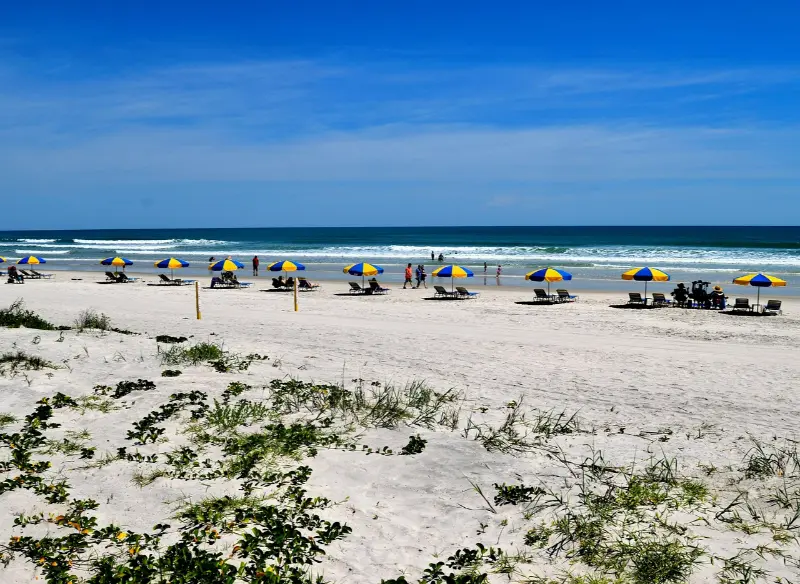
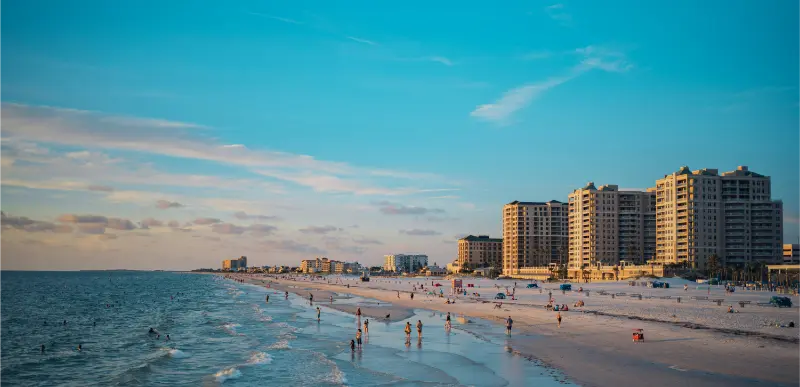
    Daytona Beach Oceanfront and Hotels

    A vacation rental can be appealing with children because it may offer a kitchen and laundry. Read the refund policy, number of permitted guests, parking instructions, and rules for beach gear carefully. A cheaper home far from the coast may require repeated driving and parking fees. For travelers with limited mobility, ask about elevators, thresholds, distances to the beach access point, and whether there is a safe drop-off near the building.

    Understand the unusual beach-driving rules first

    Volusia County permits vehicle driving only on designated beaches and under specific conditions. The county’s official beach driving and parking page explains the ParkVolusia permit system, daily charges, special rules for disability documentation, and the difference between on-beach and off-beach parking. Nonresident fees can make a supposedly free beach day less cheap. There is no reason to drive onto the sand if you would rather park in a suitable off-beach lot and walk.

    Observe posted traffic patterns, conservation-zone markers, and the current ramp status. Driving is restricted when tides or weather make a ramp unsafe; published operating windows are not a promise that a particular entrance will be open. Children should understand that portions of the beach can function as a traffic area. Keep them close, and never place a blanket in a marked vehicle lane. A traditional beach walk and a legally parked beach vehicle are different experiences.

    Day one: Ormond Beach without trying to see everything

    Start in Ormond Beach with an uncomplicated morning near the ocean. Pick an access that suits your parking, restroom, and walking requirements. Rather than carrying an enormous picnic setup, bring water, sunscreen, and a few essentials. Walk as far as the group feels comfortable and turn back before the sun becomes intense. Swimming conditions can change; follow lifeguard and warning-flag instructions rather than choosing a spot solely because it looks calm in a photograph.

    After an early lunch, consider a short look around Ormond’s more historic streets or a shaded public park. Check the individual venue’s opening times and parking before driving there. If a toddler sleeps or a grandparent needs to rest, return to the room without feeling that you have missed the day’s main event. One pleasant beach morning can be enough for a vacation day, particularly during a warm and humid summer.

    Day two: Daytona’s history beyond the raceway

    Daytona Beach has a long relationship with automobiles and beach tourism, but it is worth exploring the town at a slower pace. A waterfront viewpoint, a walkable downtown section, or one carefully chosen museum can give the day variety. Race fans may consider a dedicated speedway tour, but it is optional and adds a significant cost. If your family does not care about motorsports, there is no obligation to buy a ticket just because the city is famous for racing.

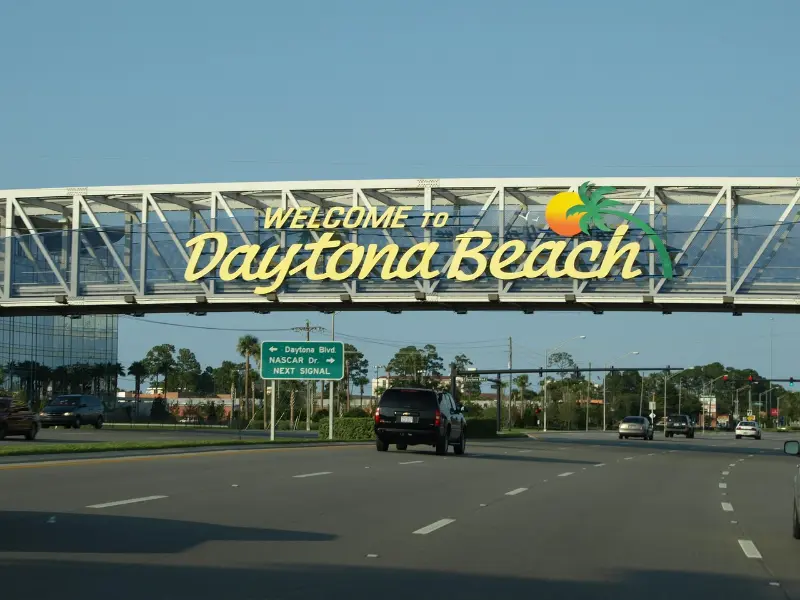
    Daytona Beach Welcome Sign at Boardwalk

    Choose the outing that matches your companions: an exhibition for a rainy afternoon, an accessible short walk, or a relaxed café. Allow time for parking and road crossings, and check whether any events will affect traffic. Large gatherings can change both hotel prices and travel time. Plan around those dates rather than presuming the city has the same crowd levels every week of the year.

    Day three: Dunlawton Sugar Mill Gardens in Port Orange

    Dunlawton Sugar Mill Gardens offers a genuine low-cost change of scene. The county describes free admission with donations welcome, historic sugar mill remains, botanical areas, and sculptures from a former attraction. The site’s operating hours and any temporary closures should be checked through Volusia County’s park information before you set off. A free garden is not automatically a place with uniformly smooth terrain; footwear and walking ability still matter.

    Families can turn the visit into a gentle scavenger hunt: find a plant with an unusual leaf, notice butterflies without touching them, and see how the old machinery links the landscape to the area’s past. Adults may enjoy photography or simply a shaded bench. Respect posted rules and stay on permitted paths. If the gardens are closed for maintenance or an event, use a nearby public park and do not waste the day chasing another attraction across the county.

    Day four: a Ponce Inlet choice, not an obligation to climb

    Ponce Inlet Lighthouse is an impressive maritime landmark, with museum buildings and historical exhibits described on the official lighthouse website. The tower climb is strenuous and is not appropriate for every traveler. Decide whether the ticket offers enough interest even if you stay on the ground. Ask about which exhibits and facilities are accessible, and confirm hours and pricing before leaving the hotel. Families with very young children or anyone uncomfortable with heights can still appreciate the site’s history.

    If you want a free alternative, investigate the Ponce Inlet Historic Museum’s current visiting arrangements; some programs have limited days or require reservations. A short coastal viewpoint or a public park can finish the day. Drive only where parking is legal, especially near sensitive dune areas. This itinerary is intentionally designed so one person can enjoy the museum while another chooses a gentler activity without the entire group losing the afternoon.

    Day five: leave a little room for spontaneity

    Do not fill checkout day with an attraction requiring two hours of driving and a strict ticket time. Instead, return to the easiest beach access, enjoy breakfast, or walk a familiar block before loading luggage. Travel days go smoothly when you know where the public restroom is, where the car is parked, and which route leads to the highway. You can buy souvenirs the evening before rather than rushing into a crowded shop before your flight.

    If you have more time, continue to another coastal town only after checking that the extra driving fits your energy and schedule. A coastal trip is not more successful simply because it includes more destinations. Sometimes the best final memory is a quiet morning watching the horizon rather than a rushed last attraction and a stressful airport check-in.

    An honest budget: free admission does not mean a free day

    A straightforward budget has categories for hotel or rental, food, fuel, parking, occasional admissions, and a weather contingency. Beach access on foot can be free, while vehicle beach driving or certain lots may incur charges. The distinction matters for a family staying a full week. Estimate the number of days you actually want to park by the ocean; buying a pass only makes sense if it beats the sum of likely daily charges under current rules.

    Choose a hotel breakfast or groceries for some meals, then spend intentionally on one restaurant you truly want to try. Restaurants near popular waterfront areas can be more expensive than places a few blocks inland. Budget for tips where customary and review automatically added service charges. Save money by avoiding unnecessary short-term gear purchases: rent or bring only equipment you will genuinely use.

    Beach safety for children, non-swimmers, and older adults

    Florida’s Atlantic beaches can have strong currents even on bright days. Follow posted flags, lifeguard guidance, and local weather updates. Keep young children within arm’s reach near the water. Anyone who does not swim confidently can enjoy the shore without entering the surf. Do not assume a pool noodle or inflatable toy provides lifesaving protection. Ask about lifeguarded zones and accessible routes if these are necessary for your family.

    Heat, glare, and hard-packed sand are also concerns. Pack drinking water, shade, suitable footwear, and a way to return quickly to air conditioning. If thunder can be heard, leave the open beach and seek proper shelter; waiting under an umbrella is not safe. Respect turtle-nesting areas, dunes, and marked conservation zones, particularly when visiting during nesting season or driving near shore habitats.

    Transport and rainy-day adjustments

    A car generally simplifies this regional itinerary, but you can still reduce driving by grouping nearby stops. Build the day around one destination and lunch rather than zigzagging between towns. Keep an offline map and do not rely solely on the number of minutes promised by navigation software during special events. If renting a car, inspect the insurance terms, fuel policy, and parking conditions before arrival.

    For a rainy day, choose a museum, a relaxed indoor lunch, or extra rest. Afternoon showers are common in warmer months and can move through quickly, but lightning should never be treated casually. Do not drive through standing water of unknown depth. If a venue closes unexpectedly, switch to an activity near the hotel rather than making a long wet-weather dash to somewhere equally uncertain.

    Why a five-day stay works across generations

    A preschooler, teenager, and grandparent will not necessarily enjoy the same thing for the same amount of time. Give each person one small choice: a beach viewpoint, a historical stop, a café, or a favorite dinner. Let a teenager photograph the lighthouse or choose a museum gallery, while younger children look for shapes in the garden. Adults who walk more slowly should not be forced to match the pace of the fastest person.

    This part of Florida can be rewarding because the landscape is the main attraction. You can have a full vacation with a short morning walk, lunch, and a peaceful afternoon. The money saved by skipping expensive ticketed entertainment can be spent on better lodging, comfortable transport, or an extra day together. What makes the trip successful is ease and curiosity, not the number of receipts.

    Frequently asked questions

    Is Daytona Beach free to visit?

    Pedestrian beach access is generally free, but specific parking areas and driving on designated beach sections can carry charges. Check Volusia County’s current rules.

    Do we need to drive on the beach?

    No. Many visitors prefer suitable off-beach parking and walking onto the sand. Vehicle access depends on designated ramps, tide, weather, and regulations.

    Can we enjoy Ponce Inlet without climbing the lighthouse?

    Yes. Check the museum exhibitions, ground-level options, and accessible facilities. The tower is only one part of the area’s maritime history.

  • Daytona Beach Beyond Racing: Four Days of Marine Science, Lighthouse History and Ocean Time

    Daytona Beach Beyond Racing: Four Days of Marine Science, Lighthouse History and Ocean Time

    Daytona Beach has an international reputation for motorsports, but you do not need to be a racing fan to enjoy this part of Florida. Ocean scenery, the Ponce Inlet lighthouse, a marine rehabilitation center, coastal parks and local neighborhoods can easily fill four relaxed days. This alternative itinerary is especially useful for families with children, couples who enjoy maritime history and seniors who prefer a mix of indoor interpretation and shorter outdoor stops. One caution matters in 2026: the Museum of Arts & Sciences campus is closed to normal daily admission during its redevelopment, so it should not be included as a guaranteed rainy-day attraction.

    Quick planning table

    DaySuggested plan
    OneSafe Atlantic shore time
    TwoPonce Inlet lighthouse history
    ThreeMarine Science Center; check Monday closure
    FourFlexible coastal finale

    Where to stay if racing is not your priority

    Choose lodging based on the kind of coast you want to experience. An oceanfront Daytona Beach hotel makes sunrise walks convenient but may bring crowds, events, resort fees and high parking charges. Daytona Beach Shores and other quieter nearby areas can be preferable if a restful stay matters more than nightlife. Ponce Inlet has a residential coastal atmosphere and attractions nearby, but fewer standard hotel choices. Evaluate actual driving distance, parking and room accessibility rather than choosing only by a map's proximity to the water.

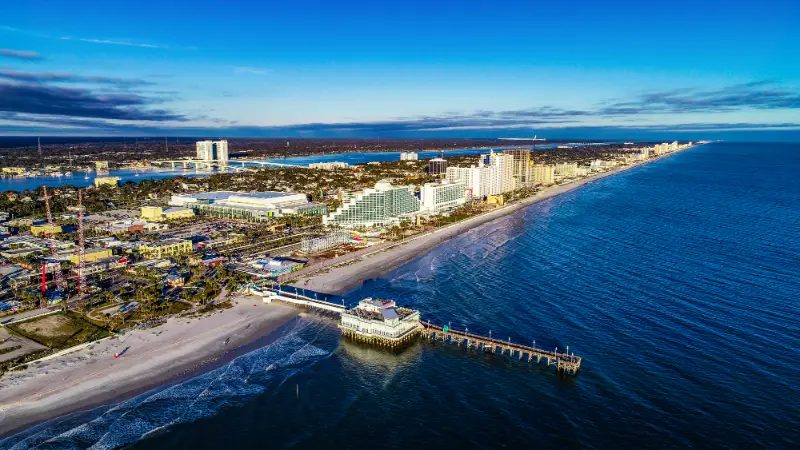
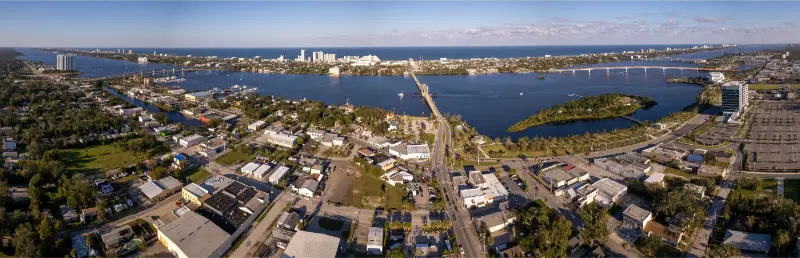
    Daytona Beach Florida Pier and Oceanfront Aerial

    Ask about elevator operation, steps between the garage and lobby, pool accessibility and balcony safety if children are traveling. If your dates coincide with a major racing or motorcycle event, prices and traffic can rise even though you are not attending. Consider shifting dates if you prefer a quieter setting. A beachfront room is only an advantage if the extra cost leaves room for the experiences your family actually wants.

    Day one: discover the Atlantic shoreline

    Start with a slow beach morning. Daytona's long stretches of sand are visually impressive, but ocean swimming requires judgment about surf, tides and rip currents. Some areas allow vehicle access under specific county regulations and conditions, while others do not. Never assume a map showing a beach access road means cars are permitted at the moment you arrive. Follow lifeguard instructions, pay the correct parking fee and stay out of restricted wildlife habitat.

    A sunrise walk, breakfast and a short visit to a local public park can be more pleasant than trying to fit three attractions into the first morning. If you are traveling with young children, spend time building a sandcastle above the active surf zone rather than encouraging them into unfamiliar waves. Visitors who avoid swimming can still enjoy the shore's light, sounds and people-watching. Retreat indoors when the sun becomes intense.

    Day two: Ponce Inlet Lighthouse and maritime history

    The Ponce de Leon Inlet Light Station is one of the area's major historic landmarks, with lighthouse grounds, exhibits and a tower climb for visitors able and willing to take the stairs. The view can be impressive, but climbing is not necessary for everyone to appreciate the maritime story. Visitors with limited mobility should check the museum's current accessibility arrangements and decide whether the ground-level exhibits will provide a fulfilling experience. Don't pressure a hesitant child or older relative to climb simply because tickets include the possibility.

    The official lighthouse website publishes seasonal hours and reports temporary partial closure of a gallery deck during restoration work. Verify conditions on the day you intend to visit. Give yourself time for the exhibits about navigation, lighthouse keeping and coastal history. A family may find stories of how ships navigated hazardous shoals more memorable than reaching the top of the tower. Protect younger children near stairs and exposed viewpoints.

    Ponce Inlet's quieter side

    After the lighthouse, explore an appropriate waterfront or coastal nature area near Ponce Inlet. The landscape where ocean and inlet meet helps explain why a lighthouse was needed here. Observe currents from a safe, public viewpoint; inlets can have powerful water movement and are not places to improvise a swim. If you photograph boats, remain away from working docks and private property. Local seafood restaurants can provide a relaxed lunch, but their hours and menus should be checked in advance.

    Choose just one additional stop rather than trying to see every nearby shore park. An afternoon spent watching shorebirds, learning about dunes or relaxing at the hotel can be as enjoyable as an expensive cruise. During nesting season, respect roped-off bird habitat and avoid approaching chicks. A light day is useful when some of the group have spent the morning climbing a long staircase.

    Day three: Marine Science Center and wildlife care

    The Marine Science Center in Ponce Inlet explains local habitats and the rehabilitation of sick or injured sea turtles and seabirds. It is an appealing indoor component for travelers who have already spent two days in the sun. The official center lists Tuesday through Saturday hours, a shorter Sunday schedule and closure on Monday, with different summer hours. Plan the visit on a day it is actually open and confirm any temporary exhibit changes. Exhibits are educational rather than a promise to see a particular animal undergoing treatment.

    Use the teaching displays to discuss why animals become entangled in debris, how injuries are treated and why conservation means more than releasing animals. Children may respond well to comparing different shells, turtle adaptations and habitats. Avoid treating a rehabilitation facility like a petting zoo; follow any restrictions on photography, noise or touching displays. Afterward, choose a simple lunch or a short outside walk, depending on the weather.

    What about the Museum of Arts and Sciences?

    Old travel guides often recommend the Daytona Beach Museum of Arts & Sciences (MOAS) and the Cici & Hyatt Brown Museum of Art as ordinary everyday attractions. The institution's current website says the campus is closed to regular daily admission while preparing for an expansion. Some special planetarium events or community programs may continue, but they require separate verification and cannot be treated as the same thing as an open museum visit. Do not plan a rainy afternoon around simply arriving at the locked campus.

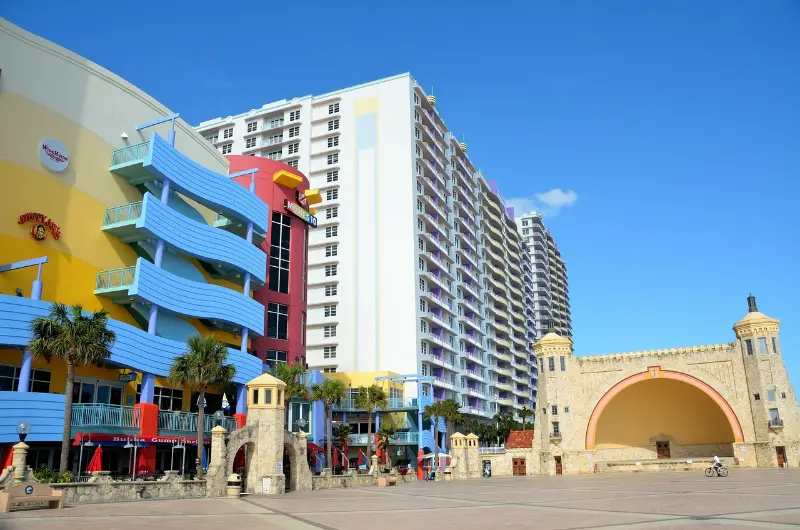
    Daytona Beach Bandshell Outdoor Amphitheater

    Instead, select a currently open historical venue, a local library program, or a shopping-and-cafe break. If a special MOAS event interests your party, check its published calendar and ticket status specifically. A good itinerary acknowledges a closure and offers a realistic alternative instead of repeating the attraction's former hours as if nothing has changed.

    Day four: a flexible coastal finale

    For the last day, revisit your favorite beach access at a time when conditions are comfortable. An early morning may be quieter than the afternoon, although the tide and surf can change. If you prefer nature, look into a publicly managed park or boardwalk in the nearby Volusia County area. Verify the path length and accessibility before going. Some public boardwalks are exposed to sun, while others provide shade and benches. Choose one that matches the physical stamina of the whole party.

    Plan departure without adding a faraway Orlando attraction. If you are driving to an airport, leave an appropriate traffic and vehicle-return margin. Daytona Beach is not a substitute for Orlando just because both are in Central Florida; the extra distance matters with tired children and luggage. Finishing with a leisurely breakfast and one short stop often makes a better memory than spending the final hours in traffic.

    Activities for toddlers, teenagers and grandparents

    Children under five may enjoy the Marine Science Center exhibits and short, supervised beach play. Bring spare clothing and an early lunch plan. Older children and teenagers might appreciate marine rehabilitation, photography and lighthouse navigation stories. Grandparents can choose the historic ground-level attractions and nearby seating instead of the tower stairs. Allow the group to split temporarily if one person wants to climb while another prefers a museum display; agree on a clear meeting point.

    Travelers with walkers or wheelchairs should confirm step-free entrances, restroom dimensions and parking arrangements with each venue. The word 'museum' does not guarantee all buildings or historic structures have the same accessibility. The beach itself may require a beach wheelchair or a constructed path; check the precise managed access point rather than assuming every road end has one.

    Parking and beach-driving rules

    Parking deserves an early decision because Daytona's beach-driving tradition can confuse first-time visitors. Rules are managed locally, can vary by location and season, and may change because of high tides, storms or turtle conservation. If you don't want to drive on sand, choose an ordinary designated parking lot. Never follow another car onto a beach where no current signs authorize entry. Watch for pedestrians and children, especially at ramps where vehicles and beachgoers share space.

    If you're renting a car, check the rental contract before considering beach driving; permitted municipal access does not guarantee the rental company allows its vehicle on sand. A conventional lot and a short walk may be a much less stressful choice. Take the same care when leaving valuables in the car as you would in any resort destination.

    Food, restrooms and a realistic holiday budget

    A four-day stay can be planned around three nights of accommodation, a rental car or verified local transport, modest admission fees and coastal meals. Rather than claiming a fixed daily cost, compare real lodging quotes for your dates and inspect charges for parking, taxes and resort services. Lighthouse and marine-center tickets have separate pricing, while beach access fees depend on the exact location. Add a contingency for an event weekend or a day when bad weather changes your plans.

    Keep snacks and water in the car, particularly for younger travelers. A beach outing can become difficult if the nearest restroom is much farther away than it seemed on a map. Check the specific access point's facilities before carrying umbrellas and chairs down to the sand. Visitors with allergies should confirm food options directly; menus from an old review may no longer be accurate.

    Seasons, storms and wildlife protection

    The winter and spring months often offer more comfortable temperatures for outdoor history visits, but event schedules may increase visitor numbers. Summer is hotter and stormier, and strong ultraviolet exposure makes a long midday beach stay uncomfortable. During tropical weather season, follow official local alerts and be willing to change plans. Never treat an inlet, pier or elevated observation deck as a safe place during lightning.

    Sea turtles and shorebirds use coastal habitat at sensitive times. Keep lights low near nesting beaches, respect roped-off areas and don't chase wildlife for photographs. If you encounter an injured turtle or seabird, contact the appropriate wildlife authority rather than attempting to handle it. The Marine Science Center and Florida Fish and Wildlife Conservation Commission publish reporting information for these situations.

    How to make the itinerary feel like a vacation

    The most common mistake is forcing a Daytona trip to behave like a theme-park vacation. There is no reason to spend every morning in a ticket line. Combine one substantial attraction with flexible beach time and good meals. If rain interrupts the plan, trade the beach for an open indoor destination rather than paying for a questionable substitute out of urgency. The variety is enough: maritime history, coastal wildlife and simple ocean scenery each contribute something different.

    This is also a useful destination for multigenerational groups because people can enjoy different parts of the day without losing the shared experience. A parent and child might climb the lighthouse while a grandparent explores a lower-level exhibit. Everyone can meet afterward for lunch and return to the beach in the late afternoon. Comfort and flexibility are a bigger success measure than the number of attractions visited.

    Frequently asked questions

    Do I need to be interested in NASCAR to enjoy Daytona Beach?

    No. Maritime history, beach walks, coastal parks and marine conservation offer several days of experiences unrelated to racing.

    Can I visit the Museum of Arts and Sciences in 2026?

    Its website reports closure to normal daily admission during expansion preparations. Check for individual special programs instead of expecting regular gallery hours.

    Is the Ponce Inlet lighthouse climb suitable for everyone?

    It requires significant stairs. Ground-level history exhibits may suit visitors who cannot climb, subject to current access information.

    Official information

    Consult the Ponce Inlet Lighthouse Museum, the Marine Science Center and MOAS visiting updates before finalizing the schedule.

  • Three Days in Daytona Beach and New Smyrna Beach: Speedway, Surf and Coastal History

    Three Days in Daytona Beach and New Smyrna Beach: Speedway, Surf and Coastal History

    The Daytona Beach area is more varied than its racing reputation suggests. You can tour an internationally recognized speedway, enjoy a classic Atlantic beach atmosphere, explore maritime history around Ponce Inlet and finish in New Smyrna Beach, where galleries and surfing culture create a different coastal mood. Three days are enough to appreciate these contrasts without treating every stop as a hurried roadside attraction. This itinerary is designed for first-time visitors, families, motorsports fans and travelers who prefer gentle beach walks over nonstop activities.

    It helps to have a car, though you may not need to use it constantly once you settle in a beachfront district. Volusia County’s beach-driving tradition comes with special rules, fees and daily conditions, so driving onto the sand should be considered an optional activity rather than the default way to reach the beach. Choose where you sleep based on whether racing, beachfront access or a relaxed New Smyrna evening matters most. Keep weather flexibility: Atlantic surf and thunderstorms can change an otherwise straightforward day.

    A three-day route worth slowing down for

    DayAreaMain activityFlexible alternative
    1Daytona BeachSpeedway, downtown history and beachOne museum or track tour only
    2Ponce InletLighthouse, maritime exhibits and shorelineGround-level history and lunch
    3New Smyrna BeachCanal Street, Flagler Avenue and beachGalleries and relaxed coastal cafés

    You can reverse the days depending on where you stay and when a speedway tour is offered. Racing events may change access and traffic substantially, so always check the event calendar before planning the first day.

    Day 1: The speedway and a classic Daytona afternoon

    Daytona International Speedway is worth considering even if you are not a dedicated racing fan. A guided track tour can give perspective on the enormous scale of the racing complex and explain why motorsports are central to the city’s identity. However, tours and access routes depend on events, operating schedules and weather. Buy the correct product through the official operator, verify where to park and do not assume every tour enters the same areas. Children may enjoy seeing the venue’s scale, while older visitors can evaluate whether boarding and riding the tour vehicle suits their accessibility needs.

    Once you have finished, choose a slower second half of the day. The beachfront around the Boardwalk and pier has a familiar vacation atmosphere with views, food and arcades, but it may be crowded in peak season. If the group includes young children or someone sensitive to noise, a quieter stretch of the shoreline may be more pleasant than a busy entertainment zone. Stop for lunch and a shaded break before walking along the ocean. An afternoon on the Atlantic should not be treated as guaranteed swim time; rip currents, beach flags and weather decide whether entering the water is advisable.

    If you enjoy history more than amusement activities, investigate the city’s heritage museums or Beach Street area as an alternative. Check actual opening days; smaller museums do not necessarily operate every day. A nice first evening might be a coastal dinner rather than another drive. The goal is to connect the speedway’s modern story with Daytona’s older tourist character without forcing your party to complete both halves at maximum speed.

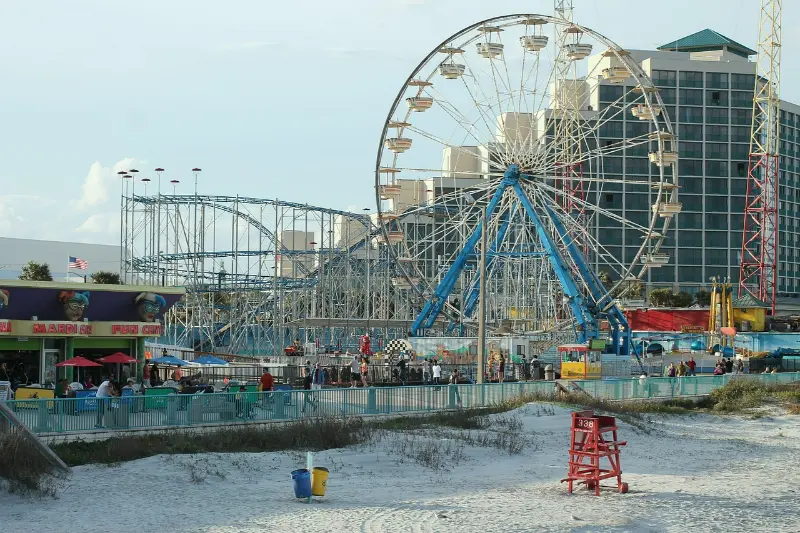
    Daytona Beach Oceanfront Observation Wheel

    Beach driving: a famous tradition with serious conditions

    Volusia County manages designated beach driving and parking areas. It publishes the current visitor fees and rules, and not all shoreline sections are open to vehicles. Access depends on conditions, tide, environmental protections and staff decisions. Follow posted speed limits and never treat a beach ramp as ordinary road access. Pedestrians, children and vehicles can occupy the same general environment in permitted driving areas, so alertness is essential. If you would rather not deal with that complexity, use approved off-beach parking and enter on foot.

    Do not plan your entire day around the idea of parking beside your picnic spot. A tide-related closure may mean relocating to a garage or county parking lot. Keep valuables out of sight and do not drive on protected dunes or unauthorized sand. If you have a rental car, confirm whether the contract permits driving on any beach before attempting it; ordinary rental terms may prohibit off-road surfaces. A beach-drive photograph is not worth a damage claim or a safety incident. Families may find a vehicle-free section far more relaxing.

    Day 2: Ponce Inlet and the maritime side of Volusia County

    Head south toward Ponce Inlet and choose the Ponce de Leon Inlet Lighthouse & Museum as the main cultural stop. The lighthouse’s height and maritime history are compelling, but climbing its tower is a substantial physical activity. Check the operator’s height, age or safety requirements and ask about exhibits that can be enjoyed at ground level. A companion who cannot climb should have an interesting alternative, not simply wait outside. This is a useful place to talk with children about navigation and the hazards faced by ships along the coast.

    After the lighthouse, select a relaxed waterfront or beach stop. The area around the inlet is particularly sensitive to currents where waterways meet the ocean. Do not improvise swimming at an inlet, jetty or fishing area. Use designated beaches and heed posted warnings. An interpretive nature walk or lunch overlooking the water may be the best way to enjoy the scene. Birdwatchers should keep respectful distance from shorebirds and avoid crossing protected habitat, especially during nesting periods.

    If you like marine conservation, investigate a nearby education facility or rescue-focused museum whose current status and opening hours are confirmed. Such stops can add value to a family visit without the heat and physical demands of a long lighthouse climb. Avoid booking several outdoor attractions on a summer afternoon when lightning is possible. Returning to the hotel with time for a swim in an appropriate supervised setting or a quiet dinner can make the day more enjoyable.

    Day 3: New Smyrna Beach's art and coastal atmosphere

    New Smyrna Beach rewards a slower start. Spend the morning around Canal Street or another historic downtown area, where cafés, galleries and local businesses provide an appealing contrast to the Daytona entertainment strip. Check whether your visit coincides with an art event or special market; that may enhance the experience or increase parking demand. Instead of driving repeatedly between inland downtown and the ocean, decide on one shopping or cultural stop and then make a single move toward the coast.

    Flagler Avenue’s commercial area and the nearby shore suit a beach-and-lunch afternoon. As elsewhere along this stretch of Florida, surfing conditions can produce waves and currents unsuitable for casual swimmers. If taking a surfing lesson, use a reputable local provider, follow instruction and respect designated zones. A family with toddlers may prefer watching surfers from dry sand rather than getting into breaking waves. Adults who want a quiet day can make it about food, galleries and the coastal landscape instead of spending hours under the sun.

    New Smyrna is also a good final-night base if you are traveling onward toward Cape Canaveral, Titusville or Central Florida, but verify your onward journey and avoid long after-dark driving when tired. Even a three-day holiday feels longer when you allow a satisfying final afternoon rather than loading too many places into the closing hours.

    Where to stay between Daytona and New Smyrna

    Daytona Beach suits travelers who want direct proximity to the speedway, boardwalk entertainment or a wide choice of beachfront hotels. Ormond Beach may appeal to those seeking another coastal atmosphere, while New Smyrna Beach works for an art-and-beach focus. Check the actual location of an accommodation: ‘Daytona area’ can encompass properties that are not close to either the track or the beach. A hotel close to the ocean may still charge separate parking and resort fees.

    Daytona Beach Florida City and Stadium Aerial

    Families should compare room configuration, beach access and the availability of shaded rest areas. If someone uses a wheelchair, verify whether the route from the room to the shoreline is step-free and whether beach equipment is available. A couple may enjoy a historic inn, but older buildings can have stairs. Travelers attending a race should book far ahead and prioritize reliable transport; major events can transform both pricing and traffic patterns for the entire region.

    Transportation, parking and moving between destinations

    A car makes the three-day circuit easiest, especially Ponce Inlet and New Smyrna. Save parking locations for specific attractions and distinguish beach-driving access from ordinary public beach parking. If you stay beside the beach, walking to meals may reduce daily vehicle use, but do not assume the entire shoreline has a continuous convenient promenade. Bridges and causeways can be congested on holiday weekends. Allow extra time for the speedway or any ticket with a scheduled start.

    Daytona Beach International Airport is conveniently located for some visitors, though flight routes may require connections. Orlando’s airports are another possibility but involve a meaningful road transfer. Compare the full journey rather than airfare alone, including rental-car pickup hours and driving after a long flight. If connecting to St. Augustine or the Space Coast, treat those as the next leg of a road trip, not free extras after day three.

    Budget and planning around major events

    The area’s largest pricing variable is often a racing event or popular beach weekend. Speedway access may be restricted by a race, hotels may require minimum stays and beach parking charges can add up. Build a simple budget with accommodation, attraction ticket, parking, meals and local transportation. A family can spend one paid day at the speedway and use public shoreline access or a modest museum on the other days. Not every afternoon needs a costly attraction.

    If your group loves motorsports, invest in the tour experience that matches your interests and spend less elsewhere. If it does not, skip the track and use the time for art or nature. The itinerary is deliberately modular. Avoid paying for multiple nonrefundable outdoor activities during hurricane season. Restaurant prices along prime beachfront areas can differ from inland neighborhoods; a comfortable lunch away from the busiest strip may be better value than eating on a deadline.

    Ages, access and personal comfort

    Infants need shade, regular breaks and protection from reflected beach sun; the sound and excitement of motorsports may be overwhelming for some small children. School-age children can connect racing technology, lighthouse navigation and coastal ecology, while teens may enjoy surfing or photography. Older adults can participate fully in sightseeing without climbing the lighthouse or driving on the beach. Physical activity is a choice, not a requirement for a meaningful vacation.

    Check museum access directly, including tour vehicle boarding, seated breaks and restrooms. At beaches, confirm accessible parking, paths and any chair reservations. Someone who needs quiet may prefer a weekday shoreline morning to the entertainment district after sunset. Most days work better with one major activity and a flexible second stop. If the heat feels excessive, shorten the outdoor portion; Florida weather should shape the plan rather than being treated as an inconvenience to ignore.

    Storms, tides and the right time of day

    Atlantic coastal conditions change quickly. High surf, rip currents, lightning or tides can limit swimming or vehicle access, even under a bright sky. Start beach visits early in hotter months and consult the National Weather Service plus Volusia County’s beach-safety updates. Hurricane-season travel calls for refundable arrangements when possible. A windier winter day may be ideal for walking and photography but not for a long swim.

    If rain disrupts the plan, a museum or scheduled indoor experience can replace the beach, subject to site operations. Allow one day to move around rather than booking three rigid timed activities. When the speedway has an event, adjusting your order may be the difference between a smooth trip and several hours in traffic. This is a flexible three-day route, not a minute-by-minute schedule.

    Frequently asked questions

    Can visitors drive on Daytona Beach?

    In designated areas when conditions permit, under Volusia County’s rules and current fees. It is optional; off-beach parking is often simpler and may be preferable for families.

    Is New Smyrna Beach worth an entire day?

    Yes, particularly if you enjoy local art, food and a more relaxed coastal environment. Its atmosphere differs enough from central Daytona to justify a separate day.

    Do you have to climb the Ponce Inlet lighthouse?

    No. Check for ground-level museum exhibits and alternative interpretation. The tower climb is substantial and may be inappropriate for some visitors.

    Is this itinerary suitable without a rental car?

    A beach-focused stay is possible without one, but connecting the speedway, lighthouse and New Smyrna Beach is easier by car or carefully arranged transfers.

    Should we book during a major race?

    Only if the event is part of your plans. Prices, road conditions and attraction access can change considerably. Otherwise, pick quieter dates.

    Official resources

  • Daytona Beach Boardwalk and Pier Guide: Parking, Fishing, Arcades, Beach Access and Family Tips

    Daytona Beach Boardwalk and Pier Guide: Parking, Fishing, Arcades, Beach Access and Family Tips

    The Daytona Beach Boardwalk and Pier is the simplest place to experience the classic oceanfront side of Daytona without committing to a full day at a single attraction. The district combines the Main Street Pier, arcade-style entertainment, casual food, beach access, the Bandshell area and nearby Ocean Walk Shoppes within a compact walkable zone.

    Explore this guide

    It works particularly well on a first visit because everyone can use the area differently. One person can fish from the pier, children can spend a short session in an arcade, another traveler can walk the beach, and the group can regroup for food without moving the car several times.

    The area is also easy to over-schedule. The best plan is usually to choose two or three priorities and let the oceanfront atmosphere fill the remaining time. Parking, heat and event crowds matter more than the physical distance between attractions.

    Quick planning summary

    • Best for: first-time Daytona visitors, families, couples, beachgoers and travelers who want an easy mix of oceanfront walking, food and entertainment
    • How much time: 2–4 hours for the Boardwalk, pier and a beach walk; half a day works if you add swimming, arcades, shopping or a meal
    • Current cost: Walking the Boardwalk and pier is free; parking, arcades, rides, food and nearby attractions are separate. Metered parking at Breakers Oceanfront Park is currently listed at $1.25 per hour
    • Current hours/status: The district is active throughout the day and evening. The pier is open daily; the fishing section is currently listed 7:00 a.m.–5:00 p.m. from Nov. 1–Mar. 15 and 7:00 a.m.–7:00 p.m. from Mar. 16–Oct. 31, weather permitting
    • Location: Daytona Beach Pier, 1200 Main St., Daytona Beach, FL 32114; Boardwalk district along North Ocean Avenue

    Why this stop is worth including

    Daytona Beach Boardwalk and Pier earns a place in a Volusia County itinerary when it adds something different from another beach or another long drive. The Daytona Beach and New Smyrna Beach region is easy to oversimplify as only sand and motorsports, but the county also contains springs, estuaries, history, wildlife and small coastal districts that reward slower travel.

    The most useful question is what role this stop plays in your day. It may be the fixed-ticket attraction, the cool-morning nature walk, the family reset between longer drives or the place where you deliberately spend less money after a more expensive day. Matching the stop to the itinerary is more important than trying to visit every famous name.

    Keep one part of the visit optional. Florida weather, crowds, water conditions, race operations and seasonal wildlife can all change quickly. A plan with a clear priority and a flexible second half usually feels more relaxed and produces better decisions on the day itself.

    What to see and do

    Walk the Main Street Pier

    The pier has been a Daytona landmark since the 1920s and gives you a straightforward ocean view without paying an admission fee. Walk far enough to look back toward the skyline and beach, which helps put the Boardwalk district into perspective.

    Treat this as one component of the visit rather than a box that must be checked. If the group is comfortable and interested, stay longer; if heat, crowds or fatigue are building, move on while the experience still feels positive.

    Fish from the east end of the pier

    Fishing is currently allowed on the east end of the pier at no charge, and a fishing license is not required for fishing from the municipal pier. Weather can close or limit the area, so anglers should check conditions rather than assume access is guaranteed.

    Treat this as one component of the visit rather than a box that must be checked. If the group is comfortable and interested, stay longer; if heat, crowds or fatigue are building, move on while the experience still feels positive.

    Explore the classic Boardwalk atmosphere

    The Boardwalk is compact but deliberately old-school: arcades, snack counters, sweets and souvenir shops are part of the appeal. It is more about atmosphere than architectural sightseeing, so give children or nostalgic adults time to enjoy one activity instead of rushing through.

    Treat this as one component of the visit rather than a box that must be checked. If the group is comfortable and interested, stay longer; if heat, crowds or fatigue are building, move on while the experience still feels positive.

    Use Breakers Oceanfront Park as a practical base

    Breakers Oceanfront Park sits beside the pier and provides beach access, restrooms, walking paths and a splash fountain with limited operating hours. It can be a useful reset point for families between the Boardwalk and the sand.

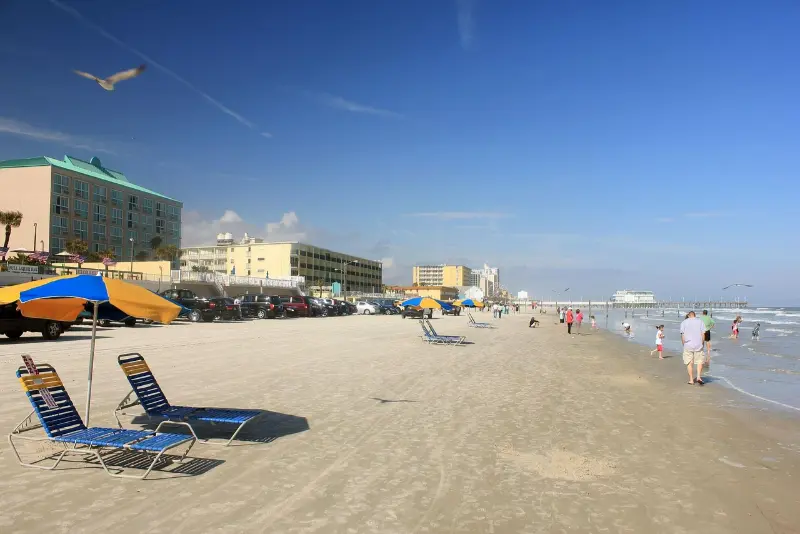
    Daytona Beach Oceanfront Parking Area

    Treat this as one component of the visit rather than a box that must be checked. If the group is comfortable and interested, stay longer; if heat, crowds or fatigue are building, move on while the experience still feels positive.

    Walk north toward the Bandshell and Ocean Walk

    The Daytona Beach Bandshell and Ocean Walk Shoppes extend the outing beyond the older Boardwalk. Seasonal concerts and fireworks can make evenings much busier, while restaurants and indoor spaces are useful during heat or a passing shower.

    Treat this as one component of the visit rather than a box that must be checked. If the group is comfortable and interested, stay longer; if heat, crowds or fatigue are building, move on while the experience still feels positive.

    Add a short beach session

    The sand is only steps away, so a Boardwalk visit does not need to be separated from beach time. Bring a light beach setup if the forecast is good, but avoid carrying a full day of gear if your priority is walking, dining and entertainment.

    Treat this as one component of the visit rather than a box that must be checked. If the group is comfortable and interested, stay longer; if heat, crowds or fatigue are building, move on while the experience still feels positive.

    Plan differently during special events

    Bike Week, Biketoberfest, race periods, concerts and holiday weekends can transform parking and pedestrian traffic. A plan that feels easy on a normal weekday can become slow and crowded during a major event, so check the Daytona calendar before arrival.

    Treat this as one component of the visit rather than a box that must be checked. If the group is comfortable and interested, stay longer; if heat, crowds or fatigue are building, move on while the experience still feels positive.

    Stay for evening only when it fits your group

    The district becomes more energetic after dark, but families with young children or travelers who dislike crowds may enjoy late afternoon more. Sunset, dinner and one arcade session can deliver the atmosphere without requiring a late night.

    Treat this as one component of the visit rather than a box that must be checked. If the group is comfortable and interested, stay longer; if heat, crowds or fatigue are building, move on while the experience still feels positive.

    How much time do you really need?

    2–4 hours for the Boardwalk, pier and a beach walk; half a day works if you add swimming, arcades, shopping or a meal is a realistic planning range. The shorter end works when you arrive with one clear priority, while the longer end makes more sense for families taking breaks, photographers, anglers, swimmers or anyone combining several activities at the same site.

    Build a decision point halfway through the visit. Ask whether the main reason for coming is already complete and whether everyone still has energy. This simple check prevents a good morning from turning into an exhausting afternoon simply because the original itinerary included one more optional activity.

    Best time of day and best season

    Early morning is the safest default for outdoor Volusia County stops. Heat is lower, parking is often easier and wildlife activity can be better. Structured indoor attractions can usually be scheduled later, while beaches and springs require more attention to weather, water conditions and seasonal demand.

    Winter and spring generally offer comfortable walking weather, while summer brings stronger heat, humidity and frequent afternoon thunderstorms. Major Daytona events can also transform traffic and hotel demand. Check both the weather forecast and the local event calendar instead of treating every weekday or weekend as equivalent.

    Getting there and parking

    The city lists metered parking at Breakers Oceanfront Park near the base of the pier and additional nearby public and private options. Rates and valet availability can change. On busy weekends and event periods, arriving earlier or parking once and walking is usually easier than circling the beachfront blocks repeatedly.

    Daytona Beach Florida Pier and Oceanfront Aerial

    Volusia County stretches from Atlantic beach towns to inland springs, so route planning matters. Group Daytona and Ponce Inlet stops together, keep New Smyrna Beach activities together, and treat Orange City or De Leon Springs as an inland day when possible. Repeatedly crossing the county can waste more time than the attraction itself.

    Costs, reservations and value

    The current planning snapshot is: Walking the Boardwalk and pier is free; parking, arcades, rides, food and nearby attractions are separate. Metered parking at Breakers Oceanfront Park is currently listed at $1.25 per hour. Use it as a 2026 reference rather than a guaranteed 2028 price. Parking systems, state-park fees, tour tickets and reservation rules can all change before publication or travel.

    Spend money on the element that changes the experience. A track tour, lighthouse admission, spring reservation or parking pass can be essential; optional shopping and add-ons are not. Families can often control the day’s budget by deciding on one paid highlight and using beaches, scenic drives or walks around it.

    Food, water and comfort

    Carry water even when the planned visit looks short. Coastal wind can hide how much sun you are getting, while inland springs and hammocks can feel humid even in cooler months. Add sunscreen, insect repellent and a light layer when the day includes both exposed shoreline and shaded natural areas.

    Do not assume every park or historic attraction has food service. If a restaurant is part of the destination, confirm its hours independently. For families, senior travelers or anyone with medication schedules, a backup snack in the car can prevent an otherwise unnecessary change of plans.

    Families with children

    Families can make this a very easy stop by setting a simple budget for arcade games or treats before arriving. The beach, pier and splash features add free activity between paid entertainment, which helps keep the outing flexible for different ages.

    For younger children, one memorable task is enough: climb part of a lighthouse, spot a manatee, touch a stingray, walk to one overlook or choose one arcade game. Older children can help navigate, compare habitats or photograph details. A small role usually creates more engagement than a long explanation.

    Teenagers

    Teenagers often enjoy Volusia County more when they have some control. Offer two realistic options—beach versus shopping, a longer walk versus a short photo stop, an exhibit versus outdoor time—and let them choose one part of the day. This works particularly well in mixed beach-and-attraction itineraries.

    Connect the stop to a real interest whenever possible: racing technology, marine biology, surfing, photography, wildlife, local food or history. Avoid extending an attraction simply because the ticket was paid for; leaving while interest is still high is usually better than forcing every display or trail.

    Senior travelers and multigenerational groups

    Plan around the slowest comfortable pace. Identify restrooms, shade, seating and the easiest route early, then let more active travelers add a climb, beach walk or optional loop while others rest. Everyone can share the same destination without completing the same physical activity.

    Morning timing is especially useful for heat-sensitive travelers. If stairs, sand or uneven trails are a concern, start with the most predictable paved or indoor part of the attraction before deciding whether a more demanding section still makes sense.

    Accessibility and comfort

    Breakers Oceanfront Park provides handicapped beach and pier access, and the Boardwalk district has paved pedestrian surfaces. Sand access is naturally more difficult, so travelers who need specific beach-mobility equipment should confirm current local options before the visit.

    Accessibility can change after storms, repairs or construction. If a step-free entrance, beach wheelchair, accessible restroom, close parking space or paved route is essential, confirm it directly with the managing organization 24–48 hours before arrival rather than relying on an old review.

    Wildlife, water and environmental responsibility

    Volusia County combines Atlantic beaches, dunes, estuaries, rivers and freshwater springs. Give wildlife enough space to continue normal behavior, stay on marked boardwalks and crossovers, and never enter closed water or habitat areas simply for a photograph.

    Sea turtles, shorebirds, manatees and other protected species can trigger seasonal restrictions. Those restrictions are part of the experience rather than an inconvenience to work around. A good wildlife encounter is one where the animal does not have to change direction, leave a resting site or move away from people.

    Weather and backup planning

    Florida weather rewards flexible scheduling. For a mostly outdoor stop, identify an indoor museum, restaurant or shopping district that can absorb one or two hours if lightning develops. For a structured indoor attraction, keep a nearby park or beach available in case the forecast improves.

    After tropical weather, a site can remain partly closed even when roads and hotels have reopened. Boardwalks, piers, dunes and river facilities may need separate inspections. Use the current official status page if the area has experienced a recent storm or flooding event.

    Photography tips

    Morning and late-afternoon light generally works best outdoors, but safety matters more than the angle. Use designated overlooks, sidewalks and stopping areas, protect equipment from salt spray and sudden rain, and never stop a vehicle on a blind scenic road simply for a photograph.

    If one traveler wants to photograph seriously, agree on a meeting point and a time limit. That gives the photographer patience while allowing the rest of the group to continue walking, sit in shade or enjoy another nearby feature.

    How it compares with nearby alternatives

    Choose the Boardwalk and Pier when you want a lively, flexible beachfront experience. Choose Smyrna Dunes Park for quieter nature and long boardwalk walking, or Daytona International Speedway when your group prefers a structured attraction with a clear start and finish.

    Daytona Beach Florida Pier and Hotels

    The best pairings contrast with one another. A museum after a beach, a spring after several Atlantic days, or a scenic drive after a structured attraction usually produces a more interesting itinerary than stacking three similar experiences back-to-back.

    How to combine it with other Wonderful Florida guides

    To connect this Volusia County stop with the already-published section of your Florida road trip, continue south with Lori Wilson Park, Florida Surf Museum and Jetty Park. These internal links all point to Wonderful Florida guides scheduled before this 1081–1090 block.

    A realistic half-day plan

    Step 1: protect the main reason you came

    Start with the feature most dependent on a fixed time, cool weather, low crowds, active wildlife or good water conditions. Do not spend the first hour on shopping or a secondary detour if the primary experience could become less comfortable later.

    Step 2: take a real break

    After the main activity, stop for water, shade, food or seating before adding another stop. This is when families often discover that children need a reset, older travelers need rest, or the weather is changing faster than expected.

    Step 3: keep the final activity optional

    Make the last hour flexible. A nearby beach, downtown district, short boardwalk or café is useful only if the group still has energy. Leaving part of the day uncommitted is one of the easiest ways to make a Florida road trip feel less rushed.

    Where to stay in Volusia County

    Daytona Beach is the most practical base for the Speedway, Boardwalk and central coastal attractions. Ponce Inlet or Daytona Beach Shores works well for a quieter south-beach stay, New Smyrna Beach suits travelers who prefer a smaller beach-town atmosphere, and inland DeLand/Orange City can be more convenient for spring-focused days.

    For a short visit, avoid changing hotels just to save 20 or 30 minutes of driving. One well-chosen base often creates a calmer trip than repeated packing and check-in, especially when your itinerary already mixes beach, inland parks and scheduled attractions.

    Who may want to skip or shorten the visit

    Shorten the visit if it duplicates something your group already enjoyed, if weather removes the main reason for coming, or if one traveler is clearly finished. A complete Florida trip does not require every attraction. Variety and energy management matter more than collecting checkmarks.

    Common mistakes to avoid

    • Arriving without checking current hours, reservation rules, closure notices or event schedules.
    • Trying to combine Daytona, New Smyrna Beach and the inland springs in one rushed day.
    • Underestimating sun, heat, insects, wind or water conditions because the planned walking distance looks short.
    • Assuming wildlife sightings, tower access, tours or seasonal events are guaranteed.
    • Using the group’s best energy on secondary shopping or parking logistics before the main experience.

    Practical questions before you go

    Is this worth adding to a first Volusia County trip?

    Yes when it fills a gap in the itinerary. Use the quick summary to decide whether it gives you history, wildlife, beach-town atmosphere, freshwater scenery or a structured attraction that your other days do not.

    Do I need to arrive early?

    Early arrival is the safest choice for springs, limited parking, nature areas and high-demand attractions. Ticketed indoor sites can be more flexible, but major Daytona events can change traffic throughout the county.

    Can I combine it with the beach?

    Usually yes for Daytona, Ponce Inlet and New Smyrna Beach stops. Put the fixed-time activity first and keep beach time flexible because swimming, wind and thunderstorms are easier to adjust than a tour or reservation.

    Is it suitable for all ages?

    Most groups can adapt the visit, but ideal duration changes by age and mobility. Young children need movement, teenagers benefit from choice, and senior travelers often appreciate predictable surfaces and earlier timing.

    When should I recheck conditions?

    Check once while building the itinerary and again 24–48 hours before arrival. For springs, wildlife, race operations, storms, beach access or temporary repairs, check again on the same day.

    Official resource to check before you go

    For current visitor information, use the official visitor page. Recheck prices, hours, reservations, closures, event schedules and access rules shortly before travel because this article is scheduled well in advance.

    Final thoughts

    The strongest Volusia County itineraries mix the famous names with places that reveal a different side of the region. A racetrack, lighthouse, dune boardwalk, spring or quiet river park can each be memorable for a different reason, especially when you give the experience enough time instead of trying to collect them all in one day.

    Protect the main reason for the visit, keep one part of the day flexible and let weather, crowds and everyone’s energy decide whether you add more. That approach usually creates a better Florida trip than a schedule where every hour has already been filled.