Category: Florida Shopping

  • Florida Tropical Fruits: Mangoes, Lychees, Avocados and Seasonal Farm Stops

    Florida Tropical Fruits: Mangoes, Lychees, Avocados and Seasonal Farm Stops

    Planning a Florida trip? Florida's food story extends beyond citrus and seafood. In South Florida's warm climate, markets and orchards can offer mangoes, lychees, avocados and other tropical fruits with flavors rarely encountered in a supermarket elsewhere. Fruit seasons are not fixed appointment times, and local harvest depends on weather, variety and grower. A spontaneous farm stop should be planned around verified opening hours and public access rather than assuming any orchard welcomes visitors. This guide suggests how to enjoy the fruit, learn from growers and build a food-focused day for a family, couple or solo traveler without treating working farms as roadside attractions.

    On this page

    Why South Florida fruit is distinctive

    Warm growing conditions and a long agricultural tradition make Miami-Dade and nearby areas associated with tropical fruit production. Different cultivars of the same fruit may vary enormously in appearance, flavor, texture and ripening pattern. The mango that travels well in large supply chains is not necessarily the only kind grown locally; some varieties are particularly prized for fresh eating. Lychees are small and delicate, while Florida avocados can differ in size and character from familiar supermarket Hass fruit. Visiting a market can reveal that “Florida fruit” is not a single uniform product. Ask growers to identify the variety and recommend how to judge ripeness.

    Florida Tropical Waterfront Houses and Palm Trees

    Children can compare shapes and smells without touching everything on the display. For older travelers, a seated tasting or farmers market may be more comfortable than a long hot orchard walk. Purchasing a small amount first reduces food waste.

    Mango season and choosing fruit

    UF/IFAS describes the main mango season in South Florida as broadly June through August, although exact timing varies with cultivar and conditions. Some fruit arrives earlier or later; a summer visit is not a guarantee that any particular variety will be available. A ripe mango may yield slightly under gentle pressure and smell fragrant near the stem, but visual color alone is unreliable because cultivars differ. Ask the seller whether the fruit is ready to eat or should rest at room temperature. Cutting a mango is often easier after asking for a demonstration or using a stable kitchen surface at a vacation rental.

    Some people develop skin irritation from mango sap or peel, so wash fruit and handle it carefully. Do not invent a medical rule for everyone; travelers with known allergies should use their personal medical advice. Refrigerate cut fruit promptly.

    Lychees and a short seasonal window

    UF/IFAS identifies June and July as the main lychee season, making fresh availability particularly seasonal. The edible flesh surrounds a large seed that should not be swallowed. Lychees can be sweet and aromatic, but their quality declines when stored poorly. Choose from reputable vendors, ask about freshness and use chilled storage appropriately after purchase. A market vendor may sell lychees on the branch or in small containers. Do not assume a lychee experience is available in winter simply because a travel video features the fruit; frozen or imported options are different from a local harvest.

    For a family, prepare fruit at the table rather than letting toddlers handle whole fruit with seeds. Younger children need age-appropriate pieces and close supervision to reduce choking risk. Fresh fruit tasting is enjoyable when it stays practical and safe.

    Florida avocados and different cultivars

    South Florida avocado production includes numerous varieties and a broad season. UF/IFAS lists a general harvest period stretching from summer into winter for Florida avocado cultivars, with significant differences by variety. Some Florida avocados are larger and have different moisture and fat characteristics from the small dark-skinned type many visitors know. A vendor can suggest which is best for slicing, salad or guacamole. Ask how long it needs to ripen and whether refrigeration is recommended at that stage. Choosing one or two varieties for a simple tasting is more useful than buying a heavy bag that must survive a long road trip.

    Store cut avocado safely, especially during Florida heat. Take a cooler for long drives and avoid leaving perishables in the car while visiting theme parks or beaches. A food stop is more relaxing when storage has been planned in advance.

    Markets, farm stands and visitor etiquette

    Not all farms operate a shop, allow tours or permit picking. Many are working agricultural properties where visitors must remain in approved areas. Look for farmers markets, established fruit stands and explicitly advertised farm tours with current details. Contact the business rather than entering a gate after seeing fruit trees from the road. Ask whether parking is available, if cards are accepted, whether there are toilets and how long a visit usually takes. Availability changes rapidly during harvest, and some small growers may close early when fruit sells out. Budget a flexible stop rather than building an entire travel day around one unconfirmed location.

    Follow hygiene guidance, avoid picking fruit without permission and respect workers who may be operating machinery. For accessibility, check whether sales areas are paved or uneven; a small roadside stand may not suit every mobility need.

    Make a South Florida tasting route

    Build the route around the place where you are already staying. From Miami, a planned half-day in southern Miami-Dade could combine a verified farm market stop with a botanical or cultural activity, followed by lunch. Avoid driving long distances between shops simply to chase one fruit. If the market is closed or the harvest delayed, switch to a local restaurant, visitor-friendly garden or museum rather than entering private growing land. Read parking and payment details before departure. During the hottest months, aim for morning stops, bring water and protect fruit from heat.

    For an international visitor without a rental car, local organized food experiences may be easier than trying to reach scattered farms by transit. Confirm pickup locations and whether the itinerary includes actual growers rather than only a conventional grocery store.

    Eating, storage and allergy awareness

    Fresh fruit belongs in a travel food-safety plan. Wash produce as appropriate, use clean knives and surfaces, keep cut fruit cold and avoid leaving it in a hot trunk. A rental with kitchen facilities can make a small tasting plate affordable. Travelers with specific food allergies should read labels on prepared products such as fruit sauces or desserts and ask about ingredients. Do not feed wildlife with fruit scraps or leave peels outdoors. If you pack leftover whole fruit for international travel, check the relevant agricultural and customs regulations; do not assume all fresh produce can cross borders.

    Use reusable containers for market purchases, and finish what you buy before moving to another accommodation. A few quality pieces with known provenance often create a better memory than a large bag of fruit that spoils.

    A small tasting experience for every age

    A simple fruit tasting can include one familiar fruit, one new variety and notes on color, texture, fragrance and sweetness. Children may enjoy scoring favorites, while adults can ask vendors about regional food traditions. Visitors with dietary restrictions can choose plain fresh fruit instead of processed desserts, subject to their own health requirements. If the group includes someone who cannot stand for long periods, select a market with seating or buy fruit to enjoy back at the accommodation. Keep the day gentle: shade, water and a second nonfood activity can make the trip balanced.

    The goal is not to declare a “best” fruit or pretend everyone has tried every variety. The interesting part is learning how seasonal growing and local producers shape Florida’s food culture. Ask questions and let actual availability guide what you taste.

    Shopping and tasting without waste

    Before heading to a fruit stand, check that it is open to the public and that fruit is available. Do not count on a specific harvest day from a generic seasonal calendar. Ask whether the stand accepts cards and has parking or shade. A small cooler is useful if you will visit other attractions before returning to your kitchen. Make the tasting the first stop of the day rather than leaving fruit in a parked car for hours during the hottest months.

    There is value in trying different varieties of the same fruit. Choose a ripe mango to eat today and another that needs a little time; ask the grower to identify the cultivars. Buy lychees only in amounts you can finish soon, and ask how to store the Florida avocado selected. This turns a grocery purchase into a small lesson about seasonality without turning the day into an expensive guided food tour.

    When traveling with children, create a simple tasting scorecard for texture, fragrance and sweetness. Include a familiar option for anyone cautious about new food, and never pressure someone with dietary restrictions to sample it. After eating, use proper bins for peel and packaging. The focus on local farming is strengthened by respecting the growers’ property, limiting waste and being honest about which fruit was actually in season during your visit.

    Practical planning table

    WhenUseful decision
    Before bookingConfirm access rules, current conditions and how much physical effort the activity requires.
    Before leaving the hotelDownload directions, check weather and note a realistic turnaround time.
    During the activityFollow site instructions, respect other visitors and use the established safe route.
    For families and older travelersPrioritize restrooms, shade, short distances and a comfortable option to leave early.
    If plans changeUse an indoor or lower-effort alternative instead of ignoring safety warnings.

    Frequently asked questions

    When is mango season in Florida?

    The main South Florida mango season is generally June through August, but variety and weather change actual availability.

    Are fresh lychees available year-round?

    No. Their main local season is short, usually June and July. Check growers before planning a lychee-focused visit.

    Are Florida avocados the same as Hass avocados?

    Florida growers produce many varieties with different sizes and textures. Ask vendors about ripeness and preferred uses.

    Can I pick fruit at any Florida farm?

    No. Only enter properties that explicitly welcome visitors, and follow the operator’s harvesting rules.

    Can I bring fresh tropical fruit home on an international flight?

    Agricultural and customs restrictions vary by destination. Check official rules before packing fresh produce.

    Official sources and further reading

    Rules, fees, access and environmental conditions can change. Use these original institutional resources to verify details just before your visit:

  • Florida Farm Stands and Citrus Shopping: Seasonal Fruit, Local Produce and Road Trip Stops

    Florida Farm Stands and Citrus Shopping: Seasonal Fruit, Local Produce and Road Trip Stops

    Stopping at a roadside produce stand can be one of the simplest pleasures of a Florida road trip. A bag of fresh oranges, locally grown vegetables or a seasonal fruit can become a small connection with the agricultural landscape beyond the beaches and theme parks. Yet not every stand sells produce grown nearby, and fruit availability changes through the year. Some businesses combine a working farm store with souvenirs, juice counters and gift products, while others open only for particular harvest periods. This guide explains how to enjoy Florida's farm stands sensibly, ask useful questions about provenance and build pleasant stops into a family trip without relying on a shop that may be closed.

    Quick planning checklist

    Before you goPractical check
    Current conditionsReview local official notices, weather and seasonal restrictions
    Access and comfortConfirm parking, step-free routes, restrooms and the needs of your group
    BudgetCheck admission, equipment or transport costs and cancellation terms
    Backup planChoose a nearby alternative if the main activity is unsuitable

    Start with the actual Florida growing season

    Florida produces far more than oranges, but each crop follows its own climate and harvest cycle. The Florida Department of Agriculture and Consumer Services publishes seasonal crop information that is a useful starting point, not a guarantee that a specific stand will have an item on Tuesday afternoon. Its typical calendar lists oranges and tangerines across much of autumn through spring, strawberries around winter to early spring, blueberries mainly in spring and mangos during warmer months. Weather, disease and farm practices can change actual supply. Be suspicious of an advertisement claiming every famous Florida fruit is freshly harvested locally all year. Ask what was picked recently and where it came from. Frozen, imported and processed products can still be enjoyable; they simply should not be misrepresented as fruit harvested that morning.

    Farm stand, grove shop and U-pick are different visits

    A small farm stand may sell produce for a quick purchase, while a grove shop might specialize in citrus, preserves and packaged gifts. A U-pick operation invites guests into a growing area under its rules and schedule. Do not assume that buying oranges at a roadside business includes permission to enter a grove or that a U-pick site allows fruit to be picked outside its announced season. Some farms require reservations, charge admission or close picking fields after rain. Ask whether children can participate, whether tools are provided and how prices are calculated. A farm store may be the easier choice for grandparents or anyone who prefers level ground. U-pick fields may be uneven, hot and difficult for strollers or wheelchairs, so accessibility should be confirmed rather than presumed.

    How to choose a stop on a driving route

    Rather than detouring an hour for a photo of a fruit sign, choose a stand close to an existing travel leg. Central Florida agricultural areas, parts of the Indian River region and the rural outskirts of Southwest Florida can be logical places to look, depending on season and current business openings. Use official farm websites and up-to-date opening hours, then telephone if the stop is important. Roadside operations can change hours at short notice because of harvest or weather. Check where vehicles should enter and park; a small highway shoulder is not an acceptable substitute for a designated lot. A worthwhile stop includes time to taste or browse without holding up an entire day's schedule. Pair it with a historic downtown, park or lunch nearby so the detour remains useful even if produce is limited.

    Understand labeling and locally grown claims

    Products sold at one Florida shop may come from several states or countries. That can reflect seasonal availability rather than dishonesty, but clear labeling matters if supporting local growers is the reason for visiting. Ask whether the oranges, tomatoes or strawberries are from the farm, from another Florida grower or from a distributor. A jar with a tropical fruit illustration is not proof its ingredients were grown in Florida. Read package labels for ingredients, allergen information and country of origin where provided. For travelers with dietary restrictions, treat samples and prepared juice as foods requiring the same care as restaurant meals. Supporting small businesses is a great aim, yet an authentic experience can include an honest conversation about how difficult farming in subtropical weather can be.

    Families can turn shopping into a short lesson

    Children can compare the shapes and weights of citrus fruits, learn why some crops grow in winter and others in summer, and help choose ingredients for a vacation rental dinner. Give each child a modest budget and invite them to calculate which bag of produce offers better value. Rather than handling everything, ask the vendor which items can be touched and respect produce displays. A short discussion about weather and harvests can make a snack stop educational without making it feel like school. For toddlers, keep fruit tastings age-appropriate and supervise eating. Elderly companions may prefer a seat and a cold drink to walking through fields. Keep the excursion under an hour unless the site offers a guided tour, and build shade and bathroom access into the plan.

    Orlando Florida Themed Shopping Street

    Food safety, washing and storage on the road

    Fresh produce may need careful storage, especially in Florida heat. Wash fruit and vegetables as appropriate before eating, follow food-safety recommendations and avoid leaving cut fruit or fresh juice unrefrigerated for long periods. A cooler bag can help protect purchases during an afternoon drive, but it is not a substitute for proper refrigeration when temperatures are high. Check whether juice is pasteurized, particularly when pregnant travelers, very young children or people with increased vulnerability to foodborne illness are in the group. Do not taste fallen fruit from a grove or pick from trees beside roads without permission. At accommodation, use clean utensils and wash hands before preparing food. Buying a small amount that can be eaten soon is often a better choice than carrying an impressive crate for several days.

    What to bring home and what to leave behind

    Travelers driving within Florida can often use produce for their own meals, but those flying home should not assume fresh fruit can cross every state or international border. Agricultural restrictions exist to protect crops and prevent the movement of pests and diseases. Check the current rules of the destination country and any relevant U.S. agricultural inspection requirements before packing fruit. For international visitors, shelf-stable products with clear ingredient labels are generally simpler souvenirs, though customs rules still apply. Never attempt to hide fresh agricultural items from inspection. If the intention is to give family members a taste of Florida, a properly packaged marmalade, candy or other permitted product may travel more easily than fresh oranges. Confirm airline liquid restrictions for juice and spreads in hand baggage.

    A seasonal citrus stop from Orlando

    Imagine two adults and a child staying outside Orlando and taking a day trip into Central Florida. They review the state crop calendar and identify a grove shop advertised as open on their chosen date. Before leaving, they check the business's own hours, ask whether fresh citrus is available and whether there are toilets. At the stand they buy a small bag of fruit, sample an optional juice if suitable and learn which varieties are in season. Lunch and a nearby park complete the outing. If the weather closes the outdoor operation, the family switches to a farmers market or simply shops at a supermarket carrying Florida-grown produce. The value lies in curiosity and seasonal eating, not in checking off a particular farm sign from an itinerary.

    Official information and updates

    For a current crop calendar, begin with https://www.fdacs.gov/Food-Nutrition/Buy-Fresh-from-Florida/crops-in-season. Before visiting a business, verify hours and available activities directly with the operator because seasonal changes are normal. Avoid publishing fixed prices or promising year-round fruit picking without a date-specific source. Ask whether on-site purchases are cash-only and whether the site can accommodate a mobility device. Farms are workplaces, and visitor access may be limited for safety or agricultural reasons. Respect private areas and posted hygiene rules. Bringing a reusable bag, reasonable curiosity and an adaptable schedule is all most people need to enjoy Florida's agricultural side alongside its better-known tourist attractions.

    How to compare two farm purchases fairly

    Imagine a roadside shop selling a ten-pound bag of citrus and a smaller package of mixed fruit at a higher price per pound. The larger bag may seem like the obvious bargain, but only if your group can eat or refrigerate it before it spoils. A visitor moving hotels every night may get more value from the smaller selection. Consider taste, ripeness, storage and transport rather than price alone. If a shop invites tasting, ask whether samples are washed, whether allergies are addressed and whether the product is fresh, preserved or pasteurized. A successful farm stop sends travelers away with something they will actually enjoy, not with an unwieldy box purchased because it looked authentic.

    Illuminated Shopping Complex at Night

    Find agricultural stories beyond the produce aisle

    Florida agriculture includes citrus, berries, vegetables, cattle, ornamentals and many other products. A thoughtful farm visit may include an explanation of irrigation, pollinators, seasonal labor or how hurricanes affect crops. If a guided visit is available, ask about environmental practices and what parts of the operation guests may safely see. For children, a short conversation with a grower about harvest timing can be more valuable than another souvenir. For older travelers, a shaded farm store with an interpretive display may be more comfortable than a long walk through fields. Do not enter working areas, operate equipment or photograph employees without permission. Respectful curiosity is the best way to learn from a place where people work.

    Frequently asked questions

    When is citrus in season in Florida? Many citrus varieties are typically harvested from autumn through spring, but the precise window varies by fruit, weather and grower.

    Does every fruit stand sell Florida-grown produce? No. Ask for provenance and check labels rather than assuming all items are local.

    Can I pick fruit from a grove beside the road? No. Pick only where the property owner explicitly permits it, such as a currently operating U-pick farm.

    Are U-pick farms wheelchair accessible? Some may provide suitable routes, but fields can be uneven. Confirm the specific activity and access before traveling.

    Can international travelers take fresh citrus home? Import and agricultural rules vary by destination. Check official customs and plant-health requirements first.

  • Pier Park Panama City Beach Guide: Shops, Dining, Parking, Hours and Family Tips

    Pier Park Panama City Beach Guide: Shops, Dining, Parking, Hours and Family Tips

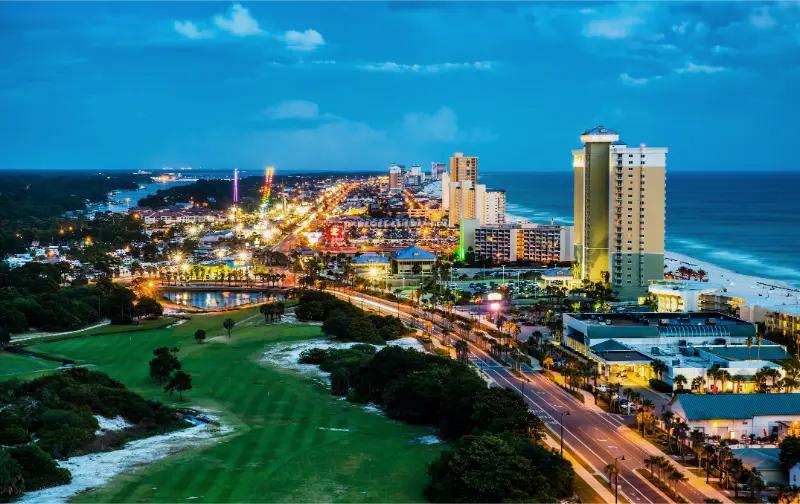
    Pier Park is Panama City Beach’s easiest all-weather evening anchor and a useful break from full-day beach plans. The open-air center sits across from the Russell-Fields City Pier and combines national retailers, local shops, restaurants, movies and entertainment in one walkable district. It is most valuable when used strategically: not as an entire vacation day by default, but as a flexible place for dinner, shopping, a rainy spell or an activity that works for mixed-age groups.

    Explore this guide

    For a first visit, the goal is not to collect every possible stop. Build the day around the experience that matters most to your group, then use nearby beaches, food or short walks as supporting activities. That approach makes the trip more resilient when traffic, Gulf conditions or summer thunderstorms change the schedule.

    Quick planning summary

    • Best for: shopping, dining, evening walking, movies and mixed-age groups
    • Current center hours: Mon–Sat 10 a.m.–9 p.m.; Sun noon–6 p.m.
    • Scale: 120+ stores and restaurants
    • Time needed: 2–4 hours for most visitors
    • Location: 600 Pier Park Drive

    Important current-status note

    October 2026 information snapshot: this article is scheduled for 2028. Hours, prices, construction, beach access, shuttle schedules, wildlife rules, parking systems and local ordinances can change before publication. The practical details below are a verified 2026 planning baseline, not a promise that every condition will still apply in 2028. Recheck the linked official source shortly before travel.

    Current practical baseline

    Simon currently describes Pier Park as a one-million-square-foot open-air complex with more than 120 stores and restaurants. Regular 2026 center hours are listed as Monday–Saturday 10 a.m.–9 p.m. and Sunday noon–6 p.m., with individual businesses and entertainment venues using their own schedules.

    How Pier Park is organized

    The center is large enough that parking near the wrong end can add unnecessary walking in heat. Check the current directory before arriving if you have one specific restaurant, store or entertainment venue in mind. If you are browsing without a target, park once and treat the center as a walking district.

    Shopping

    Pier Park mixes major chains, beach-oriented shops and specialty retailers. The practical advantage is variety rather than uniqueness. Travelers looking for local character should combine it with Historic St. Andrews or Downtown Panama City, while families needing familiar brands, last-minute supplies or an easy shopping evening may find Pier Park extremely convenient.

    Dining

    Restaurant options range from quick snacks to sit-down meals. Peak dinner periods can involve waits, especially during summer and spring-break weeks. If your group includes small children or older travelers who dislike queues, reserve where possible or eat slightly earlier than the standard dinner rush.

    Entertainment

    Movies and other entertainment venues make Pier Park useful on stormy afternoons. Attraction lineups can change more quickly than the shopping center itself, so verify the current directory rather than planning around an older list. Indoor entertainment is also a good recovery option after a hot morning on the beach.

    Russell-Fields City Pier across the road

    The City Pier is directly across from the main entrance and can turn a shopping trip into a sunset walk. The city currently lists the pier as open 24/7 with separate spectator and fishing fees. The beach west of the pier includes a designated dog-friendly area, while lifeguard service is seasonal.

    Panama City Beach Hotels by the Gulf Aerial

    Parking and accessibility

    Simon lists on-site parking and accessible parking. During major events and peak summer evenings, allow more time than the driving distance suggests. Drop off passengers who have limited mobility near the relevant entrance before searching for a farther space.

    Families and teenagers

    Teenagers often appreciate the independence of a defined pedestrian center, while younger children benefit from a dinner-and-entertainment plan that does not involve another long drive. Set a meeting point before separating, because the center is too large to rely on “we’ll find each other later.”

    Best time to visit

    Late afternoon into evening works best for many visitors: the heat eases, dinner becomes part of the plan and you can walk to the pier around sunset. On a rainy day, arrive earlier but remember that the center itself is open-air, so you may still be moving between buildings in rain.

    Families, teenagers and senior travelers

    Families with young children usually enjoy the area most when the day alternates between movement and recovery: beach or trail first, then lunch or an indoor stop, then another short activity later. Teenagers may prefer snorkeling, wildlife, biking, shopping or interactive exhibits over a long sequence of passive sightseeing. Senior travelers often appreciate the broad choice of scenic drives, museums and waterfront stops, but midday heat and soft sand can make apparently short distances tiring. Keep the schedule flexible enough for different energy levels.

    Weather, water and seasonal planning

    Bay County has a long warm season, strong summer sun, frequent afternoon thunderstorms and a hurricane season that can affect beaches, roads and attraction hours even when the center of a storm is far away. Summer is excellent for warm-water trips but demands more shade, hydration and schedule flexibility. Spring and fall often provide a comfortable compromise for walking, wildlife viewing and beach time. Winter can be quiet and pleasant for museums and trails, but Gulf water and wind can feel cool. Check radar, marine conditions and official beach flags before committing to swimming, boating or a long exposed walk.

    Accessibility and multigenerational travel

    Accessibility changes dramatically between paved attractions, shopping districts, boardwalks, soft sand and natural trails. A destination described as “easy” may still involve heat, uneven surfaces or a long walk from parking. Travelers using a wheelchair, walker or stroller should verify the exact route and available accessible facilities rather than relying only on distance. Multigenerational groups generally do best by pairing one higher-effort activity with one lower-effort stop, then building in a shaded or air-conditioned break during the hottest part of the day.

    Budget and value

    Panama City Beach can be as inexpensive or as activity-heavy as you make it. Public beach access and several parks cost little or nothing, while boat trips, animal encounters, equipment rentals, dining and beachfront lodging can increase the daily total quickly. Compare the full cost of an experience rather than the headline price: parking, state-park admission, equipment, food, taxes and optional upgrades may matter. Families often save money by carrying water and snacks, grouping stops geographically and choosing one paid attraction per day rather than stacking several.

    What to bring

    • refillable water and extra drinks for hot outdoor days
    • broad-spectrum sunscreen, hat and sunglasses
    • insect repellent for marshes, trails and evenings
    • comfortable walking shoes plus sandals or water shoes when useful
    • a light rain layer during the warm season
    • small power bank for navigation and beach-condition alerts
    • dry bag or waterproof phone pouch for boat and beach days

    Common planning mistakes

    • assuming calm-looking Gulf water means there is no rip-current risk
    • underestimating traffic and parking time during peak weekends
    • planning every hour with no weather backup
    • assuming every beach access has restrooms, lifeguards or large parking areas
    • relying on old social-media prices instead of the current official source
    • forgetting that Central Time applies locally even when arriving from Eastern Time areas
    • packing too many distant stops into one day instead of grouping them geographically

    A better daily rhythm

    Put the most weather-sensitive activity first. Beach time, wildlife viewing, long walks and boat trips generally work best early, while museums, shopping, lunch and other indoor stops are useful during the hottest or stormiest part of the afternoon. Leave at least an hour unassigned. That margin absorbs traffic, a longer meal, changing surf, a thunderstorm or the simple decision to stay longer at a place your group genuinely enjoys.

    Parking and driving strategy

    Front Beach Road, Thomas Drive, Panama City Beach Parkway and the routes across St. Andrews Bay can become slow at busy times. Put the exact entrance or parking lot into navigation before leaving rather than searching by a broad destination name. The City of Panama City Beach currently operates paid public lots near the beach and also maintains multiple public accesses, while individual parks and attractions use their own systems. Never create an improvised parking space on dunes, grass or private property simply because a legal space is not immediately visible.

    Food, restrooms and practical breaks

    Facilities are easy to find around the resort strip and Pier Park but become less predictable on natural beaches, islands and longer trail systems. Families should use restrooms before a remote outing, carry snacks and keep drinking water in the car. Restaurants can be busy in summer and spring-break periods, so an early lunch or dinner often produces a calmer experience. For a boat or ferry day, never assume food and shade will be available at the destination unless the operator explicitly says so.

    Continue the Panhandle road trip

    If you are arriving from the east, the transition from Mexico Beach to Panama City Beach is an easy way to see how quickly the Panhandle changes from small-town shoreline to a larger resort destination. Travelers who want a quieter comparison can also review Cape San Blas before deciding how much time to spend in Bay County.

    Central Time reminder

    Panama City Beach and Panama City use Central Time. This matters for travelers arriving from Port St. Joe, Cape San Blas and much of Gulf County, which use Eastern Time. A relatively short drive can change the clock by one hour. Confirm the local time shown on ferry departures, attraction tickets, restaurant bookings and check-in instructions rather than relying on the time zone of the place you left that morning.

    Photography and responsible visiting

    Bay County offers easy sunset, wildlife, street-art and beach photography, but access rules still apply. Stay out of dunes and nesting zones, keep a respectful distance from wildlife and never block traffic or private property for a photograph. Drone rules can differ between state parks, city property and federal or private land; verify permission for the exact location instead of assuming open sky means unrestricted use.

    If the weather changes

    Have one indoor or low-exposure backup ready. A museum, Historic St. Andrews, Pier Park, a long lunch or a short shopping stop can replace a beach or trail session during lightning or strong wind. After tropical weather, official city, county, state-park and attraction updates should take priority over old reviews because access conditions can change quickly.

    Final planning advice

    Use the guide to decide whether the experience fits your group rather than treating every attraction as mandatory. Bay County works best when you choose one anchor experience, add one or two nearby stops and leave enough room for Gulf weather, traffic and spontaneous beach time. A relaxed day with one memorable activity usually creates a better vacation than racing between five separate attractions.

    Official information

    Check the official source shortly before travel for current hours, prices, closures, event schedules, parking rules and safety notices.

  • Florida Food Halls: Exploring Local Flavors in Orlando, Tampa and Miami

    Florida Food Halls: Exploring Local Flavors in Orlando, Tampa and Miami

    Some of Florida’s most enjoyable meals happen when a group does not have to agree on one cuisine. A food hall gathers multiple vendors around shared seating, making it appealing to families with different appetites, friends looking for an informal evening and visitors who want to sample the city’s food culture without committing to an expensive tasting menu. Food halls are not interchangeable with farmers markets or fast-food courts: many occupy converted historic buildings, feature independent chefs or combine restaurants with shops and events. But vendors, seating, hours and even entire venues can change quickly. This guide explains how to use food halls well, with examples from Central and South Florida and practical advice on accessibility, budgets and avoiding disappointment. It complements our broader guides to Florida dining, seafood markets and food trucks.

    Quick planning checklist

    Planning stepWhat to verify
    Official rulesConsult the relevant agency or operator directly before departure
    AccessibilityConfirm entrances, facilities, mobility needs and comfortable pacing
    Costs and timingCheck opening hours, booking terms, transport and final prices
    Backup optionKeep a flexible alternative for weather, capacity or restrictions

    What makes a food hall different

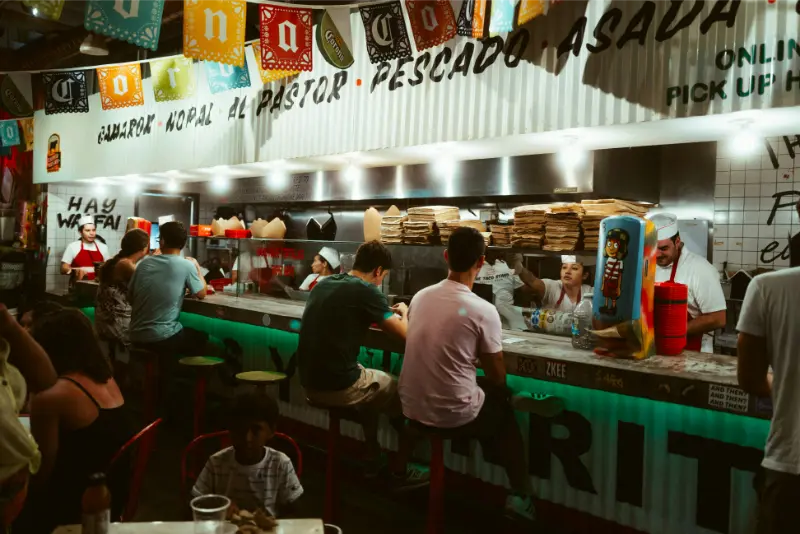
    A modern food hall usually includes several independently operated counters with a common dining environment. One guest might choose a Cuban-inspired dish, another a vegetable bowl and a third a dessert from a specialty bakery. Ordering and paying may happen separately at each counter; some places also have bars, shops or periodic markets. The shared space creates flexibility but not necessarily lower prices. You may spend more than in a casual restaurant if everyone orders a separate main course, drink and snack. Study the vendor list in advance and plan a rough food budget. In busy venues, seating may be first come, first served and difficult for a large group to occupy together. Treat the place as a small neighborhood experience rather than assuming it will function like one reservation-based restaurant.

    Orlando: food beyond the theme parks

    Orlando’s dining scene extends far beyond hotel buffets and theme-park quick service. East End Market in the Audubon Park area is one example of a neighborhood-oriented market setting that can introduce visitors to local makers and independent food businesses; confirm its current tenant mix and trading hours before travel. Orlando also has changing food-hall concepts and developments, so a name recommended in an old article may have a different operating model today. Consider visiting on a day when you are not rushing between attractions. A relaxed lunch can be paired with a short exploration of a nearby neighborhood, independent shops or an art stop. If driving, check the parking arrangements rather than assuming an attraction-sized garage. In a warm climate, indoor seating and air-conditioning may matter more than a photogenic outdoor table.

    Tampa: gathering around a historic waterfront district

    Tampa’s Armature Works has become associated with a food-hall and gathering-place experience in the Heights area. It is appealing because a meal can form part of a waterfront walk rather than a drive to a single restaurant. Review the venue’s official directory and current hours for the exact vendors you want; special events, private functions and changes in trading hours can alter what is available. A visitor with a stroller may appreciate open circulation but should still check elevator access, restrooms and the practical walking distance from parking. If combining lunch with a riverside walk, plan for sun, rain and heat. Evening crowds can be lively, while a quieter off-peak visit may work better for older relatives who prefer easier seating and lower noise. The surroundings are part of the value, so leave time to enjoy them.

    Downtown Tampa Florida Urban District Aerial

    Miami: why current verification matters so much

    Miami has had numerous fashionable food-market and food-hall concepts, but openings, closures and relocation can occur quickly. Do not treat an old list of Miami food halls as a promise that every name is still operating. Search current venue websites, verify the address and read recent official posts before traveling across the city. Consider the wider neighborhood: a lunch near a museum, a transit stop or a beach may be more useful than a highly rated hall requiring a costly rideshare. Miami traffic and parking can turn a casual meal into a long commitment. Decide whether you are seeking an indoor refuge from a rainy afternoon, an opportunity to try varied international cuisines or a social night out. These are different needs, and the best venue may differ for each.

    Choosing the right time to visit

    Weekday lunchtime can be convenient, but some vendors may open later or close on particular days. Weekend events may increase energy and choice while also making parking and seating harder. Confirm hours for individual counters rather than the main building alone. A food hall that stays open into the evening may have only a subset of its vendors serving after dinner time. Families with toddlers might prefer an early meal, while couples may enjoy a lively evening and an unhurried walk afterward. Build a buffer around other plans: ordering from several counters takes time, especially when one person has food allergies or needs an ingredient list. Florida weather also shapes the visit. A covered, air-conditioned hall can be a useful rainy-day alternative, but if part of the experience is outdoors, check the local forecast.

    Food allergies and dietary preferences

    A shared hall makes it easy for different diners to find different menus, but it can complicate allergy communication. Each vendor may have separate preparation areas, utensils and labeling practices, and staff at one counter cannot necessarily answer for another. Ask the specific vendor about allergens, cross-contact risk and ingredient substitutions before paying. Someone with celiac disease should not assume a dish is safe because it is marketed as gluten-free; a shared fryer or preparation surface may change the risk. Vegetarian, vegan, halal and kosher travelers may have more choices than at one fixed-menu restaurant, but labels must still be verified individually. Keep emergency medication readily accessible if prescribed and choose a more predictable restaurant when the group cannot obtain adequate assurances. Convenience should never override an essential dietary safety requirement.

    Budgeting for multiple counters

    The variety encourages impulse purchases. Review menus online, identify one main dish per person and decide whether a shared dessert makes sense. Some counters may add taxes and suggest tips at checkout; read the screen before confirming payment. Drinks, parking and extra snacks can push an inexpensive-looking outing above your budget. Splitting costs is easier when each person pays individually, but traveling with younger children may require one adult to manage several orders. Keep a photo or note of each order number so food from different stalls is not lost in the crowd. Rather than chasing the cheapest item, compare portion size, seating comfort and travel cost. A slightly higher meal price can be reasonable if the hall replaces a separate afternoon attraction or makes it easy for everyone to eat without arguments.

    Accessibility and seating for every age

    Ask about step-free entrances, ramps, accessible toilets and seating with room for a wheelchair or stroller. Historic conversions can have attractive design yet occasional narrow corridors or uneven transitions. If a traveler is hard of hearing, noisy communal rooms can make ordering difficult; consider viewing menus on a phone and communicating clearly at the counter. A senior who tires easily may prefer visiting outside peak hours and identifying a seat before ordering. Families should not leave strollers unattended while queuing at separate vendors. Check whether dogs are permitted in indoor areas, because food-service regulations and property rules can differ from outdoor terraces. Shared seating often works best when one group member holds an appropriate table while others order, provided the venue allows it.

    Pair a food hall with a neighborhood walk

    The strongest experience often includes something beyond eating. In Tampa, a waterfront walk or public art stop can extend the outing without another admission ticket. In Orlando, local bookstores, specialty shops and neighborhood architecture can make the visit feel distinct from a theme-park day. In Miami, choose a hall in a district you already intend to explore and use local transit or a short rideshare where practical. Keep the route modest in hot or wet weather. For someone with mobility limitations, verify the entire pedestrian path, not only the venue entrance. Photograph street art and shopfronts responsibly without blocking others. The purpose is to enjoy everyday Florida urban life, not to rush between as many counters as possible for social media.

    Orlando Theme Park Restaurant and Souvenir Shop

    A sample half-day dining itinerary

    Choose a venue with a verified website and a known route from your hotel. Arrive slightly before the peak lunch rush, locate restrooms and seating, then let each diner review two or three interesting counters. Ask about wait times and select dishes that can be collected without leaving younger children unsupervised. Enjoy the meal, then take a short walk in the neighborhood if weather and comfort permit. Keep a nearby indoor alternative for thunderstorms and do not schedule the next attraction too tightly. Families with an infant may need a quiet feeding or changing space; ask before arrival rather than improvising in a crowded hallway. Solo travelers can use a hall as a low-pressure way to sample local food without occupying a restaurant table for a long full-service meal.

    Check live venue information, not old rankings

    Before visiting, check the official tenant directory, menus, opening hours, event listings and accessibility information. Armature Works provides venue information at https://armatureworks.com/ and East End Market maintains information at https://eastendmkt.com/. These are examples, not guarantees that every counter discussed in a previous review still exists. If you find a closure notice, change of ownership or reservation-only event, replace the stop rather than building the trip around stale recommendations. Food halls are at their best when they provide choice and an easy social experience; confirm that practical conditions support both. A good Florida itinerary leaves room to discover new vendors instead of pretending the city’s restaurant scene stands still.

    Frequently asked questions

    Are Florida food halls cheaper than restaurants? Sometimes, but separately ordered drinks, desserts, taxes and tips can raise the total; compare complete meals.

    Can everybody in a group eat different cuisines? Often yes, which is a major benefit, though you may need to order and pay at several counters.

    Do food halls accept reservations? Many use shared walk-in seating, but particular venues and special events may differ; check official policies.

    Are food halls suitable for serious food allergies? Only when the chosen vendor can confirm ingredients and cross-contact precautions for your needs.

    Should I trust a list of Miami food halls from several years ago? No. Verify the business, address, vendor directory and hours before traveling.

  • Florida Farmers Markets and Local Food: A Seven-Day Trip from Tampa Bay to Miami

    Florida Farmers Markets and Local Food: A Seven-Day Trip from Tampa Bay to Miami

    A farmers market can reveal more about a Florida destination than a crowded souvenir shop. Produce tables, bakeries, seafood stalls, plants and local crafts show how agriculture, migration and everyday food choices shape regional life. But not every market is held daily, and not every item sold at a market was grown just outside town. This seven-day route links Tampa Bay, Sarasota, Central Florida and Miami, combining food shopping with neighborhood walks and manageable sightseeing. For example, start on a Tuesday near St. Petersburg and reach Winter Park on Saturday; a Saturday morning market in St. Petersburg would require reversing or extending the trip. It is aimed at visitors who want to taste and learn rather than book seven expensive restaurant dinners. Check calendars closely: a famous Saturday market cannot be moved to Tuesday simply because it fits a travel itinerary. Adapt the sequence to match your arrival day and prioritize a few genuine markets.

    What counts as a farmers market in Florida?

    Markets vary widely. Some focus on fresh produce from regional farms, while others include prepared meals, breads, coffee, crafts or resale goods. A visitor should never assume that every tomato on a stall was grown locally or that every prepared-food vendor uses ingredients from one farm. Ask growers where products come from, what is in season and whether they use specific agricultural practices; sellers may have helpful answers but should not be expected to offer a long interview during a busy morning. When you see a sign saying local, ask what geographic area it means. A fresh citrus product, tropical fruit or herb may tell you something about the growing region, but availability changes with weather and harvest cycles. Use markets as places to buy food and learn, not as automatic certificates of sustainability.

    Day 1: St. Petersburg and a true market morning

    Start in St. Petersburg, using an operating Saturday Morning Market only if your actual dates align; on the Tuesday-start sample route, explore food shops and the waterfront instead. These events can attract substantial crowds, so arrive early, wear comfortable shoes and bring reusable shopping bags. Check its official calendar, venue and seasonal arrangements: some Florida outdoor markets operate only during part of the year or move temporarily for special events. Buy a simple breakfast, browse the stalls and leave time to explore the waterfront or an indoor museum. With children, let each choose one unfamiliar fruit or vegetable to learn about, subject to allergies and food safety. Older travelers may appreciate an early visit before the busiest period. Do not buy more perishable food than you can store safely in your lodging. If the market is closed, use the day for a local food shop and a neighborhood walk instead of inventing a substitute event.

    Day 2: Tampa food traditions and public markets

    Cross Tampa Bay for a day exploring how immigrant communities and working waterfronts influenced local eating traditions. Historic Ybor City is useful context for cigar-worker cultures, Cuban and Spanish influences and the evolution of restaurants and bakeries. This is not a claim that every establishment in Ybor City preserves an unchanged family recipe. Choose one public food market or reputable bakery with confirmed hours, then spend time at a history museum or public exhibit. If you want to compare Cuban sandwiches, remember that food identities often involve local debate and variation; enjoy the differences rather than appointing one restaurant as the sole authentic authority. Travelers with celiac disease or other allergies should clarify ingredients and preparation independently of cultural descriptions. Set an indoor stop for the afternoon, when heat or thunderstorms can make outdoor food wandering unpleasant.

    Wendys Restaurant at Miami Roadside

    Day 3: Sarasota or Bradenton and the Gulf-side harvest economy

    Continue south toward Sarasota or Bradenton, choosing one current market or food-focused public event and combining it with a relaxed coastal afternoon. In this region, fishing, farming and tourism coexist, but seafood availability and farm produce change through the year. A fish labeled local should invite a specific question about its source; different species have different harvesting regulations and sustainability concerns. A market vendor may sell prepared seafood meals without operating a fishing business. If visiting a waterfront village, stay in public areas and avoid photographing workers on active docks without permission. This day also works well for families who want a break from long walking routes: buy picnic ingredients and eat at a designated park table. Use a cooler for perishable products, particularly when temperatures are high, and do not leave seafood in a parked car.

    Day 4: a relaxed travel day toward Central Florida

    The drive from the Gulf Coast toward Orlando offers an opportunity to reflect on agriculture rather than adding a market in every town. Florida’s food economy includes cattle, citrus, vegetables, nurseries and many other products, and farms are active workplaces rather than roadside attractions. If you find a legitimate, publicly advertised produce stand, stop during its operating hours. Do not pull into private farm gates or walk among crops in search of a photograph. Choose a museum, public garden or short park visit as the day’s anchor and keep the afternoon free for checking in to new lodging. Travelers interested in U-pick experiences should verify crop availability, whether picking is open and whether a reservation is required. A social-media post from last season is not evidence that a field is available today.

    Day 5: Winter Park's Saturday market as a Central Florida highlight

    Winter Park offers an especially convenient market-and-town combination when your schedule includes Saturday morning. The city’s official Saturday Farmers’ Market normally operates at Central Park’s West Meadow in the morning, but it sometimes relocates for major festivals; in March 2026 it temporarily moved to Seven Oaks Park for a one-day event. Always check the current city notice rather than driving to a habitual location on autopilot. Market visits can be paired with a walk around Park Avenue, an art museum or a shaded garden. The timing makes this trip flexible rather than strictly consecutive: if you began in St. Petersburg on Saturday, you may choose one of these markets on a later week, reverse the itinerary, or swap the Central Florida stop for a weekday attraction. A good article should not pretend that two weekly Saturday events can automatically happen on different consecutive days.

    Day 6: travel south with a neighborhood food stop

    Head toward South Florida, leaving a large travel buffer for traffic and rest. Choose a confirmed public market, bakery or local food shop near your actual overnight base instead of detouring across the entire Miami metropolitan area for a picture of a famous dish. Miami’s food traditions reflect Cuban, Haitian, Bahamian, Jewish, Latin American and many other histories, which should not be lumped together as a single tropical cuisine. If visiting a neighborhood market, learn from the vendors and read labels while respecting busy working spaces. An indoor museum can provide context about migration and trade. Visitors traveling with children can turn the day into a simple comparison of bread, fruits, spices or cooking tools seen in different regions, while adults might make notes about seasonality and prices.

    Day 7: Miami food culture and an easy departure

    Use the last day for a modest neighborhood visit, breakfast from a reputable local business and one final stop if flight timing permits. Remember that food markets can be crowded and may not have ample seating or restrooms. Families with babies will need shade, water, feeding arrangements and time away from noise. Visitors with mobility limitations should check whether a market’s aisles and approach paths are paved and whether accessible parking is available. Do not take fresh produce on an international flight without checking customs and agricultural rules; even interstate transport of certain plants or pests can be restricted. A good final purchase might be a shelf-stable, clearly labeled product, but airline security and destination import rules still apply. Finish early enough to handle rental-car return and airport check-in without rushing.

    Miami Skyline at Sunset from Across the Bay

    An itinerary built around calendars, not wishful thinking

    DayRegionRecommended focus
    1St. PetersburgNeighborhood food shops; market only if scheduled
    2TampaFood traditions and historic Ybor City
    3Sarasota / BradentonGulf-region produce or seafood
    4Central Florida transferPublic farm stand or cultural stop
    5Winter ParkSaturday Farmers’ Market if dates align
    6South FloridaLocal shop and neighborhood history
    7MiamiEasy market or breakfast and departure

    Local food, certified claims and honest labels

    Market descriptions can mix legally defined claims, voluntary standards and casual advertising language. Organic certification has specific rules, while words such as artisanal, homemade or farm fresh may mean different things in different contexts. If a claim is important to you, ask for the producer’s explanation and look for appropriate certification rather than taking a handwritten sign as definitive proof. A prepared-food stall may require a different type of license from a grower’s produce table. Travelers with allergies should ask about ingredients and cross-contact, especially for sauces, baked goods and shared fryers. A market seller may not be able to guarantee that a food is safe for every allergy; choosing not to eat a questionable item is a reasonable decision. Cultural curiosity should never override medical dietary precautions.

    Seasonality and Florida's growing regions

    Florida’s harvest calendar is not identical to that of colder U.S. states. Some crops are associated with winter and spring production, while others are more abundant in warm months. Weather, freezes, storms, disease and individual farm decisions can shift availability. Citrus is a famous symbol, but do not promise grove picking or oranges at every stall year-round. Ask a vendor which products are currently in season and where they were grown. That conversation can be more informative than a generic best-fruits list. Travelers hoping to cook in a vacation rental should check that it has safe storage, proper refrigeration and necessary utensils. A hotel room with only a small minibar is not the same as a kitchen. For multigenerational travel, plan meals around everyone’s actual dietary needs and preferences rather than novelty alone.

    Shopping etiquette and how to avoid waste

    Bring a reusable bag, small denomination payment options and a way to keep delicate produce from being crushed. Some vendors accept cards while others have minimum purchases or connectivity problems, so ask before ordering. Respect posted no-touch signs and let sellers handle loose items when requested. If sampling is offered, take only what you intend to try and dispose of waste properly. Prepared foods need prompt refrigeration or immediate eating in Florida heat; do not buy a full cooler of seafood before a day of sightseeing unless you can maintain food-safe temperatures. Visitors should avoid bargaining aggressively with small producers over posted prices. A market is a business for sellers and a source of food for residents, not a performance staged exclusively for tourists.

    Transport, accommodation and realistic costs

    This itinerary spans several regions, so a rental car is generally more practical than relying on taxis for every move. Staying two or three nights near Tampa Bay and the remainder closer to Orlando or Miami reduces repeated check-ins, though the exact split depends on which market days you target. Compare lodging with parking and kitchen facilities against the cost of eating every meal out. Food markets are not guaranteed to be cheaper than supermarkets, especially for artisanal prepared food, but they can offer distinctive local experiences. Plan a daily spending limit for breakfast, snacks, produce and one main meal; leave room for admission to cultural attractions. Do not book a distant hotel solely because a market looks nearby on a small map. Miami and Tampa traffic often turn apparent short drives into long ones.

    Miami City Skyline by Night across Bay

    Families, older travelers and accessible layouts

    Open-air markets may have uneven surfaces, narrow aisles, limited seating or loud live music. Arriving soon after opening can help visitors who prefer more space. A stroller may be difficult in tightly packed vendor rows, so use the widest routes and avoid blocking stalls. Older travelers might value a nearby café and accessible restroom more than visiting every table. People with low vision should ask companions to describe labels or choose vendors willing to read ingredients aloud; do not assume all signs are available digitally. Those with hearing difficulties may find quiet edges useful for conversations. For visitors with service animals, consider crowding and hot pavement. A market visit should be short enough that everyone can still enjoy the rest of the day.

    Sources and market checks before you go

    Confirm the City of Winter Park Saturday Farmers' Market for operating hours and possible relocations, consult the Florida Department of Agriculture and Consumer Services for agriculture and food guidance, and use Visit Florida to identify further regional destinations before checking each market operator’s actual current calendar. Do not treat a tourism roundup as proof that any individual stall will be present. A wonderful food trip combines a few genuine market experiences with gardens, museums, neighborhood walks and time to cook or enjoy what you bought. Florida’s food story becomes much richer when you learn where ingredients come from and who brings them to the table.

    Frequently asked questions

    Are Florida farmers markets held every day?

    No. Many operate on one or two set days, and hours or locations can change for festivals and weather. Check the actual operator calendar.

    Does every item at a farmers market come from a local farm?

    Not necessarily. Markets may include prepared-food sellers, crafts and products sourced from elsewhere. Ask vendors about origin.

    Can I visit St. Petersburg and Winter Park Saturday markets in one week?

    Only if the trip timing includes the relevant Saturdays or the schedule is adjusted. They are not automatically available on different consecutive days.

    Is a farmers market suitable for children and older adults?

    Usually yes if you choose quieter hours, plan shade and seating, and do not require a long walk in crowded aisles.

    Can I take Florida fruit home on an airplane?

    Check airline, destination customs and agricultural restrictions before carrying produce, particularly on international flights. Never assume it is permitted.

  • Florida Shopping Guide: Outlets, Malls, Local Districts, Markets and Souvenirs

    Florida Shopping Guide: Outlets, Malls, Local Districts, Markets and Souvenirs

    Shopping is rarely the only reason I would recommend a Florida vacation, but it can be a useful part of one—especially on a stormy afternoon, before a flight or when travelers want something more local than a generic souvenir shop. Florida ranges from giant outlet centers and luxury malls to walkable shopping streets, farmers markets and independent galleries. The main mistake is letting shopping create another long cross-city drive. Choose a district that fits the rest of the day’s geography and decide in advance whether the goal is bargains, luxury brands, local art or practical trip supplies.

    Quick planning summary

    • Orlando and South Florida have some of the state’s largest outlet and mall options.
    • Local districts such as Worth Avenue, St. Armands and historic downtowns offer a different experience from enclosed malls.
    • Parking and traffic can turn a bargain-shopping day into a long logistics exercise.
    • International visitors should check current customs and duty rules for their home country before making major purchases.
    • Markets and locally made products often create more memorable souvenirs than generic resort merchandise.

    In this guide

    Orlando is the obvious outlet-shopping base

    Orlando’s tourism scale supports major outlet centers, large malls and entertainment-shopping districts. International Drive and the Lake Buena Vista area are convenient for visitors already staying near theme parks, but traffic can be heavy at peak times. If outlet shopping is important, schedule it as a dedicated half-day rather than trying to squeeze it between two parks. Families should decide where to meet if people split between stores.

    Illuminated Shopping Complex at Night

    South Florida covers both luxury and enormous malls

    Aventura Mall, Sawgrass Mills, Bal Harbour and other South Florida centers serve very different shoppers. Aventura combines a major mall with dining and easy access to the Brightline station, while Sawgrass is a large outlet-style destination that can consume much of a day. Bal Harbour targets luxury shopping. Choose based on brands and location rather than visiting several simply because they are famous.

    Palm Beach and Sarasota offer walkable shopping districts

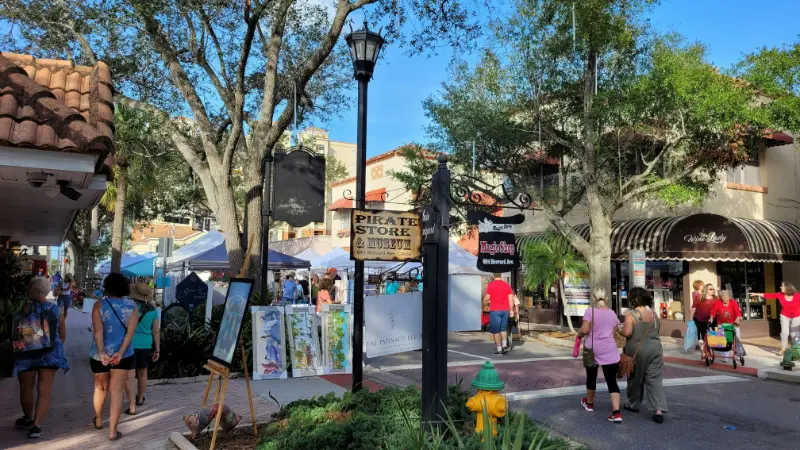
    Worth Avenue in Palm Beach and St. Armands Circle in Sarasota are as much about atmosphere as purchases. They work well when paired with a beach, museum or meal, and they are easier for mixed-interest groups than a full outlet day. Even travelers who do not plan to buy luxury goods can enjoy architecture, windows and cafés. Parking and event traffic still deserve a quick check.

    Historic downtowns are better for local souvenirs

    St. Augustine, Fernandina Beach, Mount Dora, Winter Park, Naples and other walkable centers offer independent shops, galleries and locally themed gifts. These districts are good places to buy art, books, food products or small items tied to the destination. They also support an itinerary better because shopping can be combined with historic streets and meals. Look for products actually made in Florida rather than assuming every coastal souvenir is local.

    Markets can turn shopping into a travel experience

    Farmers markets, craft fairs, flea markets and food halls make shopping less transactional. Operating days can be limited, so verify the current calendar before driving. Markets are especially useful for families because people can choose snacks or small purchases without committing to a long mall visit. If buying food for travel, consider heat and airline restrictions before purchasing items that may not survive the trip home.

    Theme-park shopping is convenient but easy to overdo

    Disney Springs, Universal CityWalk-area retail and resort shops make souvenirs easy to find, but convenience often encourages impulse purchases. Decide what kind of keepsake matters before the final day. Children can set a budget for one item rather than asking at every shop. If you are flying, remember luggage space and fragile items. Shipping services may be available, but cost and timing should be checked before relying on them.

    Rainy-day shopping works best when it is nearby

    Shopping centers are useful weather backups, but crossing Orlando or Miami in a thunderstorm to reach a specific mall can create more stress than it solves. Save one indoor shopping option near each major base. A rainy beach morning can become a local outlet or downtown day, while a stormy city afternoon can become a mall and dinner plan. Keep the backup geographically simple.

    Colorful Shopping Street in Florida

    International visitors should think about tax and customs separately

    Florida sales tax is added to many retail purchases, and local surtaxes can affect the final price. The United States does not offer a broad tourist VAT refund system like some countries. Travelers taking expensive goods home should check their own country’s customs allowances and declaration rules. Warranty service and voltage compatibility also matter for electronics, making a low sticker price only one part of the decision.

    Families, seniors and accessibility

    Shopping with children is easier when the trip has a time limit and a meal or play break. Teenagers may enjoy choosing a store district themselves. Senior travelers should consider the walking scale of very large outlet centers and use seating breaks. For accessible travel, major malls are generally easier than historic districts with uneven sidewalks, but parking location and elevator access still matter. Ask customer service about mobility services when needed.

    For a mixed-age group, protect the needs that are hardest to change: heat tolerance, medication timing, mobility, naps and the ability to stand in lines. Split the group when that creates a better day instead of treating separation as a planning failure. Confirm accessibility directly with the attraction, hotel, park or operator when a specific feature is essential, because the word accessible can describe very different real-world conditions.

    Budget and booking

    A sale is not a saving if it produces luggage fees, customs costs or items you did not need. Set a spending ceiling before outlet shopping and compare prices on expensive products rather than relying on a percentage-off sign. Include parking and transport in the day cost. For souvenirs, one locally made item often has more value than several generic purchases. Travelers on a tight budget can use markets and window-shopping districts as entertainment without a large retail spend.

    Compare total trip cost rather than headline price. Parking, resort fees, taxes, cleaning charges, rideshares, rental-car costs and food can change which option is genuinely affordable. Keep weather-sensitive elements flexible when possible, and save confirmation numbers in one place. If one experience is the main reason for the trip, secure that first before building nonrefundable lodging around it.

    How to build a realistic day

    Start with one anchor activity and place it at the time when the group has the most energy and conditions are usually best. Leave enough space for parking, meals and unexpected delays rather than stacking timed reservations back to back. In warm months, a morning outdoor block followed by lunch and an indoor or shaded afternoon is often more comfortable than continuous sightseeing. On driving days, stop before fatigue becomes a problem and keep water, sun protection and a simple snack available.

    Keep one nearby backup plan that does not require crossing a major metro area. A museum, shopping district, hotel pool, scenic drive or relaxed meal can rescue a day when weather or energy changes. The goal is not to complete the maximum number of attractions; it is to finish the day with enough energy to enjoy the next one. This approach is particularly valuable for children, older travelers and anyone visiting Florida for the first time.

    Common mistakes to avoid

    • Driving across a large metro area for several malls in one day.
    • Assuming every outlet price is automatically a bargain.
    • Forgetting sales tax when comparing prices.
    • Buying bulky items without checking luggage space.
    • Planning a long shopping day with no seating or meal break.
    • Treating generic souvenirs as locally made without checking the label.

    Florida on a budget, Orlando travel guide, Miami and Miami Beach travel guide, The Palm Beaches travel guide, Sarasota and Siesta Key travel guide.

    Official resources to check

    Rules, opening hours, prices, transport schedules, access arrangements and weather-related operations can change. If a detail is essential to the trip, confirm it with the responsible operator or public agency shortly before travel rather than relying on an old screenshot, saved social post or third-party summary.

    Final planning advice

    The strongest Florida itineraries are clear about priorities without becoming rigid. Choose what genuinely matters, keep the day geographically compact and allow conditions to change. A trip with a little breathing room usually produces better meals, easier family decisions and more memorable experiences than a schedule that depends on perfect traffic, perfect weather and perfect energy from morning to night.