
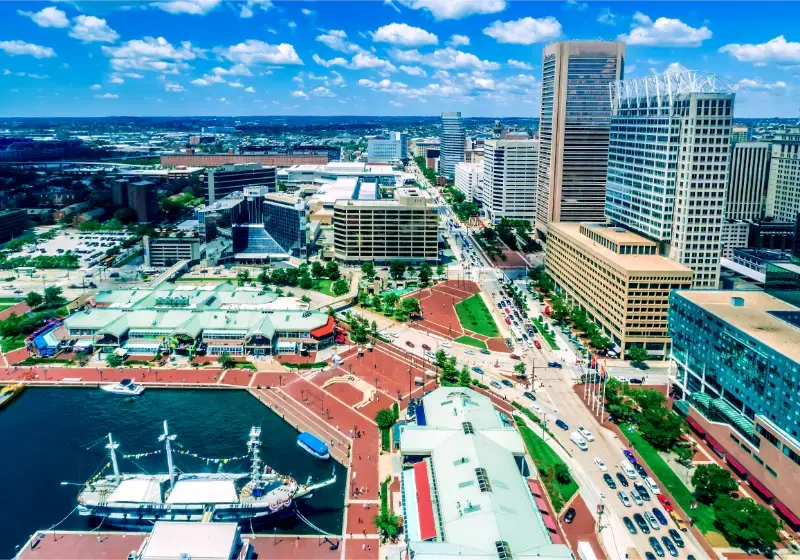
Shopping is rarely the only reason I would recommend a Florida vacation, but it can be a useful part of one—especially on a stormy afternoon, before a flight or when travelers want something more local than a generic souvenir shop. Florida ranges from giant outlet centers and luxury malls to walkable shopping streets, farmers markets and independent galleries. The main mistake is letting shopping create another long cross-city drive. Choose a district that fits the rest of the day’s geography and decide in advance whether the goal is bargains, luxury brands, local art or practical trip supplies.
Quick planning summary
- Orlando and South Florida have some of the state’s largest outlet and mall options.
- Local districts such as Worth Avenue, St. Armands and historic downtowns offer a different experience from enclosed malls.
- Parking and traffic can turn a bargain-shopping day into a long logistics exercise.
- International visitors should check current customs and duty rules for their home country before making major purchases.
- Markets and locally made products often create more memorable souvenirs than generic resort merchandise.
In this guide
- Quick planning summary
- Orlando is the obvious outlet-shopping base
- South Florida covers both luxury and enormous malls
- Palm Beach and Sarasota offer walkable shopping districts
- Historic downtowns are better for local souvenirs
- Markets can turn shopping into a travel experience
- Theme-park shopping is convenient but easy to overdo
- Rainy-day shopping works best when it is nearby
- International visitors should think about tax and customs separately
- Families, seniors and accessibility
- Budget and booking
- How to build a realistic day
- Common mistakes to avoid
- Related Wonderful Florida guides
- Official resources to check
- Final planning advice
Orlando is the obvious outlet-shopping base
Orlando’s tourism scale supports major outlet centers, large malls and entertainment-shopping districts. International Drive and the Lake Buena Vista area are convenient for visitors already staying near theme parks, but traffic can be heavy at peak times. If outlet shopping is important, schedule it as a dedicated half-day rather than trying to squeeze it between two parks. Families should decide where to meet if people split between stores.
South Florida covers both luxury and enormous malls
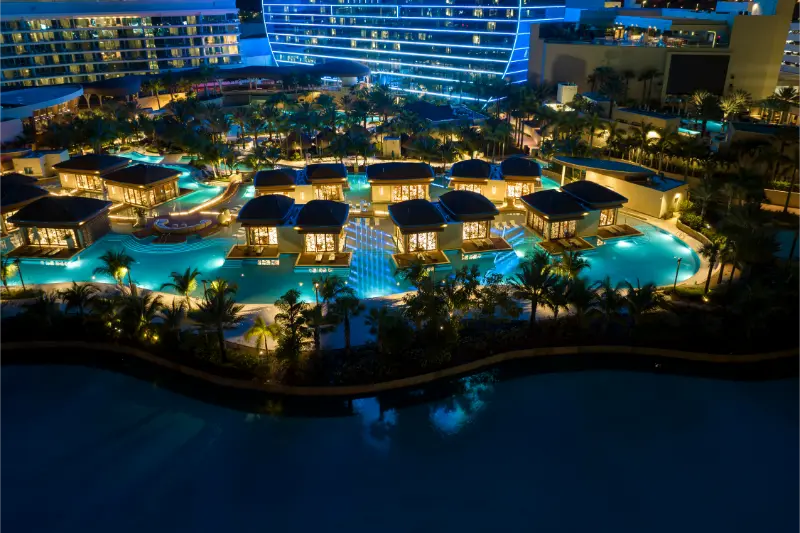
Aventura Mall, Sawgrass Mills, Bal Harbour and other South Florida centers serve very different shoppers. Aventura combines a major mall with dining and easy access to the Brightline station, while Sawgrass is a large outlet-style destination that can consume much of a day. Bal Harbour targets luxury shopping. Choose based on brands and location rather than visiting several simply because they are famous.
Palm Beach and Sarasota offer walkable shopping districts
Worth Avenue in Palm Beach and St. Armands Circle in Sarasota are as much about atmosphere as purchases. They work well when paired with a beach, museum or meal, and they are easier for mixed-interest groups than a full outlet day. Even travelers who do not plan to buy luxury goods can enjoy architecture, windows and cafés. Parking and event traffic still deserve a quick check.
Historic downtowns are better for local souvenirs
St. Augustine, Fernandina Beach, Mount Dora, Winter Park, Naples and other walkable centers offer independent shops, galleries and locally themed gifts. These districts are good places to buy art, books, food products or small items tied to the destination. They also support an itinerary better because shopping can be combined with historic streets and meals. Look for products actually made in Florida rather than assuming every coastal souvenir is local.
Markets can turn shopping into a travel experience
Farmers markets, craft fairs, flea markets and food halls make shopping less transactional. Operating days can be limited, so verify the current calendar before driving. Markets are especially useful for families because people can choose snacks or small purchases without committing to a long mall visit. If buying food for travel, consider heat and airline restrictions before purchasing items that may not survive the trip home.
Theme-park shopping is convenient but easy to overdo
Disney Springs, Universal CityWalk-area retail and resort shops make souvenirs easy to find, but convenience often encourages impulse purchases. Decide what kind of keepsake matters before the final day. Children can set a budget for one item rather than asking at every shop. If you are flying, remember luggage space and fragile items. Shipping services may be available, but cost and timing should be checked before relying on them.
Rainy-day shopping works best when it is nearby
Shopping centers are useful weather backups, but crossing Orlando or Miami in a thunderstorm to reach a specific mall can create more stress than it solves. Save one indoor shopping option near each major base. A rainy beach morning can become a local outlet or downtown day, while a stormy city afternoon can become a mall and dinner plan. Keep the backup geographically simple.
International visitors should think about tax and customs separately
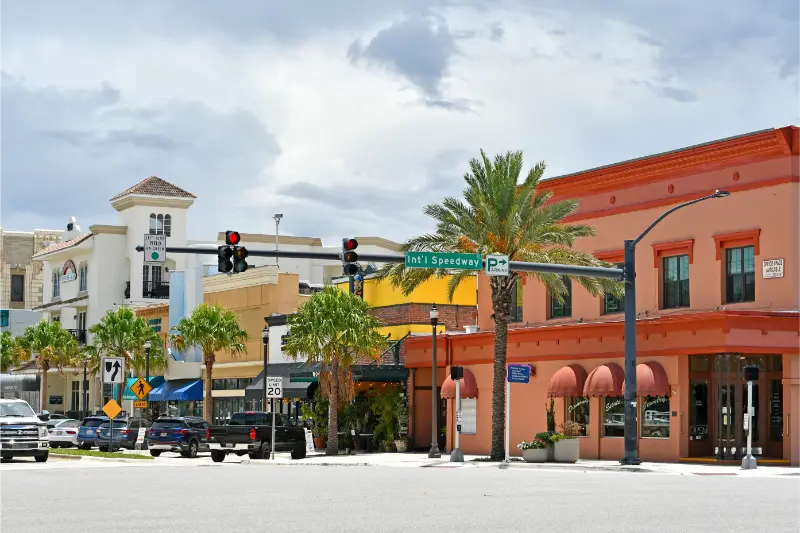
Florida sales tax is added to many retail purchases, and local surtaxes can affect the final price. The United States does not offer a broad tourist VAT refund system like some countries. Travelers taking expensive goods home should check their own country’s customs allowances and declaration rules. Warranty service and voltage compatibility also matter for electronics, making a low sticker price only one part of the decision.
Families, seniors and accessibility
Shopping with children is easier when the trip has a time limit and a meal or play break. Teenagers may enjoy choosing a store district themselves. Senior travelers should consider the walking scale of very large outlet centers and use seating breaks. For accessible travel, major malls are generally easier than historic districts with uneven sidewalks, but parking location and elevator access still matter. Ask customer service about mobility services when needed.
For a mixed-age group, protect the needs that are hardest to change: heat tolerance, medication timing, mobility, naps and the ability to stand in lines. Split the group when that creates a better day instead of treating separation as a planning failure. Confirm accessibility directly with the attraction, hotel, park or operator when a specific feature is essential, because the word accessible can describe very different real-world conditions.
Budget and booking
A sale is not a saving if it produces luggage fees, customs costs or items you did not need. Set a spending ceiling before outlet shopping and compare prices on expensive products rather than relying on a percentage-off sign. Include parking and transport in the day cost. For souvenirs, one locally made item often has more value than several generic purchases. Travelers on a tight budget can use markets and window-shopping districts as entertainment without a large retail spend.
Compare total trip cost rather than headline price. Parking, resort fees, taxes, cleaning charges, rideshares, rental-car costs and food can change which option is genuinely affordable. Keep weather-sensitive elements flexible when possible, and save confirmation numbers in one place. If one experience is the main reason for the trip, secure that first before building nonrefundable lodging around it.
How to build a realistic day
Start with one anchor activity and place it at the time when the group has the most energy and conditions are usually best. Leave enough space for parking, meals and unexpected delays rather than stacking timed reservations back to back. In warm months, a morning outdoor block followed by lunch and an indoor or shaded afternoon is often more comfortable than continuous sightseeing. On driving days, stop before fatigue becomes a problem and keep water, sun protection and a simple snack available.
Keep one nearby backup plan that does not require crossing a major metro area. A museum, shopping district, hotel pool, scenic drive or relaxed meal can rescue a day when weather or energy changes. The goal is not to complete the maximum number of attractions; it is to finish the day with enough energy to enjoy the next one. This approach is particularly valuable for children, older travelers and anyone visiting Florida for the first time.
Common mistakes to avoid
- Driving across a large metro area for several malls in one day.
- Assuming every outlet price is automatically a bargain.
- Forgetting sales tax when comparing prices.
- Buying bulky items without checking luggage space.
- Planning a long shopping day with no seating or meal break.
- Treating generic souvenirs as locally made without checking the label.
Related Wonderful Florida guides
Florida on a budget, Orlando travel guide, Miami and Miami Beach travel guide, The Palm Beaches travel guide, Sarasota and Siesta Key travel guide.
Official resources to check
Rules, opening hours, prices, transport schedules, access arrangements and weather-related operations can change. If a detail is essential to the trip, confirm it with the responsible operator or public agency shortly before travel rather than relying on an old screenshot, saved social post or third-party summary.
Final planning advice
The strongest Florida itineraries are clear about priorities without becoming rigid. Choose what genuinely matters, keep the day geographically compact and allow conditions to change. A trip with a little breathing room usually produces better meals, easier family decisions and more memorable experiences than a schedule that depends on perfect traffic, perfect weather and perfect energy from morning to night.