

Florida is famous for outdoor days, but some of its best experiences happen under a roof. Heat, thunderstorms, a cold front or simple travel fatigue can make an indoor plan more appealing than another beach or theme-park marathon. I like to keep one indoor option near every major overnight base because it turns bad weather into a change of pace instead of a lost day. The strongest choices are not only emergency backups: museums, aquariums, space exhibits, historic houses, galleries and performing arts can be highlights in their own right.
Quick planning summary
- Keep one indoor backup within 20–30 minutes of each overnight base.
- Museums and aquariums work best when chosen for genuine interest, not only because it is raining.
- In summer, an indoor afternoon can be useful even on a sunny day because of heat and thunderstorms.
- Book timed-entry attractions only when they are important enough to justify losing flexibility.
- For multigenerational groups, prioritize seating, elevators, food and easy parking as well as exhibits.
In this guide
- Quick planning summary
- Orlando: theme-park alternatives, science and resort time
- Miami and South Florida: art, science and aquariums
- Space Coast: Kennedy Space Center as a major all-weather anchor
- Tampa Bay, St. Petersburg and Sarasota: museums and cultural depth
- St. Augustine, Jacksonville and North Florida: history indoors
- Aquariums, wildlife centers and marine science
- Shopping, food halls and entertainment districts
- How to read the forecast without cancelling the whole day
- Families, seniors and accessibility
- Budget and booking
- How to build a realistic day
- Common mistakes to avoid
- Related Wonderful Florida guides
- Official resources to check
- Final planning advice
Orlando: theme-park alternatives, science and resort time
Orlando has more indoor options than most visitors need. Large theme parks include extensive indoor rides and shows, but a true weather backup can also mean a science center, aquarium-style attraction, shopping complex, bowling, interactive entertainment or simply returning to the resort for a pool-and-rest afternoon between storms. The key is geography: an indoor attraction on the opposite side of the metro area may create more stress than the weather itself.
If a storm interrupts a park day, follow the park’s safety procedures rather than racing to another reservation. Florida thunderstorms can move quickly, and many outdoor operations resume after conditions improve. On a deliberately lighter day, a museum or indoor attraction can give children and older adults a break from long outdoor walking.
Miami and South Florida: art, science and aquariums
Miami, Fort Lauderdale and the Palm Beaches have enough museums and cultural venues to fill several rainy days. Art museums, science exhibits, historic estates and aquariums let a trip continue without requiring perfect beach weather. I would choose a venue near the neighborhood you already planned to visit, then combine it with lunch rather than treating rain as a reason to cross the entire metro area.
South Florida rain can be intense and localized. A wet morning does not always mean a wet evening, so keep the second half of the day flexible. Parking garages and covered drop-off areas can make a major difference for travelers with mobility needs or families handling strollers in heavy rain.
Space Coast: Kennedy Space Center as a major all-weather anchor
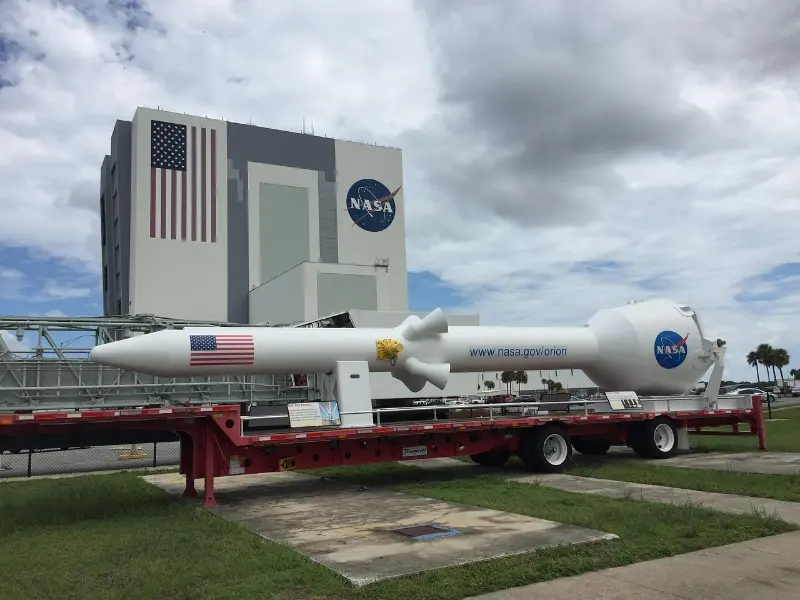
Kennedy Space Center Visitor Complex includes substantial indoor exhibits and is one of the rare places that can justify a full destination day even when the beach forecast is poor. Outdoor elements and bus operations can still be affected by severe weather, so check current conditions, but the scale of the indoor content makes the Space Coast less dependent on sunshine than many beach regions.
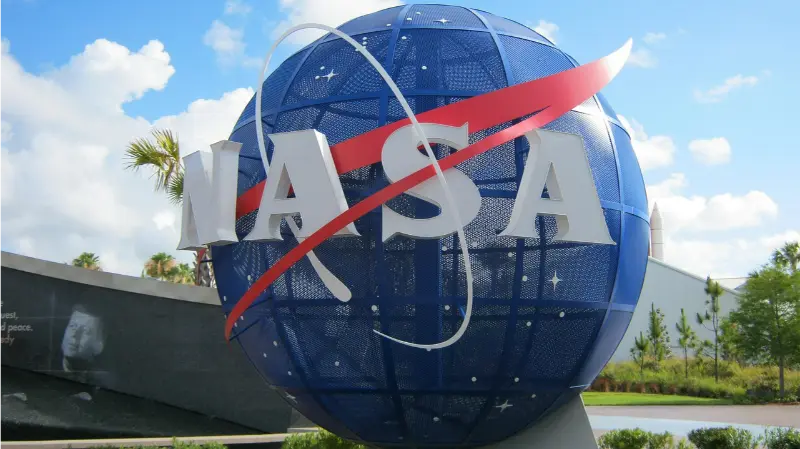
Pair the space center with a flexible Cocoa Beach plan rather than locking the day into multiple timed stops. If a launch is part of the trip, remember that launch schedules can change. Treat the launch as a bonus unless you have built enough flexibility to wait for a new attempt.
Tampa Bay, St. Petersburg and Sarasota: museums and cultural depth
Tampa Bay and Sarasota are particularly strong for visitors who enjoy art, history and marine life. St. Petersburg has major art institutions, Tampa has museums and an aquarium, and Sarasota adds The Ringling and other cultural venues. These are not consolation prizes for bad weather; they are among the reasons to visit the region.
A good Gulf Coast rainy-day plan keeps one district together. Museum, lunch and a nearby gallery or shopping street usually work better than driving from Tampa to Sarasota and back because the beach is wet. If conditions clear late, finish with a waterfront walk rather than forcing a full beach session.
St. Augustine, Jacksonville and North Florida: history indoors
Historic houses, museums, galleries and visitor centers make North Florida easier to enjoy during cold rain or summer storms. St. Augustine is especially useful because many indoor sites sit close together in the historic core. Jacksonville offers larger museums and cultural venues, while Tallahassee combines state history, science and museums.
Historic buildings may have stairs or narrow passages, so visitors who need step-free access should check the individual site. A compact historic district is also easier on a rainy day when the hotel is nearby; long suburban drives reduce the value of an otherwise good backup plan.
Aquariums, wildlife centers and marine science
Aquariums and indoor wildlife facilities can be strong choices for children, but not every animal attraction has the same conservation standards or amount of indoor space. Look for accredited institutions, clear educational programs and transparent animal-care practices. In coastal regions, smaller marine science centers can offer a meaningful two-hour visit without the cost or scale of a major aquarium.
Weather can also affect animal programs, outdoor touch areas or boat-linked experiences. Check the day’s schedule before purchasing add-ons. The best family backup is one that still feels worthwhile if some outdoor components are closed.
Shopping, food halls and entertainment districts
Shopping is an obvious indoor fallback in Orlando and South Florida, but it works best when the group actually wants it. Outlets can be crowded during storms because everyone has the same idea. A local market, food hall, bookstore or neighborhood shopping street may create a more relaxed afternoon than a giant mall.
For teenagers and mixed groups, indoor entertainment such as bowling, interactive games or cinemas can be useful after several museum-heavy days. I would keep these as flexible options rather than prebooking every hour. Sometimes the most restorative rainy-day plan is lunch, laundry and an early night.
How to read the forecast without cancelling the whole day
Florida forecasts often show a chance of rain or thunderstorms even when much of the day is usable. Look at hourly timing and radar, not only the weather icon. In warm months, outdoor mornings and indoor afternoons often work well. When lightning is present, follow safety guidance immediately; do not wait under a beach umbrella or open shelter for a storm to pass.
If the weather system is widespread and persistent, commit to the indoor day and enjoy it. Repeatedly driving between beaches in search of a dry patch can waste more time than the rain itself. Keep one strong indoor choice close to the hotel and treat sunshine later as a bonus.
Families, seniors and accessibility
Indoor attractions are especially valuable for families with small children, older travelers and anyone who needs climate-controlled breaks. Check seating, elevators, sensory accommodations, stroller rules and the walking distance from parking. A museum that looks small online can still require several hours of standing. For mixed-age groups, choose places with multiple layers of interest so one person can focus on art or history while another prefers interactive exhibits, animals or a café break.
Budget and booking
Indoor attractions range from free museums and historic buildings to major ticketed aquariums and entertainment complexes. Compare the total day cost, including parking and food, rather than admission alone. If bad weather is only a possibility, avoid locking every backup option into a nonrefundable ticket. City passes can help only when you would genuinely visit enough included attractions; otherwise one carefully chosen museum and a good meal may cost less and feel less rushed.
How to build a realistic day
Choose one substantial indoor attraction, not four. Pair it with lunch and one flexible stop nearby. If the weather improves, add a short outdoor walk rather than crossing the city for a second reservation. When storms are moving through, keep the route compact so you are not driving repeatedly in heavy rain. A hotel pool, café or movie can be a legitimate part of the day when everyone is tired.
Common mistakes to avoid
- Driving across a metro area just because an attraction is indoors.
- Buying multiple nonrefundable backup tickets before seeing the forecast.
- Treating every rainy forecast as an all-day washout.
- Forgetting parking, timed-entry and security requirements.
- Choosing only child-focused venues in a multigenerational group.
- Assuming indoor means low walking or guaranteed seating.
Related Wonderful Florida guides
Best museums in Florida, Florida botanical gardens, Florida with kids, Florida shopping guide, Florida weather guide.
Official resources to check
Rules, schedules, access arrangements, fees and weather-related operations can change. If a detail is essential to the trip, confirm it with the responsible public agency, attraction, venue or operator shortly before travel rather than relying on an old screenshot or third-party summary.
Final planning advice
The strongest Florida trips balance ambition with flexibility. Choose the experiences that genuinely matter, keep each day geographically sensible and leave room for weather, traffic and energy to change. A little breathing space usually produces a better vacation than a schedule that depends on everything running perfectly.