

For children ages three to five, a Florida vacation succeeds when the day includes something exciting and enough unhurried time to enjoy it. A wide beach, a gentle nature walk or a close-up look at an old fort can leave a stronger impression than an ambitious schedule of tickets and driving. Northeast Florida’s First Coast is particularly good for that kind of holiday: Amelia Island offers a compact beach town, while the Jacksonville area provides a zoo, riverfront parks and indoor choices for poor weather.
This six-day plan uses two bases or one base with manageable day trips. It is designed for adults who want an enjoyable vacation of their own, while keeping preschoolers’ naps, attention spans and limited tolerance for heat in mind. It doesn’t promise that every attraction is stroller-accessible in every section, and it doesn’t require children to behave like miniature adults.
Decide whether to stay on Amelia Island or near Jacksonville
Amelia Island is a good base for a beach-focused family. Fernandina Beach has historic streets, cafés and a setting that invites short walks. A rental with a practical kitchen and a quick route to the sand can save time on breakfast and snacks. If the trip includes a stroller, inspect the route from accommodation to the beach: sandy access points, stairs and long boardwalks are not all equally convenient. Staying close to the beach may cost more, but with a child who needs afternoon rest it can make the entire holiday feel easier.
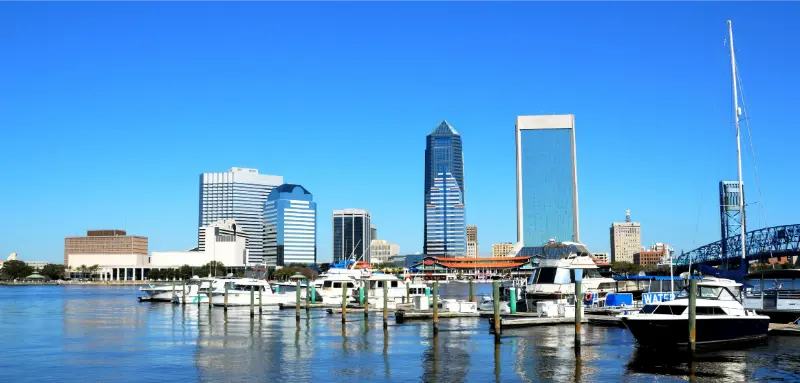
Jacksonville offers more varied lodging and usually puts indoor activities and the zoo within easier reach. The city spreads over a large area, so selecting a hotel based on the word “Jacksonville” alone can mean long daily drives. Families who want both beach and museums should compare Jacksonville Beach, Southbank, Riverside and the northern parts of the city according to their intended outings. One base for all six nights works if you do not mind driving, but switching once between Amelia Island and Jacksonville can reduce backtracking.
A rental car generally makes this itinerary simpler. Confirm the child restraint you need and inspect it before leaving the airport. Parents arriving late should consider collecting the car, buying basic food and doing nothing more elaborate that evening. Small children rarely benefit from an impressive first-night plan after a long flight.
Day one: arrive and learn the neighborhood
After arrival, give the child a familiar routine. Find a grocery store, a shaded place to eat and the nearest place to buy sunscreen or forgotten supplies. A short walk around Fernandina Beach’s historic district or a peaceful neighborhood near your Jacksonville hotel is enough. The day’s highlight may simply be ice cream and the promise of the beach tomorrow. Reserve any serious sightseeing for a morning when everyone has slept.
If your family has arrived from another time zone, avoid insisting on a tightly timed restaurant meal. A casual place with outdoor seating can make a stop less stressful, provided temperatures are comfortable. Bring water, a sun hat and a lightweight layer for strong indoor air conditioning. Confirm that the hotel room or rental has genuinely usable curtains and a sleeping setup that keeps a small child away from balcony doors.
Day two: Amelia Island beach time, with an early finish
Begin at a public beach access point suited to your equipment and mobility needs. Atlantic beaches can have surf and currents; shallow-looking water is not automatically safe. Check flags and local advisories, stay within reach of children near the water and choose sand play over swimming if conditions are rough. A bucket, a small shovel and time to watch shorebirds can occupy a preschooler happily. Protect dune vegetation by using marked access paths.
Leave before the hottest part of the day, even if everyone wants “five more minutes.” A lunch and quiet afternoon at the property creates energy for another short outing at sunset. Adults who want a longer walk can take turns while the other adult remains with the resting child. Avoid designing the whole family schedule around one person’s tolerance for heat or distance.
In the evening, explore a small section of Fernandina Beach on foot and choose an early casual dinner. Rather than promising a particular restaurant before you know the child’s mood, identify two nearby options with accessible restrooms and food everyone can eat. Keeping this day simple sets up the rest of the trip.
Day three: Fort Clinch, where history becomes visible
Fort Clinch State Park combines an old coastal fort, maritime forest and beach scenery. Preschoolers often respond to visible objects such as cannons, thick walls and historic rooms more than to a long explanation of military history. Begin at the visitor information area, ask what programs are happening and select the parts of the fort your child can enjoy without climbing every stair. Adults can give the child a small mission: find the old doors, observe the brickwork or imagine how a meal might have been prepared.
Some fort areas are inherently difficult for people with mobility limitations because of historic construction. Florida State Parks lists accessible boardwalks and viewing platforms and notes that staff may provide assistance for selected lower-level fort areas. Check directly before visiting if step-free access is essential. Fort Clinch accessibility and visitor facilities.
The park’s natural setting makes it possible to end a museum visit with a picnic or a short boardwalk outing. If the weather is very hot, resist adding the beach afterward. Children may be delighted by the fort but completely finished by lunchtime. Carry snacks and water because reliable food at the exact spot you want should never be assumed.
Day four: Jacksonville Zoo and Gardens
A zoo day is not a competition to see every animal. Arrive early, choose four or five exhibits and plan a break while interest is still high. Jacksonville Zoo and Botanical Gardens offers animal habitats and garden landscapes; review the current map and any temporary closures before choosing a route. Online ticket booking can make entry simpler, and the zoo’s official visitor page provides current operating information: Jacksonville Zoo and Gardens.

Ask the child which animals they most want to see, then add one or two quieter stops that interest the adults. A stroller may still be useful for a four-year-old who usually walks at home: the distances can feel longer in humid weather. Use shaded paths and restrooms before anyone is desperate for them. If a particular exhibit is crowded, move on instead of keeping a child standing in a line for a glimpse.
Plan a low-effort afternoon. A hotel pool, subject to adult supervision and weather, may be more rewarding than an additional attraction. Children often process a busy day through play and repetition, so leave time for them to talk about what they noticed rather than rushing to another ticketed experience.
Day five: a riverfront or garden morning, not another big event
Jacksonville’s St. Johns River shapes the city, and a gentle visit to a riverfront park can show children a different landscape from the Atlantic beaches. Choose a well-maintained promenade or park with shade, drinking water and a straightforward parking plan. Watch boats pass, notice the changing color of the water and let the child move at their own pace. If the sun is harsh or rain is forecast, replace the walk with a short indoor museum or children’s activity appropriate to their age.
The Cummer Museum of Art and Gardens is an option for adults who enjoy art and landscaped gardens, but decide whether your child can manage an art museum respectfully. A short visit focused on two or three paintings and the gardens is preferable to dragging a bored preschooler through every gallery. Ask about family programming and current garden access. If you choose something else, the day is still complete: the family does not need to earn its vacation by visiting every landmark.
A relaxed dinner near your accommodation is a better finale than a long cross-city drive. If the child is still energetic, a small playground or a supervised game outdoors will likely be more memorable than another attraction.
Day six: one last favorite place and a gentle departure
Use the final morning to revisit what your child enjoyed most. That may mean a second short beach stop, a café breakfast or a park. Allow more time than expected to pack snacks, rinse sand from shoes, return rental equipment and organize the car seat. Wet bathing suits and beach toys can become an unpleasant surprise at the airport if packed hurriedly.
If the flight departs early, skip sightseeing. Children are usually more resilient about an uneventful final morning than about a stressful airport rush. Keep comfort items and spare clothing in the hand luggage, and calculate your departure based on the rental car return and the specific airport’s recommendations, not only the drive shown on a map.
Choose the season for comfort rather than just price
Spring and fall can be pleasant for outdoor visits, although weather varies from week to week. Summer brings heat, humidity, thunderstorms and beach conditions that can change quickly. A day planned around morning activities and an indoor afternoon works better than expecting a preschooler to be comfortable outside for six consecutive hours. Winter can be enjoyable for walking and sightseeing even when the Atlantic water feels too cool for a swim.
School vacations and holiday weekends affect prices and crowds. For a flexible family, choosing a midweek arrival and a less busy period can reduce both hotel cost and pressure at attractions. Compare the forecast for Jacksonville with your expectations: Northeast Florida does not have the same winter temperatures as Miami or the Keys. Pack layers and do not let promotional beach photographs determine the packing list.
Meals, equipment and realistic expenses
You don’t need to pack an entire nursery, but you do need a familiar set of essentials. Check whether your accommodation provides a crib or booster seat before relying on it. A small cooler for water and snacks, sunscreen that your child tolerates, and a change of clothes can make the difference between a manageable outing and an abrupt return to the hotel. Keep a weatherproof bag for wet clothes and a basic first-aid kit.
Budget for lodging, car rental and child seat, parking, admission, food, beach equipment and taxes. Many attractions charge different rates by age and may require advance online purchases. Don’t rely on a random older price quoted on a blog. An excellent family day can be inexpensive, especially when it’s spent at a local park or beach; a zoo day and a fort visit may be the two main admission expenses worth prioritizing.
Safety and access questions parents should settle
At any Florida beach, review current surf conditions and lifeguard information where available. Do not leave toddlers or preschoolers unattended near water, even when they wear flotation devices. Natural areas may have insects and uneven trails; use clear paths, keep children close and never invite them to feed wild animals. If a thunderstorm approaches, leave exposed beaches and piers rather than trying to watch it from the shoreline.
For children with sensory needs, ask the zoo and museums about quiet spaces, special programming and less crowded arrival times. A child who dislikes loud sounds may enjoy the forest or garden more than a busy exhibit. For families using wheelchairs or other mobility aids, contact each attraction for current routes and facilities; historic fort spaces and beach surfaces need special attention.
What makes this trip work
The First Coast gives families variety without demanding a theme park vacation. One day focuses on sand, another on historic walls, another on animals, and the remaining days protect the breathing room that preschoolers need. If you reduce the schedule when the weather or mood calls for it, you haven’t wasted the trip. You have built a vacation that lets children enjoy Florida while leaving adults enough energy to enjoy it too.
Frequently asked questions
Is the First Coast a good choice for a three-year-old?
Yes, if the daily plan remains flexible. A morning on a beach with easy restroom access, one short fort visit and a zoo day can be enough variety. Choose accommodation close to your main base so that naps, snacks and unexpected changes do not require long drives.
Should we include both Amelia Island and Jacksonville every day?
No. Most families will enjoy the trip more by concentrating on Amelia Island for beach and small-town days, then making one or two purposeful excursions to Jacksonville. The time saved in the car is especially useful for children who still rest after lunch.
Can preschoolers visit Fort Clinch?
Families can enjoy park scenery and selected historic features, but some fort areas have stairs, uneven surfaces and limits for strollers. The state park lists accessible boardwalks and offers equipment for some visitors with mobility needs; contact staff before committing to a particular route.