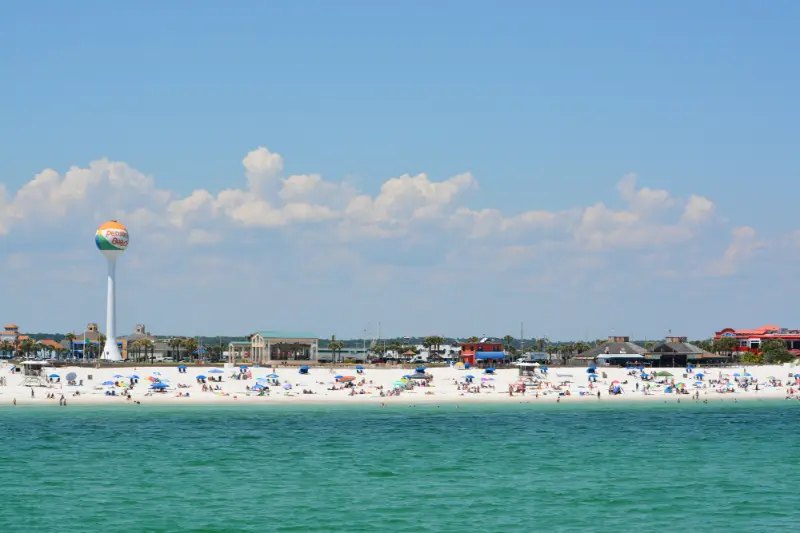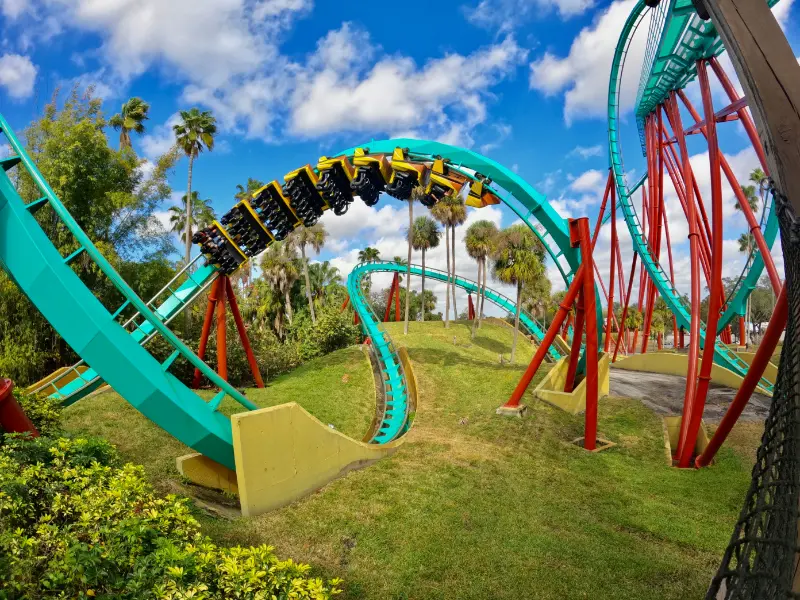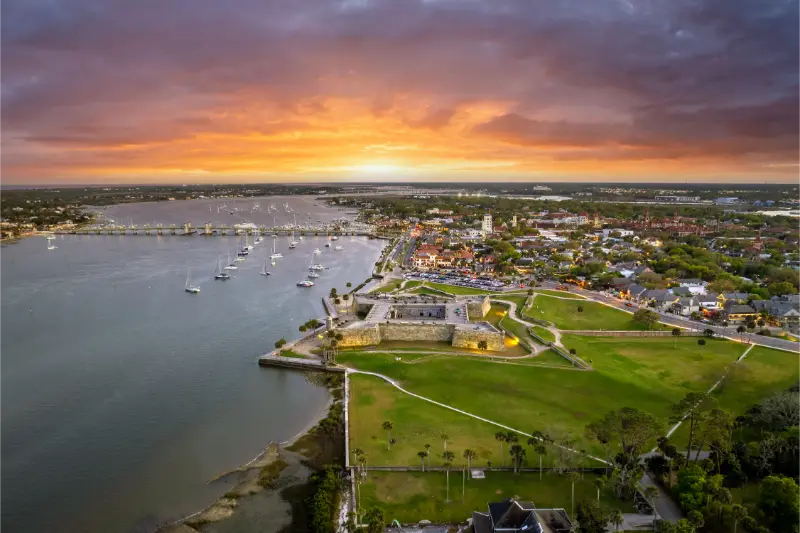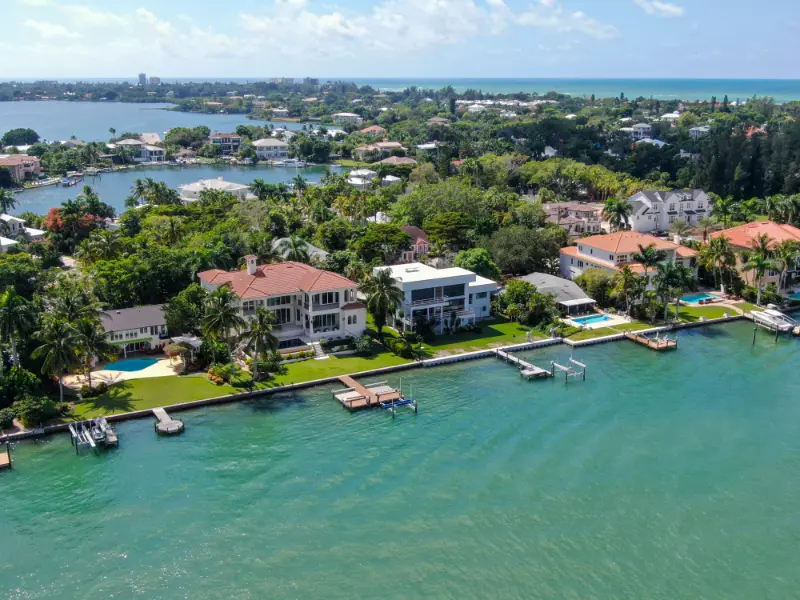
Category: Florida with Kids

  • Disney World Rider Switch and Height Requirements: A Family Guide by Age

    Disney World Rider Switch and Height Requirements: A Family Guide by Age

    A Walt Disney World holiday with a baby, preschooler, school-age child and thrill-loving teenager can be wonderful without forcing everyone onto every attraction. The key is to understand height restrictions, sensory intensity, queue choices and Disney’s Rider Switch system. Rider Switch allows adults to alternate who rides and who supervises a non-riding guest in qualifying situations. It is not a loophole to bring an undersized child onto a ride and it is not the same as a paid Lightning Lane pass. Planning a few shared experiences around each group’s comfort is often more effective than trying to complete every major ride in one day.

    At-a-glance comparison

    GroupPlanning priorityPractical approach
    BabyFeeding and sleepGentle experiences and breaks
    PreschoolerHeight and sensory comfortFavorite low-intensity attractions
    School-ageChoice and confidenceMeasure height and explain rides
    TeenagerThrills and independenceClear meeting and phone plan
    Older adultEnergy and mobilityVoluntary rest and accessible routes

    Height restrictions are safety rules, not suggestions

    Disney attractions vary considerably. Some do not have a minimum height, while others have specific height, restraint and boarding requirements. The relevant height is the child’s measured standing height at the attraction, not a number a parent estimates from a passport or health record. A child who meets the height minimum may still be frightened by darkness, movement or sound. Check official ride descriptions for warnings and consider personal comfort before promising the experience.

    Do not use thick shoes, lifts or other tricks to make a child seem taller. Staff may measure at the ride entrance, and safety restrictions still apply even if a ticket, Lightning Lane reservation or dining schedule has been purchased. Measuring at home is useful, but allow some margin and avoid telling a child that a borderline measurement guarantees admission. Explain that choosing a different attraction is normal, not a punishment or a sign of being too young to enjoy the park.

    Rider Switch: the basic process

    At eligible attractions, bring the group to the entrance and tell the Cast Member you wish to use Rider Switch. Staff will explain the current procedure and divide the group into the first riding party and those who wait outside the queue with the non-riding guest. After the first group rides, the waiting rider or riders return according to the instructions provided and board through the designated process rather than repeating the standard line. Disney currently describes a maximum of two guests in the returning group for the service.

    The service can apply when someone cannot meet boarding requirements or cannot be left alone, with additional qualifying circumstances explained in Disney’s official rules. Do not assume it is available in exactly the same way at every attraction. Cast Members may need to scan tickets or linked admission media, and the location where the second group waits or returns can differ. Ask before anybody enters the queue to avoid misunderstandings later.

    A real-world example with two parents and two children

    Imagine a group with a seven-year-old who can ride a thrill attraction, a three-year-old who cannot, and two adults who would both like to participate. One adult can ride with the older child while the second adult stays with the preschooler. After the first riders return, the second adult follows the Rider Switch instructions, with any permitted companion. In some cases the older child may be able to ride again as the companion for the returning adult, but the current group limit and Cast Member directions govern the process.

    The waiting adult and younger child should have a pleasant nearby activity in mind: a short character encounter, a snack, a quiet seating area or a gentle attraction. Do not leave a child alone by a ride entrance while adults take turns. Families should also avoid planning back-to-back adult thrill rides if this means the same child spends the entire morning waiting and watching everyone else have fun.

    What babies can enjoy at Disney World

    A baby does not need to experience fast rides to be part of the holiday. Disney’s parks feature gentle attractions, colorful spaces, indoor shows and opportunities for family photographs. Choose a few calm environments with predictable duration and easy stroller storage. Some attractions have no stated minimum height but may still feature darkness, music, motion or special effects. Check the details instead of assuming that ‘no height restriction’ means appropriate for every infant.

    Disney World Roadside Welcome Sign

    Allow time for feeding, naps and diaper changes in a comfortable place. Baby Care Centers can provide useful support, but their location may require a walk from a particular land. A baby who has become tired or overheated may benefit most from leaving the park rather than squeezing in an attraction after a long queue. Parents should feel free to build the day around the child’s routine, especially during Florida summer heat.

    Preschoolers: favorite themes matter more than ride counts

    Preschoolers may enjoy a carousel, a gentle boat journey or a favorite character far more than an expensive headline ride. Many children in this age group prefer repetition: riding a gentle favorite twice may create a better memory than constantly moving to unfamiliar experiences. Read the official sensory and attraction descriptions and allow a child to decline an experience that looks intimidating. Being tall enough to ride is only one part of readiness.

    If your family plans a thrill-heavy day, reserve at least one section of time specifically for the preschooler. A shaded playground, interactive exhibit or quiet show can make the day feel inclusive. Bring snacks and comfortable clothing, and know where to find nearby restrooms. For families with several young children, assign clear supervision responsibilities before adults use Rider Switch.

    School-age children: independence within safe boundaries

    School-age children often become interested in thrill attractions but vary widely in confidence. Show them the ride description, let them ask questions and avoid pressure from older siblings. Check the minimum height and any requirement for a supervising companion. A child’s ability to board an attraction without a parent may be governed by park rules in addition to physical size. Encourage them to talk with staff if something feels wrong before boarding rather than staying silent.

    When Rider Switch allows a second adult to experience a ride, coordinate the process so children know who will be waiting with them and where. Have a plan for the possibility that an attraction closes while the group is divided. The objective is a relaxed family visit, not using each child as a reason to maximize the number of adult rides.

    Teenagers: a different kind of planning

    Teenagers may want the park’s most intense attractions, while younger siblings require more relaxed activities. Begin by allowing each family member to choose one meaningful priority. Adults can then decide where to tour together and where a short split is reasonable. Establish meeting points, charged phones and agreed rules about movement around the park. Do not assume a teenager’s comfort with technology means they understand the parks’ distances or the limits of their admission.

    A paid Lightning Lane option may reduce waiting for a particular rider, but it is not necessary to buy the same pass for someone who cannot or will not ride. The family budget should reflect actual participation. Give teenagers room to enjoy a major attraction while protecting family time for shared meals, shows and photos. A day that includes everybody does not have to mean identical activities for everybody.

    Adult family members who cannot ride

    Rider Switch is not exclusively about small children. Disney’s official rules describe situations involving guests who cannot experience a queue independently, and the policy may be relevant to some groups traveling with a non-rider. The exact eligibility and procedure should be checked with Disney rather than assumed. A traveler with a disability may instead need a specific accessibility service, accessible queue or suitable ride-transfer arrangement. Do not confuse Rider Switch with Disability Access Service; they are separate programs.

    Fireworks over Cinderella Castle at Disney World

    For older adults, riding a gentle attraction may be preferable to waiting outside a thrill ride, but the decision should be theirs. Some prefer shopping or sitting in a shaded courtyard for twenty minutes. Others want to accompany younger relatives through a queue even without riding. Staff can explain what is possible at the specific attraction. Nobody should feel that their age or mobility makes them an inconvenience to the party.

    Managing Rider Switch with Lightning Lane

    Lightning Lane Multi Pass, Single Pass and Premier Pass are separate paid products with their own eligibility rules. Rider Switch does not automatically provide a paid pass to other members of the family or waive ticket requirements. If some riders have Lightning Lane reservations, speak with the Cast Member before entering to understand how the arrangements interact for your exact party. Do not assume that an online trick described years ago reflects current policy.

    Choose paid selections only for guests who actually intend to ride. For a family with a baby, buying several adult ride reservations can still make sense if the attractions are important, but build enough time for supervision changes. A tightly stacked sequence of return windows may be incompatible with a toddler’s unpredictable needs. Refund and rescheduling rules vary, so avoid risky purchases that rely on a perfectly timed child handoff.

    Four parks, four slightly different rhythms

    Magic Kingdom offers numerous classic attractions suited to a wide range of ages, making it relatively easy to combine gentle experiences with selected thrill rides. EPCOT provides a blend of attractions, exhibitions, food and leisurely walking, so an adult and baby can often enjoy a calmer alternative nearby. Hollywood Studios has several major thrill and story-based attractions that draw families with older children, making supervision logistics especially important. Animal Kingdom combines rides with wildlife trails and live performances that may suit guests who prefer breaks from queues.

    These are broad planning differences, not ride lists or promises about current operations. The attraction mix can change and a new show or refurbishment can alter your route. Always check the live park map and Rider Switch list. Choose a family-friendly meeting area near the ride but away from vehicle traffic and busy entrance bottlenecks.

    A sample day for a multigenerational family

    Begin with a gentle shared attraction and an easy breakfast, then let the thrill-seekers use one planned Rider Switch experience. While they rotate, younger or older family members can enjoy a nearby calm activity without feeling they are wasting time. Rejoin for a family-friendly show and an air-conditioned lunch. In the afternoon, choose between a second priority ride and a hotel break according to everyone’s energy. End with something the whole group enjoys, whether a short stroll, a character photo or an evening performance.

    Leave buffers between activities, especially when a child is below several ride height limits. A grandparent’s preference for a shorter day should be as respected as a teenager’s desire for a coaster. The best schedule is flexible enough for unexpected rainfall or a closed attraction without treating those changes as a ruined holiday.

    FAQ: does my baby need to join the ride queue?

    Ask the Cast Member at the attraction entrance. With Rider Switch, Disney describes the waiting party as remaining outside the queue while the first party rides. The precise waiting and return arrangements are given onsite.

    FAQ: may an older child ride twice using Rider Switch?

    Disney’s current procedure can allow a permitted companion to accompany the returning adult, subject to its maximum group size and the attraction rules. Confirm with staff before assuming any particular guest will ride twice.

    FAQ: is Rider Switch a paid service?

    Disney describes Rider Switch as a guest service, separate from purchasing Lightning Lane passes. It does not replace the park ticket or waive minimum height and safety rules.

    Current rules and safety note

    Read Disney’s Rider Switch explanation and participating-attraction list at https://disneyworld.disney.go.com/guest-services/rider-switch/ . Recheck height, boarding, accessibility and queue rules shortly before the trip. The correct choice is always the one that protects safety while giving each family member an enjoyable day.

    For additional official details, consult Disney preschool attraction planning.

  • Easy Bike Trails Near Orlando: Four Family Days on the West Orange, Cady Way and Seminole Trails

    Easy Bike Trails Near Orlando: Four Family Days on the West Orange, Cady Way and Seminole Trails

    You do not need to be a racing cyclist to enjoy Central Florida by bicycle. Just west and north of Orlando, former railroad corridors and paved multiuse routes offer opportunities for short family rides, cafe stops and gentle exercise. The important word is ‘short.’ A trail described as twenty miles long does not mean that a visitor with a seven-year-old must ride all twenty miles. Choosing a comfortable section with a nearby trailhead, shade and a clear turnaround point is what makes the outing appealing.

    This four-day plan focuses on the West Orange Trail around Winter Garden, the Cady Way corridor and a portion of the Cross Seminole Trail. It also allows a rest or indoor day. Trail surfaces, crossing conditions and rental availability can change, and even paved paths include road intersections. Check the local county maps and current notices; a protected multiuse trail is safer than riding in traffic, but it does not remove the need for supervision, helmets and awareness of other users.

    Base your trip near Winter Garden or northeast Orlando

    Winter Garden is a pleasant base for visitors most interested in the West Orange Trail, with opportunities to combine a ride with lunch and a downtown stroll. It is not the most convenient base for every Cady Way or Seminole segment, so a traveler intending to cycle all three areas may prefer a hotel with straightforward access to major roads. Compare parking, transport of bicycles and secure storage before booking. A rental-bike business may not allow equipment to be transported in an ordinary car, and bikes do not magically fit in every vehicle trunk.

    For children, it can be better to select one rental location and repeat a favorite section instead of making long daily transfers. Adults who already own folding bicycles or rent an appropriate vehicle can be more flexible. Avoid choosing accommodation solely because a listing says ‘near the trail’ without checking the exact access point. A busy highway may separate the building from the paved path.

    Orlando Night Show with Colorful Fireworks

    Day one: learn the West Orange Trail in Winter Garden

    The West Orange Trail is a well-known paved corridor west of Orlando, popular with walkers, runners and cyclists. Start near historic downtown Winter Garden, where food and rest opportunities can make a first outing easy. Rent properly sized bikes from a reputable provider and review the route with staff. Decide on a simple out-and-back distance that the least experienced rider can enjoy, and plan to return before the afternoon heat becomes oppressive.

    Cyclists share space with pedestrians and faster riders. Keep to the appropriate side, pass only when safe, announce your presence courteously and slow down near intersections. Children must understand that a trail crossing is still a place where cars may appear. A rail-trail can pass through neighborhoods and road junctions, so do not promise parents a completely car-free experience. The first morning should establish confidence rather than create exhaustion.

    What makes a good family ride

    A successful ride includes a turnaround point before everyone is tired. With young children, begin with a short distance, allow frequent water breaks and turn back while spirits are high. Parents riding with trailers should ask about the operator’s rental policies and confirm that the trailer can safely be used on the chosen path. A child who cannot yet control a bicycle should not be pushed into riding in crowded areas simply because older siblings want to cover more ground.

    Pack a lightweight helmet that fits correctly, sun protection, water, a small repair kit if you are responsible for your equipment and a phone with offline directions. Ask the rental shop what to do in case of a flat tire or mechanical problem; roadside pickup may not be included. If somebody has a mobility limitation, research appropriate adaptive cycles or e-bike rules rather than assuming ordinary rentals will work for everyone.

    Day two: choose a shorter Cady Way section

    The Cady Way Trail links communities around Winter Park and the eastern Orlando area. It offers a different urban setting from the West Orange corridor, with local streets, parks and connections to other trails. Review the Orange County trails information for a current map and locate a parking or drop-off point that avoids riding along busy roads just to reach the pathway. Choose a quiet section and treat any intersection as a fresh safety decision.

    Orlando Florida Giant Welcome Sign

    For a family, the most pleasant approach is to ride for a limited period and then stop for an indoor museum, cafe or park break nearby. Winter Park’s cultural attractions provide useful noncycling options, though they may require separate transport. Do not schedule an outdoor boat excursion automatically after a strenuous ride; choose something comfortable for the weather and your energy. If a thunderstorm is building, shorten the route and return to a substantial building before lightning becomes a hazard.

    Learn how to cross streets safely

    Even separated bike paths may cross several roads. Adults should demonstrate how to slow down, look in both directions and obey signs or signals. Children should not assume that approaching vehicles will stop just because a marked crossing exists. Drivers may be distracted, and turns across a trail can create conflict. If the crossing feels too busy for your group, dismount and walk through the designated pedestrian route where permitted.

    Keep the group together at crossings but leave enough space to prevent collisions. Faster teenagers can ride ahead only if agreed stopping points and supervision arrangements are clear. Avoid earbuds or other distractions that block awareness of bells, warning calls or traffic. A quiet, scenic ride should remain enjoyable for walkers and wheelchair users sharing the trail, not just for cyclists.

    Day three: the Cross Seminole Trail and nearby nature

    The Cross Seminole Trail connects the Cady Way area with communities farther north, ultimately linking toward the Seminole Wekiva Trail. The official county information describes designated trailheads with restrooms and amenities at several locations. Pick one that fits your group’s needs rather than attempting a through-ride requiring complex vehicle shuttles. Big Tree Park or other trailhead parks can provide useful resting or picnic opportunities, depending on current access.

    Ride a manageable section and stop to notice the difference between urban corridors and patches of natural habitat. You may see birds, butterflies or wetland vegetation from the trail, but wildlife sightings cannot be guaranteed. Do not ride off the designated path into sensitive areas. In shaded sections, wet leaves and debris can make corners slippery after rain. In exposed sections, heat can rise quickly despite a breeze while cycling.

    Day four: repeat a favorite or take a full rest day

    Families often enjoy a second ride on a known route more than a fourth new destination. Return to whichever trail felt safest and most interesting, perhaps choosing a different turnaround cafe or a shorter distance. If the weather or legs do not cooperate, visit a museum, library or neighborhood park instead. Exercise is part of the vacation, not a test of endurance. A tired group is more likely to make navigation and road-crossing mistakes.

    Travelers with an early flight should skip a morning ride that requires rental returns and a shower before checkout. Keep departure day simple. If you are transporting bicycles, double-check racks, locks and equipment counts before driving away. A rental company may charge for missing locks or accessories even if the bicycle itself is returned on time.

    Four-day family cycling schedule

    Day Main area Best approach Practical break
    1 Winter Garden and West Orange Trail Easy out-and-back ride Downtown lunch and shade
    2 Cady Way Trail Short urban trail section Winter Park cultural stop
    3 Cross Seminole Trail Start at an established trailhead Park, restroom and picnic
    4 Favorite route or rest Repeat rather than increase distance Museum or departure preparation

    This itinerary is meant to be adjusted. Someone who cycles regularly might travel farther, but the group should use the abilities of its least confident participant when planning a shared outing. Consider dividing into two supervised groups only if suitable adults, maps and return arrangements are in place.

    Which bike should you rent?

    A comfortable hybrid bicycle is appropriate for many paved paths, but frame size, brakes and saddle comfort matter more than appearance. A child needs a genuinely child-sized bike, not an adult bike with the seat dropped. Check helmet provision, spare tires, locks and roadside support. E-bikes may be available, but their legality and operating rules vary by trail and vehicle classification; consult the managing agency’s current policies. Do not assume all trails permit every motorized device.

    If you have not cycled recently, try a bike for several minutes near the rental shop before committing to a long route. A traveler with joint discomfort may prefer an upright frame or an adaptive cycle where available. A trailer, child seat or tag-along attachment should be fitted by staff who know the equipment. Never improvise a passenger arrangement that the manufacturer prohibits.

    Heat, thunderstorms and wildlife along paved trails

    Cycling produces heat even when the air feels pleasant. Begin early during warmer months, carry more water than a casual cafe walk would require and pause under shade. Use sunscreen and breathable clothing, and choose shoes that can control the pedals securely. A child riding at a slower pace may spend longer in direct sun than an adult expects. If anyone becomes dizzy or unusually weak, stop activity and seek appropriate help rather than trying to finish a chosen distance.

    Thunderstorms are serious on long exposed routes. Do not use an isolated picnic shelter or a tree as lightning protection. Reach a substantial building or enclosed vehicle when storms threaten. Florida wildlife, including snakes and potentially alligators near waterways, should be given space. Stay on marked trails and never feed animals. Cycling is a chance to observe Florida calmly, not to approach wildlife for close-up photographs.

    Parking, transport and costs

    Your spending will depend on rental duration, vehicle transport, accommodation, food and any optional attractions. Ask rental shops whether helmets, locks, child attachments and taxes are included. A whole-day rate might be better value than several hours only if the group will actually use the bicycle long enough. Some trailheads have free parking while others may have restrictions, event closures or time limits. Verify the precise trailhead rather than leaving the car at an unrelated business.

    If you are staying without a vehicle, select lodging within safe walking distance of a trail and rental shop. Crossing a highway with a family and rented bikes may not be feasible. Rideshare vehicles are not guaranteed to accommodate bicycles, especially bulky child equipment. A concentrated Winter Garden trip can therefore work better than traveling between multiple trail systems.

    Accessible cycling and mixed-ability groups

    People with balance concerns or physical disabilities may benefit from a properly fitted adaptive cycle, but availability is not uniform. Contact specialist providers well in advance and ask whether the trail has appropriate widths, gradients and crossing arrangements. Do not assume that a paved trail is equally usable in every section; curb transitions, road crossings, construction and surface irregularities can create challenges. Wheelchair users sharing the path need predictable passing behavior from cyclists.

    A mixed-ability group can choose a scenic stopping point accessible by car, letting some members ride while others enjoy a picnic or short walk. Plan clear regrouping locations and respect everyone’s independence. A four-day cycling holiday is successful when people feel safe and included, even if some only ride on one of the days.

    Frequently asked questions

    Do children need to ride the entire West Orange Trail?

    No. An out-and-back section near Winter Garden is usually more appropriate for first-time family cyclists than attempting the full trail.

    Are the routes completely separated from cars?

    No. Paved trails may cross roads and connect through streets or intersections. Follow posted signals and inspect the selected segment on official maps.

    Should we rent e-bikes for children?

    Not without confirming age rules, appropriate equipment, rider ability and the trail agency’s current e-bike policy. Ordinary fitted bicycles may be the safer choice.

    Official trail maps

    Check Orange County Parks and Trails and Seminole County’s Cross Seminole Trail page for maps, trailheads and closures.

  • Pensacola and Navarre With Young Kids: A Five-Day Florida Panhandle Beach Vacation

    Pensacola and Navarre With Young Kids: A Five-Day Florida Panhandle Beach Vacation

    The western Florida Panhandle can make a rewarding family vacation without the long transfers and intense schedules often associated with bigger resorts. Pensacola brings a historic downtown and sheltered places for short cultural outings; Pensacola Beach and nearby barrier-island areas provide sand and coastal views; Navarre offers another relaxed base east of the city. This five-day trip is intended for families with preschoolers and elementary-age children, but the slower pace also suits grandparents and adults who prefer beach mornings and comfortable afternoons.

    Traveling with young children means planning around shade, safe water access and predictable meals rather than collecting attractions. Even a beautiful beach can become miserable if parking is distant, restrooms are unavailable or wind makes the surf unsuitable. Choose one base, carry supplies for the day and make every afternoon flexible. A two-hour beach visit that ends happily is better than a whole day that exhausts everybody before dinner.

    Five-day family plan

    Day Main area Anchor activity Rain or heat backup
    1 Pensacola Arrive and explore a short downtown block Hotel rest and early dinner
    2 Pensacola Beach Morning sand and supervised water play Indoor family activity after lunch
    3 Fort Pickens area Fort history and a brief beach stop Visitor exhibits or local museum
    4 Navarre Beach Easy beach morning and family picnic Lunch and coastal driving only
    5 Departure Breakfast and airport transfer No distant attraction scheduled

    For many families, one accommodation in Pensacola or Pensacola Beach is enough. Changing hotels halfway through the week costs time and introduces stress with diapers, toys and sleep schedules. If you choose a mainland hotel, you may save on the room but drive to the beach more often. If you choose an island hotel, you may gain easy beach access while paying more for parking and meals. Compare the true cost and the comfort of the daily routine.

    Day 1: treat arrival as a real day, not a sightseeing obligation

    After collecting luggage and any rental car, check that the correct child seats are installed and each child is properly restrained. Confirm the hotel check-in policy before reaching town; a room may not be available immediately even when a flight lands early. Keep a small bag with snacks, water, spare clothing and the children’s comfort items. If everyone has energy, walk a short part of downtown Pensacola, choose an outdoor seating area and enjoy dinner. Otherwise, head directly to the hotel pool area or room.

    If you do explore downtown, choose a single park, promenade or historical streetscape rather than dragging tired children through several museums. Look at where the public bathrooms are located. A stroller can be valuable even for a child who usually prefers walking, especially when sidewalks are warm and the family has already spent hours traveling. Early sleep on the first night often determines how enjoyable the rest of the week will be.

    Day 2: Pensacola Beach without the all-day commitment

    Arrive early enough to find a suitable public parking area and settle before the strongest midday sun. Bring broad shade, hats, water, appropriate sunscreen and footwear for hot surfaces. Beach conditions change with wind, storms and rip currents, so read posted flags and follow lifeguard instructions where available. Keep an adult assigned to watch children around water at all times; toys and inflatable rings do not replace supervision. Preschoolers may have more fun carrying a bucket along the sand than being encouraged into deep water.

    Choose a beach access point based on bathrooms and the route from parking, not merely the most attractive online photo. If a child becomes overwhelmed by sand, noise or wind, a walk to a nearby restaurant and a return to the hotel is a sensible change. During summer, build a long midday break into the plan. You might return to the beach later for a short sunset walk if conditions are appropriate, but avoid leaving children overtired simply to photograph the sky.

    Pensacola Florida Waterfront City Sunset Aerial

    Day 3: Fort Pickens, coastal history and easy learning

    The Fort Pickens area of Gulf Islands National Seashore adds history to a beach vacation. It includes historic structures, interpretive opportunities and access to the barrier-island landscape. The National Park Service lists distinct parking and beach locations, which makes this a better-planned outing than a random drive along the shore. Check entrance rules, current hours and any access notices before leaving. The fort contains uneven surfaces and places that may be challenging with a stroller or for someone who avoids stairs, so decide in advance whether your family will concentrate on exterior views or explore more deeply.

    Give children an age-appropriate story: a fort is an old place built to protect a coast, and the landscape around it has changed over time. Keep museum-style explanations short for young kids. The National Park Service provides junior ranger opportunities at many sites; ask what is available for the age of your children. Later, choose a nearby beach area with appropriate facilities if the weather is good. The park notes that Langdon Beach has seasonal lifeguard service and beach-access accommodations; confirm the dates and current services before relying on them.

    Day 4: Navarre Beach for a quieter family rhythm

    Drive east toward Navarre only if the family is ready for a different stretch of coastline. It is not necessary to visit every beach between Pensacola and Destin in five days. Select a convenient Navarre Beach access with parking and restrooms, then enjoy a gentle morning. Children who like animals may enjoy watching shorebirds from a respectful distance or spotting fish from an appropriate public viewpoint. Do not pursue nesting birds or collect living marine creatures simply to make the day more exciting.

    Pack a picnic when food options near your chosen access are uncertain. Use a cooler for perishables and dispose of waste properly. If the forecast calls for storms, shorten the drive and choose an indoor alternative closer to the hotel. Navarre is a lovely setting for a slower coastal day, but it is not an argument for keeping children outside during lightning or strong winds. Return by midafternoon, allow time for rest and consider dinner in a familiar restaurant rather than searching for a new place late at night.

    The naval aviation museum: a great option with important access rules

    The National Naval Aviation Museum can be fascinating for older children and adults who enjoy aircraft and flight history. However, it is located on Naval Air Station Pensacola, so access is not identical to visiting an ordinary downtown museum. Current visitor rules require appropriate identification for adults, and foreign nationals may need an authorized U.S. citizen escort. Check the official museum and base access information directly for your nationality, documents and travel day before promising children this outing.

    Because access and security arrangements can change, do not treat an old blog statement about “free entry” as a complete visit plan. Review opening times, allowed bags, vehicle arrangements and whether the museum experience suits a restless preschooler. If admission to the base is not practical, select another local cultural activity and keep the afternoon comfortable. An attraction is never worth risking a missed beach day or dragging tired children to a gate they cannot enter.

    Where to stay with babies and school-age children

    A family-friendly hotel is more than a property with a swimming pool. Ask whether the room has a refrigerator, whether a crib is available, how many people may stay, how far the parking is from the entrance and whether breakfast starts early. If a toddler naps in the afternoon, a quiet room matters. A kitchen unit can help with simple meals, but confirm the actual appliances before planning a week’s groceries. Many family vacation rentals have stairs, raised decks or pools that require close safety checks.

    Pensacola Beach lodging can reduce travel time for daily sand visits, while mainland Pensacola offers a wider range of practical services and restaurants. Navarre may suit families who want most days centered around a beach and do not plan frequent trips into the city. A hotel with an elevator, easy room access and a shaded common area can be especially helpful when grandparents travel with children. Do not assume that “oceanfront” guarantees a safe or short walk to a supervised swimming area.

    Pensacola Beach Florida White Sand and Coastal Houses

    Water safety: the plan every adult should know

    Before entering water, check current rip-current information, flags, weather and posted advice. Identify who is supervising each child and agree on a meeting point if anyone becomes separated. Do not let an older sibling serve as the only supervisor of a younger child. Even in shallow water, a sudden wave or change in footing can cause trouble. If a lifeguard is present, position the family in the recommended area and follow instructions. If no lifeguard is present, be especially conservative.

    Avoid swimming near piers, docks or prohibited areas. Do not run into the water when thunder is audible, and never shelter from lightning under an open umbrella on the beach. A beach day can still be meaningful without swimming: shell observation without disturbing live creatures, building in the sand, birdwatching and a picnic may be enough. Respect sea turtle nesting restrictions, dunes and local beach rules, especially during evening walks.

    Cost planning that works for a five-day trip

    Price your hotel or rental for four nights if arriving on day one and leaving on day five. Add car rental, parking, fuel, dining, groceries, park entry and at least one rainy-day activity. Beaches are often the primary attraction, which can keep ticket costs modest, but parking and convenient beach access may still carry fees. Check the actual final room rate including taxes and any destination charges; a low advertised price may conceal an expensive daily parking arrangement.

    If you have several children, pack familiar snacks and buy grocery basics near the hotel rather than paying for every meal on the beach. Consider one restaurant dinner as a treat and simpler meals the rest of the time. Avoid booking nonrefundable water activities before reviewing forecasts and minimum ages. A tour that seems economical per person may not be suitable for a child who cannot tolerate a long, exposed boat ride. Spending less on activities can improve the vacation if it frees time for comfortable rest.

    Transport and timing

    A car is generally the easiest way to connect Pensacola, Fort Pickens and Navarre, especially with a stroller and beach gear. There are seasonal transit options on Pensacola Beach, but schedules are not a substitute for a year-round airport or hotel shuttle. The Santa Rosa Island Authority states that the 2026 island trolley season ended after Labor Day, with a planned 2027 return; check the latest announcement when you travel rather than using a summer timetable in October.

    Give yourself extra time for bridges, weekend beach traffic and parking. Families coming from another region of Florida should avoid adding a long drive from Orlando or Tampa on the same day as a planned beach excursion. If traveling during hurricane season, use flexible accommodation and monitor official weather sources. A storm-related closure of a barrier-island road can require more than simply selecting another beach.

    A comfortable version for grandparents and visitors with mobility needs

    Older relatives may prefer to sit near a public coastal viewpoint while children build sandcastles with another supervising adult. At Fort Pickens, focus on the parts that meet their actual mobility needs and check whether the chosen beach access offers a mat or wheelchair. An adult who cannot climb stairs can still enjoy park scenery and interpretation without entering every historic structure. Arrange meals where there are comfortable chairs, shade and an accessible restroom.

    With several generations, coordinate an anchor activity in the morning and allow the rest of the day to split into different choices. Some family members can enjoy a quiet cafe while others return to the beach. Nobody should feel obliged to sit in the sun for hours because another traveler is still enjoying the water. This simple design makes the Panhandle practical for a much wider age range than a schedule of nonstop attractions would allow.

    Use the Gulf Islands National Seashore visitor guide, Fort Pickens details, NAS Pensacola access information and Pensacola Beach trolley updates to check conditions before departure.

    Frequently asked questions

    Is Pensacola Beach a good choice with toddlers?

    Yes, if you select an access with useful amenities, protect against heat and supervise water play closely. The easiest beach day may be only a couple of hours long.

    Can foreign visitors go to the Naval Aviation Museum?

    Access is subject to current military installation rules and may require an eligible U.S. citizen escort for foreign nationals. Verify the requirements for every adult before adding the museum to your plans.

    Do you need to stay in two hotels for Pensacola and Navarre?

    No. One well-located base is usually simpler during a five-day family trip. Choose where to sleep based on your primary beach and the services your children need.

  • Rainy Days in Orlando: Five Museum-First Vacation Days Without Theme Parks

    Rainy Days in Orlando: Five Museum-First Vacation Days Without Theme Parks

    Florida rain does not have to turn an Orlando vacation into a week of shopping malls and television. The region has science exhibits, history collections, art museums, theaters and indoor activities that are worthwhile in their own right. What needs adjusting is the expectation that everyone will want eight hours of indoor sightseeing each day. Children need movement and breaks, older travelers may prefer shorter visits, and thunderstorms can complicate the walk between a parking garage and a museum entrance.

    This five-day plan is for visitors who want a real vacation without Disney or Universal tickets, either because the weather is unhelpful or because they simply prefer local culture. It uses Orlando, Winter Park and nearby communities rather than suggesting long drives across the state. Hours, programs and admission conditions can change, and some attractions close one or more days each week. Book only after verifying the actual calendar for your travel dates.

    Choose a base with easy parking or good local access

    A hotel near downtown Orlando or Winter Park makes sense if museums are the main focus. A resort along International Drive may have a wider choice of indoor entertainment but often requires additional driving or rideshare journeys to local cultural sites. Compare the door-to-door trip, not just the map distance. A downtown parking garage may add a walk in rain; a cheaper suburban hotel may add tolls and heavy commuter traffic. If mobility is important, ask about covered drop-off points and how far it is from parking to the elevator.

    Before paying for lodging, review any destination fees, mandatory parking charges and cancellation conditions. Families may value an indoor pool, but indoor or enclosed water activities must still follow lightning and venue safety policies. A separate sleeping area can be useful when a child needs an afternoon nap while adults relax. Keep a small umbrella, dry shoes and an extra layer within reach rather than leaving all rain gear in the checked suitcase.

    Day one: begin at Orlando Science Center

    Orlando Science Center in Loch Haven Park is a strong starting point for families because it combines interactive exhibits with science demonstrations and films. Its current calendar normally lists Wednesday as a closure day outside specified school breaks, making a quick opening-hour check essential. Reserve enough time to explore at your group’s pace but avoid treating the entry price as a challenge to stay until closing. Younger children may focus intensely on one exhibit rather than moving efficiently between floors.

    Orlando Skyline and Theme Park at Night

    Look at the day’s presentation schedule when you arrive, then prioritize one or two experiences. Ask about sensory-friendly resources if noise, crowds or lighting could be difficult for somebody in your group. An adult may enjoy a science film while children prefer hands-on stations; dividing briefly into supervised groups can improve the visit. Check parking arrangements and cafe hours before arrival. Lunch inside or near the building is more comfortable than searching for a distant restaurant during a lightning storm.

    Make the second half of day one flexible

    After a substantial science visit, leave the afternoon open. In lighter rain without thunder, a short stroll around the cultural park may be pleasant; if lightning is approaching, stay in a substantial building and wait for conditions to improve. Florida summer weather can move quickly, so a forecast icon showing a storm does not necessarily mean twelve straight hours of rain. Conversely, a brief sunny break is not proof that conditions are safe for an exposed park or lakefront.

    A low-cost evening can be a casual dinner near the hotel followed by a family game, photo sorting or quiet reading. Resist booking another expensive indoor attraction just because the rain interrupted a beach plan. Children often appreciate downtime after a noisy museum. Travelers who have trouble standing may particularly welcome a rest day with one successful outing rather than a forced late-night schedule.

    Day two: discover Central Florida’s history downtown

    The Orange County Regional History Center explores the area beyond the modern tourist economy, including its communities, environment and development. Its downtown location is suitable for visitors interested in learning how Central Florida changed over time. The museum information describes multiple floors and elevators, but ask about any temporary exhibitions, program changes and accessible entrance arrangements before visiting. A family can explore one floor deeply and still have a rewarding experience.

    Bring a simple question for younger visitors: How did people travel here before highways? What changed when tourism expanded? Which histories are represented, and whose stories may be less obvious? Older teenagers might prefer researching a particular exhibit rather than completing a child-oriented worksheet. Keep the museum visit within a reasonable time window and then choose lunch nearby, factoring in downtown parking and the possibility of a wet walk.

    Day three: an art-focused Winter Park afternoon

    Winter Park offers a different urban atmosphere from downtown Orlando. The Charles Hosmer Morse Museum is especially known for its collection of works by Louis Comfort Tiffany, including stained glass and decorative art. Check open days and current exhibition details because smaller museums often have different weekly schedules from major theme parks. This is more suitable for visitors who enjoy looking carefully at objects than for toddlers who need a climbing space every twenty minutes.

    Orlando Theme Park Entrance Plaza

    Plan a short, well-paced visit, then spend time in a cafe or bookstore nearby if the weather allows. An arts-focused day is also a chance to explore the area’s architecture and town center without forcing everyone onto an outdoor boat tour. The scenic boat tour is a fine-weather option only when operators are running safely. Do not buy a fixed departure as your rain backup and then feel pressured to board in unsettled weather.

    Day four: pick an indoor activity around your group’s interests

    There is no single perfect rainy-day activity. For younger children, choose a reputable indoor play or discovery venue with a defined age range and clear supervision rules. For teenagers, a reserved escape room, guided creative workshop or interactive exhibit may be more engaging. Adults might prefer a gallery, performance or special exhibition. Look for actual operating hours, age restrictions, refund policies and recent customer information rather than using an old ‘top ten indoor activities’ list.

    Be skeptical of entertainment complexes that advertise a cheap starting price while charging separately for each activity, parking and refreshments. Review the final booking cost. For families with sensory needs, call ahead about music volume, flashing lights, small rooms and crowd patterns. A venue described as family-friendly is not necessarily quiet or accessible. Choose one activity with enough time for an unhurried meal and transport.

    Day five: choose the weather window, not a fixed outdoor promise

    By the final day, you may have a clear morning even during a wet week. If so, choose a short outdoor stop such as a downtown lakeside walk, a garden or a neighborhood playground, always checking current conditions. If rain continues, return to the indoor experience everyone enjoyed most, browse a library or enjoy a longer sit-down lunch. A five-day plan should have flexibility: your group might prefer two days at the science center over five unrelated museums.

    For travelers leaving by air, do not schedule a paid activity too close to departure. Weather can affect airport roads and flights as well as outdoor attractions. Plan airport transport, keep essential medications and documents in hand luggage, and check the carrier’s current flight updates. If your return journey is delayed, a hotel lobby or nearby library may be more useful than another attraction ticket.

    Practical itinerary at a glance

    Day Primary plan If it clears up Low-energy option
    1 Orlando Science Center Short Loch Haven park walk Exhibits only, early dinner
    2 Orange County Regional History Center Downtown historic streets One museum floor and cafe
    3 Morse Museum, Winter Park Short town walk Gallery and quiet lunch
    4 Indoor play, workshop or theater Neighborhood park One reserved activity
    5 Favorite indoor return visit Short garden or lakefront stop Library, lunch and departure

    Do not treat this table as a timetable. Local school holidays can shift opening days, and storms can make even short transfers unpleasant. Museums may have timed admission or limited capacity for popular programs, so check before traveling rather than improvising at the ticket desk.

    Understand the difference between rain and lightning

    A warm shower can be a minor inconvenience; lightning requires serious changes. Avoid outdoor pools, boat tours, golf, exposed parking lots and lakeside paths when thunderstorms threaten. Follow official warnings and the instructions of venue staff. Waiting in a substantial enclosed building is a much better approach than sheltering under a picnic umbrella or an isolated tree. Do not attempt to cross flooded streets; water can conceal hazards and stalled vehicles can block routes.

    The National Weather Service provides forecasts and alerts. Tropical weather is a separate planning issue from ordinary afternoon thunderstorms. If a named storm is developing, follow local government instructions and airline updates rather than assuming a museum plan makes the day safe. Booking flexible tickets and allowing free time protects your money as well as your schedule.

    What to do with children of different ages

    For babies and toddlers, pack dry clothes, snacks, diapers and a compact stroller that fits through crowded entrances. Many children become tired in indoor venues that require sustained attention; choose one major outing and one easy break. School-age children may enjoy a small notebook to sketch an exhibit or write a question. Teenagers are more likely to participate if they can choose a topic, performance or dinner venue rather than being asked to follow a preschool itinerary.

    A grandparent or older relative may prefer seated interpretation and a short route. Ask museums about benches, loaner wheelchairs, elevators or assistive listening services instead of assuming they are available everywhere. If one person wants a quiet hour while others continue, agree on a safe meeting point indoors and a specific return time. The goal is a shared holiday, not identical energy levels.

    Keep food and transport manageable

    Build a small food plan around reliable opening hours. Lunch inside a museum can cost more but may avoid a difficult rainy drive; a nearby cafe can be better when conditions are settled. Before visiting restaurants with food allergies, contact the venue directly about ingredient handling and cross-contact. Carry water even on a rainy day, because enclosed attractions and parking garages can feel warm and humid.

    A rental car gives flexibility, but downtown parking and wet-road driving have costs. If relying on rideshare, allow extra time during heavy rain; vehicles may be delayed and pickup areas crowded. Families needing child seats or travelers requiring wheelchair-accessible transport should arrange suitable transportation rather than expecting an appropriate vehicle to appear instantly.

    Costs that are easy to overlook

    A museum itinerary can be affordable compared with major theme parks, but it is not free. Admission for multiple people, paid parking, films or special exhibits, workshops and meals add up. Compare an attraction’s member and reciprocal programs only if you genuinely qualify, and confirm that a reciprocal benefit covers the exact ticket you want. Discounts for seniors, military families, teachers or residents may require documentation and do not necessarily apply to foreign visitors.

    Plan at least one genuinely low-cost day with a public library, a short historic walk if weather permits and a simple meal. It may be sensible to save money on a hotel with fewer amenities if you will spend the day indoors elsewhere, but check the transport costs before choosing a distant bargain. A financially comfortable rainy holiday has money left over for the next sunny day, not a fresh ticket bought out of frustration after every shower.

    Frequently asked questions

    Is the Orlando Science Center open every day?

    No. It normally closes Wednesdays except during specified school breaks and has holiday exceptions. Check the official daily calendar before setting your itinerary.

    Can I rely on outdoor scenic boat tours as a rain backup?

    No. Boats may be postponed or canceled in unsafe weather. Choose indoor attractions as your firm backup and save tours for favorable conditions.

    What is the best rainy-day plan for grandparents and toddlers together?

    A short museum visit with nearby seating, accessible restrooms and a flexible early return often works better than an all-day entertainment complex.

    Use Orlando Science Center, the Orange County Regional History Center, the Morse Museum and National Weather Service alerts to build an up-to-date plan.

  • A Florida Vacation With One Parent and Kids: A Practical Seven-Day Orlando and Space Coast Plan

    A Florida Vacation With One Parent and Kids: A Practical Seven-Day Orlando and Space Coast Plan

    Traveling through Florida as the only adult with one or more children can be rewarding, but the logistics are different from those of a two-adult family. Somebody must handle the bags while watching the children, manage restroom stops, read maps, organize meals and make decisions when weather changes. The most helpful itinerary is therefore not the one with the most attractions. It is the one that limits transfers, provides predictable breaks and builds in several ways to recover when a child becomes tired or anxious. This seven-day route uses the greater Orlando area as a base and adds the Space Coast as one carefully planned excursion. It is suitable for a single parent, a grandparent traveling alone with grandchildren or another sole caregiver, although documentation and medical needs vary among families.

    Choose a single base before choosing tickets

    Consider staying all seven nights in one location rather than moving between hotels every other day. A hotel with a refrigerator, breakfast option, dependable elevators and laundry facilities can simplify daily routines more than a fashionable address. Lake Buena Vista is convenient for resort attractions, Winter Park for lower-key urban outings and the airport side for early departures. Check the real journey to the places you care about during typical traffic periods. A large resort pool may be wonderful, but if the path from room to parking requires a shuttle, tired children can turn a short outing into an ordeal.

    If one child still naps, look for a quiet room and the ability to return early. Confirm whether a reserved room truly contains two suitable beds; terms such as “sleeps four” may include a sofa bed. Look at parking fees, refundable cancellation terms, any resort charges and what happens if your arrival is delayed. Requesting a room near an elevator can reduce walking but may increase corridor noise. Decide which compromise matters to your family, and keep a simple printed copy of the reservation in case the phone battery runs out.

    Day 1: arrival, supplies and the first calm evening

    An arrival day is not a sightseeing day. Transfer from Orlando International Airport, settle into the room and locate the nearest supermarket or pharmacy. If renting a car, inspect child-seat arrangements before leaving the airport and be sure the driver can fit and use the restraint correctly. Florida law imposes child-restraint requirements; the Florida Senate's 2026 statute is the authoritative text, while safety organizations may recommend restraints beyond the legal minimum. Do not assume a rideshare vehicle will supply the seat you need or that an adult’s arms make a safe substitute.

    Buy water, familiar breakfast foods and a few items your children will eat when restaurant plans collapse. Place a small card with your phone number in each child’s pocket or bag without exposing personal details in public. Establish the room as a meeting location and explain what to do if separated in a crowded venue: stay in a safe public area and ask uniformed staff for assistance. For younger children, practice the instruction rather than assuming they will remember it in a noisy environment. End with an easy meal and an early night.

    Day 2: Winter Park at the family's speed

    Start with a manageable excursion to Winter Park instead of a major park opening. Walk a compact stretch of the downtown neighborhood, take a shaded snack break and, if appropriate, consider a short scenic outing operating that day. A child may find a small fountain, a bookstore or watching boats more interesting than an attraction that requires another forty-minute queue. Park once when possible. Do not expect every block to have continuous shade; bring hats, sunscreen and the ability to step into an air-conditioned space.

    Return to the hotel before the afternoon becomes a battle over fatigue. Quiet time does not require every child to sleep, but it helps everyone reset. The second half of the day can be a hotel swim with active adult supervision or a neighborhood dinner. If you are the only adult, swimming safety is particularly important: choose a pool you can supervise without dividing attention between a toddler and an older sibling. If children of very different abilities want to swim, use life jackets as appropriate and stay within arm’s reach of inexperienced swimmers. Water wings do not replace supervision.

    Day 3: select one theme park or a smaller attraction

    If the family dreams of Disney World or Universal Orlando, reserve one major park day rather than assuming multiple consecutive days are obligatory. Compare rides by age, minimum height and comfort level before paying. Some attractions are more frightening in the dark or louder than publicity suggests. Consider whether the child who cannot ride something will be waiting with you, and what alternative is available; there is no second adult to rotate responsibilities. Confirm current accessibility support, locker rules, stroller arrangements and official ticket conditions directly with the operator.

    Colorful Roller Coaster at Orlando Amusement Park

    Choose three priorities for the morning and treat anything else as a bonus. Sit down for meals, use restroom breaks strategically and identify an indoor place to rest. If you decide against a theme park, substitute an interactive museum, gardens or a low-stakes indoor play activity, verifying availability before leaving the hotel. The benefit is not merely saving money: it allows a child who dislikes noise or crowds to enjoy Florida without feeling that the vacation is a failure. Carry an extra shirt, a phone charger and a small supply of familiar snacks that comply with venue rules.

    Day 4: a genuine rest day with optional local exploration

    Reserve day four for recovery. Many families schedule their most expensive ticket on day three and then leave no room for children to process the experience. Sleep later, wash clothes and plan a simple lunch close to the hotel. A half-day at a playground or quiet lakeside walk may be enough. If everyone still has energy, consider a nearby cultural activity, but avoid prepaying for another full day without knowing how the children feel. This is also the day to check the weather forecast and decide whether the Space Coast excursion should be moved.

    A low-cost day is helpful financially as well as emotionally. Buying breakfast foods and eating one meal in the room can offset a costly attraction without sacrificing the holiday. Do not turn every snack into a bargaining point; establish a simple daily allowance for treats. Older children can help pack the day bag and choose a grocery item for the family meal. Giving each child one manageable responsibility makes the group more cooperative, especially when there is only one adult organizing everything.

    Day 5: Kennedy Space Center with an exit strategy

    Leave early enough for a reasonable arrival at Kennedy Space Center Visitor Complex on Merritt Island, but do not set the alarm so early that everyone is exhausted. Check the official visitor information for hours, exhibit status, security, weather and any special operational announcements. The complex is substantial, with exhibits and activities that vary in emotional intensity and physical effort. Children who enjoy rockets may love seeing Space Shuttle Atlantis and the larger historical exhibits. Others may prefer photographs in the Rocket Garden and a few memorable demonstrations.

    As the sole adult, carry a concise plan: two major exhibits, a meal and one optional activity. Keep a map saved offline and know the route back to the car. Do not promise a rocket launch, which is subject to operational and weather changes. For a child who struggles with loud sounds or simulators, ask staff about alternatives before joining a line. If a toddler is present, check stroller restrictions and possible walking distances. Return to Orlando in daylight if possible, or choose a prebooked Space Coast hotel only if the family benefits from an overnight stay rather than another packing cycle.

    Day 6: Cocoa Beach or an Orlando indoor alternative

    If the weather is favorable, spend a morning on the Space Coast. Choose a beach with clear public access, an achievable walk from parking and lifeguard coverage when available. Keep the visit short enough to end while children are still having fun. Ocean surf can change quickly; younger swimmers should remain actively supervised and everyone must follow warning flags. Have a dry bag, clean clothes and a simple lunch plan. If driving back toward Orlando after lunch, build a rest stop into the journey and do not rely on children falling asleep exactly when you expect.

    Orlando Theme Park Vintage Cinema Entrance

    When the ocean is rough or thunderstorms are predicted, replace the beach with a local indoor attraction or an extra hotel day. Check admissions and hours on the same day. Do not replace a dangerous outdoor plan with an equally stressful cross-state drive. Florida’s predictable-looking summer storms can still be dangerous around beaches and pools, and lightning means getting off the water promptly. A seven-day vacation can be successful even if one planned destination is skipped entirely.

    Day 7: depart with space for the unexpected

    Pack the previous evening and put passports, medications and essential travel documents in a bag that stays with the adult. Review the rental-car return route and airline check-in procedures. Ask children to check beneath beds, behind curtains and in bathroom drawers for personal items. If flights are later in the day, choose a short nearby outing with free cancellation, not an attraction several hours from the airport. Allow extra time for traffic, security, unexpected restroom stops and settling a rental-car fuel question.

    The best ending might be breakfast together at a familiar place. Ask the kids which moments they remember. Many will mention the pool, a funny meal or a small encounter rather than the expensive admission. Keep that perspective when planning future trips: one caregiver and several children can enjoy Florida very successfully when a flexible rhythm matters more than completing every possible attraction.

    Documents, permissions and travel safety for one caregiver

    International visitors should verify current US entry rules for each traveler according to nationality, passport and travel status. A child’s surname may differ from the accompanying adult’s, and family circumstances vary. Airlines and border authorities may request documentation demonstrating parental permission or custodial arrangements in some circumstances. Consult the airline and relevant government sources for your specific situation; do not rely on a blanket statement that one letter always is, or is not, mandatory. Carry any prescribed medicine and a list of emergency contacts, but protect sensitive documents and do not post copies publicly.

    Consider what happens if the sole caregiver becomes ill. Another trusted adult at home should know the broad itinerary and hotel details. Save emergency contacts and the nearest medical care information on your phone and on paper. Carry adequate travel insurance if applicable, with attention to medical care for every family member. Explain to older children how to call 911 in an actual emergency and how to tell staff where they are. This is basic preparedness rather than a reason to be afraid of traveling.

    Money, transport and weather decisions

    A rental vehicle is usually the most straightforward way to combine Orlando and Kennedy Space Center, but compare its full price, child-seat fee, fuel, tolls, hotel parking and collision coverage. Airport transfers and local rideshares can be sensible for a shorter Orlando-only stay, but an excursion to the coast becomes harder. If you use rideshares, confirm age-appropriate child restraints and pickup arrangements in advance. Never assume a child can travel without a suitable seat simply because the distance is short.

    Pay for one marquee experience if it is important, then protect funds for meals, snacks, transportation and unexpected clothing or equipment. Florida’s afternoon thunderstorms and seasonal hurricanes make refund conditions relevant; monitor weather alerts and follow official instructions in severe conditions. Book the least flexible items only after checking the itinerary’s structure, and keep at least one indoor fallback. The easiest way to save money may be not buying an activity the family is too tired to enjoy.

    Seven-day schedule at a glance

    DayMain planBackup choiceEvening
    1Orlando arrivalGroceries and restEarly dinner
    2Winter ParkShaded local walkPool or quiet time
    3One major attractionIndoor museumSimple meal
    4Rest and laundryNeighborhood activityPack for day trip
    5Kennedy Space CenterFewer exhibitsReturn and rest
    6Cocoa BeachOrlando indoorsRelaxed evening
    7Airport departureNo distant outingTravel home

    Frequently asked questions

    Is Florida manageable with one adult and two or three kids?

    Yes, particularly with a single hotel base, short day plans and realistic supervision. The key is avoiding situations that require one adult to be in two places at once, especially at pools and ride queues.

    Should I bring my own car seat?

    That depends on your child’s size, the transport you will use and the airline’s procedures. Confirm compatibility, rental availability and legal requirements well before travel; a reservation alone does not prove installation is correct.

    Does a parent need a permission letter from the other parent?

    Requirements depend on citizenship, custody and specific transport or border procedures. Verify with official authorities and your airline rather than relying on general online checklists.

    How many theme park days should we book?

    For this itinerary, one can be enough. A second may make sense if all children enjoy the experience and the budget allows it, but protect a rest day and assess ride restrictions first.

    What if storms cancel our beach visit?

    Use an Orlando indoor alternative or spend a low-cost day at the hotel. Avoid swimming during lightning and check formal warnings rather than judging safety from a brief sunny interval.

    Official planning resources

    Check Florida child-restraint law, Kennedy Space Center visitor planning and the National Weather Service before finalizing this itinerary. This guidance was reviewed in October 2026; operating procedures and conditions may change.

  • Eight Days in Florida With Preschoolers: Orlando, Tampa and a Gentle Gulf Coast Finish

    Eight Days in Florida With Preschoolers: Orlando, Tampa and a Gentle Gulf Coast Finish

    Florida can feel magical to a three-, four- or five-year-old for reasons that have nothing to do with expensive rides: a butterfly landing nearby, a big aquarium window, a warm splash pad or the excitement of finding a seashell. The difficulty is that adults often plan at their own pace and then wonder why a preschooler is overwhelmed before lunch. This eight-day itinerary begins in Orlando, shifts to Tampa Bay and ends near Sarasota. It combines one major family attraction with smaller hands-on experiences, quiet mornings and enough hotel time to preserve naps and regular meals. The plan includes considerations for families with a younger baby or an older sibling, but it deliberately avoids measuring success by the number of attractions visited.

    Plan around sleep and the actual child, not an ideal schedule

    Preschoolers vary enormously in attention span, comfort with crowds, toilet independence and tolerance for unfamiliar food. A confident five-year-old may enjoy a full museum morning, while a three-year-old might need to leave after forty-five minutes. Build each day around one essential experience and an optional second activity close by. Aim to keep the most stimulating outing earlier in the day and leave afternoons flexible. A midday hotel return can protect sleep and prevent a difficult evening. Two or three nights in the same room usually make a better trip than constantly moving between properties.

    Choose accommodation with a usable refrigerator, quiet sleeping space and somewhere an adult can sit after children go to bed. A suite or room with separated sleeping areas can be worth its cost, but review the layout rather than trusting a generic “family room” label. Ask about cribs, bed guards and accessible elevators before booking. Pool fences and balcony locks are essential safety considerations; do not assume a resort’s family marketing proves every feature is childproof. A ground-floor patio leading directly to water may be less suitable than a higher room with a safe layout.

    Day 1: arrival and a small victory

    Use the first day for settling in. After arriving at Orlando International Airport, reach the accommodation and unpack enough to make bedtime familiar. If renting a car, arrange an age- and size-appropriate child restraint before pickup. Under Florida's 2026 child-restraint statute, children five and younger generally require an approved child-restraint device, with specific provisions by age. Best-practice guidance can be more protective than minimum legal requirements, so confirm proper fit and installation. Do not assume a rideshare driver has the seat you need, and never substitute an adult seat belt for a restraint that the child requires.

    Go shopping for a few familiar breakfast or snack foods and plan an easy meal. If the child is excited, a short walk around the hotel grounds is enough. Avoid promising a pool visit if arrival is late and lifeguard arrangements or supervision would be difficult. The goal for day one is to establish that the new place feels safe and enjoyable. Save a small toy or bedtime book in the carry-on bag, not the checked suitcase. If the flight has been delayed, skip all sightseeing without guilt.

    Day 2: Orlando Science Center instead of an overstimulating marathon

    Start with Orlando Science Center, choosing age-appropriate exhibits rather than trying to cover the whole building. Its KidsTown area is designed with younger children in mind; the official exhibit description describes play-based learning through exploration and experimentation. Verify current hours, tickets and whether special sessions affect access. Preschoolers may spend a long time investigating one activity; that is useful learning, not a failure to see the next exhibit. Adults can take turns supervising a water or building activity while others look at the more advanced displays.

    Bring spare clothes for messy play, especially if a child likes water exhibits. Check stroller storage and restroom locations at the start, and let the child choose a snack break before hunger turns into a crisis. Do not plan another museum after lunch. Return to the hotel for rest, then choose a relaxed restaurant or takeout dinner. A simple evening helps children process the day’s excitement. If the child is sensitive to noise or lighting, look at the museum’s visitor information and choose a shorter visit during a less crowded period.

    Day 3: a single Orlando theme park, if it truly suits your family

    A Disney or Universal visit may be a treasured family goal, but the tickets only make sense if the park’s attractions match the children’s height, interests and tolerance for crowds. Research the current rides, character opportunities and accessibility options through the official operator website. Do not promise a child a ride before checking its minimum height or whether darkness and sudden sounds may be frightening. One carefully planned park day is plenty in an eight-day itinerary. If the family does not want an expensive admission, substitute a smaller local attraction or a resort day with time to play.

    Arrive with three priorities and a realistic exit plan. Strollers can make long distances more manageable, but check the park’s exact permitted dimensions and parking procedures. Mark the stroller discreetly so you can recognize it in designated areas. Pack water, sun protection and weather-appropriate clothing, and learn where the first-aid and baby-care facilities are situated. Take breaks before everyone is exhausted. Florida thunderstorms can disrupt outdoor rides or shows; follow staff directions rather than trying to squeeze one more attraction into a lightning alert. A calm family photograph at the end of a short day is more valuable than tired tears after twelve hours.

    Day 4: slower Orlando morning and a transfer to Tampa Bay

    Sleep later, use the hotel’s amenities and prepare for the drive toward Tampa. Allow time for a restroom break and snack, even if the route looks short on a map. Central Florida highways can be congested, and preschoolers may become carsick when using screens for a long period. Keep a change of clothes accessible rather than buried under luggage. If there is time for a brief stop, choose somewhere with clean restrooms and a safe place for the child to move, not a distant attraction that would add another hour in the vehicle.

    Welcome to Tampa Florida Colorful Mural

    Stay in one Tampa Bay accommodation for two nights. Consider how close you are to the Florida Aquarium and other planned destinations, and inspect the room for open balconies, unsecured doors or water access. A hotel near the beach may sound ideal but can require bridge travel to an aquarium or museum. Decide whether the group values convenient indoor attractions or sand outside the door. Eat an early dinner and keep bedtime familiar. The transition day should be easier than the park day that preceded it.

    Day 5: The Florida Aquarium and a waterfront walk

    The Florida Aquarium provides a visually engaging experience with a wide range of exhibits, but a small child may be frightened by darker rooms or excited by every tank. Study the official visitor planning page before arrival, including parking, stroller availability and changes to opening hours. Begin with the exhibits likely to interest your child most and allow plenty of time at larger viewing windows. Ask simple questions about colors, shapes and how animals move rather than delivering long explanations. A short, curious visit can teach more than a rushed attempt to see every habitat.

    Eat before the usual lunchtime rush if possible. The aquarium’s accessibility information includes support for visitors with sensory differences, which can help families whose children become overwhelmed by crowds. An afternoon walk around a developed waterfront area is optional, not mandatory. Keep little children close to adults beside open water, even when a barrier appears substantial. If the weather becomes stormy, return directly to the hotel rather than crossing exposed promenades. Use the evening for laundry and preparing a few beach essentials for the final part of the trip.

    Day 6: Sarasota's gardens and a move toward the coast

    Travel south toward Sarasota and choose a low-key garden morning if everyone is rested. Marie Selby Botanical Gardens’ Downtown campus includes a children’s rainforest environment designed to engage young visitors. The official Selby Gardens guide can help with hours, current exhibitions and site distinctions. Do not confuse the downtown campus with Historic Spanish Point farther south. Gardens have rules that protect plants, so remind children to stay on designated paths and not pick flowers. The purpose is to explore living plants and shaded environments, not to run unsupervised through delicate collections.

    Tampa Downtown Towers and Roads Illuminated at Night

    If the day is hot, visit early and plan a leisurely lunch. Sarasota has many accommodation choices, but a hotel with a safe pool and the ability to return for a nap may be more valuable than a sea view. Check bridge access if staying on a barrier island. Avoid scheduling an evening restaurant reservation far from the hotel; a takeout meal can be especially welcome after a transfer day. For children who struggle with change, keep one small bedtime routine exactly as it is at home.

    Day 7: a short beach experience, not eight hours on the sand

    Choose a beach with practical public parking, restrooms and lifeguards when available. Start in the morning, before the hottest conditions and busiest arrival period. Children can enjoy looking for shells and digging in permitted areas without going into deep water. An adult should maintain constant close supervision; small children can get into trouble in a moment, and a calm-looking Gulf shoreline can still have hazardous conditions. Check warning flags, water quality notices and weather. Do not enter the sea during dangerous surf or lightning simply because this is the final full day of the vacation.

    Bring shade, water, sunscreen, snacks and an easy way to rinse sand from hands. Beach wagons and strollers may be difficult to pull through soft sand, so avoid carrying more than the adult can manage. Respect shorebird and turtle nesting areas, and never encourage a child to touch a wild animal. Leave while the experience is still enjoyable. Afternoon quiet time at the hotel can be followed by a simple sunset look from an accessible public promenade, but only if everyone has energy. A happy two-hour beach visit can be the highlight of the entire week.

    Day 8: depart without a bonus attraction

    Choose the departure airport before fixing the final hotel nights. Tampa and Sarasota-Bradenton may be convenient for some flight schedules, while returning to Orlando adds a longer transfer. Prepare bags the evening before, place travel documents and medicine in the adult’s carry-on and leave time for a last restroom stop. Return the rental car with enough time to inspect it and remove child-seat equipment. Never plan an attraction that depends on the child napping in the car or traffic being unusually light. The final morning can consist of breakfast and a short walk near the hotel.

    Tampa Florida High Rise Buildings and Downtown Skyline

    Ask the child what they enjoyed rather than relying on adult expectations. They may remember an aquarium turtle, a colorful flower or time together at the pool more vividly than the headline attraction. These observations can guide the next holiday. A first trip to Florida with preschoolers does not need to demonstrate the family’s endurance. It should end with people who still like spending time together, and with the possibility of visiting more of the state when the children are older.

    Pools, beaches, sun and health precautions

    Water safety deserves special attention with preschoolers. Stay within arm’s reach of inexperienced swimmers, use an approved life jacket where appropriate and never treat inflatable toys as protective equipment. A hotel pool without a lifeguard requires the same active supervision as another body of water. If two children need different levels of support, arrange another responsible adult or choose a dry activity. Near lakes, do not approach alligators or let children play along unprotected edges. On beaches, move away from storm conditions early rather than waiting for lightning to become visible nearby.

    Sun protection and hydration are also part of the timetable. Apply appropriate sunscreen according to product guidance, choose protective clothing and use shade during the hottest hours. Keep drinking water handy and avoid long queues without breaks. If a child has medical, sensory or dietary needs, communicate directly with attraction staff and food providers instead of assuming a generic family-friendly label covers every requirement. A spare outfit, wipes and a small first-aid kit can solve minor discomfort before it becomes a crisis, but serious illness requires appropriate professional help.

    Budget, hotel choice and rainy-day backups

    The biggest expenses are usually accommodation, transport and major admission tickets. Compare full hotel prices including parking, resort fees and breakfast, and check whether cribs or extra beds cost more. If renting a car, include the child-restraint fee and the cost of a suitable vehicle rather than calculating the daily rental alone. For theme parks, price out the full family admission after verifying age-based tickets and additional purchases. It can be cheaper to spend one significant day at a park and several relaxed days at museums and beaches than to purchase a multi-day pass the family is too tired to use.

    Protect at least one activity from weather-related disappointment by keeping a local indoor alternative ready. Thunderstorms are common during warmer months, and a forecast with sunshine symbols does not guarantee uninterrupted safe swimming or outdoor rides. Avoid arranging every activity as a nonrefundable timed admission. A small child who becomes sick or tired requires flexibility, not an argument about sunk costs. Choose the simplest workable day whenever the itinerary starts to feel like a logistical contest.

    Eight-day preschool itinerary

    DayBaseMain experienceLow-stress backup
    1OrlandoArrival and groceriesEarly bedtime
    2OrlandoScience Center KidsTownShort local play
    3OrlandoOne theme park or local attractionResort day
    4Tampa BayTransfer and settle inHotel afternoon
    5TampaFlorida AquariumShorter indoor visit
    6SarasotaSelby GardensQuiet walk
    7Sarasota coastShort beach morningPool with supervision
    8DepartureAirport transferNo extra booking

    Frequently asked questions

    Is Florida enjoyable with a three-year-old?

    Yes, when you plan brief activities, regular meals and rest. Gardens, children’s exhibits and a short beach morning may be more suitable than several full theme-park days.

    How many times should we change hotels in eight days?

    Two or three bases are usually plenty, and fewer can be better for children who depend on routine. This route uses Orlando, Tampa Bay and Sarasota.

    Do preschoolers need car seats in Florida?

    Yes, Florida law sets requirements for young children, and the appropriate restraint also depends on size and safety guidance. Verify current rules and proper installation before traveling.

    Is a hotel pool safer than the ocean?

    Neither setting is safe without active supervision. Pool edges, drains and access gates have risks, while waves and currents add hazards at the beach. An adult must remain attentive at all times.

    What should we do during a thunderstorm?

    Stop outdoor water activities and move to appropriate shelter. Museums and hotel rest periods provide good substitutes when weather makes the original plan unsafe.

    Official planning resources

    Use the Orlando Science Center KidsTown information, Florida Aquarium visitor guidance, Selby Gardens visitor details and the Florida child-restraint statute when planning. Reviewed October 2026; conditions and prices may change.

  • St. Augustine With a Napping Toddler: Four Calm Days of History, Parks and Beach Time

    St. Augustine With a Napping Toddler: Four Calm Days of History, Parks and Beach Time

    Traveling with a toddler who still needs an afternoon nap changes how a vacation works. A destination might be close on a map yet impossible to enjoy if every outing ends with a tired child in a hot parking lot. St. Augustine offers an interesting solution: a compact historic district, nearby parks, coastal scenery and enough different short experiences that families can return to one accommodation between activities. A four-day trip can feel full without asking a two-year-old to spend every waking hour sightseeing.

    This itinerary is not a race through every famous St. Augustine landmark. It uses a repeatable daily rhythm: an early outing, a simple lunch, a genuine rest period and an optional gentle evening. The exact nap time should come from your child’s normal routine rather than from a printed travel schedule. For some families the best afternoon activity will be a hotel pool, while for others it will be sitting on a balcony with books and snacks. Both are part of a successful vacation.

    WhenPlace or decisionMain ideaCheck
    Day 1Historic districtShort stroll and early dinnerSet up safe nap space
    Day 2Castillo and waterfrontShort fort visit and lunchCheck steps, stroller rules and heat
    Day 3Anastasia IslandEarly, supervised beach morningReturn for normal nap
    Day 4Favorite short stopOne calm outing or departureAvoid fixed-time commitments

    Choose the right accommodation before choosing activities

    The location and layout of your accommodation matter more than a scenic photograph. If you want to return to the room for naps, look for a property close enough to the historic district or your chosen beach outings that the return trip does not consume the entire afternoon. Compare travel times at busy periods, not only the mileage. A hotel with a comfortable room and reliable air conditioning can be worth more than a cheaper property that requires a long drive through tourist traffic every time the child gets tired.

    Ask about crib availability, refrigerator access, blackout curtains, elevator or ground-floor arrangements and space for a stroller. If booking a vacation rental, inspect stairs, gates, balcony safety and the distance to parking. Follow established safe-sleep guidance for your child’s age and never assume that a decorative travel cot is suitable. A separate sleeping area can be convenient, but only if it is safe and meets your family’s needs. Request an appropriate room in writing and verify which details are guaranteed.

    Plan days with one main morning activity

    Young children often enjoy simple sensory details more than elaborate historical presentations. Build each morning around one location and one short optional stop. Start early enough to avoid the strongest heat and return before the normal nap window. Resist the temptation to fill the gap with several ticketed attractions because everything seems geographically close. Traffic, parking, a diaper change and a snack can easily turn a twenty-minute activity into a two-hour outing.

    Prepare a small bag for each morning with water, familiar snacks, sun protection, spare clothing and any supplies needed for a diaper change. Keep a rough limit for the outing, but allow flexibility if the child is content. A short stroller walk followed by lunch may be enough. A family trip becomes easier when adults accept that they will see fewer sights than on a couples’ weekend—and may enjoy the sights more because the schedule is manageable.

    Day 1: a gentle introduction to historic St. Augustine

    After arriving, choose a small section of the historic district to explore on foot. The city contains attractive streets, old buildings and courtyards, but many surfaces are uneven and some sections become crowded. Select a stroller that works on varied paving, and do not expect every historic doorway to be step-free. A twenty- or thirty-minute walk with a planned snack stop can introduce the atmosphere without exhausting everyone. Adults can take turns reading a sign or looking into a shop while the child rests in the stroller.

    Saint Augustine Florida Historic District Aerial

    If the family wants one indoor visit, select a small museum or exhibition suited to a brief attention span and confirm stroller policies. Avoid buying an extensive attraction pass immediately after a long drive. The first day should allow time to check into the hotel, organize the sleep space and become familiar with the nearest grocery store or pharmacy. If the toddler is tired, end the sightseeing before lunch and enjoy a quiet evening. A short introduction still counts as seeing St. Augustine.

    Day 2: Castillo de San Marcos from a toddler's perspective

    The Castillo de San Marcos National Monument is one of St. Augustine’s most recognizable historic places. For a toddler, the exterior, waterfront setting and open views may be more engaging than a detailed account of military history. Check the National Park Service’s current opening hours, fees, stroller guidance, steps and any restrictions before arriving. Historic fortifications are not universally accessible, and upper areas may require stairs or adult assistance. Never allow a child to run near walls, drops or water.

    A practical visit may mean seeing only the areas that fit your family’s needs, then leaving before the child becomes restless. Adults can explain the fort simply as a very old building designed to protect the city, without expecting a toddler to understand centuries of history. If entry is crowded or the weather is uncomfortable, walk along an approved nearby public area and save the full visit for another time. Keep your expectations low and your supervision high; the outing will be more enjoyable for everyone.

    Where to eat before the nap

    Plan lunch close to the hotel or along the route back. A popular restaurant with a ninety-minute queue may be a poor choice for a toddler who is nearing nap time. Consider an early meal or a picnic in an appropriate public space, provided shade, hygiene and restrooms are available. Bring familiar snacks in case the restaurant serves food more slowly than expected. Check high-chair availability if that matters and use a seat appropriate to the child’s size. Do not assume every outdoor terrace has shade at midday.

    The return-to-room journey should feel predictable. If one adult wants to linger in a museum, arrange it only when another adult is happy to manage the return and the plan is practical. After the nap, keep the evening flexible. A small dessert outing, a stroller walk or simple playtime can be enough. A child’s ordinary routine is not an obstacle to enjoying the trip; it is a reliable structure around which the adults can plan.

    Day 3: Anastasia Island and a beach morning

    Anastasia Island provides a different landscape from the historic city. You can plan a short beach morning, but choose the exact access point by parking, restroom availability, distance to the sand and current conditions. Anastasia State Park is one option to research through the official Florida Park Service, including its admission requirements and posted notices. Avoid arriving expecting a shaded playground beside the parking area without checking the actual layout. Natural sand and salt air are part of the appeal, but they also demand more preparation with a toddler.

    Go early, keep the beach visit short and bring more drinking water and shade than you would for a simple town stroll. An adult must actively supervise the child near water, even when waves appear small. Check beach flags and local water conditions, and never assume a shallow-looking stretch is free from currents. If the weather is windy or rough, enjoy a scenic view from an approved accessible area rather than insisting on beach play. In any case, return for the usual nap rather than extending the outing because it is the last beach day.

    A quiet beach day is not a swimming obligation

    Toddlers often enjoy carrying shells, feeling sand with their hands or watching birds from a distance. Swimming is not required for a successful beach outing. Explain simple rules about not touching unfamiliar animals or plants, and keep small objects out of reach if they pose a choking risk. Choose a spot away from vehicle access routes and respect any protected dunes or nesting areas. Never dig deep holes or leave them unfilled. A bucket and a comfortable blanket may deliver more pleasure than an elaborate collection of beach toys.

    After thirty or forty-five minutes, assess the child’s mood and the heat. If they are becoming uncomfortable, leave. Adults sometimes feel pressure to stay longer because they paid to park or drove across town. That calculation ignores the cost of a difficult afternoon. A calm return, quick shower and proper rest can make the evening much more pleasant. Travel days are not an endurance contest, especially for the youngest person in the family.

    Day 4: choose one last family-friendly activity

    The final day can be a return to the historic district, a gentle park visit or another small attraction that your toddler enjoyed earlier. If the child likes watching animals, research an appropriately supervised wildlife venue and its current opening rules, but do not schedule a long indoor-and-outdoor circuit before a flight. If your departure requires several hours of driving, use the morning mainly for breakfast and packing. St. Augustine traffic can be slow during busy weekends, and leaving buffer time avoids a stressful ending.

    Historic Saint Augustine Park and Shops

    Families staying longer might consider a short supervised scenic tour, but verify duration, stroller storage, boarding steps, noise and whether children must remain seated. A train-shaped sightseeing vehicle can look perfect for toddlers in an advertisement and still be unsuitable if the child cannot tolerate the full ride. Ask about reboarding rules and tickets before purchase. When in doubt, choose an open-ended walk over a fixed-time activity. Flexibility is often the most valuable family travel feature.

    Working around naps without missing everything

    There are several ways to share adult sightseeing while preserving the child’s rest. One adult can take a short morning tour while the other enjoys a playground with the toddler; later, roles can switch. If both adults want to visit a longer attraction, consider a different day or arrange trusted childcare through a properly vetted service. Do not assume an older sibling should automatically be responsible for babysitting. The aim is to balance everyone else’s interests with the safety and routine of the youngest traveler.

    A nap in a stroller may work for some children but not others. Do not plan on it simply to squeeze more attractions into the day. Noise, heat, sun and unfamiliar surroundings can make the sleep brief or difficult. Discuss the child’s needs as a family and keep the hotel within realistic reach when possible. A four-day trip with predictable rest can feel more relaxed than two overbooked days, even when both cover a similar number of sights.

    Rain, heat and changing weather

    Florida’s afternoon thunderstorms are common in warm months, and lightning can make beaches, playgrounds and open courtyards unsafe. Move indoors or into a substantial enclosed vehicle rather than sheltering under a tree or an open pavilion. Check forecasts every morning and adapt the outdoor portion of the day accordingly. Rain need not cancel the entire vacation: a small indoor museum, a bookshop visit or quiet hotel time may suit a toddler better than struggling through wet streets.

    In cooler months, mornings can be comfortable or unexpectedly chilly, so pack layers appropriate for the actual forecast. Warm-season humidity can be difficult for small children, who depend on adults to notice when they need a break. Offer fluids and shade as appropriate for your child and follow pediatric advice about special needs. Protect delicate skin from sun and check that the stroller does not overheat under a tightly covered canopy. Comfort and safety come before completing the itinerary.

    Costs and avoiding unnecessary passes

    With a toddler, the largest expenses are likely to be accommodation, transport, meals and perhaps one paid attraction each day. A pass bundling several major sites may appear economical, but it is poor value when the child needs frequent rest and the adults cannot realistically use everything. Price only the activities you expect to complete. Add parking, taxes, any park entry and the true cost of meals. Compare a hotel close to the historic district with one farther out, including the expense of repeated driving and parking.

    A rental with a kitchen can simplify early breakfasts and meals, but also check safety, stairs, cleaning fees and cancellation rules. A hotel with a refrigerator and breakfast may be just as practical for a four-day stay. Save money by bringing a few familiar toys and using public outdoor spaces when appropriate, but do not sacrifice shade or a safe sleep environment for a small discount. Budget for convenience as well as admissions.

    Traveling with grandparents or an older sibling

    A multigenerational group can enjoy St. Augustine if everyone can opt in and out of activities. A grandparent may prefer a museum while another adult supervises beach play; an older sibling may want more history or independence. Arrange clear meeting points, transport and supervision. Do not assume that a grandparent is automatically responsible for childcare because the parents want extra sightseeing. Ask what each person enjoys, and design some activities that suit adults as well as the toddler.

    Check distances and entry surfaces for anyone using a walker or wheelchair. Historic buildings can have limitations, so ask venues about exact accessible routes instead of assuming an accessible entrance also makes every exhibit reachable. Choose meals with enough seating and restrooms nearby. The itinerary becomes more pleasant when nobody is expected to complete the same walking loop. A simple family dinner after a short day can be a highlight in its own right.

    Packing and final planning checklist

    Bring an appropriate car seat, a stroller suited to mixed surfaces, sun protection, changing supplies, spare clothes, familiar sleep items and a few quiet activities. Confirm crib arrangements and safe-sleep setup directly with the property. Save directions, venue hours and reservation details offline. Allow time for meals, naps and sudden weather changes. Buy tickets only after checking which attractions genuinely suit a very young child, and review refund policies for fixed-time activities.

    A toddler-friendly St. Augustine vacation does not require seeing the whole city. It requires choosing enough to make each morning interesting while preserving time for rest. One old fort, a few beautiful streets, a safe beach morning and an unhurried family meal can create a satisfying four days. The best result is not a crowded checklist; it is a trip everyone can remember without having spent most of it overtired.

    Frequently asked questions

    Is four days too long for St. Augustine with a toddler?

    Not if the plan includes short outings, regular naps and plenty of unstructured time; it is not meant to cover every attraction.

    Can I take a stroller everywhere in the historic district?

    No. Uneven streets and historic buildings vary. Confirm individual venue policies and accessible routes.

    Do toddlers need a ticket to enter Castillo de San Marcos?

    The National Park Service lists specific age-based fees; review its current official entrance information before visiting.

    Useful official resources

  • Florida History With Kids Ages 7–11: Six Days from St. Augustine to the Space Coast

    Florida History With Kids Ages 7–11: Six Days from St. Augustine to the Space Coast

    History becomes much more interesting to children when they can stand inside a real fort, look across an old harbor or see an actual spacecraft instead of memorizing dates from a textbook. Florida is particularly good for this kind of family travel because its Atlantic coast connects stories of Indigenous communities, Spanish colonial power, maritime trade, coastal defense and the American space program. Those subjects deserve honest explanations, but they can be explored in a way that welcomes curious children.

    This six-day route is designed for families with children roughly ages 7–11. It begins in St. Augustine and finishes on the Space Coast, with three nights in each region. A rental car makes the journey easier; the daily schedule includes only one major attraction because young children can learn plenty from an hour of careful exploration followed by a swim or a restful lunch. The aim is an enjoyable family vacation, not a demanding history course.

    Choose the right approach to history for children

    Before departure, ask your children what interests them: castles, ships, stories about people, unusual buildings or rockets. Let each child pick a question to investigate. At a fort, it may be “How did people carry water?” or “What happened when someone was sick?” At a space exhibit, it could be “How did astronauts eat?” Questions that connect daily life to a historic place are more engaging than simply asking children to remember names and years.

    Florida’s history is not a story of only one group of settlers. Long before European colonization, Indigenous nations and communities lived across the peninsula, and their descendants remain part of Florida today. Colonial forts also connect to enslavement, conflict, migration and resistance. Present these themes honestly, using age-appropriate language and interpretation from official museums and parks. Avoid describing painful histories as amusing battles or treating living cultures as exotic decorations.

    Pack notebooks if your children enjoy drawing, but do not make every activity into homework. One sketch, one question and one favorite fact are enough to turn a visit into a conversation over dinner.

    Day one: arrive in St. Augustine and explore the old streets

    St. Augustine provides a strong introduction because its historic core is compact enough for a short afternoon walk, yet different attractions require different amounts of time. After checking in, choose a public square or short street section near your accommodation and enjoy the buildings, waterways and lively atmosphere. Older streets can have uneven paving, so a family using a stroller or mobility aid should plan the exact route rather than assuming all historic areas are smooth.

    Saint Augustine Florida Historic Waterfront at Night

    Let children compare old building styles with the places they know at home. Ask them which features might have helped people cope with heat, storms or daily work. A waterfront view can lead naturally to questions about transportation before cars. Do not overload the afternoon with paid tours: the sense of place is part of the lesson.

    If you choose a hotel near the historic center, verify whether parking is included. Some lodgings in older buildings have stairs or limited family room options. Eating dinner near the hotel helps children settle and leaves everyone rested for the fort the next morning.

    Day two: Castillo de San Marcos and its Junior Ranger program

    The Castillo de San Marcos National Monument is one of Florida’s most vivid places to explore colonial military history. Its walls, rooms and position beside the Matanzas River help explain how the city was defended. The National Park Service visitor guidance recommends allowing time for the visit, while its Junior Ranger resources provide an engaging way for children to explore, ask questions and learn.

    Do not promise a cannon demonstration without checking the current program calendar. Even when special activities are unavailable, the site’s architecture and exhibits make an interesting visit. Invite children to identify where food might have been stored and what life inside a defensive structure could have felt like. Keep discussions sensitive: military sites tell stories of people under threat, not merely exciting battles.

    Take water and plan shade breaks. Parts of historic structures can involve stairs, exposed areas and uneven surfaces, so families traveling with grandparents or wheelchairs should consult accessibility guidance. After the visit, choose a casual lunch and one short neighborhood activity at most. The fort deserves time for questions and reflection rather than being squeezed between attractions.

    Day three: Fort Mose or Fort Matanzas—choose one

    The third day offers two distinct historical stories. Fort Mose Historic State Park, north of the center, introduces the history of freedom seekers and a community of formerly enslaved people associated with Spanish Florida. It is an important corrective to accounts of the region that focus solely on governors and forts. The official state park page lists visitor center and tour arrangements, which do not necessarily match grounds opening days. Check before you plan the day’s timing.

    Fort Matanzas National Monument, south of St. Augustine, offers another approach through maritime defense and a short passenger ferry to a historic fort. The National Park Service says free boarding passes must be collected in person from its own visitor center and that ferry tours do not run on Tuesdays and Wednesdays. Every family member needs a pass, including babies. Because passes are first come, first served and the historic fort involves stairs and other constraints, this is not a guaranteed accessible outing.

    Choose the site that fits the children’s interests and your group’s mobility. Fort Mose emphasizes a profound story of freedom and resilience; Fort Matanzas emphasizes the geography and defense of a waterway. Attempting both in one day can be stressful. A short beach visit afterward, if conditions are safe, provides a change of pace.

    Day four: drive south and tell the story of coastal navigation

    Move toward the Space Coast, allowing time for a modest heritage stop along the way. The Ponce de Leon Inlet Lighthouse near Daytona Beach is one potential place to explore the importance of coastal navigation. Some visitors enjoy the museum grounds and historic context without climbing the tower. The climb is strenuous and involves many steps, so check current rules, height restrictions and access considerations before telling children they will reach the top.

    Discuss how a lighthouse helped mariners navigate before satellite positioning and modern electronic instruments. Invite kids to compare a lighthouse with a phone map: both communicate location, but the tools and risks are very different. If the lighthouse stop would make the day too long, drive directly to your accommodation and save the lesson for a coastal viewpoint near your destination.

    Settle into a hotel around Titusville, Cocoa Beach or another Space Coast base that suits your next two days. The best location depends on which attractions matter most. Hotels near the ocean may be farther from Kennedy Space Center than expected, while an inland base could be less convenient for evening beach walks. Check actual driving times and parking, not just the regional label.

    Day five: Kennedy Space Center and Florida’s modern history

    The Kennedy Space Center Visitor Complex connects the historic journey with a different era of exploration. Children can encounter the scale of rockets, learn about astronaut training and see how spaceflight involves engineering, teamwork and risk. Use the official visitor complex website to check current tickets, operating schedules, exhibits and any tour requirements. Launch times and special activities can change, so never build a family’s entire trip around an unconfirmed launch.

    Choose two or three major exhibits instead of assuming every experience can be completed in one day. Some films and presentations may be loud or dark, which is worth considering for children with sensory sensitivities. Families with younger siblings can split temporarily with an adult accompanying each group. Allow time for meals and sitting down, and check stroller or mobility equipment rules in advance.

    Turn the visit into a discussion about curiosity and evidence. What problem did engineers have to solve? What equipment helped protect astronauts? What would children ask a scientist who works there today? The site is especially effective when children are encouraged to wonder rather than feel tested on technical facts.

    Day six: coastal ecosystems and the trip home

    End with a gentle Space Coast morning. A suitable beach access, nature center or small local museum can help children connect historical exploration with the landscape they have been traveling through. Look at dunes, notice birds from a respectful distance and talk about why shorelines need protection. If conditions are good, a brief beach stop can be relaxing; if surf or lightning is a concern, choose an indoor alternative or return to the hotel.

    If you are departing from Orlando or another airport that day, do not add an ambitious excursion. Allow time to check out, drive, return the car and reach the terminal. A final breakfast conversation is a fine way to summarize what each child enjoyed. They may remember an animal at the water’s edge as strongly as the historic fort, and that is part of the value of travel.

    Families with seven or eight nights can add a free day in St. Augustine or on the Space Coast. A rest day makes a substantial difference to children who need time to process new surroundings.

    What to pack and how to keep learning fun

    Bring sun protection, water, comfortable shoes, a small notebook and spare clothing for a possible beach outing. Historic sites often have exposed stone surfaces and limited shade. Some buildings or tours have stairs, narrow passages or noise, so read visitor guidance before arrival. A lightweight pair of binoculars can make a waterfront stop more interesting, but expensive special equipment is unnecessary.

    Give children age-appropriate jobs: reading a sign aloud, spotting an old building feature, choosing one photo, or asking a ranger a question. Do not pressure them to perform for the camera or finish every Junior Ranger page in a hurry. If a subject becomes emotionally difficult, discuss it plainly and leave room for questions. Learning does not require dramatizing war or human suffering.

    Set one realistic daily spending limit for paid attractions, food and souvenirs. National Park Service fees, special tours and Kennedy Space Center tickets have different price structures, and some programs have limited capacity. Buying tickets from official providers helps avoid unclear cancellation conditions. Balance costly days with small-town strolls and free public viewpoints.

    The six days in one view

    Day Main story Key experience
    1 St. Augustine as a historic city Short old-town exploration
    2 Colonial defense and everyday life Castillo de San Marcos
    3 Freedom and coastal history Fort Mose or Fort Matanzas
    4 Maritime navigation Optional Ponce Inlet Lighthouse stop
    5 Modern science and exploration Kennedy Space Center
    6 People and coastal landscapes Easy Space Coast nature outing

    The route works best with thoughtful choices. The children do not need to visit every fort or complete every educational exhibit. A meaningful historic trip is one where they understand that Florida has many stories and remain curious enough to ask about them long after coming home.

    Frequently asked questions

    What age is best for this history itinerary?

    Ages 7–11 are a good fit because many children in this range enjoy forts, Junior Ranger activities and space exhibits, but the route can be adapted for younger siblings and teenagers.

    Can we visit Fort Matanzas any day of the week?

    No. The National Park Service currently lists no ferry service on Tuesdays and Wednesdays, and visitors need free same-day boarding passes. Check for updates and weather cancellations.

    Is Kennedy Space Center essential for the last part of the trip?

    No, but it creates a strong contrast with colonial history. Families on a tighter budget can choose local heritage or nature activities instead and keep the trip focused on enjoyable learning.

  • Florida With a Baby Ages 0–2: A Gentle Five-Day Sarasota Vacation

    Florida With a Baby Ages 0–2: A Gentle Five-Day Sarasota Vacation

    Taking a baby to Florida does not have to mean spending the vacation in your hotel room. The secret is choosing a base where you can enjoy small, satisfying outings between feeds and naps. Sarasota, on Florida’s Gulf Coast, makes an appealing starting point: it offers bayfront views, public parks, beaches and gardens, with indoor cultural choices if the weather changes. None of those advantages removes the need for careful planning, especially with a baby who is not yet walking.

    This five-day plan is designed for parents and caregivers traveling with a child from birth to about two years old. It deliberately avoids long drives, complicated attraction schedules and ambitious beach sessions. The proposed stops are options, not daily obligations; many families will enjoy only one main activity each day. The goal is to make the holiday relaxing for adults while protecting the baby’s comfort and safety.

    Choose your Sarasota base before choosing activities

    There is an important distinction between sleeping in downtown Sarasota, on Siesta Key, or farther south near Osprey. Downtown can make restaurants, errands and cultural activities easier; an island location can simplify returning to the beach between naps, but may have seasonal congestion and less convenient grocery shopping. A quieter inland vacation rental can offer more space and a kitchen, yet could require driving for nearly every outing. Choose based on the daily pattern you expect, not only the prettiest listing photograph.

    Sarasota Florida Canalfront Houses Aerial

    With a baby, the most valuable amenities can be ordinary: a separate sleeping space, efficient air conditioning, a shaded outdoor area, laundry access, blackout curtains and a refrigerator. Ask whether a crib is a genuine full-size crib or another sleep product, and confirm what bedding is provided. You should follow current safe-sleep recommendations from your child’s clinician or a trusted pediatric authority rather than improvising with sofas, adult beds or loose bedding.

    If a caregiver has limited mobility, request the exact lift, ramp and bathroom details. A ground-floor rental does not automatically mean a step-free entrance. Hotel resort charges and parking fees matter when you are mostly enjoying the property, so compare the full stay price. A beautiful beachfront balcony is less useful than being able to settle a sleeping baby without constant noise.

    Day one: settle in and enjoy the bayfront, briefly

    Keep arrival day almost empty. Collect the rental car or transfer, secure the child restraint correctly, and drive directly to your accommodation. If the baby is hungry, stop in a suitable safe place rather than trying to complete a scenic detour. After checking in, locate a nearby grocery store and pharmacy, then let everyone rest. Bring familiar feeding supplies and enough essentials for the first night in case a store has limited hours.

    If the family feels up to it, choose a short, stroller-friendly area near Sarasota Bay. The downtown bayfront offers an opportunity to see the water without committing to swimming or carrying equipment onto the sand. Find a shaded seat, enjoy an early meal and return before tiredness turns the outing into work. If the weather is hot, an air-conditioned lobby or hotel room is a perfectly respectable first attraction.

    Do not plan a late sunset excursion with a very young baby just because travel photographs make it look effortless. Florida’s evenings can bring mosquitoes, high humidity or thunderstorms. A brief outing at the right moment will be more memorable than a long one that ends with a distressed child.

    Day two: Siesta Key as a morning beach visit

    A beach morning is often easier than a beach afternoon, particularly in warm weather. Choose a public beach access with available facilities, verify current parking rules and check local beach advisories before leaving. Siesta Key is well known, which also means that parking and busy periods can be challenging. If you are staying away from the island, arrive early enough to avoid circling for a space, or select a quieter beach with a shorter journey from your hotel.

    With a baby, think of the beach as a place to look at the sea, feel a little breeze and take family photographs—not a place where everyone must stay for four hours. Create shade with a suitable shelter that is safely anchored and allowed at that beach; monitor temperature and airflow. Keep infants, particularly very young ones, out of direct intense sun and follow age-appropriate sun-protection advice. Sand, salt water and waves introduce practical issues even when the surface appears calm.

    Never leave a child near the water unattended. Do not assume shallow water is automatically safe, and follow warning flags and lifeguard advice. If the beach is crowded or hot, a twenty-minute shoreline visit followed by lunch indoors is still a success. Once back, rinse sand from equipment and allow time for an uninterrupted nap.

    Day three: Marie Selby Botanical Gardens with a stroller

    The Downtown Sarasota campus of Marie Selby Botanical Gardens is a pleasant change from busy sand. Gardens provide interesting colors, textures and shaded spaces for adults, while a baby can ride in a stroller or carrier. According to the garden’s official visitor guidance, visitors may bring their own strollers; strollers are not supplied for guests. Benches and restrooms are available, but you should still check current paths, exhibits and policies before the visit.

    Make this a morning outing and aim to see just part of the collection. Pause under shade, take time to look at interesting plants and choose a calm spot to feed your child. Botanical gardens are living sites: flowers change through the year, some paths may be wet, and special events can alter the visitor experience. Do not promise yourself one specific bloom, photo location or climate-controlled exhibition without checking.

    A baby may be entertained by rustling leaves and contrasting shapes for a few minutes, while adults can enjoy the setting more fully by taking turns pushing the stroller. If you have an older sibling, give them a simple nature challenge—find a large leaf, a bright flower and a different tree shape—without touching protected plants or disturbing wildlife.

    Day four: choose a calm museum or Historic Spanish Point

    This is the flexible day. If the weather is comfortable and everyone slept well, the Historic Spanish Point campus in Osprey offers a mix of outdoor landscape, archaeology and local history. The official visitor guide says strollers are welcome and notes that the campus covers substantial ground, with sunny and shaded areas. That means it is a better outing when you are comfortable with walking and can stop frequently; it is not automatically the easiest choice for every caregiver.

    If rain or heat make outdoor walking unattractive, consider a modest museum visit instead. The Ringling is a Sarasota cultural landmark, but check current gallery, event and stroller policies at The Ringling’s official site before setting out. A baby who is comfortable in a carrier may find an art museum quieter than a loud interactive attraction, although some galleries are not ideal for an active toddler who wants to touch everything.

    Do not attempt both stops in one afternoon. Pick one based on weather, caregiver energy and the baby’s mood. A family travel plan is successful when it leaves room to change course without feeling that you have lost the day.

    Day five: a gentle breakfast and one favorite place again

    The final morning is for returning to the place that worked best. Perhaps that is a bayfront bench, a quiet garden section, a familiar café near the hotel, or a shaded park with enough room for an older sibling to move around. Repeating a good outing can be more enjoyable than driving to a new attraction simply to make the itinerary sound more impressive.

    Pack the night before departure and leave enough time to check the room for feeding supplies, toys, chargers and medications. If your flight is later, ask about luggage storage and baby-changing facilities; do not count on a late checkout unless confirmed. Remember that travel days can be hot and tiring even when the distance on a map looks short.

    For a five-night trip rather than four, add an extra rest day in the middle. If the family needs longer naps, reduce outings further. Sarasota’s appeal here is its variety within a manageable area, not the need to visit everything.

    Baby gear worth bringing and what can be rented

    A reliable child restraint is essential whenever the child rides in a car. Rental-car agencies may offer child seats, but availability, models and installation arrangements vary. Confirm ahead of time and check that the seat is suitable for the child’s age, size and circumstances. A stroller with sun protection, a carrier the caregiver can use comfortably, a changing kit and washable layers are usually more useful than an elaborate list of specialized beach toys.

    For accommodations, confirm safe sleeping arrangements rather than merely asking “Do you have a crib?” Ask the dimensions or model if necessary, whether it is assembled on arrival, and whether there are stairs between parking and the room. If you plan to rent a stroller, crib or other equipment from a third party, verify delivery windows and cancellation terms. Avoid depending on a late delivery for the first night.

    Pack enough food or formula for predictable feeding while accounting for applicable storage recommendations and airport security rules. A small insulated bag may help on short outings, but it does not replace food-safety guidance. Keep a separate dry set of clothes in the car and a second bag for wet or sandy items. Parents rarely regret taking fewer activities and more practical supplies.

    Weather, sun, insects and the right daily rhythm

    Florida’s Gulf Coast can have intense heat, humidity, sudden storms and seasonal mosquito activity. Choose mornings for outdoor outings when conditions permit, but check the actual forecast rather than relying on a fixed formula. For infants, overheating is a concern; avoid covering strollers with blankets that restrict airflow. Keep the baby appropriately hydrated according to age and medical guidance, and take frequent breaks in air-conditioned spaces.

    Check National Weather Service forecasts and beach flags or local marine conditions on the day of a shore visit. Never wait on an open beach when thunder is audible. If the forecast is poor, take a rest day, choose a suitable indoor cultural outing or enjoy an easy meal near the accommodation. A flexible itinerary works even when the weather does not cooperate.

    The baby’s needs also change with age. A newborn has different feeding, shade and immunity concerns from a curious 20-month-old who wants to run toward water. Modify every activity according to the child in front of you; neither a recommended age on a brochure nor an appealing photograph should override the family’s judgment and pediatric advice.

    Sample daily schedule and expenses to check

    Time Gentle daily rhythm Why it helps
    7:30–9:00 a.m. Breakfast, feeding, prepare gear Avoids rushing into heat
    9:00–11:00 a.m. One beach, garden or bayfront outing A manageable main activity
    Late morning Return or have a calm lunch Reduces overstimulation
    Early afternoon Nap and indoor break Rest for the entire group
    Late afternoon Optional short local outing Easy to skip if needed
    Evening Familiar dinner and bedtime Makes the next day easier

    When comparing costs, include the accommodation’s full nightly rate, parking, any resort fee, a suitable rental car or transfer, groceries, one or two paid attractions and equipment rental if necessary. Families with babies may spend less on tickets but more on a comfortable room and flexible transport. That is not wasted money: convenience can be the main feature of a good first vacation with a young child.

    Frequently asked questions

    Is Sarasota a good Florida destination with a baby under one?

    It can be, especially if you choose one base near the outings you want and prioritize shade, safe sleep, comfortable transport and short activities. Discuss any special health concerns with your pediatric clinician before flying.

    Do we need to visit the beach every day?

    No. Short bayfront walks, gardens, a calm museum and time at a suitable hotel can create a rewarding trip. Beach conditions, heat and the baby’s mood should decide whether sand is on the schedule.

    Is a rental car necessary for a Sarasota baby vacation?

    A car is useful if you plan to move between the city, Siesta Key and Osprey, but it is possible to arrange a quieter stay with fewer outings and other transportation. Always verify an appropriate child restraint for each car journey.

  • Florida With a Toddler and a Teenager: Six Days Around Fort Lauderdale

    Florida With a Toddler and a Teenager: Six Days Around Fort Lauderdale

    Planning a Florida vacation for a toddler and a teenager is less straightforward than booking a theme park and hoping everyone enjoys it. A three-year-old may need a midday nap, safe places to run and short outings. A fifteen-year-old might want photography, independent choices and something more challenging than another playground. South Florida can accommodate both, but the solution is not to force both children through the same attraction list at the same speed. It is to create a trip with shared experiences, brief separate choices and enough downtime to prevent every afternoon from ending badly.

    This six-day plan uses Fort Lauderdale, Hollywood Beach and the inland Davie area as a manageable Broward County base. It is useful for parents, grandparents and other caregivers traveling together. Every day’s main activity has a shorter version and an alternative when the weather or the toddler’s needs change. The activities are real places, not invented personal experiences, and the itinerary can be adapted for an adult who walks slowly or a teen who dislikes water.

    Balancing a toddler and a teen

    Day Shared experience Different-age option
    One Easy arrival and dinner Teen chooses food stop; toddler rests
    Two Hollywood Broadwalk Short stroller loop or longer photo walk
    Three Hands-on science Split museum galleries with responsible adults
    Four Flamingo Gardens Quiet animal viewing or photography
    Five Hugh Taylor Birch nature Short shaded walk or longer supervised path
    Six Repeat a favorite Each child chooses a small final activity

    Start by choosing the right family accommodation

    Select one base for all six nights. Fort Lauderdale can be convenient for city attractions and the waterfront, while Hollywood Beach provides direct access to a long oceanfront promenade in some locations. Davie and other inland areas may be useful for the garden day but are less attractive if the family wants to walk to the beach regularly. Compare driving times at the actual hours you will travel, not only distances in a booking app. A small child becomes tired in traffic long before the rest of the family does.

    Prioritize two sleeping zones if the budget allows. A toddler who goes to bed early and a teenager who wants to read or talk in the evening have very different routines. A separate bedroom or quiet sitting area can be more valuable than a luxury pool. Check whether a crib can be reserved, whether bedroom doors lock unexpectedly and whether any pool or balcony is securely protected. Ask about laundry, refrigerator access and a nearby supermarket. For six nights, ordinary practical features can determine how relaxed everyone feels.

    Day one: arrive, recover and explore a small area

    Arrival day should have no expensive timed attraction. Check into the hotel, locate the grocery store and take a gentle walk where your youngest traveler can move safely. If arriving by plane, check the toddler’s seat and transport needs before departure rather than assuming a rideshare provider will supply an appropriate child restraint. The teenager can help choose a casual restaurant or photograph the evening light; that small choice makes the trip feel shared rather than completely designed for a preschooler.

    If you have time, explore the closest public waterfront or neighborhood path for less than an hour. Avoid a long drive to Miami or an ambitious sunset cruise on the first night. Young children often need familiarity, and adults may be tired from travel logistics. Establish where everyone will sleep and which items must be packed for the morning. A calm arrival can save the next day from frustration, particularly when several family members have different sleep schedules.

    Day two: Hollywood Broadwalk for two different ages

    Hollywood Beach’s Broadwalk is a paved oceanfront promenade with restaurants, places to pause and access to the sand. It suits a mixed-age group because visitors can enjoy the setting without all joining the same activity. The official City of Hollywood Broadwalk information describes the route and public amenities. Choose a short stretch near confirmed parking and restrooms rather than expecting a toddler to cover the entire promenade.

    The teenager might enjoy taking photos or walking farther with one adult while another supervises the toddler close to a shaded rest point. Establish a clear reunion location, and do not leave young children unattended at the beach. Swimming should depend on current flags and safe conditions, not a promise made days before the trip. Families who prefer to remain dry can still enjoy breakfast near the ocean and watch the activity along the shore. Return to the accommodation before everyone is exhausted.

    Day three: hands-on science in Fort Lauderdale

    A science museum is useful when two children have different learning styles. The Museum of Discovery and Science in downtown Fort Lauderdale has interactive exhibits that can be more flexible than a performance with one start time. Check current admission, exhibits and age recommendations before arrival, since temporary programs change. Ask the teen to choose one exhibit that they genuinely want to explore, and give the toddler shorter hands-on sessions where appropriate. One parent or grandparent may need to move between different galleries rather than expecting all four visitors to stay together.

    Fort Lauderdale Downtown Waterway and Highways Aerial

    Plan a midpoint snack and an exit option. Museum fatigue is real, particularly when a toddler has been awake early. If the teen wants more time, one adult can remain while the other leaves with the younger child; agree on a safe pickup plan in advance. In hot or stormy weather, an indoor museum can be the day’s principal attraction. Finish with a low-key dinner instead of adding a distant evening event that depends on the youngest member’s unpredictable energy.

    Day four: gardens and rescued wildlife in Davie

    Flamingo Gardens combines botanical landscapes with a wildlife sanctuary, offering opportunities to talk about native plants and animal care. The official Flamingo Gardens visit page lists admission details and operating hours. Verify the current tram operation and exhibit schedule before setting out rather than promising an animal presentation that might not occur. A teenager interested in photography can find plenty to study, while a younger child may be happiest observing one animal quietly rather than rushing between displays.

    The sanctuary is not a petting zoo. Explain that the animals are not there to be touched or fed by visitors. Keep the toddler from climbing barriers or dropping food into enclosures, and use the marked paths. A stroller can help, but check surface conditions if your group has mobility limitations. Reserve shaded breaks and drinking water, especially in warm months. After the visit, return to the hotel rather than scheduling another distant park. A day that works for both ages often has a single clear highlight.

    Day five: Fort Lauderdale’s Hugh Taylor Birch State Park

    Hugh Taylor Birch State Park provides an urban nature experience very different from the ocean promenade. It protects green space between developed Fort Lauderdale and coastal waterways. The official state-park information provides current access conditions and notes that some restrooms, pavilions and the floating dock have been affected by closures. Check those details before choosing an activity that depends on a particular facility. A short shaded outing can be plenty for a small child, while a teen may enjoy observing wildlife or exploring a longer designated route with an adult.

    Do not assume that all paths are suitable for strollers, and never bring the toddler close to open water without direct supervision. The group can split by energy level for part of the morning and meet for a picnic in an open, permitted area. Carry food and water because convenience services can change. If storms approach, leave the park and use a museum or a quiet hotel afternoon as the backup. The purpose is to appreciate a pocket of nature, not to force a full-day hike inside a city.

    Fort Lauderdale Skyline and Waterfront Aerial

    Day six: let each child choose a small final experience

    The final day is ideal for a simple choice. Ask the teenager to select between a photography walk, a museum return or a favorite food stop. Give the toddler a predictable playground or short beach outing with a caregiver. Keep the choices geographically close so the family is not spending the day driving between them. You might all meet for lunch and enjoy one brief shared waterfront moment in the afternoon. If your flight is that day, replace extra sightseeing with unhurried packing and a comfortable transfer.

    One mistake on mixed-age trips is to describe a teenager’s preference as a reward for tolerating the toddler’s activities. Both children are legitimate travelers. A little separate time can help the older child feel respected and the younger child stay comfortable. Adults should plan who carries snacks, who supervises beach access and who handles tickets; these decisions are easier before a tired child starts crying. A successful conclusion may involve very little activity and still feel satisfying.

    A daily rhythm that prevents tired afternoons

    Build the day around one main morning outing, lunch, rest and an optional short evening activity. For a toddler, naps may be essential; for the teen, downtime in a separate space can be just as valuable. If the family is staying in a rental with a kitchen, an early meal can reduce the pressure to find a restaurant when everyone is hungry. Pack a change of clothes, sunscreen, water and a few familiar snacks, but do not carry so much equipment that every stop becomes difficult.

    Alternate the focus of the days. A beach promenade and garden visit provide movement and nature, while an indoor science museum adds hands-on learning. Do not schedule multiple animal attractions simply because the children liked one. Consider the teen’s interests—photography, art, marine science, food or sports—and choose the relevant details within the same itinerary. For a toddler, novelty comes from manageable experiences such as watching birds, riding in a stroller and exploring a safe public space.

    Swimming, storms and family safety

    Broward County’s Atlantic beaches have changing waves, currents and weather. Follow flags and lifeguard instructions, maintain direct toddler supervision and avoid swimming during unsafe conditions. For a mixed-age group, assign supervising adults rather than assuming a teenager will watch a younger sibling while everyone relaxes. A teen may be a capable helper but should not carry the full responsibility for another child’s safety. The family should have a meeting point and know what to do if separated in a crowded area.

    Thunderstorms are common in warm months and can make exposed beaches or open gardens dangerous. Move inside when lightning is nearby, and do not wait under a beach umbrella. In the car, use age- and size-appropriate child restraints according to the applicable requirements. If the toddler becomes overheated, return to an air-conditioned environment and seek medical help for concerning symptoms. There is no attraction important enough to justify ignoring a child’s health or an official safety warning.

    How to budget fairly for two ages

    The budget includes accommodation that allows proper rest, car hire or other transport, parking, meals, admission for different age categories and a small reserve for weather-related changes. Check museum and garden ticket prices for the actual ages of your children; one child may qualify for free admission while the other pays a youth or adult rate. A hotel pool can be an excellent low-cost afternoon option, but it still requires supervision. Compare full accommodation prices, not just advertised nightly amounts.

    Allow the teenager a small discretionary amount for a chosen activity or snack rather than spending every extra dollar on toddler equipment. Budget for one paid family highlight and several low-cost outings, such as a waterfront promenade and park time. A convenient hotel may cost more but save enough driving, parking and stress to be worth it. Conversely, a rental with laundry and a kitchen can make a longer stay easier. Choose based on the group’s actual routines.

    Keep the vacation flexible enough for everyone

    The joy of this kind of trip lies in noticing that the two children may enjoy the same place for different reasons. At a garden, the teen might photograph birds while the toddler notices bright leaves. On the Broadwalk, the older child may enjoy an independent stroll with an adult while the younger one watches bicycles from a stroller. Both experiences count. Do not make every day a forced group photograph or a contest to visit the most attractions.

    If grandparents join, include their comfort and mobility needs in the plan from the beginning. They may enjoy an art museum more than a long beach walk, or they may prefer to spend a quiet afternoon with the younger child while the parents accompany the teenager to a chosen attraction. Offer options rather than assumptions. South Florida has enough variety for different generations, provided the itinerary values rest and treats each person’s energy as real.

    Frequently asked questions

    Is Fort Lauderdale a good base for a toddler and a teenager?

    It can be. The area combines beaches, museums, parks and nearby gardens. Choose one lodging base, plan short morning activities and keep afternoons flexible.

    Can we see Hollywood Beach without spending the whole day swimming?

    Yes. The paved Broadwalk, ocean views and restaurants make a shorter, mostly dry outing possible. Always follow beach safety instructions if anyone enters the water.

    What if the teenager and toddler want completely different activities?

    Plan one shared outing, then allow a brief split with a responsible adult supervising each child. Agree on the meeting place and treat both children’s preferences seriously.