Category: Fort Lauderdale Florida

  • Bonnet House Museum & Gardens Guide: Tickets, Hours, Historic House and Fort Lauderdale Tips

    Bonnet House Museum & Gardens Guide: Tickets, Hours, Historic House and Fort Lauderdale Tips

    Bonnet House Museum & Gardens is the kind of South Florida stop that becomes much more rewarding when you know what the experience actually involves before you arrive. In Broward County, short map distances can hide very different travel days: a historic estate may need a timed tour, a state park may depend on weather, and a wildlife attraction may have activity cutoffs well before closing time.

    Explore this guide

    Decide whether Bonnet House Museum & Gardens fits your trip, how much time to protect, what to prioritize and how to avoid turning a good attraction into a rushed checklist. The goal is a realistic visit for first-time travelers, families, teenagers, senior travelers and mixed-age groups.

    Quick planning summary

    • Best for: art and architecture lovers, garden enthusiasts, couples, senior travelers, multigenerational groups and visitors who want a quieter side of Fort Lauderdale.
    • How much time: Allow about 2 to 3 hours for the house and gardens; 90 minutes is the practical minimum if you are moving efficiently.
    • Current cost: Self-guided house-and-gardens admission is currently $30 for adults, $8 for ages 6–17 and free for children 5 and under. Gardens-only admission is currently $15.
    • Current hours: Self-guided visits are currently offered Tuesday through Sunday from 11 a.m. to 4 p.m.; last admission is at 4 p.m. and the grounds close at 5 p.m. The property is closed on Mondays and selected holidays/events.
    • Important planning note: Guided tours require advance registration and some enhanced tours include stairs. The house is historic, so accessibility differs by area; choose the tour format that matches your group.

    Why this place is worth including

    Bonnet House is unusual because it combines a historic winter estate, original art, eccentric architecture and a preserved barrier-island landscape within blocks of Fort Lauderdale Beach.

    The strongest visit is not a race through rooms. The property rewards a slow sequence: understand the Bartlett family story, notice how the house responds to South Florida climate, then use the gardens and natural areas as a second chapter rather than background scenery.

    For travelers building a larger Florida itinerary, the strongest reason to include this stop is not simply that it is “nearby.” It should add a different story, landscape or activity level from what you did before. South Florida is more enjoyable when beach, wildlife, history, art and indoor attractions alternate rather than blur together.

    What to do first

    Start with the element that is least flexible: a timed tour, theater show, shuttle, tram, wildlife program or access point that can fill. Open-ended walking, photography and gardens can usually expand or contract around that fixed piece. This one decision prevents the common mistake of spending the first hour casually and discovering that the day’s most important experience is no longer available.

    When you arrive, check posted notices before following an old plan. Construction, weather, animal care, water conditions and special events can alter routes even when the attraction itself remains open.

    Best things to do and how to experience them

    Tour the main house with context

    The house makes more sense when you look for the relationship between art, travel and domestic life rather than treating each room as a collection of objects. A self-guided audio tour gives flexibility, while a docent-led tour is better if you enjoy stories, architecture and questions.

    Slow down in the courtyard

    The courtyard is the visual heart of Bonnet House. Give yourself enough time to notice the colors, water, tropical planting and the way indoor and outdoor spaces blend. It is also one of the best places to reset before continuing into the grounds.

    Explore the orchid and tropical plant collections

    The estate is known for extensive orchid displays and themed garden areas. Plant lovers can easily spend more time outside than inside the house, especially when weather is comfortable.
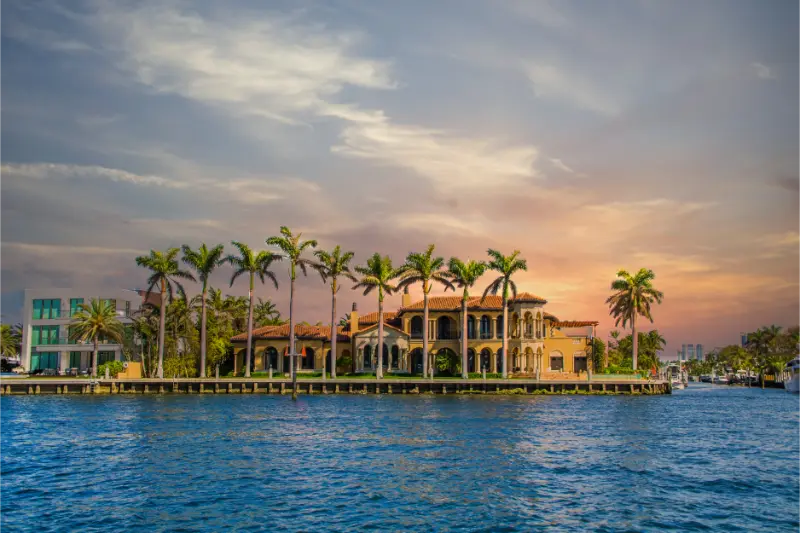
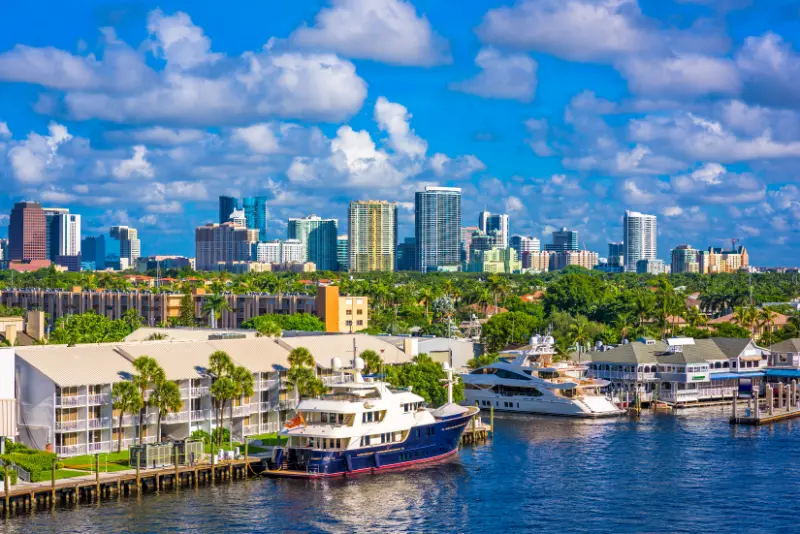
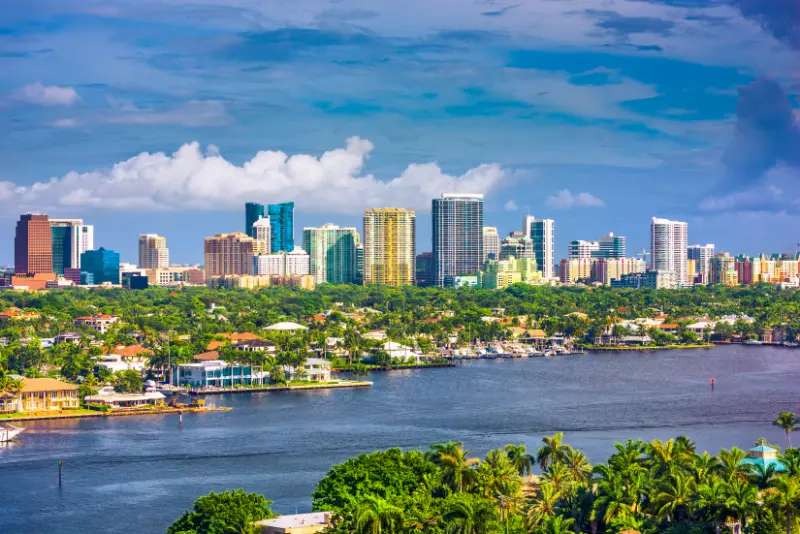
    Fort Lauderdale Waterfront Tropical Sunset

    Notice the barrier-island ecology

    Bonnet House protects a surprisingly natural pocket of coastal habitat. That contrast—historic estate beside dense modern Fort Lauderdale—is part of what makes the site memorable.

    How much time do you really need?

    Allow about 2 to 3 hours for the house and gardens; 90 minutes is the practical minimum if you are moving efficiently.

    Do not use the minimum visit time as a target unless the rest of the day truly requires it. Add 20 to 30 minutes of buffer before the next reservation. Traffic around Fort Lauderdale, beach corridors, drawbridges, thunderstorms and event congestion can turn a short transfer into the most stressful part of the itinerary.

    If your group includes young children, senior travelers or anyone sensitive to heat, plan by energy rather than by clock. A comfortable two-hour visit can be more memorable than four hours spent pushing through fatigue.

    Best time of year

    November through April generally brings lower humidity and more comfortable outdoor conditions in South Florida, but it is also peak visitor season. Hotels can cost more, traffic can be heavier and popular attractions may feel busier.

    Summer has advantages—long daylight, lush vegetation and fewer winter visitors—but heat and thunderstorms should reshape the schedule. Put outdoor walking first, keep water available and use indoor attractions during the hottest or stormiest part of the afternoon.

    Best time of day

    For gardens, parks, wildlife and beaches, earlier is usually better. Temperatures are lower, light can be softer and parking is easier. For indoor museums, late morning through mid-afternoon is useful because it protects you from the strongest heat and leaves early or late daylight for waterfront time.

    If the attraction has a last tour, last tram, last shuttle or separate closing time for one area, work backward from that cutoff. The published building closing time is not always the last moment when every experience is available.

    Current practical information

    Hours: Self-guided visits are currently offered Tuesday through Sunday from 11 a.m. to 4 p.m.; last admission is at 4 p.m. and the grounds close at 5 p.m. The property is closed on Mondays and selected holidays/events.

    Admission: Self-guided house-and-gardens admission is currently $30 for adults, $8 for ages 6–17 and free for children 5 and under. Gardens-only admission is currently $15.

    Important: Guided tours require advance registration and some enhanced tours include stairs. The house is historic, so accessibility differs by area; choose the tour format that matches your group.

    Operating hours, prices, construction, programs and weather-related restrictions can change. If one specific feature is the reason for your visit, check the official page on the day you travel rather than relying on an old screenshot, map listing or social-media post.

    Getting there and parking

    Use the official entrance at 900 N. Birch Road rather than navigating to a generic beach address. The estate has free parking, which is a meaningful advantage in a busy coastal part of Fort Lauderdale.

    Fort Lauderdale City Skyline at Sunset

    Save the exact official destination in your phone before leaving the hotel. Broward County has many facilities with similar beach, park, museum and nature-center names, and a generic map search can put you at the wrong entrance. Keep enough fuel or charge for detours and avoid assuming a coastal bridge crossing will always be quick.

    Families with children

    Families can enjoy Bonnet House, but it works best with children who can handle a slower historic-house pace. Use the gardens as movement breaks, give children a simple visual challenge such as finding animals, colors or unusual plants, and avoid expecting a hands-on museum experience.

    A useful family rhythm is one main activity, one food or movement break and one optional second activity. Children usually remember one strong animal encounter, room, view or hands-on moment better than six rushed stops.

    Teenagers

    Teenagers interested in art, architecture, photography, fashion, design or local history have more to work with than they may expect. Let them use the audio tour independently and compare the estate with modern Fort Lauderdale a few blocks away.

    Teenagers also respond well when they own one decision: the photo goal, lunch choice, route, exhibit or next stop. That small amount of independence often improves the day more than adding another attraction.

    Senior travelers and multigenerational groups

    Bonnet House is a strong senior-travel choice because the experience can be paced gradually and there are frequent visual rewards without needing a long wilderness hike. Heat is still a factor outdoors, so cooler months or the earlier part of the visit are more comfortable.

    For multigenerational trips, agree on a meeting point if the group splits. One person may want the longer route while another prefers shade, a bench or an indoor exhibit. The best attraction is one that allows different intensity levels without forcing everyone to move at the same speed.

    Accessibility and comfort

    Parking is free. Some historic areas have physical limitations, and upstairs/downstairs experiences require stairs. If step-free access is important, confirm the exact route and tour format before booking.

    Accessibility in Florida is not only about steps. Heat, sun exposure, sand, humidity, long distances between restrooms and boat or tram boarding can matter just as much. Ask about the exact experience you plan to use rather than assuming the entire property has one accessibility level.

    Heat, rain and hurricane-season planning

    South Florida weather can change quickly. A bright morning does not guarantee a dry afternoon, and thunder matters more than rainfall alone. Leave exposed beaches, towers, open water and long boardwalks when lightning approaches. Do not wait under a lone tree or assume a small shelter is safe from a storm.

    During the Atlantic hurricane season, an attraction can reopen while individual trails, docks, pavilions or exhibits remain closed for repair. Read current notices if your trip follows a major storm, even when ordinary hours appear normal.

    Budget and value

    This is a higher-priced historic attraction compared with free beaches and parks, so get value from the full property rather than treating it as a quick photo stop. Gardens-only admission can make sense if architecture is not your priority.

    Think in terms of value per memorable experience rather than hours per dollar. A free beach or boardwalk can be the highlight of a trip, while a higher admission can be worthwhile when it delivers a distinct experience your group cannot get elsewhere.

    Food, water and restroom strategy

    Do not assume every park, historic site or nature center has a full café. Eat before a long outdoor segment if services are uncertain and carry water even when the map shows restaurants nearby. In heat, begin drinking before anyone feels thirsty.

    Use restrooms when you see them, particularly before boat shuttles, long trails or beach time. Temporary restroom closures are common after construction or storms, so a posted closure can matter more than the map.

    Photography tips

    For outdoor sites, early light and patience are more useful than chasing a perfect angle. Around wildlife, never move closer if the animal changes behavior. In museums and historic houses, confirm flash and tripod rules before setting up. Keep pathways clear and avoid blocking other visitors for a photograph.

    Where to stay

    Fort Lauderdale is the most natural base for this visit, but Fort Lauderdale, Hollywood, Dania Beach and the wider Broward County hotel zone are close enough that you usually do not need to change hotels for a single attraction.

    Choose accommodation based on the majority of your itinerary. Beachfront hotels are convenient for ocean time but can add cost and parking complexity. Inland hotels may be better for attractions spread across Broward County, especially when you have a rental car.

    How to combine it with other Wonderful Florida guides

    Useful already-published guides include Morikami Museum and Japanese Gardens, Mounts Botanical Garden, McKee Botanical Garden. Use one as a next-day idea or as a second stop only when geography, weather and energy make the combination sensible.

    A realistic three-day mini-itinerary

    Day 1

    Make Bonnet House your main late-morning cultural visit, then walk or relax near Fort Lauderdale Beach without adding another ticketed attraction.

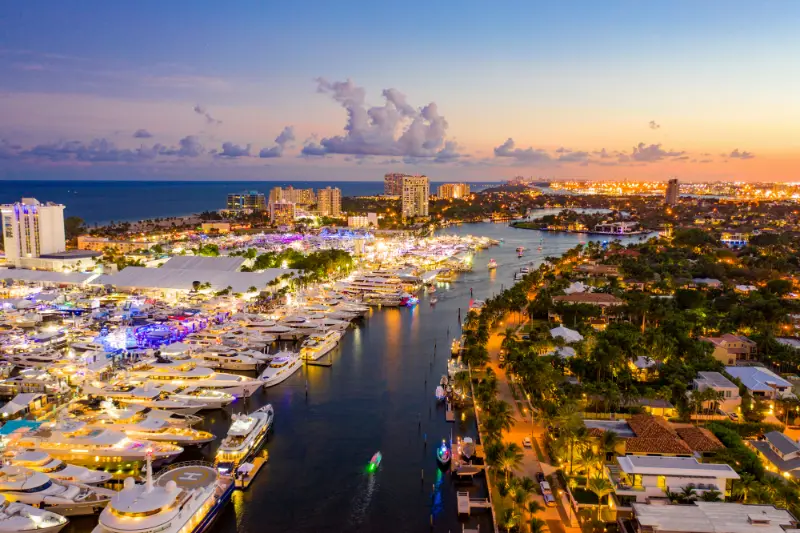
    Fort Lauderdale Skyline and Waterfront Aerial

    Day 2

    Use a museum or downtown history stop for contrast, followed by an evening on Las Olas Boulevard.

    Day 3

    Choose a nature-heavy day elsewhere in South Florida so the trip balances architecture, gardens and wildlife.

    Who may want to skip or shorten the visit

    Bonnet House Museum & Gardens will not be ideal for every traveler. If its main experience duplicates something you have already done several times on the trip, shorten the visit or choose a different category. South Florida has enough variety that there is little reason to repeat the same style of attraction simply because it is close.

    Travelers with very limited time should protect the experiences that are most specific to their interests. A wildlife-focused family may skip an art museum; an architecture-focused couple may skip another wetland. Selective travel is usually better travel.

    Common mistakes to avoid

    • Arriving too late to see both house and gardens comfortably
    • Assuming every historic area is step-free
    • Treating the gardens as a five-minute add-on
    • Booking a guided format without checking stair requirements
    • Trying to combine the visit with too many separate Fort Lauderdale attractions
    • Scheduling the next reservation so tightly that one traffic delay ruins the day.
    • Ignoring heat or lightning because the destination is already close.

    Practical questions before you go

    Do I need to reserve in advance?

    Reserve whenever the experience depends on a guided tour, shuttle, tram, theater time, limited-capacity program or special event. Open trails and general museum admission may not require it, but the part you care about most might.

    Is this a good rainy-day choice?

    If most of the experience is indoors, it can be an excellent storm-day option. If the visit depends on gardens, wildlife, beach, boats or trails, light rain may be manageable but lightning is a reason to change plans. Keep one indoor backup in your itinerary.

    Can I combine it with the beach?

    Usually yes in Broward County, but use geography rather than ambition. A short beach walk can complement a museum; a full beach day plus a large attraction often leaves one half of the plan feeling rushed.

    What should I bring?

    For outdoor-heavy visits: water, sun protection, insect repellent where appropriate, a light rain layer and shoes suited to the actual surface. For museums and historic houses: a small bag that meets current policies, a light layer for air conditioning and headphones when mobile guides are offered.

    How do I keep the day comfortable in summer?

    Start earlier, reduce outdoor distance, add shade before anyone feels overheated and move an indoor attraction into the afternoon. Do not plan the same walking volume in August that you would choose on a cool January morning.

    Official resource to check before you go

    Final thoughts

    Bonnet House Museum & Gardens is most rewarding when you plan around what is distinctive about it rather than trying to use it as another box on a South Florida checklist. Confirm the current access details, protect enough time for the main experience and let your group’s energy decide whether you add anything afterward.

    A strong Florida itinerary is built on contrast: one day may be a historic house and city walk, the next a mangrove trail or beach, and the next an indoor museum. That variety makes each stop easier to remember and gives you alternatives when weather changes.

    How to decide whether this stop fits your itinerary

    Choose Bonnet House Museum & Gardens when its core experience matches something your group genuinely wants to do. Do not choose it only because a map app says it is fifteen or twenty minutes away. South Florida traffic and parking make “nearby” a poor reason by itself.

    Use three questions. First, is the main experience different from yesterday? Second, does the least mobile or youngest traveler in the group have a comfortable way to participate? Third, is there a weather or access condition that could remove the feature you came for? If the answers work, the stop belongs in the itinerary.

    When two attractions seem equally appealing, choose the one with the tighter operating window first. Museums and parks with long open hours are easier to move to another day than a limited tour, shuttle, animal program or seasonal event.

    Driving distances and South Florida traffic

    Broward County looks compact on a map, but local travel time changes dramatically with beach traffic, school dismissal, commuter peaks, bridge openings and major events. Avoid planning by mileage alone. A short route across a bridge or through downtown can take longer than a longer highway segment.

    For a morning reservation, aim to arrive early enough that a parking search does not consume your check-in window. For flexible attractions, consider staying in the same geographic cluster for lunch and the next stop instead of crossing the county again.

    What is actually worth prioritizing?

    At Bonnet House Museum & Gardens, prioritize the experience that cannot be replicated by a generic beach, mall or city walk. That may be a particular historic story, wildlife habitat, collection, tower, tour or landscape. Secondary amenities are useful, but they should not crowd out the reason the place exists.

    If you have only one hour, choose one clear objective and leave when you have achieved it. If you have half a day, slow down and add interpretation, photography and a break. Extra time improves a visit only when it creates attention rather than more rushing.


  • NSU Art Museum Fort Lauderdale Guide: Admission, Hours, Exhibitions and Las Olas Planning

    NSU Art Museum Fort Lauderdale Guide: Admission, Hours, Exhibitions and Las Olas Planning

    NSU Art Museum Fort Lauderdale is the kind of South Florida stop that becomes much more rewarding when you know what the experience actually involves before you arrive. In Broward County, short map distances can hide very different travel days: a historic estate may need a timed tour, a state park may depend on weather, and a wildlife attraction may have activity cutoffs well before closing time.

    Explore this guide

    Decide whether NSU Art Museum Fort Lauderdale fits your trip, how much time to protect, what to prioritize and how to avoid turning a good attraction into a rushed checklist. The goal is a realistic visit for first-time travelers, families, teenagers, senior travelers and mixed-age groups.

    Quick planning summary

    • Best for: art lovers, couples, senior travelers, teenagers interested in visual culture and anyone looking for an indoor stop near Las Olas Boulevard.
    • How much time: Allow about 1.5 to 3 hours, depending on the exhibitions and whether you join a public tour.
    • Current cost: Current general admission is $16 for adults, $10 for seniors, $8 for military and $5 for college students. Children 12 and under and students ages 13–17 are currently free, along with several other eligible groups.
    • Current hours: The museum is currently open Tuesday through Saturday 11 a.m.–5 p.m. and Sunday noon–5 p.m.; it is closed Monday. The first Thursday of each month currently has free admission and extended hours to 7 p.m.
    • Important planning note: Backpacks and oversized bags are not allowed in the galleries. Exhibition schedules change, so check what is on view rather than assuming a specific show will continue through your travel date.

    Why this place is worth including

    NSU Art Museum is useful because it provides a serious cultural stop in the center of Fort Lauderdale without requiring a full museum day.

    Fort Lauderdale Florida Waterfront Suburbs Aerial

    Its Las Olas location makes it easy to pair art with architecture, lunch and a walk, but the best experience still comes from giving the galleries enough time to breathe rather than treating the museum as a short shelter from the weather.

    For travelers building a larger Florida itinerary, the strongest reason to include this stop is not simply that it is “nearby.” It should add a different story, landscape or activity level from what you did before. South Florida is more enjoyable when beach, wildlife, history, art and indoor attractions alternate rather than blur together.

    What to do first

    Start with the element that is least flexible: a timed tour, theater show, shuttle, tram, wildlife program or access point that can fill. Open-ended walking, photography and gardens can usually expand or contract around that fixed piece. This one decision prevents the common mistake of spending the first hour casually and discovering that the day’s most important experience is no longer available.

    When you arrive, check posted notices before following an old plan. Construction, weather, animal care, water conditions and special events can alter routes even when the attraction itself remains open.

    Best things to do and how to experience them

    Choose two exhibitions to explore deeply

    Read the current exhibition list before arriving and decide what interests you most. This prevents museum fatigue and gives you permission to skip rooms that do not match your interests.

    Use the free first Thursday strategically

    Free extended hours can be excellent value, but they may also attract more visitors. If quiet galleries matter more than price, a regular weekday may be better.

    Download or use available interpretation

    Audio or mobile interpretation can transform an unfamiliar artist from a quick glance into a memorable stop. Headphones are useful when the museum recommends a mobile guide.

    Pair the museum with Las Olas rather than another museum

    The strongest combination is usually museum plus neighborhood. Walk, eat and notice the urban context instead of stacking two indoor cultural institutions back to back.

    How much time do you really need?

    Allow about 1.5 to 3 hours, depending on the exhibitions and whether you join a public tour.

    Do not use the minimum visit time as a target unless the rest of the day truly requires it. Add 20 to 30 minutes of buffer before the next reservation. Traffic around Fort Lauderdale, beach corridors, drawbridges, thunderstorms and event congestion can turn a short transfer into the most stressful part of the itinerary.

    If your group includes young children, senior travelers or anyone sensitive to heat, plan by energy rather than by clock. A comfortable two-hour visit can be more memorable than four hours spent pushing through fatigue.

    Best time of year

    November through April generally brings lower humidity and more comfortable outdoor conditions in South Florida, but it is also peak visitor season. Hotels can cost more, traffic can be heavier and popular attractions may feel busier.

    Summer has advantages—long daylight, lush vegetation and fewer winter visitors—but heat and thunderstorms should reshape the schedule. Put outdoor walking first, keep water available and use indoor attractions during the hottest or stormiest part of the afternoon.

    Best time of day

    For gardens, parks, wildlife and beaches, earlier is usually better. Temperatures are lower, light can be softer and parking is easier. For indoor museums, late morning through mid-afternoon is useful because it protects you from the strongest heat and leaves early or late daylight for waterfront time.

    If the attraction has a last tour, last tram, last shuttle or separate closing time for one area, work backward from that cutoff. The published building closing time is not always the last moment when every experience is available.

    Current practical information

    Hours: The museum is currently open Tuesday through Saturday 11 a.m.–5 p.m. and Sunday noon–5 p.m.; it is closed Monday. The first Thursday of each month currently has free admission and extended hours to 7 p.m.

    Admission: Current general admission is $16 for adults, $10 for seniors, $8 for military and $5 for college students. Children 12 and under and students ages 13–17 are currently free, along with several other eligible groups.

    Important: Backpacks and oversized bags are not allowed in the galleries. Exhibition schedules change, so check what is on view rather than assuming a specific show will continue through your travel date.

    Operating hours, prices, construction, programs and weather-related restrictions can change. If one specific feature is the reason for your visit, check the official page on the day you travel rather than relying on an old screenshot, map listing or social-media post.

    Getting there and parking

    Downtown Fort Lauderdale parking is the main logistical issue. Decide on a garage or approved parking option before arrival and avoid assuming you will find curbside parking beside the entrance.

    Fort Lauderdale Intracoastal Waterfront Aerial View

    Save the exact official destination in your phone before leaving the hotel. Broward County has many facilities with similar beach, park, museum and nature-center names, and a generic map search can put you at the wrong entrance. Keep enough fuel or charge for detours and avoid assuming a coastal bridge crossing will always be quick.

    Families with children

    Families with young children should keep the visit short and choose visually strong rooms rather than expecting the museum to function like a children’s science center. Older children and art-minded teenagers are likely to get more value.

    A useful family rhythm is one main activity, one food or movement break and one optional second activity. Children usually remember one strong animal encounter, room, view or hands-on moment better than six rushed stops.

    Teenagers

    Students ages 13–17 are currently admitted free, which makes this a low-risk cultural stop with teenagers. Let them choose one artwork or artist to discuss rather than requiring a room-by-room lecture.

    Teenagers also respond well when they own one decision: the photo goal, lunch choice, route, exhibit or next stop. That small amount of independence often improves the day more than adding another attraction.

    Senior travelers and multigenerational groups

    The indoor environment, manageable visit length and central location make the museum a practical senior-travel choice. Seating availability can vary by gallery, so pace the visit and use public tour opportunities when helpful.

    For multigenerational trips, agree on a meeting point if the group splits. One person may want the longer route while another prefers shade, a bench or an indoor exhibit. The best attraction is one that allows different intensity levels without forcing everyone to move at the same speed.

    Accessibility and comfort

    Major galleries are designed for public accessibility, but travelers with specific mobility or sensory requirements should contact the museum about current accommodations. The bag-size rule is worth checking before leaving the hotel.

    Accessibility in Florida is not only about steps. Heat, sun exposure, sand, humidity, long distances between restrooms and boat or tram boarding can matter just as much. Ask about the exact experience you plan to use rather than assuming the entire property has one accessibility level.

    Heat, rain and hurricane-season planning

    South Florida weather can change quickly. A bright morning does not guarantee a dry afternoon, and thunder matters more than rainfall alone. Leave exposed beaches, towers, open water and long boardwalks when lightning approaches. Do not wait under a lone tree or assume a small shelter is safe from a storm.

    During the Atlantic hurricane season, an attraction can reopen while individual trails, docks, pavilions or exhibits remain closed for repair. Read current notices if your trip follows a major storm, even when ordinary hours appear normal.

    Budget and value

    The museum can be inexpensive for families with teenagers because younger visitors may qualify for free admission. The first Thursday program is another strong value option if your schedule is flexible.

    Think in terms of value per memorable experience rather than hours per dollar. A free beach or boardwalk can be the highlight of a trip, while a higher admission can be worthwhile when it delivers a distinct experience your group cannot get elsewhere.

    Food, water and restroom strategy

    Do not assume every park, historic site or nature center has a full café. Eat before a long outdoor segment if services are uncertain and carry water even when the map shows restaurants nearby. In heat, begin drinking before anyone feels thirsty.

    Use restrooms when you see them, particularly before boat shuttles, long trails or beach time. Temporary restroom closures are common after construction or storms, so a posted closure can matter more than the map.

    Photography tips

    For outdoor sites, early light and patience are more useful than chasing a perfect angle. Around wildlife, never move closer if the animal changes behavior. In museums and historic houses, confirm flash and tripod rules before setting up. Keep pathways clear and avoid blocking other visitors for a photograph.

    Where to stay

    Fort Lauderdale is the most natural base for this visit, but Fort Lauderdale, Hollywood, Dania Beach and the wider Broward County hotel zone are close enough that you usually do not need to change hotels for a single attraction.

    Choose accommodation based on the majority of your itinerary. Beachfront hotels are convenient for ocean time but can add cost and parking complexity. Inland hotels may be better for attractions spread across Broward County, especially when you have a rental car.

    How to combine it with other Wonderful Florida guides

    Useful already-published guides include Morikami Museum and Japanese Gardens, Cummer Museum of Art & Gardens, Lightner Museum. Use one as a next-day idea or as a second stop only when geography, weather and energy make the combination sensible.

    A realistic three-day mini-itinerary

    Day 1

    Visit the museum late morning, then have lunch and walk Las Olas Boulevard at an unhurried pace.

    Day 2

    Switch to nature or beach time rather than repeating another gallery-heavy day.

    Day 3

    Add a historic house if you want culture with architecture and local history rather than another art collection.

    Who may want to skip or shorten the visit

    NSU Art Museum Fort Lauderdale will not be ideal for every traveler. If its main experience duplicates something you have already done several times on the trip, shorten the visit or choose a different category. South Florida has enough variety that there is little reason to repeat the same style of attraction simply because it is close.

    Fort Lauderdale Downtown Waterway and Highways Aerial

    Travelers with very limited time should protect the experiences that are most specific to their interests. A wildlife-focused family may skip an art museum; an architecture-focused couple may skip another wetland. Selective travel is usually better travel.

    Common mistakes to avoid

    • Bringing a backpack or oversized bag to the galleries
    • Assuming Monday opening
    • Going only for a temporary exhibition without checking dates
    • Trying to see every artwork at the same pace
    • Underestimating downtown parking time
    • Scheduling the next reservation so tightly that one traffic delay ruins the day.
    • Ignoring heat or lightning because the destination is already close.

    Practical questions before you go

    Do I need to reserve in advance?

    Reserve whenever the experience depends on a guided tour, shuttle, tram, theater time, limited-capacity program or special event. Open trails and general museum admission may not require it, but the part you care about most might.

    Is this a good rainy-day choice?

    If most of the experience is indoors, it can be an excellent storm-day option. If the visit depends on gardens, wildlife, beach, boats or trails, light rain may be manageable but lightning is a reason to change plans. Keep one indoor backup in your itinerary.

    Can I combine it with the beach?

    Usually yes in Broward County, but use geography rather than ambition. A short beach walk can complement a museum; a full beach day plus a large attraction often leaves one half of the plan feeling rushed.

    What should I bring?

    For outdoor-heavy visits: water, sun protection, insect repellent where appropriate, a light rain layer and shoes suited to the actual surface. For museums and historic houses: a small bag that meets current policies, a light layer for air conditioning and headphones when mobile guides are offered.

    How do I keep the day comfortable in summer?

    Start earlier, reduce outdoor distance, add shade before anyone feels overheated and move an indoor attraction into the afternoon. Do not plan the same walking volume in August that you would choose on a cool January morning.

    Official resource to check before you go

    Final thoughts

    NSU Art Museum Fort Lauderdale is most rewarding when you plan around what is distinctive about it rather than trying to use it as another box on a South Florida checklist. Confirm the current access details, protect enough time for the main experience and let your group’s energy decide whether you add anything afterward.

    A strong Florida itinerary is built on contrast: one day may be a historic house and city walk, the next a mangrove trail or beach, and the next an indoor museum. That variety makes each stop easier to remember and gives you alternatives when weather changes.

    How to decide whether this stop fits your itinerary

    Choose NSU Art Museum Fort Lauderdale when its core experience matches something your group genuinely wants to do. Do not choose it only because a map app says it is fifteen or twenty minutes away. South Florida traffic and parking make “nearby” a poor reason by itself.

    Use three questions. First, is the main experience different from yesterday? Second, does the least mobile or youngest traveler in the group have a comfortable way to participate? Third, is there a weather or access condition that could remove the feature you came for? If the answers work, the stop belongs in the itinerary.

    When two attractions seem equally appealing, choose the one with the tighter operating window first. Museums and parks with long open hours are easier to move to another day than a limited tour, shuttle, animal program or seasonal event.

    Driving distances and South Florida traffic

    Broward County looks compact on a map, but local travel time changes dramatically with beach traffic, school dismissal, commuter peaks, bridge openings and major events. Avoid planning by mileage alone. A short route across a bridge or through downtown can take longer than a longer highway segment.

    For a morning reservation, aim to arrive early enough that a parking search does not consume your check-in window. For flexible attractions, consider staying in the same geographic cluster for lunch and the next stop instead of crossing the county again.

    What is actually worth prioritizing?

    At NSU Art Museum Fort Lauderdale, prioritize the experience that cannot be replicated by a generic beach, mall or city walk. That may be a particular historic story, wildlife habitat, collection, tower, tour or landscape. Secondary amenities are useful, but they should not crowd out the reason the place exists.

    If you have only one hour, choose one clear objective and leave when you have achieved it. If you have half a day, slow down and add interpretation, photography and a break. Extra time improves a visit only when it creates attention rather than more rushing.
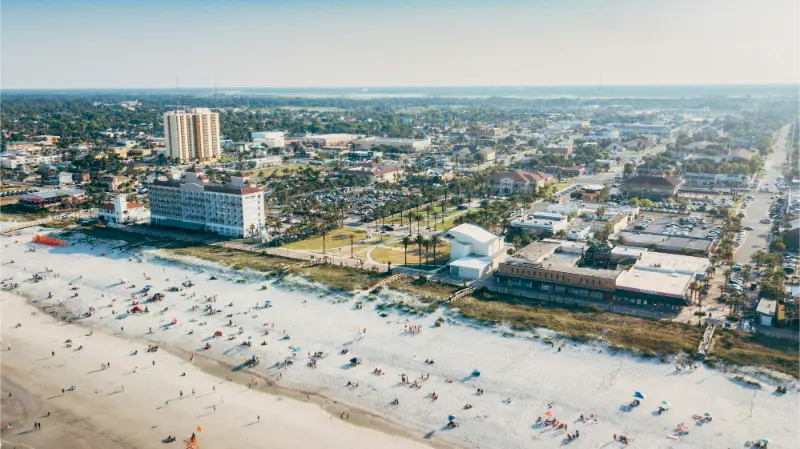
  • Snyder Park Fort Lauderdale Guide: Dog Swim, Nature Trails, Disc Golf and Family Tips

    Snyder Park Fort Lauderdale Guide: Dog Swim, Nature Trails, Disc Golf and Family Tips

    Snyder Park Fort Lauderdale works best when you plan it as part of a real Broward County day rather than as an isolated map pin. The practical details—traffic, heat, parking, opening windows and the pace of your group—matter just as much as the attraction itself. For first-time visitors, the goal is not to fill every minute but to understand what is genuinely worth prioritizing and how the stop fits into a realistic South Florida itinerary.

    Explore this guide

    This guide is written for adults traveling alone, couples, families with children, teenagers, senior travelers and multigenerational groups. It includes the decisions that usually affect the day most: how long to stay, what to do first, when weather becomes a problem, how to reduce unnecessary driving and when the attraction is not the best match for your trip.

    Quick planning summary

    • Best for: travelers with dogs, families, disc golfers, nature walkers and visitors staying near Fort Lauderdale airport or Port Everglades.
    • How much time: 2–4 hours; shorter for a dog-swim or walking stop.
    • Current cost: General admission and parking are currently free, although special-event parking fees can apply. Dog-swim and organized-program rules may change independently.
    • Current hours: Current park hours are 7 AM–7 PM from March through October and 7 AM–6 PM from November through February. The park is closed on Christmas and New Year’s Day; dog-swim maintenance closures also occur at limited times.
    • Address: 3299 S.W. 4th Ave., Fort Lauderdale, FL 33315.

    Why this place is worth including

    Snyder Park Fort Lauderdale is worth considering because it adds a different kind of South Florida experience to the better-known beaches, shopping districts and major attractions. For a complete Florida trip, variety matters: a park, museum or local cultural stop can be the part of the day that makes the itinerary feel personal rather than generic.

    The key is to give the place the amount of time it deserves. Smaller attractions often become disappointing only when travelers either rush them into 30 minutes or give them half a day with no clear reason. This guide uses a realistic middle ground and explains where extra time actually adds value.

    What is actually worth prioritizing?

    Start with the feature that is most specific to Snyder Park Fort Lauderdale, then keep the rest optional. This avoids the common travel mistake of spending energy on secondary facilities before reaching the one thing you came to see.

    If your group has different interests, agree on one shared activity first and split briefly afterward when practical. Mixed-age travel is easier when everyone knows the non-negotiable part of the visit and the rest can expand or contract with weather and energy.

    Best things to do and how to experience them

    Use the dog-swim area only if your dog is comfortable in open water

    Snyder Park is unusually useful for travelers with dogs because it combines a bark park with designated dog swimming. That can be a memorable break on a road trip, but not every dog enjoys water or group-dog environments.

    Keep the visit centered on your dog’s comfort rather than the novelty of the attraction. Review current rules, vaccination expectations and temporary treatment closures before arrival.

    Walk the nature trails and butterfly garden for a quieter visit

    The park is not only a dog destination. Nature trails, a butterfly garden and greener sections make it a useful place to decompress between the airport, cruise port, beaches and downtown Fort Lauderdale.

    Fort Lauderdale Downtown Skyline across Canal

    For travelers who have just arrived on a flight, a short shaded walk can be more restorative than immediately starting another major attraction.

    Try disc golf if your group needs movement

    Snyder Park includes a disc-golf course along with basketball, volleyball and other recreation. It is a good option for teenagers and adults who want an inexpensive active stop without reserving a formal facility.

    Bring water and expect humidity. A short round can feel substantially longer in South Florida heat than the map suggests.

    Remember that airport convenience changes the soundscape

    Snyder Park sits close to Fort Lauderdale–Hollywood International Airport. That location is extremely convenient, but it also means aircraft noise can be part of the experience.

    If you are seeking silent wilderness, choose a larger natural area. If you need a practical green stop before a flight, after a cruise or between hotel check-in times, the location is an advantage rather than a drawback.

    How much time do you really need?

    Planning tipFor most visitors, 2–4 hours; shorter for a dog-swim or walking stop is a realistic planning range. Use the shorter end when Snyder Park Fort Lauderdale is a secondary stop and the longer end when you are using a specialist facility, joining a program, moving with small children or simply prefer a slower pace.

    Leave at least 20–30 minutes of buffer before any timed reservation that follows. Broward County distances can look small on a map, but parking, traffic lights, school dismissal, beach congestion and sudden weather can turn a tight transfer into the most stressful part of the day.

    Current practical information

    <strong>Hours:</strong> Current park hours are 7 AM–7 PM from March through October and 7 AM–6 PM from November through February. The park is closed on Christmas and New Year’s Day; dog-swim maintenance closures also occur at limited times.

    <strong>Admission and activity costs:</strong> General admission and parking are currently free, although special-event parking fees can apply. Dog-swim and organized-program rules may change independently.

    <strong>Location:</strong> 3299 S.W. 4th Ave., Fort Lauderdale, FL 33315.

    Hours, prices, programs and individual facilities can change after this guide is published. If one specific feature is the reason for your visit, check the official source on the day you travel rather than relying on an old screenshot, social-media post or map listing.

    Getting there, parking and local driving

    Save the exact address—3299 S.W. 4th Ave., Fort Lauderdale, FL 33315—before leaving your hotel. Broward County contains many parks, civic facilities and coastal entrances with similar names, and a broad map search can route you to the wrong parking area.

    If you are driving east or west across the county, avoid assuming the shortest distance is also the quickest trip. I-95, I-595, US 1, University Drive and the beach approaches can all slow sharply at different times. Grouping attractions by the same part of Broward is usually more comfortable than crossing the county several times in one day.

    Best time of year

    November through April usually brings lower humidity and more comfortable outdoor conditions in South Florida. Winter is also the busier visitor season, so hotels, roads and popular attractions can be more crowded. From May through October, build more flexibility into the day: start outdoor sections earlier, carry water and keep an indoor or shaded alternative because thunderstorms can develop quickly.

    Hurricane season runs through the warmer half of the year, but the practical issue on most ordinary travel days is not a hurricane—it is heat, lightning and heavy rain. Check the same-day forecast rather than assuming that a blue-sky morning guarantees a dry afternoon.

    Best time of day

    Earlier morning is normally the easiest time for walking, cycling, paddling and playground use. Late afternoon can also be pleasant when the attraction remains open long enough, but summer thunderstorms are common and sunset arrives earlier in winter.

    Work backward from the least flexible element of the visit: a last admission, rental return, animal program, museum closing, scheduled event or sunset. The phrase “we have the whole afternoon” is not useful if the activity you care about stops two hours before the grounds close.

    Families with children

    Snyder Park Fort Lauderdale can work well with children when you give the visit a clear center. Choose one main activity, one food or movement break and one optional second activity. That rhythm is usually more successful than trying to extract maximum value by doing everything.

    Fort Lauderdale Florida Oceanfront Skyline and Bay

    For younger children, bring the small things that prevent avoidable problems: water, a snack, sun protection, a change of clothes when water play is possible and a backup plan for sudden rain. A family day often succeeds because of logistics, not because the attraction list was longer.

    Teenagers

    Teenagers respond better when the stop includes some independence or a concrete goal. Let them choose a photo challenge, route, activity, food stop or question to investigate rather than making them passively follow an adult checklist.

    If the attraction has a strong sports, wildlife, art or technology angle, connect it to that interest. The same place can feel completely different when a teenager has a reason to observe rather than being told only that it is “good for families.”

    Senior travelers and multigenerational groups

    For senior travelers, surface, shade, seating and restroom distance can matter more than the attraction’s headline feature. Start with the most important area while everyone is fresh, then use benches, cafés, picnic shelters or air-conditioned spaces as deliberate recovery points.

    Multigenerational groups do not need to move as one unit every minute. Agree on a precise meeting point if some people want a longer trail or activity while others prefer a shorter route. That small amount of flexibility can make the experience much more comfortable.

    Accessibility and comfort

    Accessibility should be considered in practical terms, not only in terms of whether a facility has an ADA label. Heat, humidity, wet surfaces, sand, slopes, the distance from parking and the availability of shaded rest points can all change how manageable a visit feels.

    If mobility access is central to the trip, contact the attraction directly about the exact feature you plan to use. A park can be broadly accessible while one trail, beach crossing, rental dock or historic building remains more difficult.

    Heat, rain and hurricane-season planning

    Lightning is the weather factor to take most seriously. Leave exposed water, beaches, open fields, elevated viewpoints and long boardwalks when thunder approaches. Do not wait for heavy rain as proof that the storm is close enough to matter.

    After tropical weather, a park or museum may reopen while one trail, dock, water feature or program remains unavailable. Same-day notices are particularly important when the visit depends on a specific facility rather than general access.

    Budget and value

    The best value at Snyder Park Fort Lauderdale comes from matching the visit to your interests rather than maximizing hours. A free or inexpensive two-hour stop can be one of the strongest parts of a trip when it provides contrast to costly theme parks, tours or beachfront days.

    When comparing costs, include parking, activity fees, food and the driving required to reach the place. A “free” attraction across the county can cost more in time and fuel than a modestly priced stop next to where you are already staying.

    Food, water and restroom strategy

    Do not assume every park, museum or nature center has a full café. Carry water for outdoor-heavy visits and decide whether lunch should happen before, during or after the attraction. Waiting until everyone is hungry is one of the easiest ways to turn a short drive into a rushed search for food.

    If you are using timed tickets, rentals or a scheduled program, eat before check-in or leave a generous gap afterward. Trying to squeeze a meal into a 20-minute window creates more stress than the saved time is worth.

    Photography tips

    For outdoor visits, early and late light is usually more flattering and more comfortable. In mangroves, parks and wildlife areas, a phone or modest zoom is often more useful than carrying heavy equipment in humidity. Protect electronics from sudden rain and water activities.

    Around wildlife, historic objects, working artists and other visitors, the best photograph is never worth disturbing the subject, stepping off a protected route or blocking a path. Follow posted rules and keep the experience enjoyable for the people around you.

    Where to stay

    Airport-area hotels, Dania Beach and downtown Fort Lauderdale all work well. Snyder Park is particularly convenient on arrival or departure days because it is close enough to the airport to function as a flexible buffer rather than a major detour.

    Fort Lauderdale Florida Harborfront and Shops

    How to combine it with other Wonderful Florida guides

    Useful already-published guides include Hugh Taylor Birch State Park, Museum of Discovery and Science, Old Davie School Historical Museum, Easterlin Park. Use them as next-day ideas or as a second stop only when geography, weather and your group’s energy make the combination sensible.

    A realistic three-stop Broward plan

    Stop 1: the main attraction

    Give Snyder Park Fort Lauderdale the first clear block of time rather than squeezing it between errands. Start with the feature that has fixed hours, a rental window or a scheduled program.

    Stop 2: a contrasting experience

    Choose one nearby experience that feels different—nature after a museum, art after a park, a beach after an indoor attraction or a short historic site after an active morning. Contrast is more valuable than simply staying busy.

    Stop 3: food, coast or downtime

    End with something flexible: a meal, waterfront walk, hotel pool, beach hour or sunset. Keeping the final stop unreserved gives you room to absorb traffic, weather delays or a visit that was more enjoyable than expected.

    Who may want to skip or shorten the visit

    Shorten Snyder Park Fort Lauderdale if the main theme does not interest your group or if weather, mobility or attention makes the central experience uncomfortable. A park, museum or cultural stop should not become a test of endurance simply because it was on the itinerary.

    Travelers with very limited time should protect the experiences that are most specific to their interests. Selective travel is usually better than filling every open hour, especially in South Florida where driving time can quietly consume the day.

    Common mistakes to avoid

    • Arriving without checking whether the one facility you care about follows different hours from the overall park or museum
    • Scheduling the next reservation with no buffer for traffic, parking or a summer thunderstorm
    • Underestimating heat and humidity because the walking distance looks short on a map
    • Assuming every activity, rental or program operates every day that the grounds are open
    • Trying to combine too many Broward County attractions simply because the straight-line distances look small
    • Forgetting water, sun protection or a dry backup for outdoor-heavy days
    • Treating a flexible local attraction like a checklist instead of leaving room to slow down

    Practical questions before you go

    Do I need to reserve in advance?

    Reserve whenever your visit depends on a guided program, campground, workshop, timed activity, rental or ticketed event. General park access and ordinary gallery visits are often more flexible, but the feature you care about most may not be.

    Is this a good rainy-day choice?

    Indoor museums and galleries are useful in rain, while outdoor parks can still work in light showers if surfaces remain safe. Lightning changes the answer immediately for exposed outdoor areas, beaches and water activities, so keep an indoor backup during the warmer months.

    What should I bring?

    For outdoor-heavy visits bring water, sun protection, insect repellent when appropriate, a light rain layer and footwear suited to the actual surface. For indoor museums, a light layer can be useful in strong air-conditioning. Add a towel or dry bag when the day includes water play, paddling or the beach.

    How do I keep the day comfortable with children or senior travelers?

    Plan around energy rather than the maximum possible itinerary. One main activity, a real break and one optional second stop usually works better than a chain of rushed attractions. Identify restrooms and shaded or air-conditioned recovery points early rather than waiting until someone urgently needs them.

    Can I combine this with the beach?

    Usually yes somewhere in Broward County, but geography matters. A short coastal stop can complement an inland attraction; a full beach day plus a major inland park often becomes too ambitious once traffic, parking and weather are added. If the beach matters most, go early and let the second attraction remain optional.

    Official resource to check before you go

    Final thoughts

    Snyder Park Fort Lauderdale is most rewarding when you plan around what is distinctive about it rather than using it as another box on a South Florida checklist. Confirm the current access details, protect enough time for the core experience and let your group’s energy decide whether you add anything afterward.

    A strong Florida itinerary is built on variety: one day can be coastal and active, another shaded and nature-focused, and another cultural or historical. That mix improves the trip and gives you practical alternatives when weather or traffic changes.

  • Museum of Discovery and Science Fort Lauderdale Guide: Tickets, IMAX, Hours and Family Tips

    Museum of Discovery and Science Fort Lauderdale Guide: Tickets, IMAX, Hours and Family Tips

    Museum of Discovery and Science is the kind of South Florida stop that becomes much more rewarding when you know what the experience actually involves before you arrive. In Broward County, short map distances can hide very different travel days: a historic estate may need a timed tour, a state park may depend on weather, and a wildlife attraction may have activity cutoffs well before closing time.

    Explore this guide

    Decide whether Museum of Discovery and Science fits your trip, how much time to protect, what to prioritize and how to avoid turning a good attraction into a rushed checklist. The goal is a realistic visit for first-time travelers, families, teenagers, senior travelers and mixed-age groups.

    Quick planning summary

    • Best for: families, school-age children, rainy-day planning, science fans, grandparents traveling with children and anyone wanting an air-conditioned Fort Lauderdale activity.
    • How much time: Allow 3 to 5 hours. Families who include an IMAX documentary, demonstrations and several hands-on galleries can comfortably use most of a day.
    • Current cost: Online Discovery Pass pricing currently starts around $29.50 for adults, $24 for children ages 1–12 and $27.50 for seniors 65+. Walk-up prices are higher. Infants under 12 months are free.
    • Current hours: Current museum hours are Monday through Saturday from 10 a.m. to 5 p.m. and Sunday from noon to 5 p.m.
    • Important planning note: IMAX documentary times, HoloTheater experiences, traveling exhibitions and live demonstrations run on schedules. Choose those times first, then fit open-ended galleries around them.

    Why this place is worth including

    MODS is one of Broward County’s most useful family attractions because it solves several travel problems at once: it is interactive, weather-resistant and broad enough to work for children with different interests.

    The best visit is schedule-led rather than gallery-led. If your ticket includes a timed IMAX documentary or another limited-capacity experience, anchor the day around that and use the rest of the museum flexibly.

    For travelers building a larger Florida itinerary, the strongest reason to include this stop is not simply that it is “nearby.” It should add a different story, landscape or activity level from what you did before. South Florida is more enjoyable when beach, wildlife, history, art and indoor attractions alternate rather than blur together.

    What to do first

    Start with the element that is least flexible: a timed tour, theater show, shuttle, tram, wildlife program or access point that can fill. Open-ended walking, photography and gardens can usually expand or contract around that fixed piece. This one decision prevents the common mistake of spending the first hour casually and discovering that the day’s most important experience is no longer available.

    When you arrive, check posted notices before following an old plan. Construction, weather, animal care, water conditions and special events can alter routes even when the attraction itself remains open.

    Best things to do and how to experience them

    Build the day around one timed experience

    IMAX and theater-style programs create natural structure. Select a time that does not force lunch to be rushed, then explore nearby exhibits before and after it.

    Prioritize hands-on galleries for younger children

    Children often remember what they touched, built or tested more than what they read. Let them spend longer in one interactive area instead of dragging them through every gallery.

    Use demonstrations as reset points

    Live science programs break up screen time and gallery fatigue. Arrive a few minutes early so the group can settle without missing the explanation.

    Keep traveling exhibitions in perspective

    Temporary exhibits are a bonus, not the only reason to visit. They change regularly, so check what will actually be open on your travel date rather than relying on an older photo or review.

    How much time do you really need?

    Allow 3 to 5 hours. Families who include an IMAX documentary, demonstrations and several hands-on galleries can comfortably use most of a day.

    Do not use the minimum visit time as a target unless the rest of the day truly requires it. Add 20 to 30 minutes of buffer before the next reservation. Traffic around Fort Lauderdale, beach corridors, drawbridges, thunderstorms and event congestion can turn a short transfer into the most stressful part of the itinerary.

    Fort Lauderdale Florida Oceanfront Skyline and Bay

    If your group includes young children, senior travelers or anyone sensitive to heat, plan by energy rather than by clock. A comfortable two-hour visit can be more memorable than four hours spent pushing through fatigue.

    Best time of year

    November through April generally brings lower humidity and more comfortable outdoor conditions in South Florida, but it is also peak visitor season. Hotels can cost more, traffic can be heavier and popular attractions may feel busier.

    Summer has advantages—long daylight, lush vegetation and fewer winter visitors—but heat and thunderstorms should reshape the schedule. Put outdoor walking first, keep water available and use indoor attractions during the hottest or stormiest part of the afternoon.

    Best time of day

    For gardens, parks, wildlife and beaches, earlier is usually better. Temperatures are lower, light can be softer and parking is easier. For indoor museums, late morning through mid-afternoon is useful because it protects you from the strongest heat and leaves early or late daylight for waterfront time.

    If the attraction has a last tour, last tram, last shuttle or separate closing time for one area, work backward from that cutoff. The published building closing time is not always the last moment when every experience is available.

    Current practical information

    Hours: Current museum hours are Monday through Saturday from 10 a.m. to 5 p.m. and Sunday from noon to 5 p.m.

    Admission: Online Discovery Pass pricing currently starts around $29.50 for adults, $24 for children ages 1–12 and $27.50 for seniors 65+. Walk-up prices are higher. Infants under 12 months are free.

    Important: IMAX documentary times, HoloTheater experiences, traveling exhibitions and live demonstrations run on schedules. Choose those times first, then fit open-ended galleries around them.

    Operating hours, prices, construction, programs and weather-related restrictions can change. If one specific feature is the reason for your visit, check the official page on the day you travel rather than relying on an old screenshot, map listing or social-media post.

    Getting there and parking

    The museum is downtown at 401 SW Second Street. Use the museum’s current parking directions rather than assuming a beach-style surface lot; allow extra time for downtown traffic and garages during events.

    Save the exact official destination in your phone before leaving the hotel. Broward County has many facilities with similar beach, park, museum and nature-center names, and a generic map search can put you at the wrong entrance. Keep enough fuel or charge for detours and avoid assuming a coastal bridge crossing will always be quick.

    Families with children

    This is one of the easiest Fort Lauderdale choices with children because there are frequent opportunities to move, touch, build and switch topics. For preschoolers, protect snack and rest windows; for older children, let them choose one gallery where the family stays longer.

    Fort Lauderdale Florida Harborfront and Shops

    A useful family rhythm is one main activity, one food or movement break and one optional second activity. Children usually remember one strong animal encounter, room, view or hands-on moment better than six rushed stops.

    Teenagers

    Teenagers can get more from the IMAX format, engineering challenges and technology-focused exhibits than from areas designed for younger children. Let them separate briefly within agreed meeting points if everyone wants a different pace.

    Teenagers also respond well when they own one decision: the photo goal, lunch choice, route, exhibit or next stop. That small amount of independence often improves the day more than adding another attraction.

    Senior travelers and multigenerational groups

    Grandparents traveling with children can use benches, theater programs and indoor climate control to pace the day. The museum is easier than a long outdoor attraction in peak summer heat, though a full day can still be tiring.

    For multigenerational trips, agree on a meeting point if the group splits. One person may want the longer route while another prefers shade, a bench or an indoor exhibit. The best attraction is one that allows different intensity levels without forcing everyone to move at the same speed.

    Accessibility and comfort

    The museum is designed as a major public attraction and is generally easier for mobility devices than historic houses or natural trails. Confirm accommodations for a specific theater, sensory need or special program before arrival.

    Accessibility in Florida is not only about steps. Heat, sun exposure, sand, humidity, long distances between restrooms and boat or tram boarding can matter just as much. Ask about the exact experience you plan to use rather than assuming the entire property has one accessibility level.

    Heat, rain and hurricane-season planning

    South Florida weather can change quickly. A bright morning does not guarantee a dry afternoon, and thunder matters more than rainfall alone. Leave exposed beaches, towers, open water and long boardwalks when lightning approaches. Do not wait under a lone tree or assume a small shelter is safe from a storm.

    During the Atlantic hurricane season, an attraction can reopen while individual trails, docks, pavilions or exhibits remain closed for repair. Read current notices if your trip follows a major storm, even when ordinary hours appear normal.

    Budget and value

    The Discovery Pass is a substantial family expense, so use what is included: exhibitions, live science, one HoloTheater experience and an IMAX documentary under the current package. Buying online is currently cheaper than walk-up pricing.

    Think in terms of value per memorable experience rather than hours per dollar. A free beach or boardwalk can be the highlight of a trip, while a higher admission can be worthwhile when it delivers a distinct experience your group cannot get elsewhere.

    Food, water and restroom strategy

    Do not assume every park, historic site or nature center has a full café. Eat before a long outdoor segment if services are uncertain and carry water even when the map shows restaurants nearby. In heat, begin drinking before anyone feels thirsty.

    Use restrooms when you see them, particularly before boat shuttles, long trails or beach time. Temporary restroom closures are common after construction or storms, so a posted closure can matter more than the map.

    Photography tips

    For outdoor sites, early light and patience are more useful than chasing a perfect angle. Around wildlife, never move closer if the animal changes behavior. In museums and historic houses, confirm flash and tripod rules before setting up. Keep pathways clear and avoid blocking other visitors for a photograph.

    Where to stay

    Fort Lauderdale is the most natural base for this visit, but Fort Lauderdale, Hollywood, Dania Beach and the wider Broward County hotel zone are close enough that you usually do not need to change hotels for a single attraction.

    Choose accommodation based on the majority of your itinerary. Beachfront hotels are convenient for ocean time but can add cost and parking complexity. Inland hotels may be better for attractions spread across Broward County, especially when you have a rental car.

    How to combine it with other Wonderful Florida guides

    Useful already-published guides include Lion Country Safari, Brevard Zoo, Emerald Coast Science Center. Use one as a next-day idea or as a second stop only when geography, weather and energy make the combination sensible.

    A realistic three-day mini-itinerary

    Day 1

    Use MODS as the main activity, with a relaxed lunch and no second major ticketed attraction.

    Day 2

    Choose an outdoor Fort Lauderdale park or beach morning so children get a completely different type of day.

    Fort Lauderdale Florida Canal and Waterfront Neighborhood

    Day 3

    Add a historic house or art museum if older children or adults want a more cultural finish.

    Who may want to skip or shorten the visit

    Museum of Discovery and Science will not be ideal for every traveler. If its main experience duplicates something you have already done several times on the trip, shorten the visit or choose a different category. South Florida has enough variety that there is little reason to repeat the same style of attraction simply because it is close.

    Travelers with very limited time should protect the experiences that are most specific to their interests. A wildlife-focused family may skip an art museum; an architecture-focused couple may skip another wetland. Selective travel is usually better travel.

    Common mistakes to avoid

    • Buying a ticket without checking IMAX and special-program times
    • Trying to complete every gallery
    • Arriving hungry before a timed show
    • Assuming every temporary exhibit will still be running
    • Leaving downtown parking logistics until the last minute
    • Scheduling the next reservation so tightly that one traffic delay ruins the day.
    • Ignoring heat or lightning because the destination is already close.

    Practical questions before you go

    Do I need to reserve in advance?

    Reserve whenever the experience depends on a guided tour, shuttle, tram, theater time, limited-capacity program or special event. Open trails and general museum admission may not require it, but the part you care about most might.

    Is this a good rainy-day choice?

    If most of the experience is indoors, it can be an excellent storm-day option. If the visit depends on gardens, wildlife, beach, boats or trails, light rain may be manageable but lightning is a reason to change plans. Keep one indoor backup in your itinerary.

    Can I combine it with the beach?

    Usually yes in Broward County, but use geography rather than ambition. A short beach walk can complement a museum; a full beach day plus a large attraction often leaves one half of the plan feeling rushed.

    What should I bring?

    For outdoor-heavy visits: water, sun protection, insect repellent where appropriate, a light rain layer and shoes suited to the actual surface. For museums and historic houses: a small bag that meets current policies, a light layer for air conditioning and headphones when mobile guides are offered.

    How do I keep the day comfortable in summer?

    Start earlier, reduce outdoor distance, add shade before anyone feels overheated and move an indoor attraction into the afternoon. Do not plan the same walking volume in August that you would choose on a cool January morning.

    Official resource to check before you go

    Final thoughts

    Museum of Discovery and Science is most rewarding when you plan around what is distinctive about it rather than trying to use it as another box on a South Florida checklist. Confirm the current access details, protect enough time for the main experience and let your group’s energy decide whether you add anything afterward.

    A strong Florida itinerary is built on contrast: one day may be a historic house and city walk, the next a mangrove trail or beach, and the next an indoor museum. That variety makes each stop easier to remember and gives you alternatives when weather changes.

    How to decide whether this stop fits your itinerary

    Choose Museum of Discovery and Science when its core experience matches something your group genuinely wants to do. Do not choose it only because a map app says it is fifteen or twenty minutes away. South Florida traffic and parking make “nearby” a poor reason by itself.

    Use three questions. First, is the main experience different from yesterday? Second, does the least mobile or youngest traveler in the group have a comfortable way to participate? Third, is there a weather or access condition that could remove the feature you came for? If the answers work, the stop belongs in the itinerary.

    When two attractions seem equally appealing, choose the one with the tighter operating window first. Museums and parks with long open hours are easier to move to another day than a limited tour, shuttle, animal program or seasonal event.

    Driving distances and South Florida traffic

    Broward County looks compact on a map, but local travel time changes dramatically with beach traffic, school dismissal, commuter peaks, bridge openings and major events. Avoid planning by mileage alone. A short route across a bridge or through downtown can take longer than a longer highway segment.

    For a morning reservation, aim to arrive early enough that a parking search does not consume your check-in window. For flexible attractions, consider staying in the same geographic cluster for lunch and the next stop instead of crossing the county again.

    What is actually worth prioritizing?

    At Museum of Discovery and Science, prioritize the experience that cannot be replicated by a generic beach, mall or city walk. That may be a particular historic story, wildlife habitat, collection, tower, tour or landscape. Secondary amenities are useful, but they should not crowd out the reason the place exists.

    If you have only one hour, choose one clear objective and leave when you have achieved it. If you have half a day, slow down and add interpretation, photography and a break. Extra time improves a visit only when it creates attention rather than more rushing.
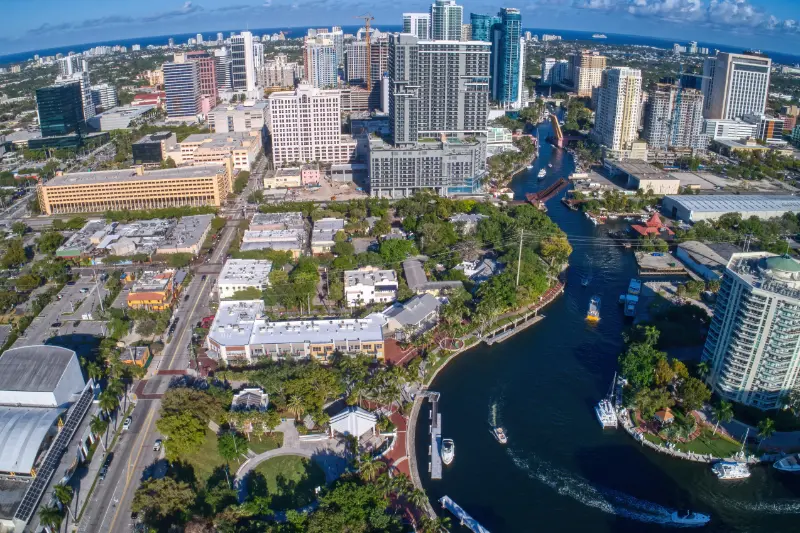
  • Hugh Taylor Birch State Park Guide: Fees, Trails, Beach Access and Fort Lauderdale Tips

    Hugh Taylor Birch State Park Guide: Fees, Trails, Beach Access and Fort Lauderdale Tips

    Hugh Taylor Birch State Park is the kind of South Florida stop that becomes much more rewarding when you know what the experience actually involves before you arrive. In Broward County, short map distances can hide very different travel days: a historic estate may need a timed tour, a state park may depend on weather, and a wildlife attraction may have activity cutoffs well before closing time.

    Explore this guide

    Decide whether Hugh Taylor Birch State Park fits your trip, how much time to protect, what to prioritize and how to avoid turning a good attraction into a rushed checklist. The goal is a realistic visit for first-time travelers, families, teenagers, senior travelers and mixed-age groups.

    Quick planning summary

    • Best for: walkers, cyclists, families, nature lovers, paddlers and beach travelers who want a green break inside Fort Lauderdale.
    • How much time: Plan 2 to 4 hours for trails, lagoon scenery and beach access; allow longer if you are paddling, picnicking or combining the park with a relaxed beach session.
    • Current cost: Current admission is $6 per vehicle with up to eight people, $4 for a single-occupant vehicle or motorcycle and $2 for pedestrians or bicyclists.
    • Current hours: The park is open daily from 8 a.m. to sunset.
    • Important planning note: The floating dock is currently closed, and large pavilions plus some restroom facilities remain closed for construction. Check the park alert page before planning around a specific facility.

    Why this place is worth including

    Hugh Taylor Birch is one of the rare places where you can leave a dense South Florida streetscape and enter coastal hammock, lagoon and shaded parkland within minutes.

    Its value is versatility. One group can walk or cycle while another takes a slower route, and the beach is nearby enough to create a half-day that feels varied without spending most of the time in the car.

    For travelers building a larger Florida itinerary, the strongest reason to include this stop is not simply that it is “nearby.” It should add a different story, landscape or activity level from what you did before. South Florida is more enjoyable when beach, wildlife, history, art and indoor attractions alternate rather than blur together.

    What to do first

    Start with the element that is least flexible: a timed tour, theater show, shuttle, tram, wildlife program or access point that can fill. Open-ended walking, photography and gardens can usually expand or contract around that fixed piece. This one decision prevents the common mistake of spending the first hour casually and discovering that the day’s most important experience is no longer available.

    When you arrive, check posted notices before following an old plan. Construction, weather, animal care, water conditions and special events can alter routes even when the attraction itself remains open.

    Best things to do and how to experience them

    Walk the shaded interior roads and trails

    The park is easier to enjoy when you treat shade as an asset. Interior routes are especially useful on warm days, and the vegetation gives a different impression from the open Atlantic shoreline.

    Use the pedestrian tunnel to reach the beach

    The park’s beach connection lets you combine greenery and ocean without moving the car. Keep in mind that beach conditions, heat and rip currents are separate considerations from the calmer interior park experience.

    Look for gopher tortoises and urban wildlife

    Wildlife sightings are never guaranteed, but the park is a good reminder that habitat survives inside the metropolitan area. Observe from a distance and never block an animal’s route.

    Consider cycling or paddling when available

    A bike changes the scale of the park and works well for active travelers. Water-based rentals and access can be affected by closures or weather, so confirm current operations before making paddling the centerpiece of the day.

    How much time do you really need?

    Plan 2 to 4 hours for trails, lagoon scenery and beach access; allow longer if you are paddling, picnicking or combining the park with a relaxed beach session.

    Do not use the minimum visit time as a target unless the rest of the day truly requires it. Add 20 to 30 minutes of buffer before the next reservation. Traffic around Fort Lauderdale, beach corridors, drawbridges, thunderstorms and event congestion can turn a short transfer into the most stressful part of the itinerary.

    Fort Lauderdale Beach Florida Marina at Sunset

    If your group includes young children, senior travelers or anyone sensitive to heat, plan by energy rather than by clock. A comfortable two-hour visit can be more memorable than four hours spent pushing through fatigue.

    Best time of year

    November through April generally brings lower humidity and more comfortable outdoor conditions in South Florida, but it is also peak visitor season. Hotels can cost more, traffic can be heavier and popular attractions may feel busier.

    Summer has advantages—long daylight, lush vegetation and fewer winter visitors—but heat and thunderstorms should reshape the schedule. Put outdoor walking first, keep water available and use indoor attractions during the hottest or stormiest part of the afternoon.

    Best time of day

    For gardens, parks, wildlife and beaches, earlier is usually better. Temperatures are lower, light can be softer and parking is easier. For indoor museums, late morning through mid-afternoon is useful because it protects you from the strongest heat and leaves early or late daylight for waterfront time.

    If the attraction has a last tour, last tram, last shuttle or separate closing time for one area, work backward from that cutoff. The published building closing time is not always the last moment when every experience is available.

    Current practical information

    Hours: The park is open daily from 8 a.m. to sunset.

    Admission: Current admission is $6 per vehicle with up to eight people, $4 for a single-occupant vehicle or motorcycle and $2 for pedestrians or bicyclists.

    Important: The floating dock is currently closed, and large pavilions plus some restroom facilities remain closed for construction. Check the park alert page before planning around a specific facility.

    Operating hours, prices, construction, programs and weather-related restrictions can change. If one specific feature is the reason for your visit, check the official page on the day you travel rather than relying on an old screenshot, map listing or social-media post.

    Getting there and parking

    Arrive earlier on weekends and beach-weather days. Parking inside the park is more predictable than repeatedly moving a vehicle around Fort Lauderdale Beach, so plan the park and beach as one combined stop.

    Save the exact official destination in your phone before leaving the hotel. Broward County has many facilities with similar beach, park, museum and nature-center names, and a generic map search can put you at the wrong entrance. Keep enough fuel or charge for detours and avoid assuming a coastal bridge crossing will always be quick.

    Families with children

    Families benefit from the short distances between very different environments. A child who loses interest in a trail may become interested again at the beach or near the water. Keep the plan simple: one walk, one picnic or snack break and one optional second activity.

    Fort Lauderdale Beach during Spring Break Aerial

    A useful family rhythm is one main activity, one food or movement break and one optional second activity. Children usually remember one strong animal encounter, room, view or hands-on moment better than six rushed stops.

    Teenagers

    Teenagers may prefer cycling, photography or a beach combination to a slow interpretive walk. Give them a route choice or a wildlife/photo goal so the park feels active rather than passive.

    Teenagers also respond well when they own one decision: the photo goal, lunch choice, route, exhibit or next stop. That small amount of independence often improves the day more than adding another attraction.

    Senior travelers and multigenerational groups

    Shaded areas make the park more manageable than many exposed South Florida attractions, but humidity and uneven natural surfaces still matter. Choose shorter loops and rest before crossing to the beach if the group is already warm.

    For multigenerational trips, agree on a meeting point if the group splits. One person may want the longer route while another prefers shade, a bench or an indoor exhibit. The best attraction is one that allows different intensity levels without forcing everyone to move at the same speed.

    Accessibility and comfort

    Roadside areas, picnic zones and some pathways are easier than natural trails. Facility closures can change accessible routes, so travelers with specific mobility needs should confirm the current map and restroom status.

    Accessibility in Florida is not only about steps. Heat, sun exposure, sand, humidity, long distances between restrooms and boat or tram boarding can matter just as much. Ask about the exact experience you plan to use rather than assuming the entire property has one accessibility level.

    Heat, rain and hurricane-season planning

    South Florida weather can change quickly. A bright morning does not guarantee a dry afternoon, and thunder matters more than rainfall alone. Leave exposed beaches, towers, open water and long boardwalks when lightning approaches. Do not wait under a lone tree or assume a small shelter is safe from a storm.

    During the Atlantic hurricane season, an attraction can reopen while individual trails, docks, pavilions or exhibits remain closed for repair. Read current notices if your trip follows a major storm, even when ordinary hours appear normal.

    Budget and value

    The vehicle entrance fee makes the park one of the better-value half days in central Fort Lauderdale, especially for families sharing a car. Bring water and snacks rather than relying on a full-service attraction setup.

    Think in terms of value per memorable experience rather than hours per dollar. A free beach or boardwalk can be the highlight of a trip, while a higher admission can be worthwhile when it delivers a distinct experience your group cannot get elsewhere.

    Food, water and restroom strategy

    Do not assume every park, historic site or nature center has a full café. Eat before a long outdoor segment if services are uncertain and carry water even when the map shows restaurants nearby. In heat, begin drinking before anyone feels thirsty.

    Use restrooms when you see them, particularly before boat shuttles, long trails or beach time. Temporary restroom closures are common after construction or storms, so a posted closure can matter more than the map.

    Photography tips

    For outdoor sites, early light and patience are more useful than chasing a perfect angle. Around wildlife, never move closer if the animal changes behavior. In museums and historic houses, confirm flash and tripod rules before setting up. Keep pathways clear and avoid blocking other visitors for a photograph.

    Where to stay

    Fort Lauderdale is the most natural base for this visit, but Fort Lauderdale, Hollywood, Dania Beach and the wider Broward County hotel zone are close enough that you usually do not need to change hotels for a single attraction.

    Choose accommodation based on the majority of your itinerary. Beachfront hotels are convenient for ocean time but can add cost and parking complexity. Inland hotels may be better for attractions spread across Broward County, especially when you have a rental car.

    How to combine it with other Wonderful Florida guides

    Useful already-published guides include Loggerhead Marinelife Center, Jonathan Dickinson State Park, Blowing Rocks Preserve. Use one as a next-day idea or as a second stop only when geography, weather and energy make the combination sensible.

    A realistic three-day mini-itinerary

    Day 1

    Walk or cycle the park in the morning, then use the beach connection before afternoon heat builds.

    Day 2

    Choose a Fort Lauderdale museum or historic-house experience for an indoor-cultural contrast.

    Fort Lauderdale Florida Skyline from Waterfront at Sunset

    Day 3

    Make a longer nature day at a refuge, wetland or state park farther north or west.

    Who may want to skip or shorten the visit

    Hugh Taylor Birch State Park will not be ideal for every traveler. If its main experience duplicates something you have already done several times on the trip, shorten the visit or choose a different category. South Florida has enough variety that there is little reason to repeat the same style of attraction simply because it is close.

    Travelers with very limited time should protect the experiences that are most specific to their interests. A wildlife-focused family may skip an art museum; an architecture-focused couple may skip another wetland. Selective travel is usually better travel.

    Common mistakes to avoid

    • Planning around the floating dock without checking its closure status
    • Underestimating heat because the park looks shaded
    • Moving the car just to reach the adjacent beach
    • Assuming every restroom or pavilion is currently open
    • Packing too many Fort Lauderdale stops into the same afternoon
    • Scheduling the next reservation so tightly that one traffic delay ruins the day.
    • Ignoring heat or lightning because the destination is already close.

    Practical questions before you go

    Do I need to reserve in advance?

    Reserve whenever the experience depends on a guided tour, shuttle, tram, theater time, limited-capacity program or special event. Open trails and general museum admission may not require it, but the part you care about most might.

    Is this a good rainy-day choice?

    If most of the experience is indoors, it can be an excellent storm-day option. If the visit depends on gardens, wildlife, beach, boats or trails, light rain may be manageable but lightning is a reason to change plans. Keep one indoor backup in your itinerary.

    Can I combine it with the beach?

    Usually yes in Broward County, but use geography rather than ambition. A short beach walk can complement a museum; a full beach day plus a large attraction often leaves one half of the plan feeling rushed.

    What should I bring?

    For outdoor-heavy visits: water, sun protection, insect repellent where appropriate, a light rain layer and shoes suited to the actual surface. For museums and historic houses: a small bag that meets current policies, a light layer for air conditioning and headphones when mobile guides are offered.

    How do I keep the day comfortable in summer?

    Start earlier, reduce outdoor distance, add shade before anyone feels overheated and move an indoor attraction into the afternoon. Do not plan the same walking volume in August that you would choose on a cool January morning.

    Official resource to check before you go

    Final thoughts

    Hugh Taylor Birch State Park is most rewarding when you plan around what is distinctive about it rather than trying to use it as another box on a South Florida checklist. Confirm the current access details, protect enough time for the main experience and let your group’s energy decide whether you add anything afterward.

    A strong Florida itinerary is built on contrast: one day may be a historic house and city walk, the next a mangrove trail or beach, and the next an indoor museum. That variety makes each stop easier to remember and gives you alternatives when weather changes.

    How to decide whether this stop fits your itinerary

    Choose Hugh Taylor Birch State Park when its core experience matches something your group genuinely wants to do. Do not choose it only because a map app says it is fifteen or twenty minutes away. South Florida traffic and parking make “nearby” a poor reason by itself.

    Use three questions. First, is the main experience different from yesterday? Second, does the least mobile or youngest traveler in the group have a comfortable way to participate? Third, is there a weather or access condition that could remove the feature you came for? If the answers work, the stop belongs in the itinerary.

    When two attractions seem equally appealing, choose the one with the tighter operating window first. Museums and parks with long open hours are easier to move to another day than a limited tour, shuttle, animal program or seasonal event.

    Driving distances and South Florida traffic

    Broward County looks compact on a map, but local travel time changes dramatically with beach traffic, school dismissal, commuter peaks, bridge openings and major events. Avoid planning by mileage alone. A short route across a bridge or through downtown can take longer than a longer highway segment.

    For a morning reservation, aim to arrive early enough that a parking search does not consume your check-in window. For flexible attractions, consider staying in the same geographic cluster for lunch and the next stop instead of crossing the county again.

    What is actually worth prioritizing?

    At Hugh Taylor Birch State Park, prioritize the experience that cannot be replicated by a generic beach, mall or city walk. That may be a particular historic story, wildlife habitat, collection, tower, tour or landscape. Secondary amenities are useful, but they should not crowd out the reason the place exists.

    If you have only one hour, choose one clear objective and leave when you have achieved it. If you have half a day, slow down and add interpretation, photography and a break. Extra time improves a visit only when it creates attention rather than more rushing.
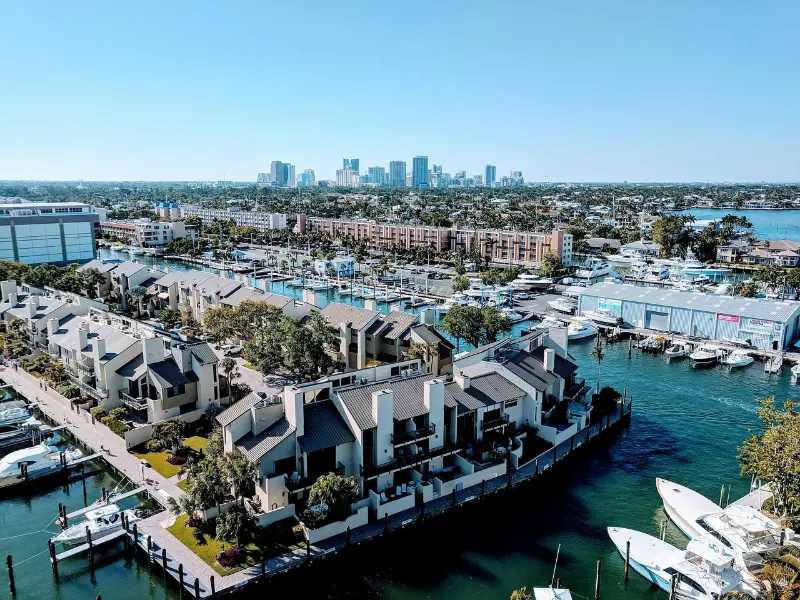
  • Florida With Teens Ages 15–18: Seven Days from Fort Lauderdale to Juno Beach

    Florida With Teens Ages 15–18: Seven Days from Fort Lauderdale to Juno Beach

    Florida can be a wonderful vacation with teenagers who have outgrown the playground stage but do not want a week of theme-park lines. The Atlantic coast between Fort Lauderdale and the Palm Beaches offers a useful balance: beach neighborhoods, marine science, boat-filled waterways, museums and independent-feeling town centers. It is also manageable as a vacation based in two places, rather than a frantic drive across the state.

    This seven-day itinerary is built for families with teenagers around ages 15–18. It includes genuine choices so a teen interested in photography, ecology or culture can shape the experience. Not every teenager likes the same things, and not every family wants to spend every afternoon together. The plan leaves room for beach rest, changing weather and the kind of unplanned lunch that often becomes a favorite travel memory.

    Decide on two bases: Fort Lauderdale and the Palm Beaches

    Spend approximately four nights around Fort Lauderdale and three nights near West Palm Beach, Lake Worth Beach or a nearby coastal neighborhood. That arrangement gives you several manageable outings without packing bags daily. The exact split can change according to your flights: travelers landing at Fort Lauderdale-Hollywood International Airport may find Fort Lauderdale an efficient starting point, while Palm Beach International Airport may favor the northern half of the route.

    A hotel near Fort Lauderdale beach can make early walks and casual meals easier but may charge substantial parking or resort fees. Downtown locations may be more convenient for museums and dining, with the beach farther away. In the Palm Beaches, a West Palm Beach city stay and a quieter ocean-area stay are different experiences. Show teenagers two or three real options on a map and have them compare walking routes, room layouts and the total price.

    Florida Fort Lauderdale Marina and Beachfront

    Ask about connecting rooms if privacy matters; an advertised “family room” may still mean everyone shares one sleeping area. If driving, calculate parking at each hotel and attraction. Without a car, study actual train and local transit routes before selecting lodging; being close to a rail station does not automatically solve the last mile to a beach or park.

    Day one: get comfortable and explore Fort Lauderdale’s waterfront

    Use arrival day for a light walk near your accommodation and a meal chosen together. Fort Lauderdale is known for waterways and a busy coastal city environment, but the beach, Las Olas area and downtown are not identical neighborhoods. Rather than rushing between all of them, pick one. A short walk along a public beach area can work if conditions are safe, while a downtown evening may be better if your hotel is inland.

    Give the teenagers one practical responsibility: find a dinner place within the group’s budget, navigate the route, or identify tomorrow’s weather forecast. That increases engagement without turning the vacation into a school assignment. Agree on rules for phones, water safety and how to meet if someone becomes separated. Teens may want independence, but unfamiliar street crossings and water conditions still require judgment.

    After a long flight, avoid booking a tightly timed boat tour on the first afternoon. An evening ride can be enjoyable on another day, but boat operators’ weather and boarding rules should be confirmed in advance. End the evening with a realistic outline of the next morning, leaving space to sleep longer if needed.

    Day two: science, city life and an optional beach session

    Start with the Museum of Discovery and Science in Fort Lauderdale if its current exhibitions match the family’s interests. It can provide an engaging indoor alternative on a hot or stormy day, although a teenager who prefers art or street photography may want a different experience. Check the museum’s official schedule, tickets and any special programs before leaving; events and traveling exhibitions change.

    After lunch, explore one part of downtown or Las Olas Boulevard at a comfortable pace. Teens may enjoy choosing a café, taking architectural photographs or looking at independently owned shops. Be respectful when taking photos of people, businesses and private property. A short city experience provides variety after the more controlled environment of a museum.

    If conditions permit, add an hour at the beach later. Consult beach flags and lifeguards, especially where surf or rip currents are present. Do not assume strong swimmers can disregard warnings. If the forecast turns stormy, replace the shoreline with an early dinner or another indoor activity rather than treating the outdoor portion as a compulsory goal.

    Day three: Hugh Taylor Birch State Park and the coast

    Hugh Taylor Birch State Park is close to Fort Lauderdale’s urban beachfront yet offers greenery and opportunities for a quieter outing. Its official park page provides current alerts, fees and conditions. As of October 2026, the park has reported some facility and floating-dock closures, so do not plan a specific restroom or paddling activity without checking whether it is operating.

    Fort Lauderdale Marina and Downtown Skyline Aerial

    Make the visit a nature morning. Walk a comfortable section rather than requiring everyone to complete a long route, and look for birds or the contrast between the city and coastal habitat. If bikes, kayaks or another rental activity appeal to the group, confirm current providers, minimum ages and safety rules. A teenager interested in wildlife photography might enjoy slowing down to observe details rather than covering distance.

    In the afternoon, choose a beach rest or let each teen select one nearby activity, within sensible supervision arrangements. If a young person has sensory sensitivities, this is a good day to retreat from crowded attractions. Keep water, sun protection and insect repellent available, and use established trails to protect the park’s wildlife and plants.

    Day four: Boca Raton’s marine ecology and a move north

    Use the transfer toward the Palm Beaches as an outing, not simply a highway trip. Gumbo Limbo Nature Center in Boca Raton is a useful stop for teens curious about coastal ecosystems. The city-operated site includes natural areas and education features, but facilities and hours vary. Consult the official visitor page for nature-center and trail hours separately; restrooms are not available during all trail-only hours, and visitor parking is not intended for adjacent beach use.

    Let the family spend time learning about mangroves and coastal plants rather than trying to fit in several museums. Discuss how these habitats protect shorelines and support wildlife. If the teens are interested in photography, invite them to choose a small theme—textures, bird behavior or water reflections—rather than competing to get close to animals. Respect signs and barriers throughout the center.

    Continue to the northern accommodation and settle in before dinner. There is no need to schedule another major stop. A road trip is more relaxing when moving hotels consumes only part of one day. Keep driving and traffic delays in mind; check FL511 before leaving and allow extra time for parking.

    Day five: sea turtles at Juno Beach and a slower afternoon

    The Loggerhead Marinelife Center at Juno Beach focuses on ocean conservation and sea turtle care. Its visitor information describes a largely outdoor campus, making weather and heat relevant even though it is an educational facility. Programs can change, so check the day’s visitor schedule and avoid promising that a particular animal or rehabilitation activity will be visible. A sea turtle hospital is not an entertainment attraction where animals should perform on demand.

    Use the visit to discuss responsible beach behavior: not approaching or disturbing nesting turtles, respecting protected areas, and removing rubbish that could harm marine life. Sea turtle nesting and hatching are seasonal, and sightings are never guaranteed. The center can be worthwhile at any time because the educational message is broader than a single wildlife encounter.

    Later, choose a nearby lunch and a restful afternoon. One teen may want a public beach walk; another might appreciate downtime by the hotel pool. It is reasonable to split briefly with an adult accompanying each smaller group when supervision is needed. Do not force one activity on everyone merely to preserve the itinerary’s order.

    Day six: West Palm Beach arts, gardens or a relaxed waterfront

    Give the final full day a clear choice. Art-loving teenagers may prefer a museum and downtown lunch in West Palm Beach; others may choose a shorter nature outing or additional time near the coast. The Norton Museum of Art is a prominent option, but consult its current schedule and exhibition policies. A museum experience becomes much more enjoyable when each traveler is encouraged to pick three works or rooms that interest them rather than being marched through every gallery.

    For a lighter outing, explore a waterfront public space, look for a café and spend time talking about the best moment of the week. Teens often remember being consulted more than they remember a long list of attractions. If your group prefers nature, find a suitable local park with accessible facilities and manageable walking distances. Avoid unverified claims that a trail is completely wheelchair accessible; confirm conditions with the site if that matters for your party.

    Consider an evening meal celebrating the end of the trip, and set aside time to pack before bedtime. The goal is to finish the vacation rested enough to manage the journey home.

    Day seven: departure with time for a final stop only if practical

    Choose your airport and departure route carefully. If flying from the same airport where you arrived, include the extra travel needed to return from your second base. Rail or car transfers can be disrupted by traffic, weather or service changes; check timetables directly. Do not commit to a timed attraction shortly before your flight.

    If the schedule allows, a local breakfast and brief waterfront walk are enough. Make sure the teenagers have their passports or accepted ID, chargers and personal items before you leave the hotel. Double-check that nothing is plugged into a bedside outlet. A calm final morning protects the trip from the frustration of arriving at an airport rushed and hungry.

    Costs, transport and meaningful teen choices

    Decision Lower-cost approach When paying more might help
    Accommodation Shared family room away from premium beachfront Connecting rooms or walkable beach location
    Transportation Combine nearby outings; avoid unnecessary car days Rental car for nature stops and luggage
    Activities Beaches, waterfront walks, selected free educational sites One museum, guided trip or special experience
    Food Grocery breakfasts and casual lunches One restaurant meal chosen by the teens
    Schedule One main activity daily An extra paid outing only when everyone wants it

    Plan the budget around your actual group rather than an invented universal daily figure. Check ticket age bands, parking costs and cancellation rules. A nearly adult teenager may pay the adult rate, even at attractions described as family-friendly. Balance busy days with quieter mornings and make clear that everyone can propose a change if an activity is not working.

    Safety, season and an alternative for different interests

    South Florida’s heat and humidity can be demanding, and coastal storms may interrupt outdoor plans. Always check the National Weather Service and current beach advisories. Strong surf, lightning and extreme heat are reasons to change an outing, not problems to push through. Encourage teens to carry water, wear sun protection and respect local wildlife rules.

    For families with a science-focused teen, emphasize the museum, marine center and nature park. For art enthusiasts, substitute an extra museum, design neighborhood or gallery visit. For sports-loving teens, investigate a supervised lesson with a reputable provider, checking experience requirements, weather policies and equipment safety. You do not have to include a theme park to deliver an active, memorable Florida week.

    Frequently asked questions

    Is Fort Lauderdale suitable for a family with older teenagers?

    Yes, especially if the family likes a mixture of beach time, museums, city neighborhoods and nature. Select a practical hotel and agree on safety and independence boundaries.

    Should we use one hotel or two for the full week?

    Two hotels can reduce repeat driving if you plan to explore both Fort Lauderdale and the Palm Beaches. One base may be preferable for a family that dislikes moving luggage, provided day trips remain manageable.

    Can this itinerary work without a rental car?

    Parts can, but the nature stops and hotel transfers require careful planning with current rail, transit and rideshare options. Evaluate your exact lodging addresses before deciding against a car.

  • Florida With a Toddler and a Teenager: Six Days Around Fort Lauderdale

    Florida With a Toddler and a Teenager: Six Days Around Fort Lauderdale

    Planning a Florida vacation for a toddler and a teenager is less straightforward than booking a theme park and hoping everyone enjoys it. A three-year-old may need a midday nap, safe places to run and short outings. A fifteen-year-old might want photography, independent choices and something more challenging than another playground. South Florida can accommodate both, but the solution is not to force both children through the same attraction list at the same speed. It is to create a trip with shared experiences, brief separate choices and enough downtime to prevent every afternoon from ending badly.

    This six-day plan uses Fort Lauderdale, Hollywood Beach and the inland Davie area as a manageable Broward County base. It is useful for parents, grandparents and other caregivers traveling together. Every day’s main activity has a shorter version and an alternative when the weather or the toddler’s needs change. The activities are real places, not invented personal experiences, and the itinerary can be adapted for an adult who walks slowly or a teen who dislikes water.

    Balancing a toddler and a teen

    Day Shared experience Different-age option
    One Easy arrival and dinner Teen chooses food stop; toddler rests
    Two Hollywood Broadwalk Short stroller loop or longer photo walk
    Three Hands-on science Split museum galleries with responsible adults
    Four Flamingo Gardens Quiet animal viewing or photography
    Five Hugh Taylor Birch nature Short shaded walk or longer supervised path
    Six Repeat a favorite Each child chooses a small final activity

    Start by choosing the right family accommodation

    Select one base for all six nights. Fort Lauderdale can be convenient for city attractions and the waterfront, while Hollywood Beach provides direct access to a long oceanfront promenade in some locations. Davie and other inland areas may be useful for the garden day but are less attractive if the family wants to walk to the beach regularly. Compare driving times at the actual hours you will travel, not only distances in a booking app. A small child becomes tired in traffic long before the rest of the family does.

    Prioritize two sleeping zones if the budget allows. A toddler who goes to bed early and a teenager who wants to read or talk in the evening have very different routines. A separate bedroom or quiet sitting area can be more valuable than a luxury pool. Check whether a crib can be reserved, whether bedroom doors lock unexpectedly and whether any pool or balcony is securely protected. Ask about laundry, refrigerator access and a nearby supermarket. For six nights, ordinary practical features can determine how relaxed everyone feels.

    Day one: arrive, recover and explore a small area

    Arrival day should have no expensive timed attraction. Check into the hotel, locate the grocery store and take a gentle walk where your youngest traveler can move safely. If arriving by plane, check the toddler’s seat and transport needs before departure rather than assuming a rideshare provider will supply an appropriate child restraint. The teenager can help choose a casual restaurant or photograph the evening light; that small choice makes the trip feel shared rather than completely designed for a preschooler.

    If you have time, explore the closest public waterfront or neighborhood path for less than an hour. Avoid a long drive to Miami or an ambitious sunset cruise on the first night. Young children often need familiarity, and adults may be tired from travel logistics. Establish where everyone will sleep and which items must be packed for the morning. A calm arrival can save the next day from frustration, particularly when several family members have different sleep schedules.

    Day two: Hollywood Broadwalk for two different ages

    Hollywood Beach’s Broadwalk is a paved oceanfront promenade with restaurants, places to pause and access to the sand. It suits a mixed-age group because visitors can enjoy the setting without all joining the same activity. The official City of Hollywood Broadwalk information describes the route and public amenities. Choose a short stretch near confirmed parking and restrooms rather than expecting a toddler to cover the entire promenade.

    The teenager might enjoy taking photos or walking farther with one adult while another supervises the toddler close to a shaded rest point. Establish a clear reunion location, and do not leave young children unattended at the beach. Swimming should depend on current flags and safe conditions, not a promise made days before the trip. Families who prefer to remain dry can still enjoy breakfast near the ocean and watch the activity along the shore. Return to the accommodation before everyone is exhausted.

    Day three: hands-on science in Fort Lauderdale

    A science museum is useful when two children have different learning styles. The Museum of Discovery and Science in downtown Fort Lauderdale has interactive exhibits that can be more flexible than a performance with one start time. Check current admission, exhibits and age recommendations before arrival, since temporary programs change. Ask the teen to choose one exhibit that they genuinely want to explore, and give the toddler shorter hands-on sessions where appropriate. One parent or grandparent may need to move between different galleries rather than expecting all four visitors to stay together.

    Fort Lauderdale Downtown Waterway and Highways Aerial

    Plan a midpoint snack and an exit option. Museum fatigue is real, particularly when a toddler has been awake early. If the teen wants more time, one adult can remain while the other leaves with the younger child; agree on a safe pickup plan in advance. In hot or stormy weather, an indoor museum can be the day’s principal attraction. Finish with a low-key dinner instead of adding a distant evening event that depends on the youngest member’s unpredictable energy.

    Day four: gardens and rescued wildlife in Davie

    Flamingo Gardens combines botanical landscapes with a wildlife sanctuary, offering opportunities to talk about native plants and animal care. The official Flamingo Gardens visit page lists admission details and operating hours. Verify the current tram operation and exhibit schedule before setting out rather than promising an animal presentation that might not occur. A teenager interested in photography can find plenty to study, while a younger child may be happiest observing one animal quietly rather than rushing between displays.

    The sanctuary is not a petting zoo. Explain that the animals are not there to be touched or fed by visitors. Keep the toddler from climbing barriers or dropping food into enclosures, and use the marked paths. A stroller can help, but check surface conditions if your group has mobility limitations. Reserve shaded breaks and drinking water, especially in warm months. After the visit, return to the hotel rather than scheduling another distant park. A day that works for both ages often has a single clear highlight.

    Day five: Fort Lauderdale’s Hugh Taylor Birch State Park

    Hugh Taylor Birch State Park provides an urban nature experience very different from the ocean promenade. It protects green space between developed Fort Lauderdale and coastal waterways. The official state-park information provides current access conditions and notes that some restrooms, pavilions and the floating dock have been affected by closures. Check those details before choosing an activity that depends on a particular facility. A short shaded outing can be plenty for a small child, while a teen may enjoy observing wildlife or exploring a longer designated route with an adult.

    Do not assume that all paths are suitable for strollers, and never bring the toddler close to open water without direct supervision. The group can split by energy level for part of the morning and meet for a picnic in an open, permitted area. Carry food and water because convenience services can change. If storms approach, leave the park and use a museum or a quiet hotel afternoon as the backup. The purpose is to appreciate a pocket of nature, not to force a full-day hike inside a city.

    Fort Lauderdale Skyline and Waterfront Aerial

    Day six: let each child choose a small final experience

    The final day is ideal for a simple choice. Ask the teenager to select between a photography walk, a museum return or a favorite food stop. Give the toddler a predictable playground or short beach outing with a caregiver. Keep the choices geographically close so the family is not spending the day driving between them. You might all meet for lunch and enjoy one brief shared waterfront moment in the afternoon. If your flight is that day, replace extra sightseeing with unhurried packing and a comfortable transfer.

    One mistake on mixed-age trips is to describe a teenager’s preference as a reward for tolerating the toddler’s activities. Both children are legitimate travelers. A little separate time can help the older child feel respected and the younger child stay comfortable. Adults should plan who carries snacks, who supervises beach access and who handles tickets; these decisions are easier before a tired child starts crying. A successful conclusion may involve very little activity and still feel satisfying.

    A daily rhythm that prevents tired afternoons

    Build the day around one main morning outing, lunch, rest and an optional short evening activity. For a toddler, naps may be essential; for the teen, downtime in a separate space can be just as valuable. If the family is staying in a rental with a kitchen, an early meal can reduce the pressure to find a restaurant when everyone is hungry. Pack a change of clothes, sunscreen, water and a few familiar snacks, but do not carry so much equipment that every stop becomes difficult.

    Alternate the focus of the days. A beach promenade and garden visit provide movement and nature, while an indoor science museum adds hands-on learning. Do not schedule multiple animal attractions simply because the children liked one. Consider the teen’s interests—photography, art, marine science, food or sports—and choose the relevant details within the same itinerary. For a toddler, novelty comes from manageable experiences such as watching birds, riding in a stroller and exploring a safe public space.

    Swimming, storms and family safety

    Broward County’s Atlantic beaches have changing waves, currents and weather. Follow flags and lifeguard instructions, maintain direct toddler supervision and avoid swimming during unsafe conditions. For a mixed-age group, assign supervising adults rather than assuming a teenager will watch a younger sibling while everyone relaxes. A teen may be a capable helper but should not carry the full responsibility for another child’s safety. The family should have a meeting point and know what to do if separated in a crowded area.

    Thunderstorms are common in warm months and can make exposed beaches or open gardens dangerous. Move inside when lightning is nearby, and do not wait under a beach umbrella. In the car, use age- and size-appropriate child restraints according to the applicable requirements. If the toddler becomes overheated, return to an air-conditioned environment and seek medical help for concerning symptoms. There is no attraction important enough to justify ignoring a child’s health or an official safety warning.

    How to budget fairly for two ages

    The budget includes accommodation that allows proper rest, car hire or other transport, parking, meals, admission for different age categories and a small reserve for weather-related changes. Check museum and garden ticket prices for the actual ages of your children; one child may qualify for free admission while the other pays a youth or adult rate. A hotel pool can be an excellent low-cost afternoon option, but it still requires supervision. Compare full accommodation prices, not just advertised nightly amounts.

    Allow the teenager a small discretionary amount for a chosen activity or snack rather than spending every extra dollar on toddler equipment. Budget for one paid family highlight and several low-cost outings, such as a waterfront promenade and park time. A convenient hotel may cost more but save enough driving, parking and stress to be worth it. Conversely, a rental with laundry and a kitchen can make a longer stay easier. Choose based on the group’s actual routines.

    Keep the vacation flexible enough for everyone

    The joy of this kind of trip lies in noticing that the two children may enjoy the same place for different reasons. At a garden, the teen might photograph birds while the toddler notices bright leaves. On the Broadwalk, the older child may enjoy an independent stroll with an adult while the younger one watches bicycles from a stroller. Both experiences count. Do not make every day a forced group photograph or a contest to visit the most attractions.

    If grandparents join, include their comfort and mobility needs in the plan from the beginning. They may enjoy an art museum more than a long beach walk, or they may prefer to spend a quiet afternoon with the younger child while the parents accompany the teenager to a chosen attraction. Offer options rather than assumptions. South Florida has enough variety for different generations, provided the itinerary values rest and treats each person’s energy as real.

    Frequently asked questions

    Is Fort Lauderdale a good base for a toddler and a teenager?

    It can be. The area combines beaches, museums, parks and nearby gardens. Choose one lodging base, plan short morning activities and keep afternoons flexible.

    Can we see Hollywood Beach without spending the whole day swimming?

    Yes. The paved Broadwalk, ocean views and restaurants make a shorter, mostly dry outing possible. Always follow beach safety instructions if anyone enters the water.

    What if the teenager and toddler want completely different activities?

    Plan one shared outing, then allow a brief split with a responsible adult supervising each child. Agree on the meeting place and treat both children’s preferences seriously.