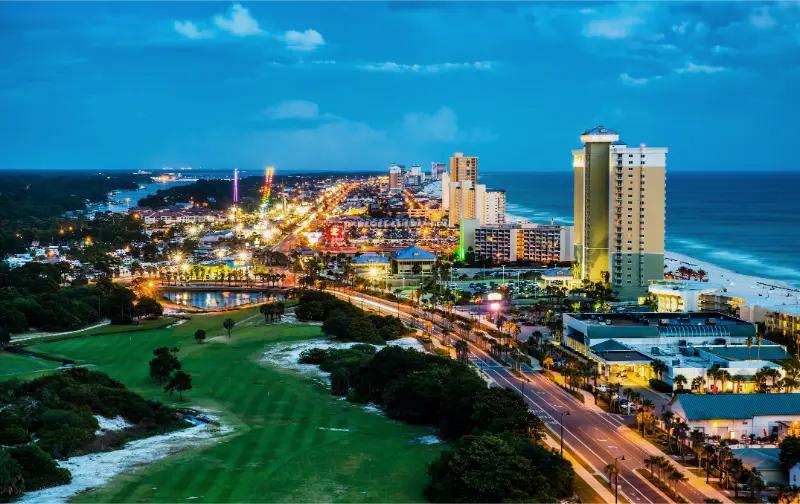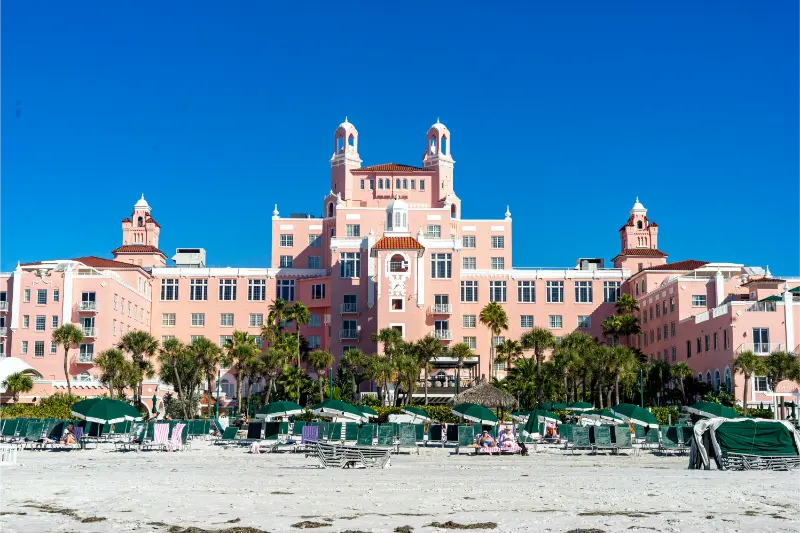
Panama City and Panama City Beach have similar names but are different places to stay. Panama City sits on St. Andrews Bay and offers historic neighborhoods, marinas, restaurants and cultural stops. Panama City Beach is the better-known Gulf resort destination with long sandy beaches and a different concentration of accommodations. This distinction is crucial when choosing a hotel: “bayfront” in Panama City is not the same as “Gulf-front” on Panama City Beach. If you want a quieter town base with occasional beach excursions, Panama City can work very well. If you expect to step out of the room onto the Gulf every morning, choose your address much more carefully.
Which area should you choose?
| Area | Best for | Consider before booking |
|---|---|---|
| Historic St. Andrews | Marina atmosphere, restaurants and walks | Bayfront rather than Gulf beach |
| Downtown Panama City | Culture and harbor public spaces | Verify precise walkable blocks |
| Bayfront and marina hotels | Water views and boating outings | Not automatic swimming access |
| Inland Panama City hotels | Road-trip convenience and parking | Daily beach transfer required |
Historic St. Andrews for an atmospheric waterfront stay
Historic St. Andrews is one of the most distinctive parts of Panama City, with a former fishing-village setting, marina activity, restaurants and a bayfront atmosphere. Staying nearby can be enjoyable for couples and visitors who want short evening walks and meals close to the room. The neighborhood's appeal is not the size of a resort complex but its sense of place. It gives travelers a reason to linger instead of treating the hotel as somewhere to sleep between highway drives.
Check the specific location of the accommodation. A listing advertised as “St. Andrews area” may not put you within a pleasant walking distance of the historic waterfront. Look for the actual route to the marina or dining streets, including road crossings. Restaurants and bars can make some blocks lively; if quiet sleep matters, inspect the room's position and ask whether nearby events are scheduled during your stay.
The waterfront here faces the bay, not an open Gulf swimming beach. Enjoy the scenery and harbor activity for what it is, and plan a separate beach visit if sand and surf are important to your vacation.
Downtown Panama City for culture and convenient local outings
Downtown Panama City has its own restaurants, streets and bayfront public spaces. The city has been developing and revitalizing parts of its center, so the experience can differ from that shown in older guidebooks. A central hotel may suit travelers who enjoy local arts, historic context and one or two relaxed evenings out. It can also be a useful stop on a longer trip across northwest Florida.
Before reserving, investigate whether the accommodation is genuinely near the places you want to visit, not merely inside the city's broad boundary. A property near a major road or commercial strip can be convenient for driving yet less satisfying for evening walks. If a listing advertises a view of St. Andrews Bay, verify whether it is available from the reserved room, the restaurant or only a rooftop communal space.
Downtown is especially appealing when you are not planning a full week of daily Gulf swimming. For travelers combining dining, small museums and occasional boat activities, its local character may matter more than a standard resort lobby.
Panama City Beach is a separate lodging decision
If the first wish on your list is a balcony overlooking white sand and Gulf surf, look at the beachfront communities across the bay rather than assume a Panama City address offers the same experience. Panama City Beach has its own accommodation districts, attractions and public beach-access systems. Driving between the two cities takes planning, and traffic can be heavy at popular times. A small saving on a Panama City hotel may disappear if the family pays for transport and beach parking every day.
On the other hand, a Panama City Beach resort might not be the best base if your trip is focused on historical St. Andrews, visiting relatives in the city or regional boating. Choose according to your daily plan. The right city name on the booking is more important than the marketing phrase “near the Gulf.”
For a mixed vacation, count beach days and city days. If beaches dominate, stay closer to the sand. If you want one beach outing and several local-town experiences, Panama City can be the more relaxed choice.
Bayfront hotels, marinas and vacation rentals
Panama City lodging may look toward the water, sit beside marinas or occupy inland commercial areas. A bayfront room can be attractive for watching boats or sunrise light, but it should not be described as a beach room unless the property has a genuine, lawful beach. A canal or marina does not imply swimming access, and docks may be restricted to registered boat owners. Ask exactly where you may walk and which waterfront amenities guests can use.
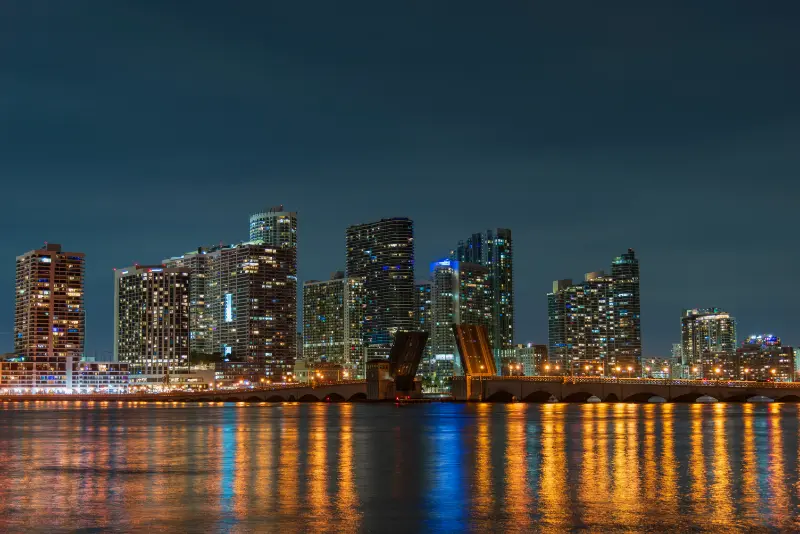
Vacation rentals can offer kitchens and additional space for families, but the arrangements vary. Look for clear parking permissions, reliable check-in, a local emergency contact and written rules for visitors or boats. If children will stay beside open water, inspect doors, balcony railings and dock access carefully. A hotel with a staffed reception may be simpler for a short stay, especially after a late arrival.
For anyone requiring accessible facilities, obtain specific details about the bathroom, elevator, route to parking and any marina or boat-boarding arrangements. “Waterfront accessible” is not a complete description of what will work for a particular traveler.
What to do from a St. Andrews or downtown base
Historic St. Andrews lends itself to a local walking outing, a meal beside the bay and learning about the city's working-waterfront history. Official Destination Panama City information includes a self-guided walking-tour resource for the neighborhood. That is a useful option for visitors who enjoy exploring at their own pace rather than committing to a fixed group departure. Confirm current access and the locations of any stops before setting out in very hot weather.
Boat trips and fishing excursions can be worthwhile, but all depend on weather, operator rules and departure points. Ask about boarding, life jackets, shade and restrooms. A family with children should be realistic about attention spans and the length of an outing on open water. There is no need to book a boat trip simply to enjoy the harbor; watching boats return while having lunch is also a pleasant experience.
For a rainy afternoon, look for local galleries or indoor activities, checking current opening times directly. The best schedule leaves room for unexpected changes rather than assuming every storefront is open every day.
Planning an actual Gulf beach day from the city
A visit to Panama City Beach requires a deliberate plan for the destination, legal beach access, parking and the return. Do not drive toward the coastline without choosing a named access point. Popular areas can be busy, and conditions change after storms or construction. Consult city or county guidance for public parking and any temporary restrictions before departing.
Families should pack water, shade, snacks and dry clothes, especially if the lodging is far enough away that returning for a forgotten item would be inconvenient. Follow posted surf warnings and watch for lightning. The Gulf can be rough on some days despite looking calm in marketing material. If the weather makes swimming unsuitable, an organized city outing or indoor break is better than forcing a beach session.
A visitor planning daily beach trips should reconsider whether a Panama City hotel is truly the best value. Several short drives and paid parking sessions may cost more—in both time and money—than a hotel closer to a suitable beach entrance.
Families, teenagers and visitors of different ages
Panama City can be comfortable for families that enjoy combining local culture with selected outdoor activities. A room with a refrigerator, simple breakfast options and convenient parking helps when the group includes younger children. Teenagers may enjoy waterfront dining or a scheduled boating experience, but not every activity needs to be prebooked. Allow time for the family to rest, especially after a hot afternoon outside.
For grandparents, an easy walking route with benches can be more enjoyable than a long beach crossing. Choose accommodation near the kinds of places they want to see, and inspect elevator and bathroom arrangements before paying. A larger room does not necessarily mean a more accessible one. If several generations travel together, consider whether a suite with a living area will allow some guests to rest while others continue exploring.
For solo travelers, the ease of arriving late and returning from dinner matters. Review the immediate neighborhood and confirm transport availability rather than assume every waterfront street is equally active in the evening.
Arriving, driving and parking without unpleasant surprises
Northwest Florida Beaches International Airport is one gateway for the area, though the best arrival route depends on flights and onward travel. Verify the route to your particular hotel instead of relying on an estimated distance to the city center. A late arrival makes a reliable check-in method essential, especially when renting privately. Ask whether there will be staffed reception, a code or a key pickup at another property.
Panama City is largely car-oriented outside selected walking districts. Regional transit options can be useful for specific journeys but require current route and timetable checking. If the vacation involves beaches, marinas and attractions across the bay, renting a car may simplify the itinerary. Include bridge traffic and time spent parking in the day's plan.
If towing a boat or carrying large equipment, verify parking dimensions and rules with the property. A regular hotel space does not necessarily accommodate a trailer. Save the hotel's full address and arrival instructions before leaving the airport.
Seasonal conditions and after-storm practical checks
The Florida Panhandle experiences hot, humid summers, thunderstorms and periods of tropical-weather risk. Conditions can change boat schedules, outdoor dining and beach access. Read local authority notices close to travel dates rather than relying on a saved guide from a previous season. A waterfront location deserves particular attention to weather-related cancellation rules and the availability of alternate indoor activities.
A pleasant spring or fall visit may bring different crowds and temperatures from peak summer. Check whether the amenities you are paying for—pool, dining, boat service or breakfast—operate during the chosen period. Even in mild weather, some businesses have seasonal schedules. It is sensible to reserve only essential activities far in advance and leave the rest of the time adaptable.
For any severe-weather warning, follow official guidance. Never drive through flooded streets to reach the hotel or a sightseeing destination. Coastal travel is more enjoyable when flexibility is built into the booking and daily plan.
A two- or three-day city-and-coast itinerary
On arrival day, explore the closest waterfront district and eat nearby rather than crossing the bay for a late-night attraction. Dedicate the first full day to historic St. Andrews and a relaxed local outing, with time for lunch and an indoor rest. On the second full day, choose a Gulf beach visit if conditions are suitable, or stay in the city for another cultural activity. This gives the family a mixture without spending the entire holiday moving between parking lots.
For a short one-night stop, select a single walkable area and a comfortable hotel rather than planning multiple excursions. Older visitors and families with small children may find an early dinner and bayfront stroll more memorable than a hurried list of attractions. If staying longer, add an unscheduled day for weather and for whatever part of the region appeals most once you arrive.
Keep checkout and flight logistics separate from ambitious morning activities. A final coffee with a waterfront view is often a better ending than rushing to a distant beach before the airport.
Choosing the room and avoiding the wrong kind of waterfront
Book Historic St. Andrews when dining and a local harbor setting are central to your plans. Choose downtown Panama City for city-oriented activities, waterfront public spaces and regional sightseeing. Consider inland hotels for straightforward overnight stops and driving-based vacations. Choose Panama City Beach instead if your principal goal is a classic Gulf resort with sand at the door.
Check the exact address, type of water view, elevator, parking, total fees, local construction and cancellation policy before reserving. Ask whether the room rate includes the amenities shown in photographs. None of these details is glamorous, but they determine whether the stay feels relaxed. Understanding the difference between the bay and the Gulf is the first—and most useful—step in choosing the right Panama City base.
Frequently asked questions
Is Panama City the same as Panama City Beach?
No. Panama City is a city on St. Andrews Bay; Panama City Beach is a separate Gulf resort city.
Does a Panama City bayfront room have a Gulf beach?
Usually not. Confirm the property’s shoreline and plan separate Gulf beach access.
Is historic St. Andrews good for a short stay?
It can be appealing for waterfront dining and a walkable local neighborhood when the exact lodging address is suitable.