

Understand whether a remote island day trip is suitable for your group before paying for transport. Dry Tortugas looks impossibly simple in photographs: turquoise water, a brick fort and a few white beaches far beyond the traffic of the Florida Keys. In practice, it is one of the most logistically demanding day trips in the state. There is no road, no regular island-hopping ferry and no convenient shop for forgotten essentials. The key decision is not which beach to photograph but whether your group can comfortably handle the journey and the limited services once you arrive. A thoughtful trip can combine remarkable history with gentle shoreline exploration; a poorly planned one can become expensive and exhausting.
At a glance: is this visit right for you?
- Where: Key West and the Lower Florida Keys.
- Main attraction: Dry Tortugas National Park.
- Why it is worth considering: Understand whether a remote island day trip is suitable for your group before paying for transport.
- Other places to consider nearby: Key West; Fort Zachary Taylor Historic State Park; the Florida Keys Overseas Highway.
- Booking rule: Check the official attraction or national-park page on the date you plan to visit; some activities require a separate reservation..
- Travel style: Works best as one clearly chosen experience, with flexibility for children, adults, older travelers and people who need breaks..
What makes Dry Tortugas National Park different?
There is no single best Florida attraction for every visitor. Dry Tortugas National Park deserves its own decision rather than being grouped uncritically with big resort theme parks. Consider the pace, environment, transportation and experience that actually matters to your party. Families with babies, groups with older relatives and travelers who want an educational or nature-focused visit may have different priorities from thrill seekers. The following sections explain how to evaluate those trade-offs without promising that every scheduled activity or animal encounter will always be available.
Why Garden Key is the focus of a first visit
Most day visitors land on Garden Key, the island with Fort Jefferson. This enormous nineteenth-century masonry fort was built to control shipping routes through the Gulf and Caribbean, although it was never completed in the way its planners intended. Exploring its brick corridors and the open area around the moat is a memorable contrast with the surrounding sea. Start by orienting yourself at the landing, learning where toilets and shaded spaces are located and deciding how much energy to reserve for walking. Fort Jefferson is not a polished indoor museum with elevators and air conditioning. Its surfaces, exposure and history are part of the experience; sturdy footwear and regular water breaks matter.
Ferry or seaplane: make the decision before anything else
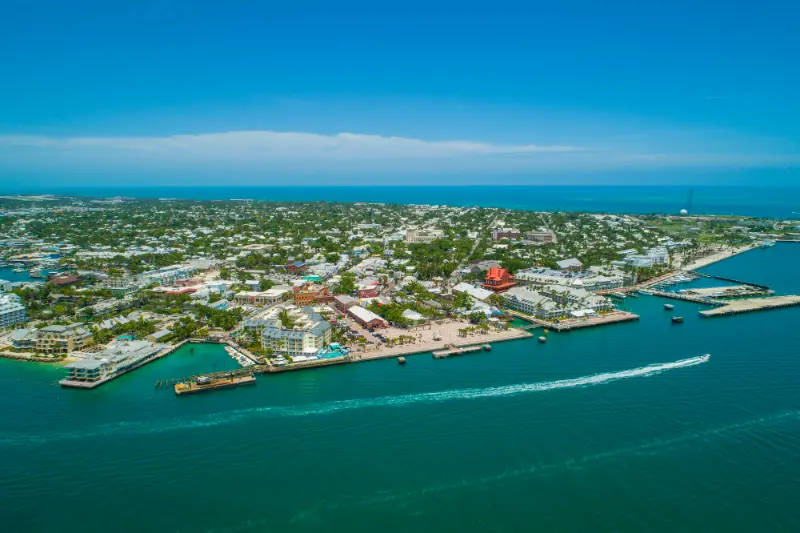
The Yankee Freedom ferry is the familiar option for many travelers departing from Key West. It uses a significant portion of the day but can feel like an organized outing, especially for visitors who would rather not arrange a boat independently. The seaplane is a shorter flight and offers a spectacular aerial perspective; luggage limits, fare and the sensation of flying on a small aircraft can change its appeal. Neither option makes the park a spontaneous stop. Book transport well ahead of peak dates, read exactly what food and gear are included and check cancellation rules for rough weather. The cheapest displayed ticket is not necessarily the cheapest workable day if you have special gear or a large family.
Fort Jefferson without rushing through the history
Instead of sprinting immediately toward the water, spend time with the fort. Look at the scale of the walls, the defensive design and the location of the harbor. Interpretive displays and ranger information help explain the site's military and maritime past, including its role as a prison. Upper levels and uneven sections involve exposure and physical effort, so visitors who are uncomfortable with heights or stairs can focus on accessible ground-level areas. Photograph the exterior early, then revisit one or two rooms or viewpoints after the main arrival rush. The setting tells a larger story about navigation, disease, isolation and the difficulty of building far from mainland supply routes.
Snorkeling and swimming safely around the moat
The water can be clear, but it is still ocean water rather than a controlled swimming pool. Currents, wind and underwater visibility change quickly. A buoyancy aid and a buddy are useful even for experienced swimmers, and anyone uncertain in open water should remain close to shore or choose dry-land exploration. Ask staff where swimming is permitted that day and avoid fragile corals, seagrass and wildlife. Footwear suitable for rocky or sandy approaches is sensible. Snorkeling works best when you leave time to adjust equipment, enter slowly and stop when tired rather than when the day's schedule says you ought to keep going. Children need direct adult supervision, not supervision from the fort wall.
What to pack when there is no shop to rescue you
Bring drinking water, sun protection, any essential medicine, secure shoes, a hat, a dry bag and suitable swimwear. Check your transport operator's rules before assuming the ferry provides every meal or piece of snorkel equipment. Keep electronic devices protected from spray and use a small waterproof pouch for identification and other essentials. There is very limited shade, and reflection from the sea increases sun exposure. Pack out all waste, including snack wrappers and broken equipment. If you rely on a specific food because of allergies or medical needs, carry a reliable backup rather than assuming there will be something suitable on arrival. Treat the island as a remote protected area, not a resort beach.
Camping, private boats and the question of remoteness
An overnight stay has a very different character from a day visit. Camping is primitive, spaces are limited and transportation of camping equipment must be arranged under the appropriate booking rules. Drinking water and routine supplies are not available as they would be at a conventional campground. Private boating requires navigation, weather judgment, park rules and proper mooring practices. Loggerhead Key and other parts of the park are not simply extra stops on the standard day-trip ticket. If your party is new to boating or has never camped without services, a guided day visit is the wiser introduction. It is entirely reasonable to return on another trip for more ambitious exploration.
Who should reconsider or simplify the trip
People prone to severe seasickness should investigate vessel conditions and medication advice well before departure; a long crossing cannot be shortened once under way. Wheelchair users can find some access on Garden Key, but the historic fort's upper tiers are not accessible and advance coordination with the ferry is important. Travelers with very young children should consider naps, sun exposure, toilets and the need to carry gear for a full day. Older visitors can have a wonderful experience if the day is arranged around shade, hydration and the most interesting ground-level areas. A Key West fort, museum and calmer beach day are worthwhile alternatives if the distance, budget or medical considerations make Dry Tortugas the wrong fit.
A realistic total cost calculation
Do not compare the island with a free municipal beach. Your total may include transport from Key West, parking near the departure point, an expensive ferry or seaplane booking, meals, extra drinking water and equipment not provided by your operator. If you are staying elsewhere in the Keys, reaching the departure point can add a substantial early-morning drive or a night in Key West. Check entrance-fee treatment: the National Park Service says that standard ferry tickets include the park fee, but camping is separate. Travelers entitled to national-park passes should ask about operator procedures rather than assuming the pass will automatically reduce every transport charge. A clear household budget written before booking helps prevent a beautiful outing from becoming a financial strain.
Weather decisions and cancellation policies
A blue sky over Duval Street is not proof that the crossing will be smooth. Forecast wind, waves, thunderstorm risk and visibility over the open water can differ from conditions in town. Research what the operator does in adverse weather and whether you may reschedule, receive credit or obtain a refund. If your trip to the Keys is short, leaving Dry Tortugas for the final day provides very little room to adapt to a cancellation. Consider booking it early in a multi-day Key West stay, while keeping a second day flexible. Do not pursue an independent boat trip when conditions are beyond your crew's experience. The landscape is remote, and help is not around the next corner.
A checklist for mixed-age and accessible travel
Assign practical responsibilities before boarding: one adult watches young children, another manages medicines and snacks, and everyone knows where to regroup. If somebody uses mobility equipment, discuss loading arrangements with the transport company in advance and ask how they handle rough conditions at the dock. Fort Jefferson's upper tiers are not wheelchair accessible, according to the NPS. A traveler may still enjoy the waterfront and ground-level interpretation, but it is important to know that limitation before buying a costly ticket. Bring protection for prescription medication against heat and water. If a child cannot cope with a long boat journey or an older relative needs immediate medical support, choose a more accessible Key West outing instead.
How to read an official itinerary rather than a sales promise
Separate three documents: the National Park Service's rules, the transport operator's included services and the weather forecast for your travel day. The NPS determines access and conservation expectations; your selected ferry or air operator determines check-in, baggage rules and boarding procedures. A tour advertisement might show beaches, snorkeling and a fort, but there is only a finite time on Garden Key. List one must-do and one optional experience for every member of the group. Save the operator's phone number offline and share your return time with anyone not traveling. This small amount of preparation makes the trip feel like an extraordinary expedition rather than a series of avoidable surprises.
A manageable visit: morning, main activity and departure
- Before boarding, confirm the operator’s check-in location in Key West and allow a buffer for traffic and parking. Eat a proper breakfast and organize medicines and sun protection in an easy-to-reach bag.
- Upon arrival, choose one priority: the historic fort or the water. Experience that first, then use whatever time remains for the other without trying to cross every accessible section of the island.
- Before departure, rinse or pack wet equipment according to operator rules, count all personal belongings and allow extra time for boarding. A quiet dinner in Key West is a better evening plan than another long drive.
Planning choices for different ages and travel styles
| Visitor | Practical approach |
|---|---|
| Families with babies or toddlers | Pick one short priority and plan meals, naps, sun protection and restroom access before entering. Ask about stroller rules and do not schedule every hour. |
| School-age children | Let them choose one exhibit, trail, animal question or attraction they are genuinely curious about. Set a clear spending and snack plan. |
| Teenagers and adults | Check whether the venue matches an interest in history, nature, science, creative play or thrills. An independent activity can be a better use of time than a forced group itinerary. |
| Seniors and reduced-mobility visitors | Investigate the actual boarding, walking surfaces, wheelchair routes, seating and bathrooms rather than relying on a broad accessibility label. |
| Travelers on a limited budget | Compare the full cost: admission or tour, ground transport, parking, food, extras and the opportunity cost of a second activity. |
The goal is not to make every person complete the same checklist. If one member wants a demanding experience while another prefers a gentle one, identify a suitable supervised activity or a comfortable place to regroup. Check the operator’s latest rules if any participant needs a companion, transfer support, medication or a particular dietary arrangement. Never treat a general travel article as medical advice or a substitute for the accessibility details of the actual service provider.
Useful questions before you book
Can I drive to Dry Tortugas?
No. Access is by boat or seaplane, commonly departing from Key West.
Is the ferry ticket the same as the park entrance fee?
The official NPS fee page says the ferry includes park entrance, but verify your booking and any separate camping charges.
Can I visit Loggerhead Key on the standard day trip?
Not usually. Normal ferry and seaplane trips focus on Garden Key.
Is this a good trip for nonswimmers?
Yes, if the history and scenery appeal to you; swimming is optional and should never be forced.
Official information and final verification
Verify the official visitor information for Dry Tortugas National Park and consult the relevant official planning or visitor-assistance page for details that may change, including prices, hours, tour availability and accessibility. These are informational links, not affiliate booking links.
Updated 9 October 2026. Research-based travel information; no first-hand visit or personal experience is claimed. Always recheck operating rules and availability before purchasing tickets or traveling.