
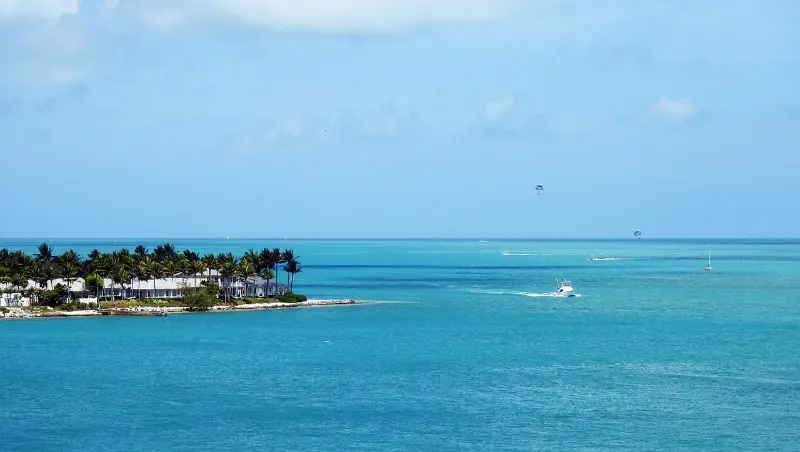
U.S. Highway 1 is an unusually useful framework for a long Florida holiday because it connects multiple versions of the state. In the north it passes urban corridors and coastal communities; farther south it becomes part of South Florida’s dense street network; beyond the mainland it forms the famous Overseas Highway through the Florida Keys. This fourteen-day itinerary is not a claim that every attraction is directly on the highway or that US 1 offers an uninterrupted ocean view. In many places, especially metropolitan areas, the highway is a busy commercial road. The rewards come from carefully chosen side trips and overnight stops.
At a glance
| Stop or theme | What to do | Check before traveling |
|---|---|---|
| Days 1–2 | Jacksonville–St. Augustine | Historic sites and urban traffic |
| Days 3–4 | Flagler–Daytona–New Smyrna | Beach access changes |
| Days 5–6 | Space Coast | Launch schedule may change |
| Days 7–10 | Treasure Coast–Miami | Congestion, parking |
| Days 11–14 | Keys–Key West | Limited road alternatives |
This route is distinct from a fast drive between two airports. The objective is to explore the Atlantic-facing side of the state without changing hotels every night or exhausting a family with long driving days. It suits first-time international visitors, returning travelers, photography enthusiasts and mixed-age groups willing to keep a measured pace. A rental car is strongly recommended, although portions of the larger cities have transit alternatives. Before booking, decide whether you will return the car in Key West or drive back north, because that choice can transform the real mileage and cost.
Route design: where US 1 excels and where it does not
Plan the route as seven broad sections: Jacksonville and northeast Florida; St. Augustine and the northern beaches; the Daytona and New Smyrna region; the Space Coast; the Treasure Coast and Palm Beaches; greater Fort Lauderdale and Miami; and the Florida Keys. Your fourteen days will not allow an in-depth visit to every community. Pick one meaningful activity each morning and an optional second stop if conditions cooperate. Drive the longer segments in daylight, especially when you are unfamiliar with local roads or have older relatives in the car.
You will frequently see the A1A coastal route nearby. US 1 and A1A are not interchangeable: A1A often hugs beaches and barrier islands, while US 1 functions as a more continuous inland or urban corridor. Use a short A1A detour when a particular beach or historic district justifies it, then return to the main route. In South Florida, take traffic seriously and do not schedule a museum opening immediately after a drive through commuter congestion. The final Keys section becomes slower and more vulnerable to incidents because the roadway has limited alternatives.
Days 1 and 2: Jacksonville to St. Augustine
Begin in Jacksonville with a St. Johns River-focused orientation, an appropriate museum or a historic neighborhood visit. The city is geographically large; choose a sensible hotel base and avoid describing everything with a Jacksonville address as close together. If you enjoy history, use the first day to understand river trade and the Atlantic coast rather than squeezing in several distant beaches. Travelers with children may enjoy one museum and one short waterfront walk, leaving the rest of the afternoon unscheduled. Verify facility accessibility, parking and any special-event closures.
On day two, continue toward St. Augustine. The historic district rewards walking, but its oldest areas can include uneven paving, crowded sidewalks and limited convenient parking. Park once where permitted, choose the Castillo de San Marcos or another central site if open, and take time for shaded breaks. Families can explore colonial history with an age-appropriate Junior Ranger activity when available, while visitors who dislike crowds may prefer an early start and a quieter neighborhood lunch. Spending the night near St. Augustine creates a much better experience than arriving after a long drive and leaving before the city wakes up.
Days 3 and 4: Flagler, Daytona and New Smyrna Beach
Continue south through the Flagler Beach and Palm Coast region, selecting a public coastal overlook or short nature walk rather than stopping at every beach access road. Coastal driving offers beautiful light, but tide, storm effects and beach erosion can change practical access. Observe posted rules and never drive onto a beach unless the specific local jurisdiction permits it and you understand the conditions. A day with young children should include predictable restrooms and a simple lunch stop, not a chain of remote pull-offs.
The following day can focus on Daytona Beach or New Smyrna Beach according to interest. Daytona’s motorsports heritage attracts some travelers, while New Smyrna offers a different blend of beach and small-town arts. They do not require an identical itinerary. Check museum and racetrack tour schedules if those are priorities. Non-swimmers can enjoy a promenade or gallery, and travelers with limited mobility should confirm whether a particular shoreline has beach-mobility equipment or suitable access mats. Stay in the area for a second night to avoid turning two different destinations into a drive-through checklist.
Days 5 and 6: Space Coast and the Indian River Lagoon
The Space Coast introduces aerospace history, barrier-island ecology and the Indian River Lagoon. Choose an overnight base near Titusville, Cocoa or another part of Brevard County depending on your priorities. These names cover a large area; lodging near the lagoon may not be convenient for an early Kennedy Space Center visit. If space history is your main interest, reserve a full day for the visitor complex and review its current ticketing and accessibility information. Launch visibility is never guaranteed, and an advertised mission date can shift at short notice.
On the second Space Coast day, choose a lagoon-focused activity or a beach stop rather than another all-day attraction. Wildlife boat excursions must respect manatees, dolphins and bird habitat; ask operators about their practices before booking. Boardwalks and public parks can be rewarding alternatives for those who cannot or do not want to enter a boat. Thunderstorms and strong winds can change coastal plans quickly. A quieter afternoon is useful preparation for the next leg, especially when traveling with a baby or an older relative who needs regular rest.
Days 7 and 8: Treasure Coast to the Palm Beaches
Follow US 1 through communities such as Fort Pierce, Stuart and the Treasure Coast, keeping your stops clustered. A waterfront historic district, regional museum or local nature preserve can explain the Atlantic side of Florida beyond resort advertising. If a public market or small museum is important, confirm the day of operation rather than assuming weekend schedules apply midweek. Avoid promoting commercial boatyards as freely accessible attractions. Stay near the part of the Treasure Coast you most want to explore and make time for a relaxed evening.
Continue south toward the Palm Beaches. West Palm Beach can provide a good arts-and-waterfront day, while Jupiter and other coastal communities offer nature options. Do not assume that a Jupiter beach and a West Palm museum are a short walking pair; the region is spread out. Choose a beach or an indoor institution according to heat and weather. Travelers using wheelchairs should verify specific accessible routes and the entrance to each attraction. A car becomes useful again between towns, but parking costs may rise in denser districts. Avoid unnecessary backtracking by selecting an overnight base after choosing your main morning activity.
Days 9 and 10: Fort Lauderdale and Miami
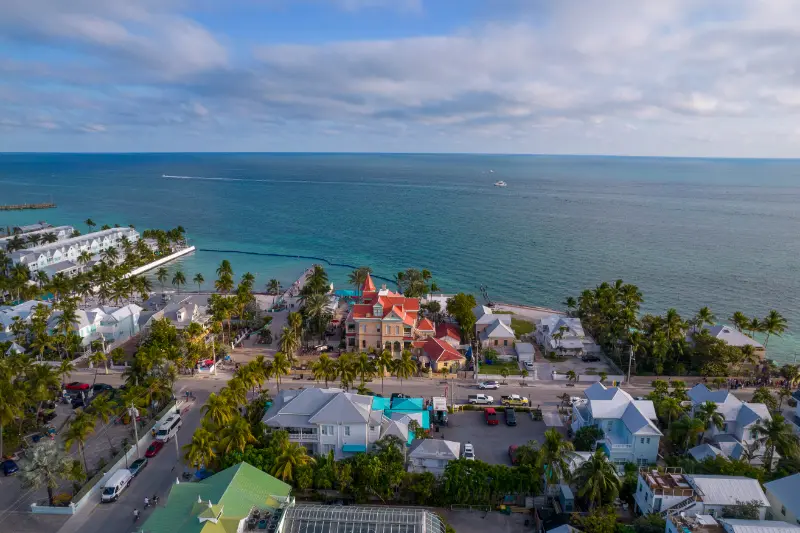
As the highway crosses Broward and Miami-Dade counties, urban travel becomes the central challenge. Leave time for congestion and decide whether you still want the rental car in the most pedestrian-oriented districts. Fort Lauderdale’s Riverwalk and beach can fit into one full day if you choose a compact plan. Its free local shuttles or Water Trolley may be useful once you have parked, but services have different routes and hours. Check current municipal maps rather than relying on a general claim that a trolley circles every attraction.
Use the next day for Miami, selecting Little Havana, a downtown cultural stop, a beach neighborhood or another focused area. Do not attempt all of them in one afternoon. Miami Beach, central Miami and southern neighborhoods are separate planning zones linked by traffic-prone roads. An urban hotel with parking may be significantly more expensive than a comparable inland room, so include the full cost when making a reservation. People with young children should limit transfers and prioritize shade; seniors may prefer one good museum and a long lunch over a crowded evening district.
Days 11 and 12: Upper and Middle Florida Keys
The Overseas Highway is the part of US 1 where the road-trip framework becomes unmistakable. Leave Miami early enough to avoid starting the Keys drive in heavy congestion. The route passes through Key Largo, Islamorada and other island communities, but speed limits and narrow road alternatives make driving slower than the mile count suggests. Do not stop on bridges or road shoulders for photographs, even when the water looks spectacular. Use designated parks, piers or roadside businesses with lawful parking.
Spend two days in the Upper and Middle Keys rather than rushing to Key West. Key Largo is useful for a marine-focused experience, while Islamorada and Marathon offer different kinds of boat tours, cultural stops and public waterfront areas. Not every traveler wants to snorkel; glass-bottom boats, museums and shore-based nature experiences can be good alternatives when properly available. If you book a reef excursion, understand weather cancellation and swimming requirements. For a family group, keep one day lightly scheduled. The ocean will still be there tomorrow, and a missed boat should not ruin the entire vacation.
Days 13 and 14: Lower Keys and Key West
Continue through the Lower Keys toward Key West, enjoying the drive rather than simply aiming for a landmark photograph at the road’s end. The bridges and water views are impressive, but traffic, construction and storms can change the journey. Wildlife areas and shorelines should be observed from authorized public access points. If a restaurant, museum or state park is central to your day, verify its opening conditions before leaving Marathon. Use the afternoon to check in and explore a walkable part of Key West rather than immediately committing to a long list of activities.
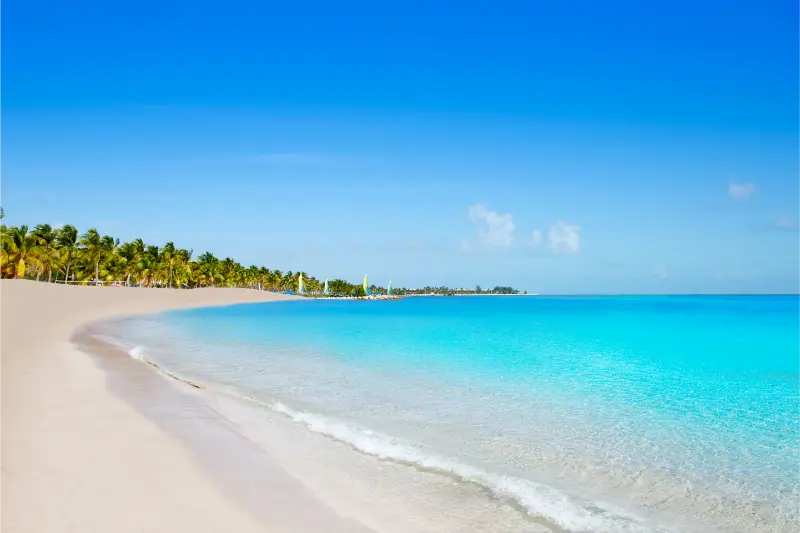
For the final day, choose one historic Key West site, a waterfront walk and a relaxed meal. A sunset gathering may be enjoyable, but it is often busy, and the city’s commercial center can be noisy at night. Travelers with limited mobility should consider the distance across uneven or crowded sidewalks. If your flight departs from Key West, keep a substantial airport buffer. If you must drive back to Miami, do not underestimate the full return journey; it should ideally be its own travel day rather than an add-on after hours of sightseeing. End the trip with time to enjoy the destination you spent two weeks reaching.
Where to stay, driving costs and weather contingencies
Use two-night stays wherever practical: St. Augustine, the Daytona area, Space Coast, a Treasure Coast/Palm Beaches base, South Florida and the Keys. That rhythm reduces packing and makes storms less disruptive. Compare one-way rental fees and overnight parking charges; some resorts advertise attractive room rates that do not include substantial parking or mandatory property fees. Toll transponders and rental-car toll programs also deserve review, especially when leaving US 1 for expressways or bridge routes.
Hurricane season runs through November, and tropical systems can disrupt the route, particularly in the Keys. No travel guide can guarantee access during a forecast event. Track National Hurricane Center advisories and local emergency instructions, and never drive into floodwater. For everyday summer thunderstorms, move outdoor stops to mornings and keep a flexible indoor alternative. Pack medications, a basic first-aid kit, drinking water and printed reservation details. Families should verify the right car seat, and older passengers should have room to rest in the vehicle. Driving responsibly is more important than completing every mileage marker.
Frequently asked questions
Does US 1 run directly beside Florida’s beaches?
Not consistently. Much of the road is inland or urban; use selected legal coastal detours rather than expecting continuous water views.
Can I finish the route in less than fourteen days?
Yes, but you will need to drop destinations or shorten your time in each region. Seven to ten days is possible for a faster drive.
Do I need a rental car for the whole route?
Yes for the road trip as written. City sections have local transport options, but the multi-region itinerary relies on flexible driving.
Is the Overseas Highway difficult to drive?
The route is straightforward but can be busy and slow, with limited alternatives if a major incident occurs. Drive in daylight and allow generous time.
Is the route suitable for a multigenerational family?
Yes, with two-night stays, early departures, short walking days and appropriate lodging. Individual accessibility needs must be checked separately.
Official planning resources
- Florida Department of Transportation: road projects and traffic information resources.
- Florida 511: real-time traffic, road and incident updates.
- Florida State Parks: access and safety information at selected coastal stops.