
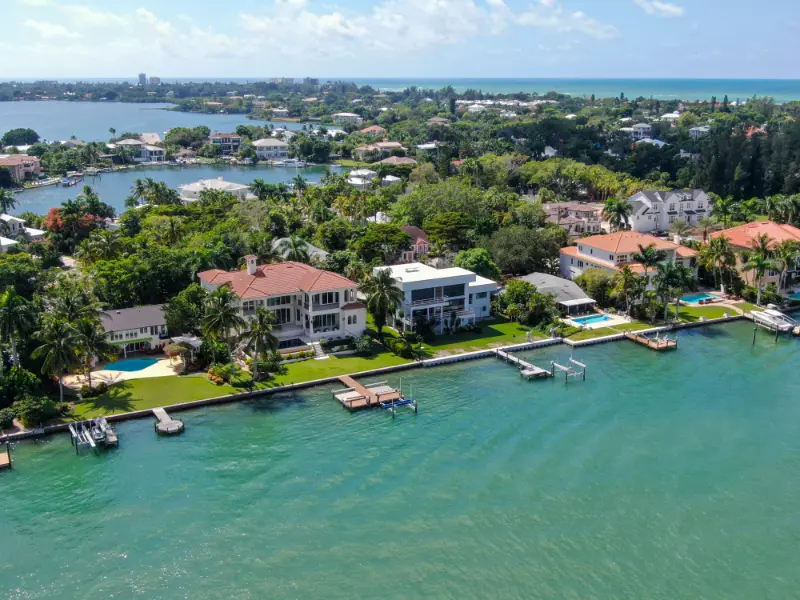
Sarasota is often marketed through bright sand, gardens and waterfront dining, yet it is also a distinctive destination for people who enjoy twentieth-century architecture. Designers associated with the Sarasota School of Architecture explored shade, airflow, openness and the relationship between buildings and Florida’s climate. Their work gives a fascinating reason to slow down and explore the city beyond the beaches. This four-day itinerary combines publicly accessible architecture interpretation, museum spaces and relaxed neighborhood visits. It is intended for curious travelers, not only architects, and avoids promising entry into private modernist homes.
What the Sarasota School of Architecture means
The Sarasota School is associated with mid-twentieth-century modern architecture rather than a literal school building or a single uniform design. Architects working in the region experimented with light structures, expansive glazing, roof overhangs, adaptable spaces and ways to live with heat and subtropical conditions. Paul Rudolph is a central name, though other architects and clients were part of the wider story. Look for how a building manages sun, privacy and indoor-outdoor transitions, not merely whether it has a flat roof or unusual angles.
It is useful to know that the term describes a body of work and an architectural movement. Many important buildings are privately owned, altered or not open on ordinary sightseeing days. Rather than navigating to a private home and hoping to enter, begin with an organization that explains the work and provides scheduled public programs. Architecture Sarasota is a valuable official source for talks, exhibitions and tours. The city becomes more rewarding when you understand a few design principles before hunting for particular façades.
Day one: Architecture Sarasota and downtown context
Begin around South Orange Avenue, where Architecture Sarasota operates in the adapted Scott Building, a place that itself reflects the region’s modern design heritage. Check its current visitor program and opening hours; a public exhibition, event or guided tour may have separate admission and limited dates. The organization also provides information about the restored Umbrella House and other significant buildings, but scheduled access should not be assumed. Seeing an image of a building on a website does not mean a visitor can enter it the next morning.
After an interpretive visit, take a short downtown walk and compare mid-century forms with older civic architecture. Notice differences in windows, shading, material choices and how buildings meet the sidewalk. Select a comfortable area rather than constructing a long architecture scavenger hunt in the heat. For families with children, turn the walk into a visual game: find overhangs, columns, curved walls and shaded courtyards. A simple exercise helps everyone participate without requiring an interest in technical jargon or professional design vocabulary.
Day two: Sarasota Art Museum and the school campus story
Sarasota Art Museum occupies a former school complex, making it useful for seeing how a historic educational campus can become a cultural destination. Its architecture tours have discussed the former Sarasota High School and a modern addition associated with Paul Rudolph. The value of the stop lies in the contrast between periods and in the way the property has been adapted. Check the museum’s current exhibition and tour calendar; not every admission ticket automatically includes a specialist architecture walk.
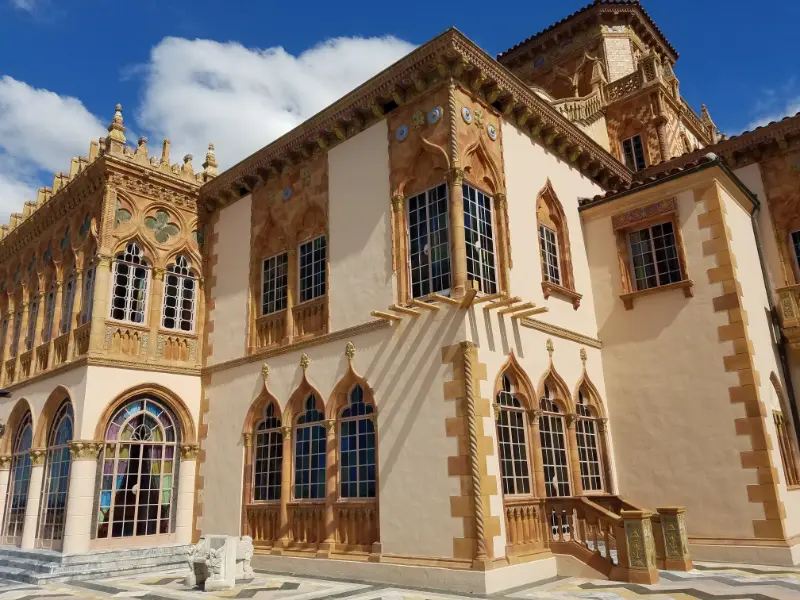
Allow time for the art as well as the building. Travelers can easily spend more energy photographing exterior details than enjoying the public galleries. An indoor museum provides welcome shade during a warm afternoon, but do not assume every exhibition will interest every age. If traveling with teenagers, encourage them to compare the original school role with the current museum use and consider what preservation means when a building changes purpose. The conversation is more memorable than requiring them to remember every architect’s date of birth.
Practical comparison at a glance
| Consideration | Choice or stop | What to know |
|---|---|---|
| Day 1 | Architecture Sarasota | Interpretation and modernist history |
| Day 2 | Sarasota Art Museum | Campus reuse and exhibitions |
| Day 3 | Downtown civic route | Art Deco, Moderne and public buildings |
| Day 4 | Gardens and climate | Shade, landscape and design |
Day three: public architecture and civic landmarks
Use the third day for a selected downtown walking route that includes older civic structures. Visit Sarasota County’s historical walking-tour material for a grounded route and explanations. The Municipal Auditorium is one recognizable public building, connected to late-1930s civic architecture and the Art Deco and Moderne movements. It is not a Sarasota School house, and that difference is worth understanding. Comparing architecture from separate decades prevents the trip from becoming a collection of visually interesting buildings with their histories mixed together.
Keep to publicly accessible streets and venues. An auditorium may host events or operate under rules that do not permit casual entry to every room. Look at the exterior where legal, confirm whether a tour is offered, and choose another stop if access is restricted. Combine the walking route with a relaxed café break and perhaps a public exhibition. For someone using a wheelchair or walker, evaluate sidewalks and crossing points before setting off. A compact route with three strong stops is more comfortable than a long circuit whose final third everyone rushes through.
Day four: gardens, climate and how Florida buildings feel
On the last day, choose a garden or shaded public landscape and think about the local climate as part of the architecture story. Sarasota’s subtropical environment influences why overhangs, breezeways, screens and outdoor rooms are so interesting. A garden visit allows a different view of light and shade without necessarily adding another specialist tour. Marie Selby Botanical Gardens can be a candidate if its current exhibitions and admission fit the budget, but treat it as a botanical destination, not a promise of private modernist-house access.
The afternoon can remain open for a beach, quiet café or revisit to a favorite neighborhood. Architecture is easiest to enjoy when travelers have time to notice how a place functions. Sit where permitted and observe how people move between sun and shade. Ask what would make a building comfortable in August versus January. For visitors who rarely consider design on vacation, those questions can connect the historical tour to everyday experiences and make familiar Florida scenes feel freshly interesting.
The Umbrella House and the question of private access
The Umbrella House is a major Sarasota modernist landmark associated with architect Paul Rudolph. It is widely featured in architecture literature, and its distinctive overhead shade element has been restored. However, an iconic image is not an open invitation to walk through the property. Architecture Sarasota’s own programming is the appropriate place to check for guided access and special events. If no public tour is scheduled, enjoy the building through authorized photographs and interpretation instead of treating the surrounding residential area as a free museum.
Private homes are where visitors must be especially careful. Do not enter driveways, peer through windows, fly drones over gardens or photograph residents at close range. If you are following a self-guided architecture map, keep to legal public viewpoints and obey parking signs. Many owners maintain buildings that are expensive to preserve and still need ordinary privacy. Respectful behavior protects the possibility of future tours and shows that architectural tourism can support preservation rather than inconvenience communities.
A relaxed itinerary for people who do not know architecture
If a companion is skeptical about a vacation centered on buildings, make it a mixed trip. One architecture-focused activity each morning leaves afternoons free for art, gardens, waterfront meals and family interests. Explain a few concrete ideas rather than relying on specialist labels: why a deep roof overhang blocks direct sun, how large windows change a view, why a courtyard can make a building feel cooler. These observations provide a common language for families and couples without turning the trip into a design examination.
A group with children can use drawings or photos to compare two buildings, while older travelers may enjoy memories of the way houses and public buildings changed during the mid-twentieth century. Avoid describing every building as a futuristic masterpiece. Some experiments aged differently, and restoration requires thoughtful choices. Architecture becomes more engaging when people can talk about what works well, what is difficult to maintain and how expectations of comfort have changed.
Where to stay for an architecture-focused break
For most visitors, a central Sarasota base is more convenient than an isolated beach resort if mornings are spent at museums and downtown walking routes. Compare the location of your preferred hotel with Architecture Sarasota, Sarasota Art Museum and the civic district. Parking fees, restaurant access and the time needed to reach each stop can matter more than the hotel’s visual style. If you also want daily beach time, a property on a barrier island may be appealing, but allow for bridge traffic and parking on the mainland.
Travelers who use mobility aids should ask about accessible rooms and entrances at both hotels and scheduled tour venues. A modernist building’s dramatic design does not necessarily make every historic entrance barrier-free, especially when private houses are opened for special visits. Ask tour organizers about stairs, narrow passages, indoor seating and the length of any walking portion. Booking a smaller number of accessible experiences is better than purchasing several tickets for spaces a member of your group cannot enter comfortably.
Weather, transportation and timing the trip
Sarasota can be hot and humid during much of the year, so arrange outdoor architectural walks earlier in the day. Thunderstorms may disrupt an open-air tour even when nearby museums continue operating. Check the operator’s cancellation or rescheduling policy before paying. If your schedule is flexible, plan indoor exhibitions for the warmest afternoon hours. Carry water and use sun protection; architecture trips often involve longer periods standing on sidewalks than visitors realize when looking at a short itinerary description.
A car is convenient for reaching locations beyond central downtown, but not every short movement requires driving. Choose a walkable cluster where possible and use a taxi or rideshare for longer transfers if parking is awkward. Do not assume a historical walking tour includes transport between buildings. Some guided events start at a designated meeting location that differs from the organization’s main office. Confirm the precise address and arrival instructions so the day begins with curiosity rather than a frantic search for a tour group.
How to tell original, restored and adapted structures apart
Preservation can mean maintaining original material, carefully replacing deteriorated elements or changing a building’s purpose while retaining significant design features. Sarasota offers examples of all these approaches. Look for explanatory panels or ask guides which details are original and which were reconstructed. An architect’s early drawing and the building visible today may differ. Neither observation ruins the experience; understanding change is part of understanding how buildings survive in a humid coastal environment.
Read official preservation and architectural-organization material alongside promotional hotel and attraction descriptions. A phrase such as “mid-century inspired” might describe a recent design with no historical connection to the movement. Likewise, a beautiful restored building may have lost significant original features. Visitors do not have to judge the work as experts. Asking why an element was repaired and what future maintenance requires can make a short tour feel more substantial and less like a set of decorative photographs.
Costs, reservations and useful sources
The cost of this trip depends heavily on how many specialist tours and museum admissions you select. Some public exterior architecture is free to observe from appropriate viewpoints, while interior exhibitions and guided house visits may require booked tickets. Check student, senior and member discounts directly with organizers rather than assuming an overseas card qualifies. Build a simple budget covering four nights, transport, parking, museum fees, meals and one optional architecture tour. Leave room for a last-minute program that genuinely interests you, but avoid paying for multiple events with overlapping content.
Use Architecture Sarasota’s official events and Explore pages, the Sarasota Art Museum calendar and Visit Sarasota County’s architectural and historical walking resources. These sources offer more reliable starting points than an old list of private addresses. The best four-day experience is not the one with the greatest number of famous buildings. It is the trip that helps you see how Sarasota’s landscape, climate, art and daily life shaped an inventive approach to modern design.
Frequently asked questions
Can tourists enter Sarasota's famous modernist houses?
Only some, and often through scheduled guided programs. Check Architecture Sarasota rather than assuming private residential buildings are open daily.
Is Sarasota's modern architecture suitable for children?
Yes, especially when combined with museum visits, gardens and short observation activities. Avoid scheduling hours of technical lectures for younger children.
Do I need a rental car?
A central base allows some walking, but a car or planned rideshare is useful for sites outside downtown. Confirm tour meeting locations first.