
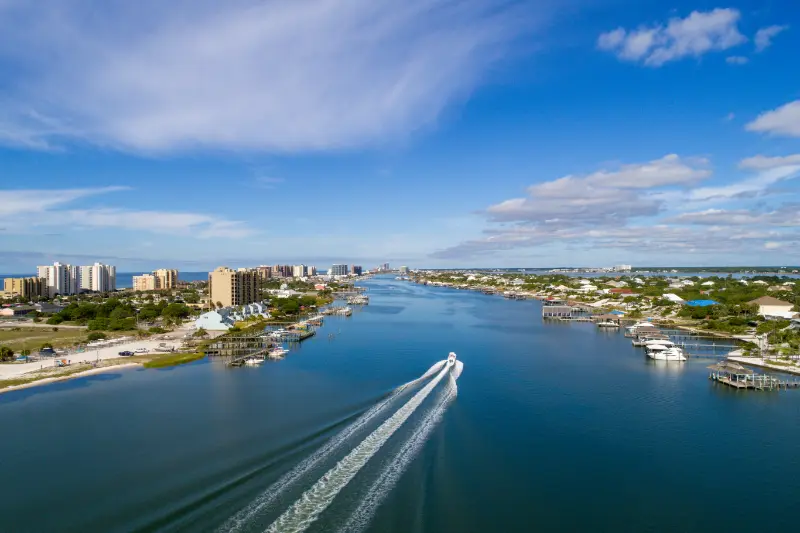
Pensacola's Gulf Coast offers two beach settings that are easy to confuse when booking: Pensacola Beach to the east and Perdido Key farther west. Both are known for light-colored sand and protected shorelines, but their access roads, communities and nearby attractions are different. A three-day visit works best when you give each side a day and include the historic downtown or a protected coastal fort only where it fits comfortably. You do not have to drive through every dune road to understand this coast. This route favors beach safety, clear parking decisions, and alternatives for visitors who do not want to swim.
Three-day itinerary at a glance
| Day | Recommended focus | Easy alternative |
|---|---|---|
| Day 1 | Pensacola Beach public shore access | Beach and a convenient early dinner |
| Day 2 | Fort Pickens and coastal history | Protected seashore or downtown museum |
| Day 3 | Perdido Key and Johnson Beach | Short shoreline visit and departure |
Know the geography before you reserve a room
Pensacola Beach lies on Santa Rosa Island, reached by crossing from the Gulf Breeze area. Perdido Key is a separate barrier-island destination west of mainland Pensacola, with its own accommodation clusters and stretches of undeveloped shore. The two are not neighboring beaches separated by a short walk: visiting both means driving around waterways through the mainland road network. For a three-day trip, base yourself in the location where you expect to spend most beach time, and plan the other location as a deliberate day outing rather than an impulsive lunch diversion.
Pensacola's historic downtown is also not on the Gulf beach. A downtown hotel supports restaurants, museums and evening walks, but driving is generally required to reach swimming beaches. A barrier-island rental can put the sand closer, though groceries and additional dining options may involve travel. Check whether a property provides direct legal beach access or simply a distant water view across a road. Families should review kitchens, laundry and parking; couples may prefer a compact property near restaurants; travelers with reduced mobility should confirm elevators and beach paths rather than trusting the word “accessible” without details.
Day one: arrive on Pensacola Beach and explore the shore
Keep day one concentrated on Pensacola Beach. Choose a designated public access near your lodging and use the morning for gentle beach time. Locate restrooms and shade options before committing to several hours on the sand. Pensacola Beach can be breezy, and waves or currents can change quickly. Follow lifeguard flags and posted warnings where available, avoid swimming alone and keep young children within arm's reach near breaking surf. A sandcastle session, reading hour or short shoreline walk is often enough to settle into a vacation rhythm after a journey.
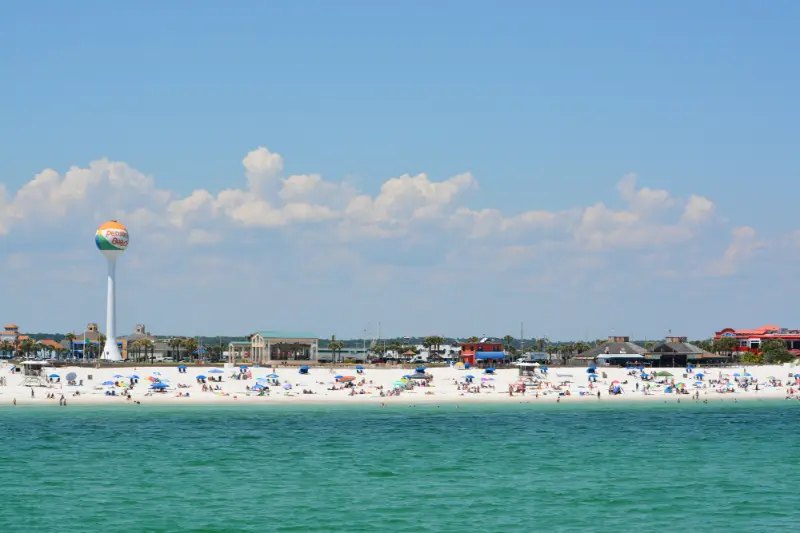
In the afternoon, choose one modest change of scene: a public pier area if open, a restaurant or a short local drive to a scenic access. Do not park in a private hotel lot to use a nearby beach unless permitted. People who find sand difficult can still enjoy coastal views from approved boardwalks and public overlooks. A family with a baby may be better served by a shorter beach morning followed by an air-conditioned break, while active adults could choose a surf or paddle lesson with a reputable provider. Ask about weather limits, age restrictions and safety equipment before booking.
Day two morning: explore Gulf Islands National Seashore
Gulf Islands National Seashore protects important stretches of barrier island, coastal habitat and historic sites. On the Pensacola Beach side, the Fort Pickens area offers dunes and military history in a landscape that feels different from a developed beach strip. Look up the National Park Service's current information for the appropriate entrance, access road, fees and any closures before driving out. Severe weather and restoration can alter access, and no article should promise that a particular section of road, beach or fort is always open.
A fort visit is especially useful for families that want educational activity without adding a full theme-park day. The defensive structures help explain why the entrance to Pensacola Bay mattered historically. Historic surfaces, steps and unshaded areas may be difficult for some visitors. If anyone uses a wheelchair or cannot stand for long, ask which viewpoints and interpretive areas are accessible. Bring water, sun protection and a snack; services inside protected seashore areas may be limited compared with a developed beach community. Respect closed structures and avoid walking on fragile dunes.
Day two afternoon: choose one history or coastal stop
After visiting Fort Pickens or a protected beach access, spend the afternoon according to the weather and your interests. An indoor stop in historic Pensacola can add cultural context, with architecture, museums and the city's “Five Flags” story. The local historic district is enjoyable at an unhurried pace but may involve uneven sidewalks and summer heat. If your group is focused on relaxation, remain on Pensacola Beach for a second quiet shoreline session instead. Both are reasonable options; what does not work well is insisting on several hours at the fort, a downtown museum circuit and another beach across town before dinner.
Choose lunch near the next activity rather than driving repeatedly between downtown and the island. Travelers with young children should plan for rest after the exposed seashore. Seniors may appreciate a shorter museum or cafe stop in an air-conditioned space. If anyone is interested in military aviation history, research the National Naval Aviation Museum's current visitor access requirements well ahead of the trip rather than assuming the facility is open to all visitors without restrictions. Military installation rules can change and may require identification or other conditions. Do not add it casually as a last-minute stop.
Day three: enjoy Perdido Key's quieter atmosphere
Reserve day three for Perdido Key, a different coastal environment with public beach areas, protected dunes and a more dispersed pattern of lodging. Start early to avoid arriving at the busiest access when parking is already scarce. Johnson Beach is part of Gulf Islands National Seashore; verify National Park Service operating details and fees. Some facilities may be affected by weather or conservation measures. A quieter beach does not mean a supervised beach, and visitors must still check surf conditions and follow posted notices.
Perdido Key works well for people who want to slow down. Birdwatching, photography, reading and careful observation of the dune environment can fill a morning without swimming. Families may spend their best hours with buckets and beach toys; adults can enjoy a quiet walk at the water's edge. Avoid entering protected dunes or collecting living animals. If a longer walk is impractical, plan around the most accessible approved viewpoint, seating and restroom facilities. Do not rely on an online image of a boardwalk to confirm its present condition; coastal facilities can be altered by storms.
Where to stay: beach convenience versus town flexibility
The choice between Pensacola Beach, Perdido Key and downtown Pensacola depends on whether you want a beach-first stay or a cultural city break. Pensacola Beach may work for travelers who prefer a recognizable beach-town core with restaurants and visitor services. Perdido Key may suit those looking for a more residential or relaxed resort feel, depending on the exact property. Downtown Pensacola offers historic streets, dining and potentially easier access to nonbeach entertainment, but requires driving for the Gulf. Read listing maps carefully to understand where the room actually is.
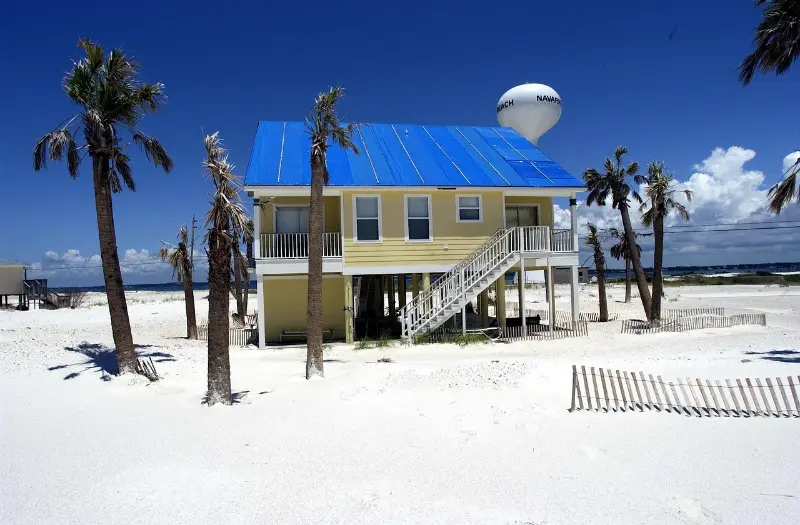
A vacation rental may look inexpensive before mandatory fees are added. Compare the final cost including cleaning, parking, taxes and any resort charges. Ask whether guests have guaranteed access to a specific beach crossing and whether beach chairs or umbrellas are included or rented separately. If the property is on a higher floor, confirm elevator reliability. A family of several generations may benefit from separate sleeping spaces and a kitchen; two adults staying only three nights may prefer an ordinary hotel with less logistical work. No single property type is best for every traveler.
Build beach days around safety, not assumptions
The Gulf Coast's beautiful water colors are not safety ratings. Rip currents can develop, and storms may create dangerous conditions even when the morning started clear. Learn local beach-flag meanings and follow lifeguard advice. Never enter the water during lightning or ignore a posted closure. A child who can swim in a pool may still struggle in surf, and a confident adult can also be caught in a current. On protected shorelines, avoid disturbing nesting birds and sea turtles. Stay on designated access routes and do not remove dunes' vegetation.
Take sensible sun precautions even during breezy spring days, and bring shoes or sandals for hot surfaces. Visitors who do not swim can still experience the seashore through photography, coastal history and natural views. People with mobility limitations should contact park services or local visitor organizations about accessible parking, mats, restrooms and routes. A general park accessibility statement may not describe the specific beach entrance you intend to use. For anyone sensitive to heat, try the shore early and reserve midday for an indoor break.
Traveling with children, older adults and mixed interests
The three-day structure gives each age group a chance to choose. One child may want a full beach morning while a grandparent prefers a fort viewpoint or seated cafe stop. Agree on one shared meal and one main attraction each day, then allow optional downtime. Teenagers interested in watersports can join a beginner-appropriate supervised activity, but check age restrictions and weather cancellation terms. For a traveler with limited walking stamina, a beach with the shortest legal access path may be far better than an iconic stretch requiring a long sand crossing.
Military history can appeal to adults and school-age children, but the exposed setting of Fort Pickens requires attention to heat. Consider a short visit with a clear educational goal rather than a demanding self-guided trek through every structure. If rain interrupts the plan, choose a history museum or restaurant in town. There is no reason to “make up” a lost beach afternoon by cramming three stops into the next morning. A satisfying vacation uses protected reserves and urban culture as alternatives, not as a series of obligations.
Costs, transport and a realistic departure plan
Main expenses are lodging, meals and vehicle use, followed by entrance charges to national seashore areas and any optional rentals or tours. Beach parking arrangements can change, and some developed facilities charge while others may not. Before departure, review both the public access map and any park fees for your chosen sites. Booking one guided activity can be worthwhile, but a short stay does not need several paid experiences. Beach days are often memorable because of the scenery, which can be enjoyed without purchasing a cruise or lesson.
Driving time is important when visiting both barrier islands. Follow the road network rather than trusting a map's straight-line distance across water. If you fly home on the third day, consider moving the Perdido Key excursion earlier or shortening it. Allow time for returning beach equipment, checking out and reaching the airport; a morning of relaxed sightseeing is easier when luggage storage is confirmed. Public transport may be limited for cross-area sightseeing, so visitors without a vehicle should focus on one beach community and pay for carefully chosen transfers rather than assuming frequent connections throughout the coast.
Seasons, storms and a final trip checklist
Late spring and fall can offer pleasant shore time, but every season has trade-offs. Summers are hot, often humid and prone to thunderstorms. Winters can be breezy and cool, with water temperatures less appealing for swimming. During hurricane season, monitor official forecasts and understand evacuation procedures and booking cancellations. Coastal storms and restoration work may temporarily affect park roads, piers or public facilities; check the National Park Service and local beach authorities shortly before travel. A closed fort or beach approach should change your day's plan, not force a risky detour.
Before arriving, confirm your hotel's real location, public beach entrances, Fort Pickens or Johnson Beach access, museum hours and current safety warnings. Pack a flexible daytime schedule and reserve one indoor alternative. Three days is enough to appreciate Pensacola Beach's developed shoreline, the history protected within Gulf Islands National Seashore and the quieter setting of Perdido Key. It is not necessary to visit every coastal community between them. The best memories often come from one early beach walk and enough time to sit beside the dunes without needing to hurry onward.
Frequently asked questions
Are Pensacola Beach and Perdido Key connected by a quick coastal drive?
No. They are separate barrier-island areas, and road travel goes through the mainland network.
Is Fort Pickens always open?
Check current National Park Service hours and closures; storm and facility conditions can alter access.
Can non-swimmers enjoy the national seashore?
Yes. Public viewpoints, coastal heritage, birdwatching and safe shoreline walks are rewarding alternatives.